
10 Basic Dog Needs To Ensure a Healthy and Happy Dog
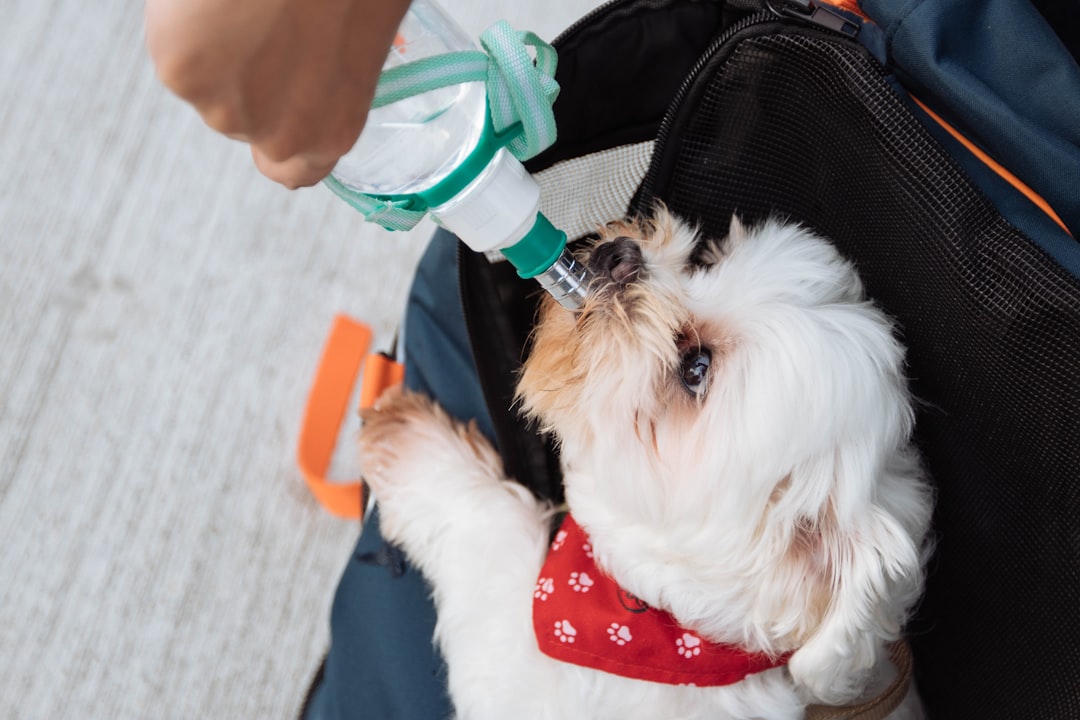
Imagine coming home to a wagging tail, bright eyes, and a goofy grin every single day. There’s nothing quite like the unconditional love of a dog. But behind every happy, healthy pup is a human making sure their needs are truly met. Meeting your dog’s basic needs isn’t just about kibble and water—it’s about understanding what makes them tick, what keeps them safe, and what fills their days with joy. If you’ve ever wondered what it really takes to have a content canine companion, let’s dive into the ten essentials that every dog deserves.
Nutritious, Consistent Meals
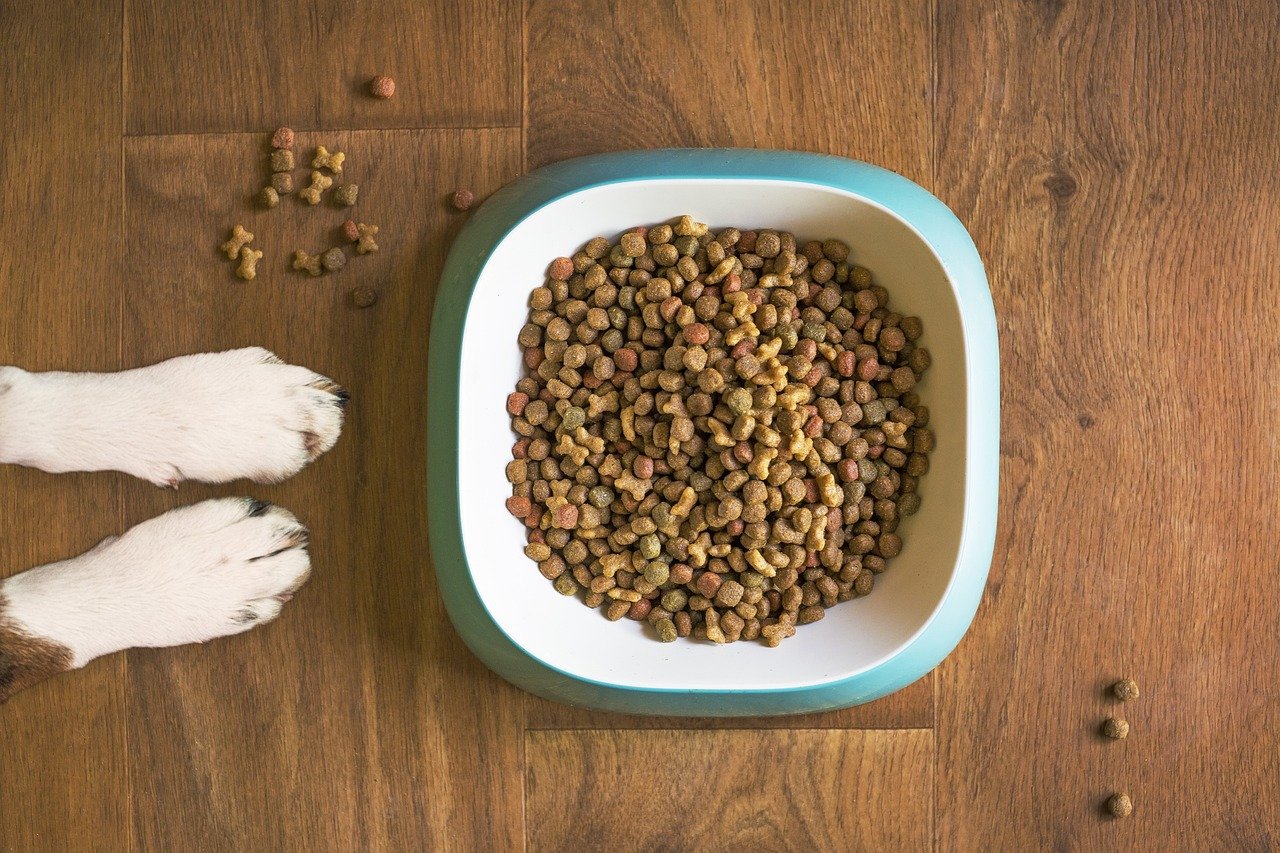
A good meal is the foundation of your dog’s health. Dogs thrive on a balanced diet that matches their age, size, and activity level. Feeding them at regular times each day gives them a comforting routine and keeps their digestion on track.
You’ll know your dog is eating well when their coat shines, energy levels are steady, and bathroom habits are regular. Watch for sudden changes in appetite or weight, and always keep fresh water available. If you’re unsure what’s best, a chat with your vet can help you pick the right food.
Fresh, Clean Water
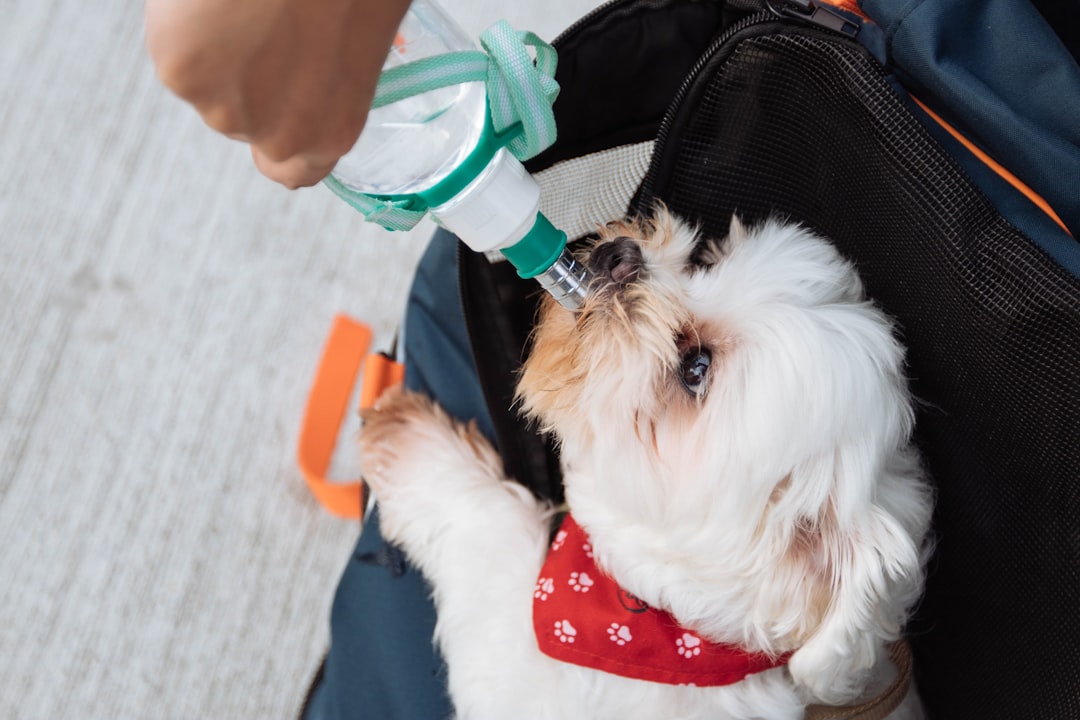
Water is as vital to dogs as it is to us. A well-hydrated pup is energetic, alert, and less likely to face kidney or urinary issues. Make sure your dog’s bowl is always filled with clean, cool water, especially during hot days or after exercise.
Look out for signs of dehydration like dry gums, lethargy, or sunken eyes. If your dog drinks excessively or hardly at all, it could signal an underlying problem. Just like us, dogs appreciate their water fresh—so don’t let it sit too long and get stale.
Safe Shelter and Cozy Resting Spaces
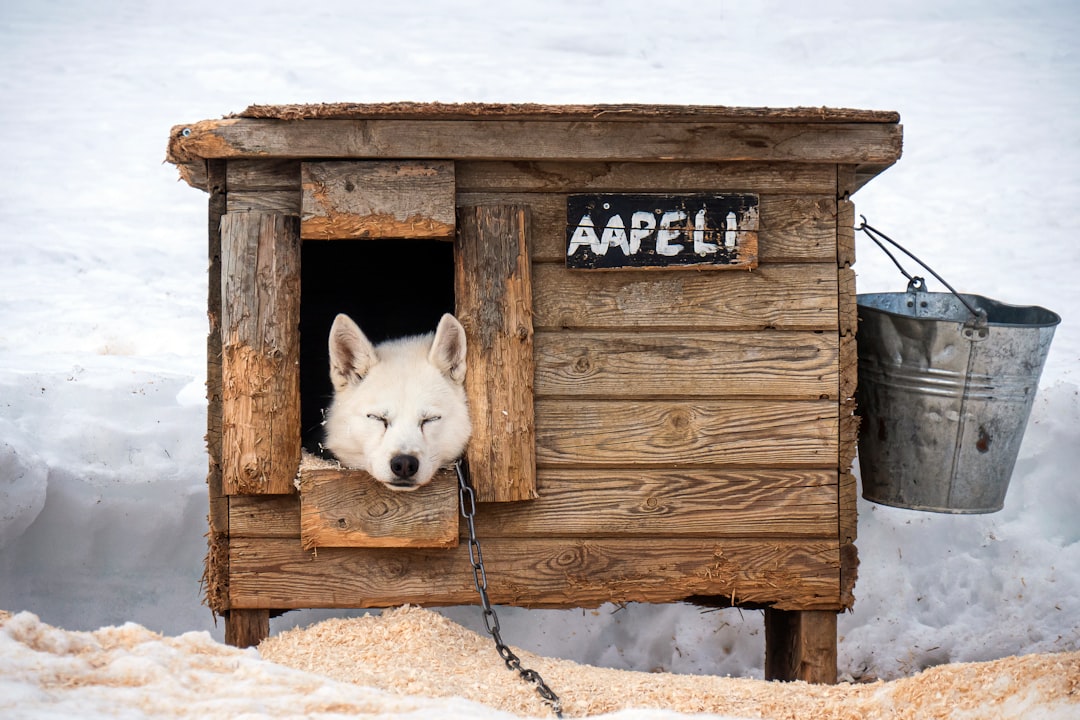
Every dog needs a place where they feel secure—a spot to retreat and recharge. Whether that’s a soft bed in the living room or a crate they can call their own, comfort and safety are key. Shelter also means protection from harsh weather, loud noises, and stressful situations.
Notice where your dog likes to nap or hide during storms. That’s their safe spot. Make it welcoming with blankets and toys. If your dog seems restless or avoids their usual area, check for drafts, disturbances, or anything that might make them uncomfortable.
Regular Exercise and Play
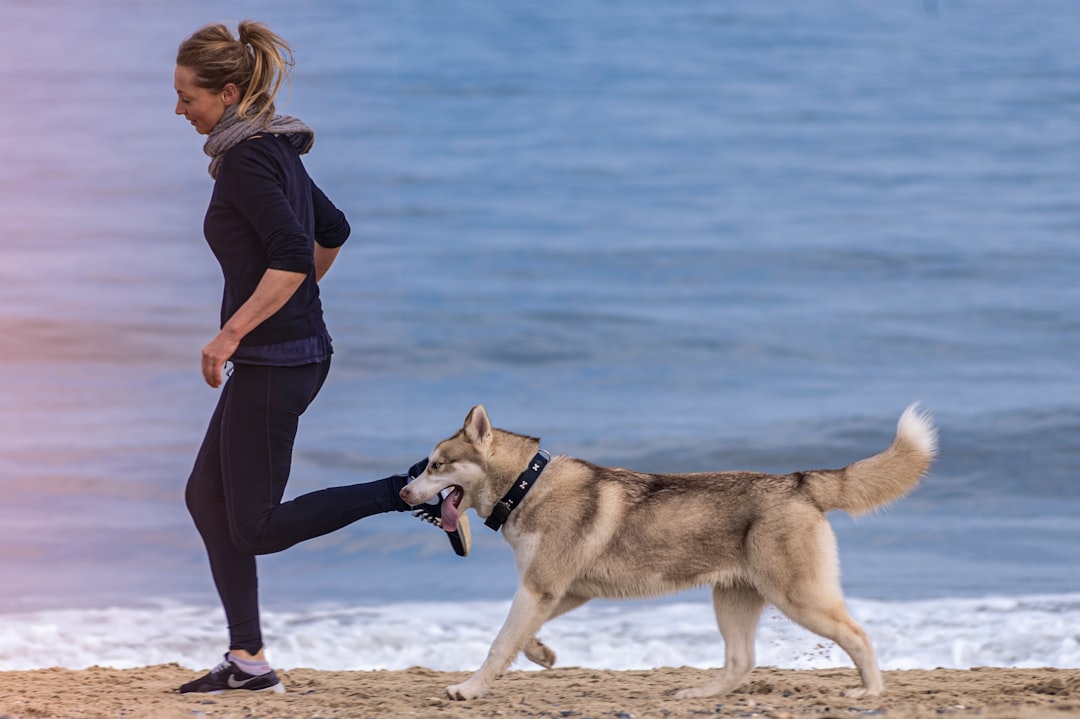
Exercise is more than just burning off steam—it keeps your dog’s body strong and their mind sharp. Walks, fetch, tug-of-war, or even agility games help prevent obesity and boredom. The right amount depends on your dog’s breed and age, but every dog needs daily movement.
A tired dog is a happy dog. Watch for signs like a wagging tail, excited barks, and that classic “zoomie” sprint around the yard. If your dog seems restless or destructive, they might need more activity. Mix things up to keep routines exciting!
Routine Veterinary Care
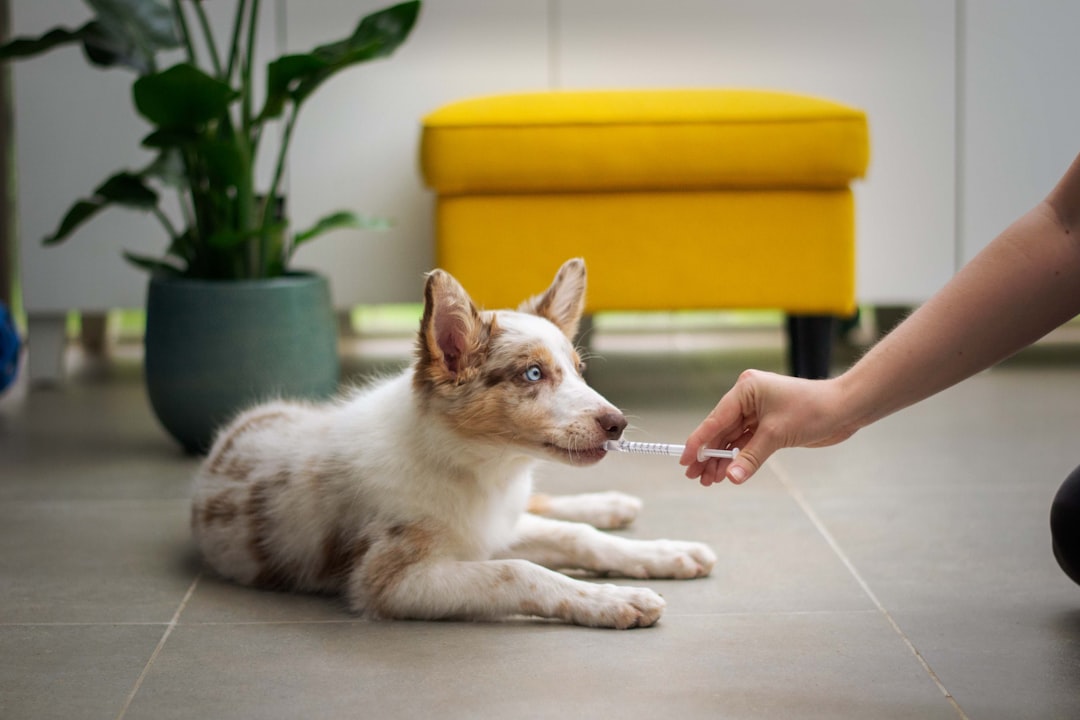
Dogs can’t tell us when something’s wrong, so regular checkups are essential. Annual exams, vaccinations, pest prevention, and dental care catch health issues early and keep your pup feeling their best. A trusted vet is your partner in keeping your furry friend thriving.
Don’t wait for obvious signs of illness. Subtle changes—like bad breath, licking paws, or sleeping more—are worth mentioning to your vet. Prevention truly is better than cure, and a healthy dog means more happy years together.
Mental Stimulation and Enrichment
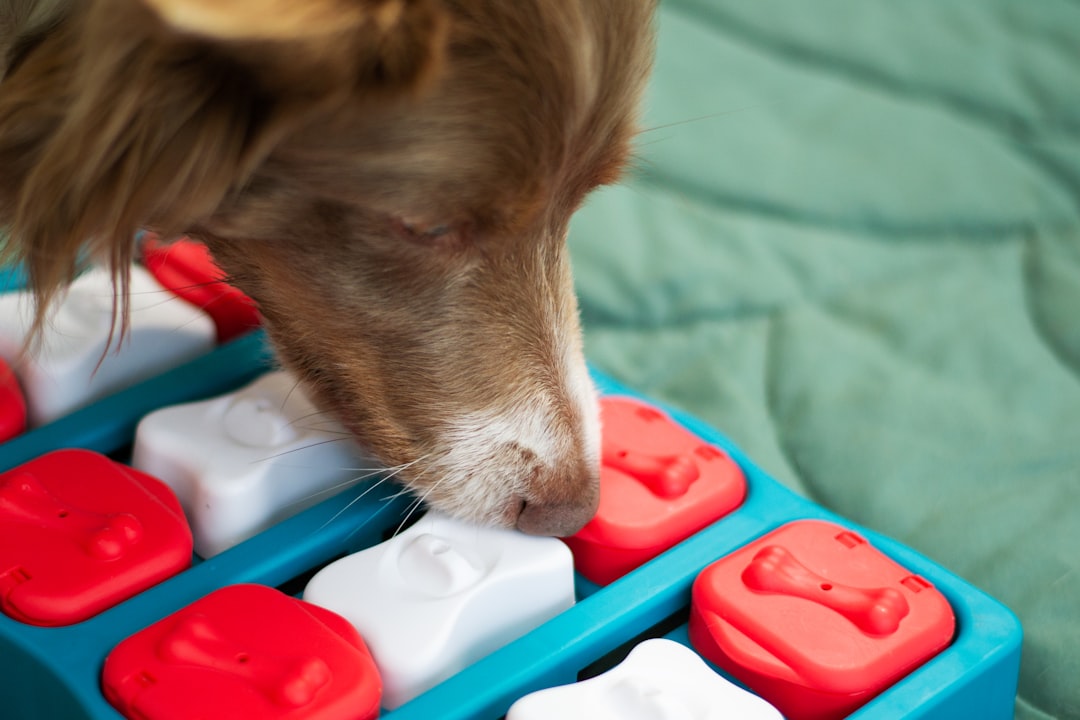
Dogs are thinkers—they love solving puzzles, learning tricks, and exploring new scents. Without mental stimulation, they can get bored, anxious, or even depressed. Interactive toys, training sessions, and new experiences keep their minds buzzing.
You’ll know your dog is mentally fulfilled when they eagerly engage with new toys or tasks. If you spot signs of boredom, like chewing shoes or barking at nothing, it’s time to introduce something novel. Even a five-minute training game can do wonders.
Consistent Training and Boundaries
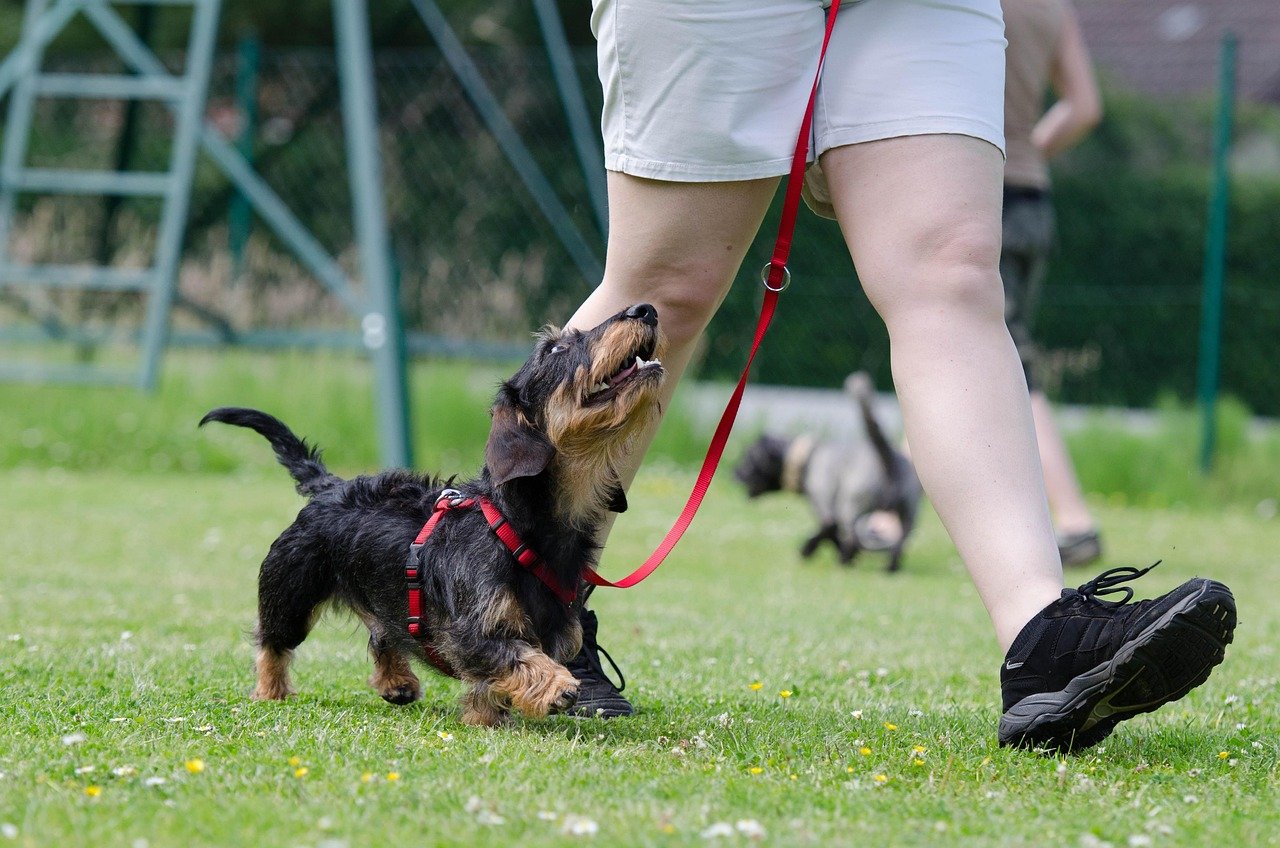
Dogs crave structure. Clear, gentle training helps them understand what’s expected and builds trust. Positive reinforcement—praise, treats, or a favorite toy—makes learning fun and strengthens your bond.
Consistency is everything. If one day jumping on the couch is okay and the next it’s not, your dog will be confused. Set boundaries kindly and stick to them. A well-trained dog is confident, relaxed, and a joy to be around.
Regular Grooming and Hygiene
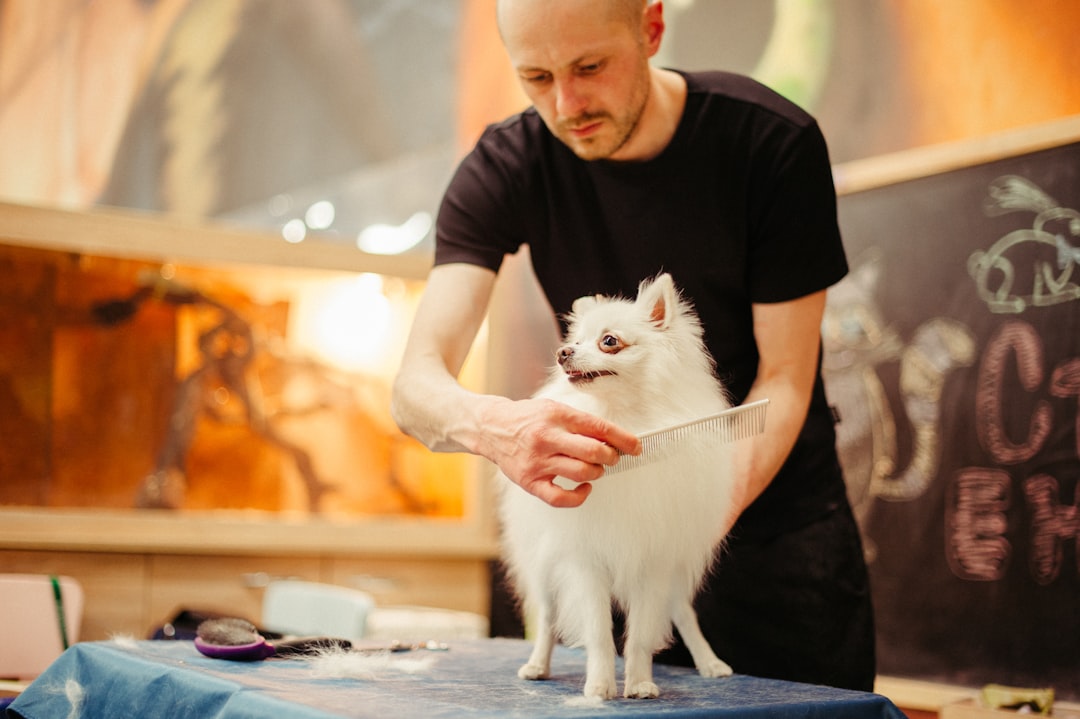
It’s not just about looking good—a clean dog is a healthy dog. Brushing removes loose fur and checks for pests; nail trims prevent pain; baths keep skin and coats fresh. Some breeds need more grooming than others, so adjust routines as needed.
Watch for itchy skin, dirty ears, or overgrown nails. These can signal discomfort. Grooming time is also bonding time—gentle words and soft strokes go a long way in making your pup feel loved and cared for.
Socialization and Positive Experiences
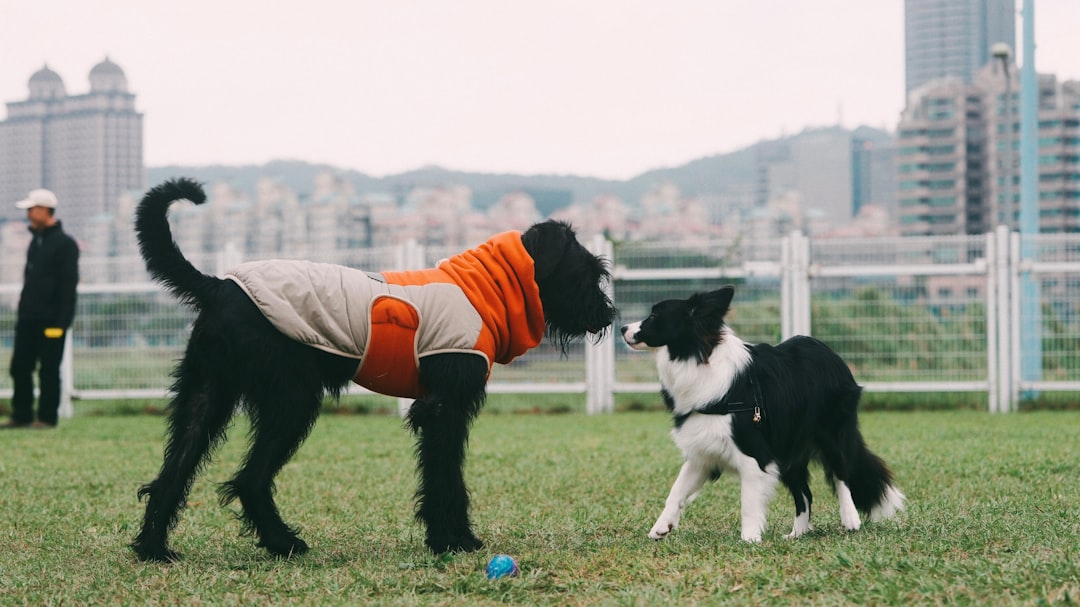
Every dog deserves a chance to meet other dogs, people, and new environments. Socialization builds confidence and reduces fear or aggression. Start slow—short walks, visits to the park, or gentle introductions to friendly faces.
Notice your dog’s body language: tail wags, relaxed ears, and soft eyes mean they’re enjoying themselves. If they cower, bark, or hide, give them space and try again later. Celebrate small wins—each positive encounter helps your dog feel safer in the world.
Unconditional Love and Emotional Support
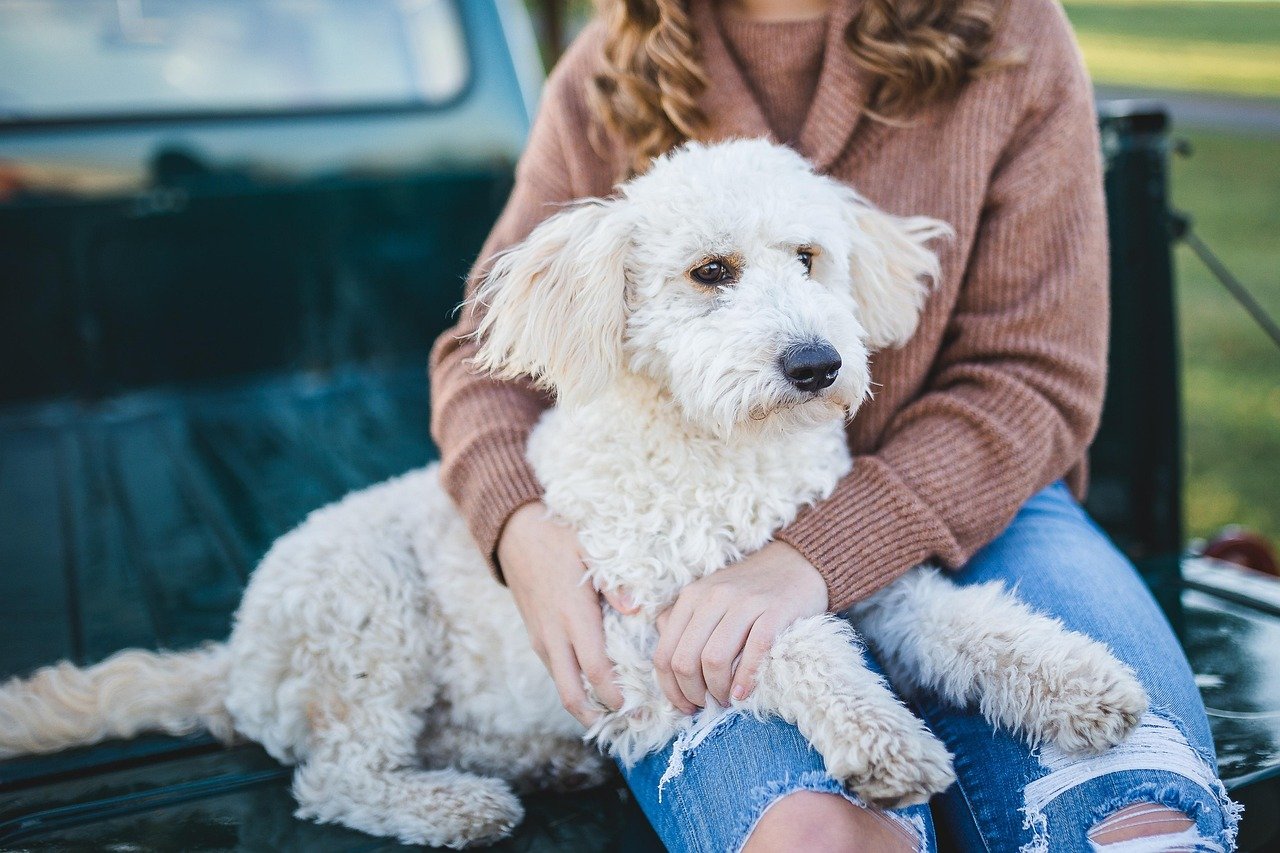
Dogs are deeply emotional creatures. They need our patience, affection, and attention just as much as food or walks. A kind word, a gentle pat, or a cozy snuggle communicates love in a language they understand.
If your dog follows you around, leans in for cuddles, or brings you their favorite toy, they’re seeking connection. Meet them with warmth and understanding. Your presence is their comfort—never underestimate the power of simply being there for your pup.