

Have you ever called out your cat’s name, only to be met with a flick of the ear or a slow, mysterious blink? It’s a moment that leaves many cat owners wondering: does my cat actually know their name, or am I just talking to myself? The world of feline cognition is surprisingly rich and mysterious, and modern science has just started to scratch the surface. Let’s dig into what researchers have uncovered about whether cats recognize their names — and what it tells us about our feline friends.
The Surprisingly Social Side of Cats
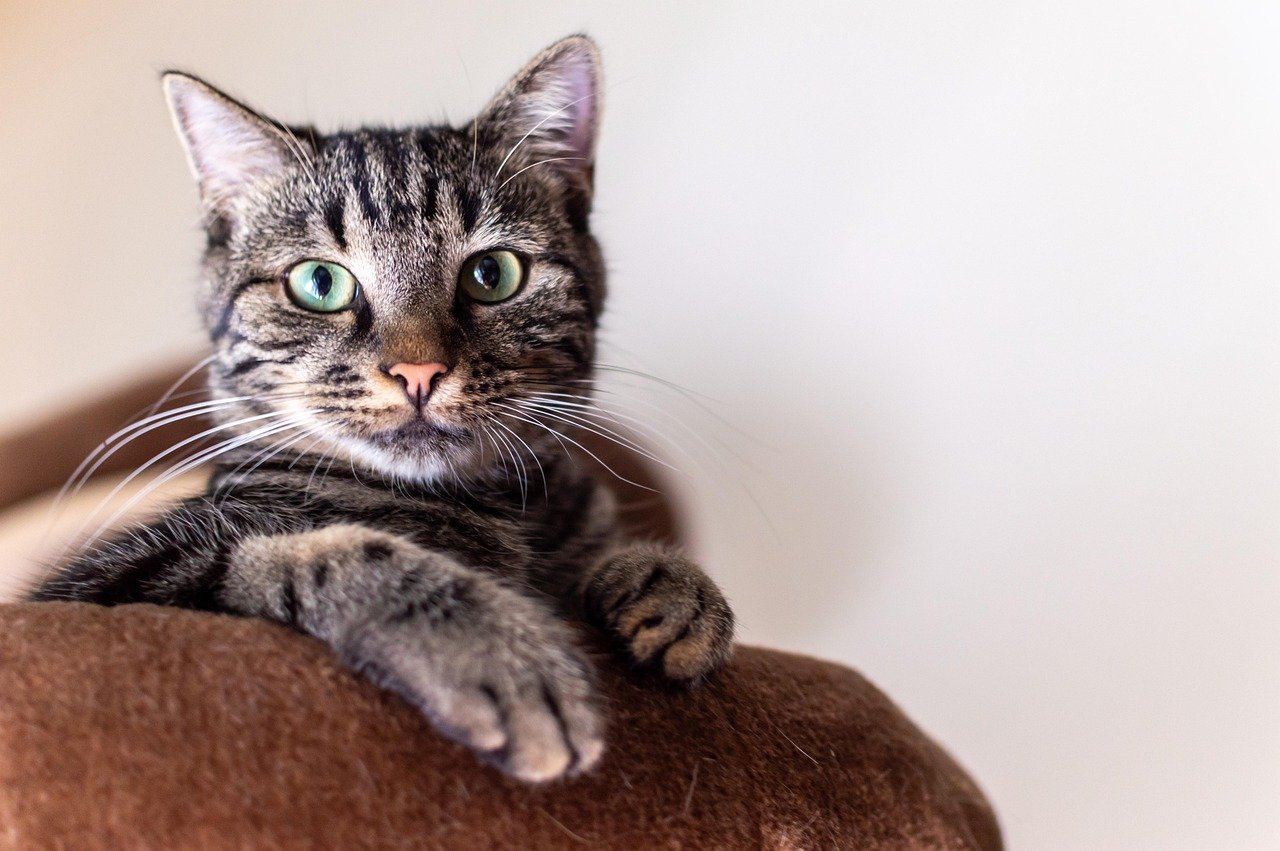
Cats have a reputation for being aloof and independent, but the truth is more complex. While they might not greet you at the door like a dog, cats form tight bonds with their humans and communicate in subtle, often surprising ways. Cognitive scientists have discovered that cats are far more attuned to their environment and their people than most of us realize. They pick up on routines, react to the sound of your voice, and even adjust their behavior based on your mood.
Recent studies show that cats can distinguish their owner’s voice from that of strangers. This means that even when your cat seems uninterested, they’re probably listening. It’s a quiet kind of social intelligence — like a secret language shared only between you and your whiskered companion.
What Actually Happens in a Cat’s Brain?
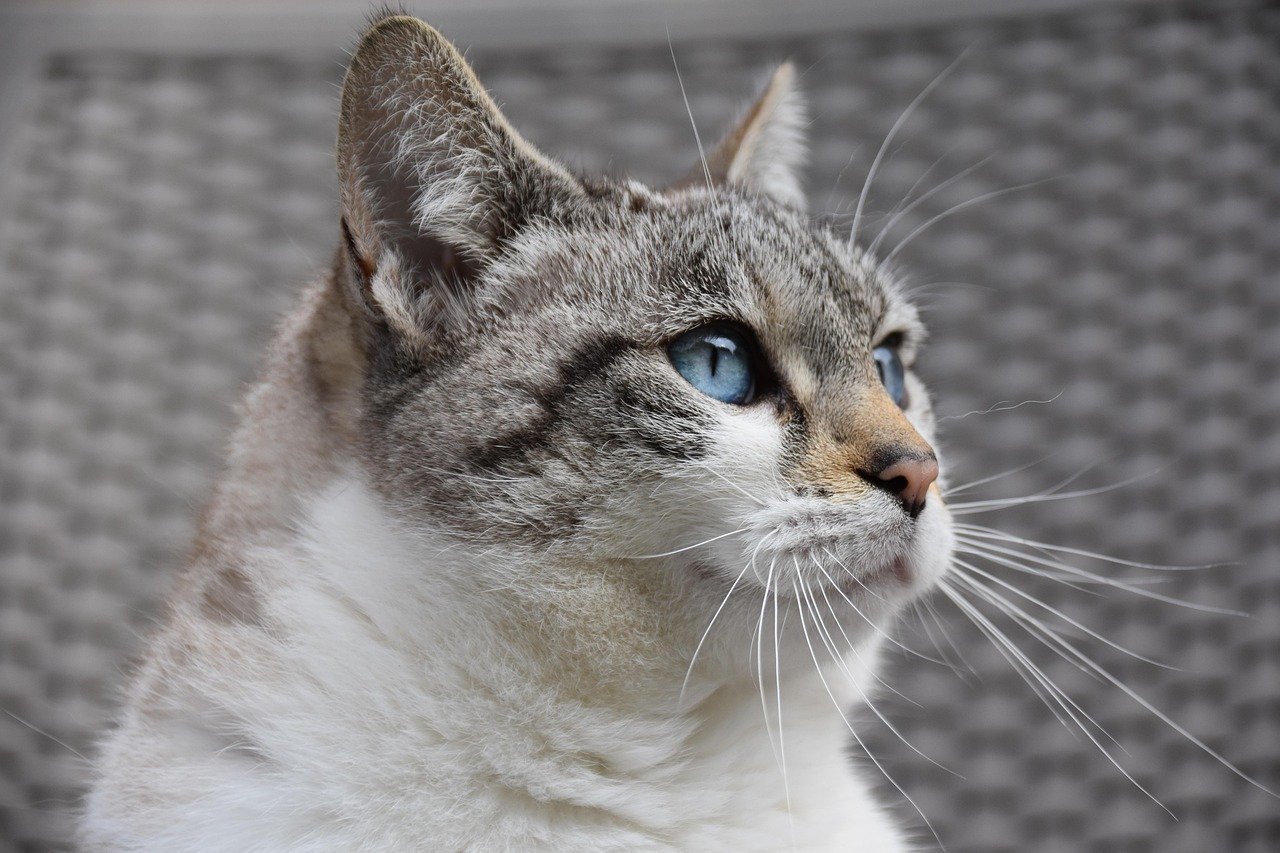
The feline brain is smaller than a dog’s, but packed with complex structures for processing information. Cats rely heavily on their senses — especially hearing. When you call their name, their ears swivel in your direction, filtering out background noise. Researchers believe that the auditory cortex, a region responsible for processing sounds, plays a big role here.
Inside the cat’s brain, neurons fire in response to familiar noises, including the sound of their name. Over time, cats associate certain words or tones with specific outcomes. That’s why calling “Mittens!” before dinner gets a quick response, while the same name during bath time might be ignored. The science is clear: cats are not just hearing their names, they’re processing them.
Groundbreaking Research: The Name-Recognition Study

One of the most eye-opening studies into feline name recognition was conducted in Japan just a few years ago. Scientists observed how cats responded when their owners — and strangers — called out their names mixed in with other random words. The result? Most cats responded distinctly to their own name, even when it was spoken by someone unfamiliar.
Researchers noticed subtle reactions: ear twitches, head turns, and even tail swishes. These responses were much more pronounced when the cat’s own name was used. The study revealed that cats aren’t just reacting to any word, but specifically to the unique sound pattern of their names. It’s a small but powerful sign of recognition.
How Do Cats Learn Their Names?

It turns out, cats learn their names much like children do — through repetition and association. If you say your cat’s name before feeding, playing, or petting, your cat starts to connect that sound with something positive. Over time, the name becomes a kind of cue: “Something good is about to happen!”
But it isn’t only positive reinforcement that helps cats learn. Cats are surprisingly sensitive to context. If you use their name in a calm, loving voice, they’re more likely to pay attention. If you shout it after they’ve knocked over your favorite mug, don’t be surprised if they suddenly “forget” it. Consistency and tone are everything.
Does Breed or Personality Matter?
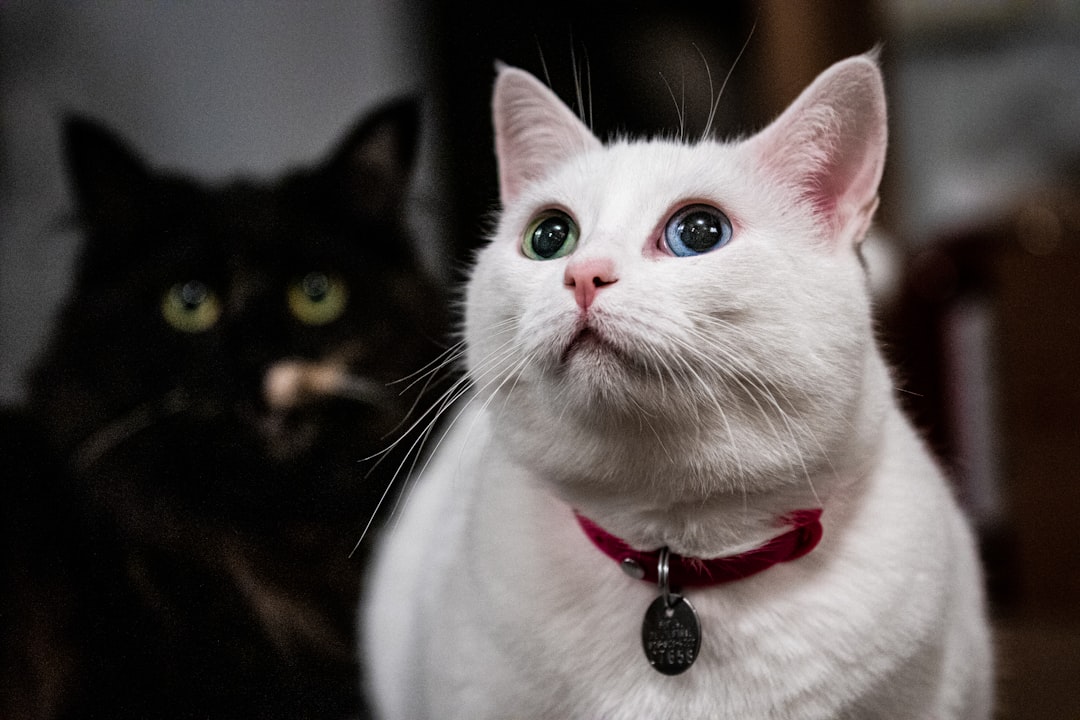
Just like people, cats are individuals. Some breeds — such as Siamese or Maine Coons — are famous for their vocal, interactive natures and may seem to respond to their names more readily. Shyer or more independent breeds might be a little more reserved in their reactions. But even among the same breed, personality plays a huge part.
Outgoing cats might come running when their name is called, eager for attention or a treat. More cautious or laid-back felines might acknowledge you with a slow blink from across the room. The important thing is that both are responding in their own way. It’s a bit like having a friend who sends you an excited text versus one who prefers a subtle thumbs-up emoji.
Differences Between Cats and Dogs
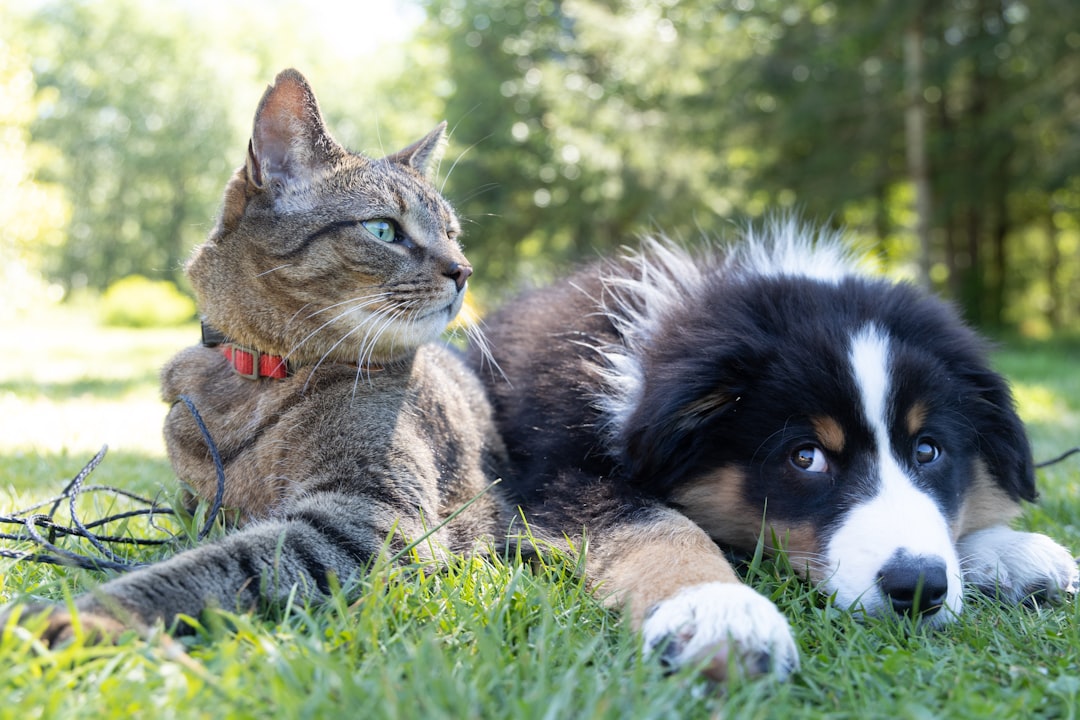
Dog owners often boast that their pets come bounding over at the sound of their name, tail wagging at full speed. Cats, on the other hand, have a reputation for selective hearing. But cognitive scientists say it’s not fair to compare the two. Dogs have been bred for thousands of years to work closely with humans and respond to commands. Cats, historically, have been more solitary creatures.
While dogs might see their name as a command, cats interpret it as a cue — a suggestion, not an order. They may choose to respond, or they may decide that the sunbeam they’re lying in is more interesting. In their own mysterious way, cats have mastered the art of being both aware and independent.
The Role of Environment in Name Recognition

A cat’s environment plays a big role in how well they recognize their name. In a quiet, calm home, cats are more likely to respond to their names because there’s less noise to distract them. In busy households with lots of chatter and background noise, it can take longer for a cat to learn and respond to their name.
Multi-cat homes add another layer of complexity. If several cats have similar-sounding names, they might not always know who you’re calling. Experts suggest giving each cat a distinct-sounding name to help avoid confusion. Like people at a crowded party, cats appreciate when you make it clear who you’re talking to.
Emotional Bonds and Name Recognition

The bond between a cat and their human is more than just food and shelter. Scientific studies show that cats form strong emotional attachments to their owners, and recognizing their own name is one way this bond comes to life. When a cat responds to their name — even with just a glance — it’s often a sign of trust and affection.
Some researchers believe that name recognition is part of how cats show loyalty. It’s their subtle way of saying, “I know you, and you know me.” For many cat lovers, this tiny acknowledgment is enough to melt even the coldest heart. It’s a reminder that, behind all that fur and attitude, your cat is always listening.
Tips for Teaching Your Cat Their Name

Training a cat to recognize their name doesn’t have to be complicated. Start by repeating their name in a positive, upbeat tone, especially during pleasant activities like feeding or playtime. Keep sessions short and sweet — cats have short attention spans and prefer quick rewards.
Avoid using your cat’s name when scolding them. If the name becomes associated with negative experiences, your cat might start to ignore it. Patience is key. Some cats learn quickly, while others take their time. The important thing is to make it a fun, loving experience for both of you.
Common Misconceptions About Cat Intelligence

There’s a long-standing myth that cats are less intelligent than dogs because they don’t always obey commands. But cognitive science paints a different picture. Cats are highly intelligent, but their smarts are expressed in ways that aren’t always obvious. They solve problems, remember routines, and adapt to new situations with surprising creativity.
Name recognition is just one aspect of a cat’s intelligence. Some cats even learn to recognize other words, like “treat” or “outside.” The next time someone tells you cats are aloof or uncaring, you can smile and know that your cat’s mind is quietly working in ways most people don’t notice.
How to Tell If Your Cat Recognizes Their Name

Wondering if your cat actually knows their name? Watch for subtle signs. A cat might not always come when called, but look for a twitch of the ears, a head turn, or a flick of the tail. Sometimes, it’s as simple as a pause in their grooming or a look in your direction.
You can try a little experiment: say your cat’s name, then say a series of random words in the same tone and rhythm. If your cat reacts only to their name, it’s a good sign they recognize it. Remember, every cat is different — some are more demonstrative, while others keep their feelings close to the chest.
Do Cats Recognize Their Names in Multilingual Households?

In homes where multiple languages are spoken, cats can learn to recognize their names in different accents or even different languages. What matters most is the consistency in the way the name is pronounced and the context in which it’s used. Cats are masters at picking up on patterns and routines.
If you and your family use different nicknames or variations of your cat’s name, don’t be surprised if your cat responds to all of them. The melody and rhythm of the name become familiar cues. This adaptability is just another example of a cat’s remarkable cognitive skills — they’re always listening, always learning, and always finding new ways to connect with the people they love.
Cognitive science suggests that yes, cats do recognize their names—but whether they respond is another story. Unlike dogs, cats are more independent and selective in their reactions, often weighing whether it benefits them to engage. Studies show that many cats can distinguish their names from other words, especially when consistently used in a positive context. So, while your cat may not always come running when called, chances are they know exactly who you’re talking to. Understanding this blend of recognition and independence can deepen your appreciation for how cats think—and how they choose to connect on their own terms.


