
10 Dog Breeds That Are Prone to Destructive Chewing

Some dogs just can’t resist sinking their teeth into everything—literally! Certain breeds, like Labradors, Beagles, and Jack Russells, are naturally energetic and curious, making them more prone to destructive chewing. Often, it’s not bad behavior but a sign of boredom, anxiety, or too much pent-up energy. Working breeds, especially those with strong jaws like Boxers or Huskies, need mental stimulation and daily exercise to keep those chompers busy in healthy ways. Without enough outlets, your shoes, furniture, and remote controls might become their favorite chew toys. Knowing which breeds are more likely to chew can help you prepare better with toys, training, and attention. A little effort goes a long way in saving your home—and your sanity!
Labrador Retriever: The Chewing Champion

If there were an Olympic gold medal for chewing, the Labrador Retriever might just take the prize. Labs are famously friendly, loyal, and energetic, but anyone who’s owned one knows their jaws can be a force of nature. These dogs were bred to retrieve game for hunters, so they have a natural instinct to carry things in their mouths—sometimes furniture, shoes, or anything within reach. Their powerful jaws and curious spirits mean that without enough stimulation, Labradors can turn destructive.
Labs are happiest when they have plenty of toys, exercise, and attention. Without those, boredom sets in fast, and that’s when your favorite belongings become chew toys. Giving them puzzle games, regular exercise, and chew-safe toys can save your home (and your sanity). I once lost an entire stack of mail to my Lab’s curiosity—she looked so proud, I couldn’t even be mad!
Golden Retriever: Playful Yet Persistent

Golden Retrievers are known for their gentle disposition and affectionate nature, but they’re also notorious for their love of chewing. Like Labs, Goldens were bred to fetch and carry, making their mouths their favorite tools. As puppies, they often test their teeth on anything they can find, from table legs to garden hoses. That sweet face hides a determined chewer!
What makes Goldens particularly persistent is their playful energy. When left alone or under-stimulated, they’ll seek out ways to entertain themselves—and your belongings can quickly become collateral damage. Keeping Goldens busy with interactive toys, regular walks, and training sessions goes a long way. It’s almost endearing to watch them parade their “finds” around the house, even if those finds were once your slippers.
Jack Russell Terrier: Small Dog, Big Chew
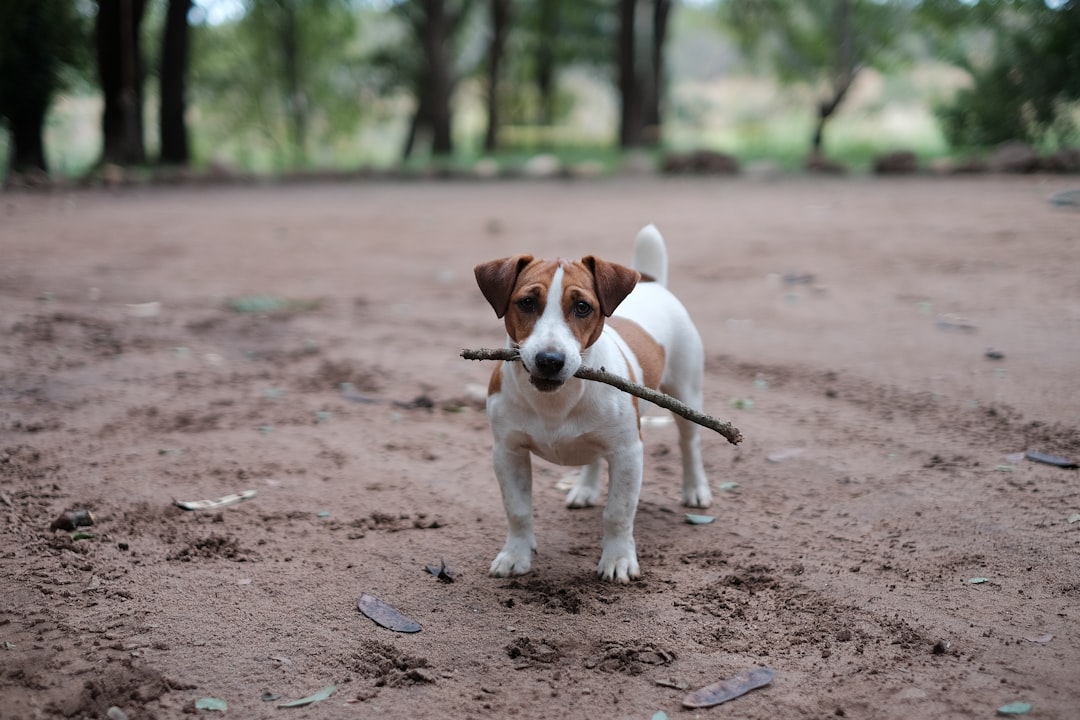
Don’t let their small size fool you—Jack Russell Terriers pack a punch when it comes to chewing. These high-energy little dogs are always on the move, and their intelligence means they get bored easily. When their minds aren’t challenged, they’ll invent their own games, often involving gnawing on anything from chair legs to electrical cords.
Jack Russells are lively and clever, but their need for constant stimulation can be overwhelming for some owners. Frequent playtime, agility exercises, and tough chew toys are essential. If you don’t keep them busy, they’ll find their own “projects” around the house, and trust me, they’re relentless! A friend’s Jack Russell once chewed through a door—yes, a door—just to get to a treat on the other side.
Beagle: The Scent-Driven Shredder

Beagles are ruled by their noses, but their mouths aren’t far behind. Bred as scent hounds, Beagles are natural explorers, and their curiosity often leads them to chew on new and interesting objects. If something smells intriguing, you can bet a Beagle will want to taste it, too.
Because they’re social and easily bored, Beagles can become destructive when left alone. They’re also determined—once they start chewing, it can be hard to stop them. Keeping a Beagle entertained with scent games, chew toys, and plenty of company is the best way to protect your household items. I still remember my Beagle’s puppy days; no sock was safe, and neither was any corner of the coffee table!
Boxer: The Energetic Destroyer

Boxers are known for their muscular build, boundless energy, and playful personalities. These lovable goofballs can be surprisingly destructive chewers, especially when they’re young. With their strong jaws and love of play, Boxers often turn chewing into a game—much to the dismay of their owners.
If a Boxer gets bored or anxious, their need to chew can skyrocket. Durable chew toys and lots of physical activity are essential for keeping these playful pups out of trouble. It’s not unusual for Boxer owners to go through several sets of toys (and even shoes) before finding something that can withstand their enthusiastic chewing. Their antics can be exhausting, but their charm makes it all worth it.
Siberian Husky: The Curious Adventurer

Siberian Huskies are famous for their intelligence, independence, and curiosity. These traits, while endearing, can lead to some serious chewing problems if they’re not kept busy. Huskies love to explore, and when left alone, they often turn their attention to whatever they can get their teeth on—furniture, shoes, even drywall.
Huskies need lots of exercise and mental stimulation to keep destructive behaviors at bay. They thrive with challenging activities, like puzzle feeders and long runs. Without these outlets, their boredom can quickly escalate into chaos. It’s almost as if they’re testing the limits of what’s chewable in your house—sometimes with hilarious, sometimes with disastrous results.
Border Collie: The Brainy Biter
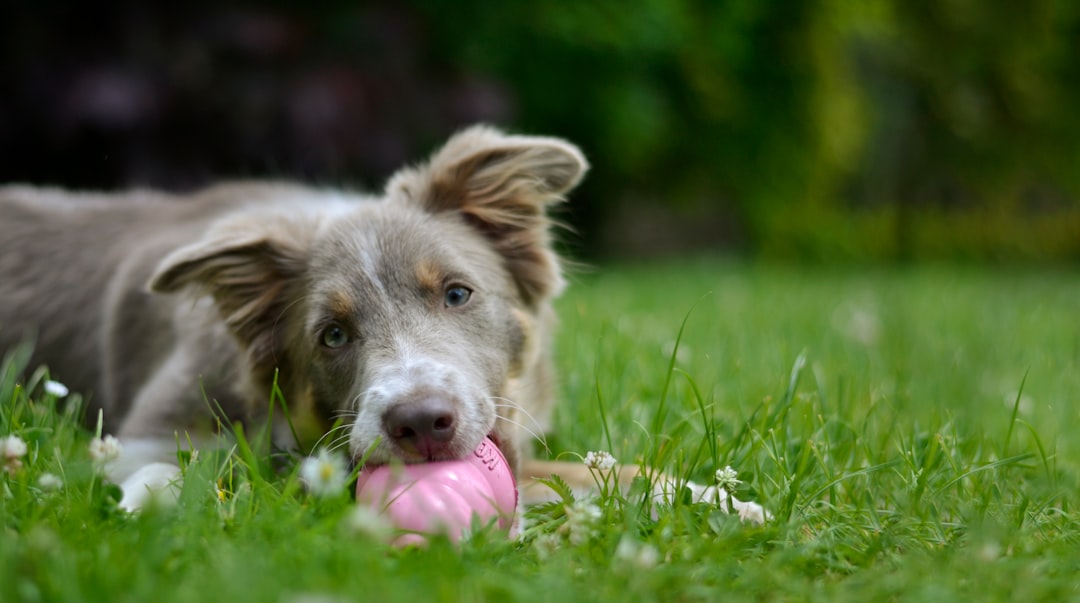
Border Collies are widely recognized as the most intelligent dog breed, and with that brilliance comes a need for constant engagement. If a Border Collie isn’t given enough mental and physical stimulation, they’ll often direct their energy into chewing. Their sharp minds crave challenges, and when those needs aren’t met, they’ll find their own entertainment—often at the expense of your belongings.
These dogs excel at learning tricks, agility, and herding, but they can also become master destroyers if they’re bored. Providing them with interactive toys, tasks, and plenty of activity is key. Otherwise, you might come home to a “redecorated” living room, courtesy of your clever Collie. Their creative destruction can be both impressive and exasperating!
Staffordshire Bull Terrier: The Powerful Chewer
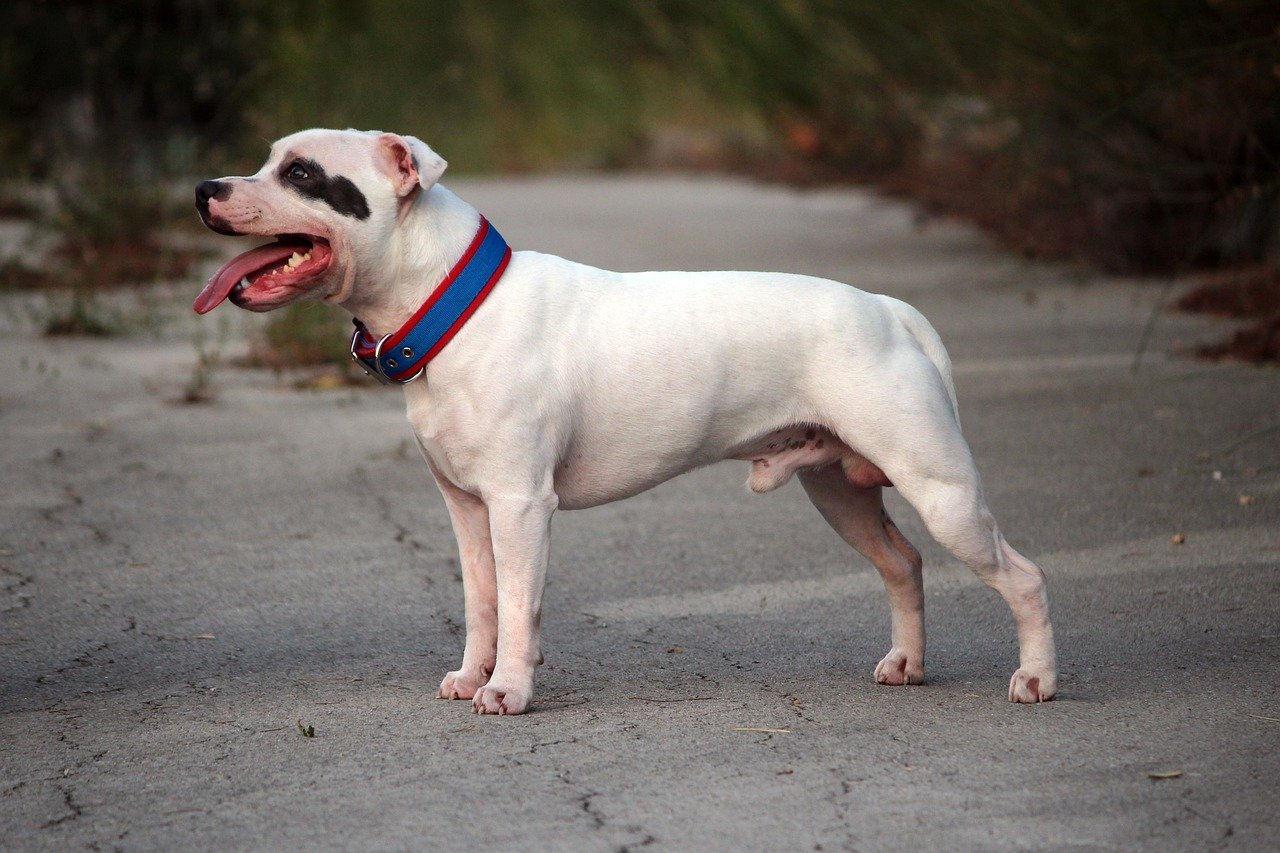
Staffordshire Bull Terriers, or “Staffies,” are strong, muscular dogs with powerful jaws. They love to chew, and if they don’t have tough toys, they’ll make do with whatever’s available—often to the dismay of their owners. These dogs have an impressive bite force, making them capable of destroying even the sturdiest of household items.
Staffies are affectionate and loyal, but their chewing needs can be intense. Durable rubber toys and supervised playtime are essential to keep them happy and out of trouble. Owners often joke that if a toy survives a Staffie, it’s truly indestructible! The upside? Their goofy, loving nature more than makes up for the occasional chewed-up shoe.
Australian Shepherd: The Busy Body

Australian Shepherds are known for their intelligence, agility, and endless energy. Originally bred to herd livestock, these dogs need a job to do—and if they’re left idle, they’ll invent their own fun. Chewing is a common outlet for their energy, especially if they’re not getting enough physical and mental exercise.
These dogs thrive on activity and interactive play. If you’re not prepared to keep up with their demands, your furniture might become their next project. Training, agility, and challenging toys are must-haves for any Aussie owner. Their mischievous chewing can be a sign they need more stimulation, but their loyalty and affection make every challenge worthwhile.
German Shepherd: The Guardian With a Gnaw
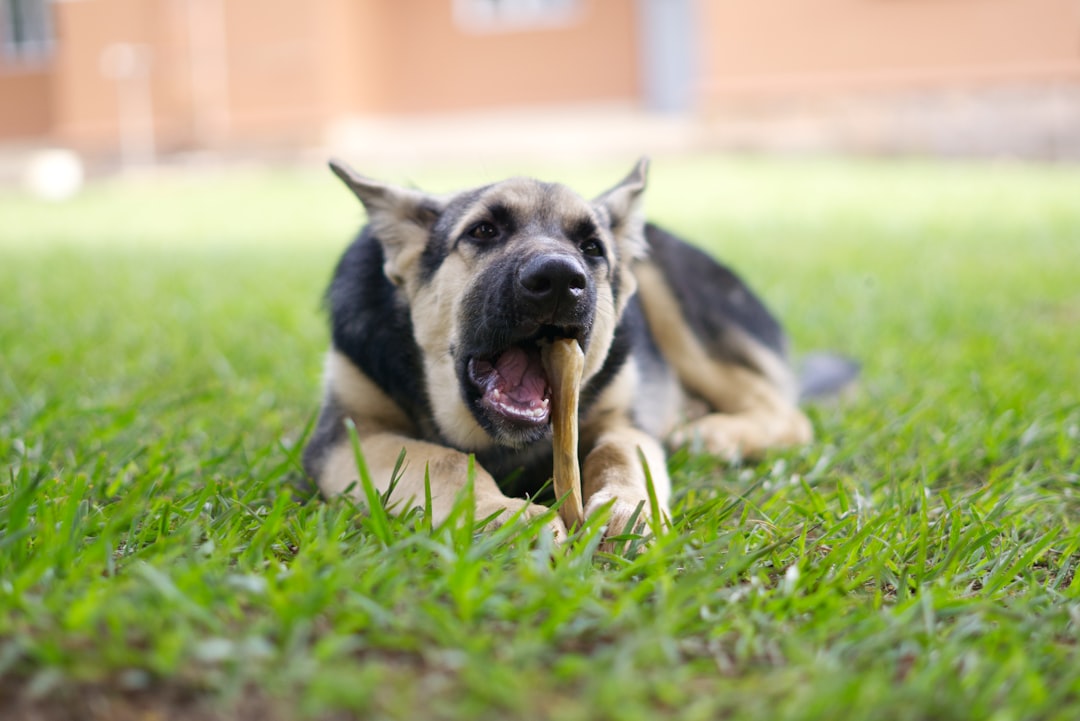
German Shepherds are loyal, protective, and highly intelligent dogs. They excel in roles as police, service, and family dogs, but they can also be notorious chewers—especially during their puppy phase. Shepherds need plenty of stimulation and exercise; otherwise, their boredom or anxiety may lead to destructive chewing.
Providing German Shepherds with structured activities, training, and tough chew toys is essential. They love having tasks to do and thrive when they feel useful. When their needs are met, they’re wonderful, devoted companions. But if left alone with nothing to do, even the most well-trained Shepherd might make a meal out of your favorite shoes or chair leg.
Dealing with a super chewer can be frustrating, but it doesn’t mean your dog is “bad.” With the right toys, training, and plenty of exercise, even the most determined chewers can learn better habits. It’s all about understanding their needs and channeling that energy in the right direction. A little patience goes a long way—and so does a good chew toy!