
5 Hidden Dangers Of Dog Collars Every Owner Should Know
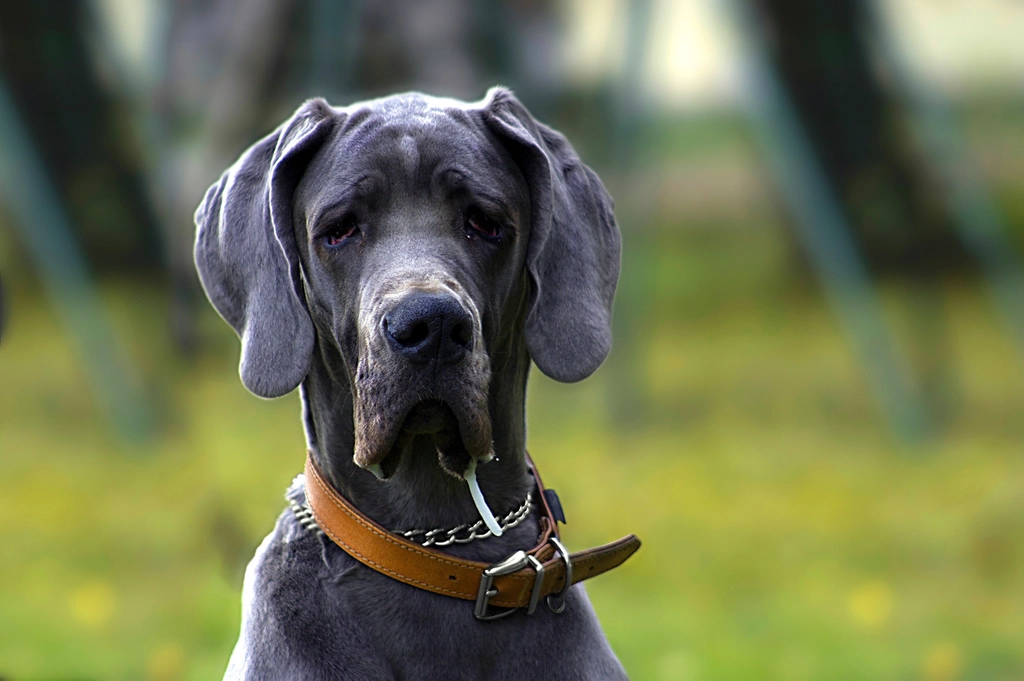
Dog collars may seem harmless, but they can pose some surprising risks if not used carefully. One hidden danger is neck strain, especially for dogs that pull on the leash or wear tight collars all day. Collars can also cause hair loss, skin irritation, or even infections if they’re too snug or rarely removed. In some cases, dogs have gotten their collars caught on crates or furniture, leading to choking accidents. Tags that jingle can also damage a dog’s hearing over time or cause stress for noise-sensitive pups. For growing puppies, collars can quickly become too tight and go unnoticed. While collars are useful for ID, it’s smart to combine them with a well-fitted harness for walks—and always check for proper fit and wear.
Neck Injuries: More Common Than You Think
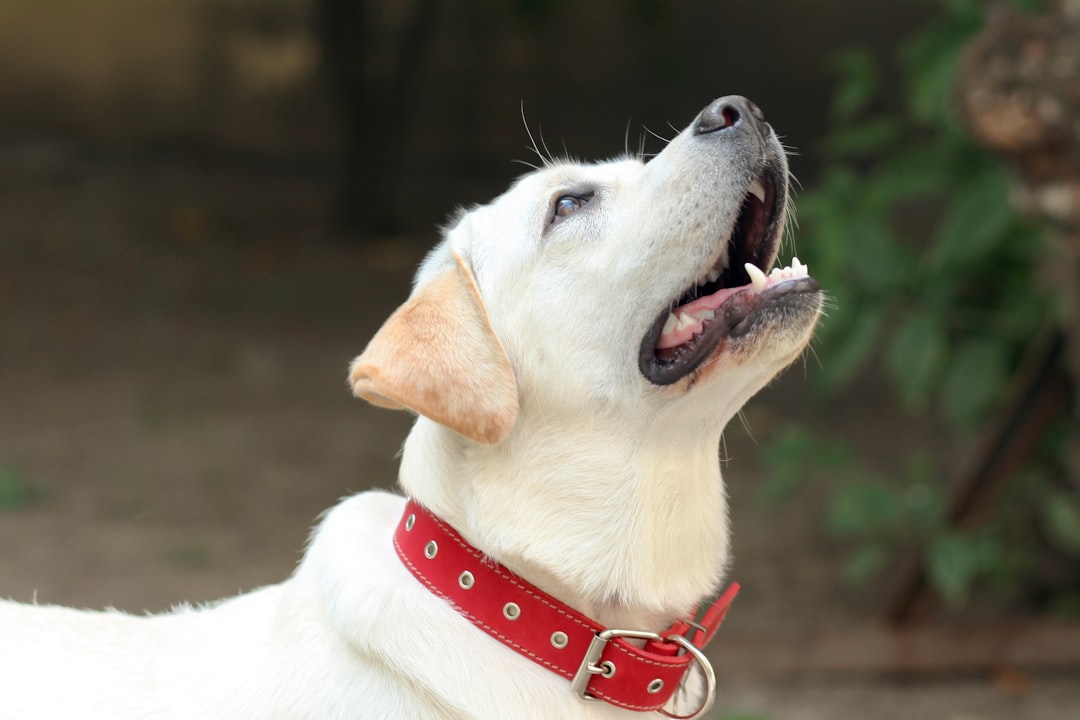
It might surprise you to learn how vulnerable a dog’s neck really is. Just one strong pull on a leash—or even a sudden lunge—can strain muscles, bruise the trachea, or even damage delicate vertebrae. Smaller breeds and puppies are especially at risk, but any dog can suffer. You may not see immediate signs, but subtle changes like coughing, swallowing issues, or a reluctance to walk can be red flags that something’s wrong.
Many owners think a collar is the safest way to control their dog, but the pressure it puts on the neck during walks can be more harmful than we realize. Even a playful tug or a quick correction can cause micro-injuries that add up over time. It’s a bit like wearing too-tight shoes every day—eventually, your body starts to protest. The risk is even greater for dogs who pull on the leash or are still learning not to bolt after squirrels. This is why experts often recommend harnesses, which distribute pressure more evenly and help keep those precious necks safe.
Collar-Related Choking Accidents
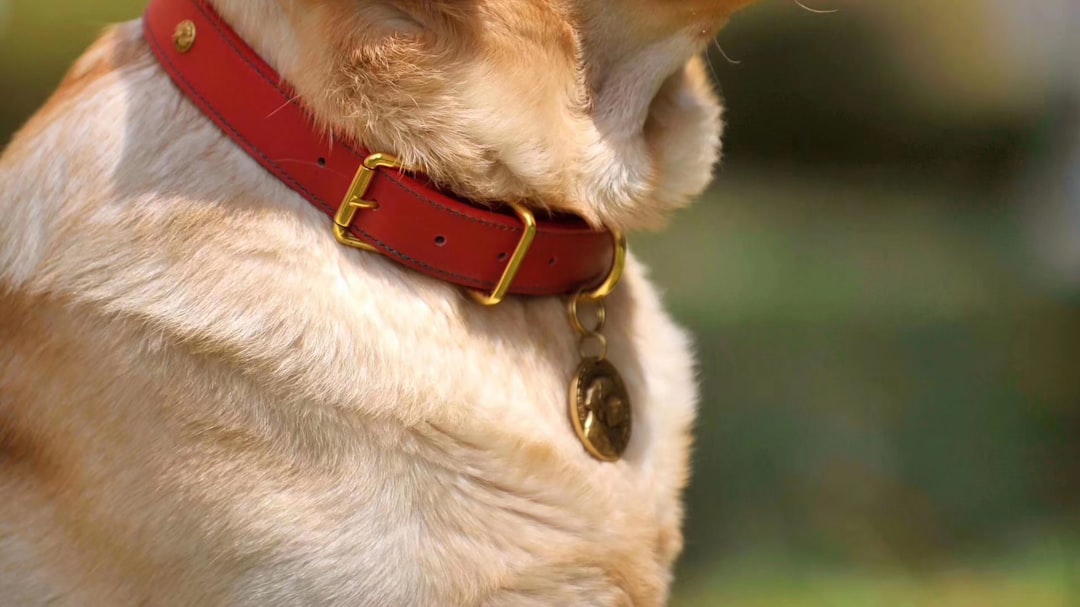
Choking from collars isn’t just a horror story—it happens more often than you might think. Dogs love to play, wrestle, and explore, but their collars can snag on crate bars, fence posts, or even furniture. In the blink of an eye, your pup could be trapped and struggling to breathe. It’s a terrifying scenario that no owner ever wants to imagine, but being aware is half the battle.
Breakaway collars, designed to snap open under pressure, can be a literal lifesaver in these situations. Standard collars, especially when left on unsupervised, pose a genuine risk—especially for curious, energetic dogs or multi-pet households where play can get rough. If you’ve ever come home to find your dog’s collar twisted or caught on something, you’ve had a close call. This is why it’s so important to remove collars during playtime or when your dog is crated. Remember, a quick switch can mean the difference between a close call and a tragedy.
Skin Irritation and Hair Loss
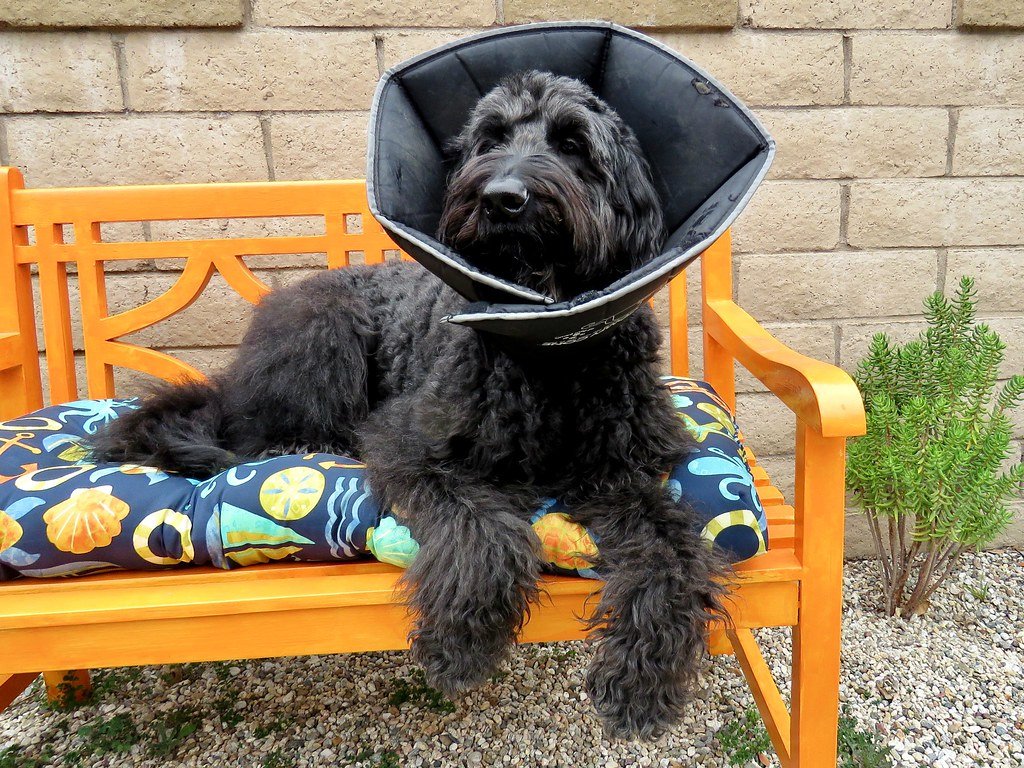
If your dog seems to be scratching at their neck more often or you notice thinning fur just under the collar, it’s not just a fluke. Collars that are too tight, too loose, or made of irritating materials can cause chafing, redness, and patchy hair loss. This is especially true for pups with sensitive skin or allergies, but it can affect any breed.
Over time, constant friction and trapped moisture under the collar can even lead to painful sores or infections. Think about how uncomfortable it would be to wear a tight bracelet day and night—dogs feel the same way! To avoid these issues, it’s important to choose collars made from soft, breathable materials and to regularly check your dog’s neck for signs of irritation. Don’t forget to take the collar off during grooming or downtime—your dog’s skin will thank you for the breather.
Incorrect Fit: Too Tight or Too Loose Spells Trouble
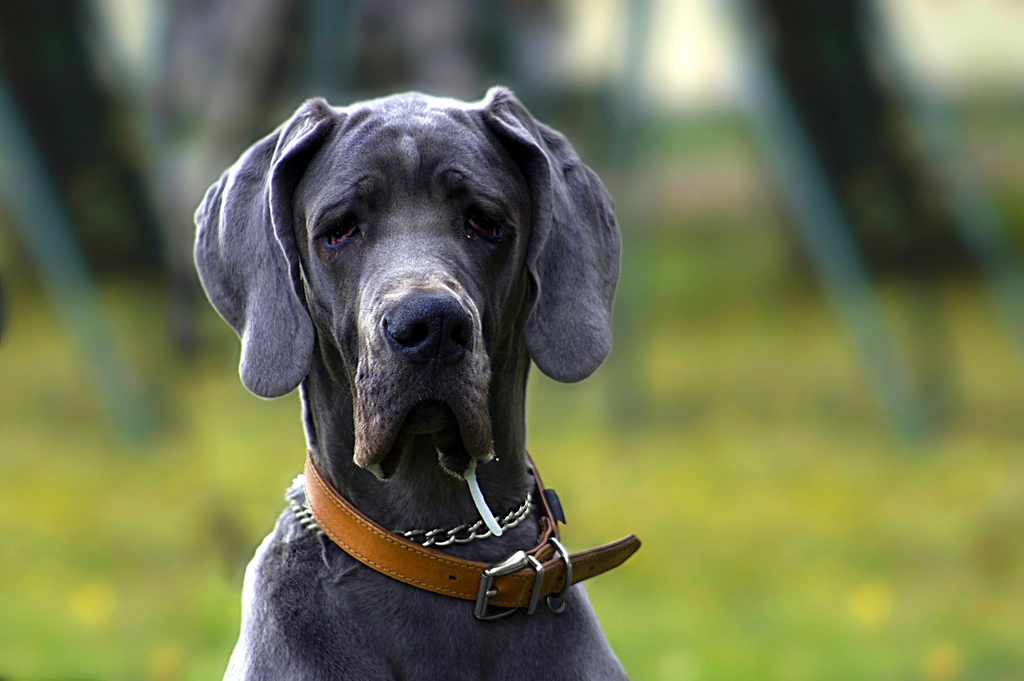
Getting the fit just right is trickier than it sounds. A collar that’s too tight can dig into your dog’s neck, making every movement uncomfortable and even restricting breathing or swallowing. On the flip side, a collar that’s too loose can easily slip off, leaving your dog without ID if they get lost—or worse, get caught on something and risk choking.
A good rule of thumb is to make sure you can slide two fingers comfortably between the collar and your dog’s neck. But dogs grow, gain or lose weight, and their fur changes with the seasons, so it’s important to check the fit regularly. Adjustable collars help, but nothing beats a weekly check-in. If your dog seems uncomfortable, is coughing, or the collar leaves marks, it’s time for a switch. Remember, collars aren’t one-size-fits-all—what works for a husky won’t suit a dachshund!
False Sense of Security and Overreliance

It’s easy to think that a collar makes your dog instantly safe—after all, it holds their tags and helps you control them on walks. But relying solely on a collar can be misleading. Collars can slip off, break, or be removed by clever pups, leaving them without ID in an emergency. Some owners even skip microchipping, thinking a collar is enough, but collars and tags can be lost in seconds during an escape or accident.
This false sense of security can lead to risky situations, especially if your dog is an escape artist or spends time in unfamiliar places. Microchips, harnesses, and updated ID tags are all crucial back-ups. Think of collars as the first line of defense—not the only one. By keeping your dog’s safety net layered and strong, you’ll sleep easier at night knowing you’ve covered all your bases.
While collars are a handy tool, it’s important to stay aware of the risks they can pose. A quick collar check and choosing the right fit can go a long way in keeping your pup safe and comfortable. Pairing collars with a harness for walks is a simple switch that can help prevent injury. At the end of the day, a little extra care means a much happier—and healthier—dog.