

Have you ever met a dog that seemed to have an endless battery? Some breeds are born with a zest for life that can be absolutely infectious—but sometimes, it’s a little too much. If you’re a senior dreaming of calm strolls and cozy snuggles, certain dogs might just run circles around you—literally! Let’s explore the top 10 dog breeds whose boundless energy might be a whirlwind for older adults, so you can find the perfect canine match for your golden years.
Border Collie: The Tireless Genius
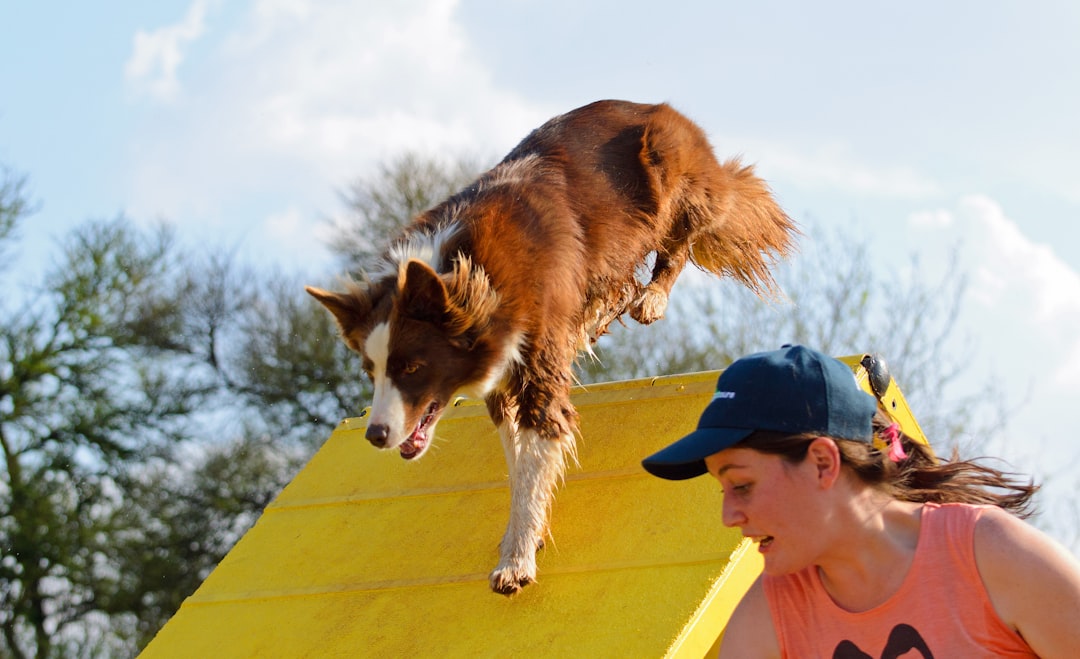
Border Collies are often hailed as the Einsteins of the dog world, but with their smarts comes a need for action. These dogs thrive on problem-solving, agility courses, and herding anything that moves—including your slippers. If not given a job, they can quickly become bored and invent their own (sometimes destructive) activities.
Even a daily walk isn’t enough for a Border Collie. They crave mental challenges and fast-paced games. For seniors who prefer a slower tempo, these dogs may feel overwhelming, often nudging you with a ball or paw until you give in to their next grand adventure.
Jack Russell Terrier: Small Body, Big Energy
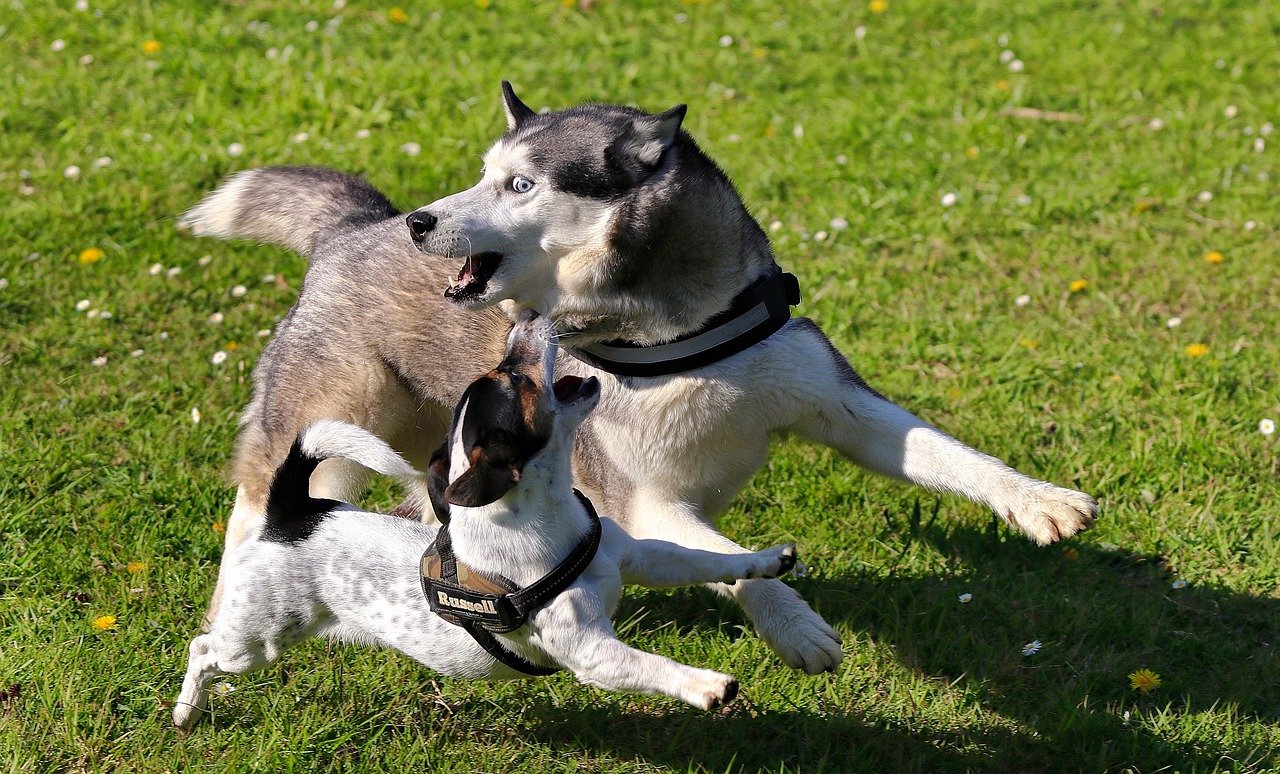
Don’t let their pint-sized bodies fool you—Jack Russell Terriers are bundles of pure dynamite. Originally bred for fox hunting, they love to dig, chase, and leap like little acrobats. Their curiosity never seems to rest, which means you’ll need eyes in the back of your head to keep up.
If you’re hoping for a lap dog, think again! Jack Russells have a habit of turning living rooms into racetracks. Without enough exercise, they might channel their energy into barking or chewing, which can be tricky to manage if you’re seeking a peaceful home.
Siberian Husky: The Great Escape Artist
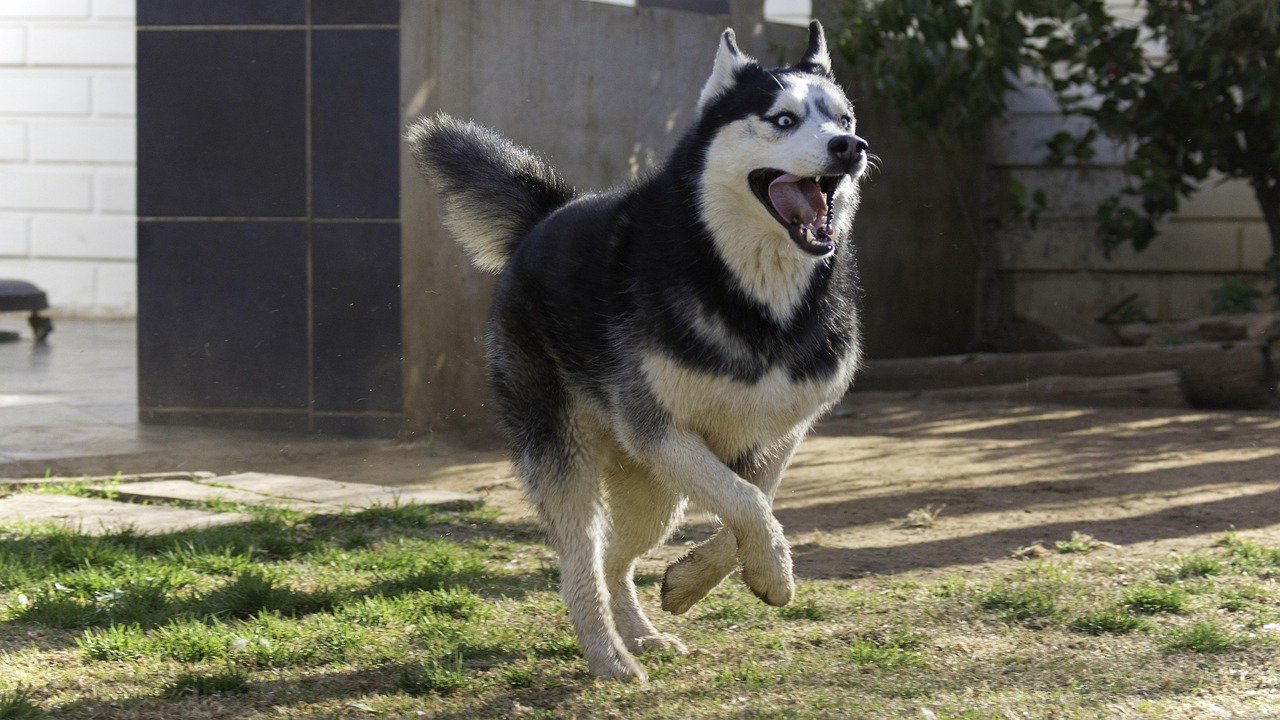
Siberian Huskies are famous for their wolf-like looks and legendary stamina. These dogs were bred to pull sleds over frozen landscapes, so a quick walk around the block won’t do. They need room to roam, and they’ll often try to find it on their own—Huskies are escape artists, digging under or jumping over fences with ease.
Their vocal nature adds to the challenge. Huskies are known for howling and “talking” to their humans, which is adorable but not always restful. For seniors, keeping up with a Husky’s physical and mental needs can be a full-time job.
Labrador Retriever: The Enthusiastic Athlete

Labs are one of America’s favorite breeds, and for good reason—they’re loyal, loving, and endlessly playful. But their high energy and love of activity can catch some people off guard. Labs need lots of exercise, from long walks to rambunctious games of fetch.
They’re also notorious for their love of food, which means they’ll beg for treats and search for snacks. A bored Lab can become a mischievous one, so if you’re looking for a laid-back companion, a young Lab might keep you on your toes more than you’d like.
Australian Shepherd: The Herding Dynamo
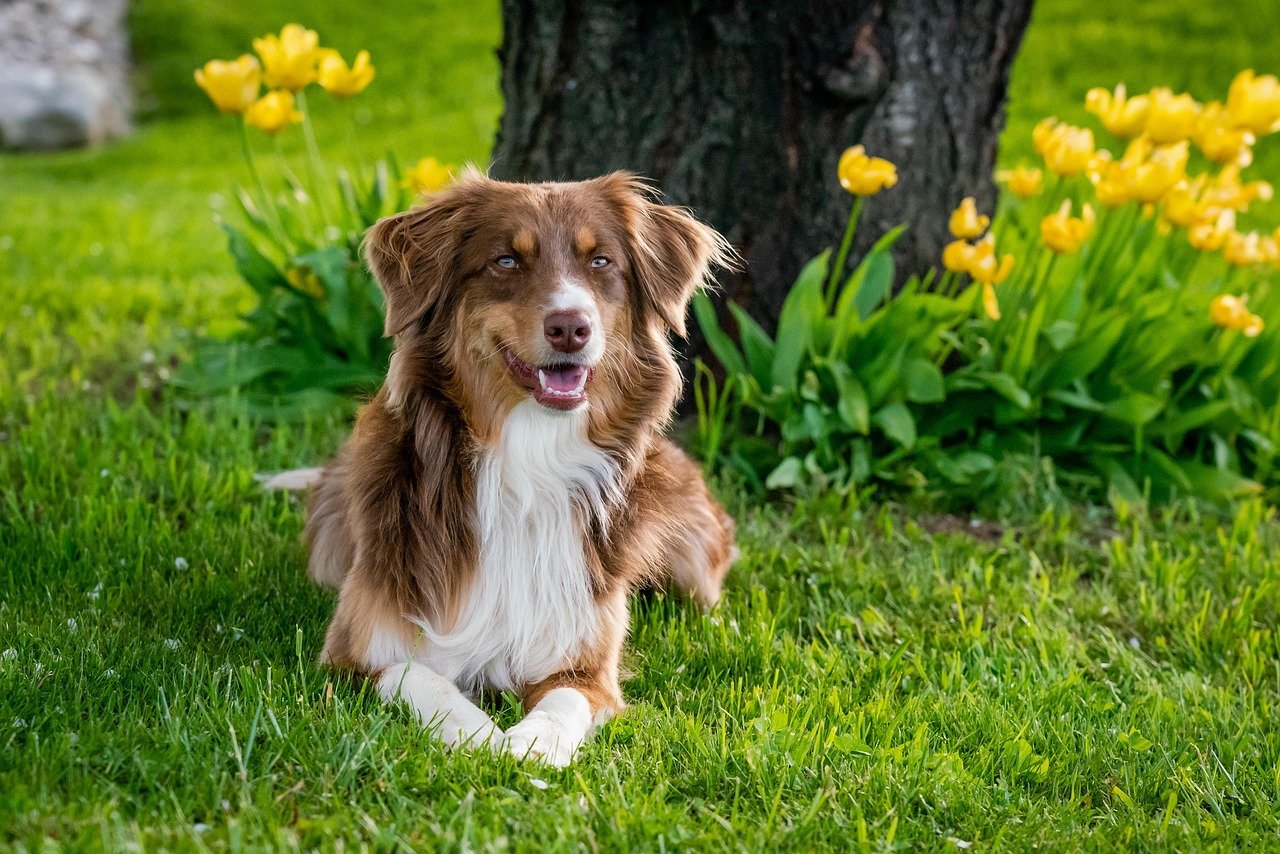
Australian Shepherds are natural-born herders, and they’ll try to “herd” anything—kids, cats, or even you! Their energy is seemingly endless and they thrive on having a job to do. Without daily challenges, Aussies can become anxious or develop unwanted behaviors.
Their intelligence is a double-edged sword. They pick up on routines and changes quickly, so they may outsmart fences or figure out how to open doors. If you want a dog who settles easily, an Aussie might just keep you busier than you bargained for.
Dalmatian: The Spotted Powerhouse
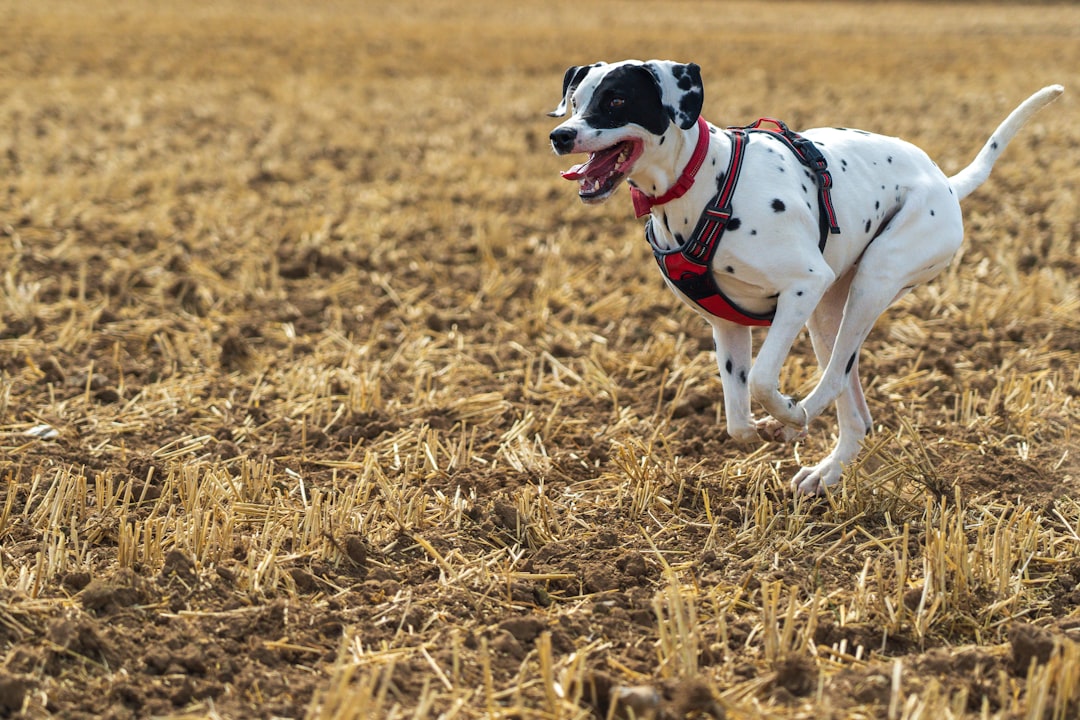
Dalmatians are striking with their spots, but their energy is just as eye-catching. Originally bred as carriage dogs, they can run for miles and hardly seem to tire. A simple stroll won’t satisfy their need for movement; they’ll want to sprint and play.
Their enthusiasm sometimes translates into jumping or knocking things over in excitement. For seniors, especially those with mobility concerns, a Dalmatian’s boisterous greetings may be a bit too much to handle.
Belgian Malinois: The Fearless Protector

Belgian Malinois are often chosen for police and military work because of their drive and intelligence. These working dogs are happiest with a task, whether it’s agility training or advanced obedience drills. Without enough stimulation, they can become restless or even destructive.
They bond closely with their owners and tend to be protective, which can mean constant vigilance. For someone seeking a mellow companion, the Malinois’s intensity may feel overwhelming and demanding.
Weimaraner: The Velcro Speedster
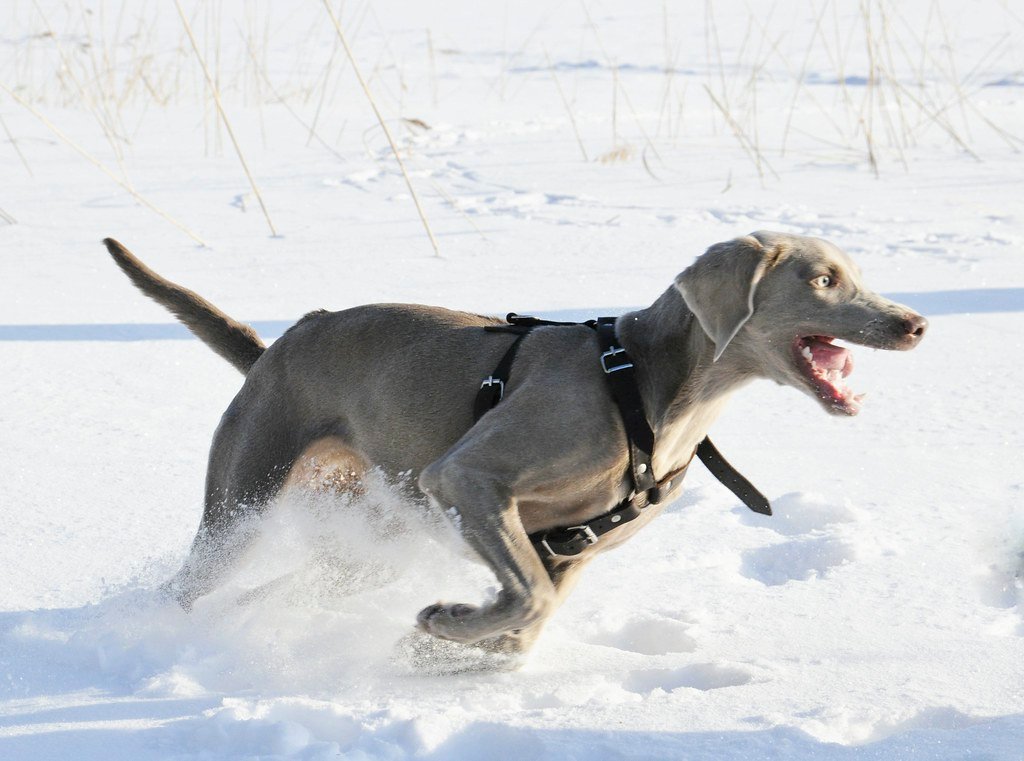
Weimaraners are known for their sleek silver coats and impressive athleticism. They’re affectionate “Velcro” dogs, sticking close to their people, but they need hours of exercise and mental play to stay healthy. Without it, they may become anxious or develop separation issues.
Their exuberance can lead to pulling on the leash, jumping on visitors, or zooming through the house at top speed. Seniors looking for a calm walking buddy might find a Weimaraner’s lively spirit a little too much to wrangle.
German Shorthaired Pointer: The Field Star
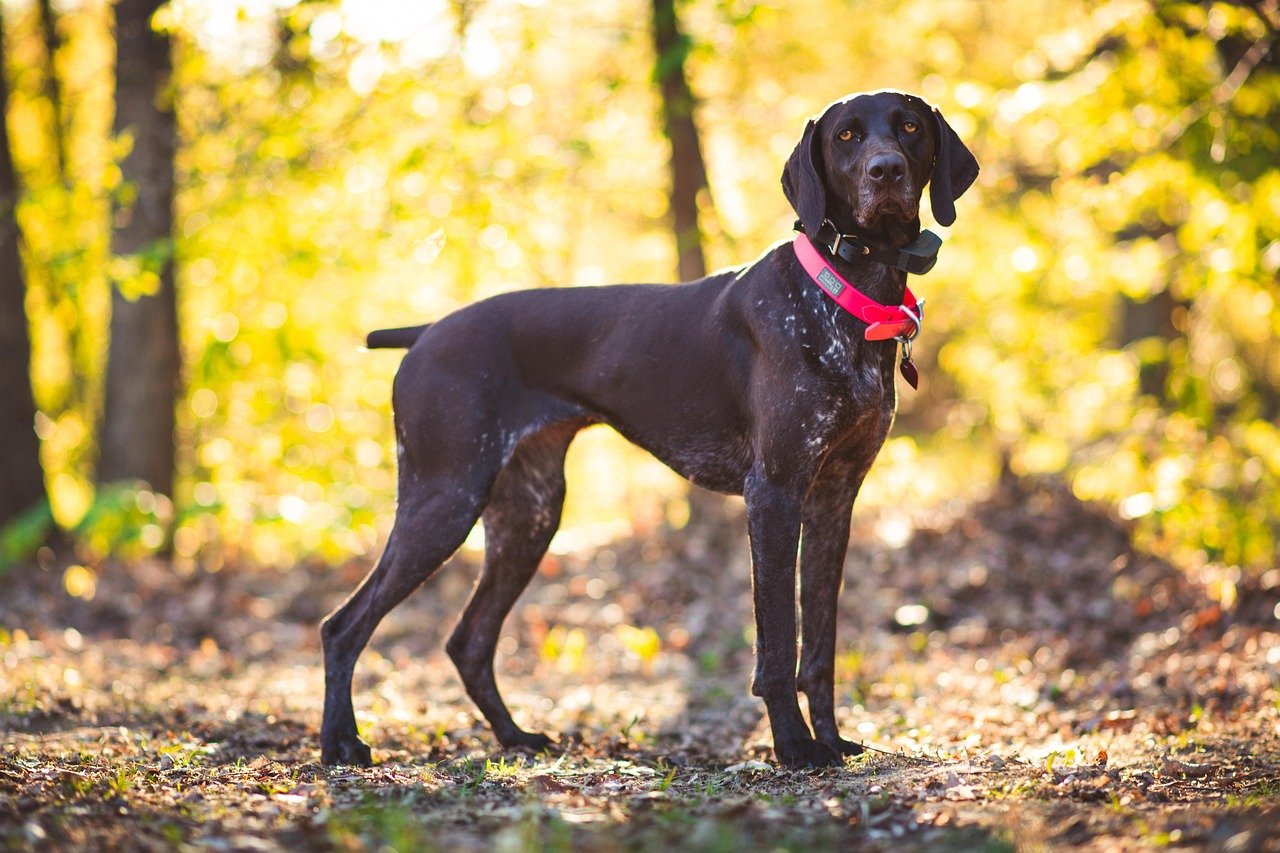
German Shorthaired Pointers are bred for action—hunting, running, and playing. They’re happiest when outdoors, exploring and burning off energy. If they don’t get enough activity, they’ll let you know with restless pacing or persistent nudging.
These pointers are social, but their exuberance might be overwhelming for someone with mobility challenges. They excel with active owners, and their enthusiastic greetings can sometimes knock the unsteady off balance.
Vizsla: The Gentle Hurricane
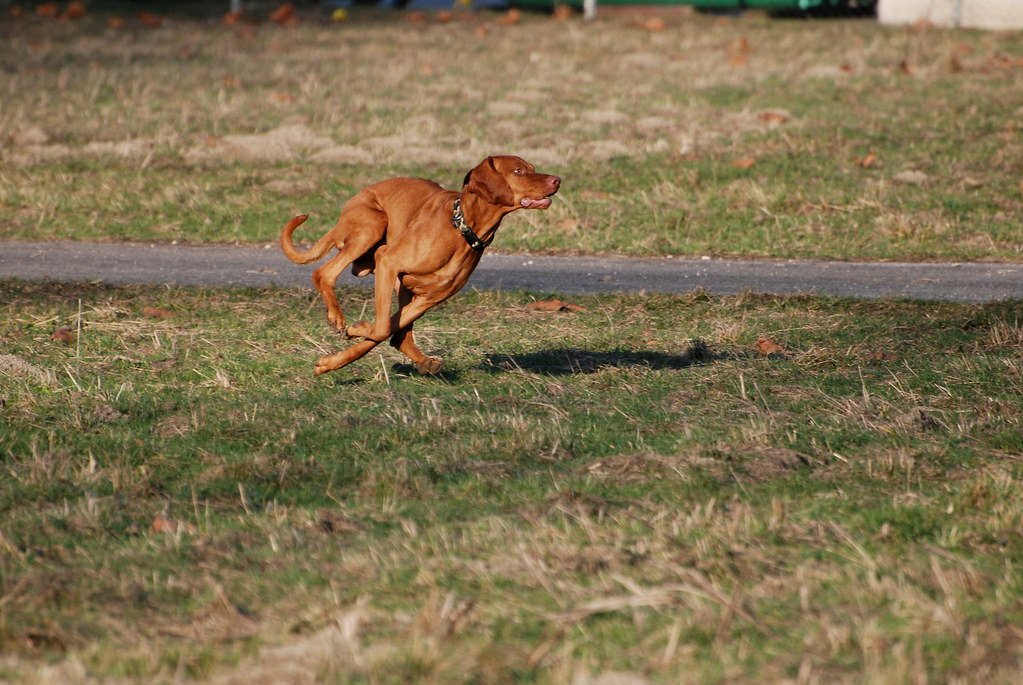
Vizslas are known for their loving nature and velvety coats, but don’t let their gentle eyes fool you—they’re endless motion in dog form. Nicknamed the “Velcro dog,” a Vizsla wants to be involved in everything you do, often at a fast pace.
They need both physical and mental outlets, from running to puzzle toys. If their needs aren’t met, they can develop separation anxiety or chew on furniture. For seniors seeking a more relaxed companion, a Vizsla’s whirlwind energy may be more than they bargained for.


