

Have you ever wrapped your arms around your dog, only to notice them stiffen or look away? It’s a heart-sinking moment for any dog lover. We hug to show affection, but do our dogs actually enjoy it, or are we making them uncomfortable without knowing? The truth might surprise you—and it could change how you connect with your furry best friend forever. Let’s explore what science, behavior experts, and real-life stories reveal about hugging dogs, and what’s really best for both of you.
Why Humans Love Hugging
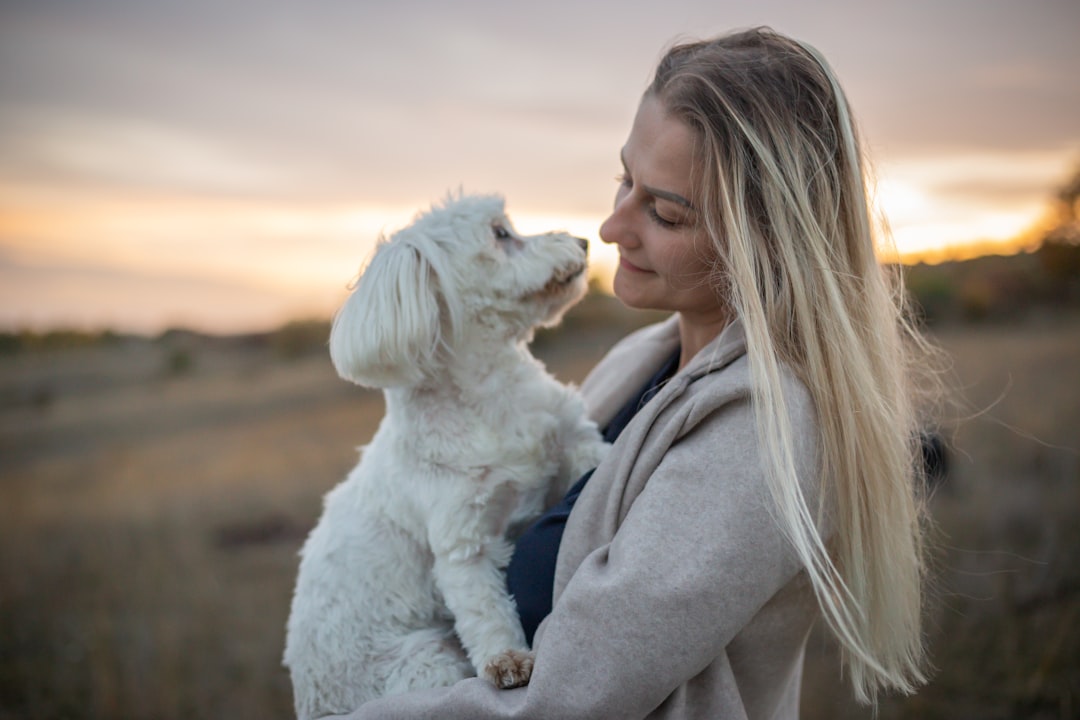
Humans are wired for touch. From the moment we’re born, close contact calms us, builds trust, and forges bonds. Hugging is a natural way people show affection—whether it’s with family, friends, or pets. It releases oxytocin, sometimes called the “love hormone,” which makes us feel happy and secure. No wonder we want to share that warm feeling with our dogs.
But dogs aren’t little humans in fur coats. While we may crave hugs, dogs have their own language for love. Sometimes, our affectionate gestures can get lost in translation. What feels comforting to us might make a dog nervous. Understanding this difference can help us build even stronger, more respectful relationships with our pets.
How Dogs Communicate Affection
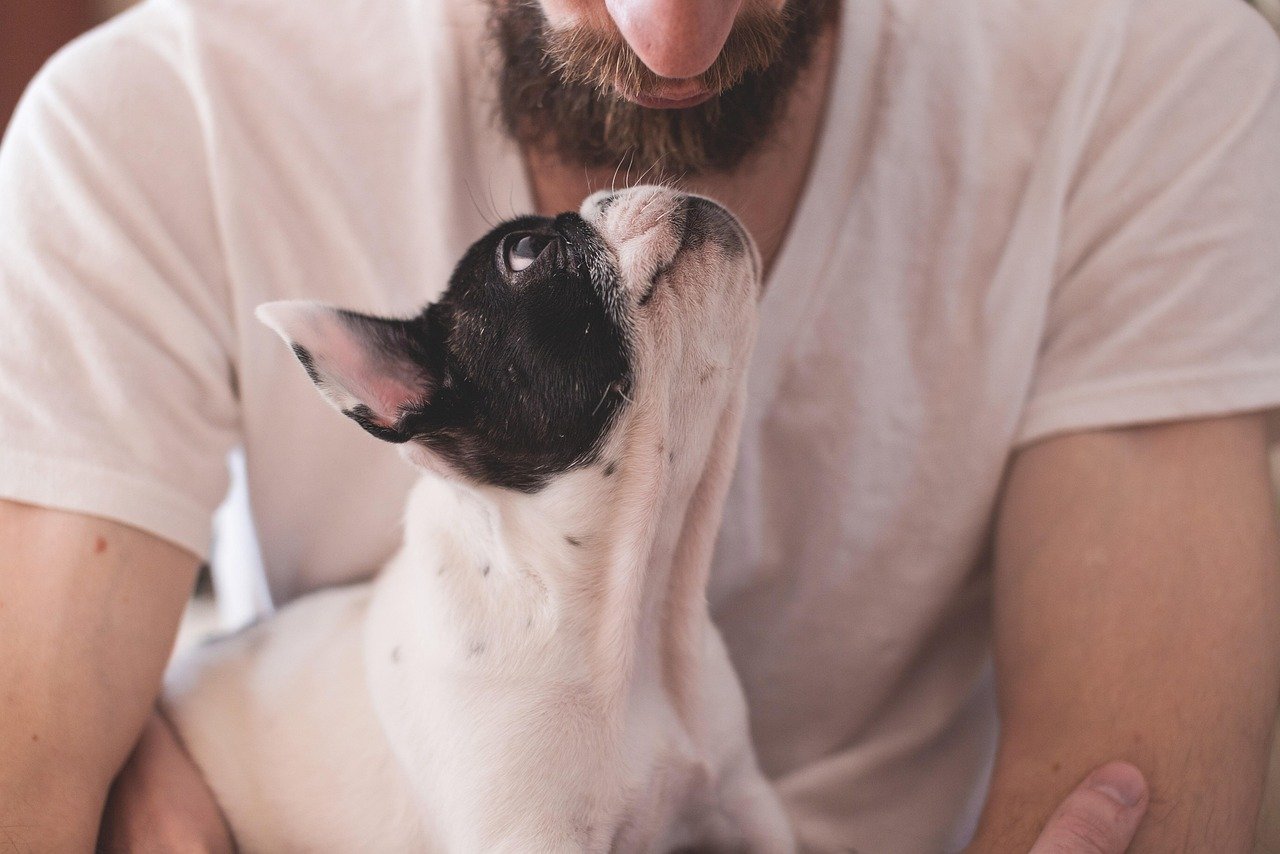
Dogs have an entirely different way of saying “I love you.” Instead of hugs, they might nuzzle, wag their tails, lean against you, or simply follow you from room to room. These little acts are their way of staying close and connected. Unlike humans, dogs rarely use full-body embraces in their natural interactions.
In canine culture, wrapping a limb or body over another dog can sometimes be a sign of dominance or control, not affection. So, when you hug your pup, they might not see it as a loving gesture at all. Some dogs tolerate it, while others feel confused or anxious. Learning your dog’s unique ways of showing love can make both of you happier.
Reading Your Dog’s Body Language
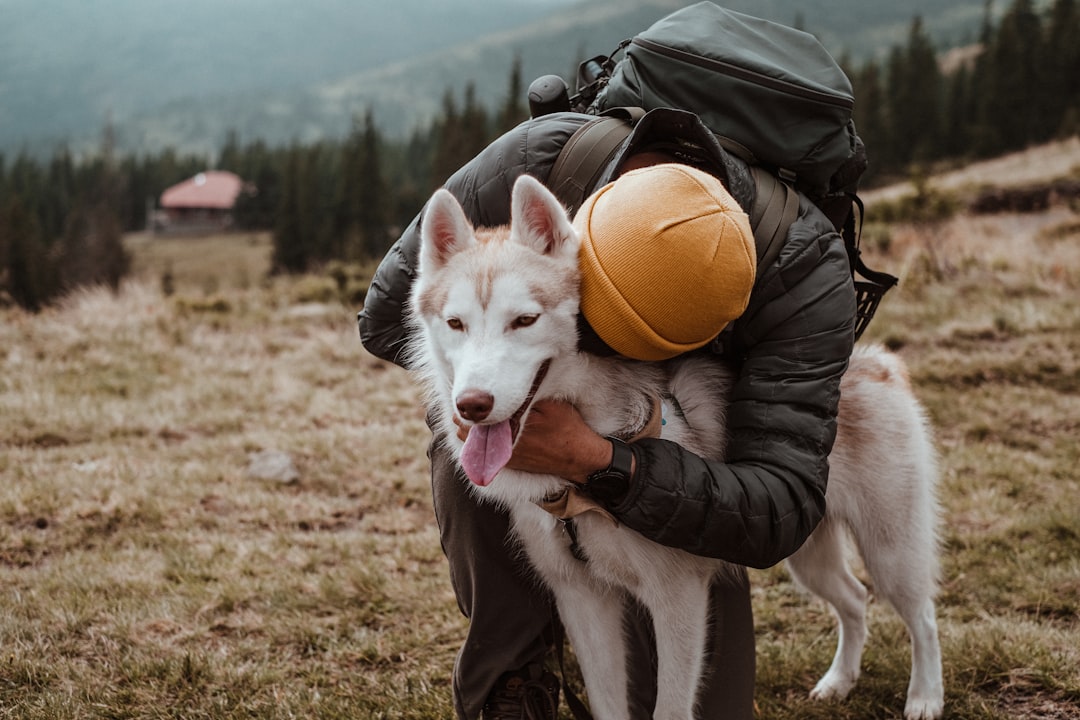
A dog’s body language speaks volumes. If your dog leans in, licks your face, or gently nudges you, they’re comfortable and probably enjoying your company. But if they turn their head, lick their lips, yawn, or try to squirm away during a hug, those are red flags. These subtle cues mean your dog may be stressed or uncomfortable with being held tightly.
It’s important to pay attention to these signals, even if they seem small. Most dogs won’t bite or snarl outright when they dislike a hug—instead, their discomfort shows up in these little ways. Watching for changes in breathing, a tucked tail, or tense muscles can help you understand how your dog really feels about hugs.
Why Some Dogs Dislike Hugs

Imagine being suddenly squeezed from behind by someone twice your size. For some dogs, a hug feels exactly like that—overwhelming and scary. Many dogs feel trapped when their movement is restricted, triggering an instinctual fear response. Hugs can also make them feel vulnerable, especially if they’re not used to close human contact.
Breed, personality, and past experiences all play a role. Some dogs are naturally more reserved or sensitive. Others, especially those from shelters or with a history of being mishandled, may be extra wary of close contact. Respecting these boundaries is an important part of earning your dog’s trust.
What the Experts Say
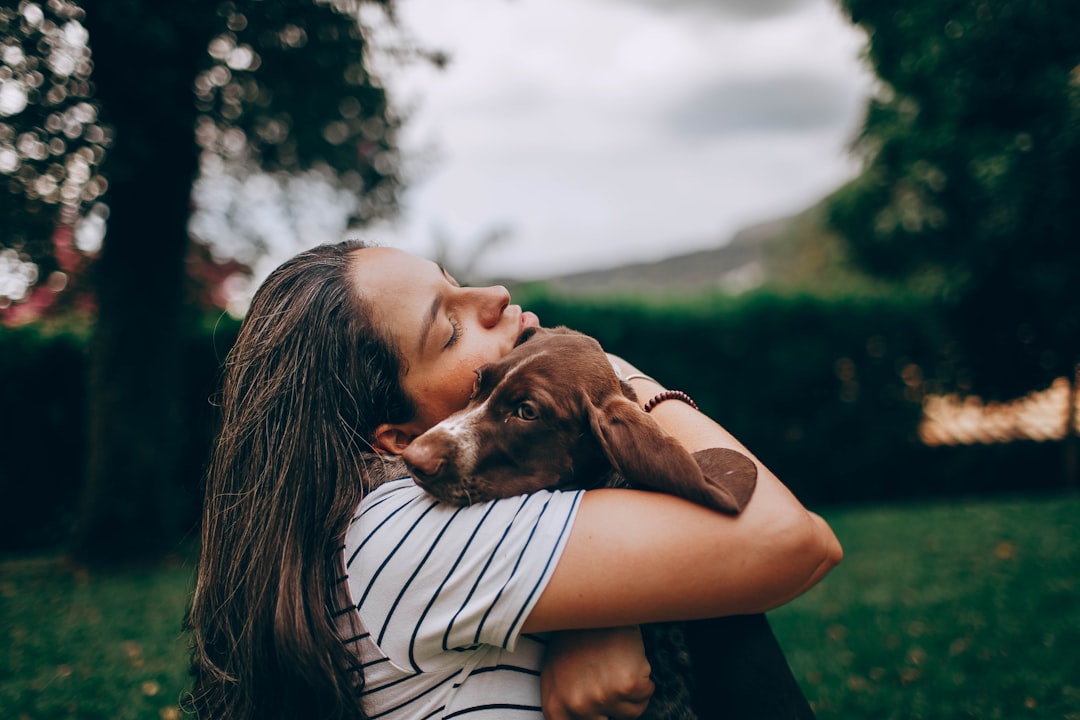
Animal behaviorists have studied how dogs react to hugs, and the findings are eye-opening. In one famous study, researchers analyzed hundreds of photos of people hugging their dogs. The majority of dogs showed at least one sign of stress—averted eyes, pinned-back ears, or a stiff body. These are all ways dogs say, “I’m not comfortable.”
Veterinarians and trainers often advise against hugging dogs who don’t clearly enjoy it. While some dogs may tolerate or even love hugs, many do not. Forcing unwanted affection can damage your bond over time. Experts recommend learning your dog’s preferences and finding other ways to show your love.
The Risks of Ignoring Your Dog’s Signals
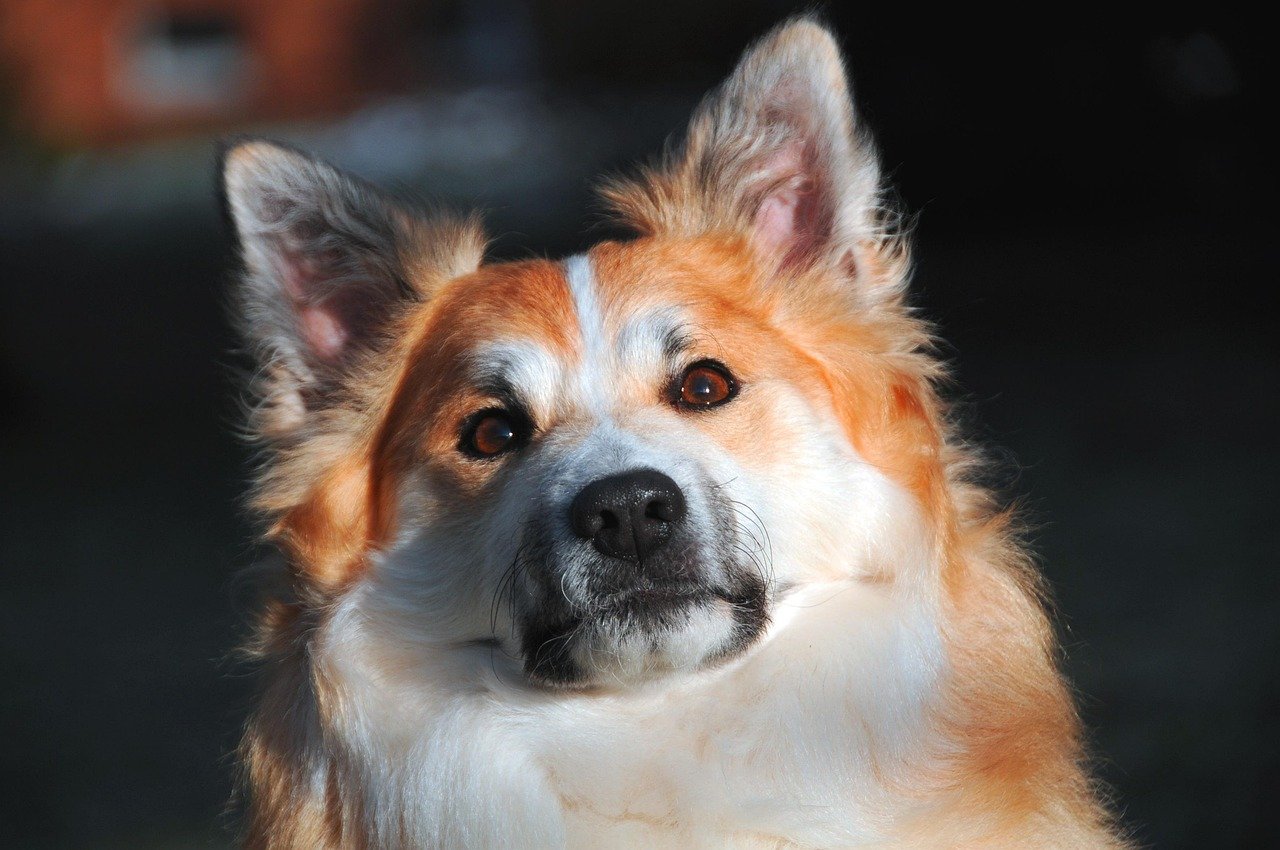
Ignoring your dog’s subtle signals can have serious consequences. A dog that feels cornered or threatened may eventually snap or bite, even if they’ve never acted out before. This is especially risky with children, who might not notice when a dog is uncomfortable. Respecting your dog’s wishes keeps everyone safer and happier.
Beyond physical safety, there’s the emotional toll. If your dog learns that you’ll ignore their boundaries, they may become anxious, withdrawn, or mistrustful. That’s the opposite of what any dog lover wants. Being sensitive to your dog’s needs is the ultimate sign of respect and love.
Alternatives to Hugging
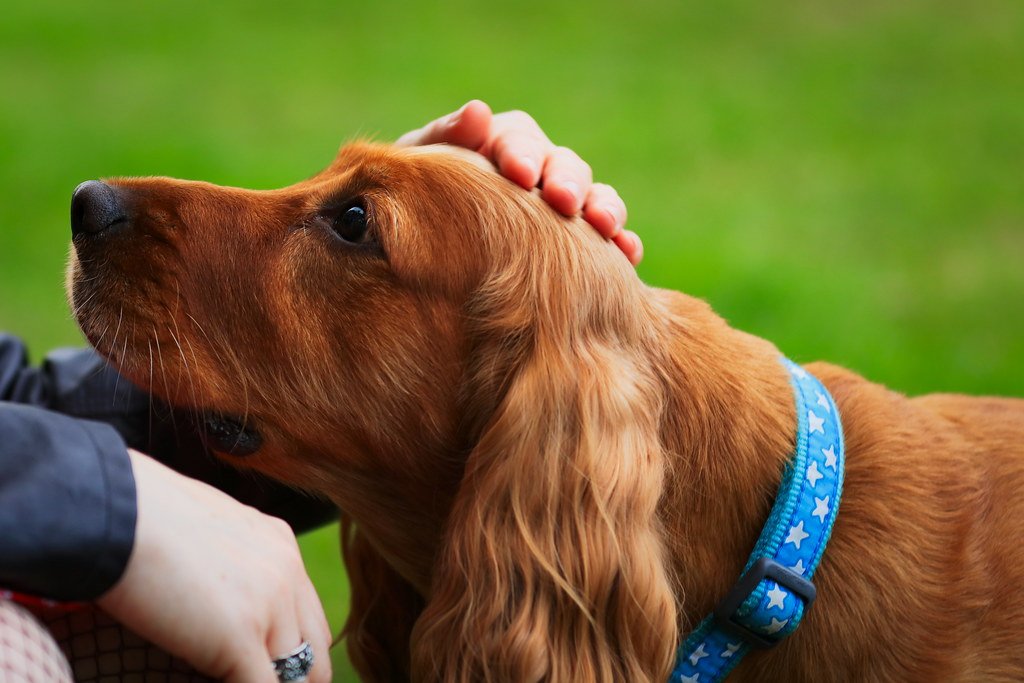
The good news? There are lots of ways to show your dog you care without making them uncomfortable. Try gentle pets, belly rubs, or a scratch behind the ears. Many dogs love to lean against your leg or rest their head on your lap—these are their versions of a “hug.”
You can also reinforce your bond through play, walks, or simply sitting together. Find out what makes your dog happiest, and use those moments to connect. It’s the quality of time together, not the style of affection, that matters most.
Building Trust With Your Dog
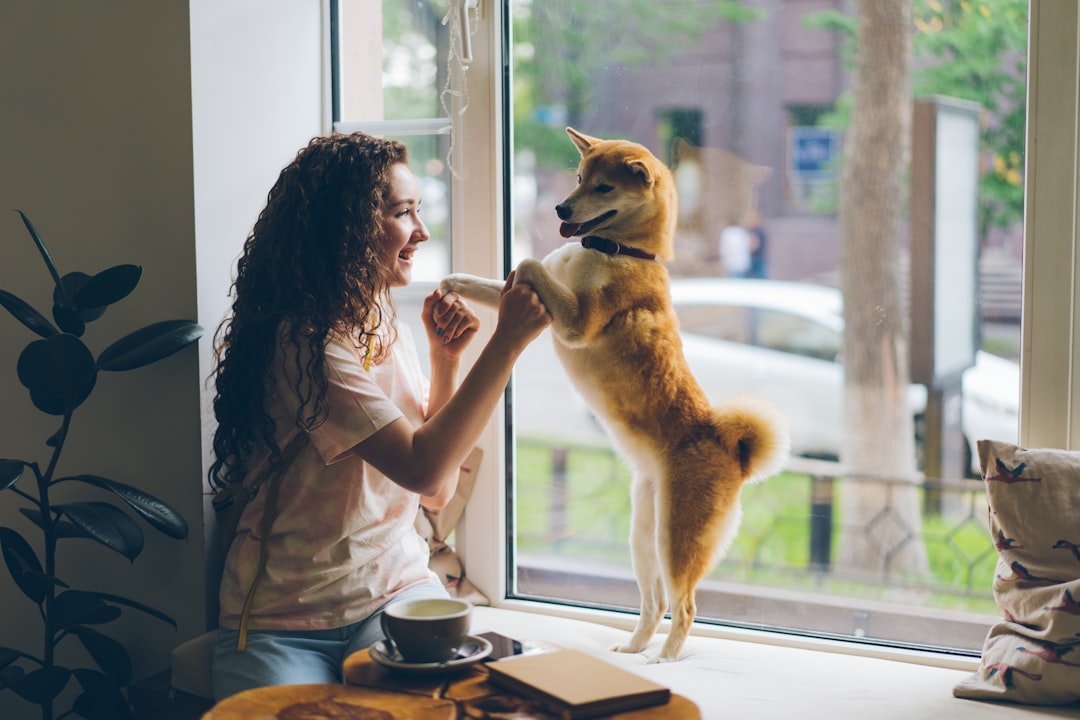
Trust is the foundation of any good relationship, and it’s no different with dogs. When you respect your dog’s likes and dislikes, they learn that they can count on you. Over time, a shy or hesitant dog might become more affectionate as they feel safe.
Building trust takes patience. Start slow and let your dog come to you. Offer treats, speak gently, and reward relaxed behavior. If your dog eventually initiates a snuggle or leans in for a cuddle, you’ll know it’s because they truly feel comfortable—not because they have no choice.
When Is It Okay to Hug Your Dog?

Some dogs do enjoy hugs—or at least tolerate them without stress. If your dog melts into your arms, wags their tail, or comes back for more, you’re probably in the clear. Every dog is an individual, and some are naturally more cuddly than others.
The key is consent. Always let your dog choose whether to participate in close contact. If they pull away or show signs of stress, respect their wishes. Your dog’s comfort should always come first, even if it means changing how you show your love.
How to Make Affection a Positive Experience
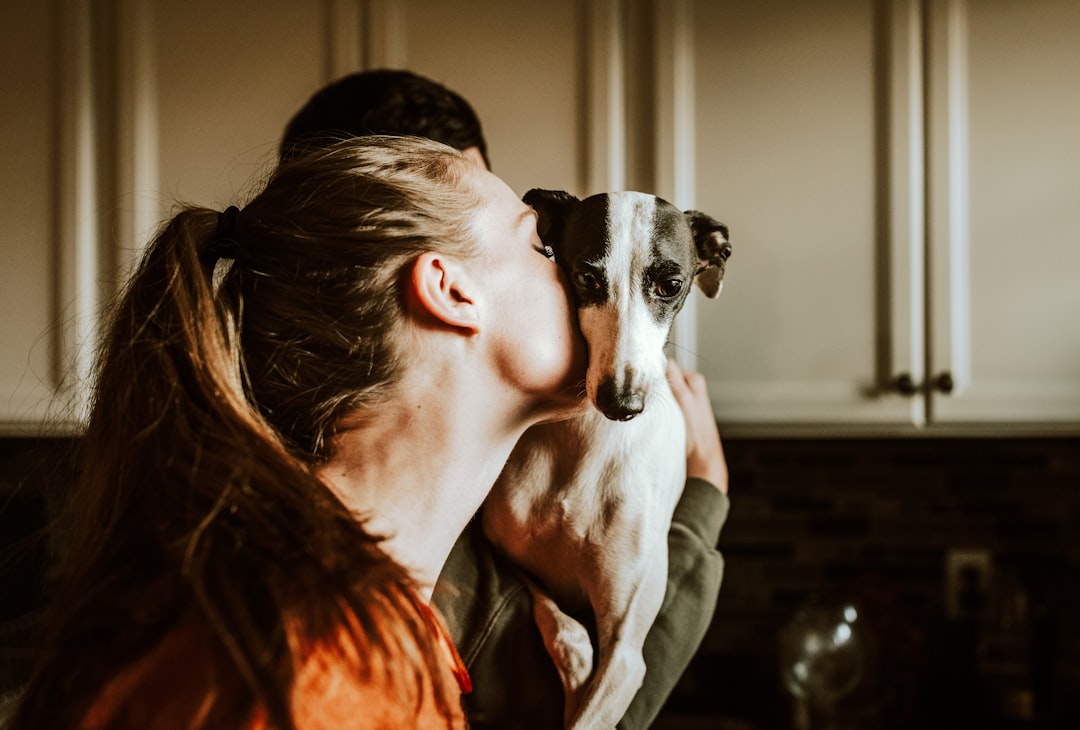
If you dream of having a snuggly dog, you can gently encourage them to enjoy close contact—but never force it. Start with short, positive interactions, paired with treats or their favorite toy. Praise relaxed behavior and stop immediately if they show discomfort.
Over time, your dog may learn that being close to you is safe and rewarding. But remember, not every dog will become a hugger, and that’s okay. The most important thing is that your dog trusts you and feels secure, no matter how you show your affection.
Hugging your dog may feel like a natural way to show love, but it’s important to remember that not all dogs interpret affection the same way humans do. While some pups may enjoy a warm embrace, others might feel trapped or stressed by the gesture. The key is to pay close attention to your dog’s body language and respect their boundaries. Showing love in ways they truly enjoy—like gentle petting, playtime, or simply sitting close—can strengthen your bond far more than a forced hug ever could. Ultimately, loving your dog means honoring how they want to be loved.


