
Why Ignoring Your Dog’s Body Language Could Be Damaging Your Bond
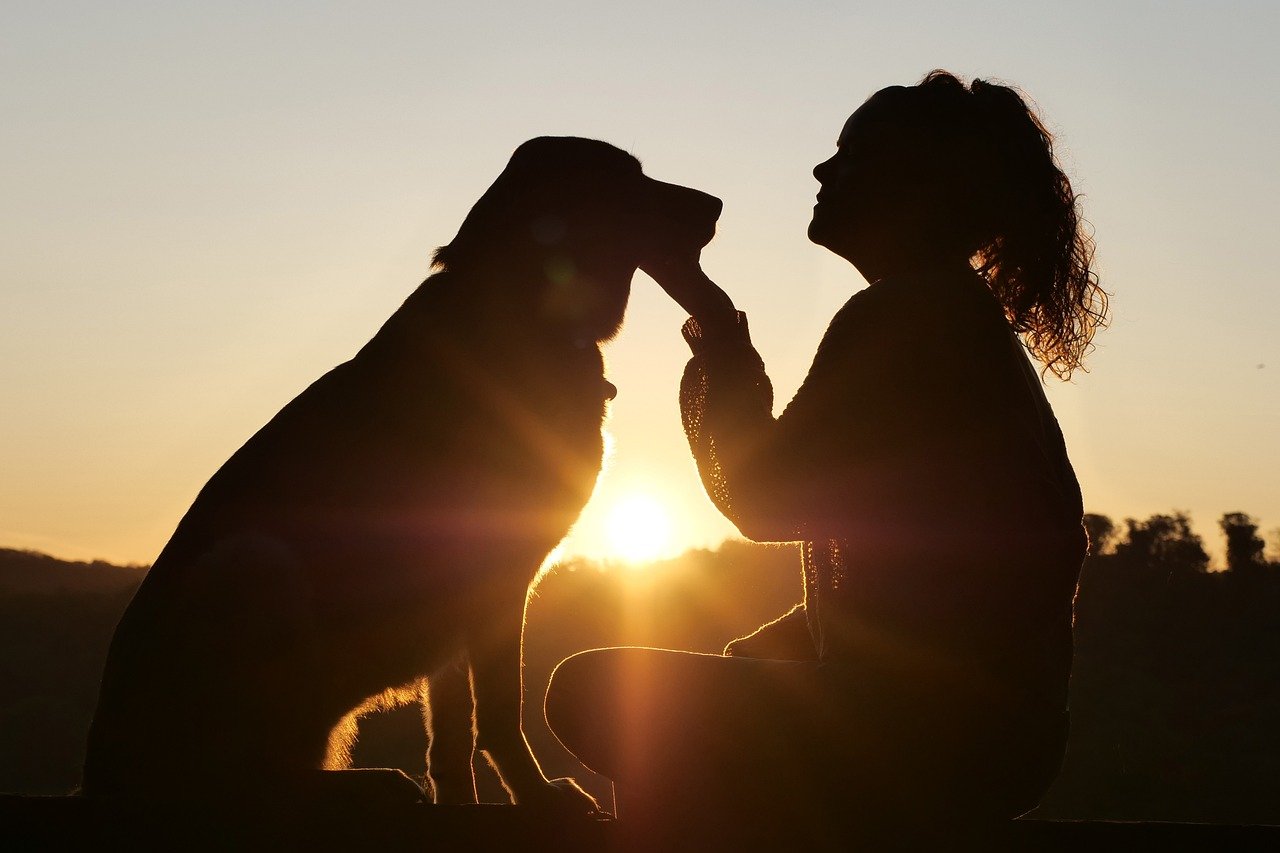
Have you ever looked into your dog’s eyes and wondered what they’re really trying to tell you? It’s easy to assume that a wagging tail or a playful bark is enough to understand your pup, but the truth is, dogs are constantly communicating with us in ways that are far more subtle. Missing these signs isn’t just a harmless oversight—it can quietly erode the trust and connection you share with your furry companion. Let’s dig into why learning to “read” your dog could be the most important thing you ever do for your relationship.
The Silent Language: Dogs Speak Without Words
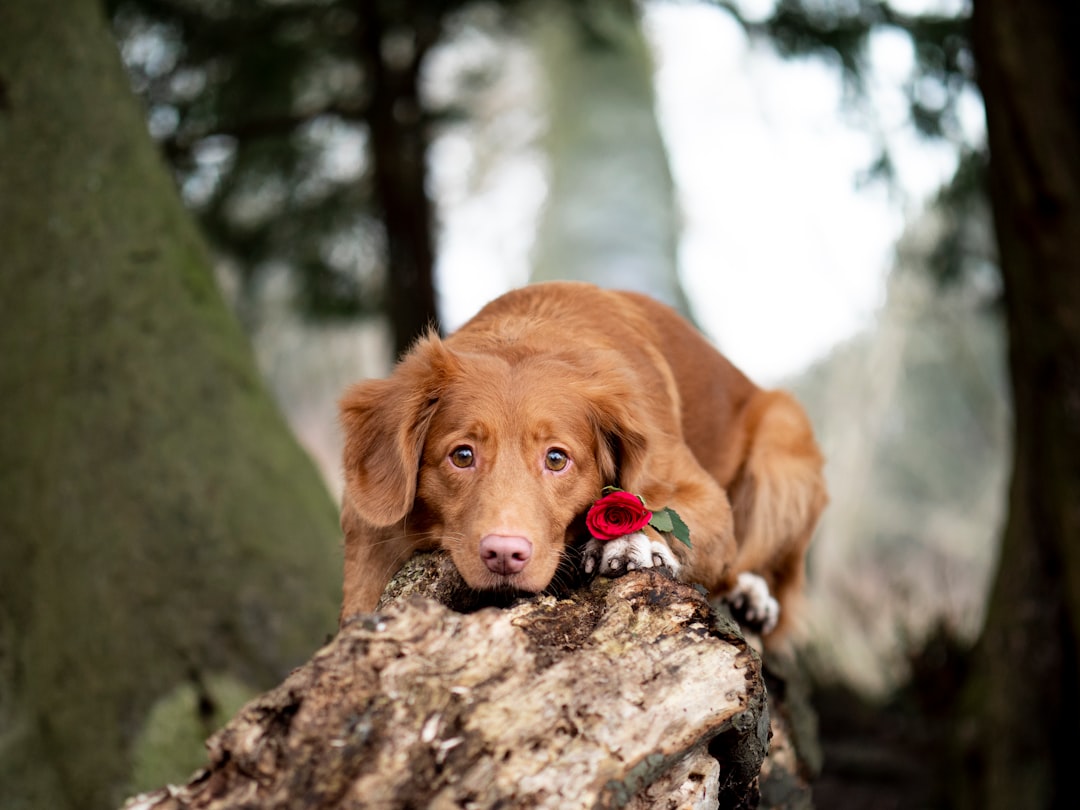
Dogs communicate mainly through their bodies, not their voices. While a bark or a whine might catch your attention, the real story unfolds in their posture, ears, tail, eyes, and even the way they move. These subtle signals often reveal more about their feelings than any sound ever could. If you overlook these cues, you might miss when your dog is scared, excited, or uncomfortable.
Imagine coming home after a long day, and your dog greets you with a stiff body and tucked tail. Many people might think their dog is just shy, but this could be a sign of stress or anxiety. By tuning into these nonverbal signals, you’re able to respond more thoughtfully and help your dog feel seen and safe. Ignoring them can leave your dog feeling isolated and misunderstood, making it harder to build genuine trust.
Trust Is Built on Understanding
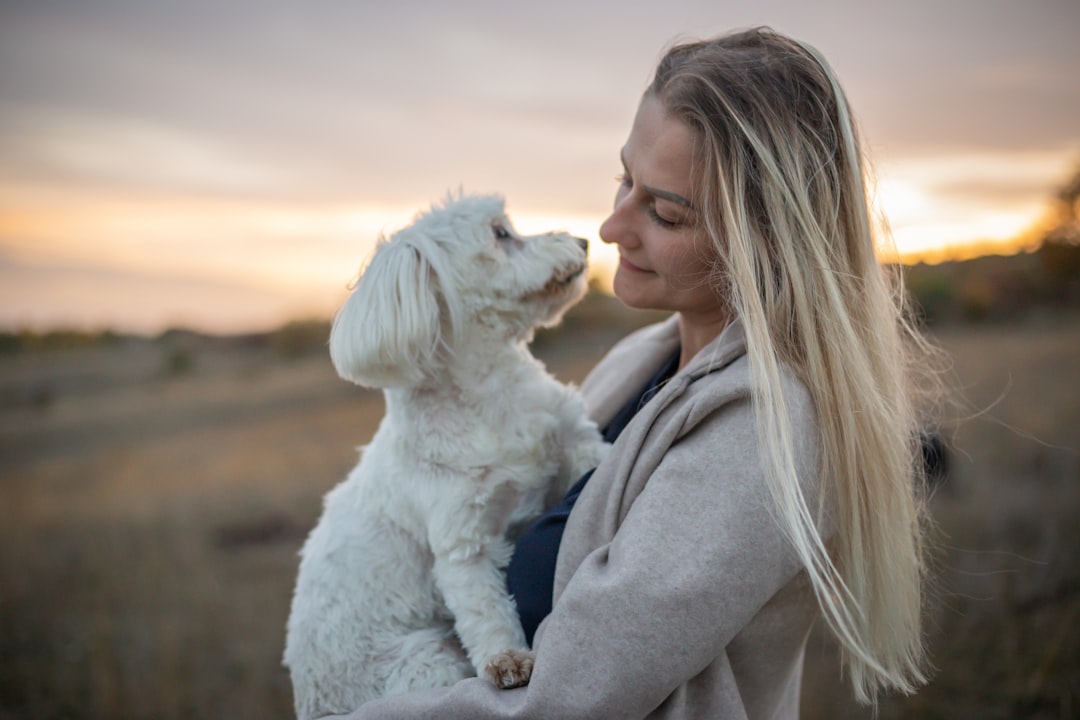
Trust doesn’t just happen overnight—it grows every time you listen and respond to your dog’s needs. When your dog senses that you’re paying attention to their body language, they feel more secure and valued. This trust becomes the foundation for a healthy and lasting bond between you and your pup.
On the flip side, ignoring your dog’s communication can make them feel like their needs don’t matter. If your dog tries to tell you they’re scared or uncomfortable, and you miss the signs, they might stop trying to communicate altogether. This breakdown in trust can lead to behavioral problems and even emotional withdrawal. Paying attention to your dog’s body language is a simple but powerful way to say, “I hear you and I care.”
Common Body Language Signals and Their Meanings
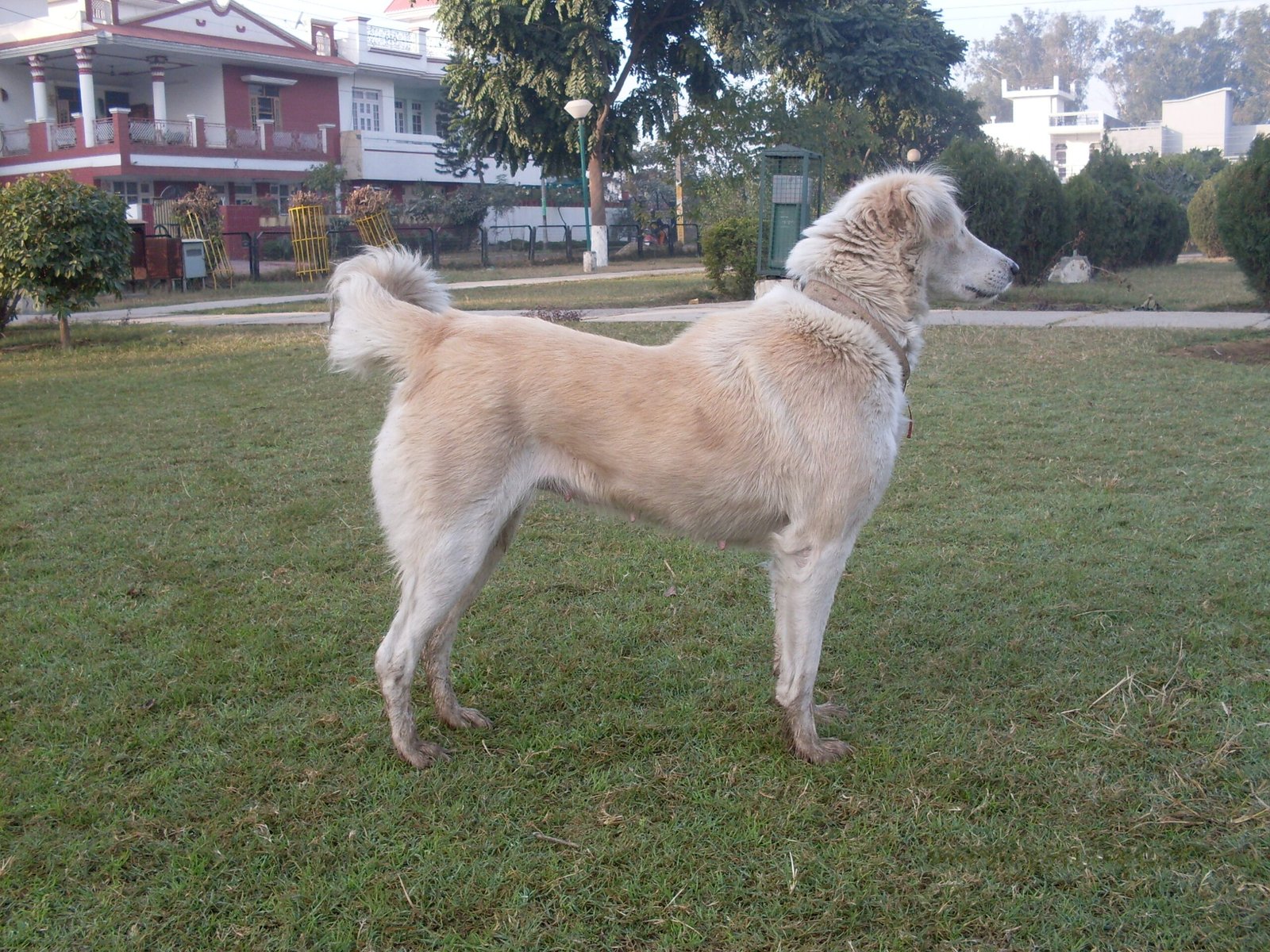
It’s easy to misinterpret a wagging tail as pure happiness, but the reality is much more nuanced. A low, slow wag can signal uncertainty or nervousness, while a high, fast wag usually means excitement. Similarly, flattened ears can indicate fear, while perked-up ears might mean your dog is curious or alert.
Other important cues include yawning (which could be a sign of stress, not tiredness), lip licking (often a sign of anxiety), and a rigid body (which can mean discomfort or even aggression). If you overlook these signals, you might accidentally put your dog in stressful situations or miss opportunities to comfort them when they need you most.
The Impact of Misunderstanding: Anxiety and Stress

When dogs feel misunderstood, their anxiety can quietly build over time. They might start to avoid certain situations, people, or even you. Chronic stress can lead to health issues, destructive behavior, and a decrease in overall happiness.
If you consistently fail to recognize when your dog is scared or overwhelmed, they may begin to associate your presence with anxiety rather than comfort. This can create a vicious cycle where your dog becomes more withdrawn, and you feel more disconnected from them. Recognizing the early signs of stress through body language can help break this cycle and bring you closer together.
Strengthening the Human-Canine Connection
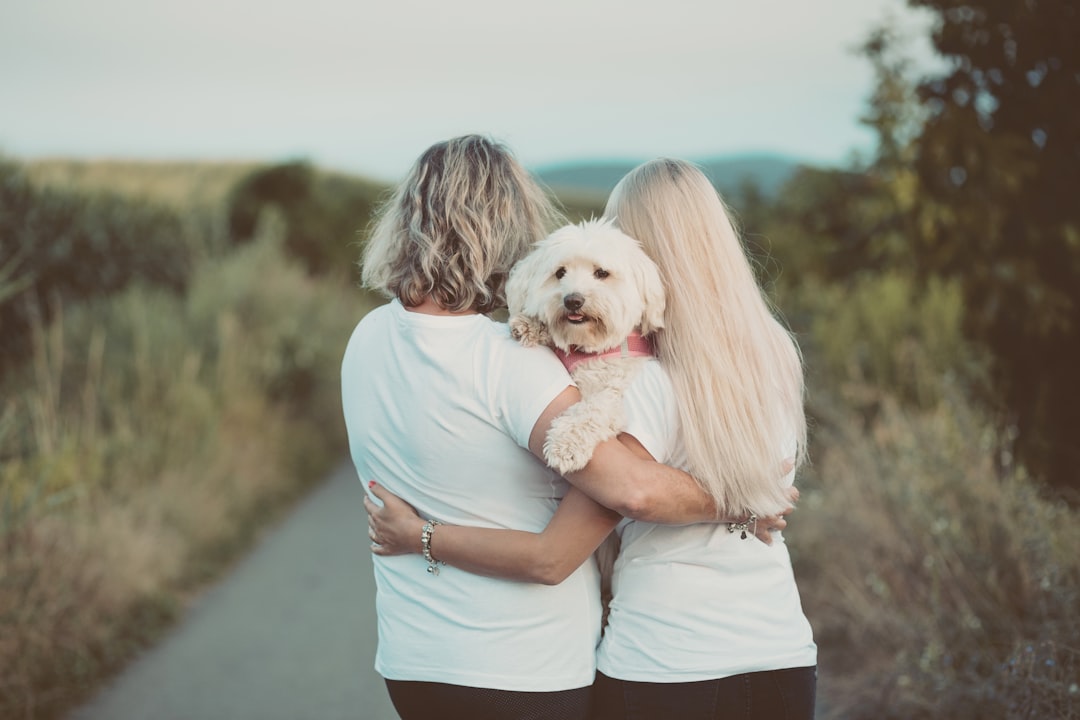
Learning to read your dog’s body language is like unlocking a secret code to their heart. When you start noticing the little things—like a gentle tail wag, a sideways glance, or a playful bow—you begin to understand your dog on a deeper level. This understanding helps you respond in ways that make your dog feel loved and respected.
The result is a stronger, more joyful bond. Your dog becomes more confident, knowing that you “get” them, and you gain a loyal companion who trusts you completely. It’s a beautiful, give-and-take relationship that grows richer with every shared glance and unspoken gesture.
Preventing Behavioral Problems

Ignoring your dog’s body language doesn’t just affect your bond—it can also lead to behavioral issues. Dogs who feel unheard may resort to barking, chewing, or even aggression to get your attention. These behaviors are often cries for help, signaling that their emotional needs aren’t being met.
By tuning into your dog’s body language, you can address issues before they spiral out of control. For example, if you notice your dog is nervous around new people, you can help them feel safe and gradually build their confidence. Catching these signals early prevents bigger problems down the road and makes life smoother for both of you.
Body Language and Training Success
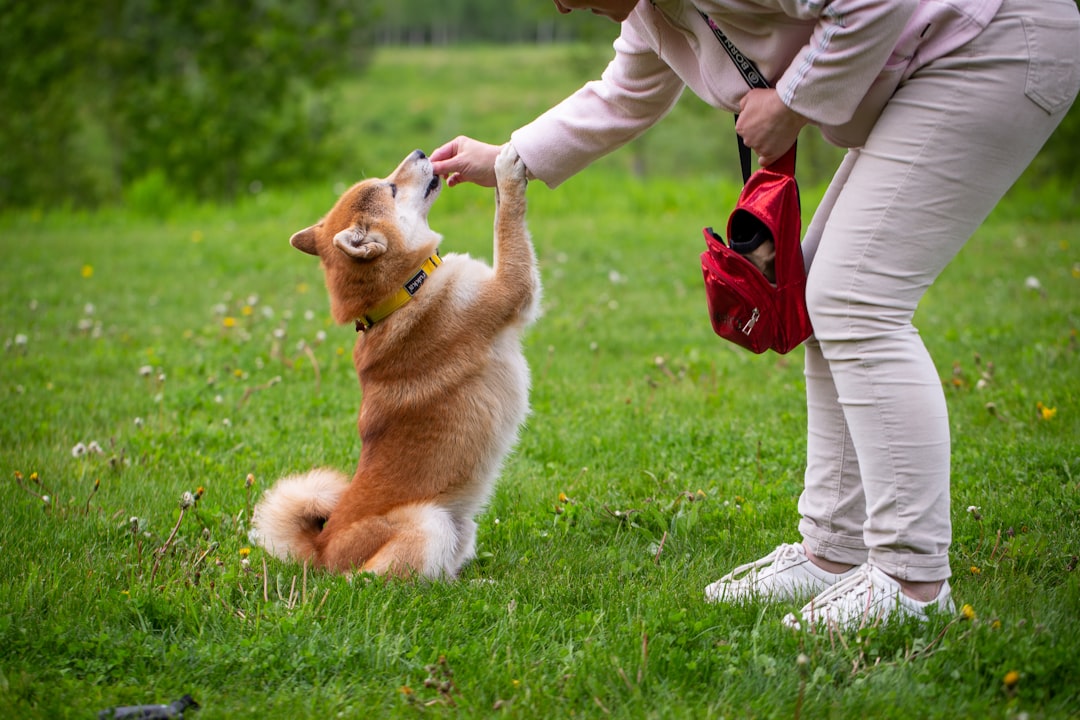
Successful dog training isn’t just about commands and treats—it’s about communication. Dogs learn best when they feel understood and respected. If you can recognize when your dog is confused, frustrated, or eager, you can adjust your training methods to keep things positive and productive.
Ignoring your dog’s signals during training can make them feel overwhelmed or discouraged. Instead, watching for signs of stress or excitement helps you know when to push forward or take a break. This approach leads to faster learning, better behavior, and a happier dog.
Creating a Safe Environment

Body language isn’t just for communication—it’s also a powerful tool for safety. By noticing when your dog is uncomfortable or scared, you can remove them from situations that could cause harm. This might mean stepping away from a crowded park, avoiding certain people, or simply giving your dog space when they need it.
When your dog knows you’ll protect them, their confidence grows. They feel safe exploring the world, knowing you’re watching out for them. Ignoring these warning signs, on the other hand, can put your dog in situations that are frightening or even dangerous.
Deepening Empathy and Compassion
Learning to read your dog’s body language teaches you empathy. You start to see the world through their eyes, noticing the little things that make them happy, scared, or excited. This empathy spills over into other parts of your life, making you more compassionate and understanding with people, too.
When you show your dog that you care about their feelings, you’re not just deepening your bond—you’re also becoming a kinder, more attentive person. It’s a beautiful reminder that sometimes, the best lessons in love come from those who can’t speak at all.
Every Dog Is Unique: Learning Your Own Dog’s Language
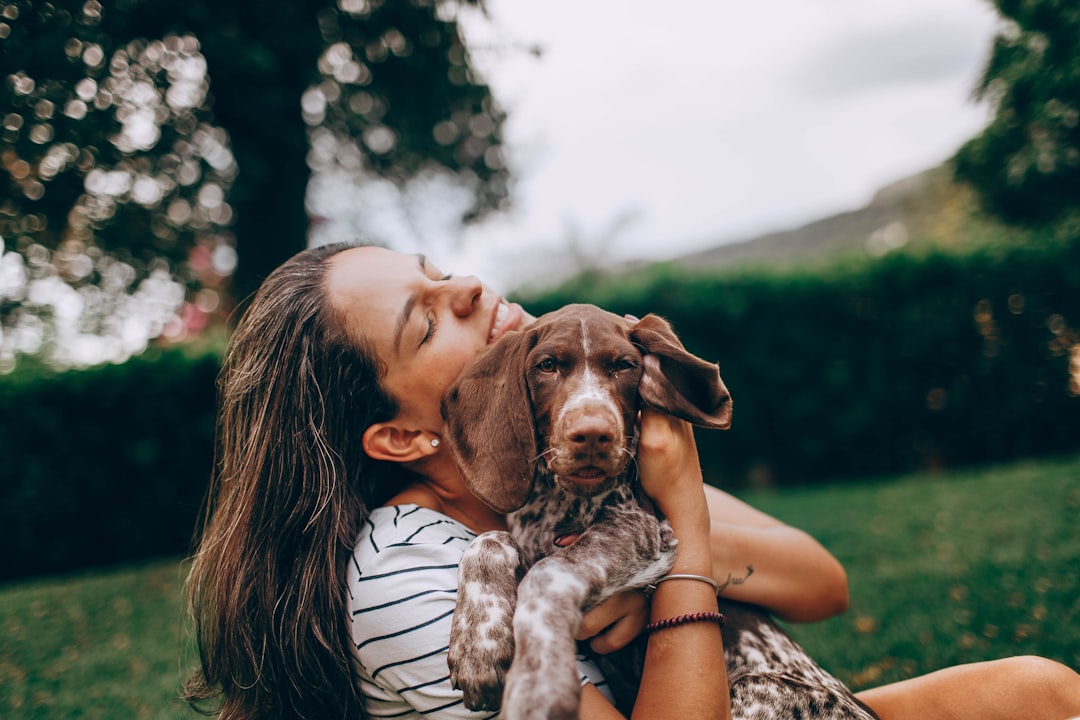
No two dogs are exactly alike. While there are general guidelines for interpreting canine body language, each dog has their own “accent” and way of expressing themselves. Some dogs might wag their tails when nervous, while others might freeze or hide. Paying close attention to your own dog’s habits and quirks helps you understand what they’re really saying.
Take time to observe your dog in different situations. Notice how they react to new people, loud noises, or changes in routine. Over time, you’ll develop a “sixth sense” for your dog’s feelings, making your bond even stronger and more special.
Your dog is constantly communicating, even if they can’t speak your language—and ignoring their body language can silently chip away at the trust between you. Subtle signs like a tucked tail, lip licking, or turning away aren’t random; they’re cues that something’s wrong or that your dog needs space, comfort, or reassurance. By learning to recognize and respond to these signals, you’re not just avoiding misunderstandings—you’re deepening your connection. In the end, paying attention to your dog’s body language isn’t just about better behavior; it’s about building a stronger, more respectful bond that lasts a lifetime.