
10 Dog Breeds With The Highest Return Rates To Shelters
Have you ever walked through a shelter and locked eyes with a dog who just seemed to be begging for a second chance? It’s heartbreaking to see so many hopeful faces, but what’s even more surprising is that some breeds find themselves back behind shelter bars more often than others. The reasons are rarely simple—sometimes it’s energy, sometimes expectations, and sometimes just plain misunderstanding. Here’s a look at the top 10 dog breeds most often returned to shelters, and why even the cutest pup might not be the perfect fit for everyone.
Labrador Retriever
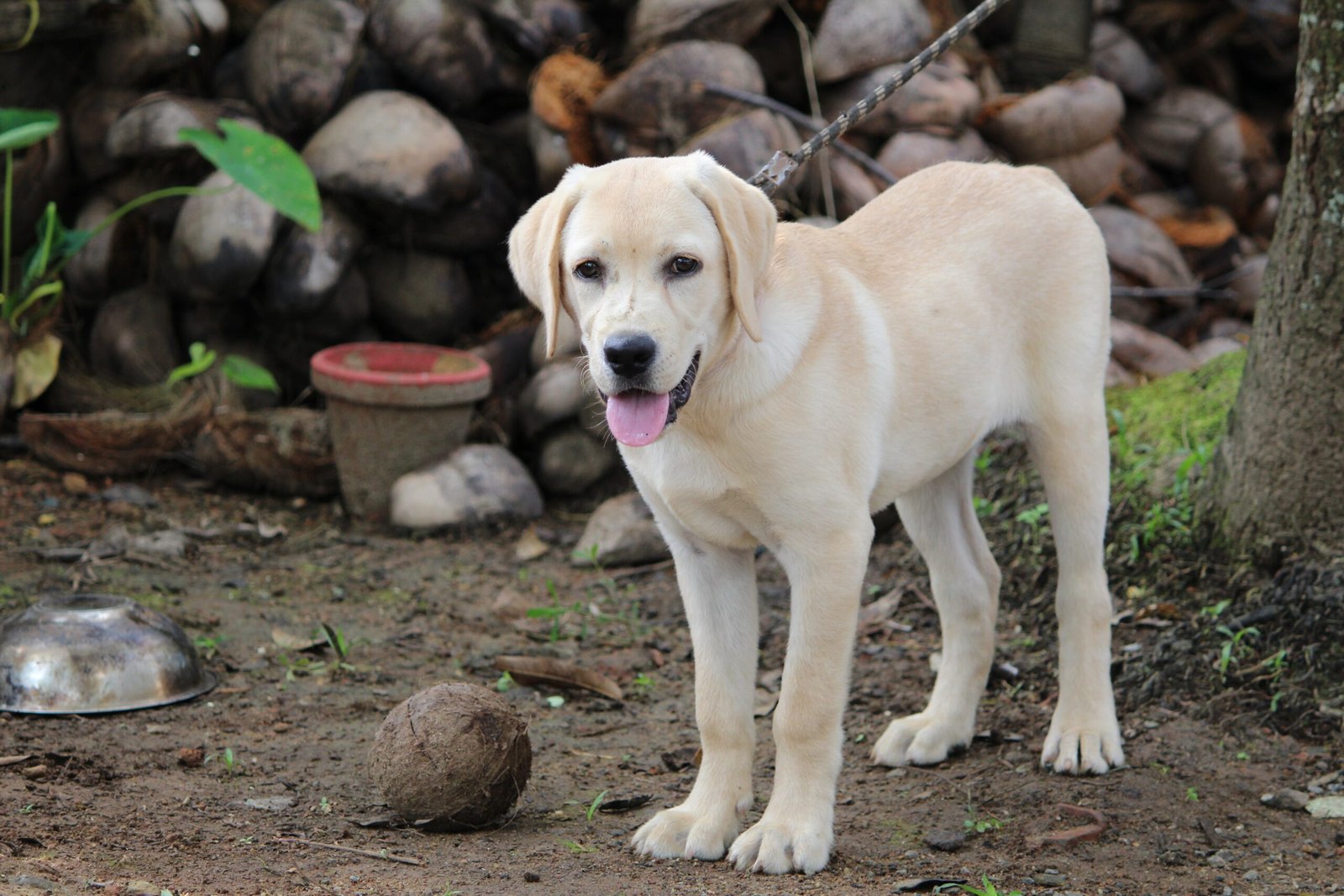
It might shock you to see Labradors on this list, considering they’re America’s most popular dog. But popularity can be a double-edged sword. Many families fall for a Lab’s winning smile and friendly wag, only to discover their ultra-high energy is more than they bargained for. Labradors were bred for working all day, retrieving game and swimming for hours. Without enough exercise, their boundless enthusiasm can turn into destructive behavior—chewed shoes, dug-up gardens, you name it.
Another reason Labs are often returned is their size and strength. As puppies, they’re adorable balls of fluff, but they grow fast and can easily bowl over small children or frail adults. First-time dog owners sometimes underestimate just how much training and time these dogs need. It’s not that Labs are “bad” dogs; they just need the right homes that understand how much activity is required to keep them happy and out of trouble.
Border Collie
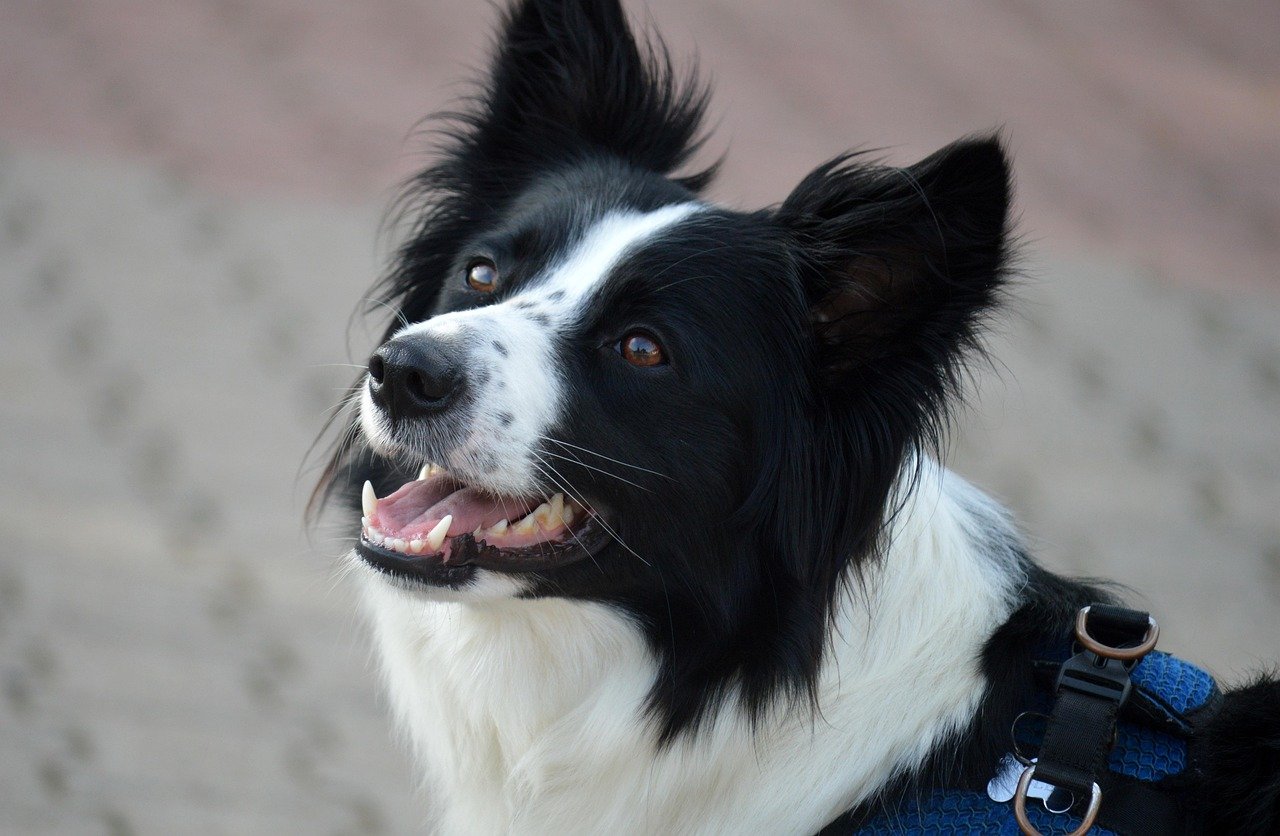
Border Collies are legendary for their intelligence and agility. They’re the stars of sheepdog competitions and agility courses, but these very traits can make them tough house companions. People often adopt them for their smarts and striking looks, then realize that a bored Border Collie is a recipe for chaos. These dogs need mental stimulation every single day—a few walks around the block simply won’t do.
Their herding instincts are strong, sometimes leading them to “herd” children, other pets, or even guests. This can cause stress in a home environment, especially if the family isn’t prepared to channel those instincts into positive activities. Without enough outlets, they may develop destructive habits or anxiety. They’re brilliant, loyal, and loving—but only in the right environment. When their needs aren’t met, it’s not uncommon for overwhelmed owners to surrender them back to shelters.
Dalmatian
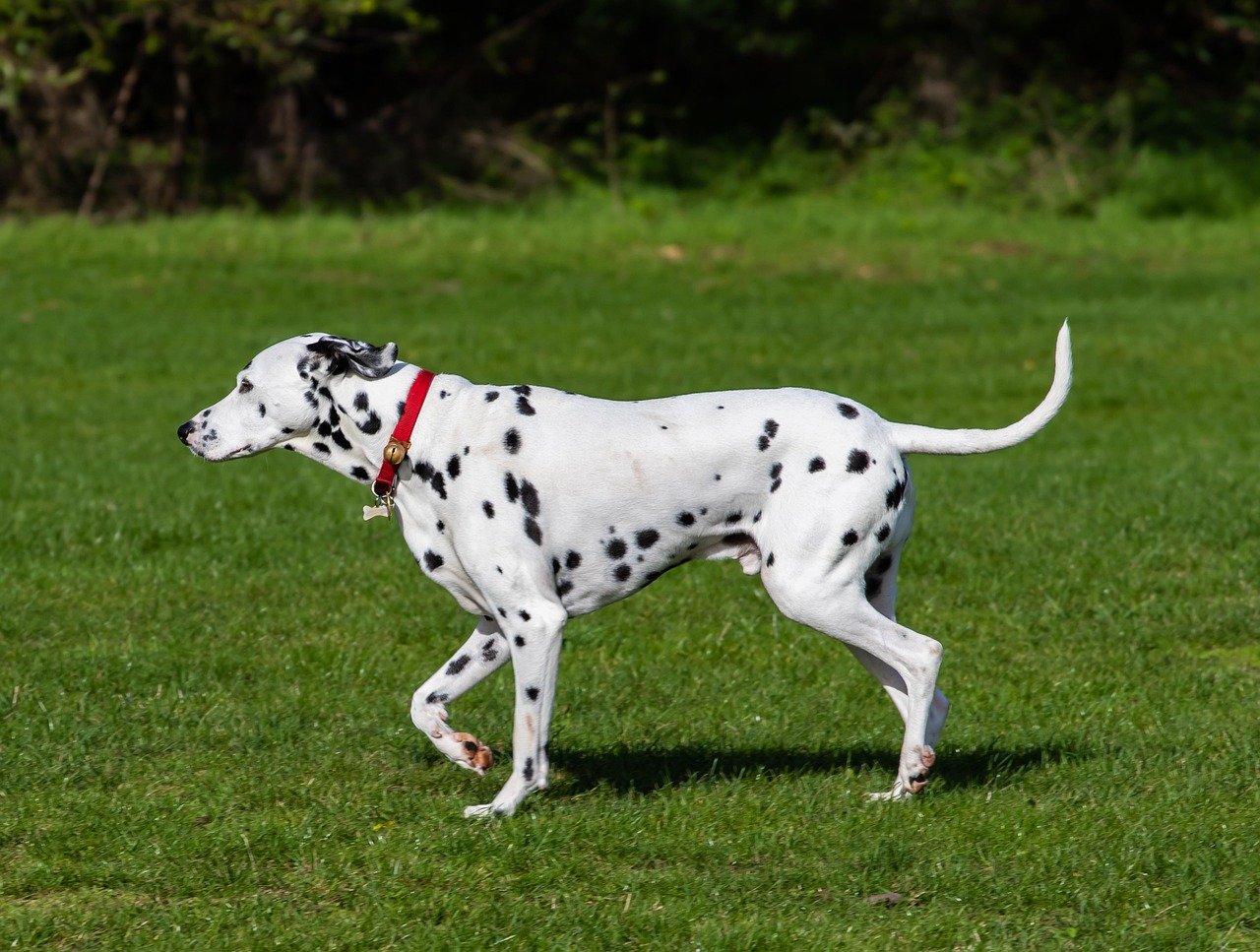
Thanks to movies and their eye-catching spots, Dalmatians have been in the limelight for decades. Unfortunately, their unique appearance can overshadow their demanding personalities. Dalmatians are energetic, stubborn, and require lots of socialization and exercise. They’re not naturally docile lap dogs—they were bred to run long distances alongside horse-drawn carriages.
This high-octane energy, paired with a streak of independence, means they often clash with inexperienced owners. Some Dalmatians can be wary of strangers or other pets, and their training requires patience and consistency. Health issues like deafness are also more common in the breed, which can add another layer of challenge. When families realize they can’t keep up, Dalmatians are sadly among the first to be brought back to shelters.
Jack Russell Terrier
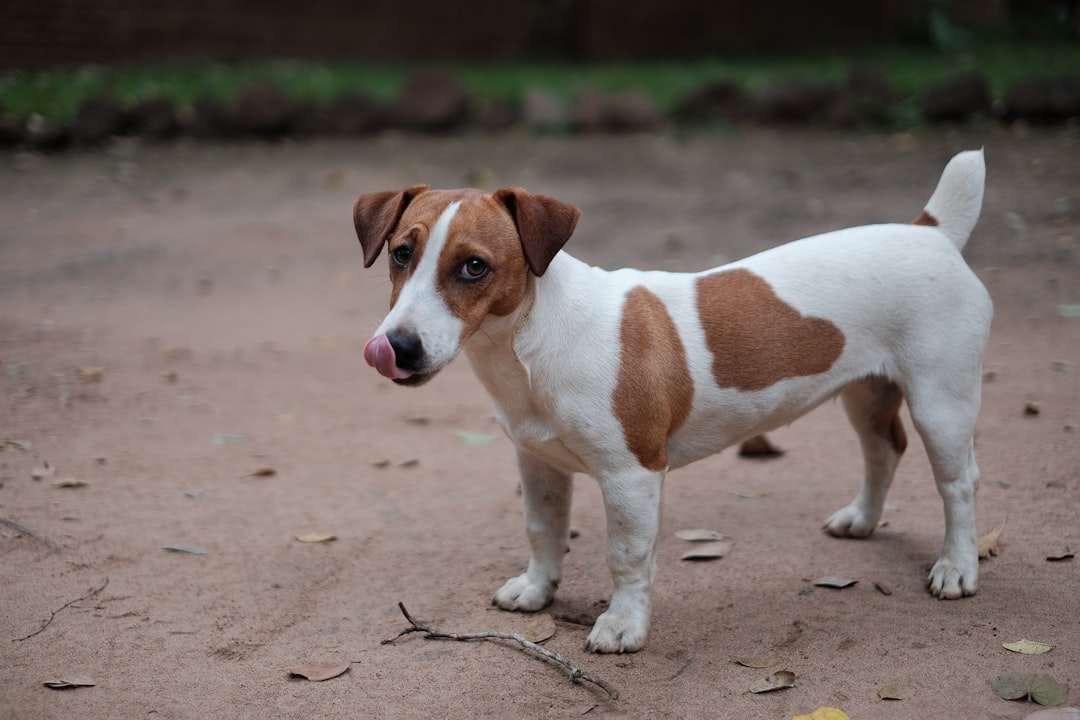
Don’t let their small size fool you—Jack Russell Terriers have personalities that fill a room, and then some. These dogs are all about action. They’re quick, clever, and have a mischievous streak that can leave unprepared owners pulling their hair out. Originally bred for fox hunting, Jack Russells have an intense prey drive and a need for constant activity.
Their curiosity and energy often get them into trouble, like digging up gardens or escaping yards. They’re also known for their vocal nature, which can be a problem in apartment settings or for neighbors sensitive to noise. People often adopt them for their compact size and big hearts, not realizing the commitment needed to truly keep them happy. When the reality sets in, these little dynamos sadly make frequent trips back to the shelter.
Siberian Husky
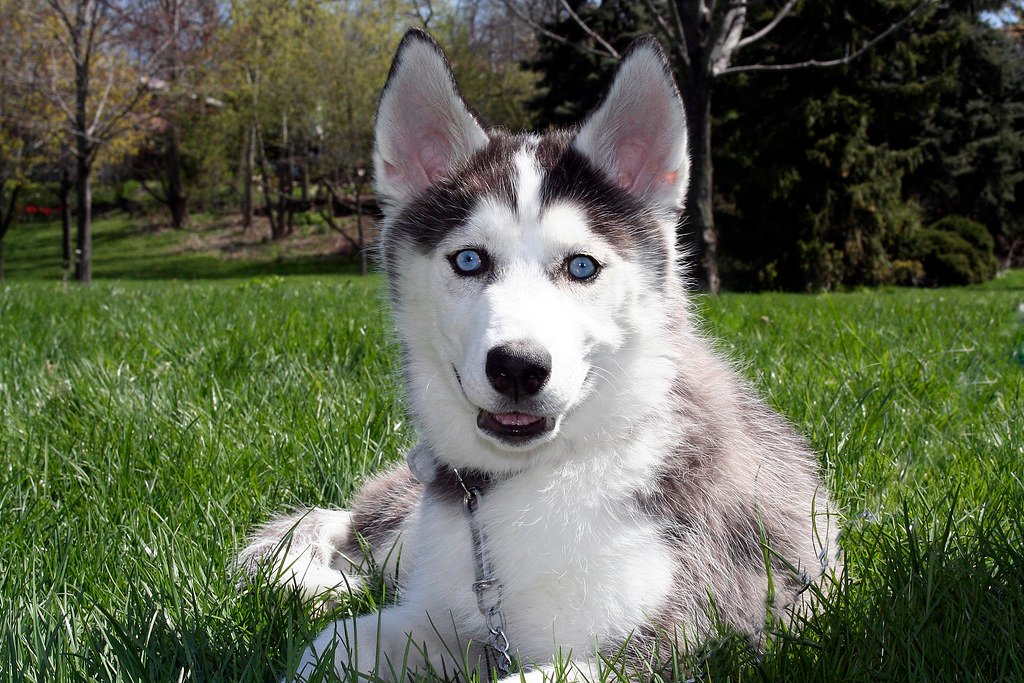
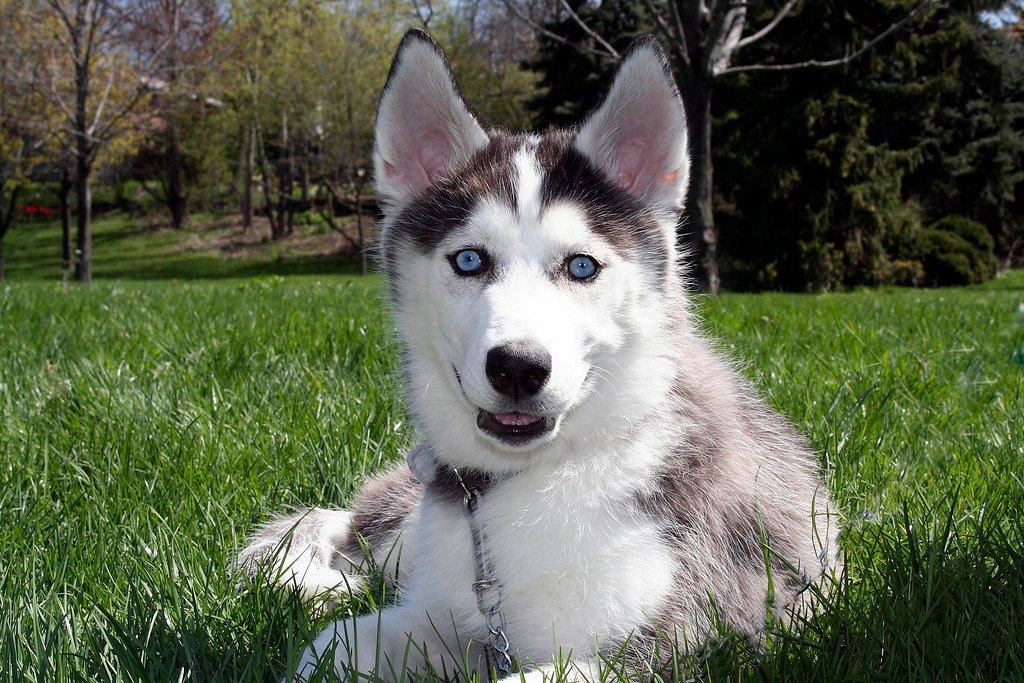
With their striking blue eyes and wolf-like looks, Huskies have skyrocketed in popularity, but their beauty can be deceiving. Huskies are escape artists—if there’s a way out of your yard, they’ll find it. Bred to pull sleds across frozen landscapes, they need hours of exercise and mental engagement every day.
Their strong-willed and independent personalities mean they don’t always listen, especially if they catch a whiff of adventure. First-time owners are often caught off guard by their stubbornness and need for space to run. Left alone for too long, they can become destructive or develop separation anxiety. These factors contribute heavily to their high return rates, as families realize the challenge of living with such a spirited breed.
German Shepherd
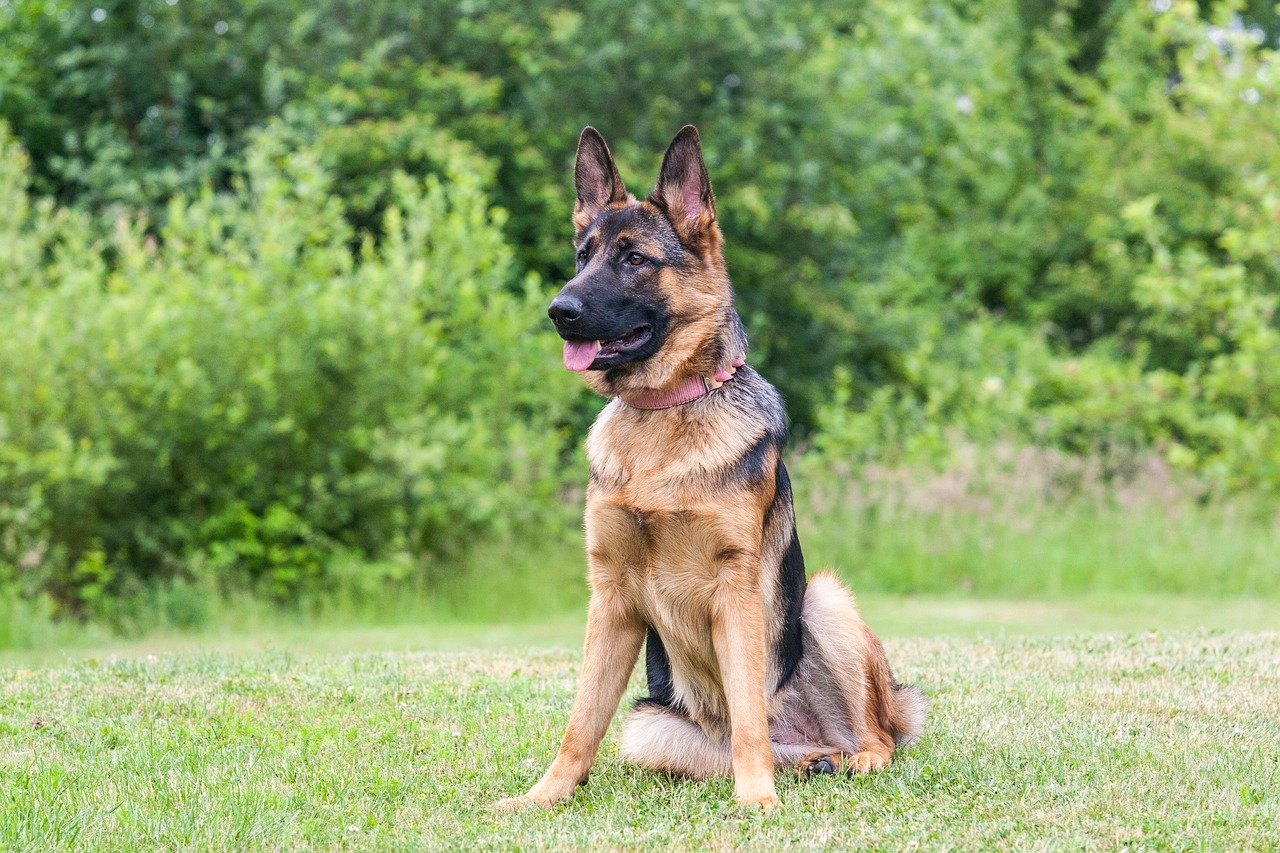
German Shepherds are admired for their intelligence, loyalty, and protective nature. They’re the go-to breed for police and service work, which says a lot about their abilities. However, their smarts and strength can intimidate inexperienced dog owners. Shepherds need extensive training and socialization from the start, or they can develop behavioral issues like overprotectiveness or anxiety.
They’re also large and powerful, requiring plenty of exercise to stay balanced. Some families expect a gentle companion but are unprepared for the breed’s working-dog drive. Without the right guidance, these loyal dogs can become a handful, leading overwhelmed owners to return them to shelters. It’s a sad situation, as with proper care, German Shepherds are among the most devoted companions you could ever wish for.
Chihuahua
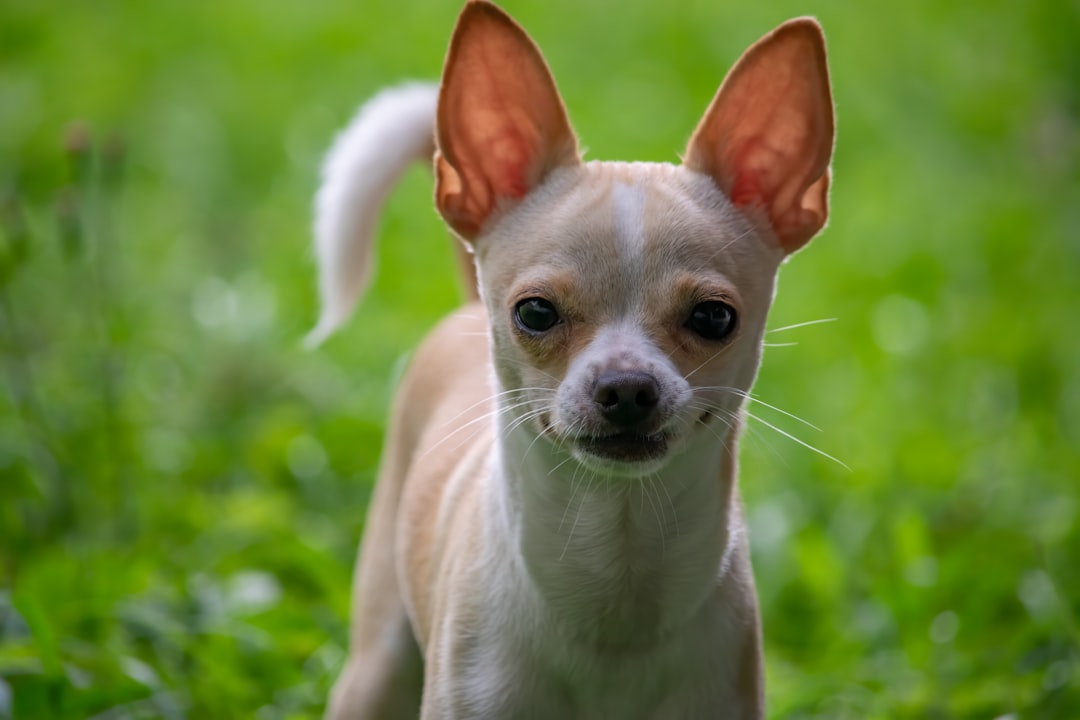
It’s hard to believe that such tiny dogs could wind up in shelters so often, but Chihuahuas actually have one of the highest return rates. Their small size makes them seem like the perfect apartment pet, but they come with huge personalities. Chihuahuas can be nervous, yappy, and sometimes nippy, especially if not properly socialized.
Many people underestimate how much time and patience goes into raising a well-mannered Chihuahua. They can be fiercely loyal to one person and wary of strangers or children. This can lead to challenges in busy households or with young kids. When their behavior doesn’t match up with expectations, Chihuahuas are often surrendered, despite their size and cuteness.
American Pit Bull Terrier
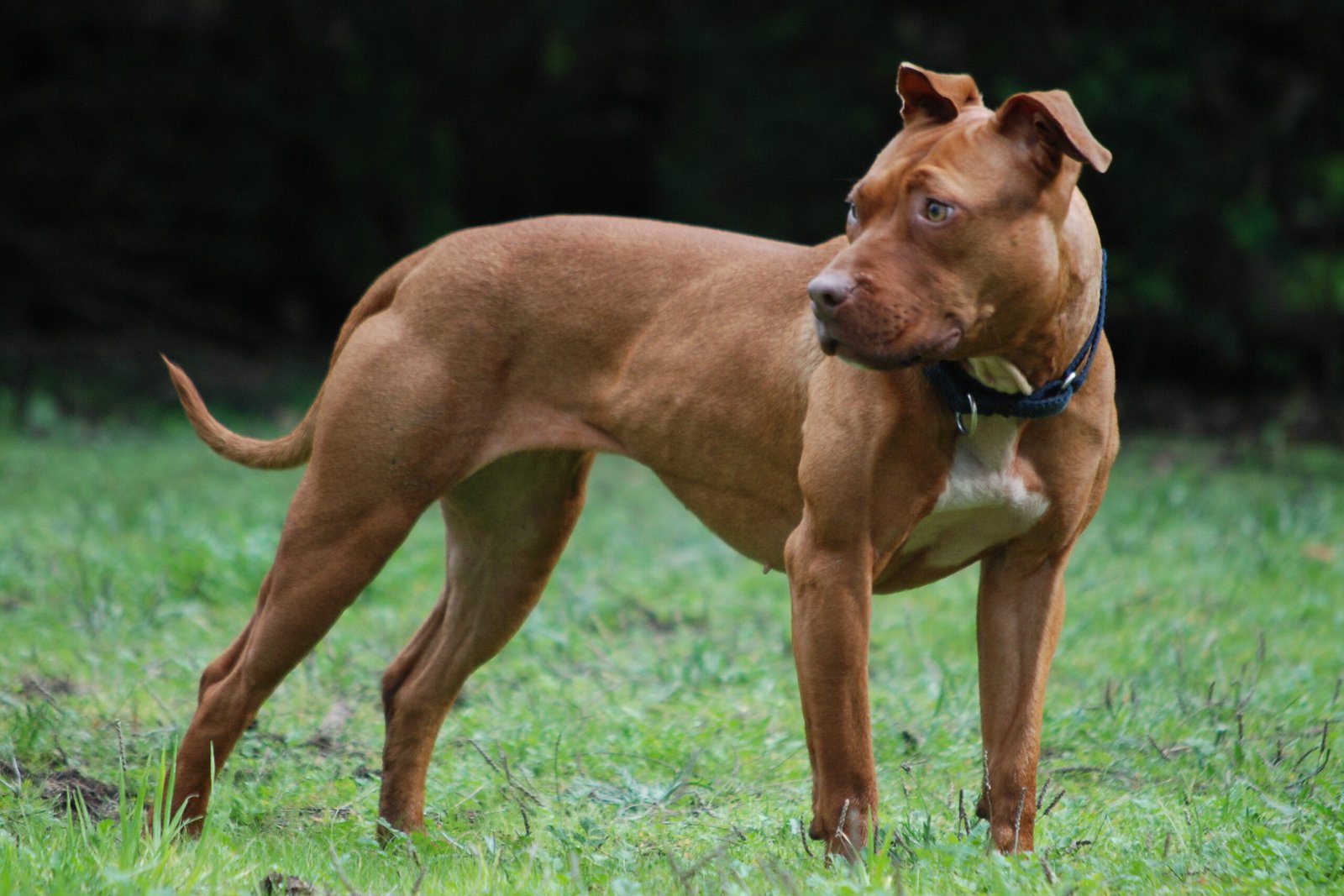
Pit Bulls are among the most misunderstood breeds. Their muscular build and media portrayal have led to unfair stereotypes, but the reality is more nuanced. Pit Bulls are energetic, loving, and loyal, but they’re also strong and sometimes require experienced handling. First-time owners may not be prepared for their intensity and strength.
Breed-specific legislation in some areas can also force families to give up their dogs, regardless of the dog’s actual temperament. Moreover, Pit Bulls need a lot of socialization and training to thrive, especially if they’re in busy neighborhoods or around other pets. When these needs aren’t met, or when housing laws change, Pit Bulls find themselves returned to shelters at alarming rates.
Beagle
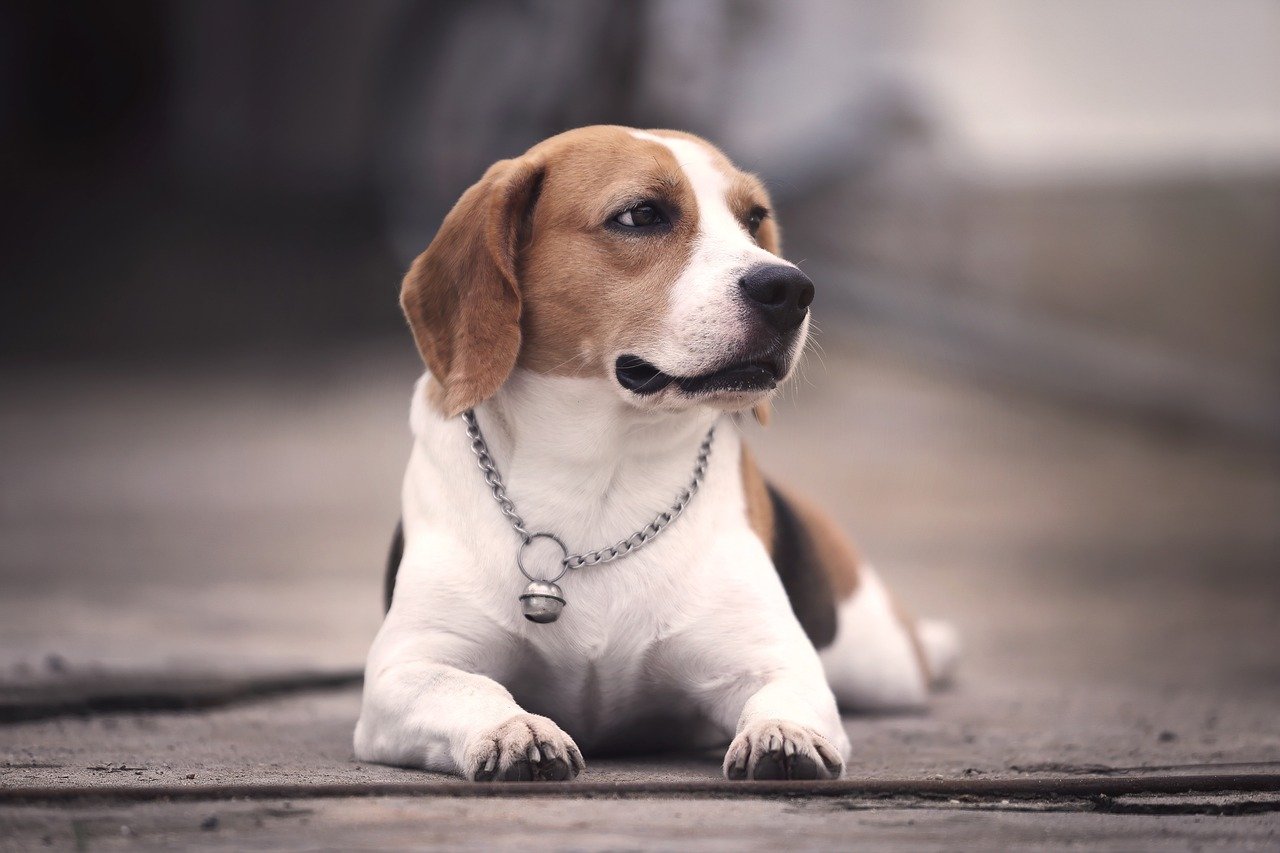
Beagles are famous for their floppy ears and happy-go-lucky personalities. But living with a Beagle can be an unexpected adventure. They have a nose that never quits, and once they catch a scent, it’s almost impossible to call them back. This stubbornness can frustrate owners who expect an obedient companion.
Beagles are also known for being vocal—howling and barking are in their DNA. In apartments or close quarters, this can lead to complaints and stress. Their boundless curiosity and energy mean they need more than just a backyard to romp in—they thrive on regular walks and mental games. When owners can’t keep up, Beagles end up back at shelters, waiting for someone who really gets them.
Australian Cattle Dog
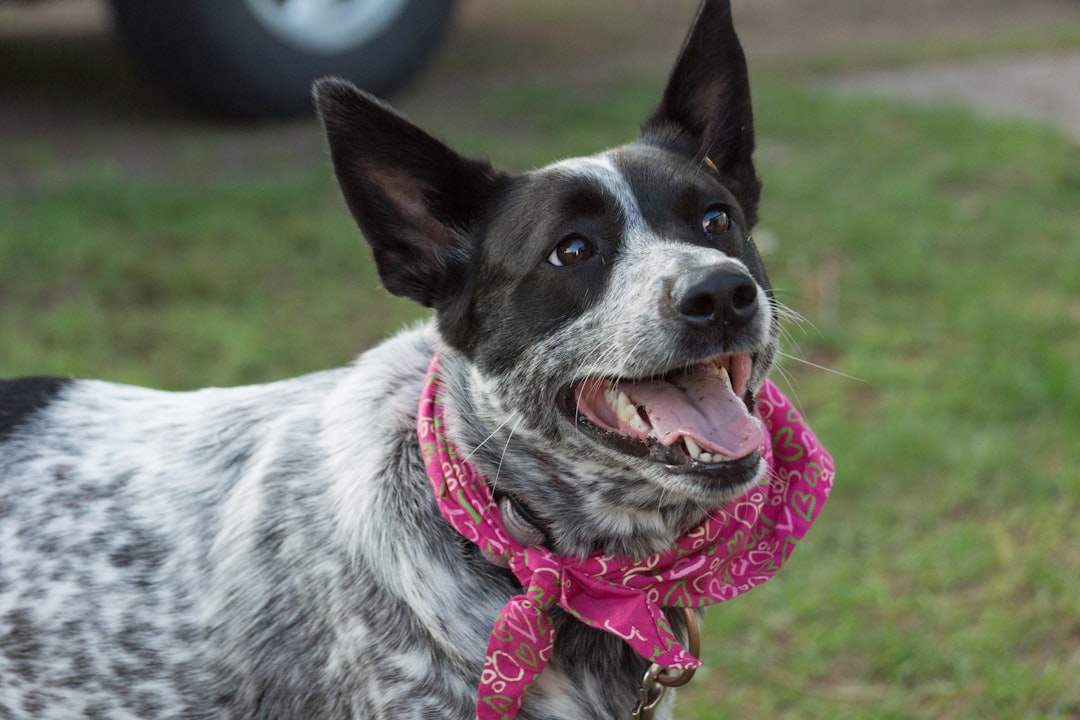
The Australian Cattle Dog is tough, smart, and always ready for action. Bred to herd cattle across rugged terrain, they have an endless drive to work and problem-solve. This makes them a challenge for most city dwellers or people who just want a laid-back pet. Without a job to do, these dogs can develop destructive habits, like chewing or digging.
Their independence and energy require an owner who’s as determined as they are. Many first-time dog owners aren’t prepared for the commitment, leading to high return rates. Cattle Dogs also need lots of socialization to avoid becoming overly protective or wary of strangers. When their needs aren’t met, they’re often surrendered, still brimming with potential but waiting for the right match.
High return rates to shelters don’t mean these ten dog breeds are unlovable—they often reflect a mismatch between a dog’s needs and an owner’s expectations. Many of these breeds are intelligent, energetic, or emotionally complex, requiring more time, training, and understanding than some adopters anticipate. But in the right homes, with patience and commitment, these dogs can thrive and form incredible bonds. Before adopting, it’s essential to research and prepare for the unique challenges a breed may bring. Because when a dog’s needs are truly met, they’re far less likely to end up back at the shelter—and far more likely to become a cherished, lifelong companion.