
How to Keep Your Dog Safe and Calm on The 4th of July

Tomorrow will be the 4th of July, Independence Day, a day of celebration, parades, and fireworks. But in the revelry, it is our fur babes that often suffer due to fireworks. How does one deal with that, especially dogs prone to anxiety and more fearful than others? Well, there are ways to calm your dog and keep them safe on such occasions.
Understanding Your Dog’s Fear Response

The loud, unpredictable booms of fireworks trigger something primal in our furry friends. While we’re celebrating independence, our dogs are experiencing what feels like a war zone right in their backyard. Their sensitive hearing picks up frequencies we can’t even detect, making those colorful explosions in the sky sound like thunder crashes happening right next to their ears.
This isn’t just about being a little startled – we’re talking about genuine panic attacks that can last for hours. Dogs don’t understand that the scary noises will eventually stop, so their stress hormones surge and stay elevated throughout the entire ordeal. Some pups start showing anxiety symptoms days before the actual holiday, almost like they can sense the approaching chaos.
Creating a Safe Haven in Your Home
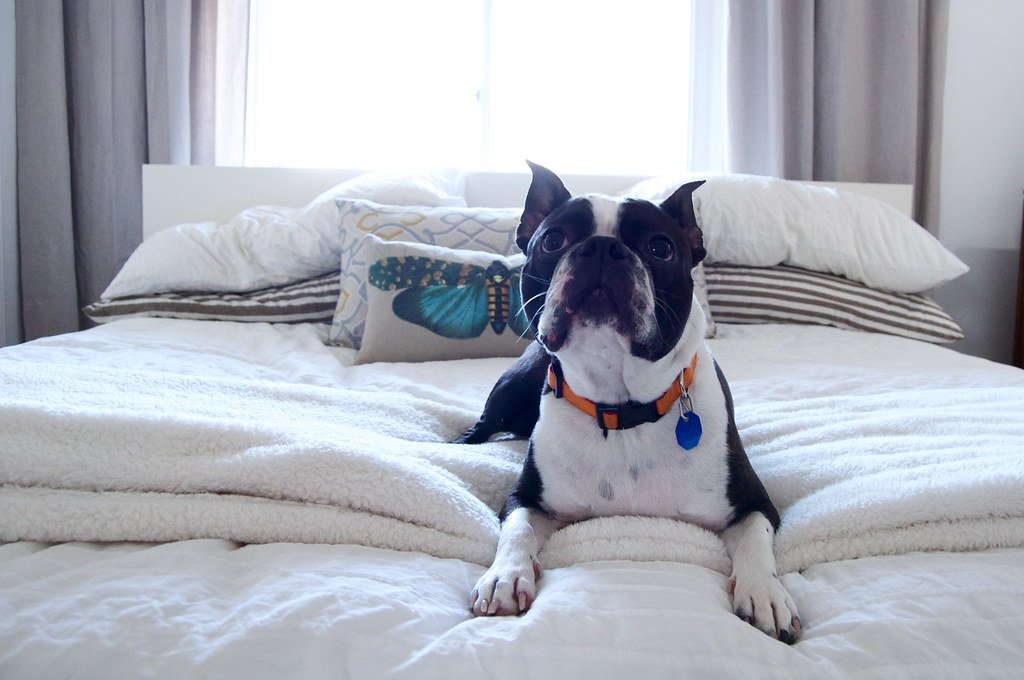
Your dog needs a fortress of solitude when the fireworks begin, and it’s surprisingly easy to build one. Pick the quietest room in your house – usually an interior bedroom or basement – and transform it into the ultimate comfort zone. Think of it like creating a cozy cave where your dog can ride out the storm.
Load this space with their favorite blankets, toys, and maybe even an old shirt that smells like you. The familiar scents work like aromatherapy for anxious dogs. Close the curtains, dim the lights, and consider adding some white noise from a fan or calming music to mask the external sounds that are causing all the trouble.
The Power of Desensitization Training
Here’s where you become your dog’s personal therapist, but don’t worry – it’s easier than it sounds. Start playing firework sounds at barely audible levels while your dog is relaxed, maybe during dinner or playtime. The key is keeping the volume so low that your dog notices but doesn’t react with fear.
Gradually increase the volume over several weeks, always pairing the sounds with positive experiences like treats or belly rubs. It’s like teaching your dog that firework noises mean good things are coming. This method requires patience, but it’s incredibly effective when done consistently before the holiday season kicks into high gear.
Natural Calming Techniques That Actually Work
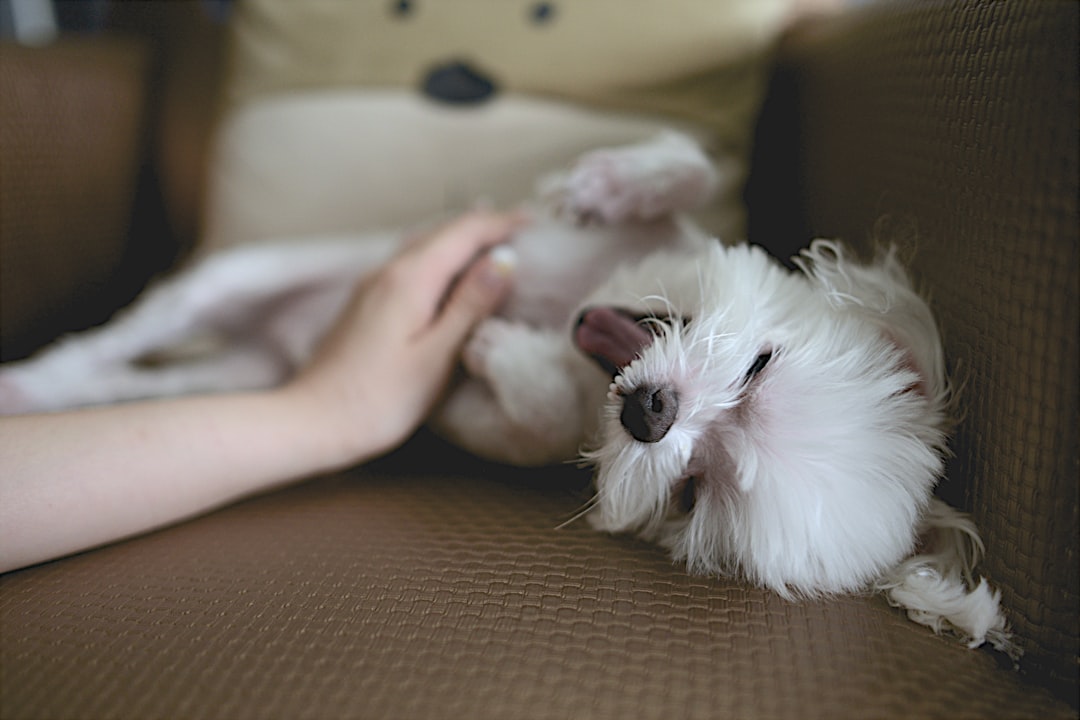
Sometimes the simplest solutions are the most powerful, and that’s definitely true when it comes to calming anxious dogs. Gentle massage along your dog’s chest and shoulders can work wonders – it’s like giving them a spa treatment while the chaos unfolds outside. Use slow, circular motions and apply just enough pressure to feel their muscles relax under your hands.
Another game-changer is the “thunder wrap” technique using a snug-fitting shirt or specialized anxiety wrap. The consistent pressure mimics the feeling of being hugged, which releases calming hormones in your dog’s brain. It’s the same principle behind weighted blankets for humans, and many dog owners swear by this method for immediate relief.
Medication Options and When to Consider Them
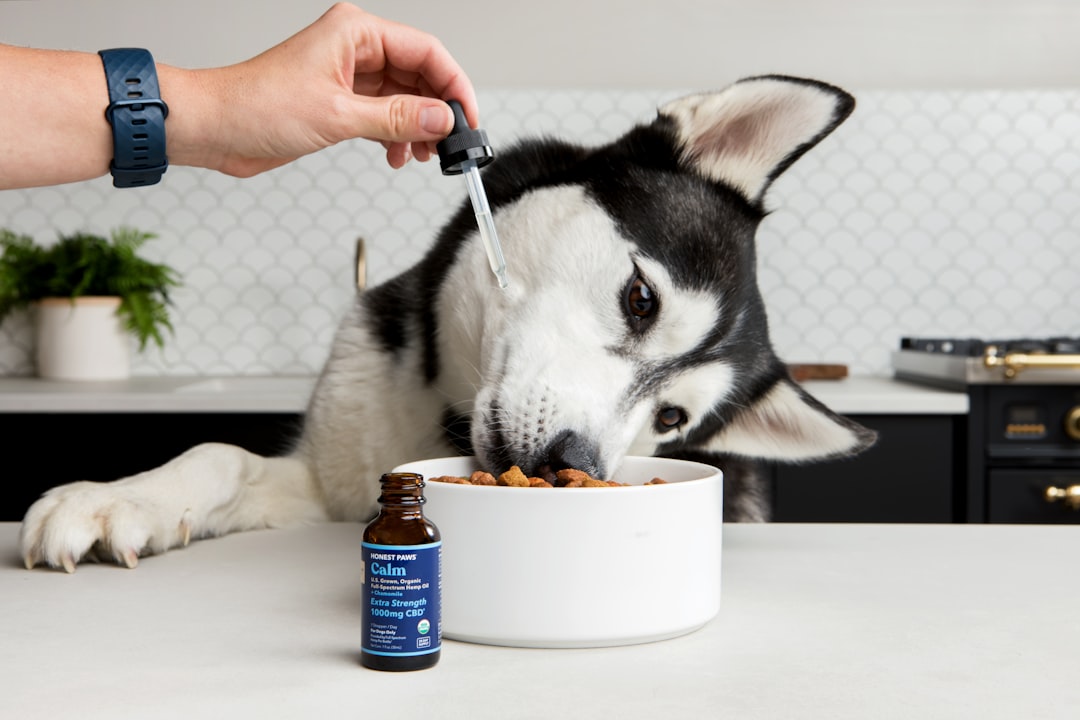
Let’s be honest – some dogs need more help than a cozy blanket and soothing music can provide. If your dog’s anxiety is severe enough to cause destructive behavior, house accidents, or genuine panic attacks, it might be time to explore medication with your veterinarian. Anti-anxiety medications aren’t a sign of failure; they’re a tool to help your dog cope with an overwhelming situation.
The timing matters tremendously with anxiety medications, as many need to be given hours before the fireworks begin to reach their full effectiveness. Your vet might also suggest natural supplements like melatonin or L-theanine, which can take the edge off without the stronger side effects of prescription drugs.
Exercise and Mental Stimulation Strategies
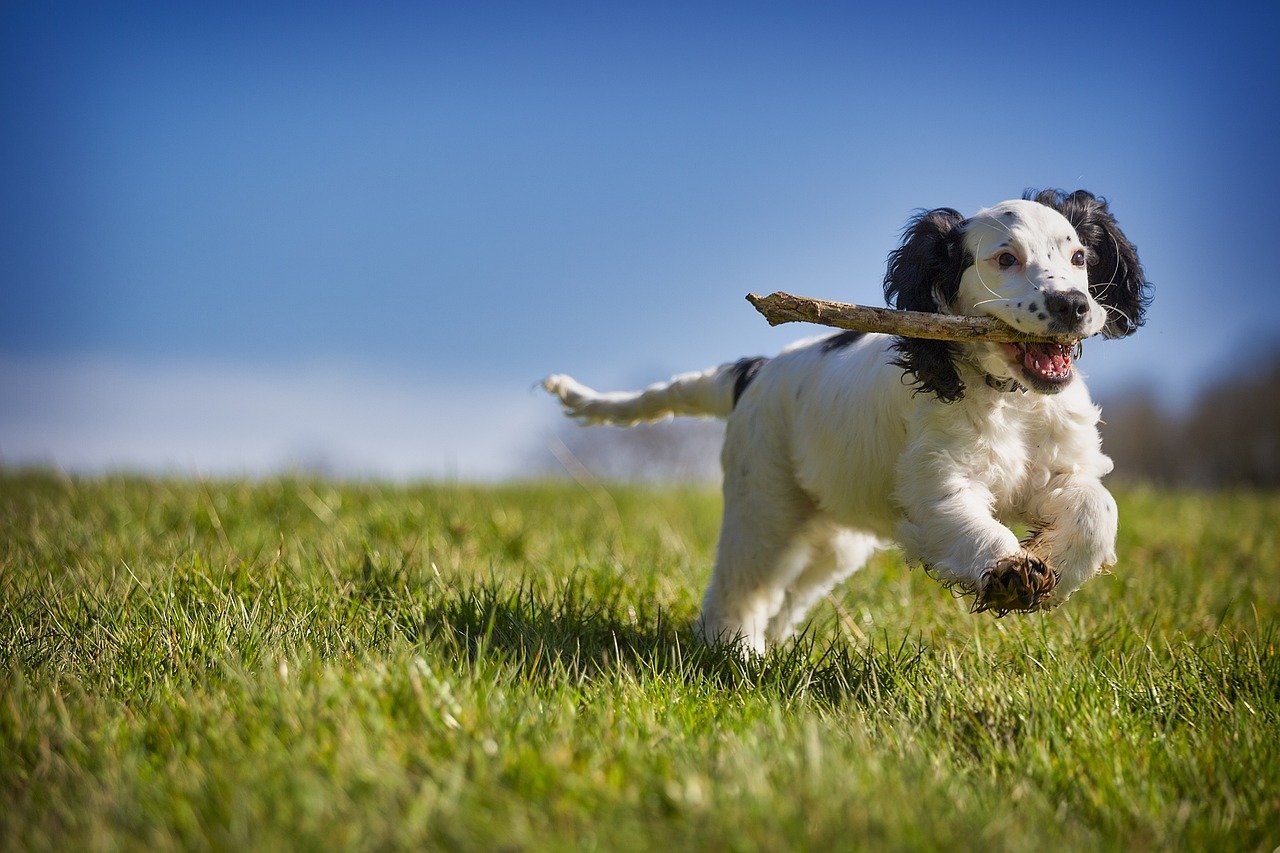
A tired dog is often a calmer dog, so consider this your excuse to go on an epic adventure earlier in the day. Take your pup on a longer walk than usual, play an intense game of fetch, or try a new hiking trail. The goal is to burn off excess energy so they’re naturally more relaxed when evening arrives.
Mental stimulation is just as important as physical exercise, especially for high-energy breeds. Puzzle toys, frozen Kong toys stuffed with treats, or even a simple training session can help tire out their brain. When dogs are mentally exhausted, they’re more likely to sleep through at least some of the firework festivities.
What NOT to Do During Firework Season
Here’s where many well-meaning dog owners accidentally make things worse. Never comfort your dog by saying “It’s okay, it’s okay” in a high-pitched, worried voice – you’re essentially confirming that there really is something to be afraid of. Instead, act completely normal, maybe even a little bored, to show your dog that the situation doesn’t warrant panic.
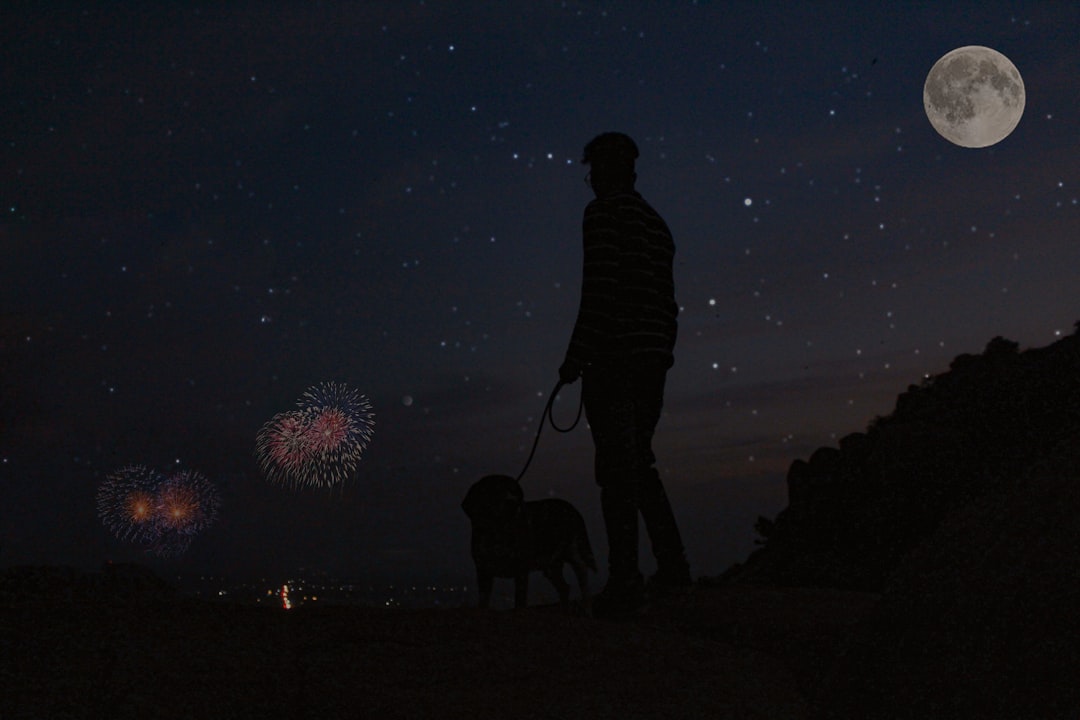
Avoid taking your dog to firework shows or outdoor parties, even if they seem calm initially. The sudden noise can trigger immediate flight responses, and a panicked dog in a crowded area is dangerous for everyone involved. Also, resist the urge to crate your dog if they’re not already crate-trained – being trapped during a panic attack can cause lasting trauma.
Long-Term Solutions for Noise-Sensitive Dogs
If your dog struggles with fireworks, chances are they’re also bothered by thunderstorms, construction noise, or other loud sounds throughout the year. This is your opportunity to work on building their confidence and resilience beyond just the 4th of July. Consider enrolling in a “Confidence Building” class or working with a professional dog trainer who specializes in anxiety issues.
Some dogs benefit from ongoing anxiety management that includes regular exercise routines, consistent training, and even therapy dog work that builds their confidence in new situations. The investment you make in helping your dog cope with noise anxiety will pay dividends during every thunderstorm, firework display, and unexpected loud noise they encounter throughout their lives.
Conclusion
The 4th of July doesn’t have to be a nightmare for you and your four-legged family member. With the right preparation, patience, and understanding of your dog’s needs, you can help them navigate this challenging holiday with much less stress and anxiety. Remember that every dog is different – what works perfectly for your neighbor’s golden retriever might not be the right solution for your anxious rescue pup.
The most important thing is to start preparing well before the fireworks begin, stay calm yourself, and be willing to try different approaches until you find what works best for your specific dog. Your furry friend depends on you to be their advocate and protector during these overwhelming moments. What small change will you make this year to help your dog feel safer when the sky lights up?