
8 Family-Friendly Dog Breeds That Often Turn Out to Be a Bad Fit

Have you ever fallen in love with a dog’s sweet, smiling face, only to realize months later that life with them isn’t quite what you imagined? It’s a shock that hits many families: the “perfect” family-friendly breed sometimes turns out to be anything but. The truth is, not every cuddly-looking canine is a match made in heaven for every home. Sometimes, the most popular and supposedly gentle breeds can present surprising challenges. Before you rush into puppy parenthood, let’s explore eight breeds that seem like dream companions but can be unexpectedly tough for families—along with the real reasons why.
Labrador Retriever: The Energetic Overachiever

Labrador Retrievers are America’s sweetheart—playful, loyal, and famously gentle. But what many don’t realize is just how much energy they pack into their sturdy bodies. Labs need a ton of exercise, and if they don’t get it, they can turn your living room into a demolition zone. Families thinking a Lab will lounge quietly with the kids are often shocked by their boundless enthusiasm. Without serious daily walks, runs, or games, Labs can chew up shoes, dig in the garden, and bark out of sheer frustration. Their intelligence also means they get bored easily, requiring mental stimulation as much as physical. For busy households or families who prefer cozy nights in, a Lab’s zest for action can quickly become overwhelming.
Dalmatian: The Spotted Dynamo
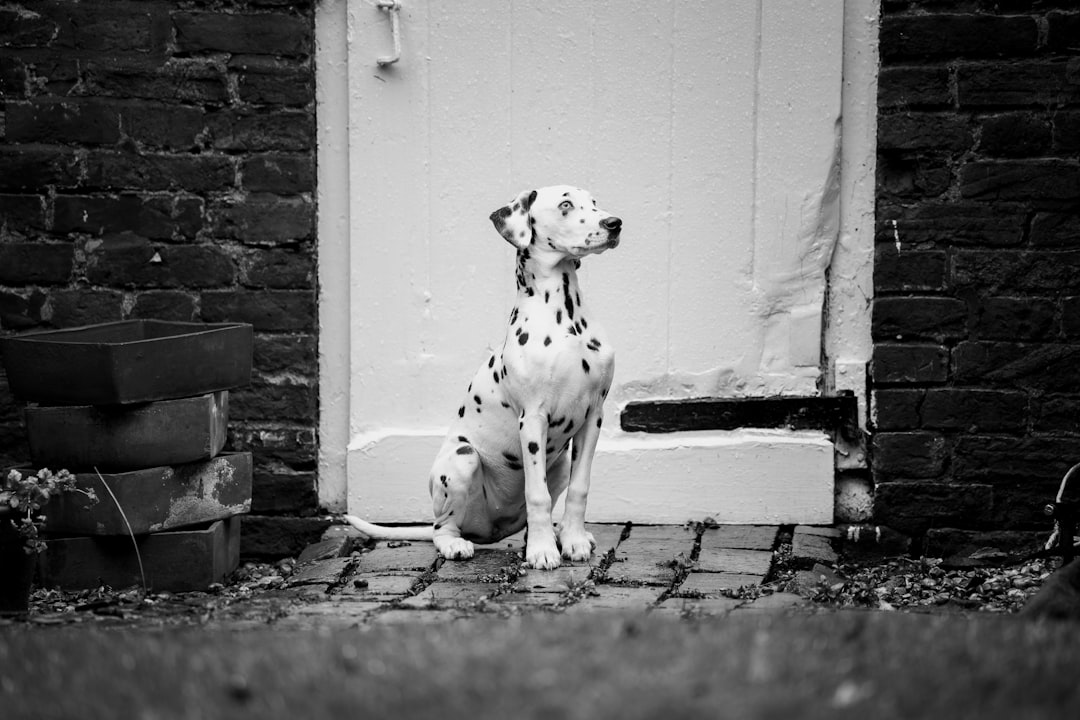
Dalmatians might look like the perfect family pet—thanks to their starring role in movies and their unique, striking appearance. But behind those spots is a dog with incredible stamina and a stubborn streak. Dalmatians were bred to run alongside carriages for miles, so their energy seems endless. They can be high-strung and may develop behavioral issues like excessive barking or destructiveness if not properly exercised. Their independent minds mean they need consistent training, and they sometimes struggle with young children who don’t understand boundaries. Some Dalmatians are also prone to deafness, which can add an extra layer of training complexity. If you’re not ready for a whirlwind of activity and patience-testing antics, this breed can quickly become a handful.
Siberian Husky: The Great Escape Artist
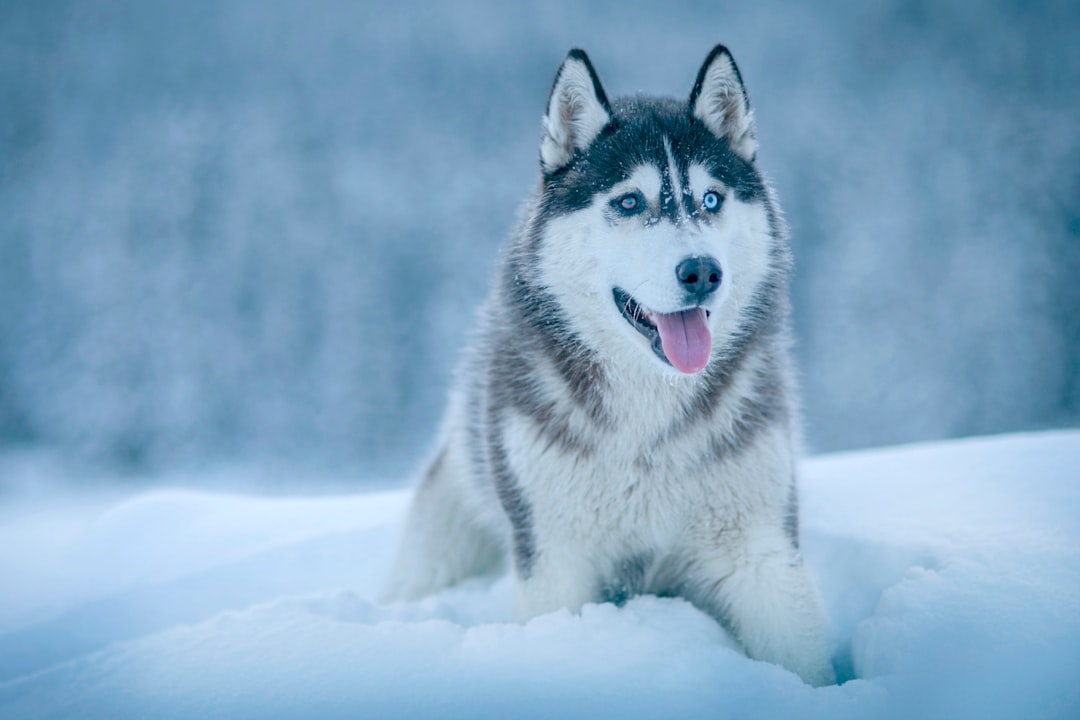
Siberian Huskies are mesmerizing with their wolfish looks and icy blue eyes, but their beauty hides a mischievous, independent spirit. These dogs were bred to pull sleds over long distances, so they crave movement and adventure. Huskies are notorious for their Houdini-like escapes—scaling fences, digging under barriers, or simply bolting out the door. Their stubbornness makes training a challenge, and they’re not always eager to please. Families expecting a loyal shadow may be surprised when their Husky seems more interested in freedom than snuggles. Plus, their thick coats shed heavily, adding another layer of work. For families who want a laid-back pet, a Husky’s wild streak can be more than they bargained for.
Jack Russell Terrier: The Tiny Tornado

Don’t let their small size fool you—Jack Russells are packed with energy and attitude. These little dynamos were bred for hunting and have the drive to match. They need constant stimulation and will find their own “jobs” if left bored, like shredding furniture or digging up the backyard. Their intelligence is impressive, but it also makes them stubborn and crafty. Jack Russells can be snappy with young children who don’t respect their boundaries, and their high prey drive means small pets aren’t always safe. For families hoping for a low-maintenance lap dog, this breed’s relentless energy can be a shock to the system.
Border Collie: The Workaholic Genius
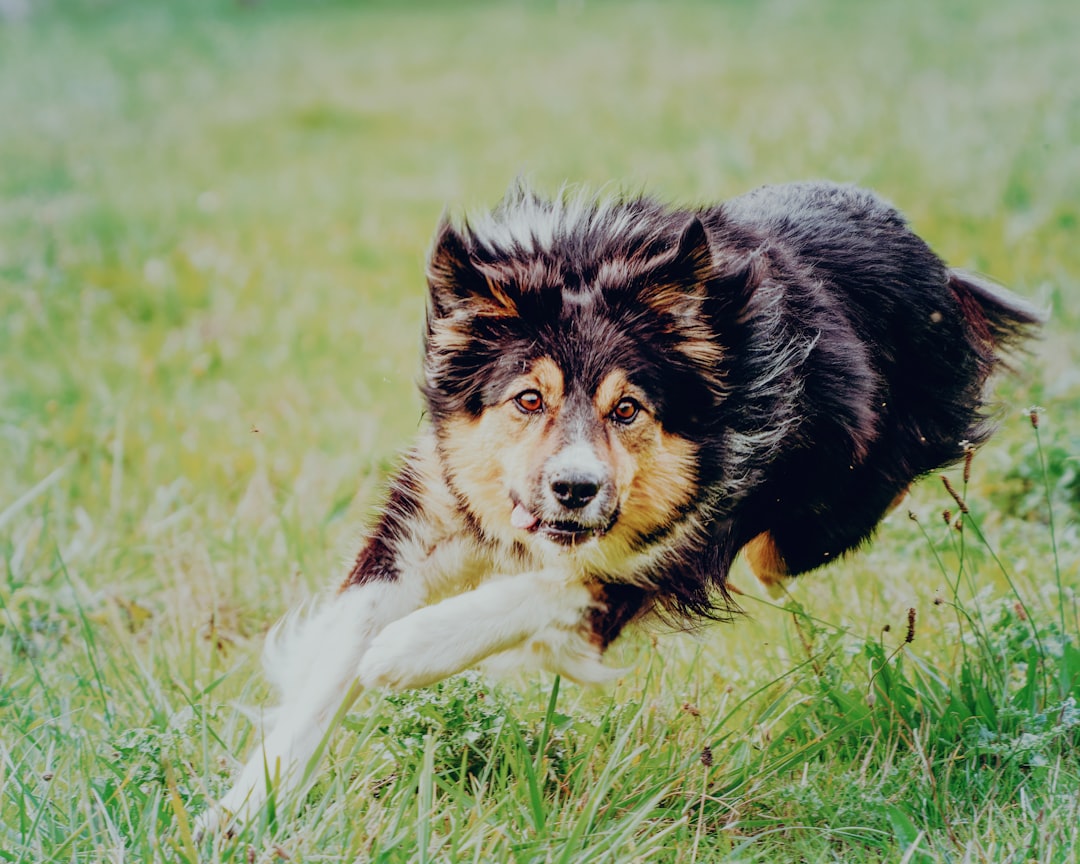
Border Collies are often described as the smartest dog breed, but with great intelligence comes great responsibility. These dogs are happiest when they have a job to do—herding, agility, or advanced tricks. Without enough mental and physical exercise, they can develop neurotic behaviors such as obsessive spinning, barking, or even nipping at children in an attempt to “herd” them. Border Collies are not content with a walk around the block; they crave constant activity and challenge. They can become frustrated in homes that can’t keep up with their quick minds and endless energy. For families that aren’t dog sports enthusiasts, a Border Collie can quickly become a source of stress instead of joy.
Beagle: The Stubborn Scent Hound

Beagles are known for their adorable faces and merry personalities, but they come with a stubborn streak that can catch families off guard. Bred as scent hounds, Beagles are guided by their noses, often ignoring commands in pursuit of an interesting smell. Their strong-willed nature makes training a test of patience, and their tendency to howl can be a nuisance in quiet neighborhoods. Beagles also have a knack for escaping yards, following their noses wherever a scent leads. For families unprepared for a dog that’s both independent and vocal, a Beagle can be a challenging fit.
Chow Chow: The Aloof Aristocrat
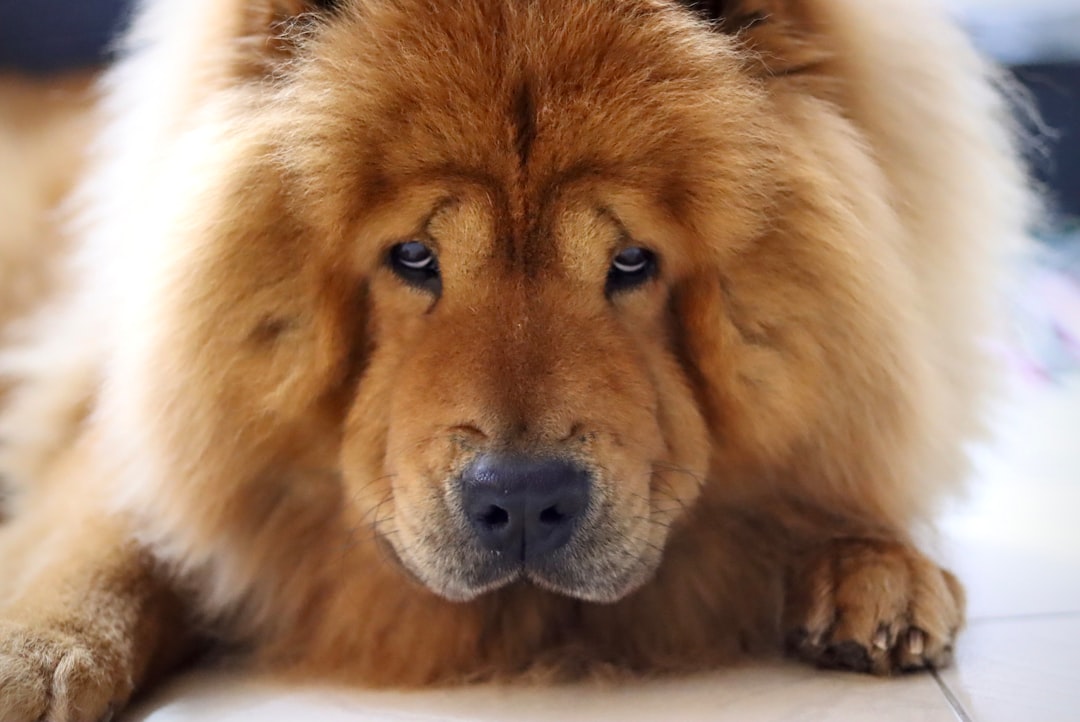
Chow Chows look like cuddly teddy bears, but beneath all that fluff is a dog with a regal, sometimes aloof nature. They can be surprisingly independent, even standoffish, and aren’t always willing to tolerate the chaos of family life. Chows often bond with one person and may be indifferent—or even grumpy—with others, including children. Their strong guarding instincts can make them wary of strangers, leading to territorial behaviors if not properly socialized. Grooming is another commitment, as their thick coats require frequent care. For families expecting a playful, affectionate companion, a Chow Chow’s reserved personality can feel like a cold shoulder.
Saint Bernard: The Gentle Giant With Giant Needs
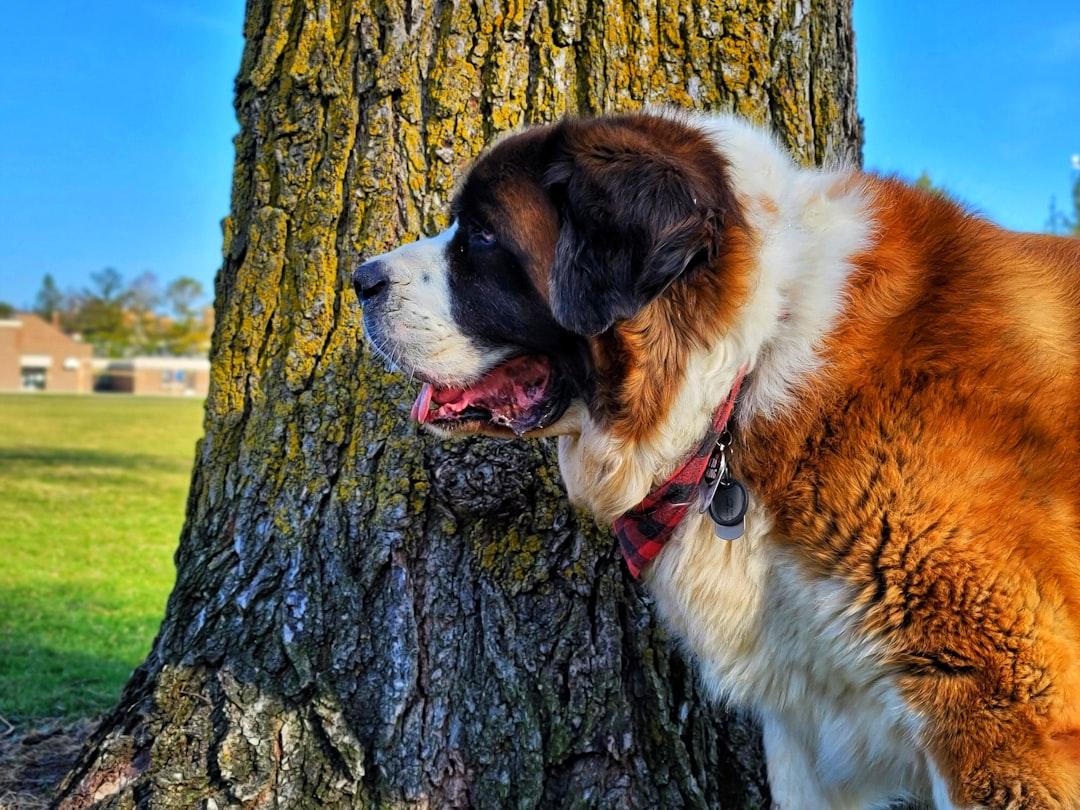
Saint Bernards are famous for their gentle, patient nature, but their massive size and unique needs can surprise families. These dogs grow quickly, often outweighing their owners within a year. Their sheer size makes them tough to manage around small children or in small spaces. Saint Bernards are prone to drooling, shedding, and health issues like hip dysplasia, which can mean frequent vet visits and hefty bills. Their calm demeanor can sometimes slip into stubbornness, making training a must. For families not prepared for the realities of living with a giant breed, a Saint Bernard’s overwhelming presence can quickly outweigh their gentle charm.