
This is What Your Cat Could Be Hearing When You Talk to Them
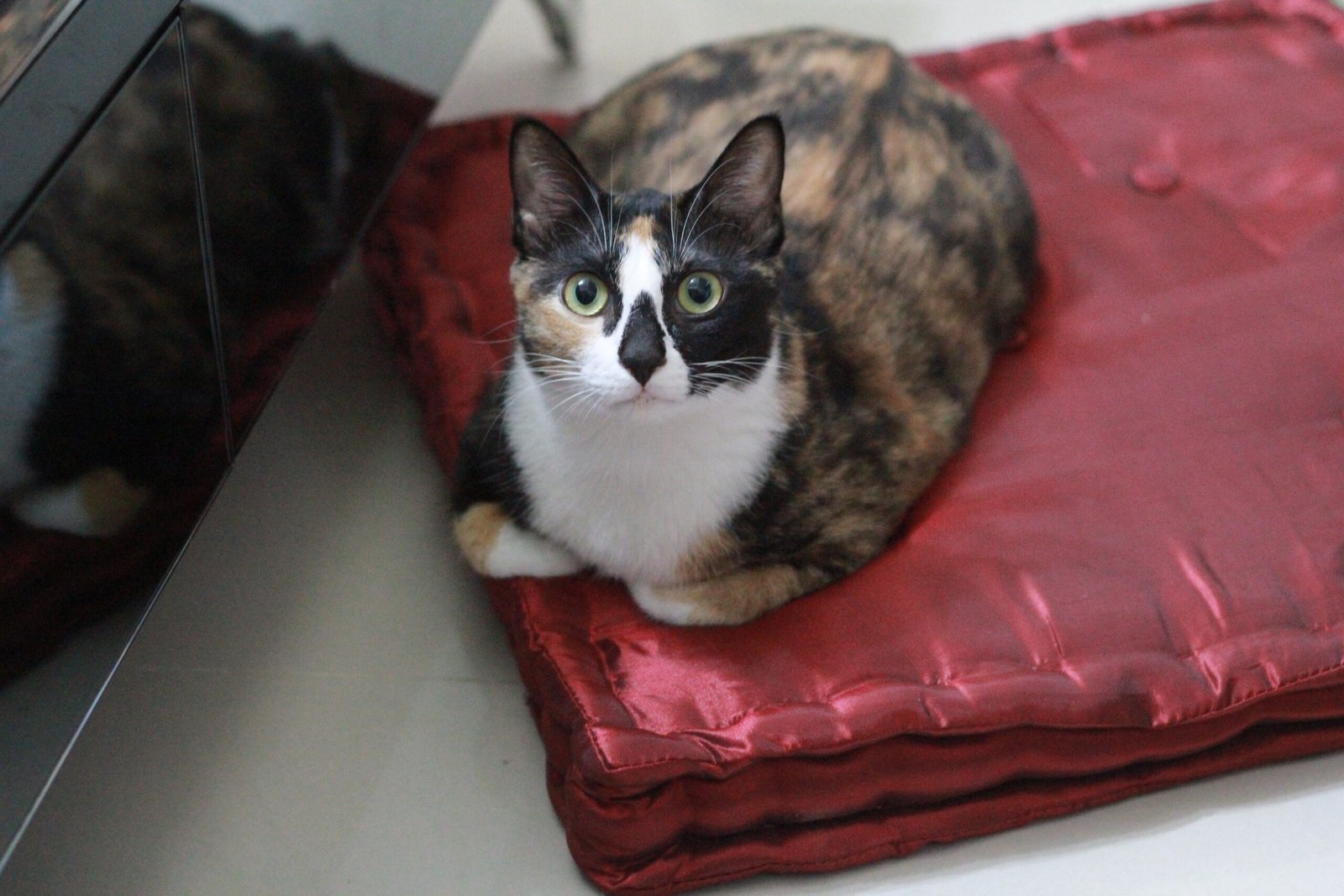
When you talk to your cat, they may not understand every word, but they’re definitely listening—and processing more than you think. Cats are highly tuned to tone, pitch, and emotional cues in your voice. So while they might not grasp the details of your day, they can tell if you’re happy, upset, or calling them lovingly. Research shows cats recognize their owner’s voice and respond more to familiar speech patterns, especially the softer, high-pitched tones we tend to use with pets. Your cat might flick their ears, blink slowly, or meow back—not as a reply, but as an acknowledgment that they hear you. To them, it’s not about the words—it’s the connection behind them.
The Fascinating Range of Feline Hearing
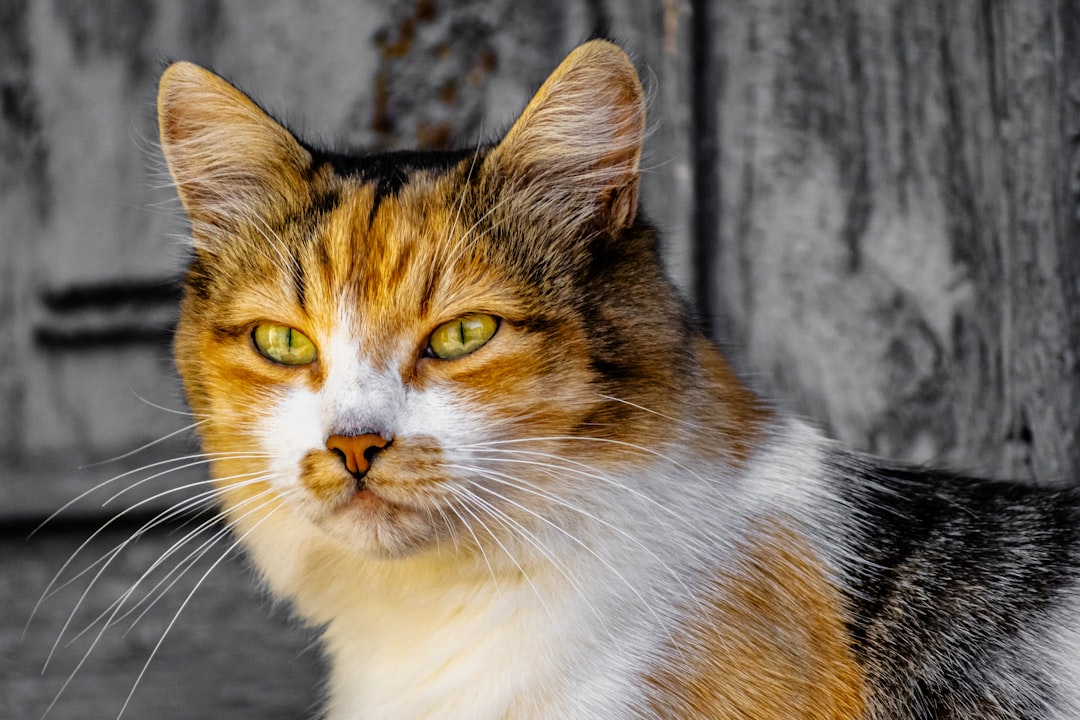
Cats are natural hunters, and their ears reflect millions of years of evolution. Compared to humans, cats can hear a much wider range of frequencies. While the average person can pick up sounds between 20 Hz and 20,000 Hz, a cat’s hearing stretches from about 48 Hz all the way up to 85,000 Hz. That’s higher than even most dogs! Your cat’s world is alive with high-pitched sounds we can’t even imagine—the rustle of a mouse in the grass, the chirp of a distant bird, or the gentle hum of electronics.
When you talk to your cat, their ears are picking up not just the words you say, but also the subtle changes in pitch, tone, and even the tiny sounds your mouth makes. To them, your voice is like a mini symphony of signals and cues, some of which might make perfect sense—and others that are just noise.
How Cats Tune In to Human Voices

It’s easy to think our words are lost on cats, but research has shown they actually recognize their owner’s voice. In one well-known study, cats responded more to recordings of their human calling their name than to strangers’ voices. But here’s the twist: they often choose not to react outwardly. So while you might feel ignored, your cat is actually listening, processing, and deciding whether your message is worth a response.
Cats are masters of subtlety. They hone in on the emotional quality of our voices—the warmth, the urgency, the calm. When you speak in a gentle, loving tone, your cat may feel reassured. If your voice is sharp or stressed, they may pick up on your mood long before you realize it yourself.
The Power of Pitch and Melody
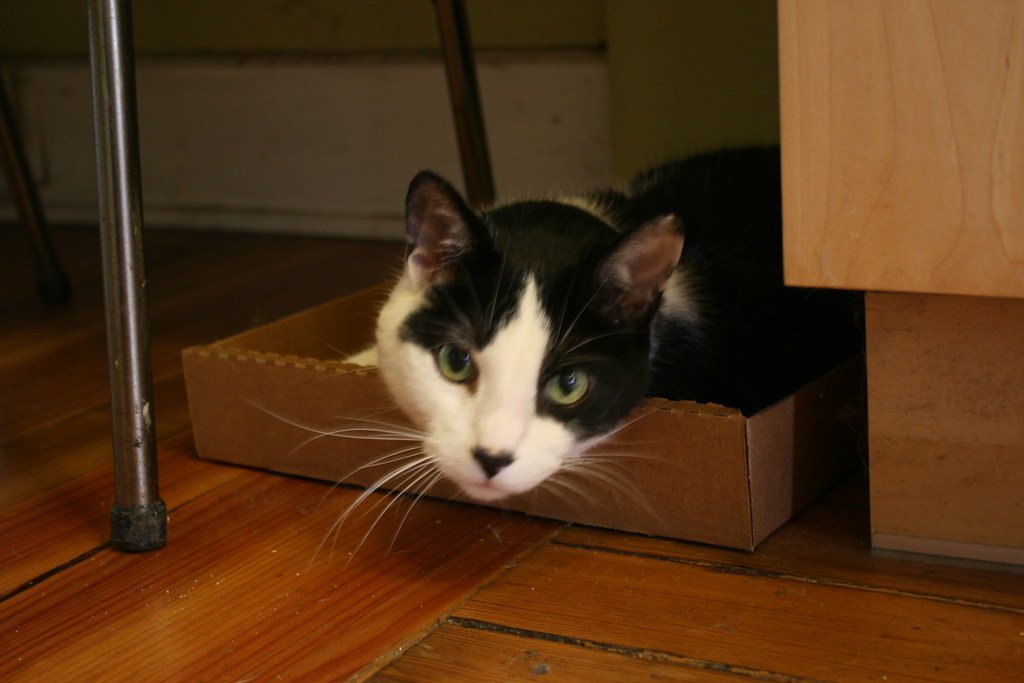
To a cat, pitch matters. High-pitched sounds tend to get their attention more quickly. This might be because kittens communicate with their mothers in higher pitches, and those sounds stick with them throughout their lives. That’s why “kitty kitty!” in a sweet, sing-song voice is more likely to bring your cat running than a deep, gruff command.
Melody also plays a role. Some studies suggest that cats respond better to music or speech patterns that mimic the rhythms and pitches found in their own vocalizations. If your cat seems drawn to baby talk or singsong phrases, it’s not just your imagination—they’re genuinely more attuned to those sounds.
What Words Really Mean to Cats
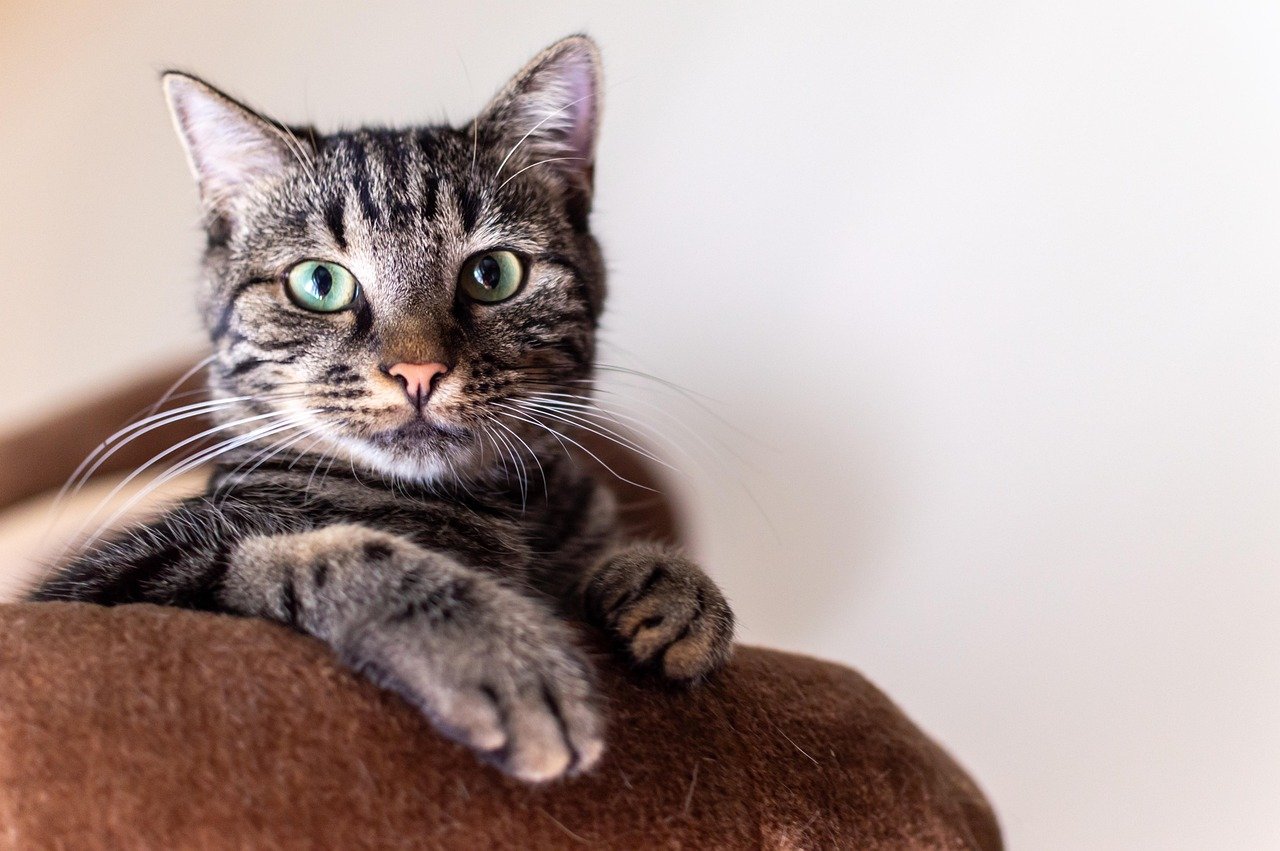
While your cat can learn to recognize their name and a handful of key words—like “treat,” “food,” or “outside”—they don’t understand language the way we do. To them, words are more like sound cues paired with actions or outcomes. If you consistently say “dinner” before filling their bowl, that word becomes meaningful, much like the jingle of a treat bag.
Consistency is key. When words are paired with actions, cats start to connect the dots. But if you change phrases often or use words interchangeably, your cat may get confused. Over time, your specific tone and routine become as important as the words themselves.
Body Language: The Unspoken Conversation

When you talk to your cat, your body language often speaks louder than your words. Cats are experts at reading subtle cues—where your eyes are looking, how you move your hands, and the tension in your posture. Sometimes, a gentle hand reaching out or a relaxed presence on the couch says more to your cat than a thousand spoken words.
It’s not just about what you say, but how you say it. If you kneel down, make yourself small, or blink slowly while talking, your cat may feel safer and more connected. These nonverbal signals help bridge the gap between human and feline communication.
Environmental Sounds: The Background Noise Cats Notice

Your home is filled with sounds that fade into the background for you—appliances humming, phones buzzing, footsteps in the hallway. For your cat, these noises can be startling or even stressful. Their sensitive hearing picks up the faintest rustle or distant clang, which means your voice can sometimes get lost in the mix.
Creating a calm, quiet environment when talking to your cat can help them focus on your words. If they seem distracted, it might not be your fault; it could be the refrigerator clicking on or the neighbor’s dog barking outside. Understanding this helps us be more patient and present with our furry friends.
How Cats Respond: Signs They’re Listening
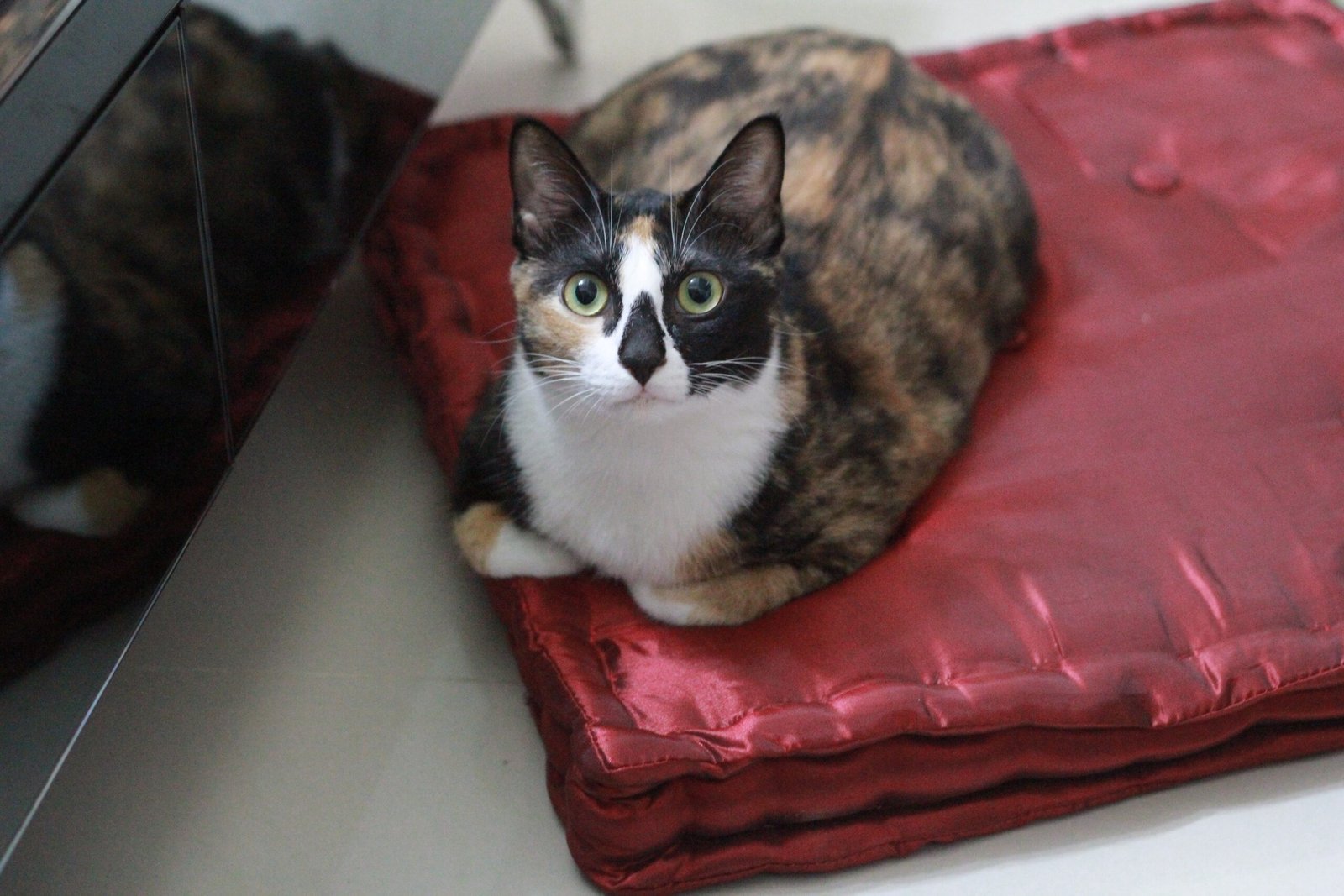
Cats may not wag their tails or bark in excitement, but they have their own ways of showing they’re engaged. Watch for those subtle signs: twitching ears, a slow blink, a soft purr, or even a gentle nudge. Sometimes, your cat might turn their head, swivel an ear, or pause mid-groom to listen.
These small gestures are your cat’s way of saying, “I hear you.” Don’t be discouraged if their reaction seems understated. In the feline world, less is often more, and a tiny glance can mean a lot.
The Emotional Connection: More Than Just Words
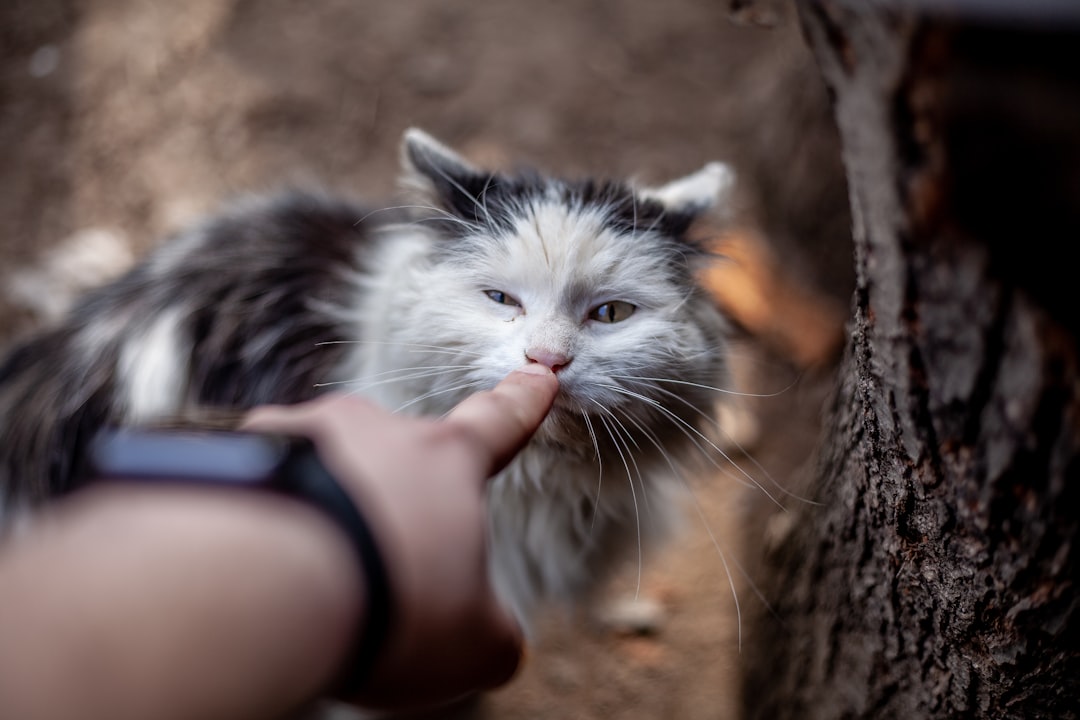
At the end of the day, it’s not just about what your cat hears, but how they feel. Cats form deep emotional bonds with their humans, and your voice is a big part of that connection. When you talk to your cat, you’re building trust and reinforcing your relationship, one word—and one purr—at a time.
Even if your cat doesn’t always come when called or seem to listen, rest assured that your presence and your voice matter. The comfort and love they find in your company go far beyond words, echoing in a language all their own.
So, while your cat may not understand every word, they’re definitely picking up on how you say it. Your tone, mood, and voice all help them feel connected and secure. Talking to your cat isn’t just cute—it’s a meaningful way to bond. They may not talk back, but trust us, they’re listening.