
Why Does My Dog Hide Food Beneath My Pillows?
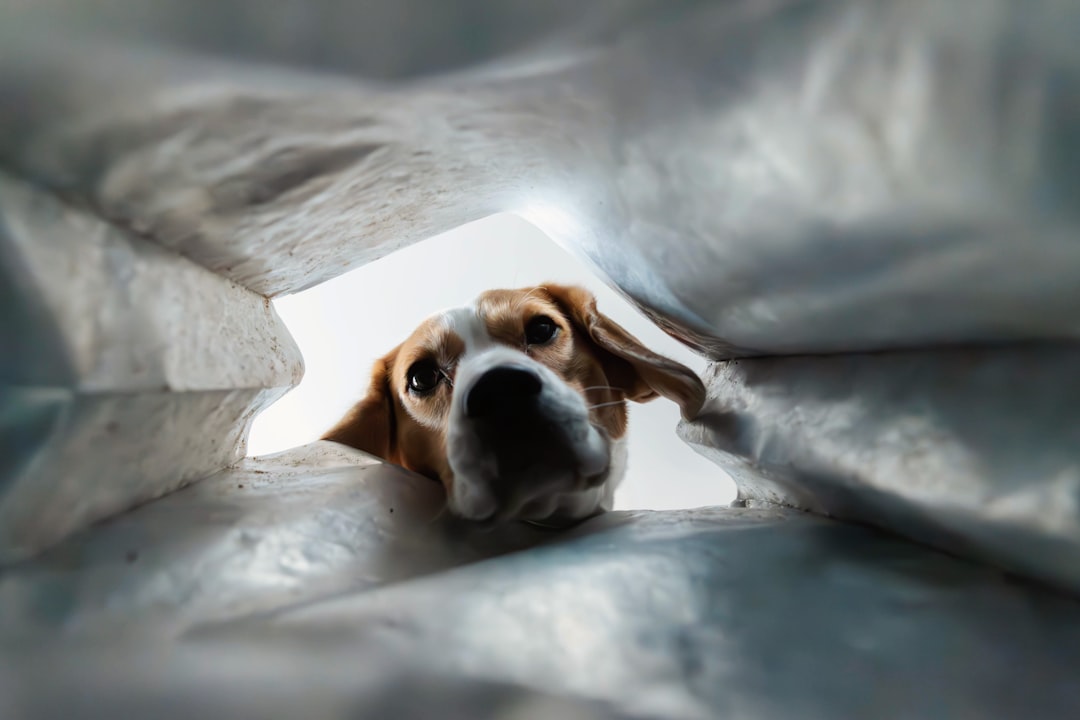
Ever reached for your favorite pillow, only to discover a soggy kibble, half a biscuit, or even a mysterious chewed treat tucked underneath? If you’re anything like me, you’ve probably wondered what secret canine code is at work here. It’s a little funny, a bit confusing, and honestly, kind of adorable. But when your dog starts stashing snacks in your bed, it’s worth digging into the “why” behind this quirky habit.
Natural Instincts: A Wild Legacy in Your Home

Dogs may look perfectly content dozing on your couch, but inside, they’re not far removed from their wild ancestors. Wolves and wild canines often bury food to save it for leaner times, teaching our pets to hide “treasures” for later. Hiding food, especially in cozy, protected places like under pillows, is your dog’s way of keeping resources safe.
Even if your pup has a full bowl every day, this instinct can pop up when they feel particularly possessive or just want to make sure they don’t miss out in the future. Don’t be surprised if this happens after special treats or during big changes at home—stress can make instinctual behaviors stronger.
Comfort Zones: Why Your Pillow Feels Like a Vault
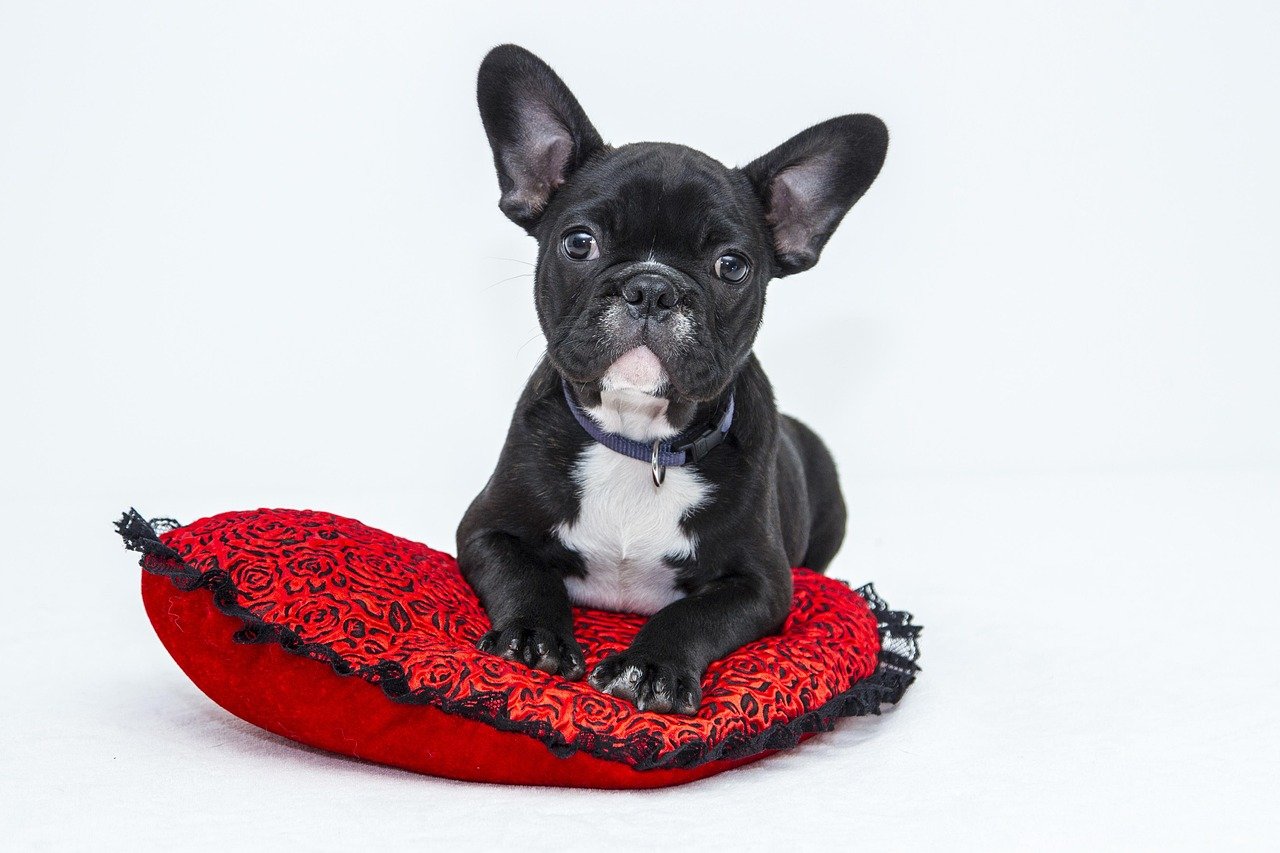
To a dog, your scent is the ultimate comfort. Pillows, loaded with your smell, are considered safe havens. Hiding food there isn’t random; it’s their way of choosing the most secure spot in the house. If your dog could talk, they’d tell you it’s like putting money in a locked drawer instead of leaving it on the counter.
You might notice your dog favoring spots you use most—pillows, bed corners, even inside your slippers. It’s not just about hiding food; it’s also about feeling close to you, their favorite human, and blending their “treasures” with your scent for an extra sense of security.
Behavioral Clues: What Your Dog’s Actions Reveal
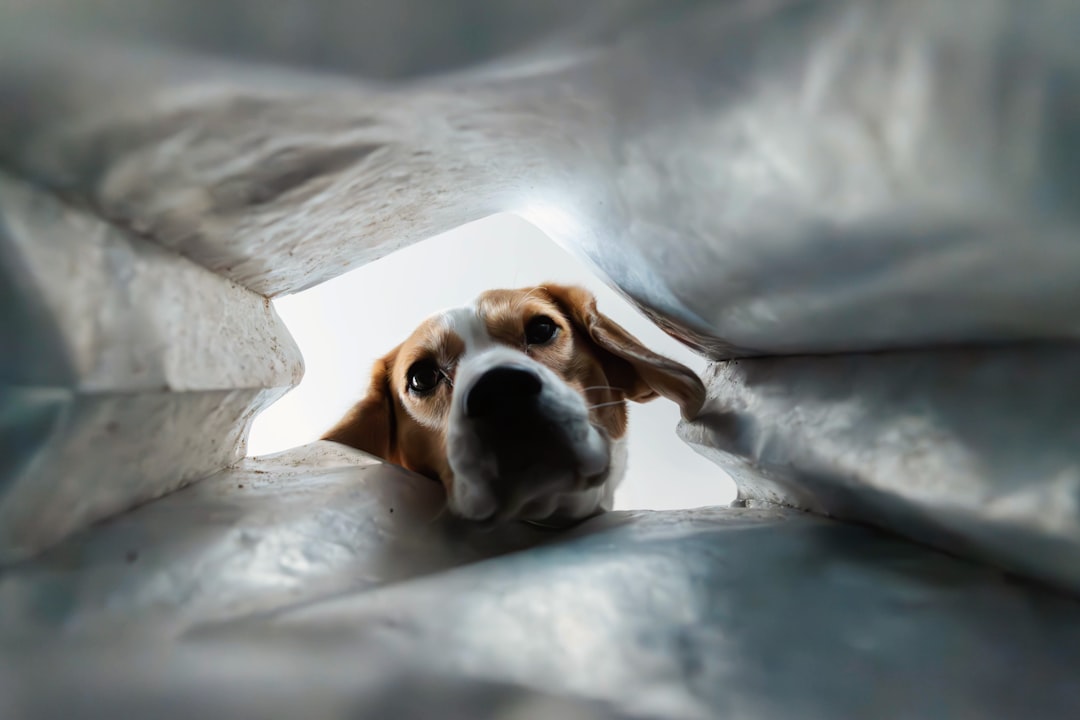
If you watch closely, you’ll spot the telltale signs: circling the bed, scratching at pillows, or trying to nudge food beneath the covers. Some dogs even glance around before hiding their prizes, as if checking for would-be thieves. These behaviors offer a little window into your dog’s mind—showing caution, planning, and a dash of mischief.
Every dog is different. Some are methodical, carefully tucking away treats; others are frantic, almost panicked, about getting their food hidden fast. Notice if these moments are linked to meal times, guests, or new pets in the house; it can help you understand your dog’s emotional triggers.
Signs to Watch: When Hiding Food Is More Than a Quirk
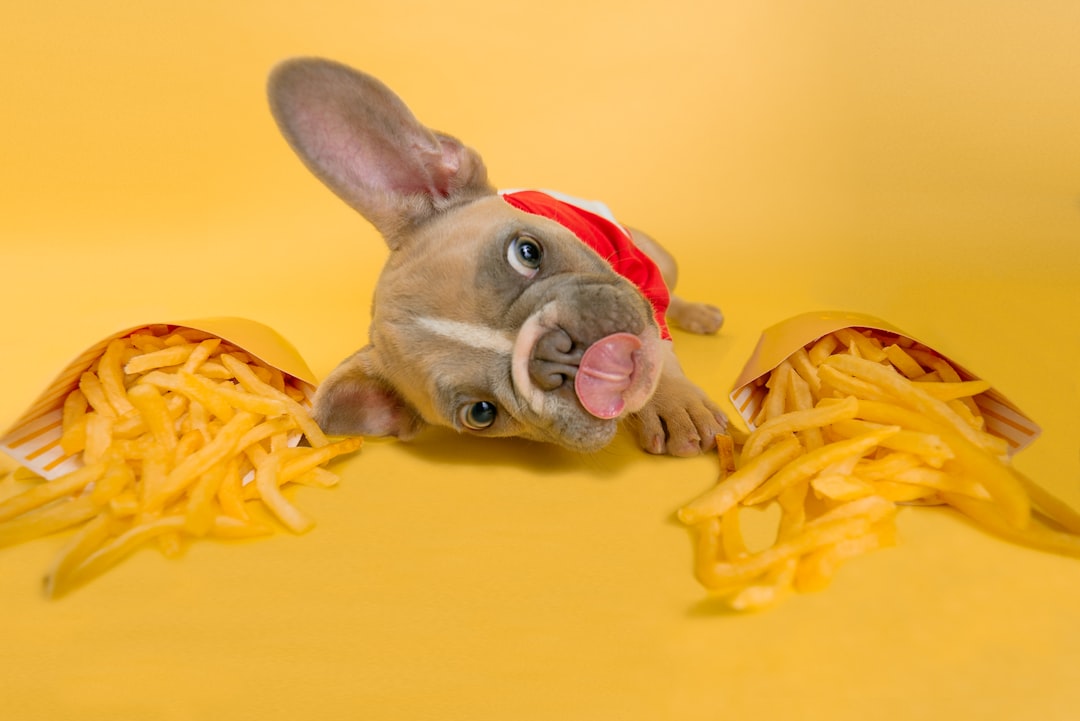
While occasional food hiding is usually harmless, sometimes it signals stress or anxiety. If your dog starts guarding their food, growling, or hiding more than usual, it’s worth paying attention. These can be cues that they’re feeling insecure, either about their environment or their resources.
On rare occasions, dogs might hide food if they’re feeling unwell, losing interest in eating, or struggling with dental pain. If you see changes in appetite, odd hiding patterns, or lethargy, it’s always wise to check with your vet—better safe than sorry.
Preventing Messes: Practical Tips for Dog Owners
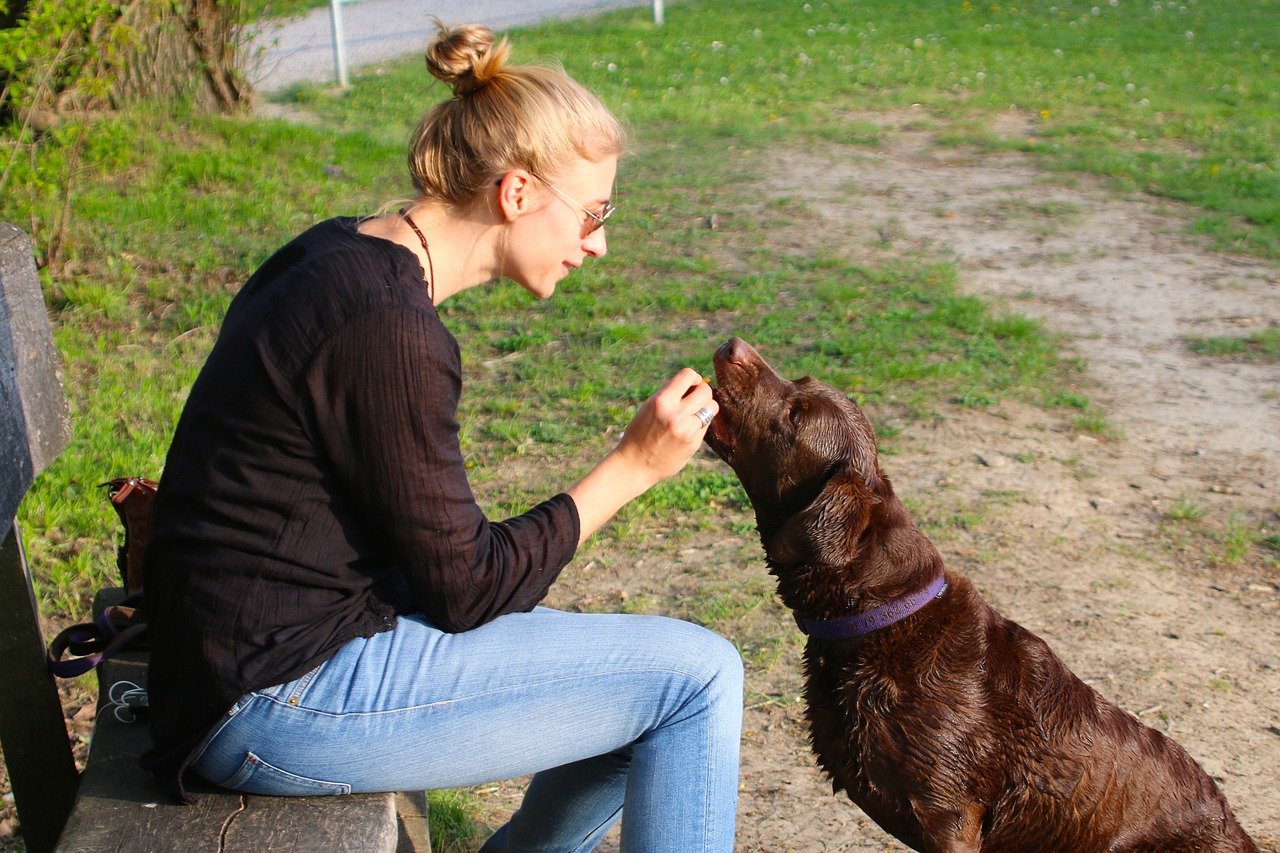
To keep your pillows crumb-free, try feeding your dog in a consistent spot, away from the bedroom. Pick up uneaten food after meals to remove the temptation. Offer treats when you can supervise, and avoid leaving snacks where your pup can grab them and make a beeline for your bed.
If the hiding habit is already strong, gently redirect your dog’s attention when you spot them sneaking off with food. Offer toys or chews in acceptable areas, and praise them when they eat or play in the right spots. Patience and consistency work wonders over time.
Building Trust: Helping Your Dog Feel Secure
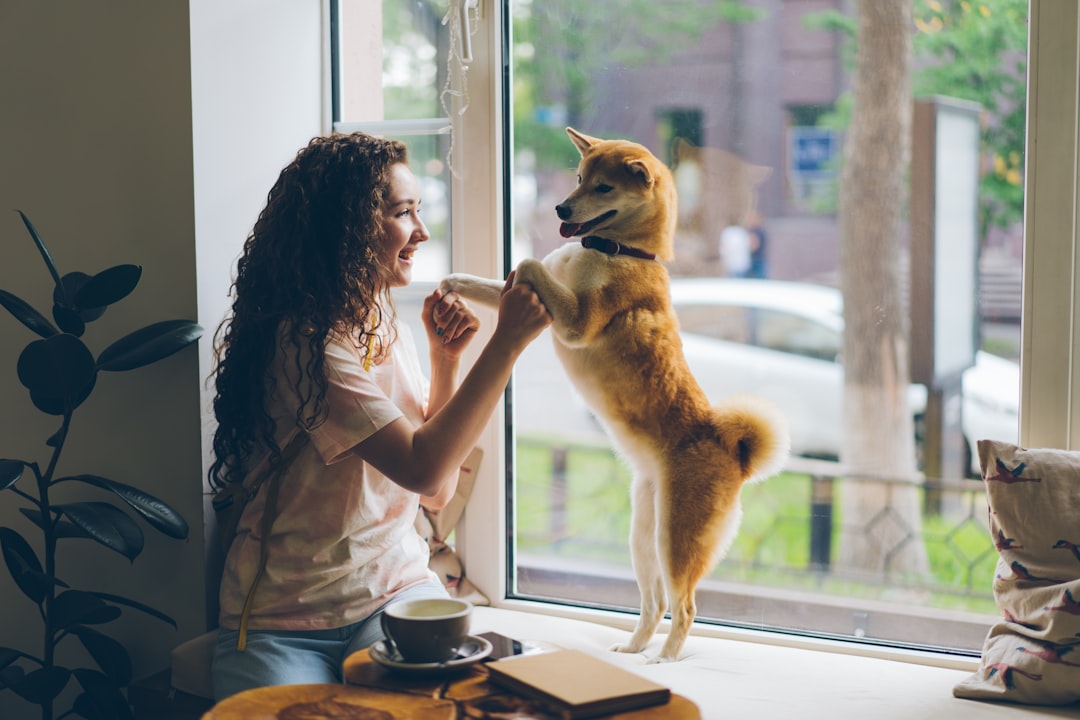
Sometimes, food hiding is a sign your dog feels a little uncertain—maybe after moving houses, changes in routine, or new pets. Reassure your pup with a reliable feeding schedule and plenty of positive attention. The more secure they feel, the less likely they are to stash food for “just in case” moments.
Spending extra time playing and cuddling helps reinforce your bond, making your dog less driven to protect or hide their food. A calm, loving environment is often the best remedy for oddball behaviors like this.
When to Seek Help: Knowing What’s Normal
If food hiding becomes obsessive, interferes with eating, or is paired with aggression, don’t hesitate to reach out to a professional trainer or your vet. Sometimes, these habits are rooted in deeper anxieties or even medical issues that need a closer look.
Most of the time, though, it’s a harmless quirk—one of those endearing things that makes your dog unique. Still, trust your instincts. You know your dog best, and if something feels off, you’re right to ask for help.
Embracing the Quirk: Seeing the Humor and Heart
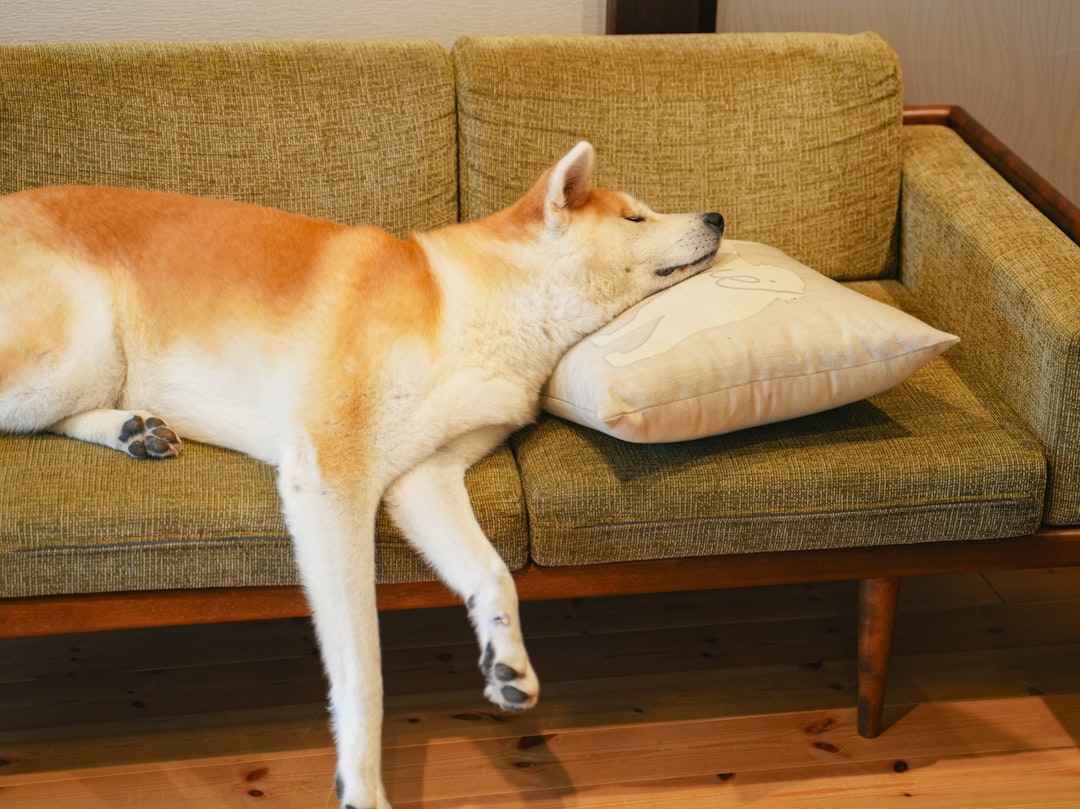
It might be a little inconvenient to find a biscuit where your head should go, but there’s something sweet about your dog’s desire to save and protect what they love. This silly, sometimes messy ritual is just another way your dog expresses their personality and affection.
Next time you find a treat under your pillow, remember: you’re not just a pet parent—you’re a trusted partner in your dog’s little world of secrets and surprises. Their quirky behaviors are just one more reminder of the special, sometimes hilarious bond you share.