
How To Avoid Paw Burns For Pets In Florida’s Hot Summer

Have you ever walked barefoot on the sidewalk in July and felt the sting of the blazing pavement? Now imagine how your dog feels with their sensitive paws. Florida’s summer sun turns roads and patios into sizzling griddles, and our four-legged friends don’t have the luxury of flip-flops. Protecting their precious paws isn’t just a nice idea—it’s essential for their comfort and safety. Let’s dive into the practical, heartfelt steps you can take to keep your pup’s paws pain-free during the steamy Florida months.
Why Hot Surfaces Are a Hidden Danger
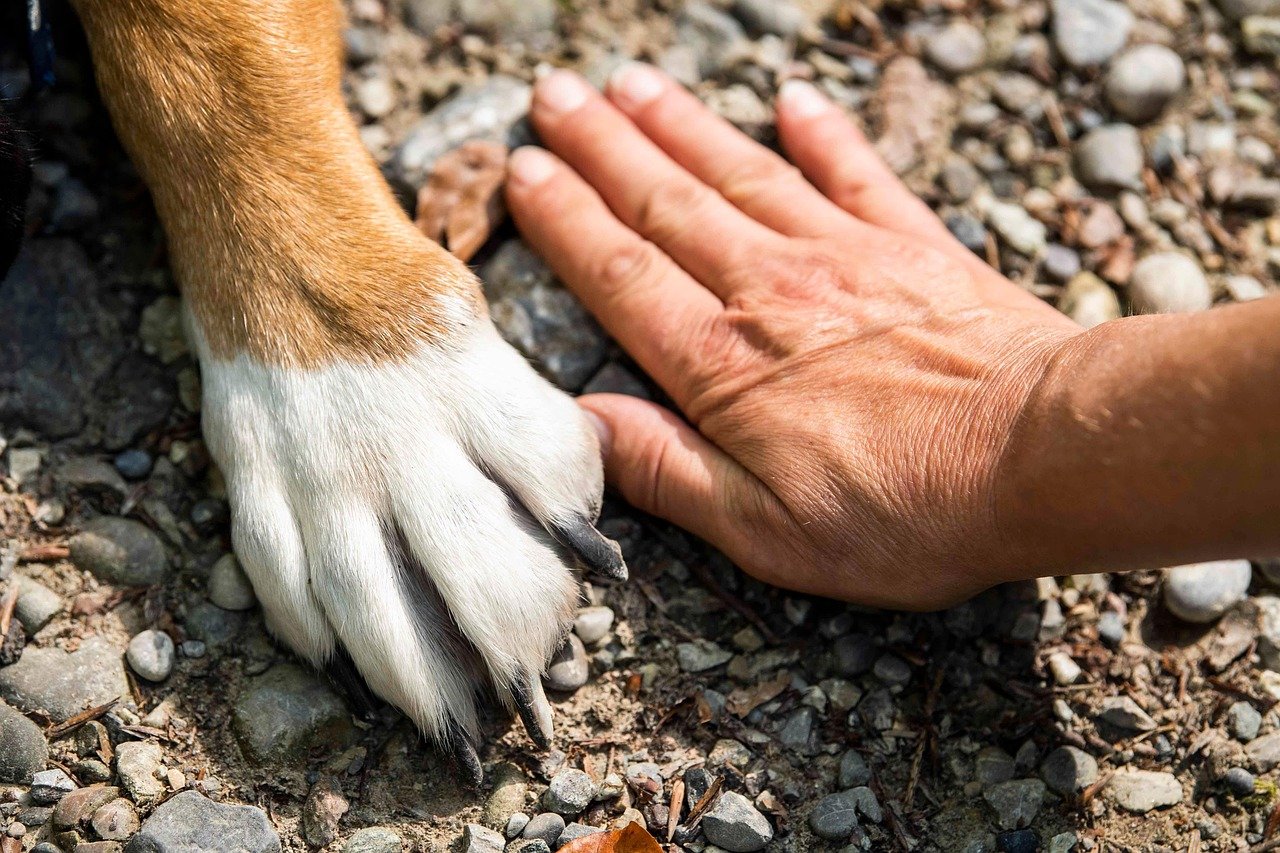
It’s shocking how quickly surfaces heat up in the Florida sun. Asphalt can easily reach temperatures of 135°F or more—hot enough to fry an egg, and certainly hot enough to burn paw pads in seconds. Many dog owners don’t realize the risk until their pet starts limping or licking their feet after a walk.
Dogs’ paws are tough, but not invincible. Burns can happen before you even notice your pup is in pain. If the ground feels too hot for your hand, it’s far too hot for your dog. Their paws can blister and crack, turning a simple walk into a painful ordeal.
Behavioral Signs Your Dog’s Paws Are Hurting
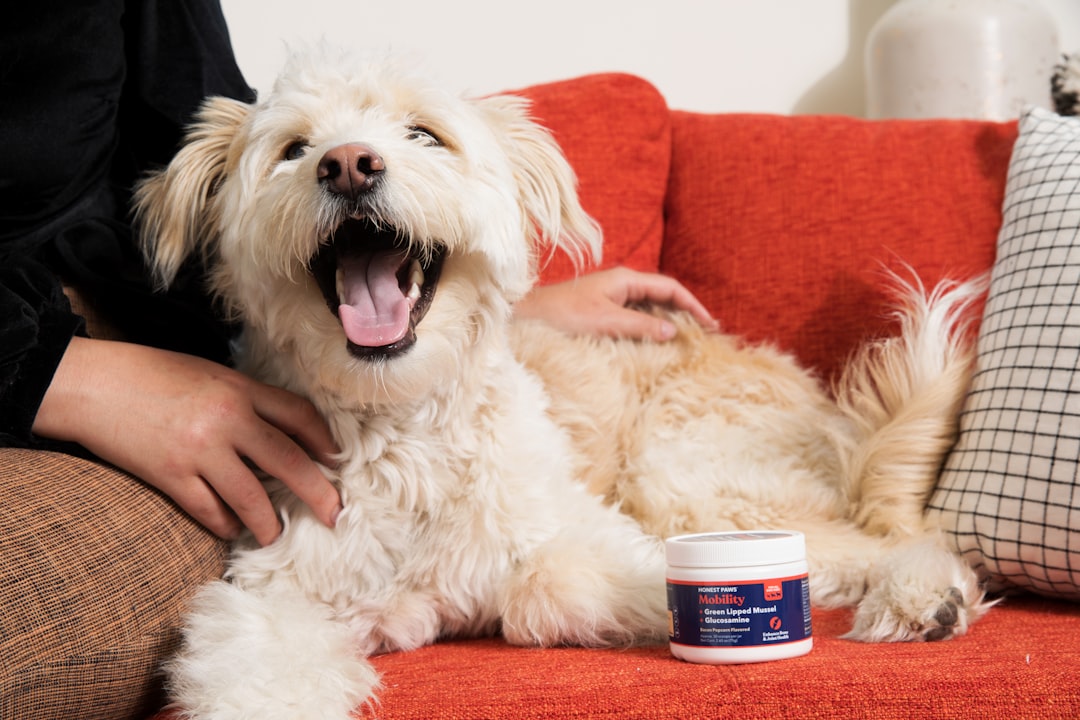
Most dogs won’t yelp the second a paw gets burned—they might just slow down, start hopping, or try to pull you toward the grass. They may also lick or chew at their feet once you’re back home. It’s easy to miss these subtle cues if you’re not watching closely.
Keep an eye out for limping, whining, or a sudden refusal to walk. These are your dog’s ways of telling you something’s wrong. Even a normally energetic pup may act subdued if their paws are hurting, so trust your instincts if they seem “off.”
Choosing the Best Times for Walks

Early mornings and late evenings are your best friends during Florida’s summer. The ground is coolest before the sun climbs high, so set your alarm and enjoy a peaceful dawn stroll. If you’re not a morning person, wait until dusk when the air and pavement have cooled down.
Midday walks are risky, even if you’re just making a quick trip outside. Shade helps, but it doesn’t always protect against heat radiating from the ground. Remember, if the pavement feels warm to your touch, it’s still too much for your pup.
The “Seven Second Rule” for Safe Surfaces
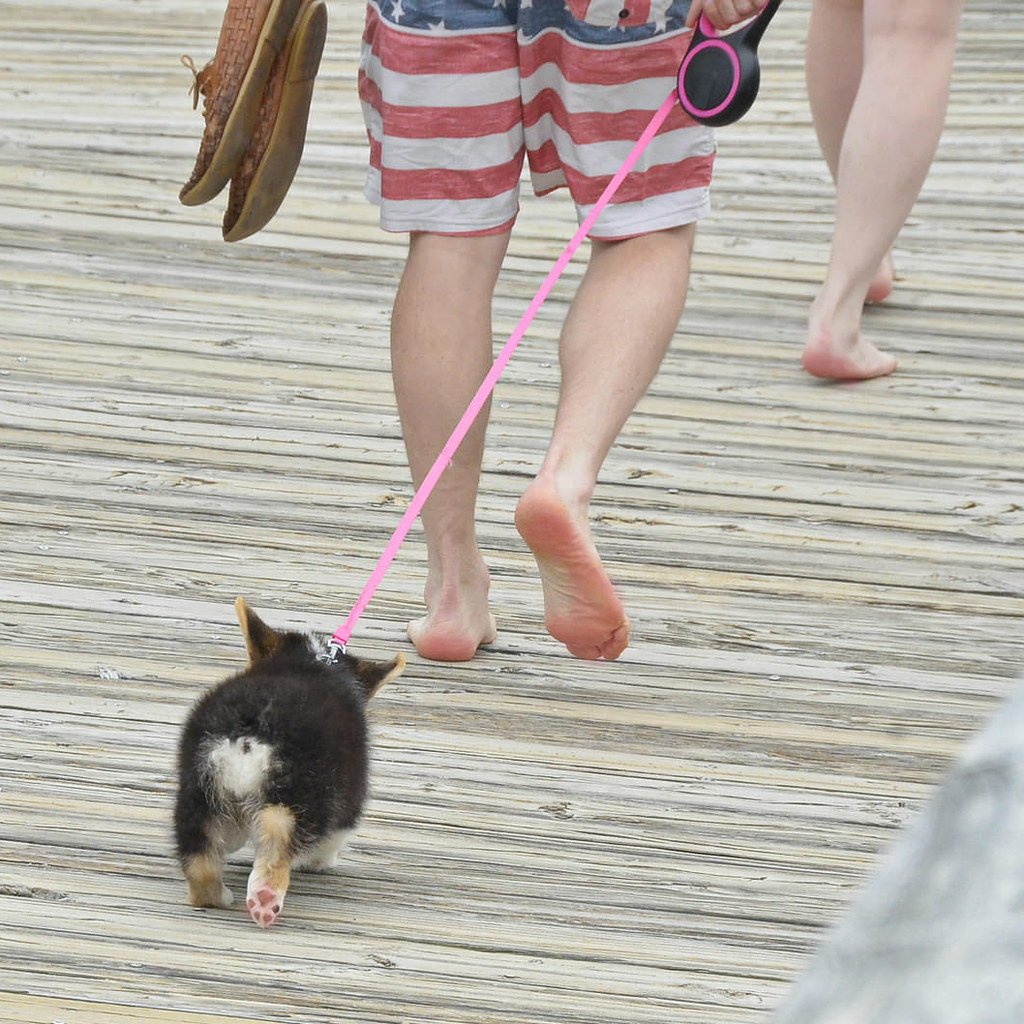
Here’s a simple trick: press the back of your hand firmly against the pavement for seven seconds. If it’s uncomfortable, it’s too hot for your dog’s paws. This little test takes only a moment and could save your furry friend a lot of pain.
Don’t just check the street—test patios, parking lots, and even artificial turf. Synthetic grass can get surprisingly hot. Make this quick check a habit before every outing, especially on cloudless days.
Paw Protection: Boots, Balms, and Beyond
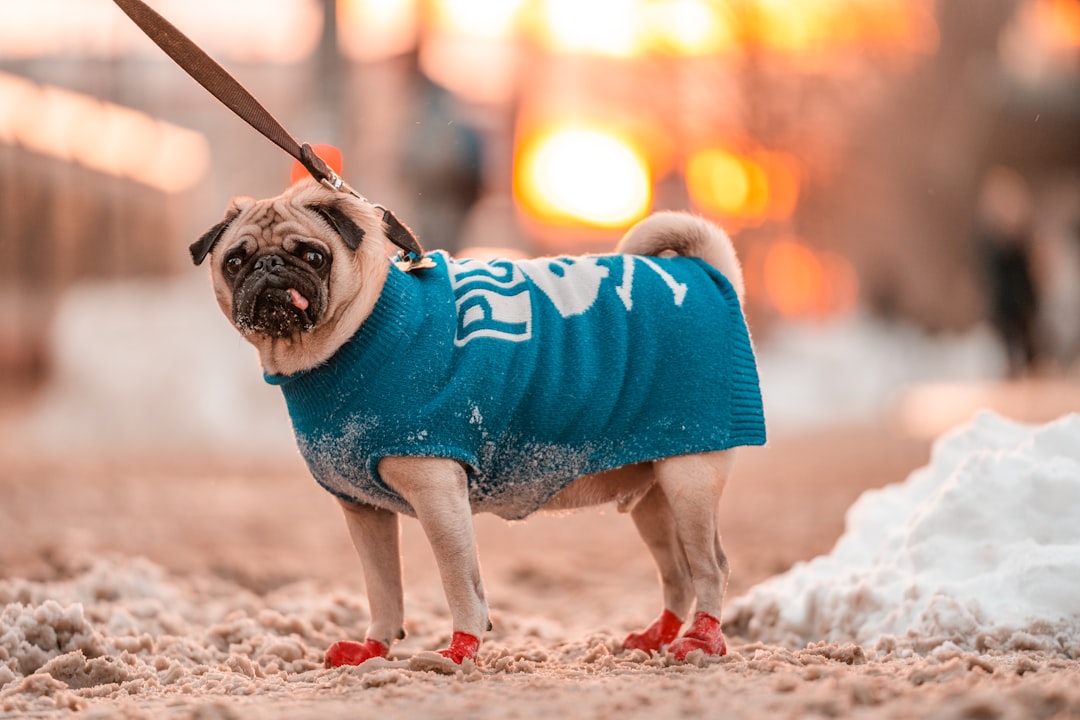
Dog booties might look a bit silly, but they’re lifesavers during summer. Quality boots shield paws from heat, sharp debris, and even chemicals. If your dog’s not a fan, try paw balms—these create a protective layer, though they need to be reapplied regularly.
Paw waxes and balms are best for short walks or quick trips outside. For longer adventures, boots are the safer bet. Start slow and let your dog practice wearing them indoors first—plenty of treats and encouragement help!
Seek Out the Shady Spots
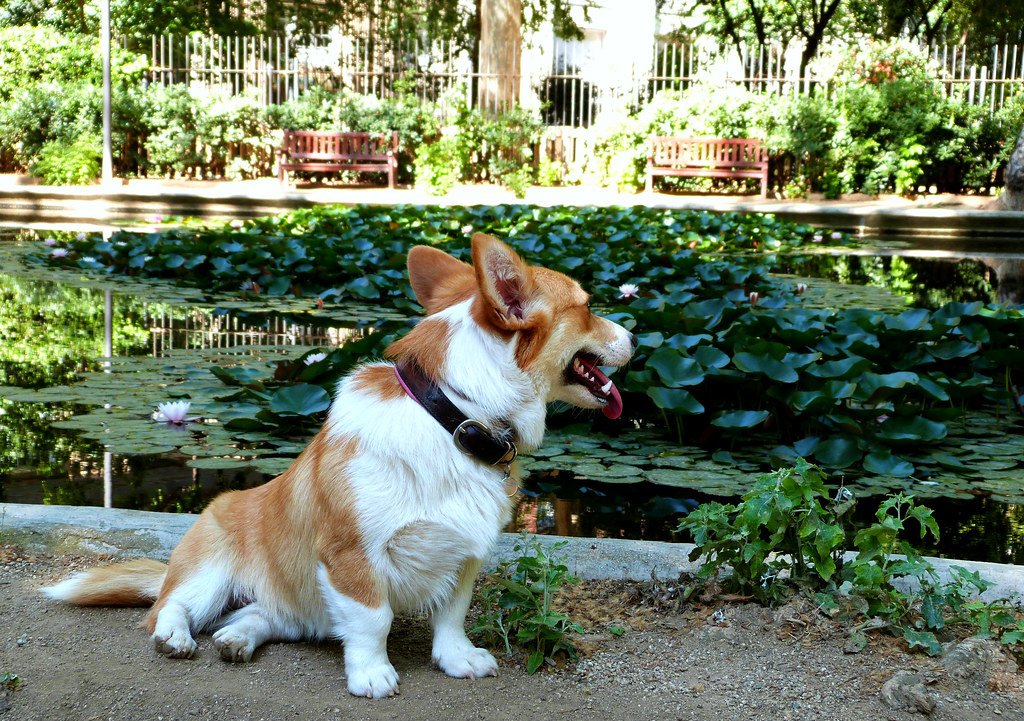
When walking your dog, stick to grassy parks, shaded sidewalks, or wooded trails. Trees and tall buildings can dramatically reduce ground temperatures, offering a cool respite for tender paws. Your dog will thank you with happy tail wags and eager steps.
If you live in an area with little shade, consider carrying your pup over blazing stretches, or drive to a shady park instead. Even short walks in the right environment make a world of difference.
Recognizing and Treating Paw Burns Fast

If your dog’s paws look red, swollen, or blistered after being outside, act quickly. Gently rinse their feet with cool (not icy) water and keep them off hot surfaces. Avoid home remedies like ointments unless directed by your vet—some products can actually make things worse.
Contact your veterinarian right away if you see severe burns, bleeding, or if your dog is in obvious pain. Quick action helps prevent infection and speeds up healing, so don’t wait and see.
Building Paw Toughness—The Safe Way
Regular, gentle walks on softer surfaces can help toughen your dog’s pads over time. Think grassy lawns, sandy beaches, or forest trails. Avoid the temptation to “toughen up” paws by exposing them to heat—this only leads to injury.
If you’re planning a big outdoor adventure, condition your pup with short, safe outings first. Gradually increase the distance and monitor their comfort every step of the way.
Stay Vigilant, Stay Compassionate
Florida’s summer heat is relentless, but with a little planning and a lot of love, you can keep your dog’s paws safe and healthy. Watch their cues, choose your moments, and don’t be afraid to look a little silly with those bright-colored booties. Your dog depends on you to keep their world comfortable—and their paws are counting on you, too.