
7 Dog Behaviors That Mean ‘I’m Trying to Communicate’
Ever catch your dog staring at you with those big, soulful eyes and wonder what’s going on in that furry little head? If you’ve ever wished your pup could just talk, you’re not alone. The truth is, our dogs are always talking to us—with their tails, their ears, their whole bodies. Sometimes, it’s obvious; sometimes, it’s almost like trying to crack a secret code. But once you know what to look for, you start to realize just how much your dog has been saying all along. Let’s dig into seven dog behaviors that mean, “Hey, I’m talking to you!”
1. Tail Wagging: Not Always a Happy Tale
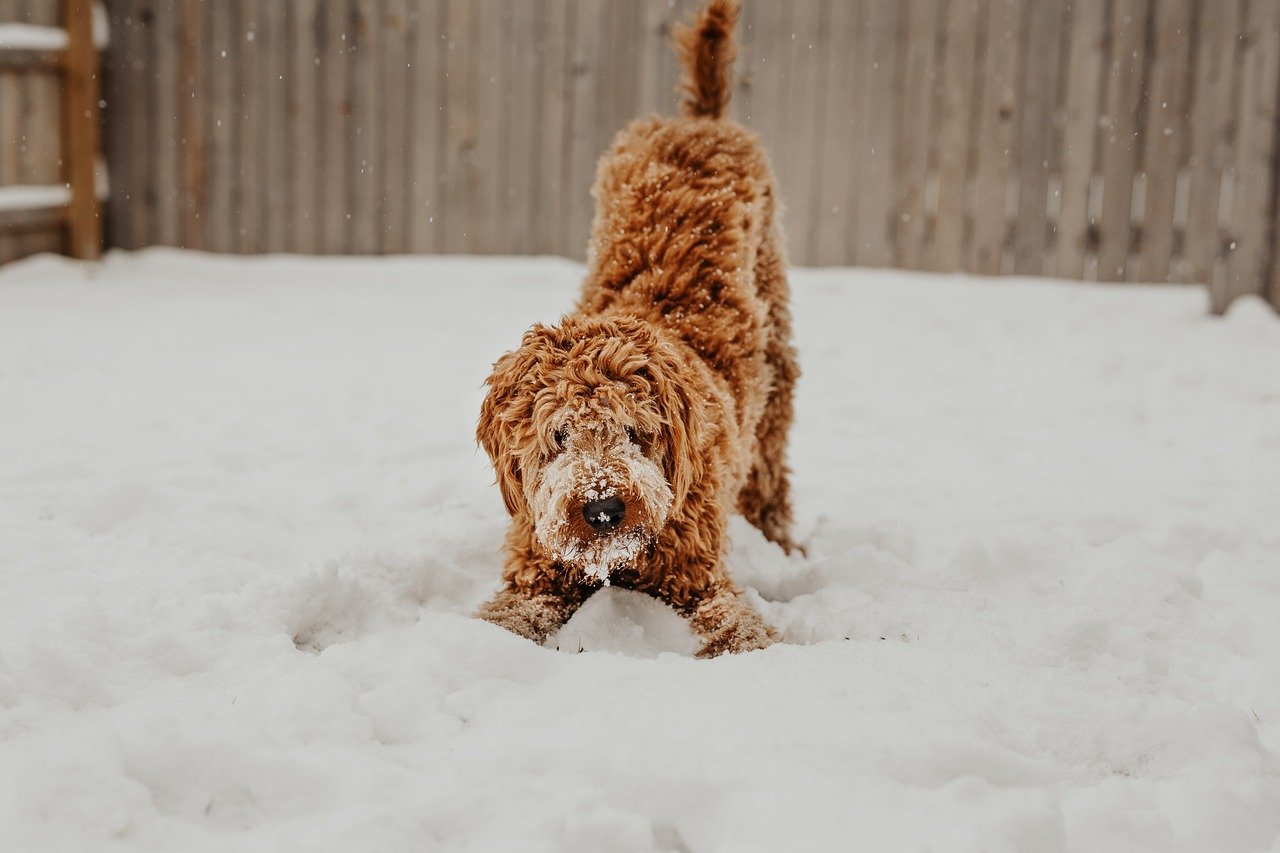
Most of us think a wagging tail means a happy dog, but it’s not always that simple. The speed, height, and direction of the wag all say something. A loose, sweeping wag usually means your pup is friendly and relaxed, while a stiff, high tail with quick wags might mean excitement or even agitation.
If your dog tucks their tail between their legs, it’s a classic sign of fear or submission. Next time you see a tail in motion, look at the whole picture—body posture, ears, and eyes can help you decode your dog’s mood. Knowing this can help you prevent misunderstandings and keep your dog feeling safe.
2. Barking: The Many Voices of Your Dog
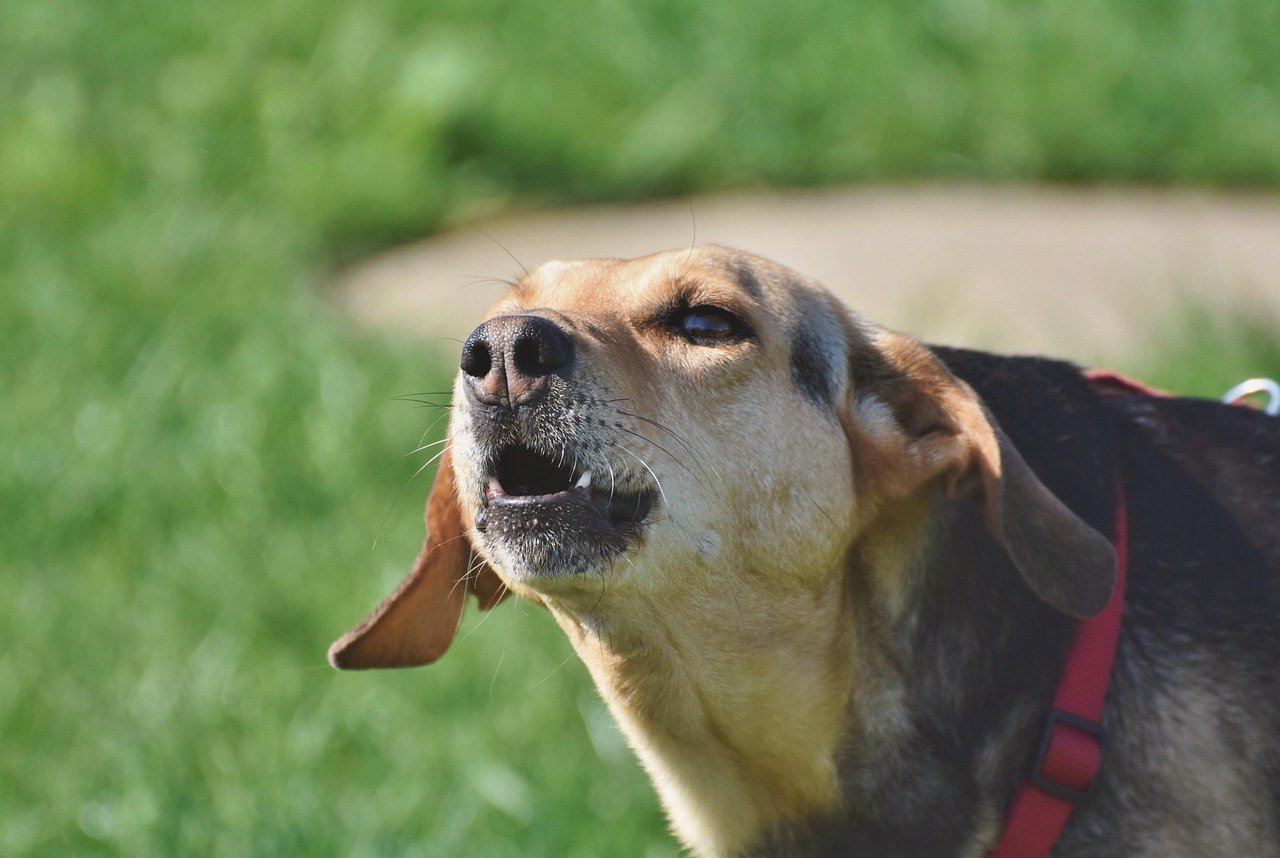
Not all barks are created equal. Some dogs have a sharp, urgent bark to warn you of strangers, while others might have a soft, whiny bark when they’re feeling lonely or anxious. The pitch, volume, and repetition all offer clues about what your dog needs.
For example, rapid, high-pitched barks can signal excitement or alarm—think mail carrier at the door. On the other hand, a single, low bark might mean your dog is uncomfortable or unsure. Tuning in to the “language” of your dog’s bark can help you respond more kindly and quickly to their needs.
3. Licking: More Than Just Affection
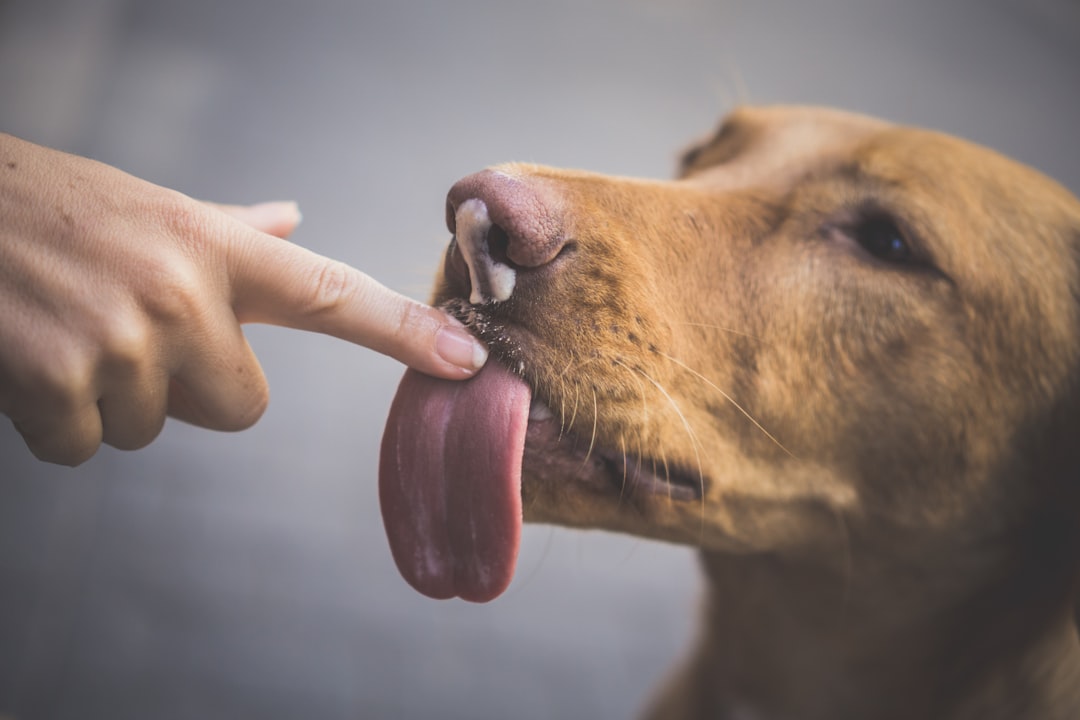
Licking isn’t just about kisses (although we all love those!). Dogs lick to show affection, but also to communicate things like stress, submission, or even a need for attention. You might notice your pup licking their lips or your hands when they’re feeling anxious or want reassurance.
Excessive licking, especially of their own paws or body, can signal discomfort or allergies. If your dog suddenly starts licking more than usual, it’s worth checking for skin irritation or talking to your vet. Sometimes, a lick is simply their way of saying, “I need a little comfort right now.”
4. Pawing and Nudging: A Gentle Request
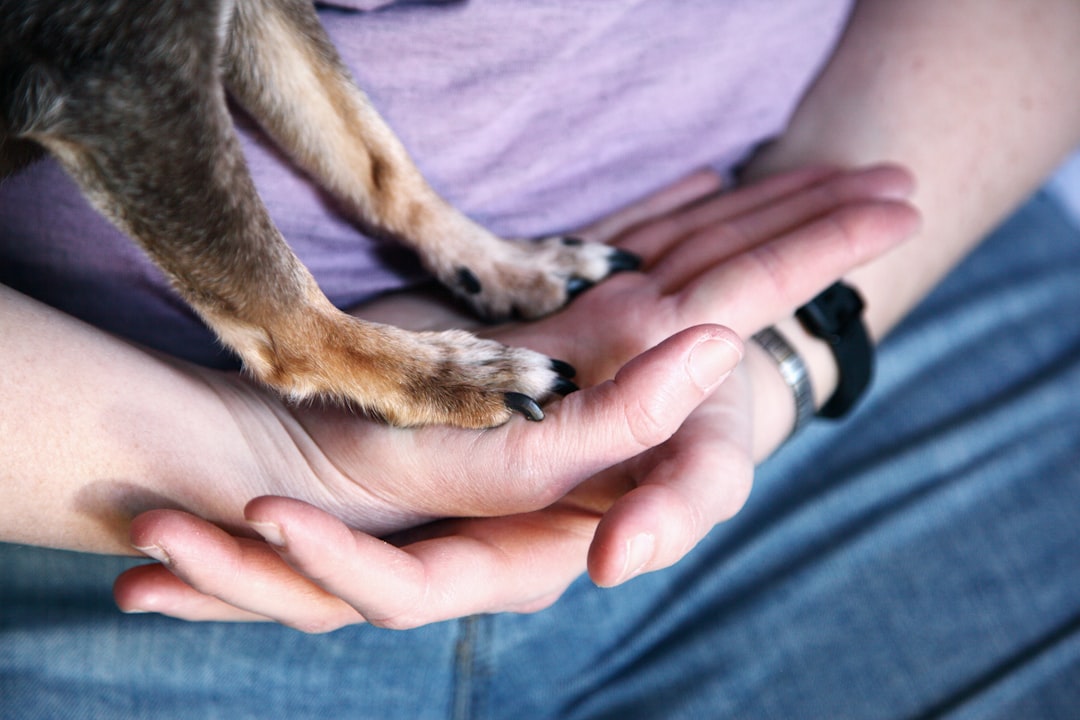
When your dog paws at you or nudges your hand with their nose, it’s usually their way of asking for something. It might be a belly rub, playtime, or just a little attention. Dogs learn pretty quickly that this gentle touch gets your eyes—and maybe your heart—on them.
Sometimes, persistent pawing can mean your dog is feeling anxious or even unwell. If the behavior suddenly ramps up, check for other signs like whining, pacing, or restlessness. Responding to these cues with patience and love can make your bond even stronger.
5. Yawning and Turning Away: Signs of Stress
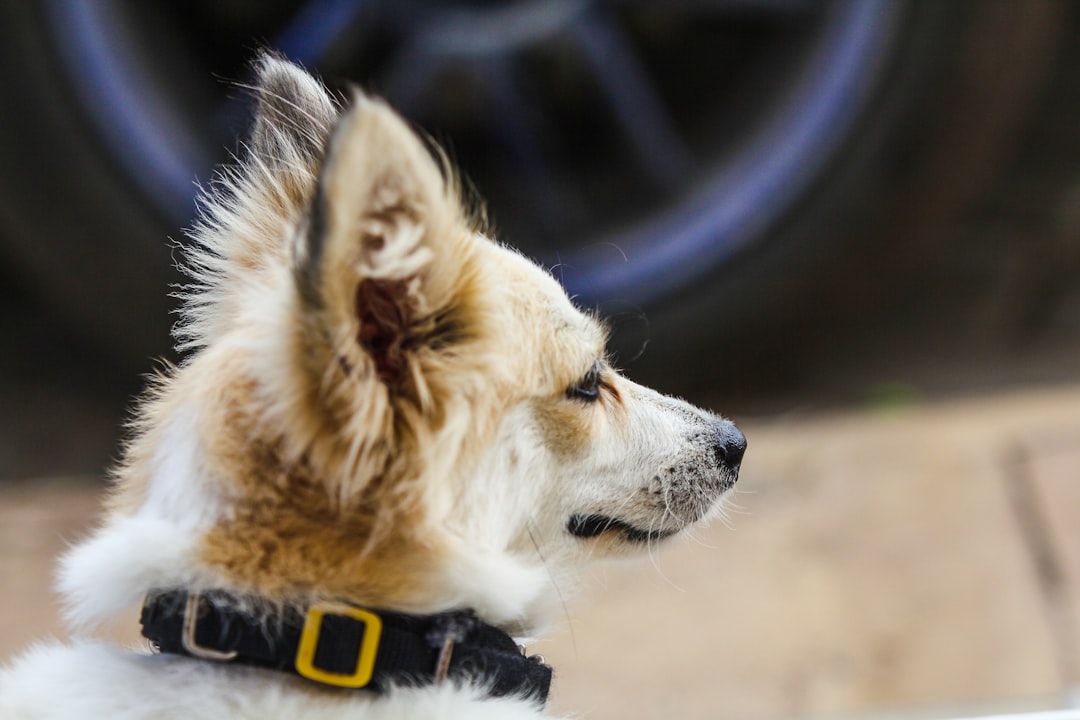
A big, dramatic yawn doesn’t always mean your dog is sleepy. In the canine world, yawning is often a sign of stress or uncertainty, especially in new situations. You might see this during a vet visit or when meeting new people.
Turning their head or body away, sometimes called “cut-off signals,” lets your dog politely say, “I need some space.” Respect these signals to help your dog feel safe and understood. It’s a gentle way for them to manage their emotions and avoid conflict.
6. Rolling Over: Submission or Play, Not Always an Invite
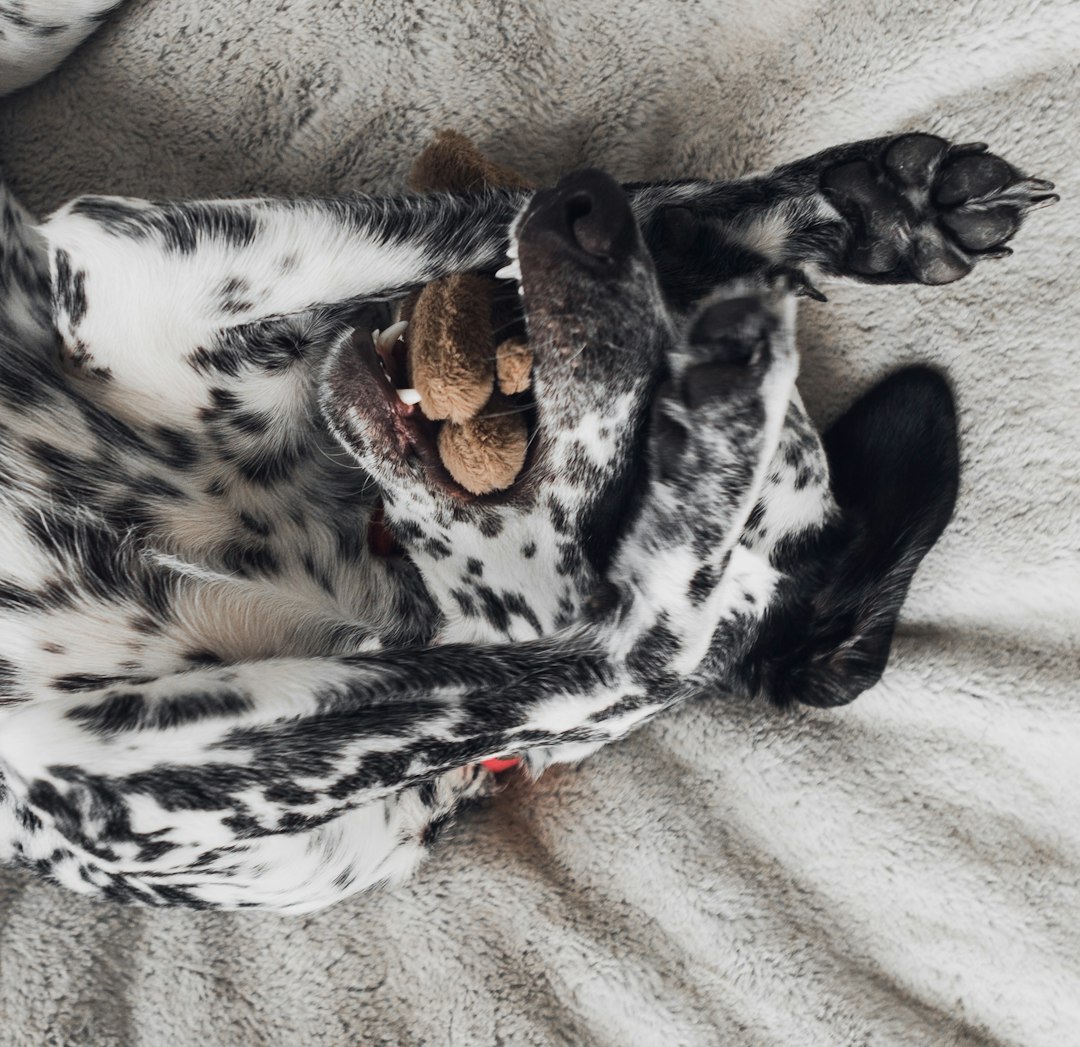
When your dog flops onto their back and exposes their belly, it’s not always an invitation for a rub. Sometimes, it’s a sign of trust and submission, especially if their body is relaxed and their tail is wagging softly. They’re saying, “I trust you.”
But if your dog rolls over stiffly, with tense muscles and a tucked tail, it could be their way of calming a tense situation. Watch your dog’s body language and only go for that belly rub if they seem truly at ease. This helps your pup feel heard and respected.
7. Staring and Eye Contact: Connection or Challenge?
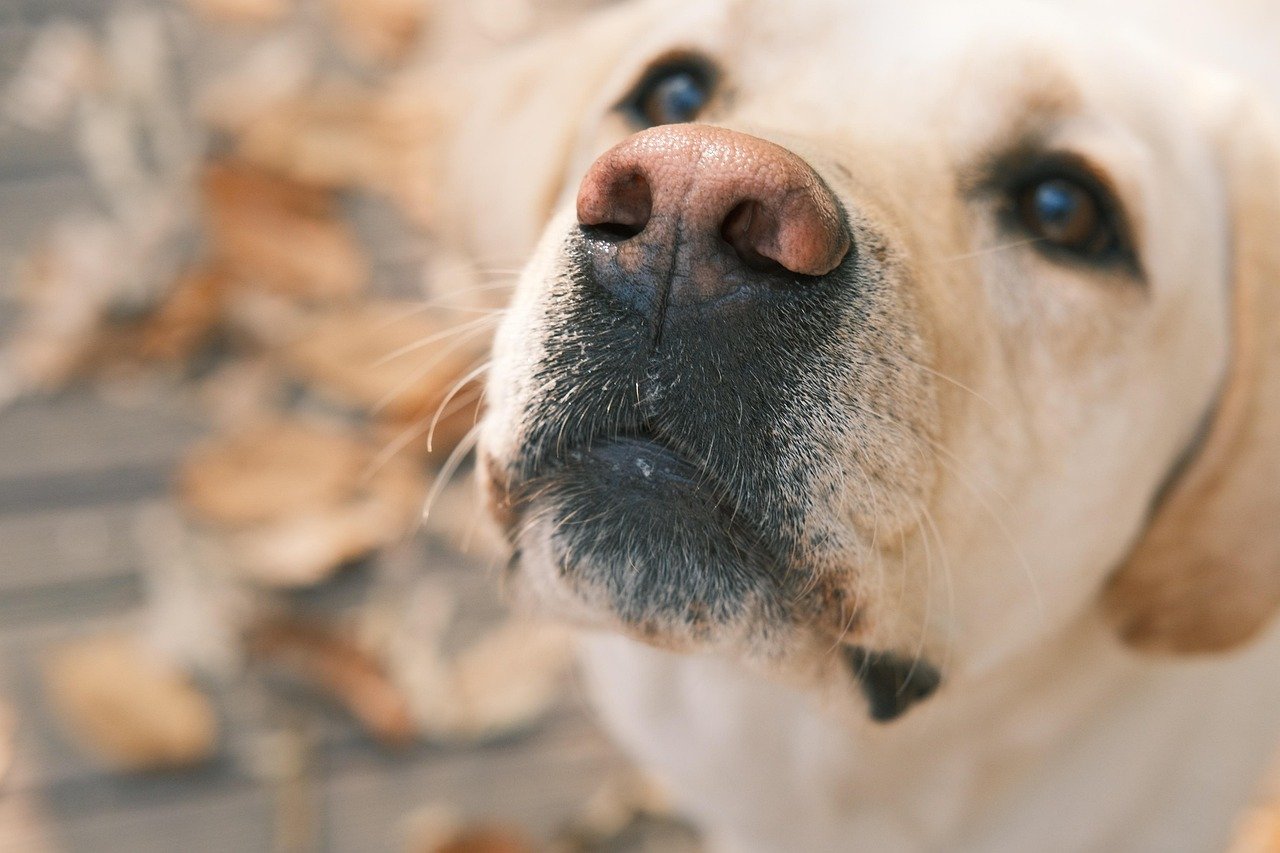
Long, soft eye contact from your dog can be deeply bonding. It’s their way of connecting with you, waiting for a cue, or just saying, “I love you.” But a hard, fixed stare—especially with a stiff body—can mean your dog feels threatened or is guarding something.
If your pup looks away or blinks slowly, it’s a sign of trust and relaxation. Return the favor by meeting their gaze with affection, but avoid staring contests, especially with unfamiliar dogs. Understanding the difference helps you avoid tension and build real trust.