

Packing your bags for a dream vacation while your furry companion stares at you with those guilty eyes? The heartbreak of leaving your dog behind has become a thing of the past for many travelers. More pet owners are discovering that some countries welcome four-legged tourists with open arms, while others make the experience feel like navigating a bureaucratic nightmare.
The difference between a smooth international trip with your dog and a stressful ordeal often comes down to choosing the right destination. Some nations have embraced pet tourism so wholeheartedly that they’ve created entire industries around it. Others maintain strict regulations that can turn your vacation into weeks of paperwork and quarantine procedures.
Whether you’re dreaming of hiking alpine trails with your Golden Retriever or exploring bustling cities with your Chihuahua, understanding which countries roll out the red carpet for pets versus those that don’t can save you months of planning headaches. The contrast between dog-friendly nations and restrictive ones is more dramatic than most travelers realize.
Germany: The Ultimate Dog Paradise

Germany stands as the gold standard for dog-friendly travel, treating canines almost like honorary citizens. German cities overflow with dog parks, pet-friendly restaurants, and accommodations that genuinely welcome four-legged guests. The country’s extensive public transportation system allows dogs to travel on buses, trains, and even some flights within the country for a small fee.
What makes Germany exceptional is its cultural attitude toward dogs. Restaurant owners typically provide water bowls without being asked, and many establishments have designated “dog zones” on their patios. The country’s famous Christmas markets often feature special treats for visiting pups, creating a truly inclusive experience for pet families.
The practical aspects are equally impressive. Most German hotels and vacation rentals actively advertise their pet-friendly policies, and many cities offer special “dog walking” maps highlighting the best routes and facilities. Your German Shepherd would feel right at home in its ancestral homeland, where dogs are considered family members rather than mere pets.
Netherlands: Cycling and Canines Combined
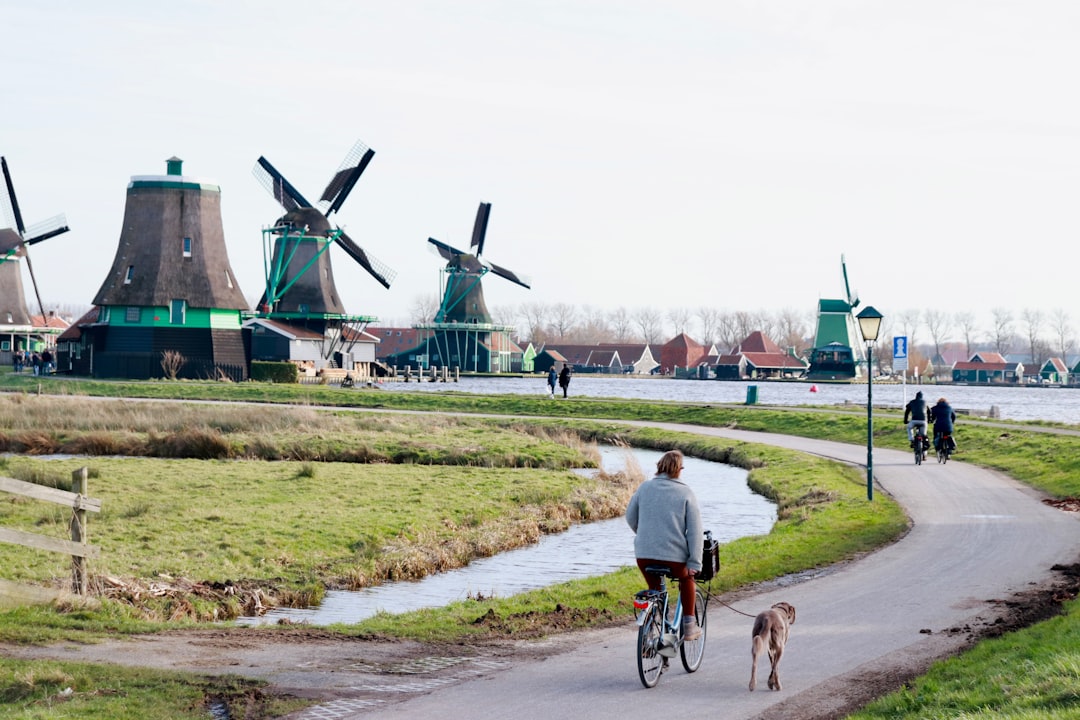
The Netherlands has perfected the art of incorporating dogs into its famously bike-friendly culture. Dutch cities feature specialized bike trailers and baskets designed specifically for transporting dogs, making canal-side cycling adventures a breeze. Amsterdam alone boasts over 50 officially designated dog parks, each equipped with agility equipment and water stations.
Dutch trains welcome dogs for approximately 3 euros per journey, and most stations provide special dog relief areas. The country’s flat terrain makes it ideal for older dogs or breeds that prefer gentler exercise routines. Many Dutch cafes and restaurants maintain “dog menus” featuring specially prepared meals that meet canine dietary requirements.
The cultural integration runs deep here. Dutch pet insurance is often accepted internationally, and veterinary services are widely available with English-speaking staff. The country’s liberal attitude extends to its pet policies, with many museums and cultural sites allowing well-behaved dogs during specific hours.
Switzerland: Alpine Adventures for Athletic Pups

Switzerland transforms dog travel into an alpine adventure, with mountain railways and cable cars specifically accommodating four-legged passengers. The Swiss have engineered their famous train system to include designated pet areas, complete with non-slip surfaces and safety barriers. Mountain hiking trails feature dog-friendly routes with strategically placed water stations and rest areas.
Swiss accommodations take pet hospitality to new heights. Many hotels provide welcome packages including local dog treats, waste bags, and detailed maps of nearby dog-friendly attractions. The country’s pristine environment means dogs can safely drink from mountain streams and explore without the contamination concerns found in more urbanized destinations.
The attention to detail is remarkable. Swiss cities maintain heated dog shelters near shopping areas during winter months, and many ski resorts offer dog-sitting services so owners can enjoy the slopes. Your Border Collie would thrive in this environment where physical activity and outdoor exploration are deeply valued cultural elements.
Canada: Wilderness Meets Urban Sophistication

Canada combines vast wilderness opportunities with surprisingly dog-friendly urban centers, creating perfect conditions for adventure-loving pets. Canadian national parks allow dogs on designated trails, and many provinces offer special “dog beaches” along their extensive coastlines. The country’s camping culture embraces pets, with most campgrounds providing dedicated dog runs and waste management facilities.
Canadian cities surprise visitors with their pet-friendly infrastructure. Toronto’s PATH underground walkway system allows dogs during specific hours, while Vancouver’s seawall features designated dog areas every few kilometers. Many Canadian restaurants offer “puppuccinos” and special dog menus, treating pets as valued customers rather than tolerated guests.
The climate considerations are thoughtful too. Canadian pet stores stock specialized gear for extreme weather conditions, and many cities provide heated outdoor shelters during harsh winters. The country’s emphasis on outdoor activities means dogs can participate in everything from canoeing to snowshoeing, depending on the season and location.
United Kingdom: Royal Treatment for Rover

The United Kingdom’s deep-rooted love affair with dogs translates into exceptional travel conditions for visiting pups. British pubs traditionally welcome dogs, and many establishments provide complimentary dog biscuits and water bowls. The country’s extensive public footpath network offers thousands of miles of dog-friendly walking routes through countryside and coastal areas.
British accommodations often exceed expectations for pet travelers. Many bed and breakfasts include dogs in their guest count rather than charging extra fees, and some properties offer specialized pet amenities like orthopedic beds and gourmet treat selections. The UK’s compact size means you’re never far from excellent veterinary care or pet supply stores.
The cultural acceptance runs particularly deep in rural areas. British farmers and landowners generally welcome well-behaved dogs on their property, and many tourist attractions have designated “dog days” when pets can accompany their owners through normally restricted areas. Your English Bulldog would feel right at home in a country where dogs are considered integral family members.
Australia: Quarantine Nightmare

Australia’s strict biosecurity laws create a bureaucratic maze that can turn dog travel into a months-long ordeal. The country requires a minimum 10-day quarantine period for all incoming pets, regardless of their health status or country of origin. This quarantine must be completed at government-approved facilities that charge premium rates for basic accommodation.
The paperwork requirements are staggering. Dogs need multiple veterinary examinations, specific vaccinations administered within precise timeframes, and blood tests conducted at approved laboratories. The entire process typically takes 6-8 months to complete properly, assuming no complications arise with documentation or health requirements.
The financial burden is equally daunting. Between quarantine fees, specialized shipping requirements, and mandatory health certifications, bringing a dog to Australia can cost upwards of $5,000-$8,000. Many travelers discover that the stress on their pets during the extended quarantine period outweighs any benefits of bringing them along on the trip.
Singapore: Strict Rules and Limited Options

Singapore’s ultra-strict regulations make dog travel feel like navigating a legal minefield. The country maintains a list of “prohibited breeds” that includes many common pets, and even approved breeds face extensive documentation requirements. The tropical climate creates additional challenges, with outdoor activities severely limited during peak heat hours.
The cultural attitudes toward pets remain traditional and restrictive. Many restaurants, shopping centers, and tourist attractions maintain strict no-pet policies, leaving dog owners with very few options for shared activities. Public transportation explicitly prohibits pets, making navigation around the city extremely difficult for visitors with dogs.
The costs escalate quickly in Singapore’s expensive environment. Pet-friendly accommodations charge premium rates, and specialized veterinary services can cost three times more than similar care in other countries. The country’s small size means limited outdoor space for dogs to exercise, particularly larger breeds that need substantial physical activity.
Japan: Cultural Barriers and Complex Logistics

Japan’s traditional culture creates significant barriers for dog travelers, despite the country’s modern infrastructure. Many Japanese establishments maintain strict no-pet policies based on cultural beliefs about cleanliness and respect for other customers. The language barrier compounds these challenges, as pet-related conversations require specialized vocabulary that most translation apps don’t handle well.
The practical limitations are substantial. Japanese public transportation systems generally prohibit pets, except for very small dogs in carriers. Most traditional accommodations like ryokans completely exclude pets, and even modern hotels often restrict pets to specific floors or rooms with additional cleaning fees.
The urban environment poses additional challenges. Japanese cities lack the extensive dog park networks found in Western countries, and many residential areas have strict noise ordinances that can make normal dog behavior problematic. The country’s emphasis on group harmony means that any pet-related disturbances are taken very seriously by both authorities and local residents.
United Arab Emirates: Climate and Cultural Challenges

The UAE’s extreme climate creates dangerous conditions for most dog breeds, with outdoor temperatures regularly exceeding 40°C (104°F) during summer months. The desert environment offers limited opportunities for safe outdoor exercise, and the risk of heat-related illness remains constantly high. Many dog breeds simply cannot safely function in this environment.
Cultural attitudes toward dogs vary significantly across the UAE’s diverse population, creating unpredictable situations for travelers. While some areas embrace Western pet culture, others maintain traditional views that can lead to uncomfortable encounters. The country’s rapid development means that pet-friendly infrastructure remains inconsistent across different emirates.
The practical challenges multiply quickly. Veterinary care specializing in heat-related issues can be extremely expensive, and many standard dog foods aren’t readily available. The country’s focus on luxury tourism means that pet-friendly options often come with premium price tags that can dramatically increase travel costs.
China: Bureaucratic Complexity and Safety Concerns

China’s complex regulatory environment creates a labyrinth of requirements that can take months to navigate properly. Different provinces maintain varying pet import rules, and documentation requirements can change without warning. The country’s vast size means that approved veterinary facilities might be hundreds of miles apart, complicating emergency care situations.
Safety concerns extend beyond bureaucracy. Air quality in major Chinese cities can pose serious health risks to dogs, particularly those with respiratory sensitivities. The country’s diverse climate zones mean that travelers must prepare for extreme temperature variations, from subtropical humidity to arctic conditions, often within the same trip.
The cultural aspects add another layer of complexity. While younger Chinese generations increasingly embrace pet ownership, traditional attitudes can create awkward situations in rural areas or smaller cities. Language barriers make emergency veterinary care particularly challenging, and specialized pet supplies often require advance ordering from international suppliers.
Conclusion

The world of dog-friendly travel reveals a fascinating divide between nations that embrace our four-legged family members and those that view them as complications to be managed. Countries like Germany and the Netherlands have built entire tourism ecosystems around pet-friendly policies, while others maintain barriers that can transform a simple vacation into a bureaucratic nightmare.
The key to successful dog travel lies in understanding these differences before you start planning. The countries that welcome dogs don’t just tolerate them – they celebrate them as part of the travel experience. Meanwhile, the challenging destinations often present obstacles that go far beyond simple paperwork, involving cultural attitudes and practical limitations that can’t be easily overcome.
Your next adventure with your faithful companion doesn’t have to involve months of stress and thousands of dollars in fees. Sometimes the best journeys happen when both you and your dog are genuinely welcome. Which destination will you choose for your next tail-wagging adventure?


