
Why Do Dogs Bury Their Bones?
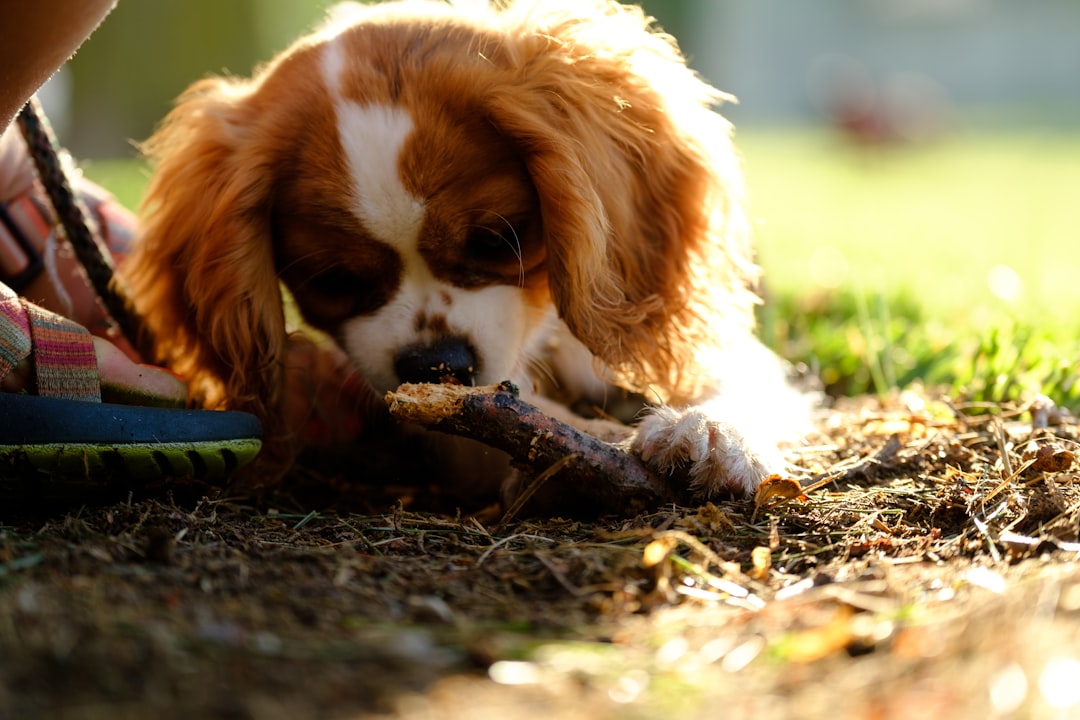
Have you ever watched your dog excitedly dig a hole in the backyard, carefully drop in a favorite chew, and then cover it back up with their nose? It’s an oddly touching sight—half wild, half childlike. As dog lovers, we can’t help but wonder: What’s going on in those furry little heads when they stash away their treasures? The answer is both surprisingly practical and deeply rooted in your dog’s ancient instincts.
The Ancient Instinct: Survival by Stashing
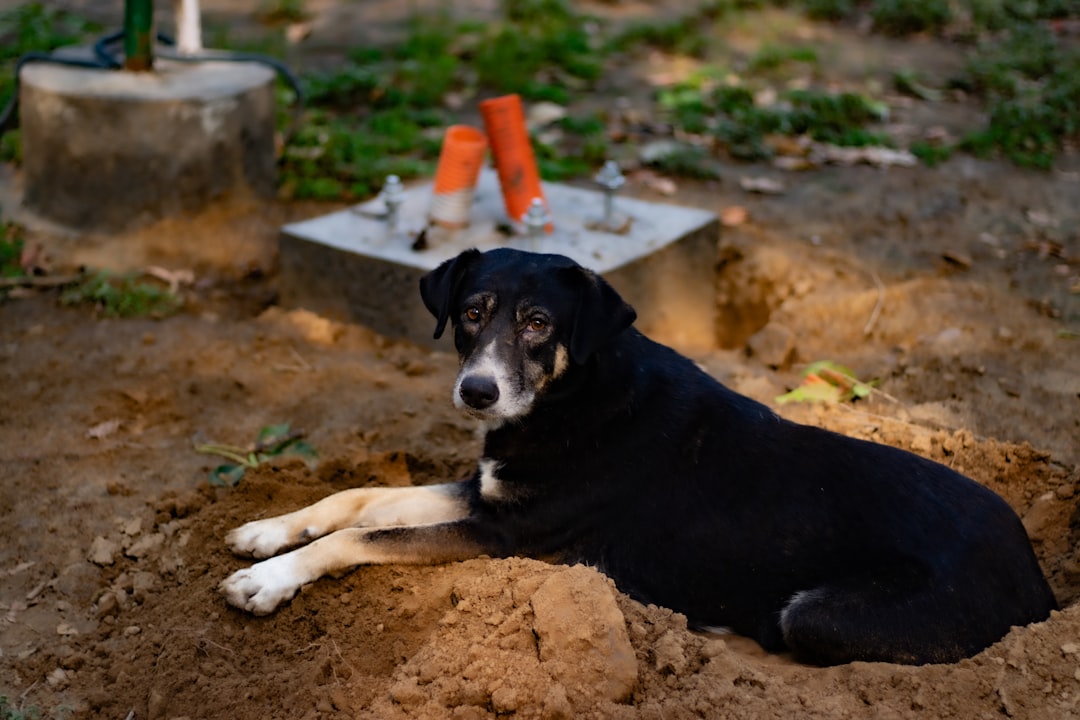
Long before dogs curled up on our couches, their wild ancestors had to fend for themselves. Food wasn’t served twice a day in a shiny bowl—it was catch-as-catch-can. When they got lucky enough to find a big meal, they’d eat what they could and bury the rest to hide it from scavengers and save it for leaner days.
Even today, those survival instincts linger. Modern dogs, even with full bellies, feel an urge to “save for later.” When your pup buries a bone, they’re acting on a deeply embedded memory of times when hiding food was the difference between feast and famine.
Why Bones? The Secret Allure
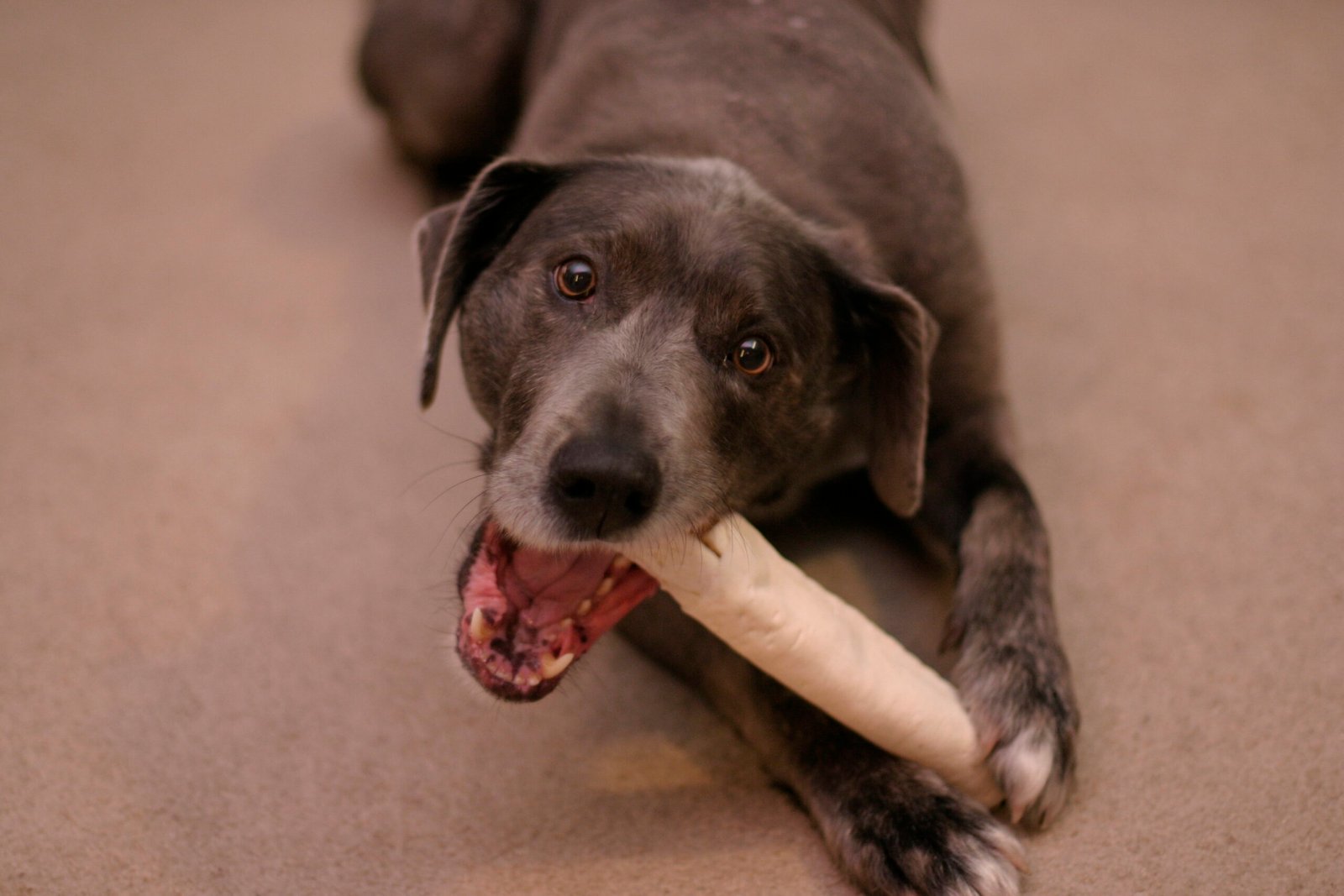
Bones are more than just toys—they’re treasures. Chewing bones helps keep your dog’s teeth clean, jaws strong, and mind occupied. But bones last longer than kibble, making them perfect candidates for a secret stash.
It’s not just about flavor or nutrition. The act of burying a bone gives dogs a sense of ownership and satisfaction, almost like tucking away a favorite childhood toy. If you’ve ever found a soggy bone in your garden, you’ve uncovered a bit of your dog’s private world.
Behavioral Cues: Telltale Signs of Bone Burying

Ever notice your dog circling a spot, sniffing intently, and then pawing at the ground? That’s the prelude to a bone burial. Some dogs even “bury” their bones inside—under couch cushions, blankets, or in the laundry pile.
After hiding their prize, many dogs will nose the earth or fabric over it, sometimes patting it down with extra care. These rituals are charming reminders of canine heritage, and they’re completely normal. If your dog’s hiding things, it usually means they feel safe and content.
Is It a Problem? When Burying Becomes Excessive
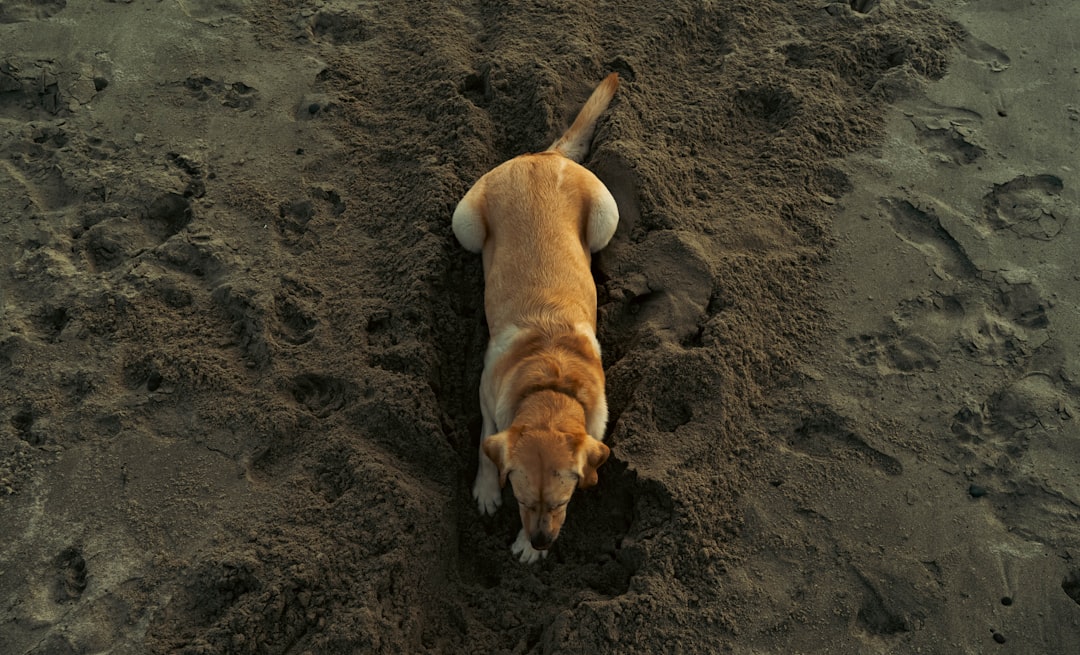
Most of the time, burying is harmless and even healthy. But if your dog is hiding everything in sight—food, toys, even your shoes—it might be a sign of anxiety or insecurity. Dogs who feel stressed may “over-bury” as a way to cope.
If your pup is suddenly obsessed with hiding things, pay attention to changes in their environment. Did you move house, add a new pet, or change your daily routine? Sometimes, giving your dog more attention, exercise, or a safe space can help ease their nerves.
Prevention Tips: Managing Mess and Mischief
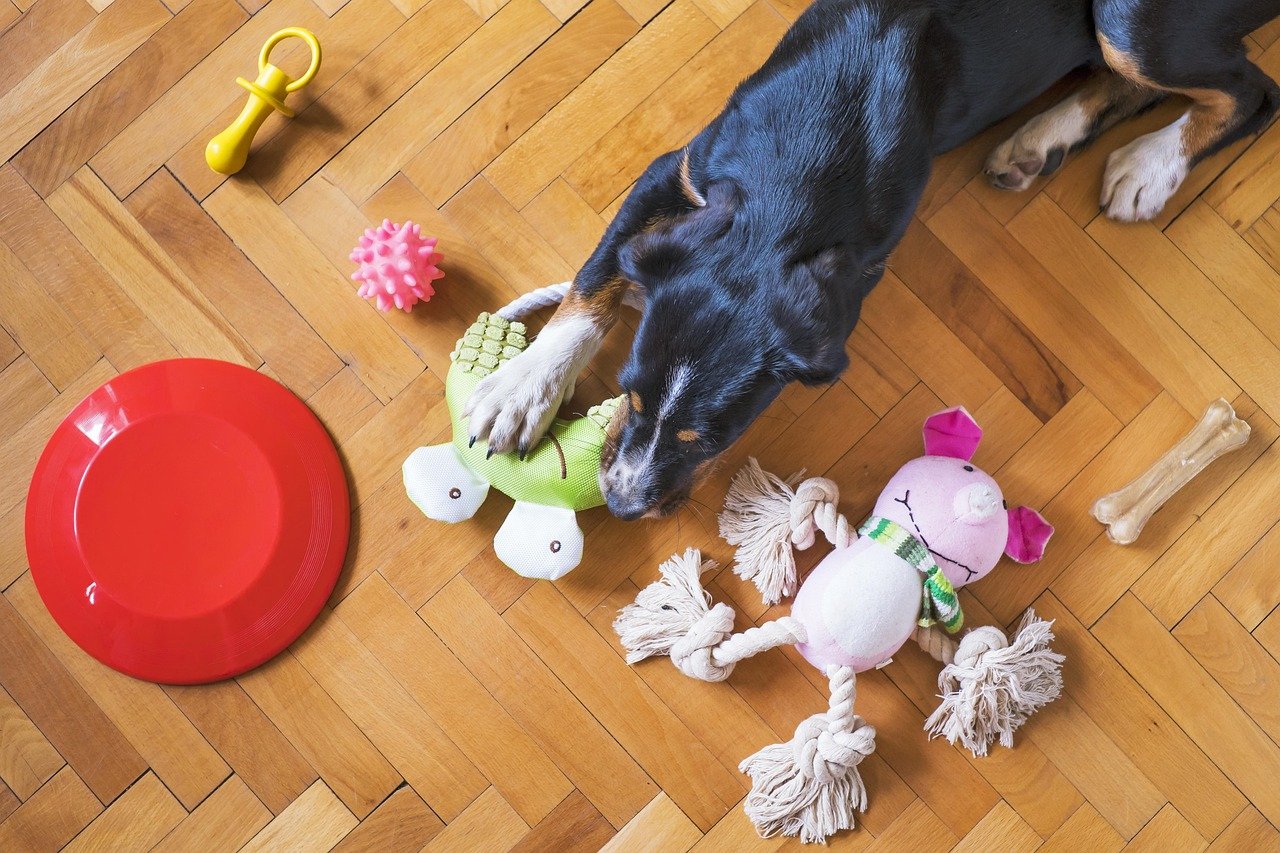
Let’s be honest: buried bones can wreak havoc on your flower beds or leave greasy surprises under your pillow. To keep things under control, try offering chew treats when you can supervise and limit access to areas you’d rather keep bone-free.
If your dog loves to bury inside, provide a designated spot—like a blanket in their bed—where they can safely indulge their urges. Redirecting this natural behavior is more effective (and kinder) than punishing your dog for following their instincts.
Health Signs: When to Worry About Burying
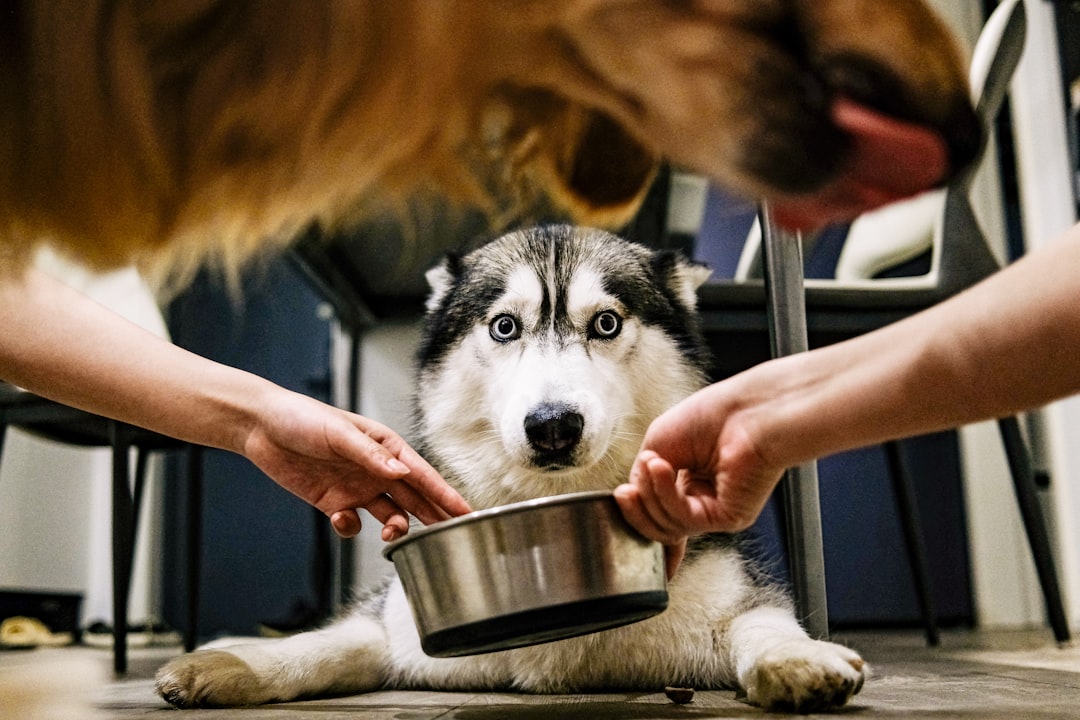
A healthy, happy dog buries now and then for fun. But if your dog seems obsessed, refuses to eat, or starts guarding their stashes aggressively, it’s time for a checkup. Sometimes, dental pain or digestive issues can make dogs hide food instead of eating it.
Watch for signs like excessive drooling, pawing at the mouth, or lethargy. If anything feels off, consult your vet. Bone burying should be a quirky habit, not a red flag for illness.
Real World Examples: Every Dog’s Unique Style
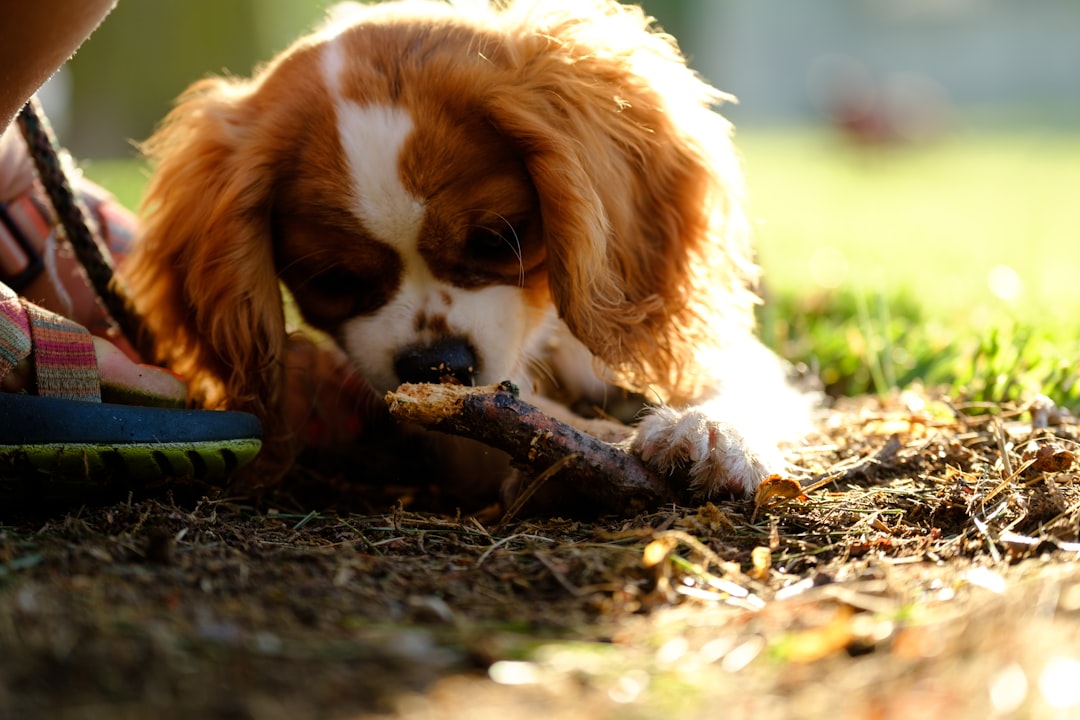
Some dogs are classic diggers, turning your backyard into a mini-minefield of buried treasures. Others are more creative—my own beagle, Daisy, once hid a bone in my laundry basket, leaving me a smelly surprise come laundry day!
Every dog puts their own spin on this age-old behavior. Some will “bury” a toy by nosing it under a blanket, then stand guard with a look of pure satisfaction. It’s a reminder that our dogs have their own personalities, quirks, and private rituals.
Inspiring Connection: Understanding Strengthens Bonds
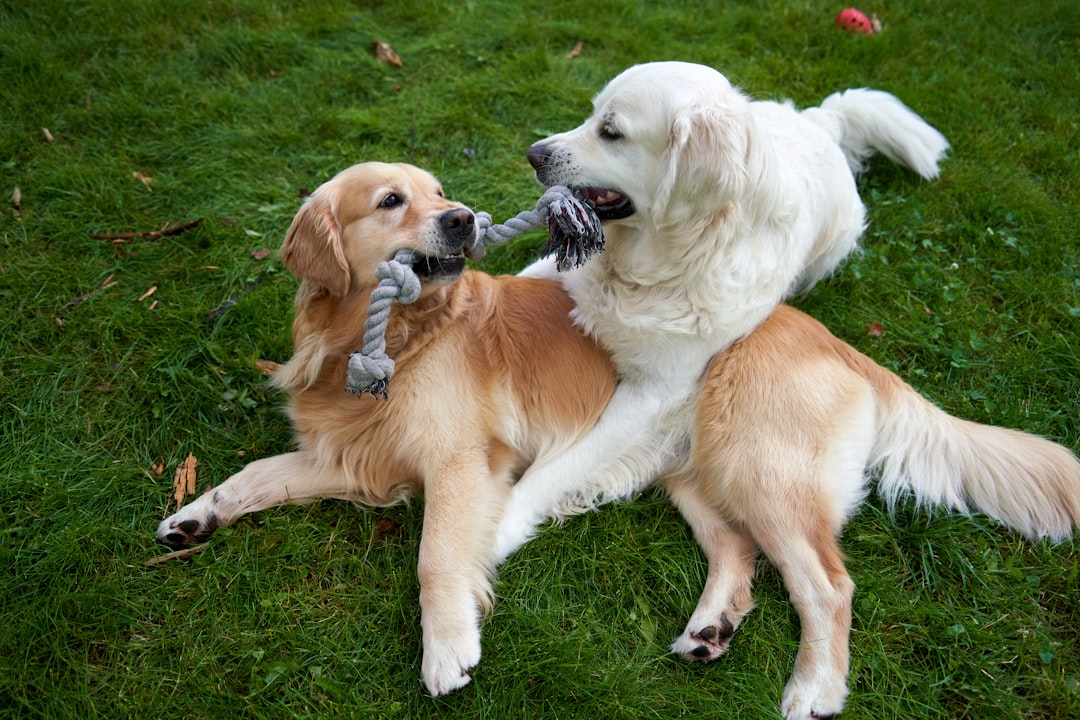
When we recognize the roots of bone burying, we stop seeing it as “bad behavior” and start appreciating our dogs’ rich inner lives. These little rituals are a bridge to their wild ancestors and a testament to their cleverness.
By meeting your dog’s needs with empathy and patience, you deepen the trust between you. Next time you catch your pup in the act, take a moment to smile—you’re witnessing a living tradition, passed down through generations, right in your own backyard.