
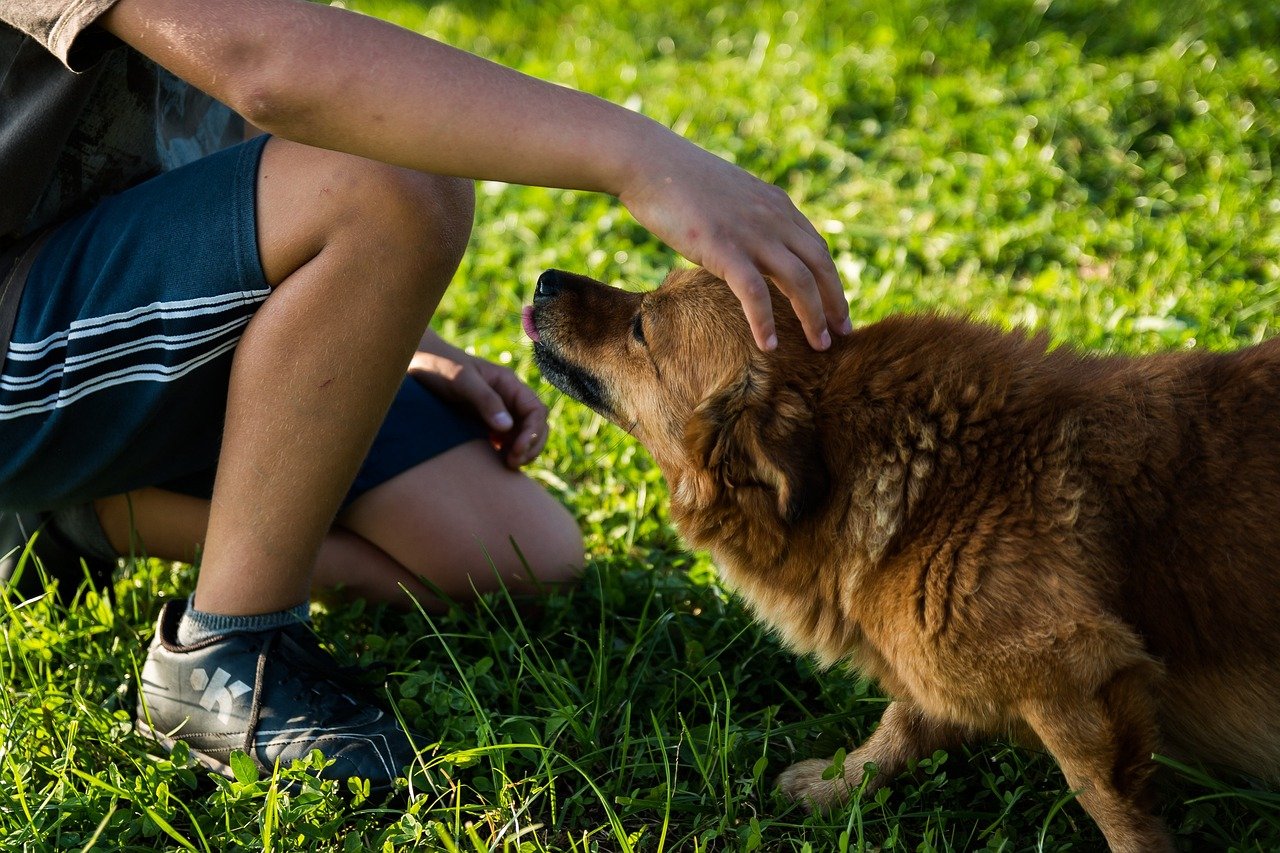
Have you ever felt your heart sink when your dog growls or hides behind your legs as a stranger approaches? Or maybe you’ve experienced that embarrassing moment when your furry friend barks so loudly at a guest that you have to apologize for the commotion. Raising a stranger-friendly dog isn’t just about avoiding awkward situations—it’s about helping your dog feel safe, happy, and at ease in a world full of new faces. The good news? Even the shyest or most excitable dogs can learn to greet strangers with a wagging tail and a calm demeanor. Let’s explore how you can guide your dog toward becoming everyone’s favorite four-legged friend, one positive experience at a time.
Understanding Your Dog’s Temperament
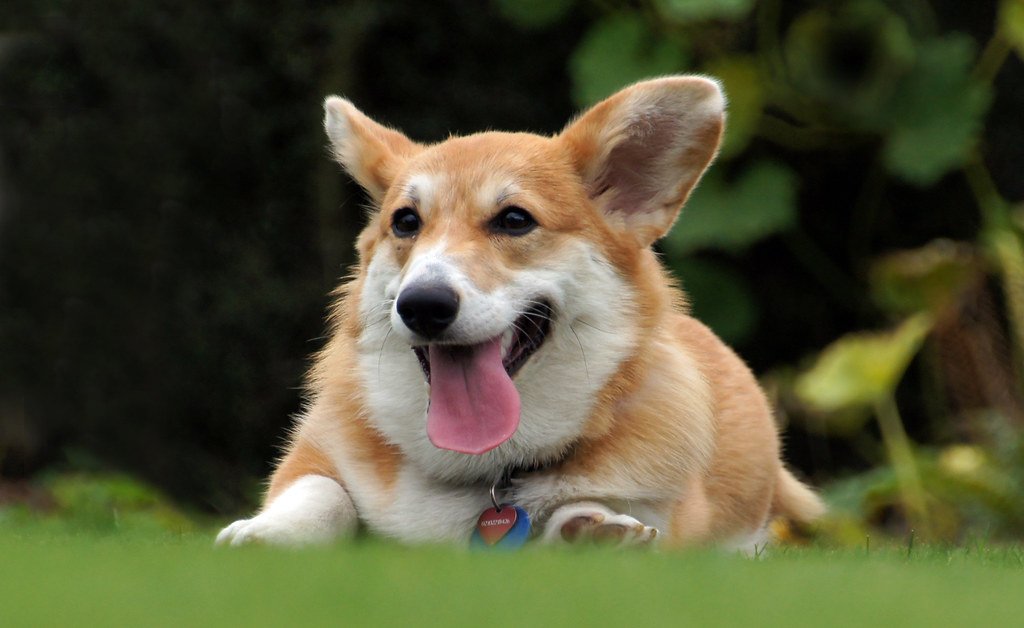
Every dog is a unique individual, just like people. Some pups are born social butterflies, eager to greet every person they meet, while others are more cautious, needing time to warm up. Recognizing your dog’s natural temperament is the first step in helping them become comfortable with strangers. If your dog is naturally shy, forcing them into overwhelming situations can backfire. On the other hand, an overly enthusiastic dog might need help learning how to greet people politely, without jumping or barking.
Take note of how your dog reacts in new situations. Do they approach strangers with curiosity or hang back nervously? Are there certain triggers—like hats, umbrellas, or loud voices—that make them anxious? By understanding these patterns, you can tailor your approach and set realistic expectations. Remember, your goal isn’t to change who your dog is, but to help them feel confident and secure when meeting new people. Patience and empathy are your best friends here.
Early Socialization Is Key
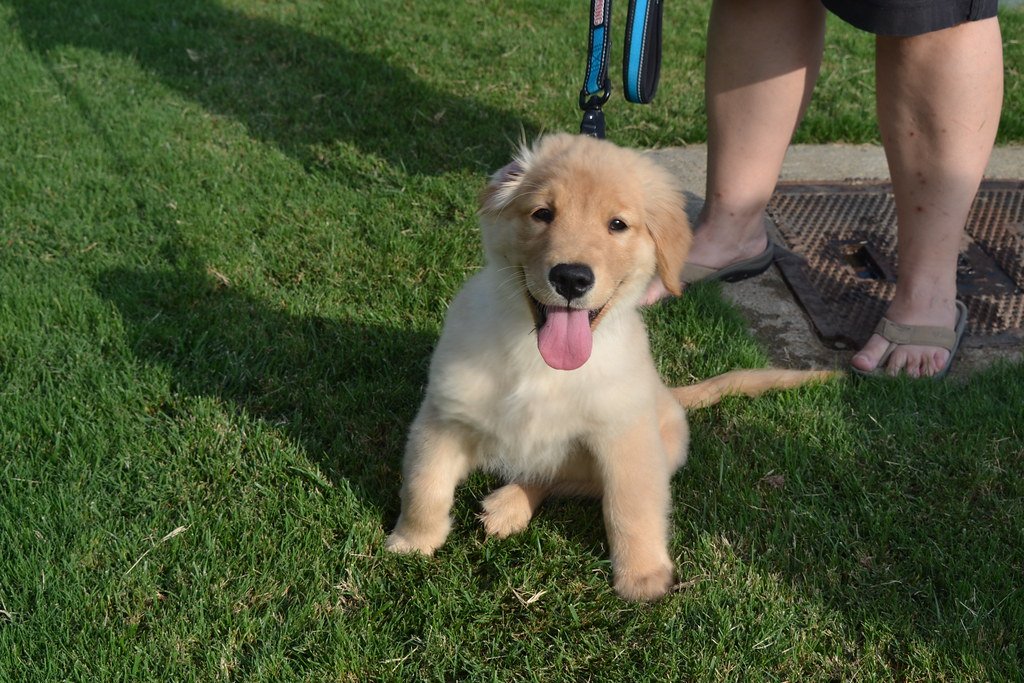
The earlier you start socializing your dog, the easier it will be for them to accept strangers as part of their world. Puppyhood is a golden window—usually up to 16 weeks—when dogs are most receptive to new experiences. During this time, try to introduce your pup to a variety of people: men, women, children, and folks wearing different types of clothing. Make these encounters positive and low-pressure, rewarding calm and friendly behavior with treats and praise.
If your dog is older, don’t worry—it’s never truly too late. Adult dogs can still learn to be comfortable around strangers, but the process may take more repetition and encouragement. Start slowly, perhaps by observing people from a distance, and gradually work up to closer interactions as your dog’s confidence grows. Always let your dog set the pace, and never force an introduction if they seem frightened.
Positive Reinforcement: The Secret Ingredient
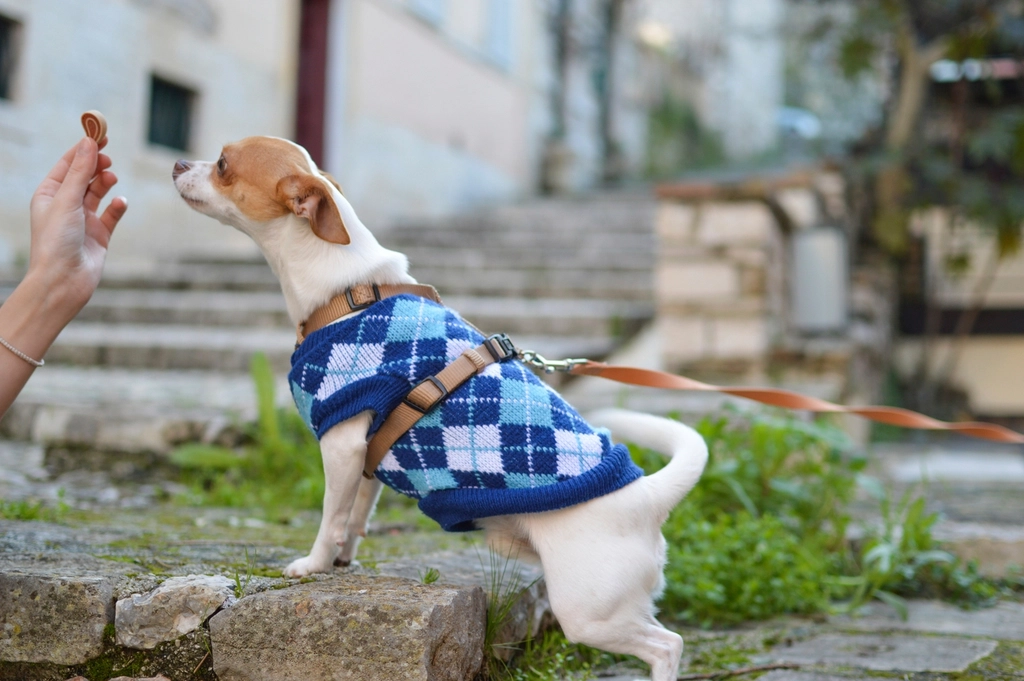
Dogs learn best when good things happen as a result of their actions. Positive reinforcement works wonders in building stranger-friendly behavior. Whenever your dog calmly approaches a new person or shows relaxed body language around strangers, reward them with treats, gentle petting, or their favorite toy. Over time, your dog will start to associate strangers with good things, rather than fear or uncertainty.
It’s important to be consistent with your rewards. Carry treats on walks, and be ready to praise your dog for even small victories. If a stranger is willing, allow them to offer a treat as well—just make sure your dog is comfortable with this step before proceeding. Avoid punishing or scolding your dog for fearful or excited reactions, as this can reinforce their anxiety or make them wary of strangers.
The Power of Controlled Greetings
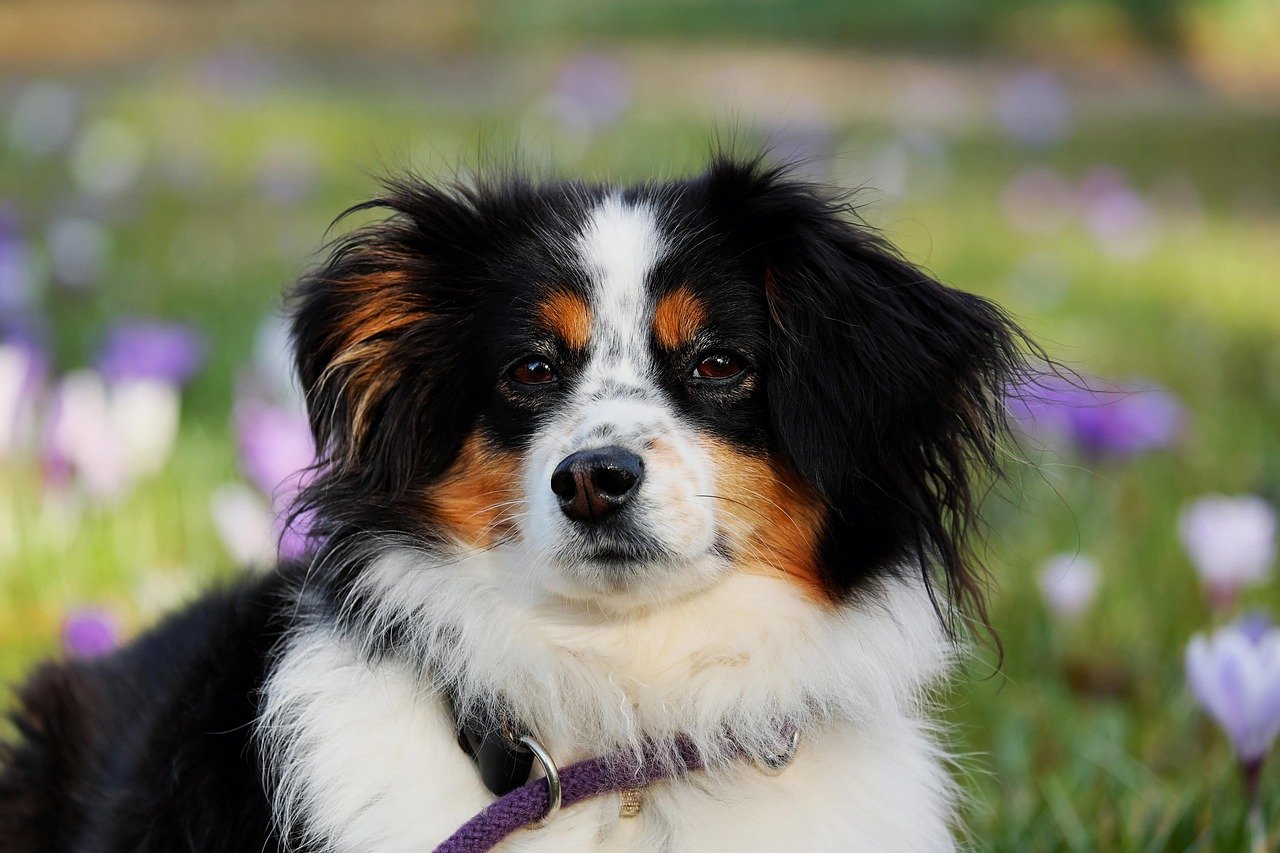
Teaching your dog to greet new people in a calm, controlled way sets everyone up for success. Ask friends or family to help by approaching your dog slowly and letting them sniff from a safe distance. If your dog remains relaxed, reward them immediately. If they become nervous or overexcited, have the person pause or step back, giving your dog a chance to settle.
Practice makes perfect. Over time, your dog will learn that calm greetings result in positive attention, while jumping or barking does not. For especially excitable dogs, it can help to practice basic commands like “sit” or “stay” before greeting someone new. This gives your dog a clear job to do and helps them focus their energy. Remember, every calm greeting is a building block toward a more confident, stranger-friendly companion.
Desensitization to New Situations
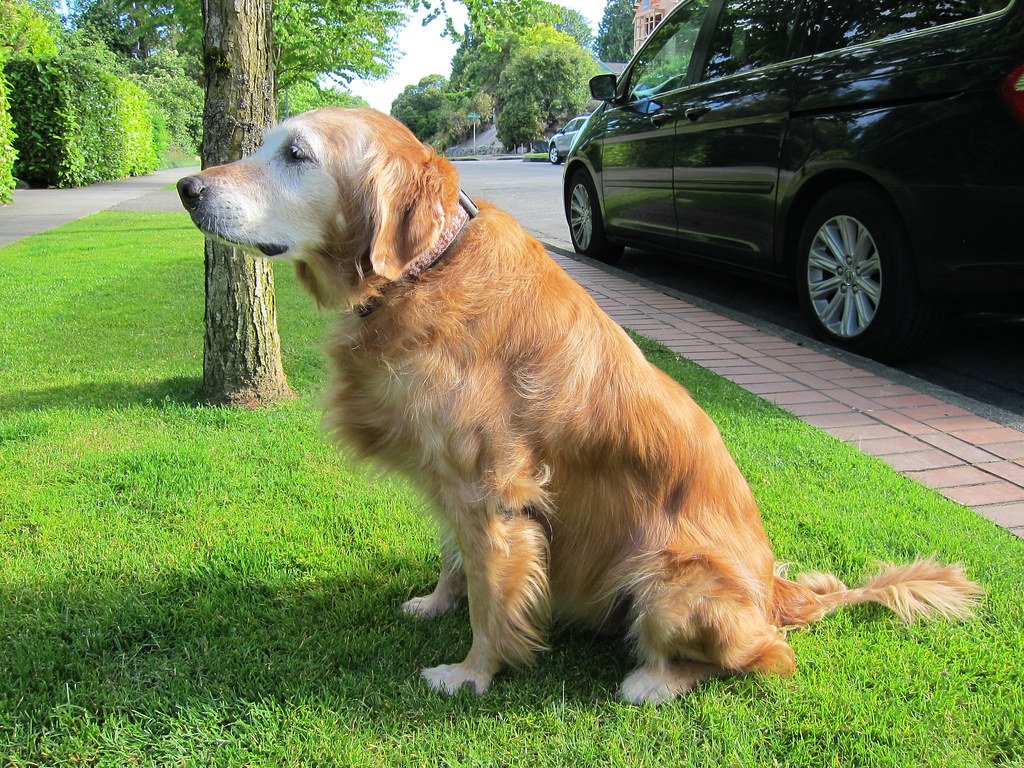
A big part of being stranger-friendly is learning to stay calm in unfamiliar situations. You can help your dog by gradually exposing them to new environments and people, starting with less intimidating settings. For example, take your dog on walks in quiet neighborhoods before moving on to busier parks or crowded streets. Each outing is a chance for your dog to practice staying calm and curious, rather than overwhelmed or fearful.
Desensitization takes time and patience. If your dog shows signs of stress—like cowering, growling, or trying to escape—give them space and try again another day. The goal is to build positive associations and slowly increase your dog’s comfort level. Think of it like helping a child get used to the first day of school: gentle, gradual exposure is much more effective than diving in headfirst.
Teaching Boundaries and Manners

Just as important as friendliness is teaching your dog when not to approach strangers. Not everyone is a dog person, and some situations call for restraint. Training your dog to respond to cues like “leave it” or “stay” can prevent unwanted interactions and keep everyone safe. Start practicing in low-distraction environments and gradually work up to more challenging settings.
Polite manners go a long way in making your dog welcome wherever you go. Teach your dog not to jump up on people or bark uncontrollably when meeting someone new. Consistent training, combined with lots of praise for good behavior, helps your dog understand what’s expected. Think of it as teaching your dog the social rules of the human world—a gift that will serve them for life.
Handling Setbacks With Patience
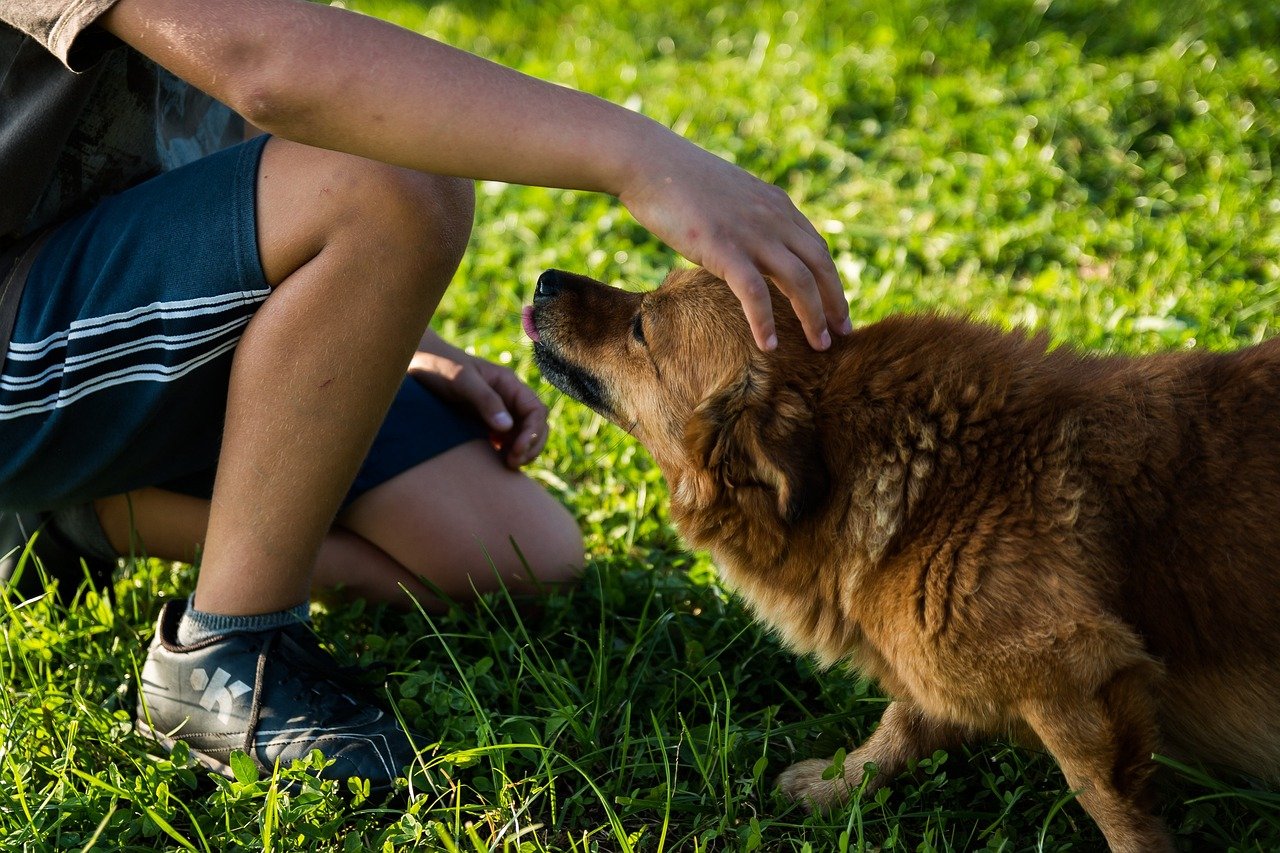
Progress isn’t always a straight line. Some days your dog may greet strangers with ease, while other days they seem to take a step back. Setbacks are normal and nothing to be ashamed of. The key is to stay patient and supportive, rather than frustrated or discouraged. Remember, your dog is learning to trust the world, and that takes time.
If an encounter doesn’t go as planned, simply return to a level where your dog feels comfortable and build up again from there. Celebrate the small wins, like a calm sniff or a wagging tail, and don’t dwell on the setbacks. Every experience is an opportunity to learn and grow—both for you and your dog.
Knowing When to Seek Professional Help
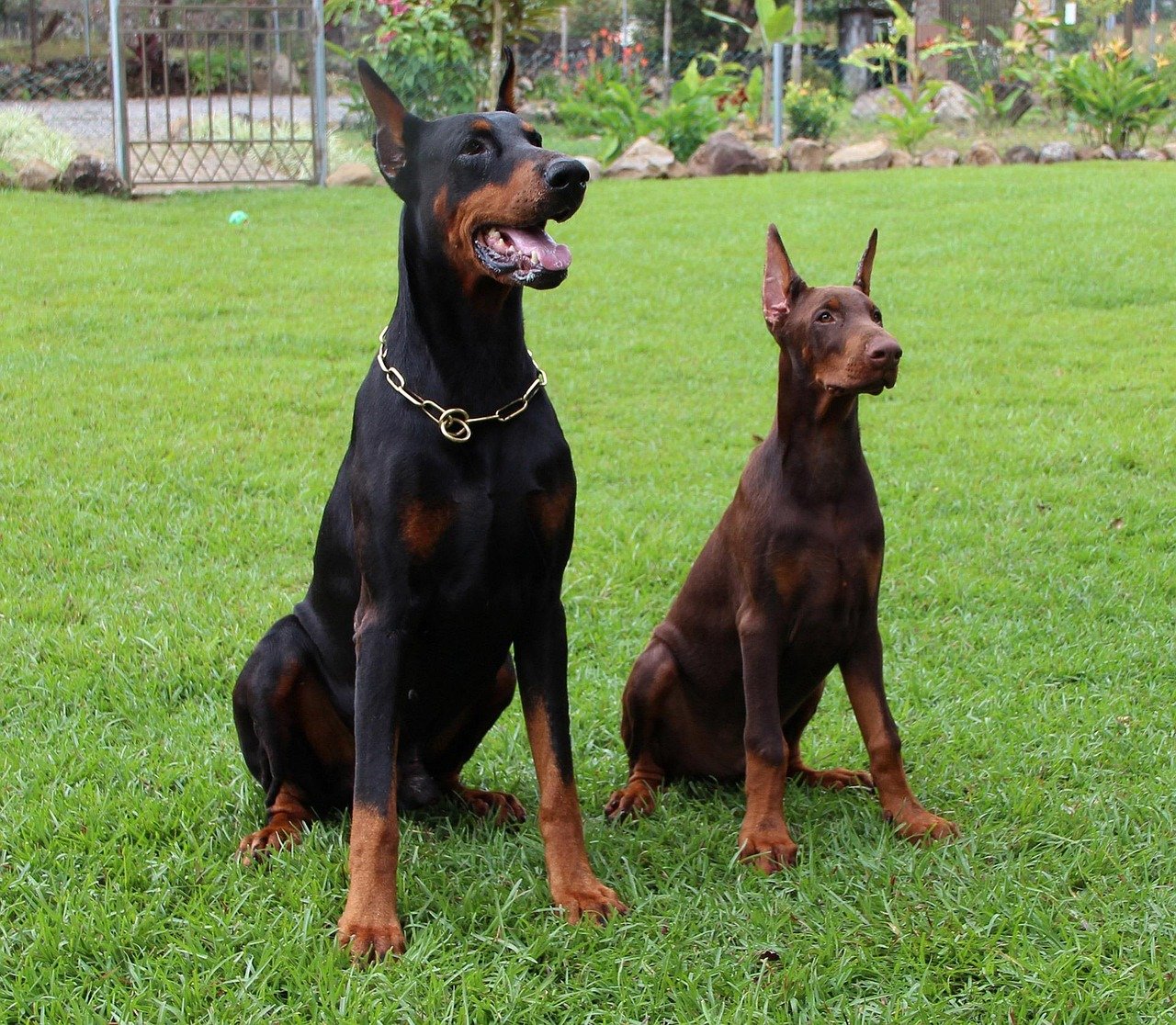
Sometimes, despite your best efforts, you might find your dog’s fear or aggression toward strangers is too much to handle alone. If your dog shows intense anxiety, lunging, or snapping, it’s wise to consult a professional dog trainer or behaviorist. These experts can assess your dog’s behavior and create a customized training plan to address specific challenges.
Professional help isn’t just for “problem” dogs—it’s a smart choice for anyone wanting to give their pet the best chance at a happy, social life. Trainers use proven, humane techniques and can offer support and encouragement when things get tough. Don’t hesitate to reach out if you feel stuck; sometimes a helping hand is all you need to make real progress.
Raising a dog that’s friendly with strangers takes time, patience, and consistent positive experiences. It’s about more than just obedience—it’s about building trust, confidence, and emotional balance in your pup. Through early socialization, gentle exposure, and respectful reinforcement, you can help your dog feel safe and relaxed around new people. Every dog is different, but with the right approach, even the most cautious pups can learn to greet strangers with curiosity instead of fear. In the end, a well-socialized dog isn’t just easier to live with—they’re happier, more adaptable, and a true joy to be around in any setting.


