
Why Some Dogs Secretly Struggle Living in a Human-Centered Home
Have you ever looked into your dog’s eyes and wondered what’s really going on behind that soulful gaze? As much as we adore our furry companions, sometimes the modern, human-focused home can quietly challenge their well-being in ways we hardly notice. It’s easy to miss the subtle signs that your best friend is trying to adapt, even when it’s tough for them. Let’s pull back the curtain on what our pups might be hiding—and how we can help them feel truly at home.
The Hidden Toll of Constant Noise and Activity

Dogs, especially sensitive breeds, can become overwhelmed by the constant hum of TVs, doorbells, and chatter. While we’re used to these sounds, for many dogs, it can feel like living in the middle of a busy city square all day long. Some will retreat to quiet corners, while others may pace, whine, or even become snappy, signaling their stress.
If your dog startles easily or seems nervous in noisy situations, they might be struggling to cope. Creating a safe “quiet zone” in your home, with comfy bedding and fewer disturbances, can help your pup decompress. Watch for subtle cues like excessive yawning, lip licking, or avoiding eye contact—they’re often silent cries for peace.
Lack of Canine Communication and Socialization
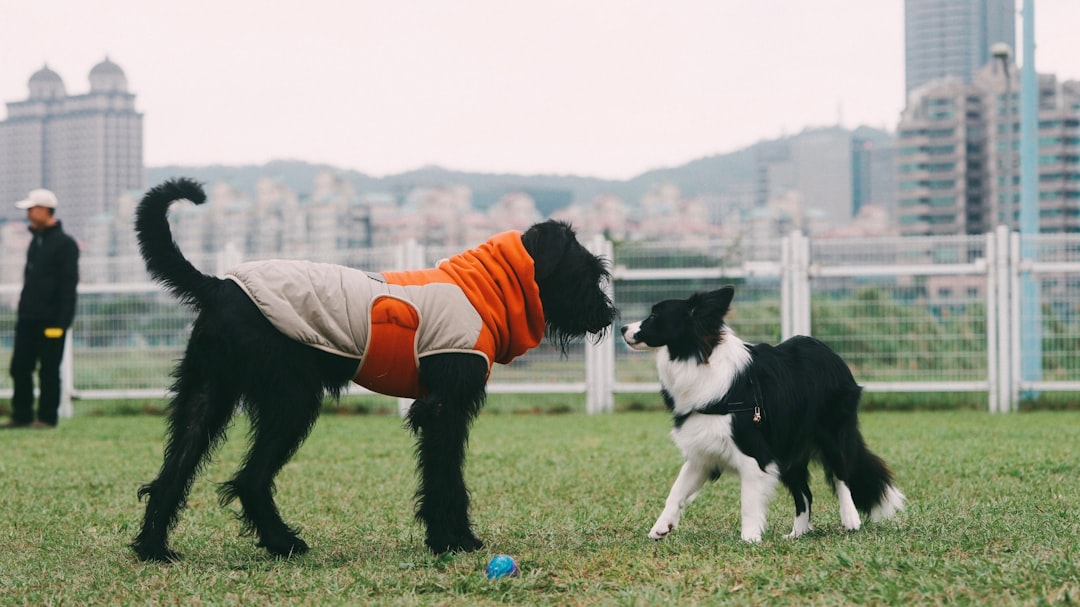
Dogs speak their own language—through tail wags, play bows, and even gentle nips. In a human-centered world, they often have to suppress these instincts, leading to frustration or confusion. Imagine trying to communicate in a foreign country where no one understands you!
If your dog seems withdrawn or acts out with unwanted behaviors, they may be craving more dog-to-dog interaction. Safe playdates or visits to a reputable dog park can be vital. Even a few minutes of sniffing another dog on a walk can fill their social cup and ease their loneliness.
Unmet Exercise and Exploration Needs

Our busy lives often mean dogs are left indoors, longing for adventure. Many breeds are born explorers, but a lack of physical and mental stimulation can lead to boredom or destructive habits like chewing furniture or digging at carpets.
Try to mix up your dog’s routine with new walking routes, interactive toys, or simple games like hide-and-seek with treats. Even short, sniff-filled strolls can make a world of difference. When a dog’s tail wags with excitement at the leash, you know you’re on the right track!
Overlooked Physical Health Signs

Sometimes, a dog’s struggle is physical rather than emotional, but the signs can be easy to miss in a busy household. Subtle shifts—like changes in appetite, limping, or increased sleeping—might be brushed off as quirks when they’re really cries for help.
Regular checkups and paying attention to minor changes can catch issues early. If your dog starts hiding, licking a certain spot, or seems less playful, it’s worth a closer look. Our pups can’t use words, so their bodies do the talking for them.
The Stress of Tight Schedules and Alone Time
Dogs thrive on routine, but modern life sometimes means long stretches alone or unpredictable schedules. Many pups struggle with separation anxiety, which can show up as barking, accidents, or even destructive chewing when left home.
If your dog greets you with frantic excitement or seems glued to your side, they may need more reassurance. Leaving puzzle toys, calming music, or a comforting item of clothing can help. A consistent goodbye and hello ritual can also ease their worries and foster a sense of security.
Human Rules That Don’t Make Sense to Dogs

Dogs don’t always understand why they can’t jump on the couch or beg at the table. Human rules, while necessary, can feel confusing and even unfair from a canine perspective. Dogs crave clear, consistent boundaries—without mixed signals.
Training with positive reinforcement helps your pup understand what’s expected. Instead of punishment, reward good behavior and redirect the bad. When your dog knows the house rules, life feels less like a guessing game and more like a team sport.
Diet Dilemmas and Hidden Food Stress

What we feed our dogs matters—a lot. Human food or inconsistent feeding times can upset their stomachs or leave them feeling unsatisfied. Some dogs may develop food guarding behaviors or beg constantly, signaling their needs aren’t being met.
Stick to a regular feeding schedule and choose high-quality food suited to your dog’s size, age, and activity level. Pay attention if your dog seems obsessed with food or, conversely, uninterested in meals. These can be signs of stress or an underlying health concern.
How Small Changes Make a Big Difference

Supporting your dog’s emotional and physical comfort doesn’t have to mean overhauling your life. Sometimes, it’s as simple as a daily snuggle, an extra walk, or being present and observant. Each dog is different; what works for one may not work for another.
By tuning into your dog’s personality, body language, and daily habits, you build trust and understanding. The more you listen, the more your home becomes a true haven for your four-legged friend.