
5 Ways to Cool Down Your Dog In Summer (And 5 To Avoid Completely)
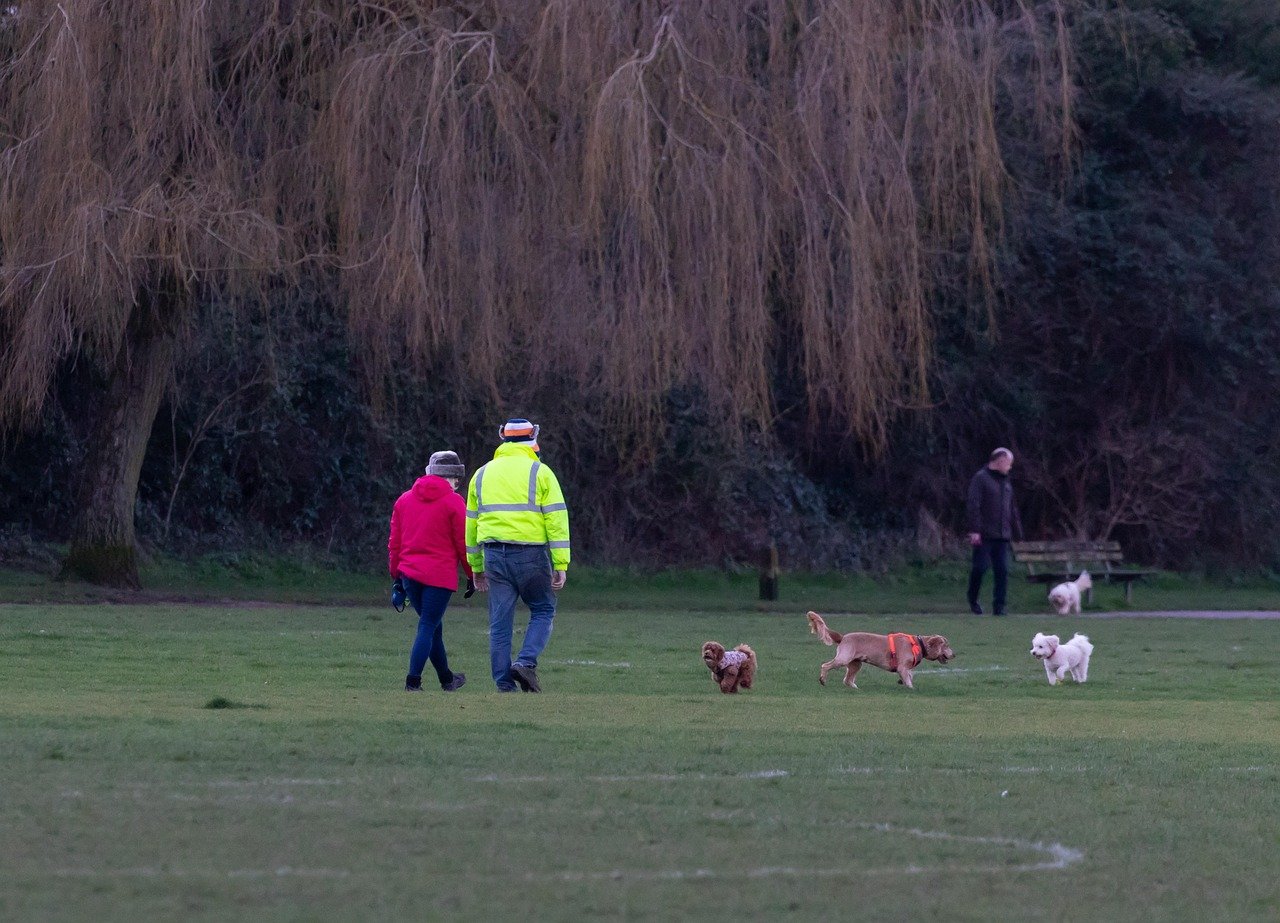
Ever watched your dog panting hard, eyes droopy, as the summer sun blazes outside? It’s a sight that tugs at the heartstrings. Dogs are family, and seeing them uncomfortable or at risk is just not an option for any loving owner. When the temps rise, it’s not just about comfort—it’s about safety. Heatstroke in dogs is more common than many people think, and it can sneak up quickly. With a little know-how and a lot of love, you can keep your furry friend cool, safe, and happy all summer long. Let’s dive into the best—and the worst—ways to help your dog beat the heat.
Encourage Rest in Shady Spots
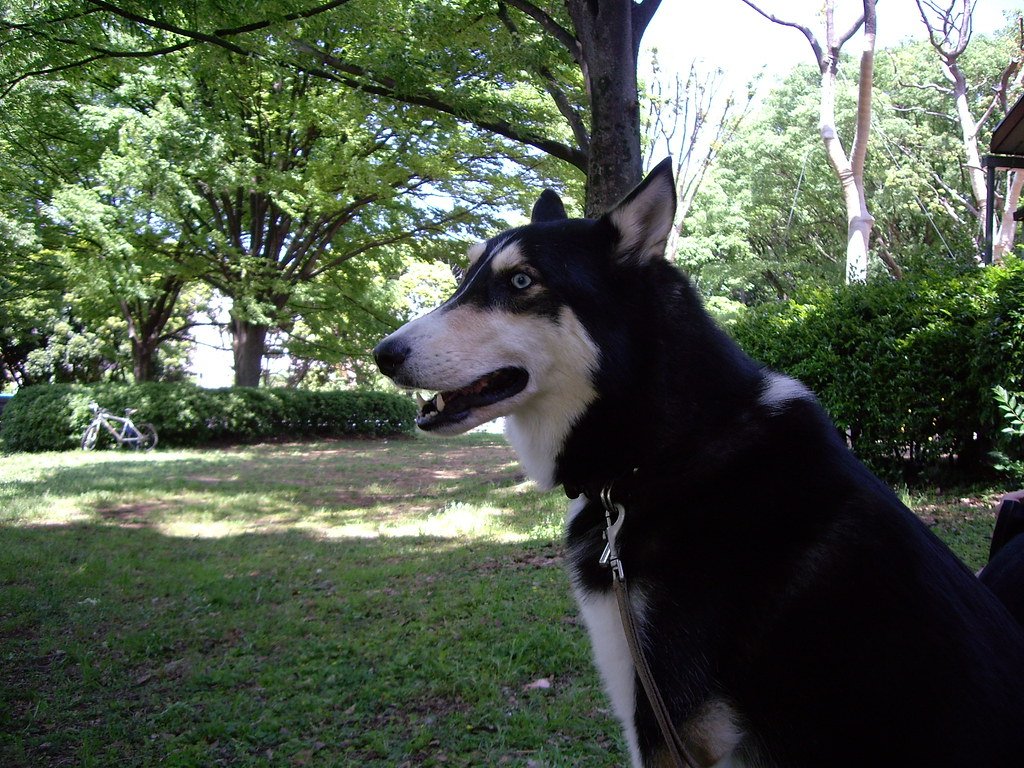
Dogs love basking in the sun, but too much can be dangerous. Make it inviting for your pup to retreat to cool, shaded areas, whether that’s under a tree, a porch, or a pop-up shade tent. You might notice your dog seeking out the tiniest patch of shade on a walk—listen to their instincts and let them rest.
At home, you can drape a sheet over chairs to create a simple, shady den. Watch for signs like excessive panting, drooling, or lying flat on cool surfaces—these are clues your dog needs a break from the heat. Shady rest isn’t just comfort; it’s prevention.
Provide Plenty of Fresh, Cold Water
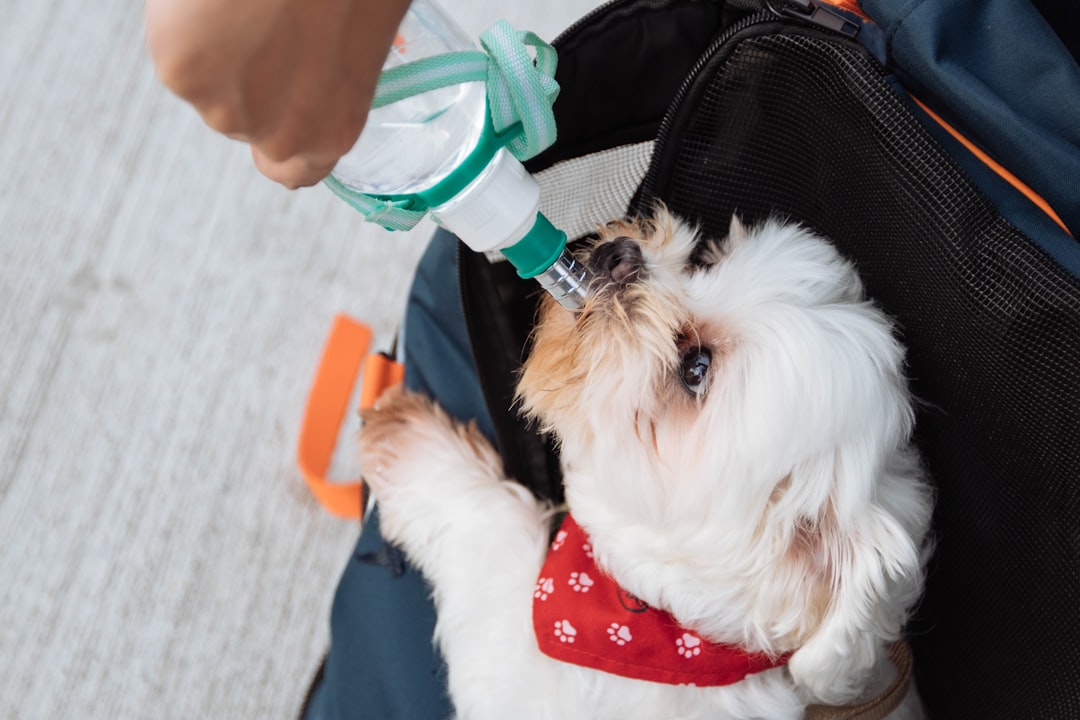
Hydration is a dog’s best friend in the summer. Always keep bowls filled with cool, clean water and refresh them often. A tip I swear by: toss a few ice cubes into the bowl—most dogs love the crunch, and it helps keep the water cold longer.
If you’re out and about, bring a portable water bottle designed for dogs. Dehydration can show up as dry gums, sunken eyes, or lethargy. Encourage frequent sips, even if your dog doesn’t seem thirsty. Prevention here is as simple as a full water bowl.
Use Cooling Mats or Damp Towels
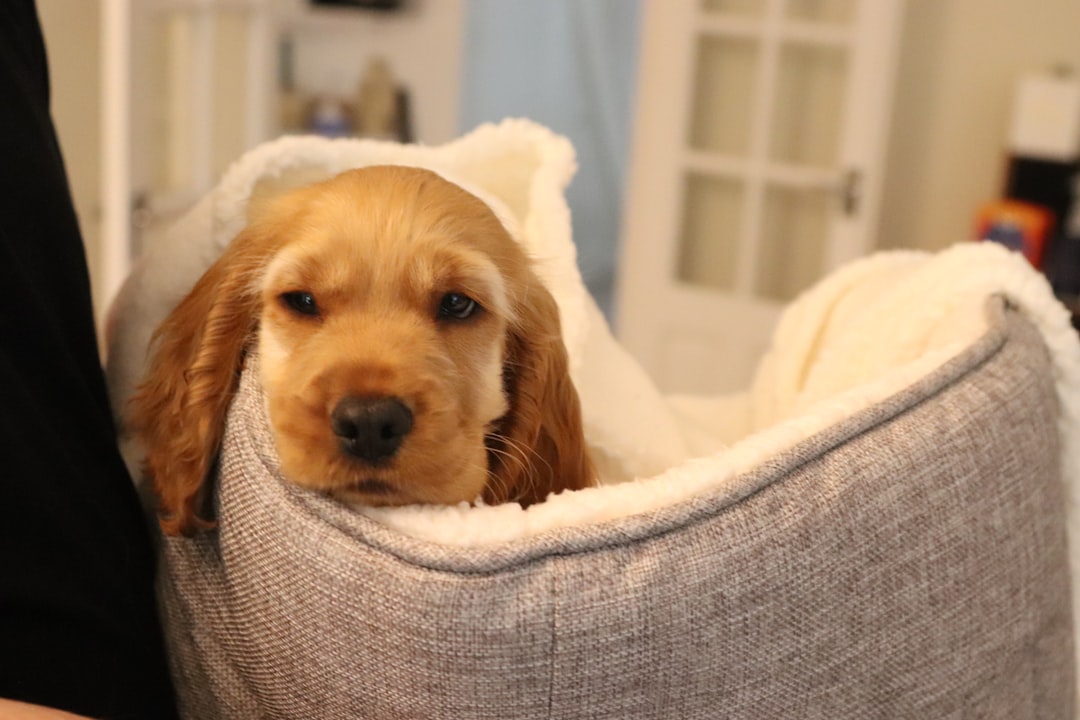
Cooling mats are like magic carpets for overheated pups. These special mats use gels or water to draw heat away from your dog’s body. Just place one in your dog’s favorite spot and watch them flop down with a sigh of relief.
No mat? No problem! A damp towel works wonders. Lay it on the floor or gently drape it over your pup for a quick cool-down. Some dogs will even lie on the bathroom tiles. If your dog seems restless or keeps shifting around, they may be searching for a cooler place—offer them one.
Time Walks Early or Late
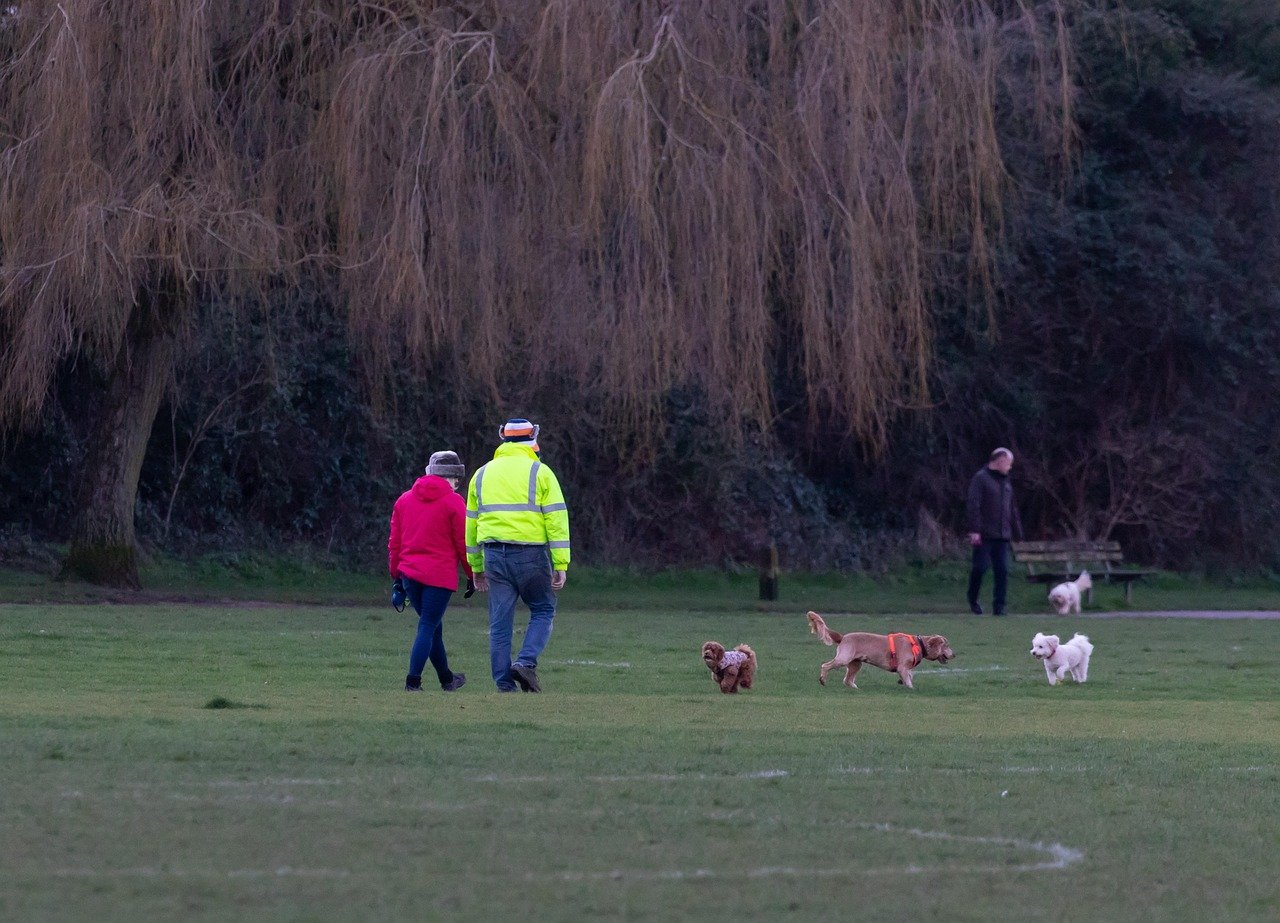
Midday sun can turn pavement into a frying pan. Schedule walks for early morning or late evening, when the ground is cooler and the sun less intense. Test the pavement with your hand—if it’s uncomfortable for you, it’s too hot for your dog’s paws.
Pay attention to your dog’s pace. If they slow down, start panting heavier, or pull toward home, it’s a red flag. Keep walks shorter in the heat and always bring water. Your dog’s safety comes before your step count.
Offer Dog-Safe Frozen Treats
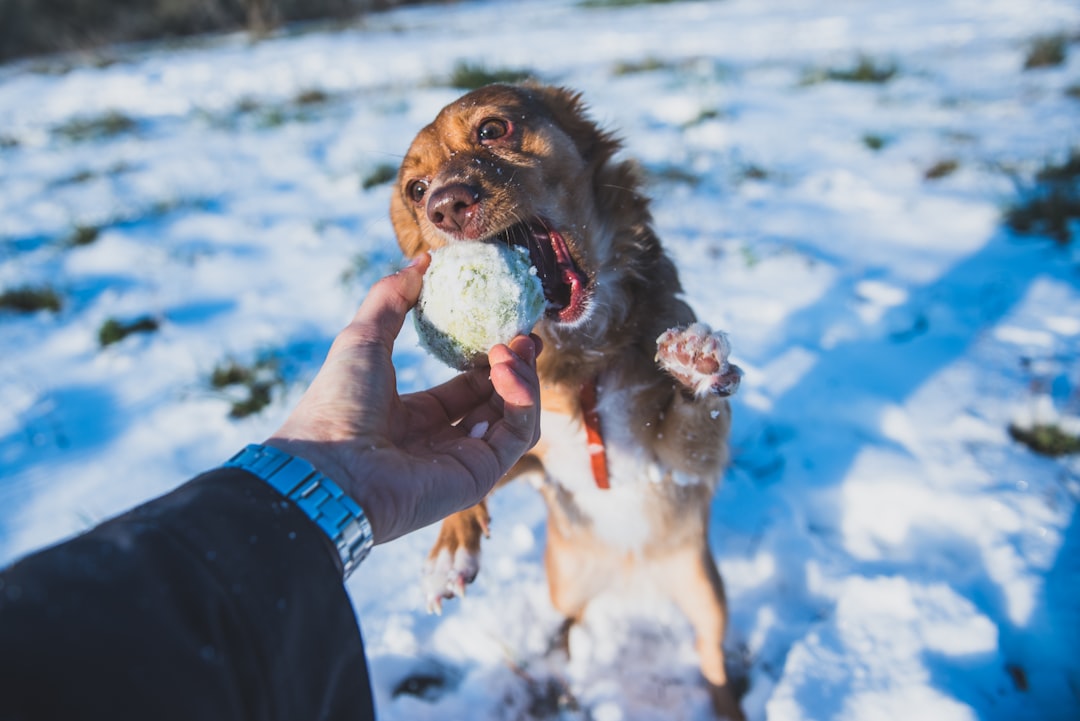
Frozen treats aren’t just a fun snack—they’re a great way to cool your dog from the inside out. Blend some plain yogurt, banana, or peanut butter (check for xylitol-free!) and freeze in silicone molds for a DIY pupsicle.
You can also freeze low-sodium broth in ice cube trays for a savory surprise. These treats can help distract a bored, overheated pup and provide a little extra hydration. Just remember, treats are for moderation, not a meal replacement.
Avoid Leaving Dogs in Cars—Ever
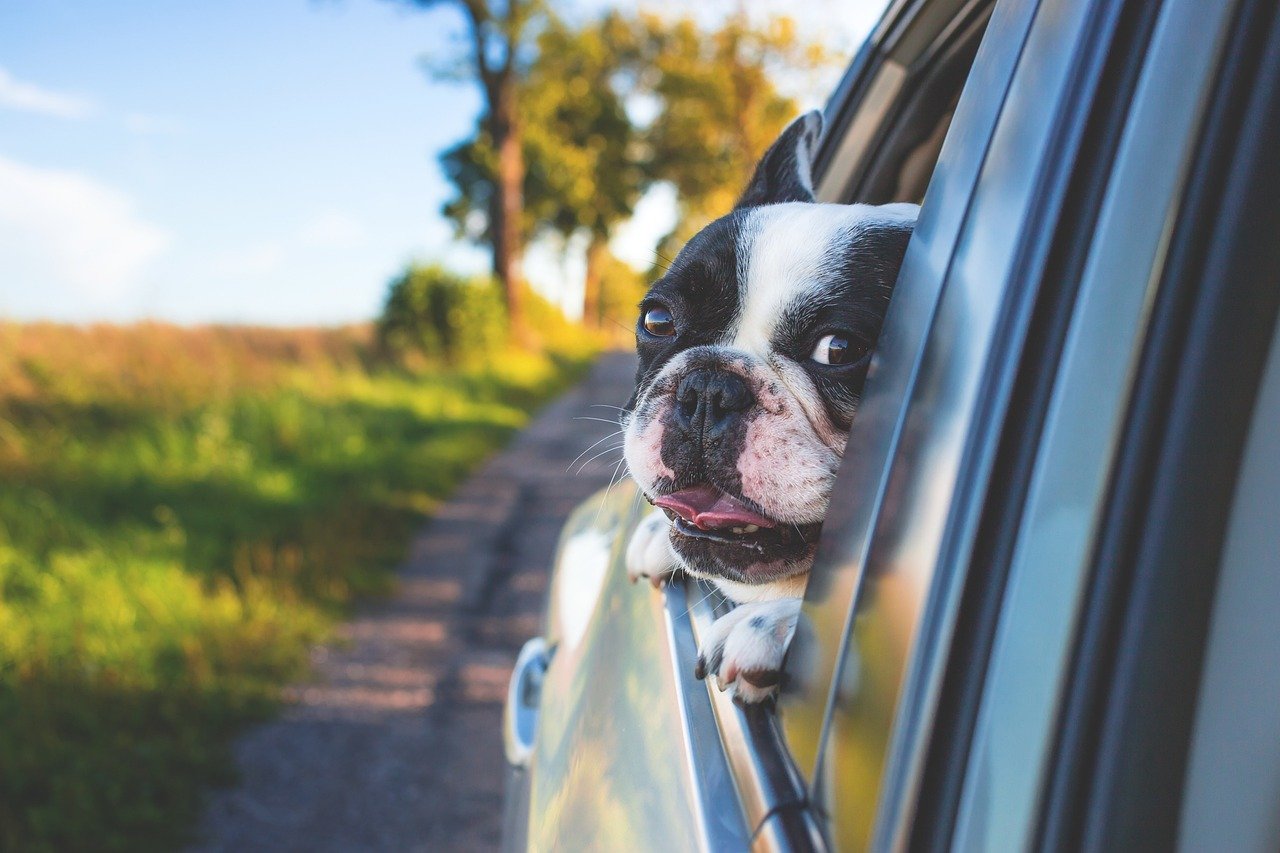
Even with windows cracked, a parked car can become deadly in minutes. Temperatures inside rise much faster than outside, and dogs can suffer heatstroke or worse before you’ve finished your errand. It’s a risk not worth taking—leave your dog at home when you shop.
If you ever see a dog left in a car, act fast: call for help and try to locate the owner. Signs of heat stress include glazed eyes, rapid panting, or vomiting. Remember, it’s always better to be safe than sorry.
Do Not Shave Double-Coated Breeds

It seems logical—less hair, less heat, right? Not for double-coated breeds like Huskies or Golden Retrievers. Their fur acts as insulation, keeping them cool and protecting their skin from sunburn. Shaving can actually backfire, leading to overheating and skin issues.
Instead, brush regularly to remove loose undercoat and help air flow through their fur. If you see pink skin, bald patches, or your dog scratching more, their coat may be compromised—talk to your vet before making any big grooming changes.
Avoid Over-Exercising in the Heat
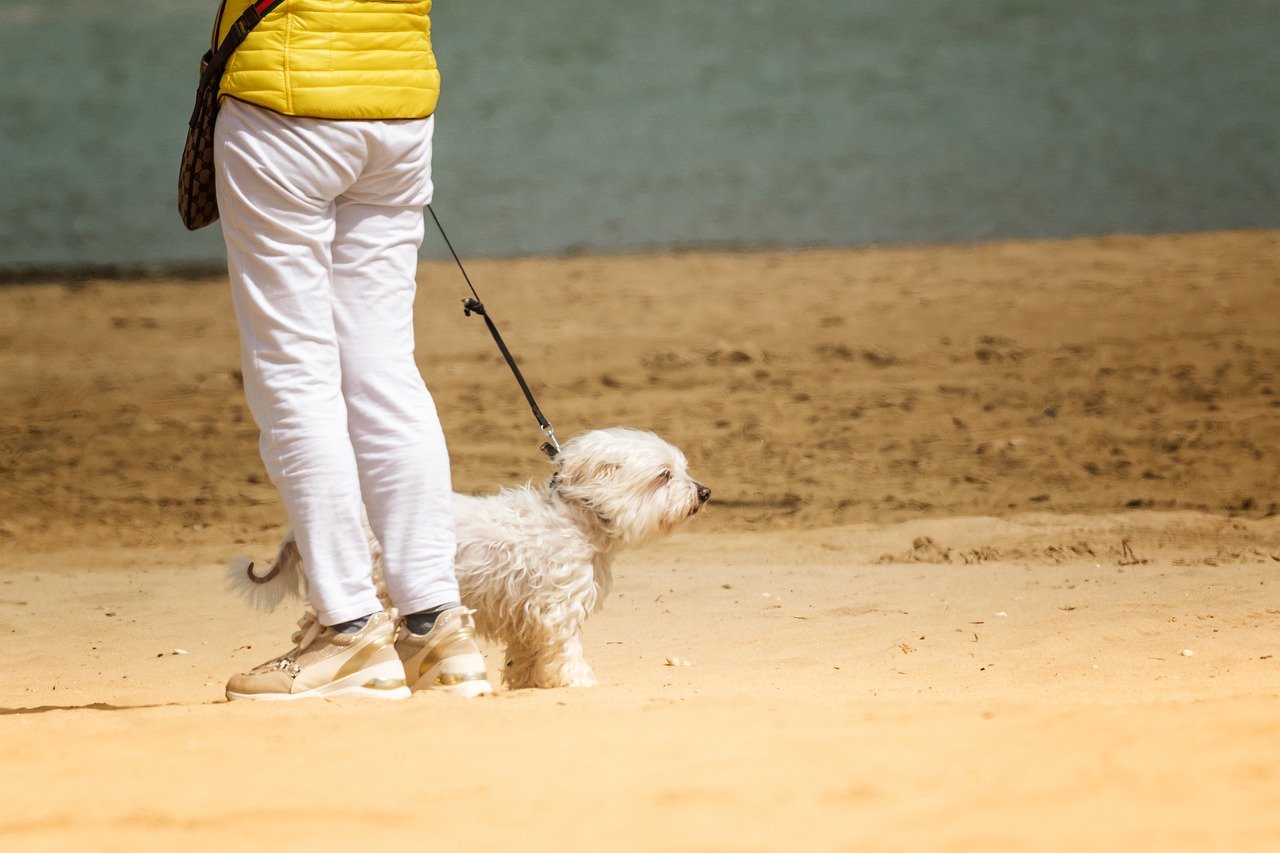
It’s tempting to stick to the usual play routine, but dogs can’t cool themselves like we do. Over-exercising in the heat can push them into dangerous territory quickly. Watch for heavy panting, stumbling, or suddenly lying down—these are urgent warning signs.
Swap out that midday fetch session for gentle games indoors or in the evening. If your dog loves to run, stick to shaded paths and keep sessions short. The fun can wait for cooler weather—your dog’s health can’t.
Don’t Rely on Fans Alone
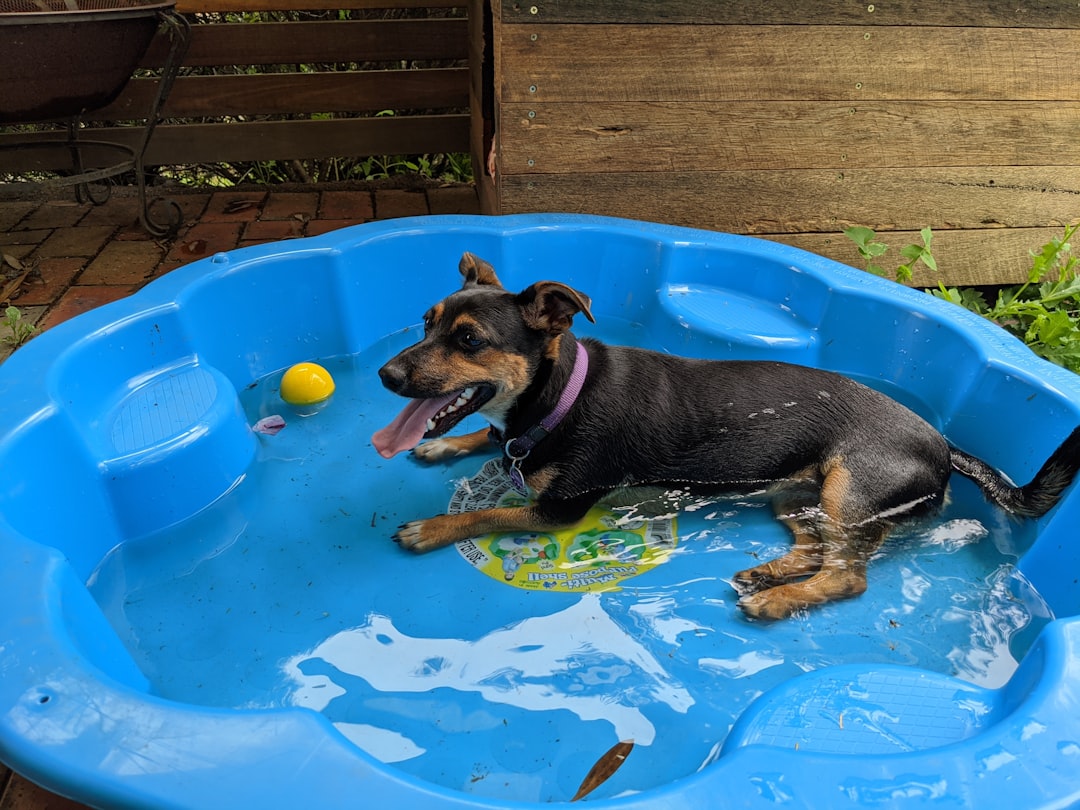
Fans work wonders for us, but dogs don’t sweat like people do. Fans alone won’t cool your dog effectively, especially if the air is hot and still. Relying solely on a fan can give you a false sense of security.
Instead, combine fans with other cooling methods—shady spots, damp towels, or even a small kiddie pool. Watch for signs of discomfort: if your dog is lying directly in front of the fan but still panting hard, they need a better solution.
Never Use Ice-Cold Baths or Ice Packs Directly
It might seem like a good idea to dunk your dog in icy water, but sudden extreme cold can shock their system and even make overheating worse. The goal is gradual cooling—not a polar plunge!
If you need to cool your dog quickly, use cool (not cold) water, and soak towels to gently drape over their body. Never put ice packs directly on their skin. If you notice your dog is unresponsive or breathing rapidly, call your vet immediately—it’s an emergency.