
Can A Large Dog Defeat A Coyote?
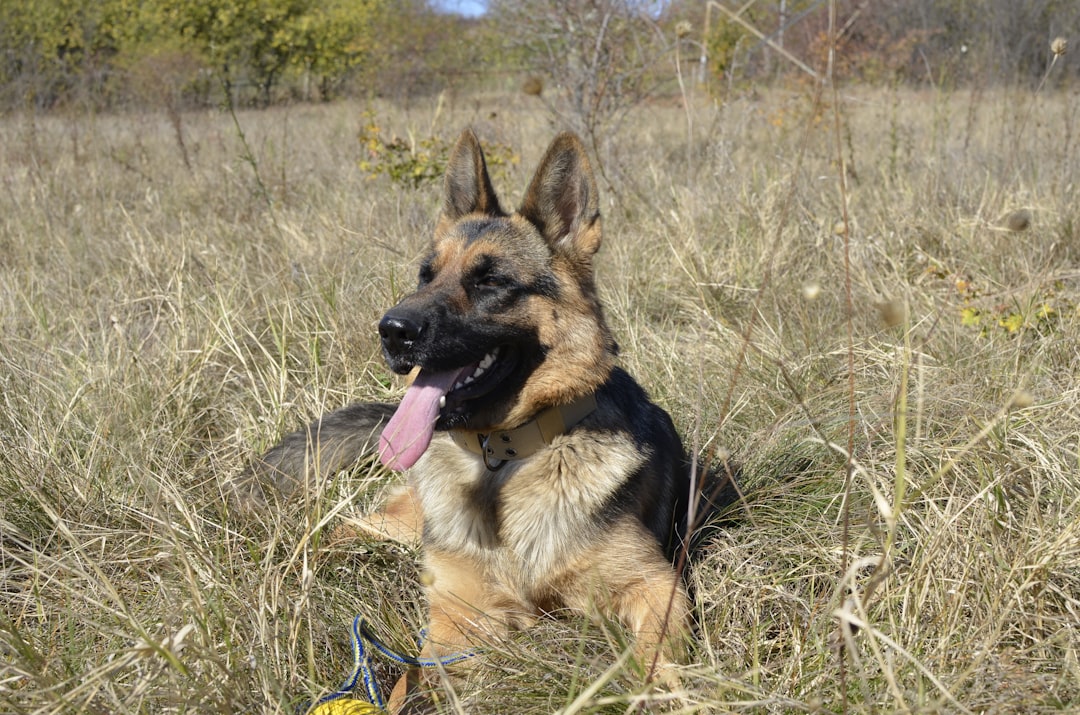
Imagine taking your beloved dog for a stroll at dusk, only to spot a coyote slinking across the field, its eyes reflecting the last rays of sunlight. The hair on your neck stands up. You wonder: if my dog encountered that wild animal, what would happen? This is a question that plagues many dog owners, especially those living near rural or suburban areas where coyotes are increasingly common. The idea of a showdown between a large dog and a cunning coyote is both thrilling and terrifying. But can a large dog actually defeat a coyote? Let’s dive into the fascinating world of canine confrontations and uncover the real risks, realities, and surprising facts behind this common fear.
The Natural Instincts of Coyotes
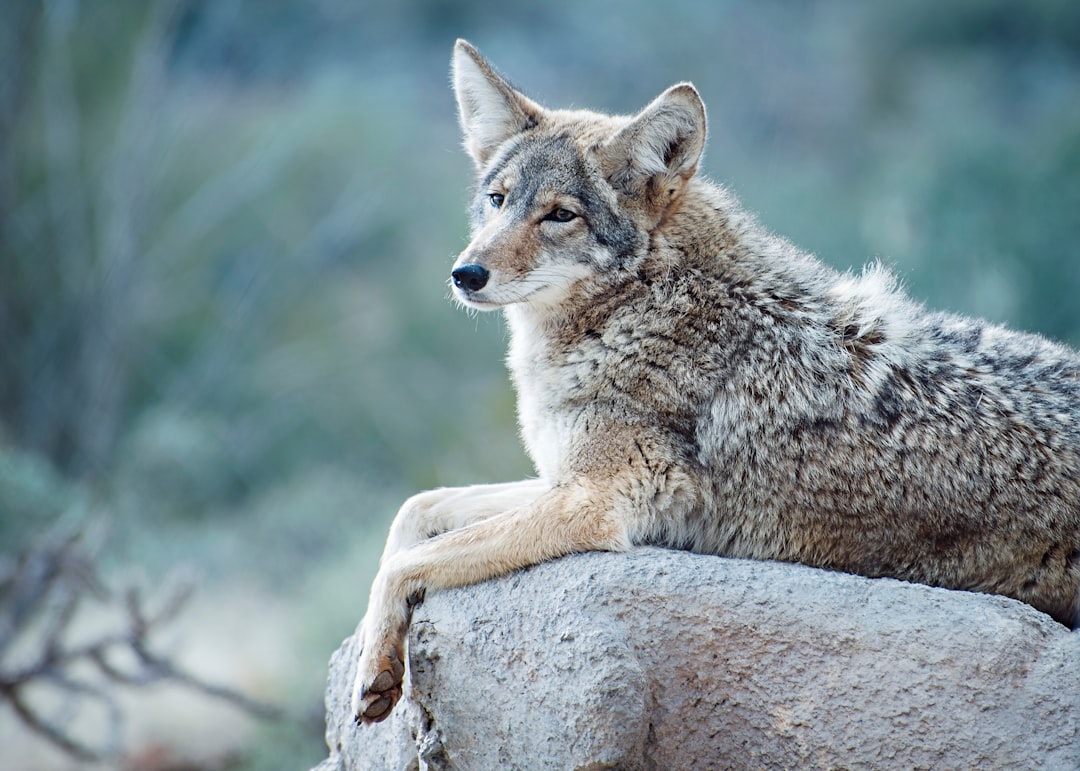
Coyotes are survivors. They’ve adapted to environments ranging from dense forests to bustling city parks, thriving where other wild animals might falter. Their instincts are razor-sharp—they’re clever, quick, and rarely pick a fight they’re not sure to win. Unlike domesticated dogs, coyotes hunt for survival, which means their every move is calculated for efficiency and safety. Coyotes often prefer to avoid confrontations with larger animals, but they won’t hesitate to defend themselves if cornered.
Coyotes are also incredibly resourceful. They’ll scavenge, hunt, and even work together in small family groups to take down prey or fend off threats. While they may look lean and fragile compared to a well-fed Labrador or German Shepherd, their agility and street-smarts give them a distinct edge. Think of a coyote like a streetwise cat—their main weapon is their brain, not just their brawn.
The Strengths and Limits of Large Dogs
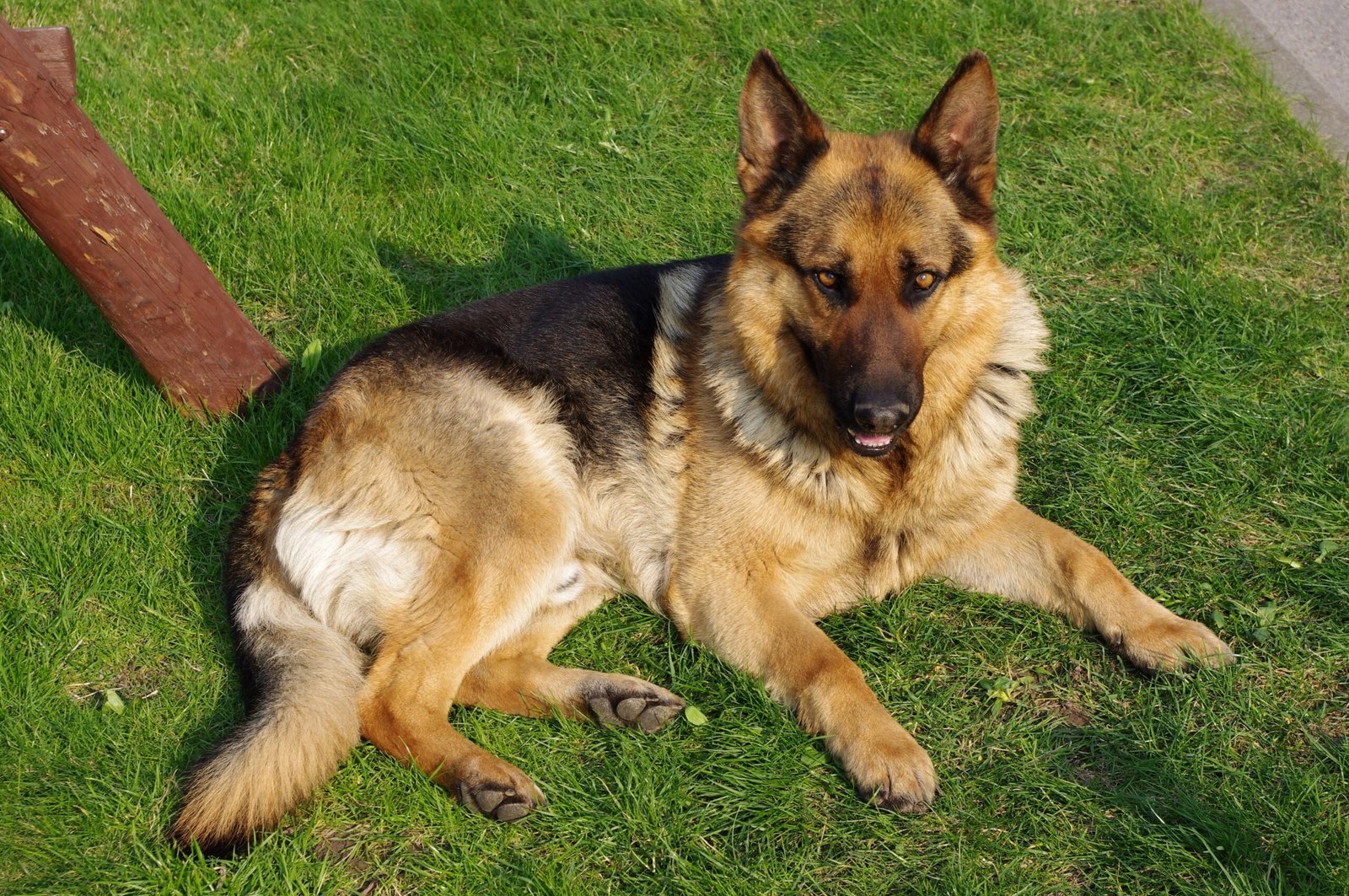
Large dogs, such as German Shepherds, Rottweilers, or Great Danes, can look intimidating. Their size alone is often enough to send smaller animals running for cover. These breeds were often developed for protection, herding, or hunting, giving them a natural confidence and physical prowess. A large dog’s muscular build, powerful jaws, and fearless spirit can make it a formidable opponent in many situations.
Yet, domestic dogs don’t always have the same survival instincts as wild animals. Most large dogs are protected, well-fed, and more used to a life of comfort than combat. While they might have impressive strength, they may lack the killer instinct and quick reflexes honed by a life in the wild. Some large dogs may even be more curious than aggressive when confronted with a coyote, which can put them at a disadvantage.
Size Versus Savvy: Who Has the Edge?
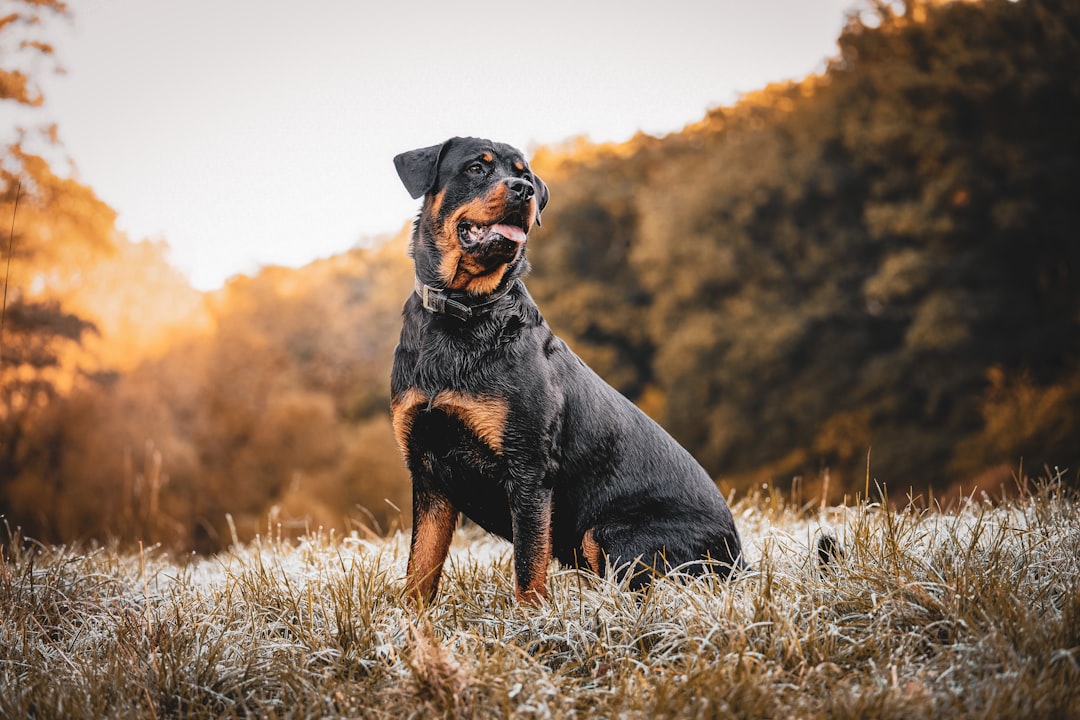
At first glance, it might seem obvious—a large dog should be able to overpower a coyote, right? The difference in size alone can be significant, with some big breeds outweighing coyotes by 30-50 pounds. A dog’s sheer strength, especially in breeds bred for guarding or working, shouldn’t be underestimated.
However, coyotes are not foolish adversaries. They rarely fight fair. Instead of direct confrontation, a coyote might use hit-and-run tactics, darting in to nip at a dog’s legs or flank before quickly retreating. Coyotes also use their environment to their advantage, slipping through underbrush or leaping over obstacles. In many cases, a coyote will retreat if faced with a dog that looks determined and strong, but if forced to fight, their cunning may tip the scales.
Behavioral Differences: Wild Versus Domesticated
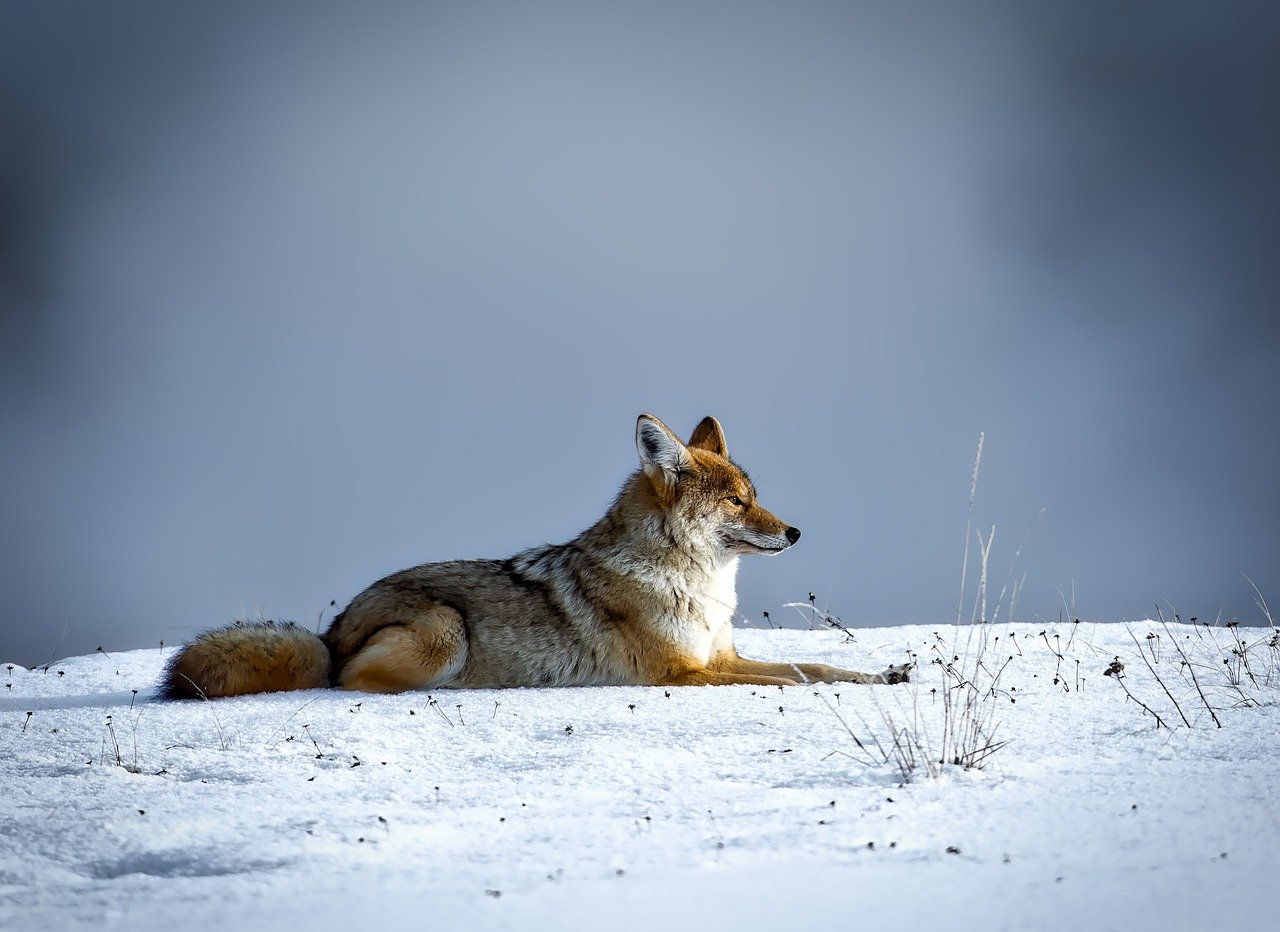
The behavioral gap between a coyote and a domestic dog is wider than most people realize. Coyotes live by their wits, constantly alert to threats and opportunities. Their survival depends on reading situations fast and reacting even faster. They’re used to hardship and have developed a range of tactics to escape danger or secure a meal.
Domestic dogs, on the other hand, often rely on their owners for cues. Even the bravest big dog can be caught off guard by the unpredictability of a wild coyote. Many large dogs have been bred for gentleness or companionship, not aggression. Some may bark or chase, but others might freeze or even try to play. When instincts clash, it’s often the animal with the sharpest survival skills who comes out ahead.
Real-Life Encounters: What Usually Happens?
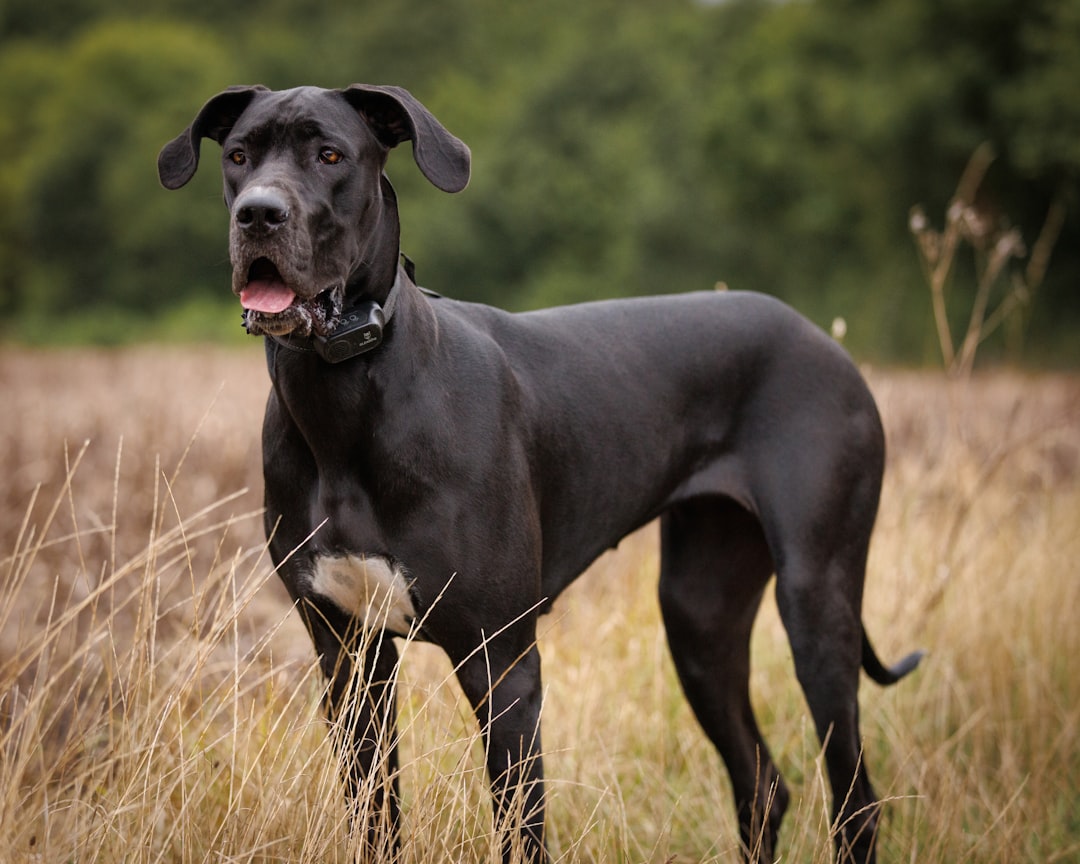
Stories of dogs defending their homes from coyotes aren’t uncommon, especially in rural neighborhoods. Sometimes, a large dog will successfully scare off a coyote just by standing its ground and barking. There are also reports of more direct confrontations, where the dog manages to chase the coyote away or even injures it.
But not every encounter ends in victory for the dog. Coyotes often travel in pairs or small groups, and a lone dog can quickly find itself outnumbered. Injuries to both animals are possible, and in rare cases, even large dogs have been hurt or killed, especially if the coyote is desperate or defending its young. The outcome is never guaranteed and depends on countless factors—from the animals’ health to the terrain and the element of surprise.
Protective Instincts: When Dogs Defend Their Territory
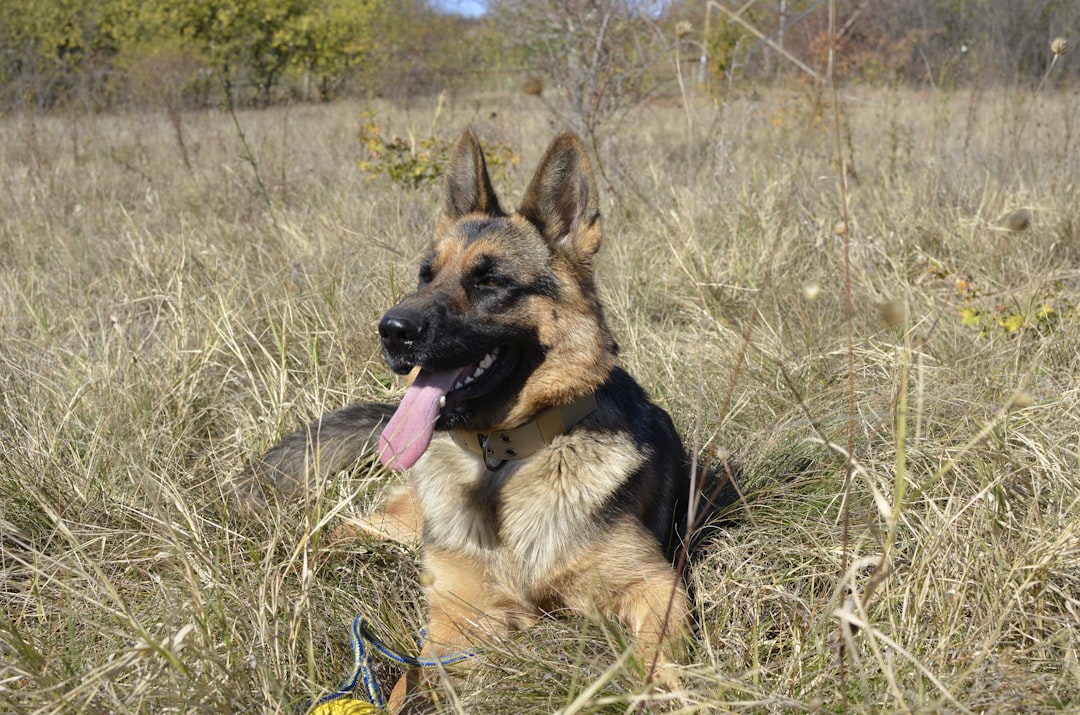
Large dogs are known for their loyalty and protective instincts. If a coyote wanders onto a dog’s territory, especially if there are puppies, children, or other pets around, many dogs will step up to defend their turf. Their booming bark, intimidating posture, and sheer presence can be enough to make a coyote think twice.
However, this protective drive can be a double-edged sword. A dog’s desire to defend its territory may lead it to take risks it wouldn’t otherwise take. Dogs can become overconfident or distracted, forgetting that the coyote has evolved to deal with threats much larger than itself. Sometimes, a dog’s bravery can put it in harm’s way, especially if the coyote is cornered and forced to fight back.
Packs and Partners: The Risk of Multiple Coyotes
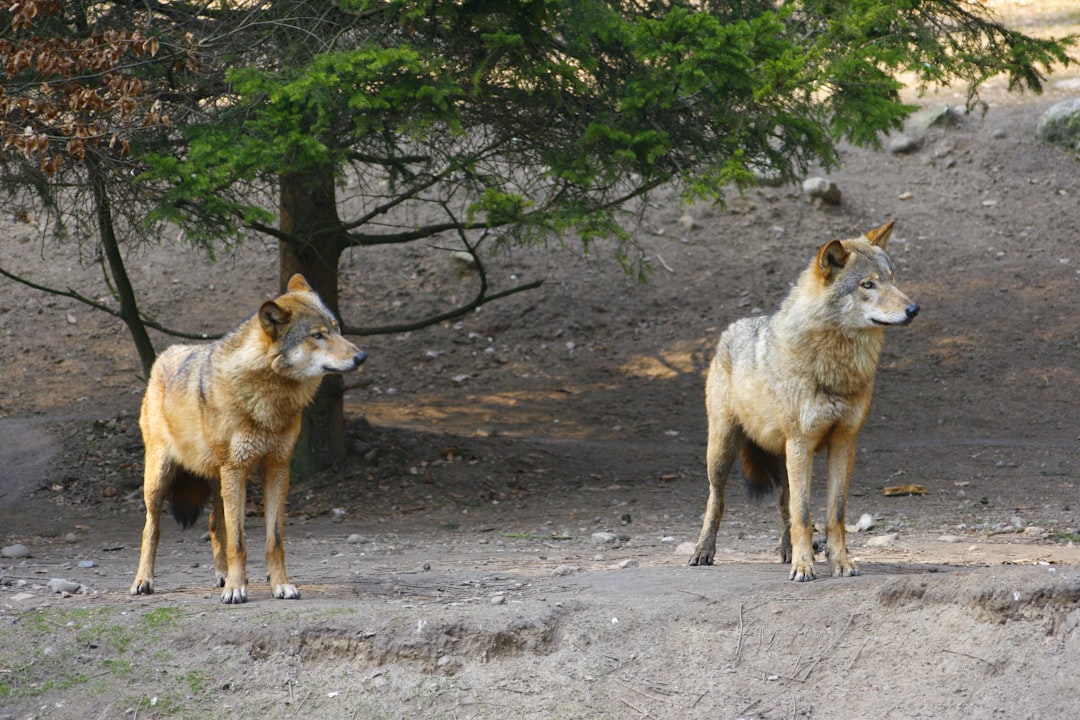
A single coyote is a challenge, but a pair or small group is a whole different story. Coyotes are known for their teamwork and will sometimes try to lure a dog away from its home or owner. One coyote may act as a decoy while others wait in the wings, ready to ambush a distracted or isolated dog.
Large dogs can hold their own against a solitary opponent, but facing multiple coyotes increases the danger significantly. The dynamics shift, and the dog is suddenly outmaneuvered by animals that have spent their entire lives working as a team. This is why experts warn dog owners to never let their pets confront a group of coyotes, no matter how big or brave the dog may seem.
Precautions for Dog Owners: Safety Above All
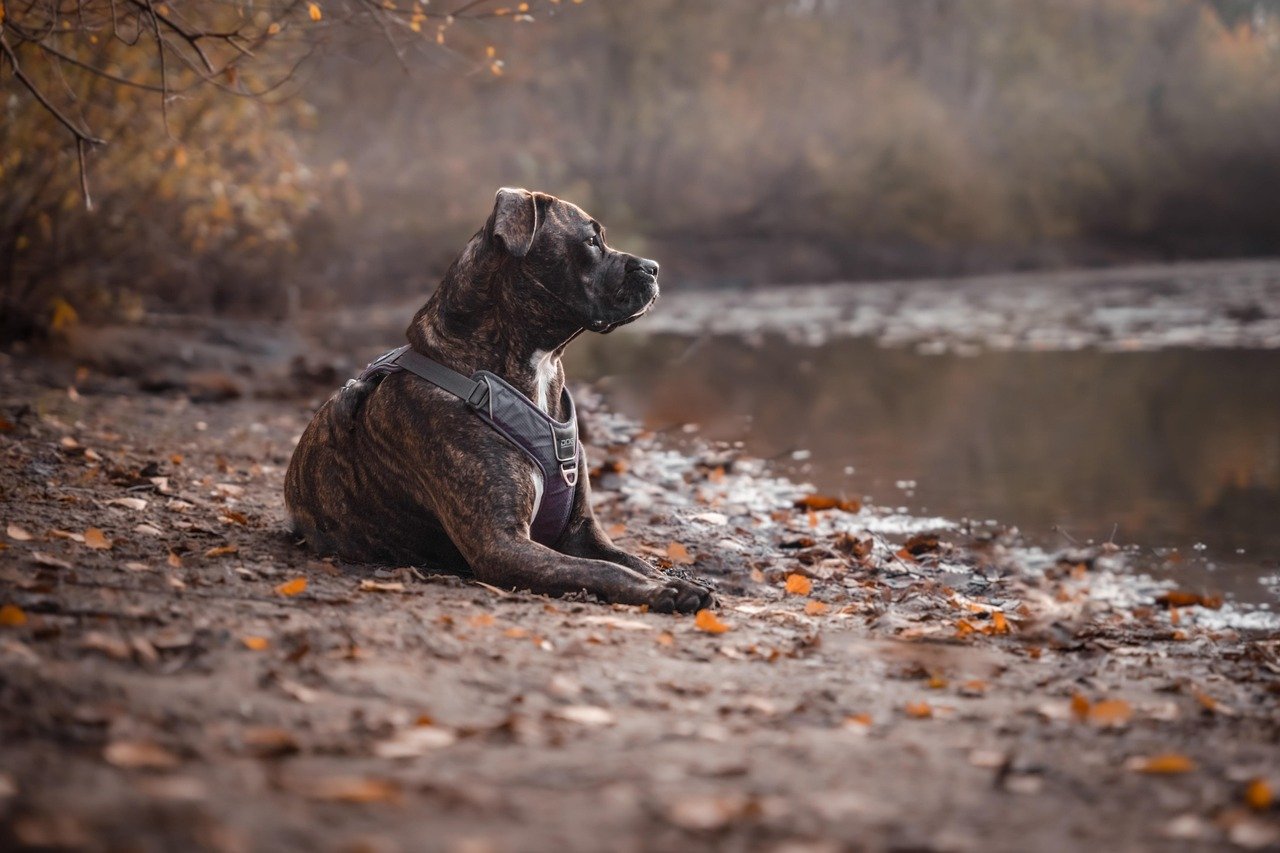
For those living in coyote country, there’s no substitute for vigilance. Keeping dogs leashed, especially during dawn or dusk when coyotes are most active, can prevent accidental encounters. Installing proper fencing and avoiding leaving food or garbage outside can also discourage coyotes from approaching your property.
Even the largest, bravest dog is no match for the unpredictability of wildlife. Training your dog to come when called and supervising outdoor time are simple steps that can make all the difference. Remember, the goal is not to test your dog’s strength against a coyote, but to keep both animals safe and out of harm’s way.
While a large dog may have the strength and size to fend off a coyote in some situations, the outcome isn’t always predictable—and it often comes with serious risk. Coyotes are agile, strategic, and sometimes travel in packs, making any encounter potentially dangerous. Rather than relying on your dog’s size or bravery, it’s far safer to prevent confrontations altogether through secure fencing, supervised outdoor time, and avoiding areas with known coyote activity. In the wild, survival isn’t about winning fights—it’s about avoiding them. Protecting your dog means staying alert, prepared, and prioritizing safety over showdowns.