
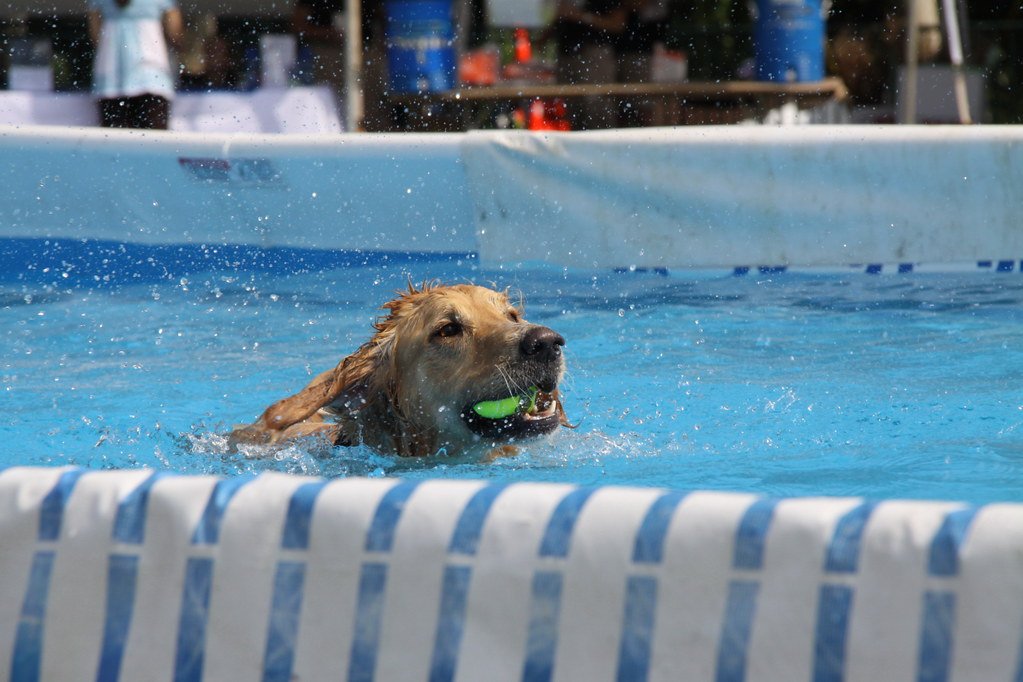
Do you ever wish your dog loved the water as much as you do? Just picture it: you’re paddling out on a sparkling lake, and your loyal buddy is right there—tail wagging, ready to leap in and join the splashy adventure. Not every dog is a born swimmer, but some breeds truly come alive around lakes, rivers, and oceans. If water sports are your happy place, you’ll want a companion who shares your passion and can keep up with your active lifestyle.
Labrador Retrievers: The Water-Loving Legends
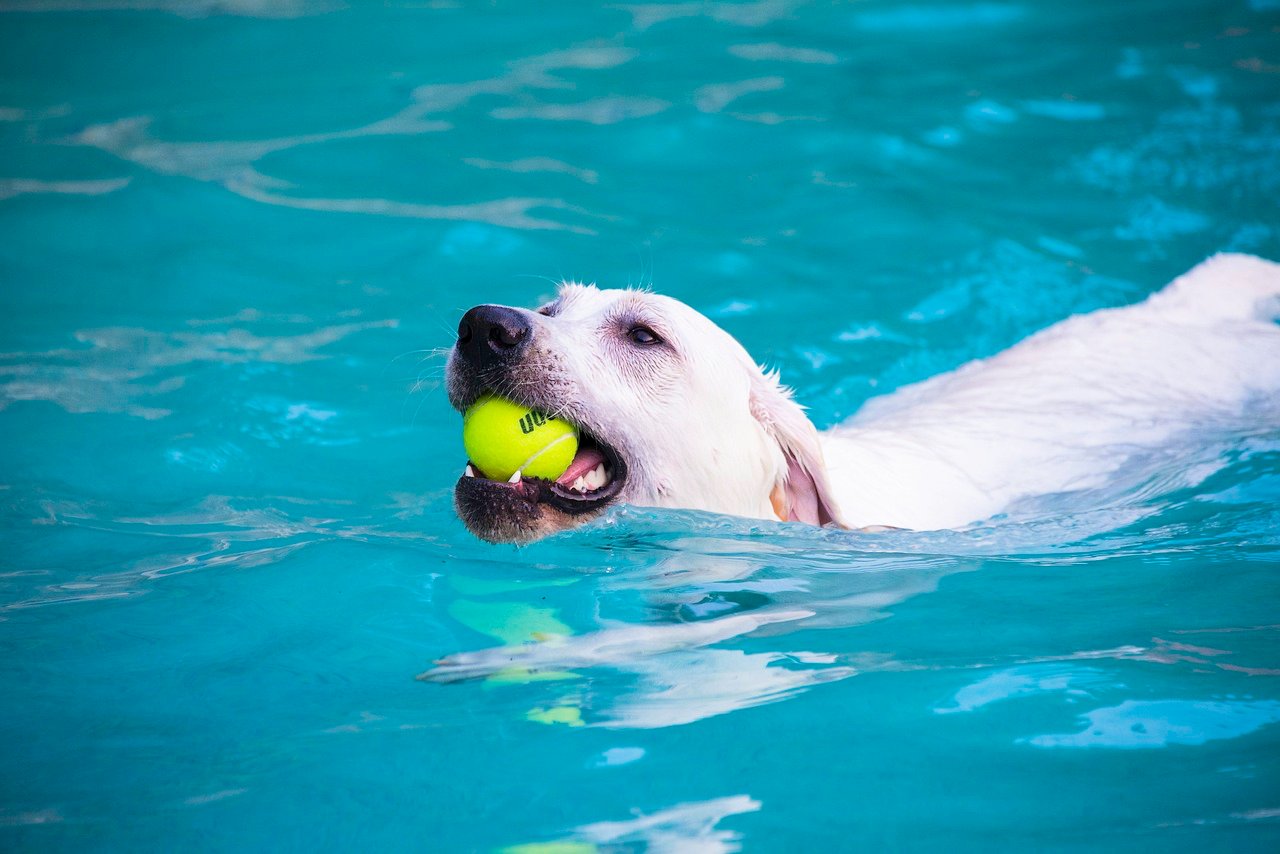
Labradors are practically synonymous with water fun. Their webbed paws and strong, muscular bodies make them natural swimmers, and their famous “otter tail” actually helps them steer in the water. It’s not uncommon to see a Lab joyfully launching himself after a stick or a floating toy, eyes bright and ears flapping.
This breed’s boundless energy and eagerness to please make them ideal for activities like dock diving, paddleboarding, and even kayaking. If you’re on the lookout for behavioral cues, a happy Lab will wag his tail in broad, swooping arcs and may even “talk” to you with excited barks when it’s time for a swim. Always keep an eye out for heavy panting or slowing down—these are signs your pup needs a break.
Golden Retrievers: Gentle, Graceful Swimmers
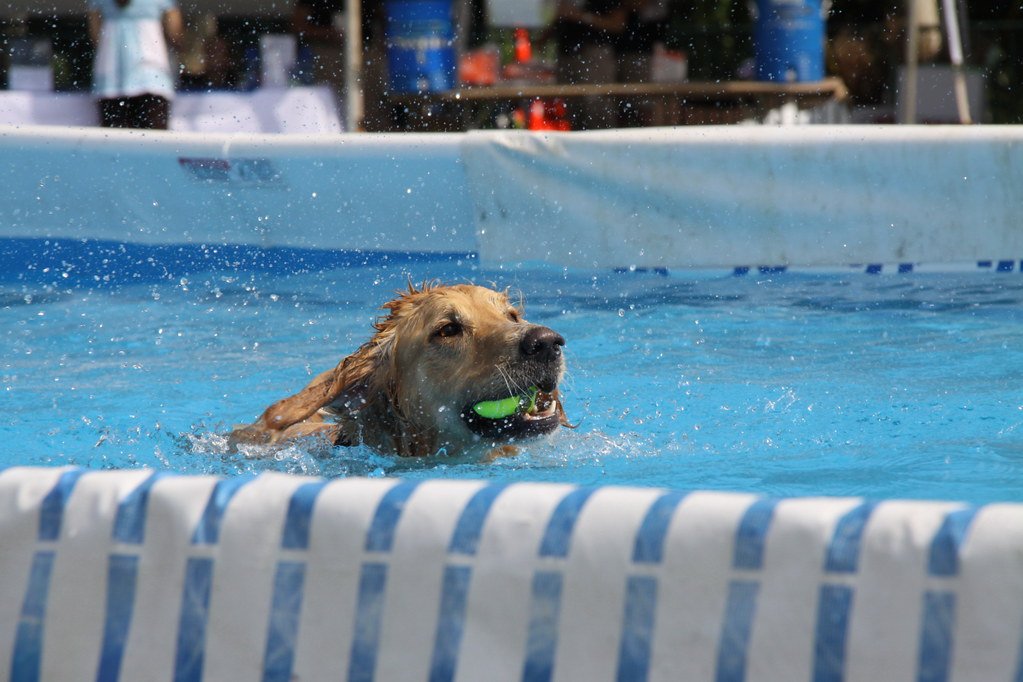
Golden Retrievers are the classic “family dog,” but don’t let their gentle nature fool you—they adore water. With their water-resistant coats and strong limbs, Goldens glide through the water with the grace of a small boat. They’re famous for their patience, making them fantastic companions for children learning to swim or paddle.
A Golden’s soft expression and relaxed body language are cues that your dog feels comfortable and safe. If your Golden seems hesitant about jumping in, try tossing a favorite toy close to shore first. And remember, ear infections can be common in this breed after water play, so always dry their ears carefully.
Portuguese Water Dogs: Born for the Waves
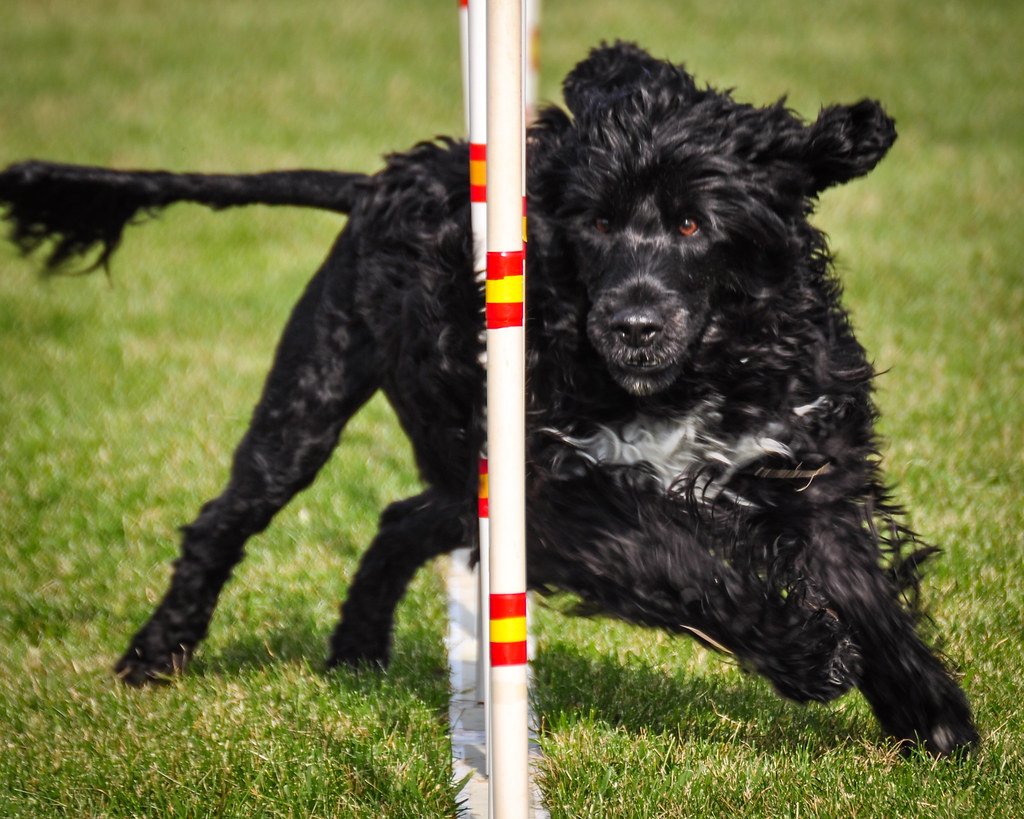
Once used by fishermen to herd fish into nets, Portuguese Water Dogs have an almost legendary love for aquatic adventures. Their curly, water-repellent coats and webbed feet are built for swimming, and they excel at agility sports on both land and water.
If your Portuguese Water Dog starts circling or nudging you near the water, take it as a sign they’re ready to dive in. They thrive on mental challenges, so mixing up fetch and water retrieval games can help keep them engaged. Keep an eye on their thick coats for matting and rinse off any salt or chlorine after a swim.
Newfoundlands: The Gentle Giants of the Water
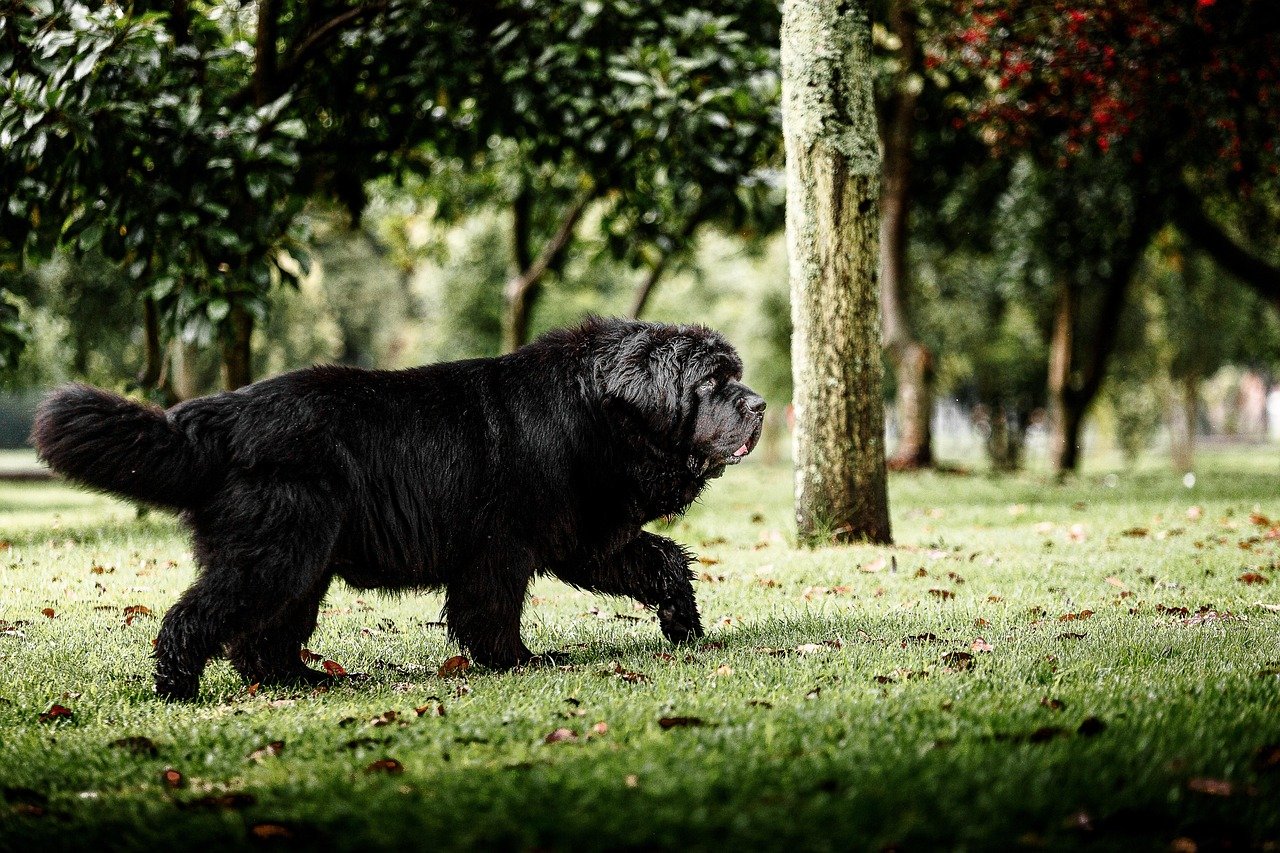
Despite their massive size, Newfoundlands are famously gentle and absolutely fearless in the water. Historically, they’ve been credited with heroic water rescues, thanks to their immense strength and natural lifesaving instincts. You might see a Newfie gently guiding children back to shore or calmly floating by your kayak, watching over the group.
Because of their thick, double-layer coats, it’s important to dry them well after swimming to prevent hot spots and skin infections. Keep sessions short at first and watch for signs of fatigue—Newfies can be stoic and may hide tiredness until they’re truly worn out.
Chesapeake Bay Retrievers: Rugged and Relentless
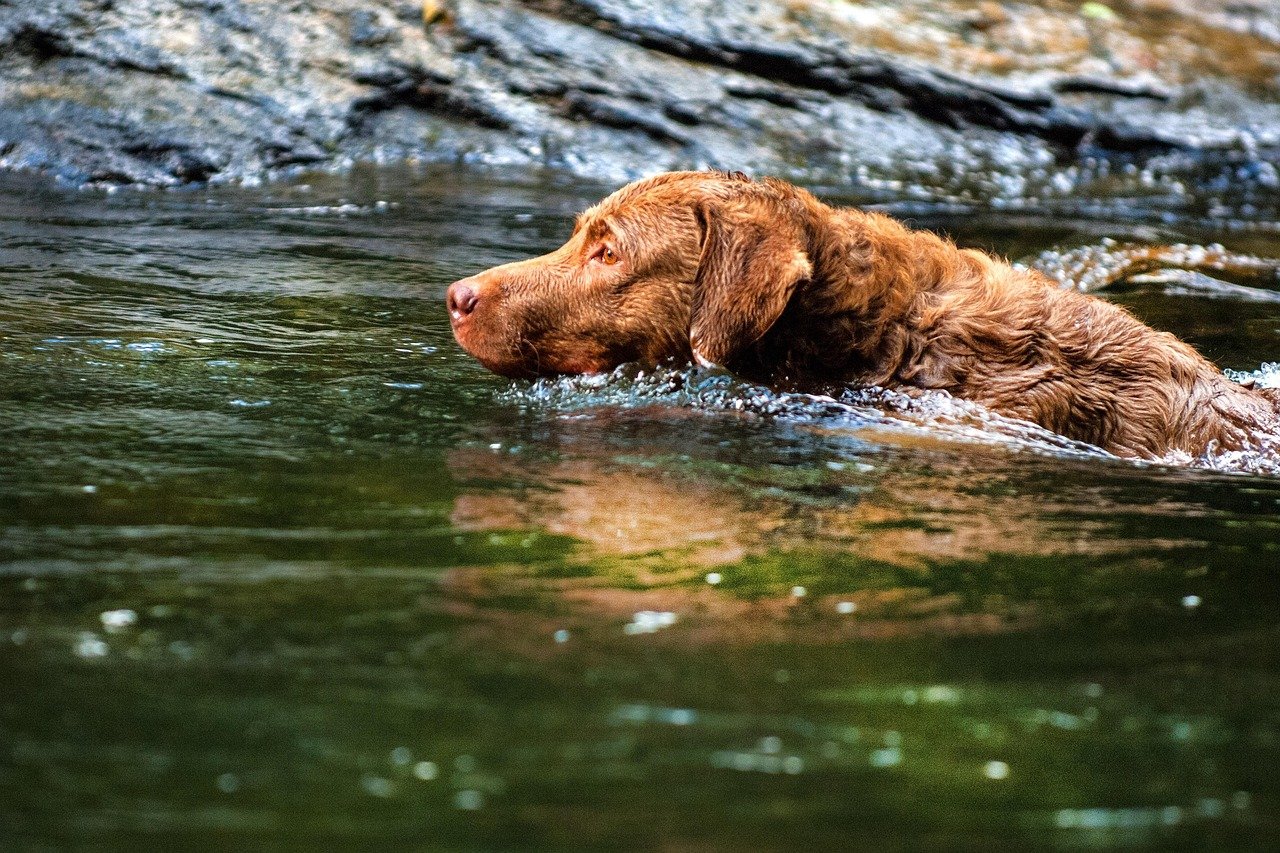
The Chesapeake Bay Retriever—often just called a “Chessie”—was bred for icy waters and tough retrieves. Their dense, oily coats keep them warm even in cold conditions, and their tenacity makes them perfect for energetic water sports like surf fetching or long-distance swims.
Look for signs of focus in a Chessie: a fixed gaze, pricked ears, and a ready stance mean your dog is primed for action. While they’re tough, Chessies still need fresh water after swimming in salt or lakes, and regular coat checks to avoid skin issues. Their independent streak can be a challenge, but it also means they’re often the last pup out of the water.
Standard Poodles: Sophisticated Swimmers
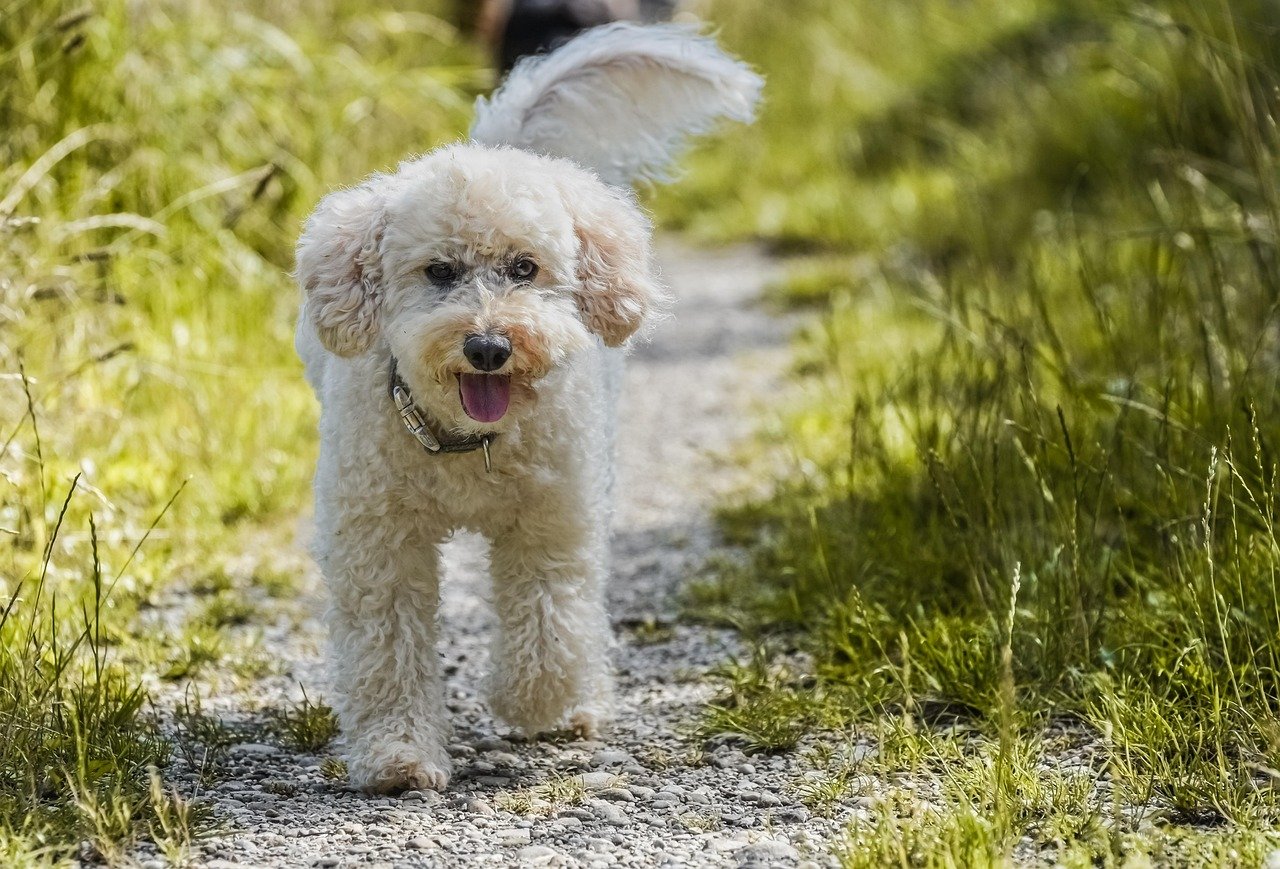
It might surprise you to know that Standard Poodles are stellar swimmers. Originally bred as water retrievers, their curly coats protect them from cold, while their athleticism shines through in water agility courses and games of fetch.
A poodle’s enthusiasm for water often shows in bouncy body language and eager leaps. To keep their coats healthy, brush them out before and after swimming to avoid tangles. Poodles are also sensitive to your moods—if you’re excited, your dog will be too, creating a wonderful bond during shared water activities.
Flat-Coated Retrievers: The Happy-Go-Lucky Splashers
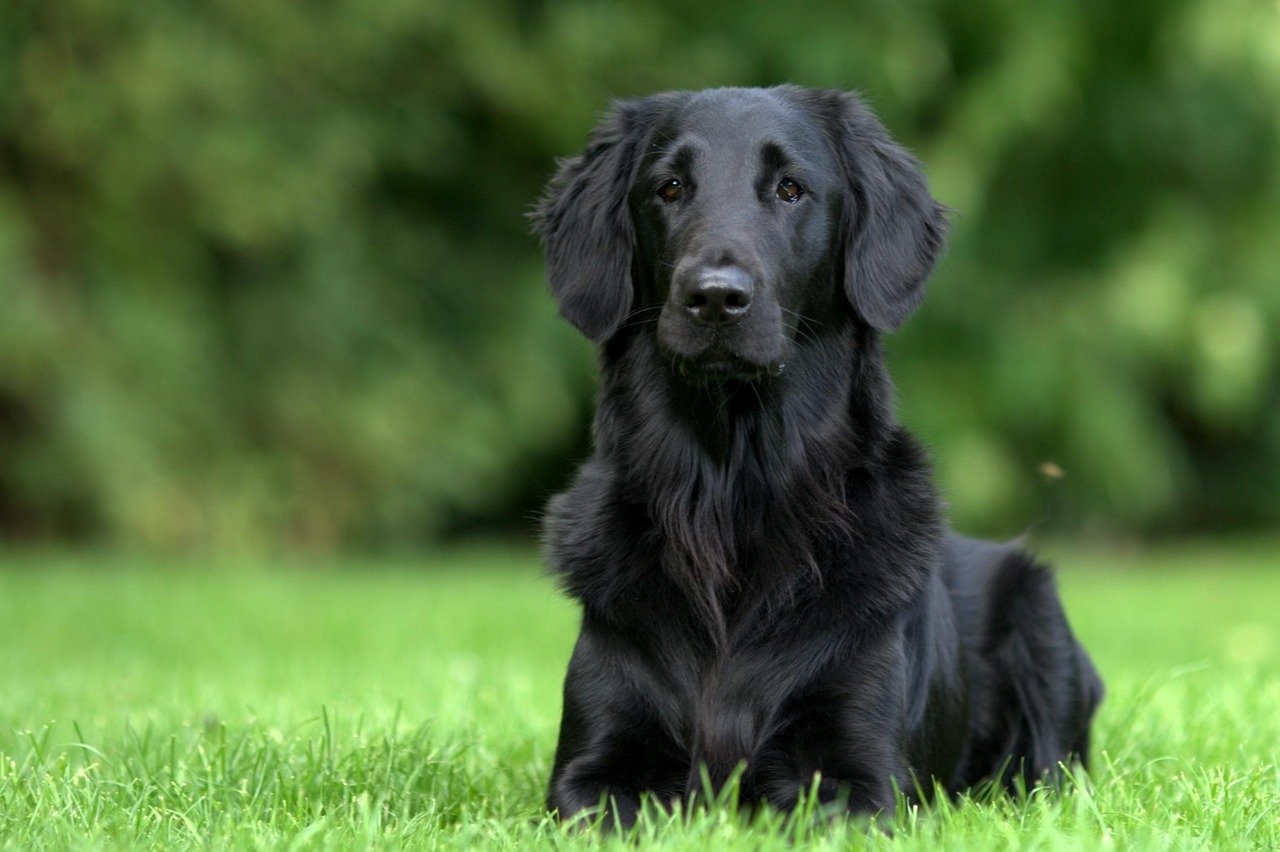
Flat-Coated Retrievers are all about play. With endless energy and a love of water that rivals any Lab or Golden, these dogs will happily join you for a swim, a paddle, or a game of water frisbee. Their glossy coats help them dry off quickly, and their optimistic attitude brings a sense of fun to every outing.
You’ll know your Flat-Coat is in heaven when he’s grinning, tail wagging, and splashing with abandon. Watch for signs of overexertion—these dogs sometimes forget their own limits. Frequent breaks and plenty of fresh water help keep them safe and happy.
American Water Spaniels: The Spirited Small-Breed Swimmers
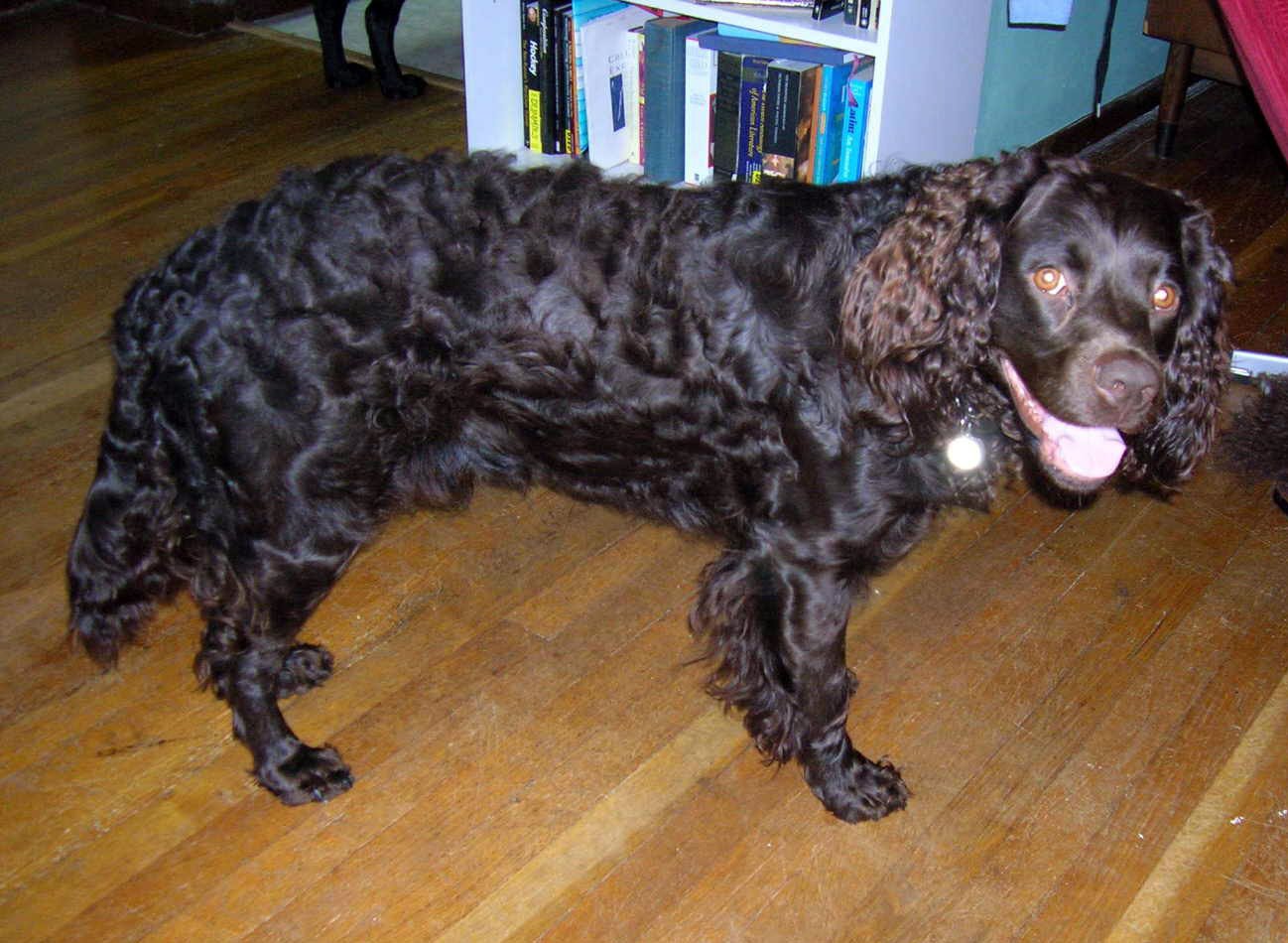
American Water Spaniels may be smaller than the retriever breeds, but don’t underestimate their love of water. Their compact size makes them great companions for canoeing or smaller boats, while their endless curiosity keeps them engaged in games of fetch and water obstacle courses.
You’ll often see these dogs paddling circles around their humans, barking with excitement. Their curly coats need careful rinsing and drying to prevent skin irritation. Because they’re so people-oriented, American Water Spaniels thrive when you cheer them on or join in the fun.
Conclusion
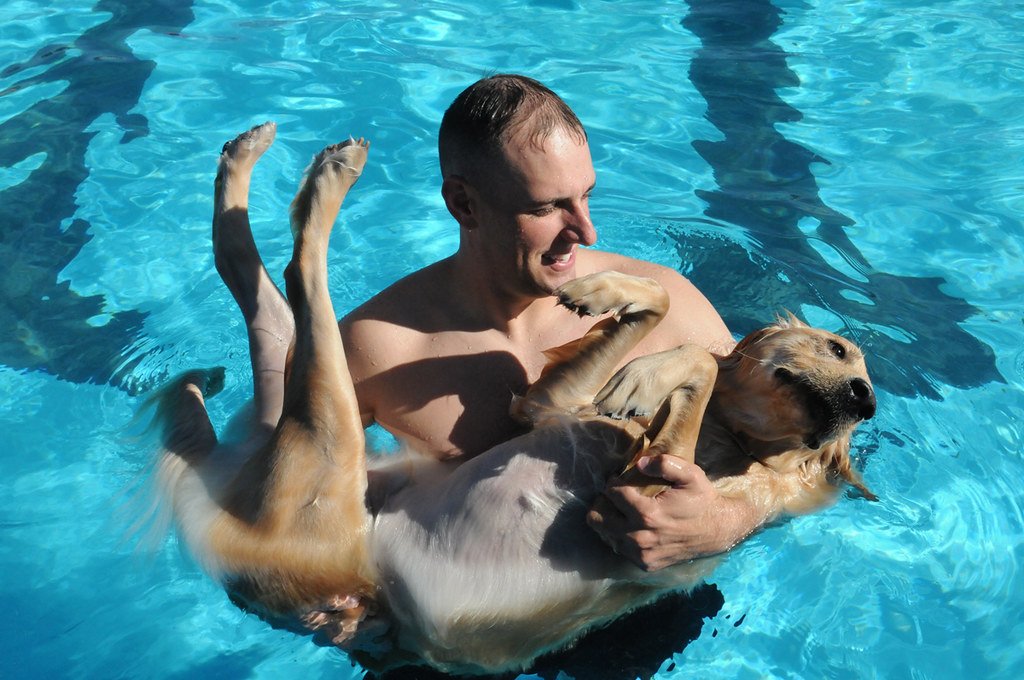
Choosing the right dog for water sports is about more than just breed—it’s about finding a companion whose energy, instincts, and love of adventure match your own. Whether you prefer the bold dives of a Lab, the gentle guidance of a Newfoundland, or the spirited antics of a Water Spaniel, there’s a furry friend out there ready to make every splash unforgettable.


