
10 Special Care Tips For Senior Dogs Irrespective of Breed
Have you ever watched your dog slow down, their once-bouncy steps now more careful and measured? It can tug at your heartstrings. Our furry friends age faster than we do, and seeing those first silvery whiskers or sleepy eyes reminds us that every moment with them is precious. But here’s the good news: with a little extra care and attention, your senior dog can stay happy, comfortable, and deeply loved through every gray-haired adventure. These tips—gathered from years of loving, learning, and plenty of muddy paw prints—are for every breed and every devoted dog parent. Let’s give our old pals the golden years they truly deserve.
Watch for Subtle Changes in Behavior

Senior dogs often communicate through subtle shifts—a little more time spent napping, a sudden reluctance to jump on the couch, or even a change in how much they want to play. These small signals can be their way of telling you something’s up, whether it’s joint discomfort, vision changes, or even confusion.
Paying close attention to these cues means you can catch issues before they become bigger problems. For instance, Daisy, my golden retriever, started hesitating before coming down the stairs—it turned out to be early arthritis. Being in tune with your dog’s behavior opens the door to quicker support and deeper understanding.
Keep Up with Regular Veterinary Visits

As dogs age, their bodies change rapidly, and health concerns can sneak up quietly. Regular vet visits—at least twice a year for seniors—are crucial for catching things early, like kidney issues, dental disease, or lumps that shouldn’t be ignored.
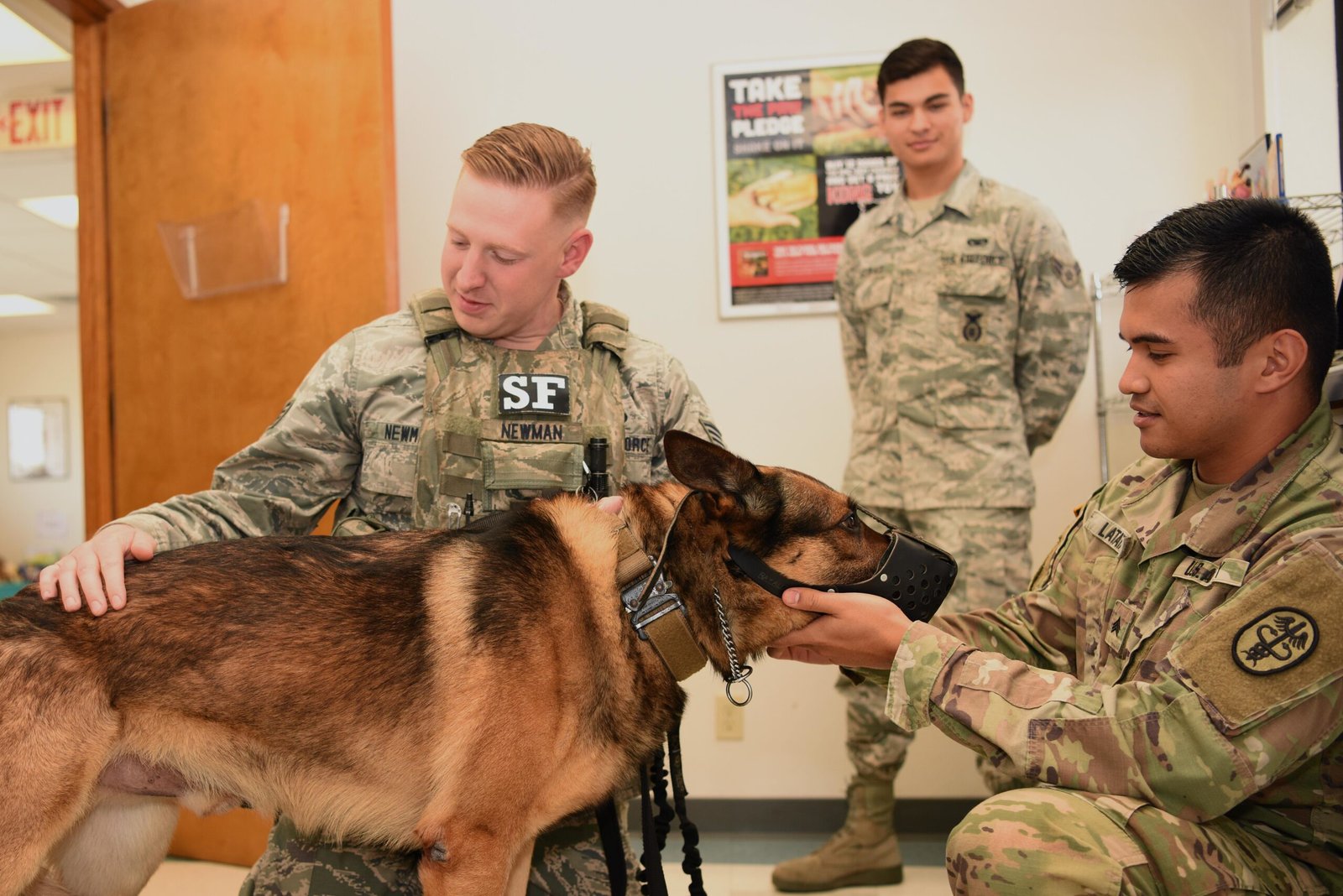
Don’t wait for something to go wrong before making that appointment. A vet can also help adjust diet, recommend supplements, and monitor things like weight and mobility. Think of these visits as tune-ups to keep your best friend running smooth and strong.
Adjust Their Diet for Aging Needs
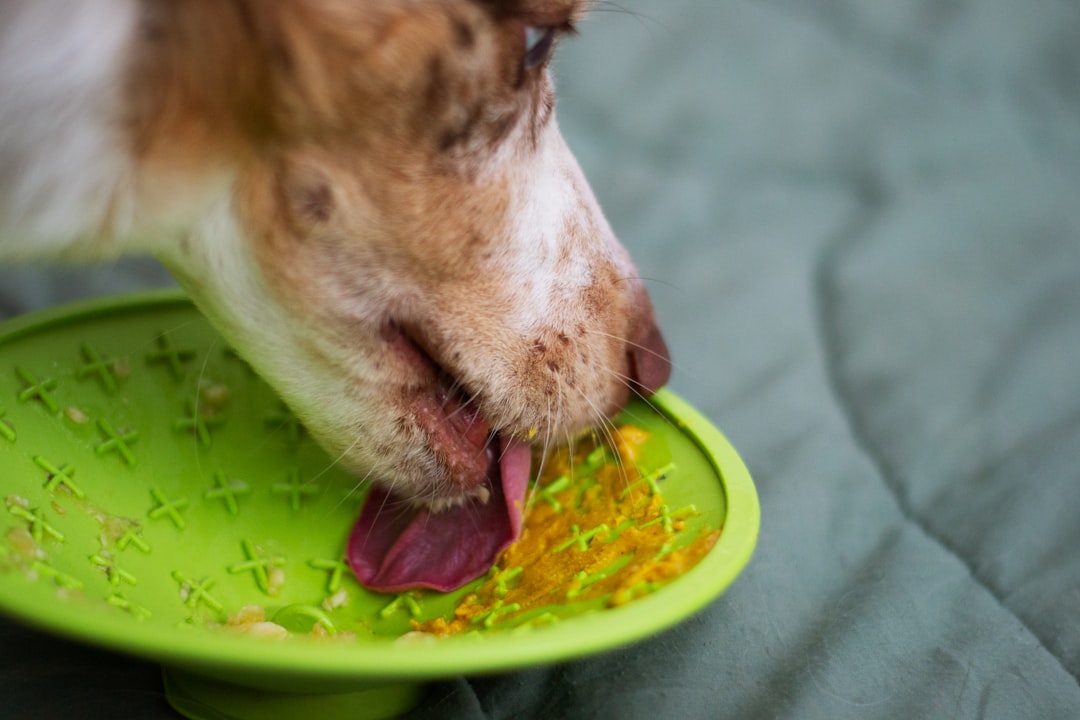
Senior dogs often need fewer calories but more joint-supporting nutrients, like omega-3 fatty acids and glucosamine. Switching to a high-quality senior formula can help manage weight and support their changing metabolism.
Watch for signs your dog’s not tolerating food as well—digestive upsets, itchy skin, or dull coat can all be red flags. Sometimes, older dogs develop food sensitivities or dental trouble, so softer foods or smaller kibble can make a big difference.
Stay on Top of Dental Care
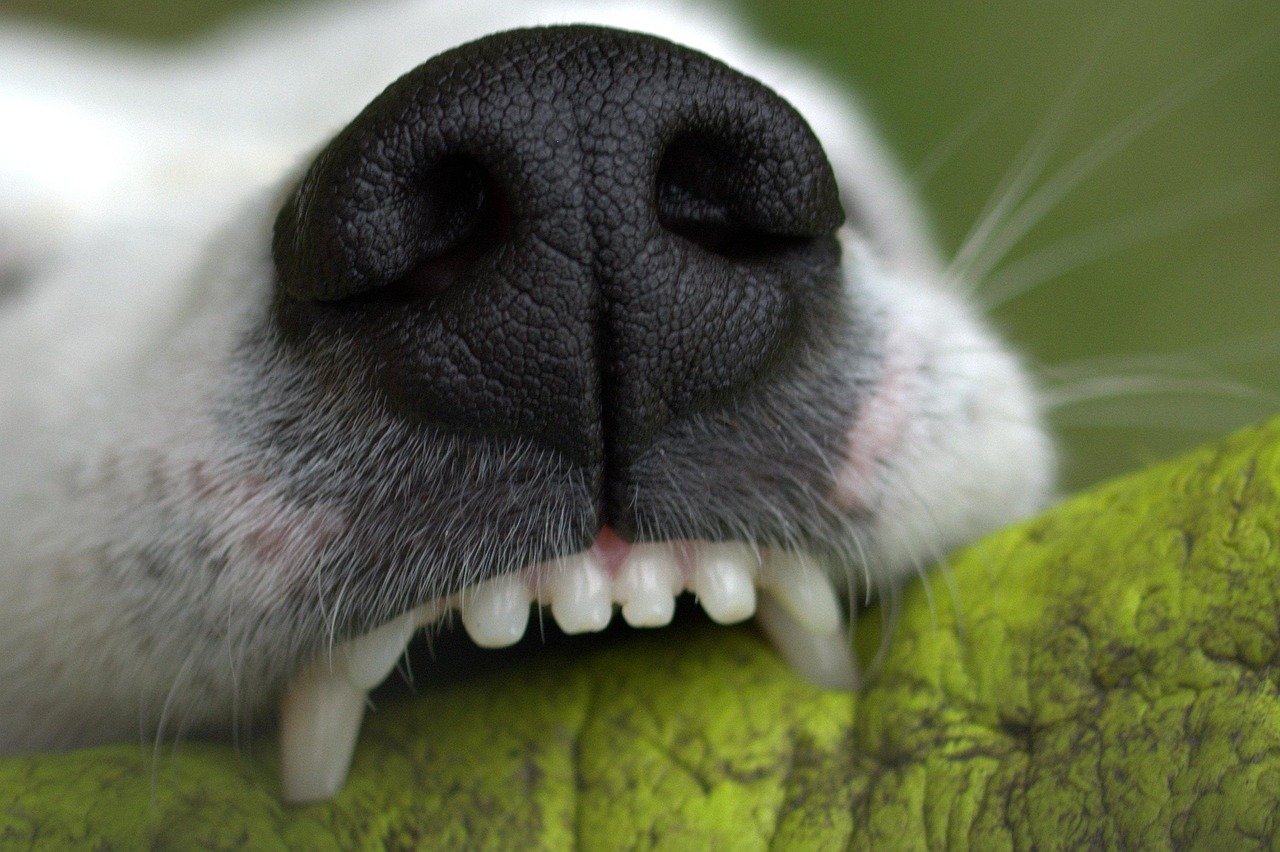
Dental disease is shockingly common in older dogs and can lead to pain, infection, and even heart or kidney problems. Brushing your dog’s teeth regularly, offering dental chews, or scheduling professional cleanings are all important steps.
Look for warning signs like bad breath, drooling, or reluctance to eat crunchy food. I once thought my terrier’s picky eating was just old age—turns out, she had a sore tooth that needed pulling. Afterward, she was back to her cheeky self!
Provide Gentle, Consistent Exercise

While your senior pup may not chase balls for hours anymore, regular movement is still key. Gentle walks, swimming, or even some indoor games can help keep joints limber, control weight, and lift their spirits.
Always watch for signs of overexertion—panting, limping, or refusing to move are clear signals to slow down. It’s about quality, not quantity. Even short strolls together can become special bonding moments.
Make Home Adjustments for Comfort and Safety

Arthritis, vision loss, or hearing decline can make everyday obstacles feel like mountains to senior dogs. Adding non-slip rugs, ramps for getting on the bed, or raised food bowls can ease daily routines.
Keep their favorite spots accessible and clutter-free to prevent accidents. If your dog starts bumping into things, nightlights or extra lighting can help guide them safely at night. Think of it as dog-proofing, but for the golden years.
Monitor for Pain and Discomfort

Dogs are masters at hiding pain, especially as they age. Watch for signs like restlessness, licking at joints, changes in breathing, or a sudden dislike of being touched. These can all hint at chronic pain.
If you suspect your dog is hurting, don’t wait—speak to your vet about pain relief options. Sometimes, simple changes like orthopedic beds, massage, or medication can bring noticeable relief and a new lease on life.
Support Their Minds with Enrichment
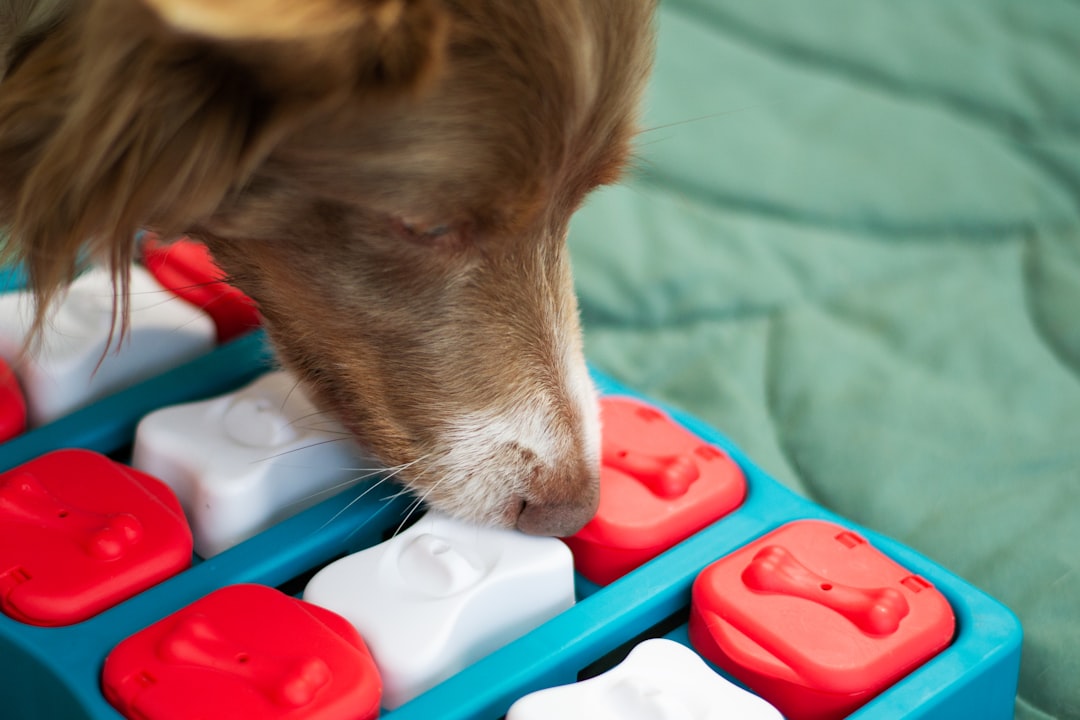
Cognitive decline isn’t just a human problem—senior dogs can develop dementia, too. Keep their minds active with gentle puzzle toys, new scents, or training simple tricks. Routine and predictability also help reduce confusion.
If your dog seems disoriented, paces, or forgets familiar routines, it might be canine cognitive dysfunction. Early intervention with supplements, medication, and mental stimulation can slow the progression and ease anxiety.
Prioritize Good Grooming Habits
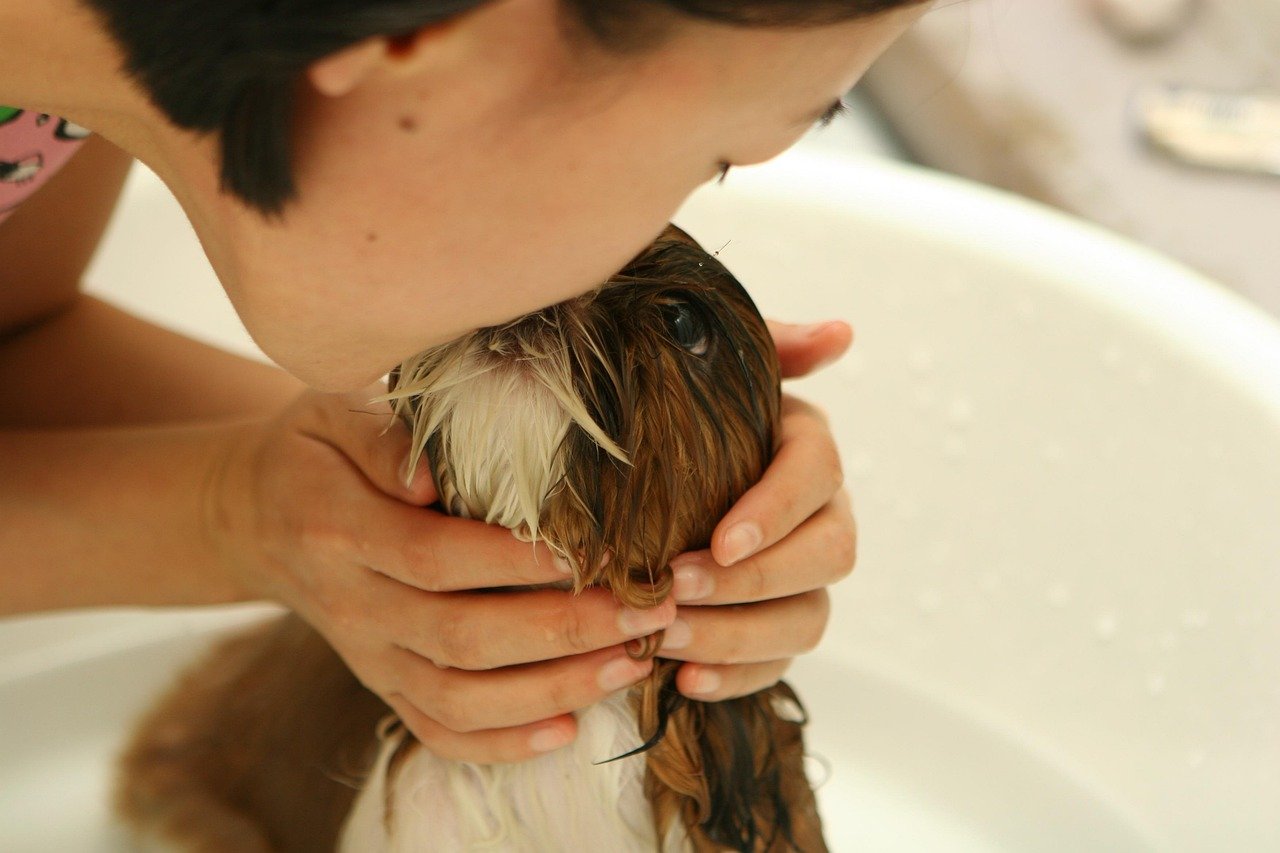
Older dogs may struggle to keep themselves clean, especially if arthritis sets in. Regular brushing prevents matting, keeps skin healthy, and is a sweet way to bond. Bathing with gentle, senior-friendly shampoos helps with sensitive skin.
Check their ears, trim nails, and keep an eye out for lumps, bumps, or sore spots. For my old collie, grooming sessions became our quiet ritual—she’d close her eyes and sigh, soaking up the love and care.
Show Extra Patience and Love
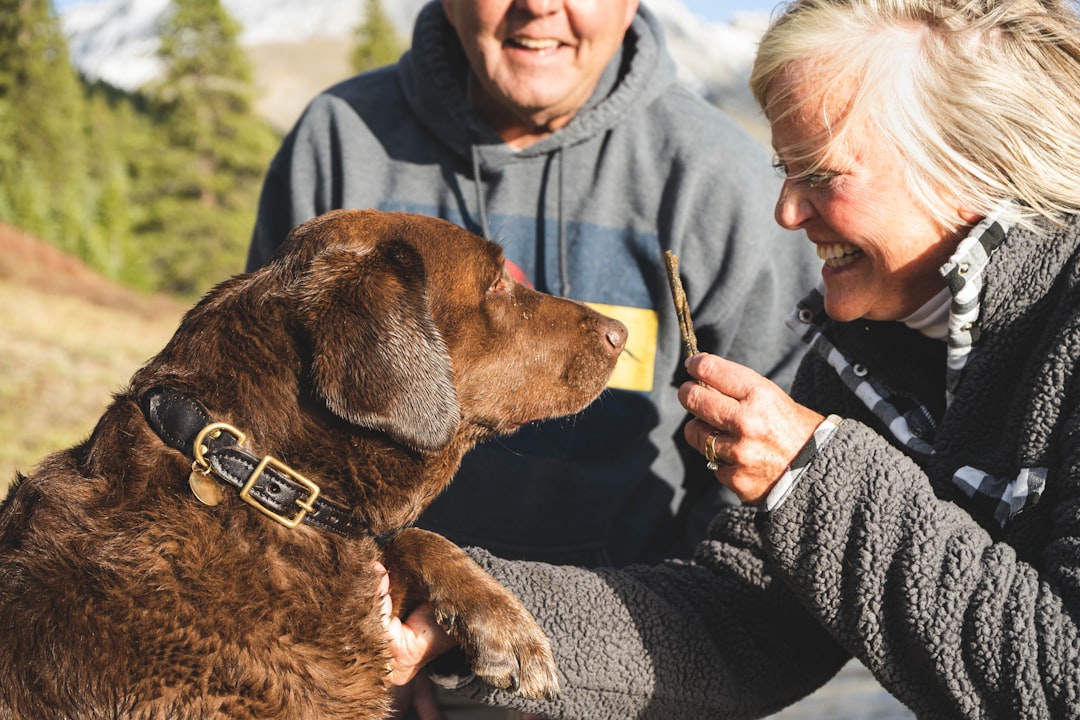
Senior dogs can be slower, a bit grumpier, or more anxious than their younger selves. They may need more reassurance, softer words, and longer cuddles. Remember, every pause and gentle gesture tells them they’re safe and cherished.
It’s normal to feel frustrated when accidents happen or your dog seems confused. But these moments are reminders of their trust in you. Offer comfort, celebrate the small joys, and hold onto the magic of your years together.