
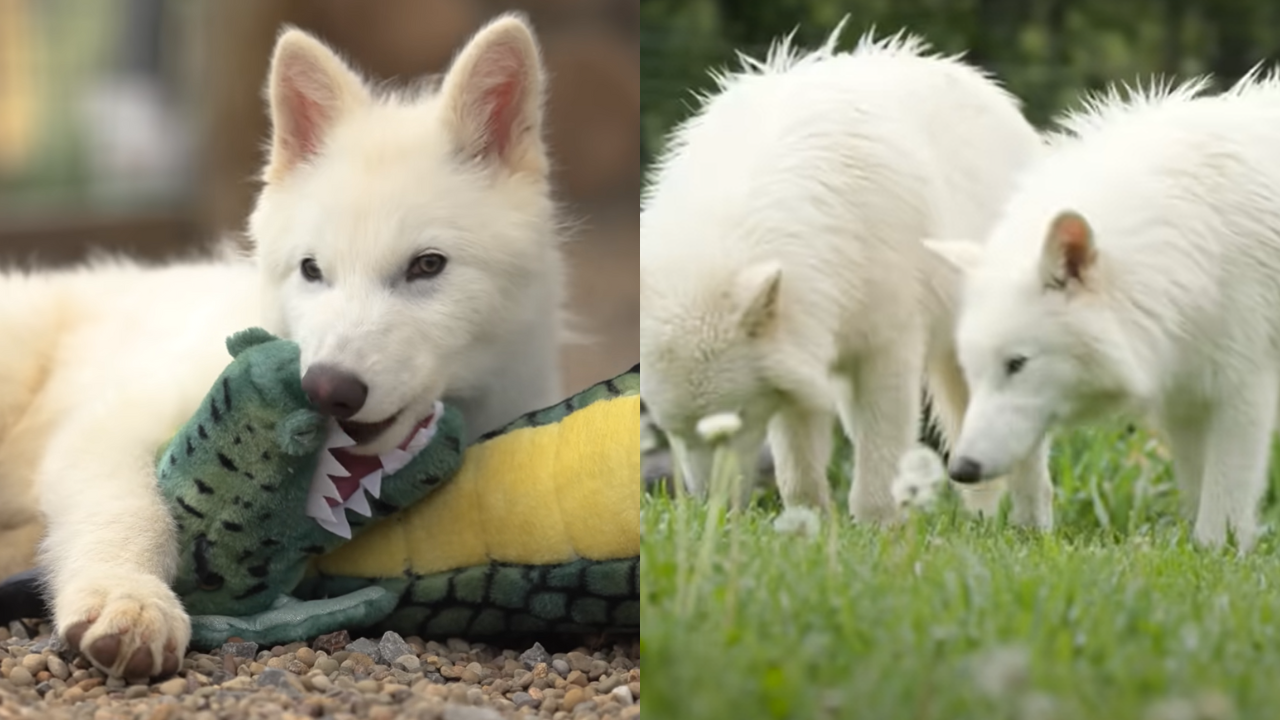
DD Animal News: 9 July, 2025: They were once the stuff of legends, towering hunters that vanished with the Ice Age. But in an unprecedented leap of science and conservation, dire wolves — long extinct — are now walking among us again. Thanks to Colossal Biosciences’ groundbreaking de-extinction project, three pups named Romulus, Remus, and Khaleesi have not only come to life but have more than doubled in size within just six months. Their rapid development, unique behavior, and hopeful future are nothing short of extraordinary.
The Return of a Lost Predator

Colossal Biosciences stunned the world when it announced in April that it had successfully revived dire wolves using ancient DNA from 13,000- and 72,000-year-old remains. This wasn’t science fiction — it was science with soul. Romulus, Remus, and Khaleesi represent the first steps toward restoring an apex predator that once roamed North America. Six months in, the two males now weigh over 90 pounds — 20% larger than today’s gray wolves — showing clear genetic traits of their prehistoric ancestors.
A Dynamic Young Pack Begins to Form
Pack hierarchy is already starting to emerge. Remus, the keen observer, has taken on a surprising leadership role, while his brother Romulus is displaying beta traits, often stepping back during meals and activities. Animal care manager Paige McNickle noted how this dynamic could shift as Khaleesi grows and eventually joins them, adding that “pack dynamics are fluid at this stage.” For now, she’s kept safely apart, but visible and within scent’s reach to encourage familiarity.
Khaleesi’s Gentle Entry into the Pack
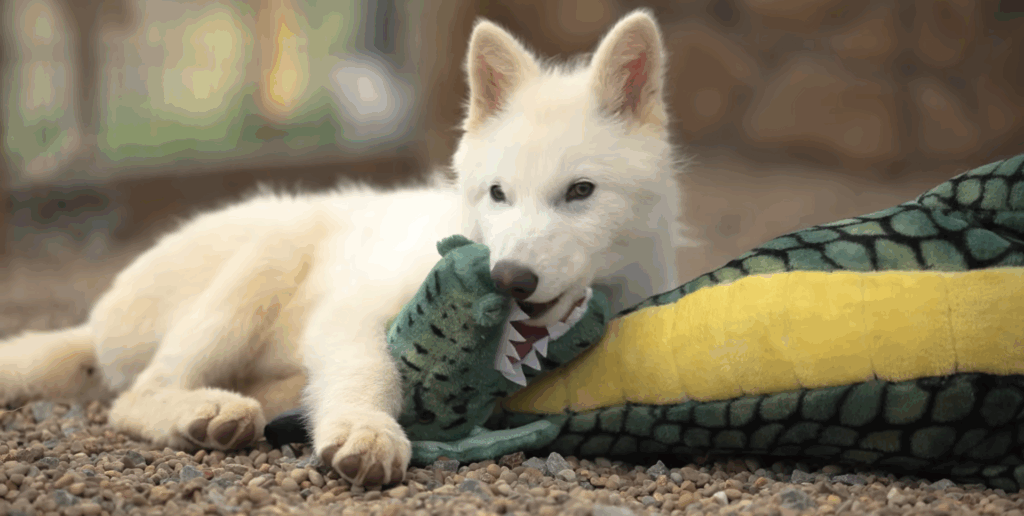
Khaleesi, though younger and smaller at 35 pounds, is growing steadily. Her future with the boys is being carefully planned, with Colossal ensuring compatibility before full integration. The pups already eat adult-sized portions and are slowly being introduced to behaviors that mimic natural predation, helping them build wild instincts as they mature.
The Bigger Mission Behind the Wolves
This isn’t just about resurrecting an ancient species. According to Colossal, the dire wolf project helps advance conservation technology. CEO Ben Lamm called the results “magic” born from advanced science. Actor Joe Manganiello, who visited the lab due to his interest in genetics (and former role as a werewolf), voiced strong support for the ethical, clean approach taken by Colossal.
From Science to Hope
These young dire wolves symbolize more than just scientific achievement. They represent the potential to heal what humanity has lost. As Romulus, Remus, and Khaleesi grow stronger, so does the hope that one day, science and compassion will work hand-in-hand to protect what remains — and bring back what was once thought gone forever.


