
8 Dogs That Struggle the Most With Being Left Alone
Ever come home to chewed shoes, shredded pillows, or a dog who’s glued to your side, shaking with relief? You’re not alone. Some breeds just aren’t built for long solo hours, and their hearts ache when you step out the door. If you see a sad pair of eyes in your rearview mirror, this article is for you—and your furry companion. Let’s uncover which dogs find alone time the hardest, and what you can do to help them feel safe and loved.
Labrador Retriever

Labs are famous for their loyalty and over-the-top friendliness. They thrive on human company, and being left alone can send them into a spiral of boredom and anxiety. You might notice excessive barking or digging as they try to cope with loneliness.
A lonely Lab can become destructive, gnawing on furniture or doors just to stay occupied. To help, leave puzzle toys or safe chew items, and consider doggy daycare for longer absences. Labs need to feel like part of the family—because, to them, you’re their whole world.
Cavalier King Charles Spaniel

Cavaliers are true lap dogs, happiest curled up beside you. Their gentle, affectionate nature means they crave constant companionship. When alone, they may whine, pace, or even refuse to eat until you return.
These little sweethearts are prone to separation anxiety, so it’s important to build up their confidence slowly. Leaving a piece of your clothing with your scent or using calming music can offer some comfort. Routine and gentle departures help them adjust, but they’ll always be happiest when you’re home.
Border Collie
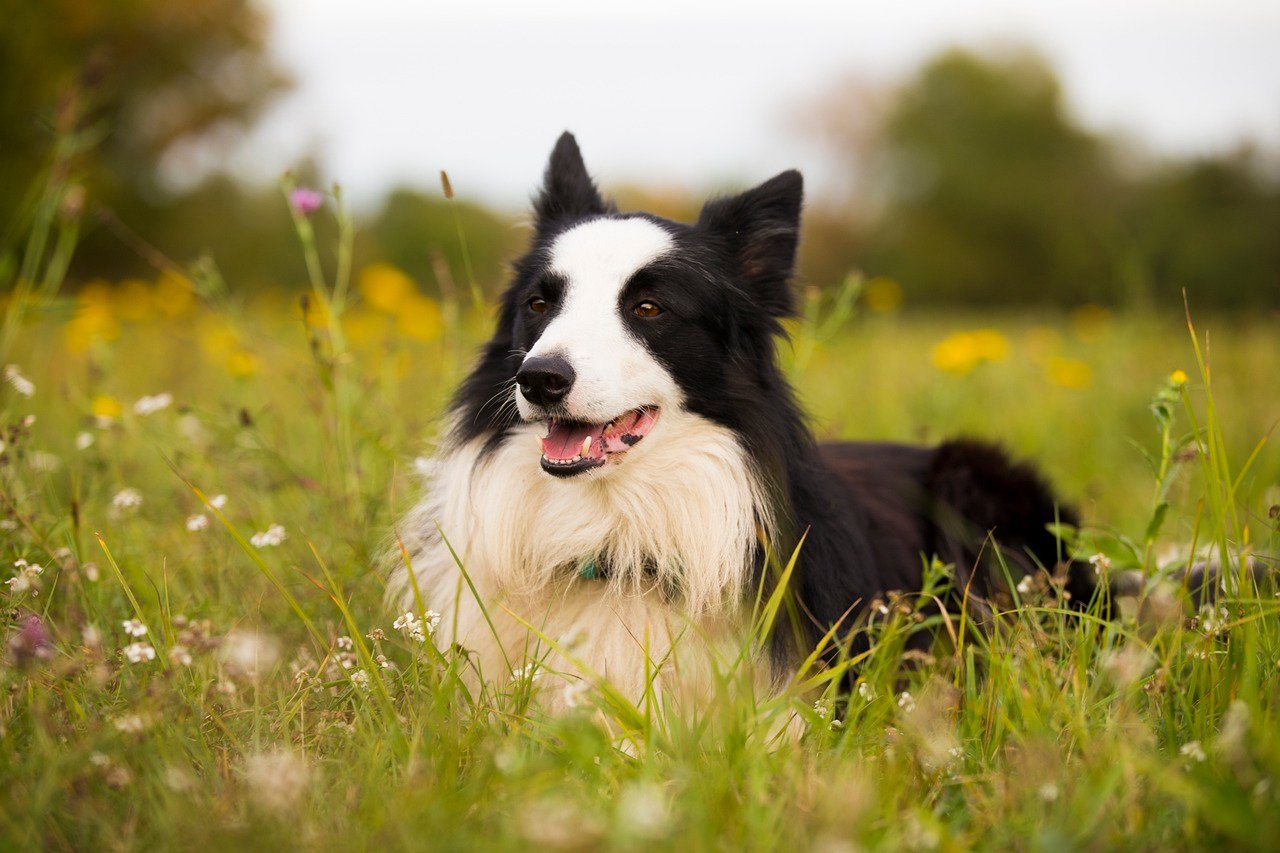
Border Collies are the Einsteins of the dog world—smart, sensitive, and always ready for action. Without enough mental and physical stimulation, being alone can quickly turn into torment for them. Common signs include obsessive behaviors like spinning or chewing.
A bored Border Collie is a recipe for chaos, so interactive toys and challenging games are your best friends. If possible, schedule a midday walk or arrange a playdate. These dogs need a job, even if it’s just “guarding” the sofa until you get back.
German Shepherd

German Shepherds are deeply devoted to their families. Their protective instincts run strong, and they often feel unsettled if they can’t keep an eye on you. Restlessness, barking, and attempts to escape are signals they’re struggling with your absence.
Enrichment is key—rotate toys, offer treat-dispensing puzzles, or sprinkle kibble for them to “hunt.” Early training to be comfortable alone helps, but remember, these dogs are happiest with plenty of together time.
Bichon Frise
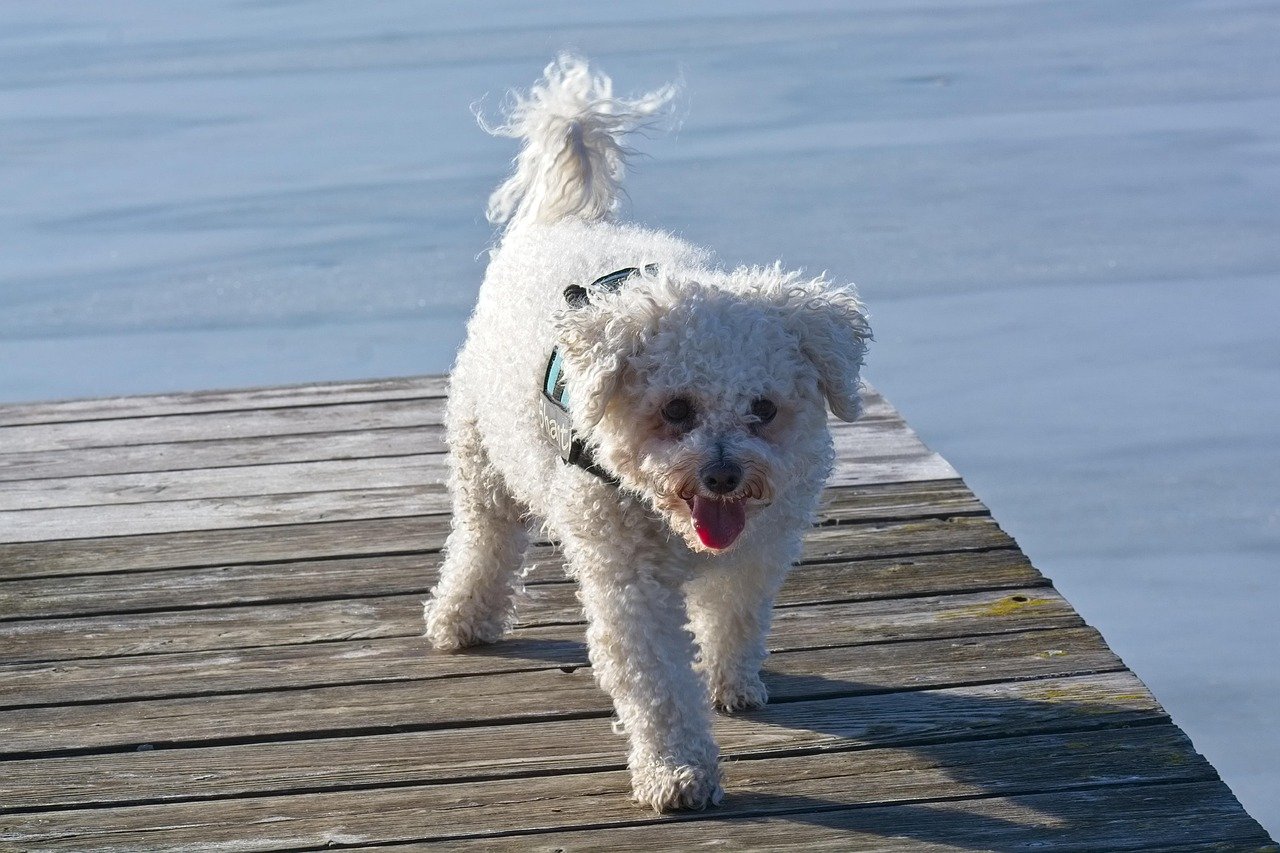
Bichons might look like little clouds, but they’re anything but light when it comes to their need for company. Left alone, they can become anxious and develop unhealthy habits like excessive licking or barking.
Routine is everything for a Bichon. Leave the radio on, offer a favorite blanket, and say goodbye without a big fuss. If you work long hours, a pet sitter or trusted neighbor popping in can make all the difference.
Australian Shepherd

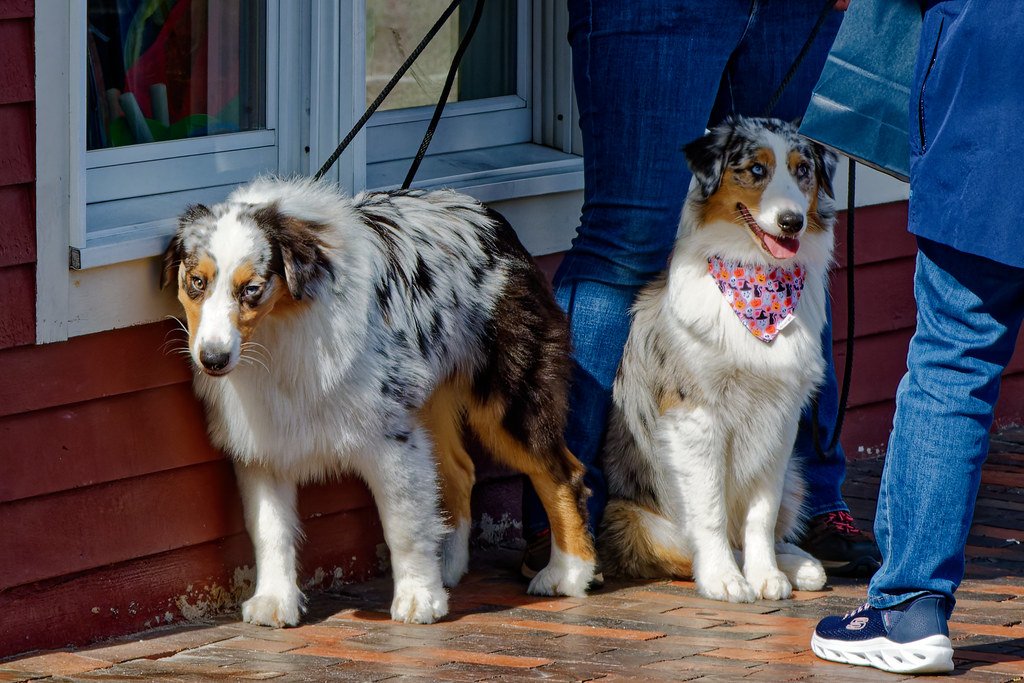
Aussies are high-energy and people-oriented. Long stretches alone can lead to hyperactivity or destructive behavior, like chewing or herding pillows. Their expressive eyes often reveal their stress.
Keeping an Aussie content means offering activities that tire both body and mind. Hide treats, rotate toys, and set up a safe space near a window so they can watch the world go by. These dogs need a “job” to stay happy while you’re away.
Papillon
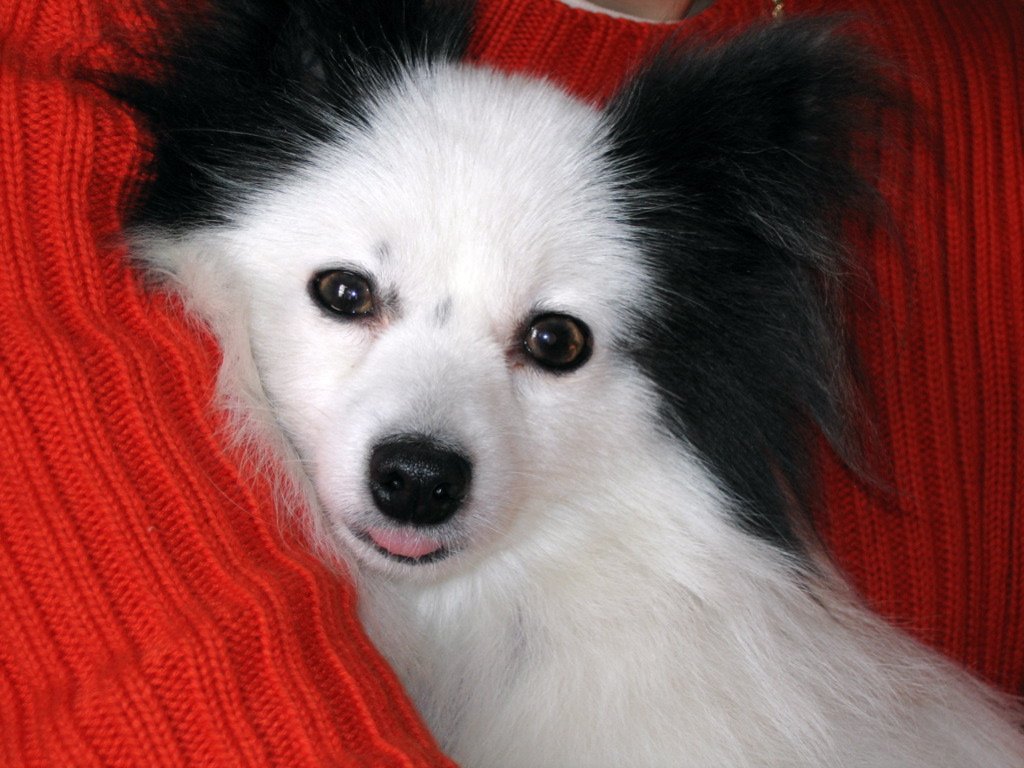
Papillons are tiny, but their need for attention is huge. They bond deeply with their humans and may bark, whimper, or sulk when left behind. Watch out for signs of depression, such as loss of appetite or lethargy.
To ease their distress, create a cozy den with your scent and favorite toys. Practice short absences and reward calm behavior. These clever pups appreciate stimulation, so try leaving interactive toys to keep their minds busy.
Italian Greyhound
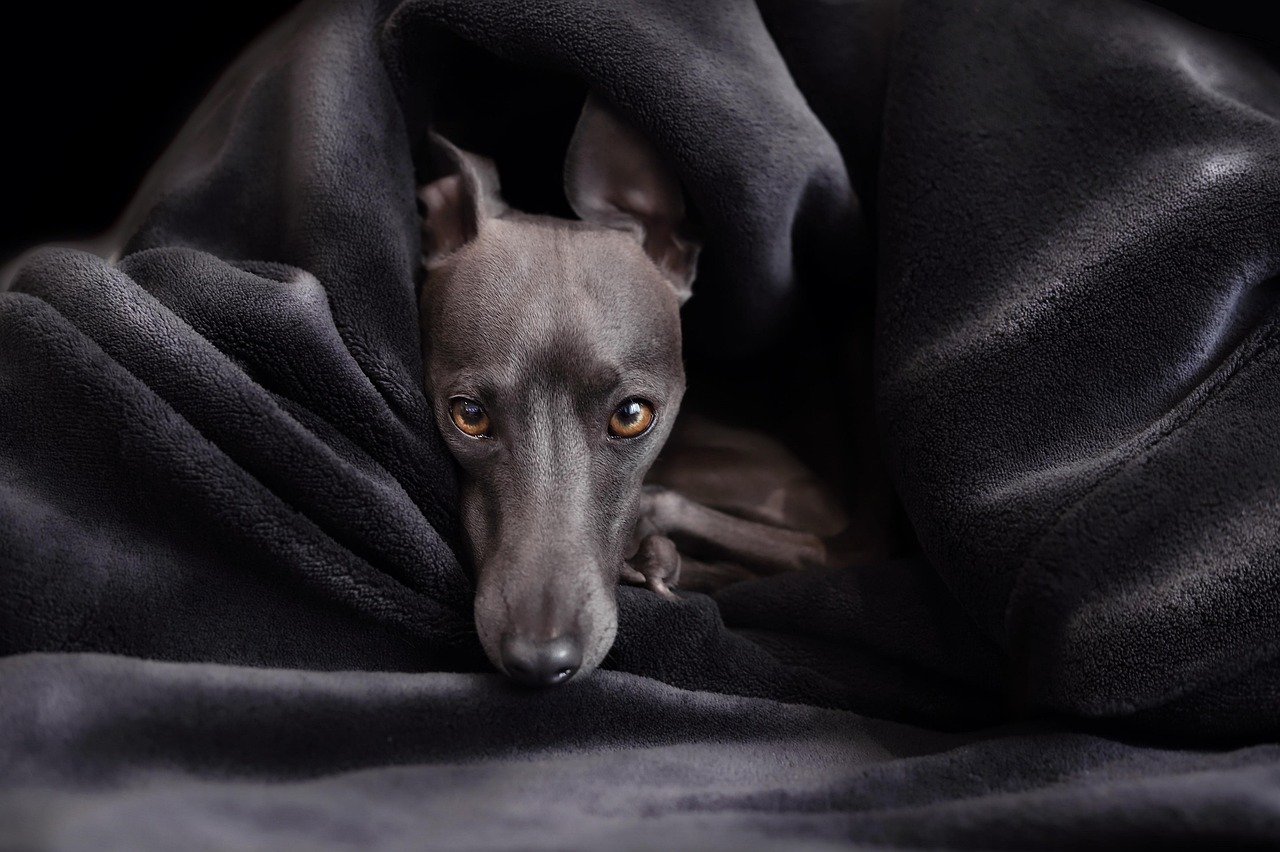
Italian Greyhounds are sensitive souls who adore companionship. Alone time can trigger trembling, whining, or accidents in the house. They may seek out your scent for comfort, burrowing into your clothes or bedding.
Short practice separations paired with treats can help build their confidence. Make departures and arrivals low-key, and consider a canine companion if your schedule keeps you away for long stretches. Italian Greyhounds truly blossom with steady reassurance.