
Imagine stepping out onto your porch, coffee in hand, and catching a flash of tawny fur slipping through the shade. Your heart skips a beat — it’s not a stray dog or neighborhood cat, but a Florida panther, the ghost of the Everglades, right in your own backyard. For many animal lovers in South Florida, this rare encounter is both breathtaking and nerve-wracking. The Florida panther is an icon of wild beauty and endangered hope, but what should you actually do if you’re lucky — or startled — enough to spot one at home? Let’s dive into the practical steps to follow, not just for your safety, but for the panther’s well-being too.
Recognize the Florida Panther: What Are You Really Seeing?
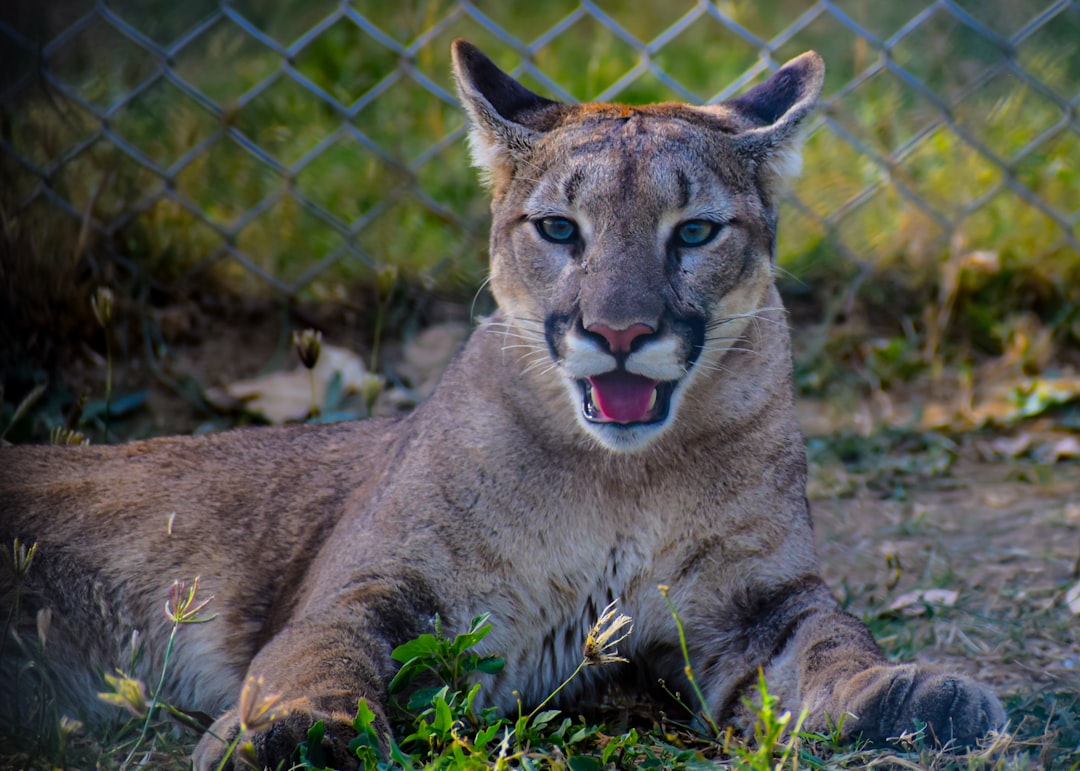
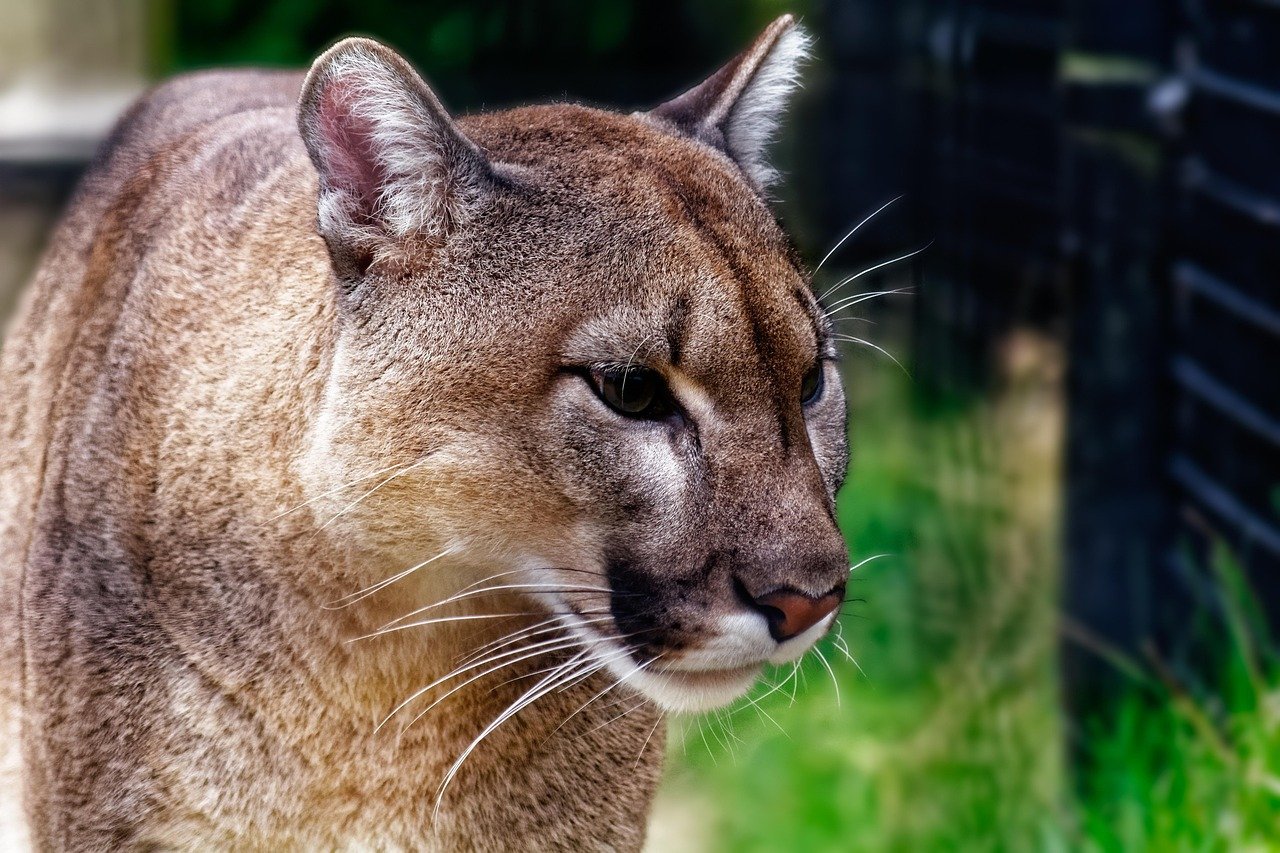
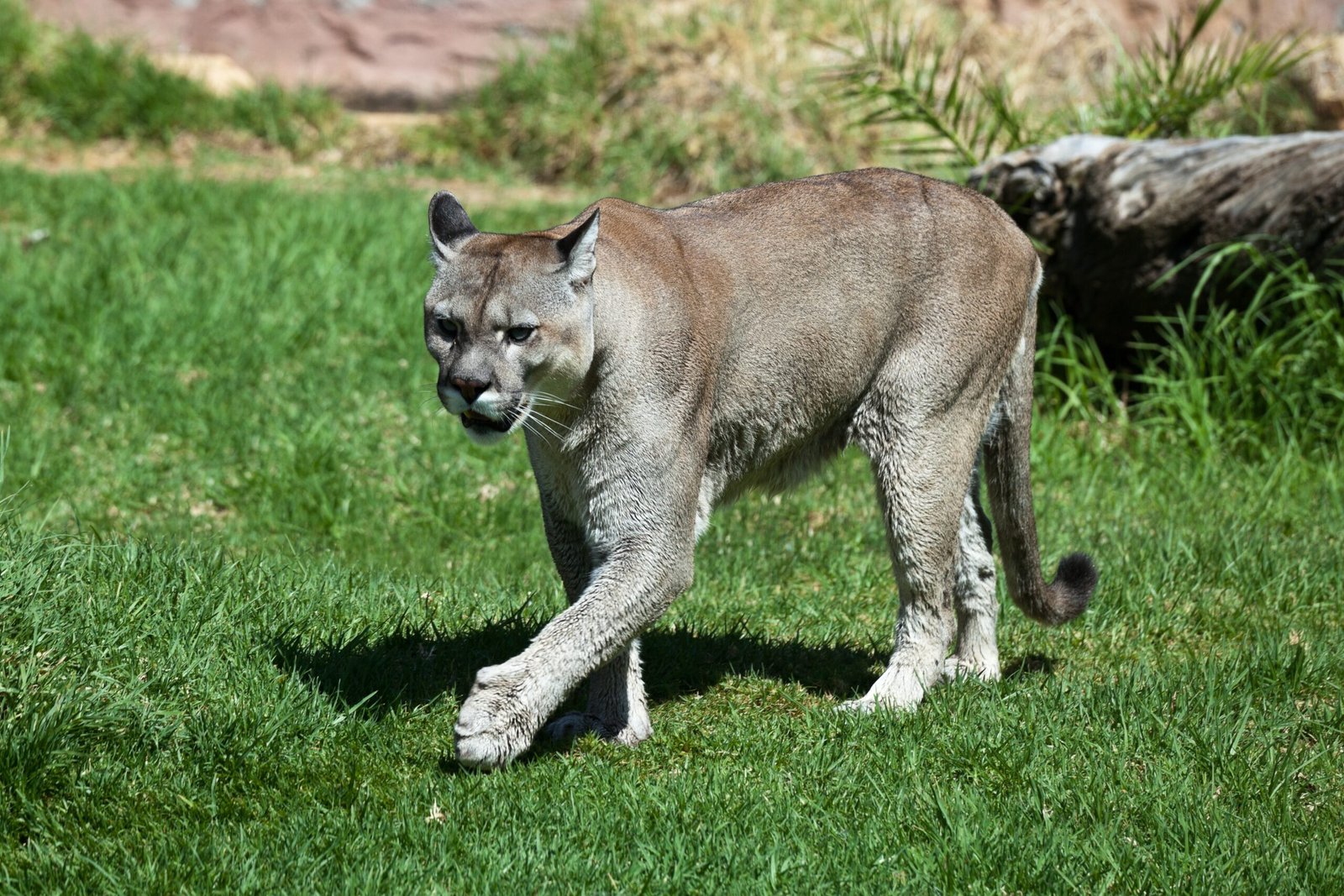
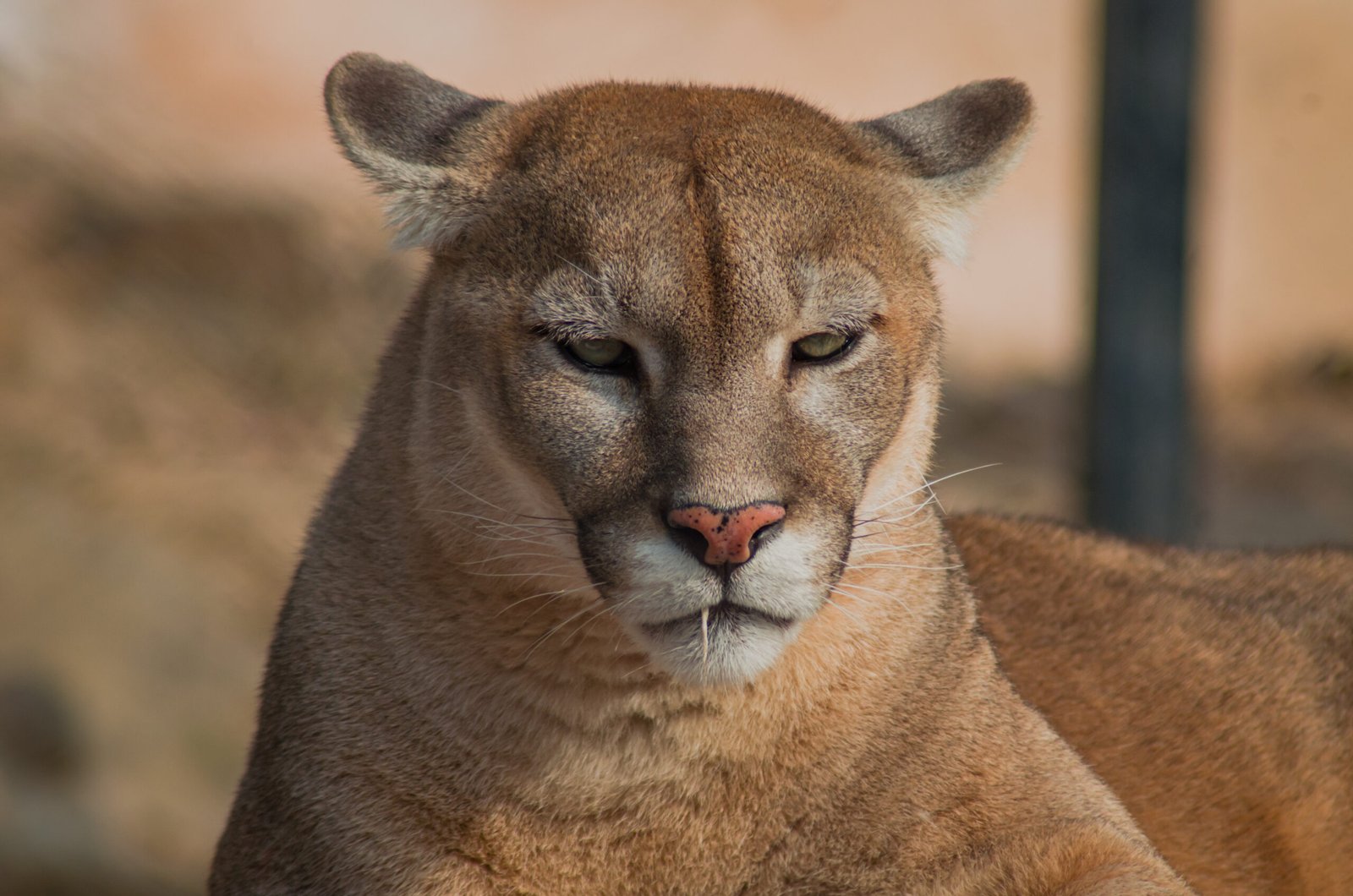
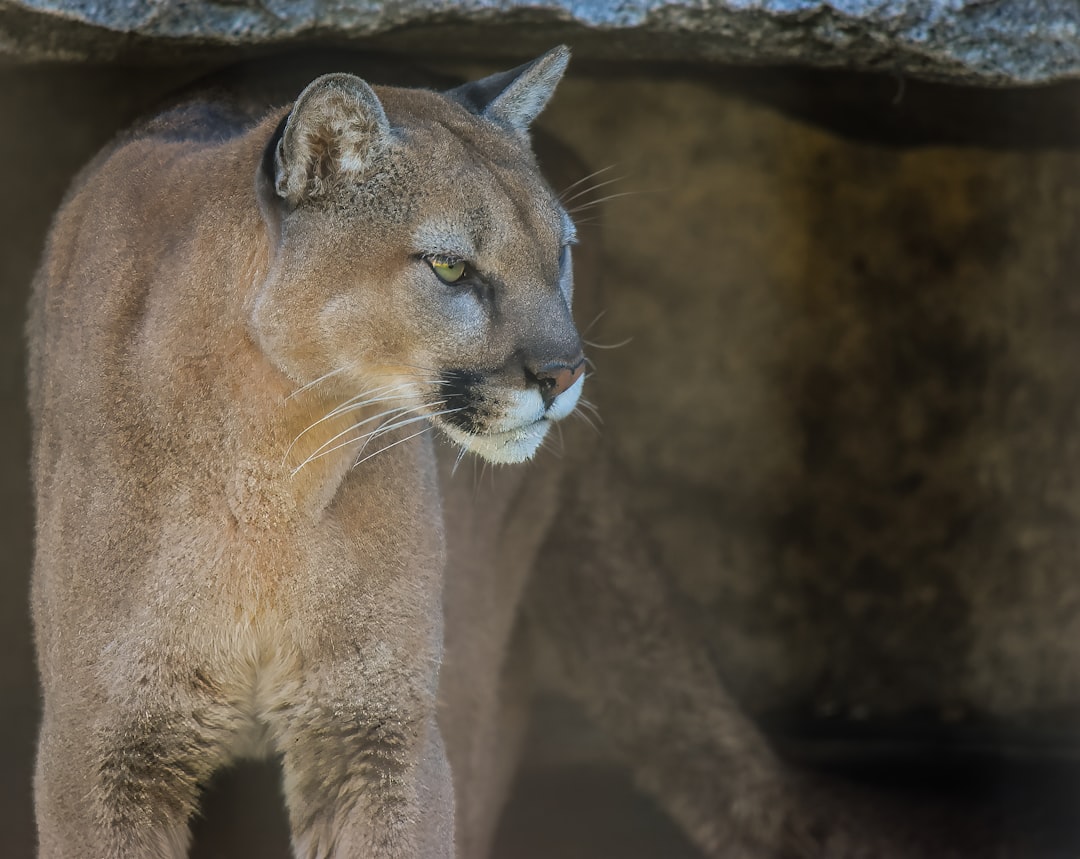
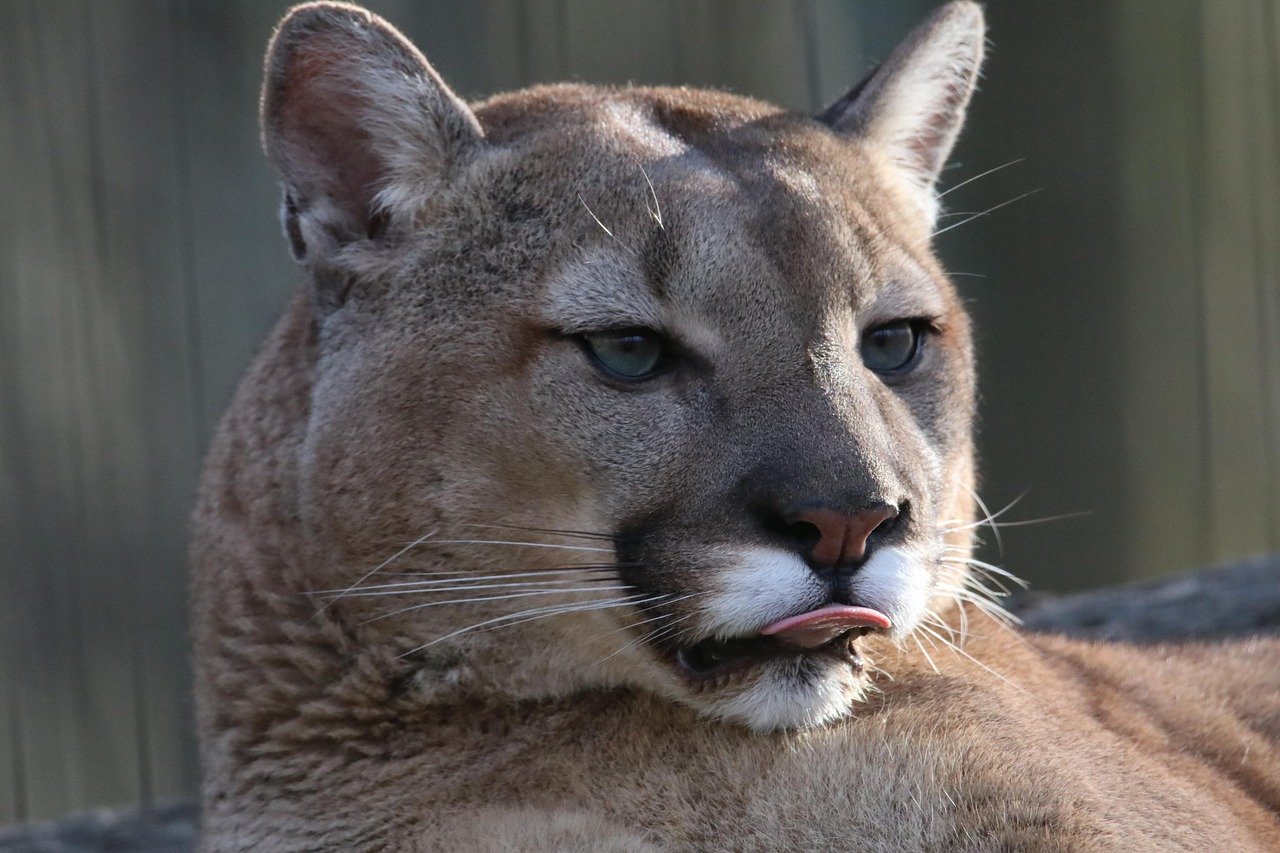
Before you panic or reach for your phone, make sure you’ve correctly identified the animal. The Florida panther is a large, tawny cat, but it’s often mistaken for bobcats or even large dogs. Panthers have a long, slender tail with a black tip, and their bodies are more elongated than a bobcat’s stubby appearance. They’re usually tawny gold or light brown, with a white underbelly and slightly darker facial markings.
If you spot the animal during dawn or dusk, trust your instincts but look for telltale signs: that long tail, rounded ears, and stealthy movement. Panthers move with a certain grace — almost like a shadow gliding over the grass. Don’t forget, seeing a panther is rare and special. It’s a sign that South Florida’s wild heart is still beating, even in our suburban sprawl.
Stay Calm: The Power of Keeping Your Cool
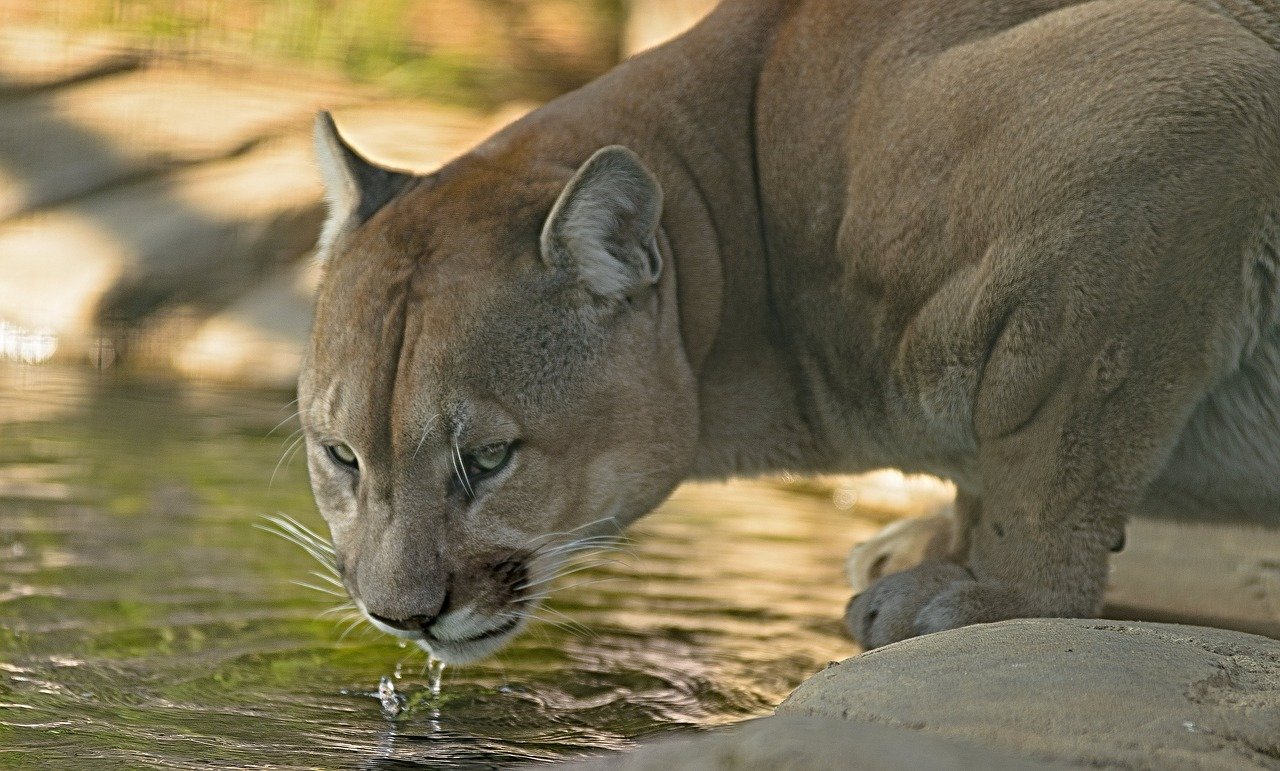
It’s natural to be shocked, excited, or even a bit scared when you spot a panther up close. But your first reaction should be to stay calm. Sudden noises or frantic movements can startle the panther, causing it to run — or, in rare cases, act defensively if it feels trapped.
Take a deep breath and resist the urge to shout or wave your arms. Slow, deliberate actions will help keep both you and the panther safe. Remember, panthers are naturally shy and tend to avoid humans whenever possible. In most cases, they’ll slip away before you finish blinking, leaving you with only the memory. If you have pets or children outside, bring them in slowly and quietly if it’s safe to do so.
Keep Your Distance: Safety for You and the Panther
Never try to approach a panther, no matter how majestic or harmless it seems. Approaching wildlife can be dangerous for both you and the animal. Panthers are wild predators, and while attacks on humans are extremely rare, they are possible if the animal feels threatened or cornered.
It’s best to observe from a safe distance, ideally from inside your home or behind a closed door. If you’re outside and can’t get in, slowly back away while keeping an eye on the animal without making direct eye contact — a predator can interpret a stare as a challenge. Give the panther plenty of space to leave on its own.
Secure Children and Pets: Quick Actions That Matter
If you have kids or pets enjoying the backyard, it’s crucial to get them inside as soon as you spot a panther. Call them calmly and quietly, using a tone that doesn’t communicate panic. Sudden screams or rushing toward them can startle both your loved ones and the panther.
Once everyone is inside, close all doors and windows. Keep pets — especially small dogs and cats — indoors until you’re sure the panther has left the area. Remember, panthers are opportunistic hunters, and while they rarely pose a threat to humans, pets can look like easy prey. By securing them quickly, you’re protecting both your family and the panther from a tragic encounter.
Do Not Feed or Lure: Resist Temptation for a Closer Look
It’s tempting for animal lovers to try to coax a closer look at such a beautiful creature. But feeding a panther or leaving out food — intentionally or not — can have dangerous consequences. Wildlife that becomes accustomed to human food often loses its natural fear and may start frequenting residential areas, leading to more risky encounters.
Make sure garbage cans are secured, and never leave pet food or scraps outside. This also applies to bird feeders, which can attract other animals that in turn draw panthers. By removing tempting treats, you help keep panthers wild and reduce the chances of repeat visits.
Alert Wildlife Authorities: Your Role in Conservation
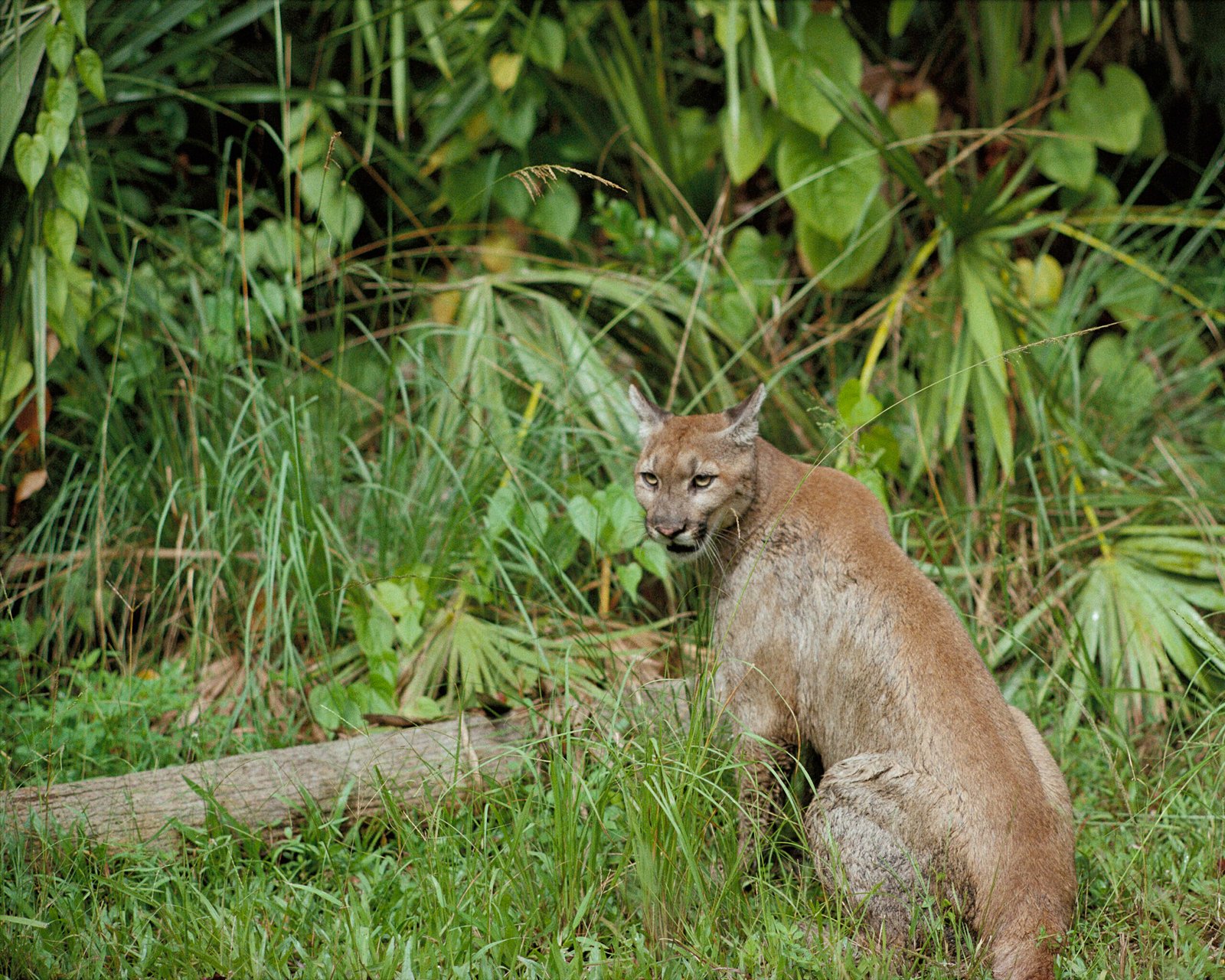
If you see a Florida panther in your backyard, report the sighting to your local wildlife agency, like the Florida Fish and Wildlife Conservation Commission (FWC). This isn’t just for your peace of mind — these reports help biologists track the health and movement of the panther population, which is still critically endangered.
When reporting, note the time, exact location, and what the panther was doing. If you can safely take a photo from inside your home, that can be helpful for identification. Your report could contribute to conservation efforts and help protect these rare cats for generations to come.
Educate Yourself and Neighbors: Spreading Awareness
Sharing your experience with neighbors isn’t just a thrilling story — it’s a valuable heads-up. Letting others know about a panther sighting can help them take precautions with their pets and children too. You might even find that others have spotted panthers nearby, creating a network of awareness in your community.
Consider joining local wildlife workshops or community meetings about living with predators. The more informed everyone is, the safer both people and panthers will be. Education is a powerful tool against fear and misunderstanding — and it helps foster respect for these magnificent animals.
Protect Your Property: Long-term Steps for Coexistence
If you live in panther country, a few changes can make your home safer for everyone. Install motion-sensor lights around your property; panthers prefer to stay in the shadows and might avoid well-lit areas. Fencing can help keep pets safe, but make sure it’s high enough and solid — panthers are strong jumpers.
Trim back dense shrubs and trees near your home that could provide hiding spots. Keep outdoor areas tidy to reduce the presence of smaller animals that could attract panthers. These steps not only protect your family and pets but also encourage panthers to stay in their natural habitat, far from human homes.
Spotting a panther in your South Florida backyard is a rare and powerful reminder that you share your space with one of nature’s most elusive predators. While it can be startling, staying calm, keeping your distance, and protecting pets without confronting the animal is key. Reporting the sighting helps conservation efforts and keeps communities informed. Respect, caution, and awareness go a long way in coexisting safely with Florida’s wild beauty.


