
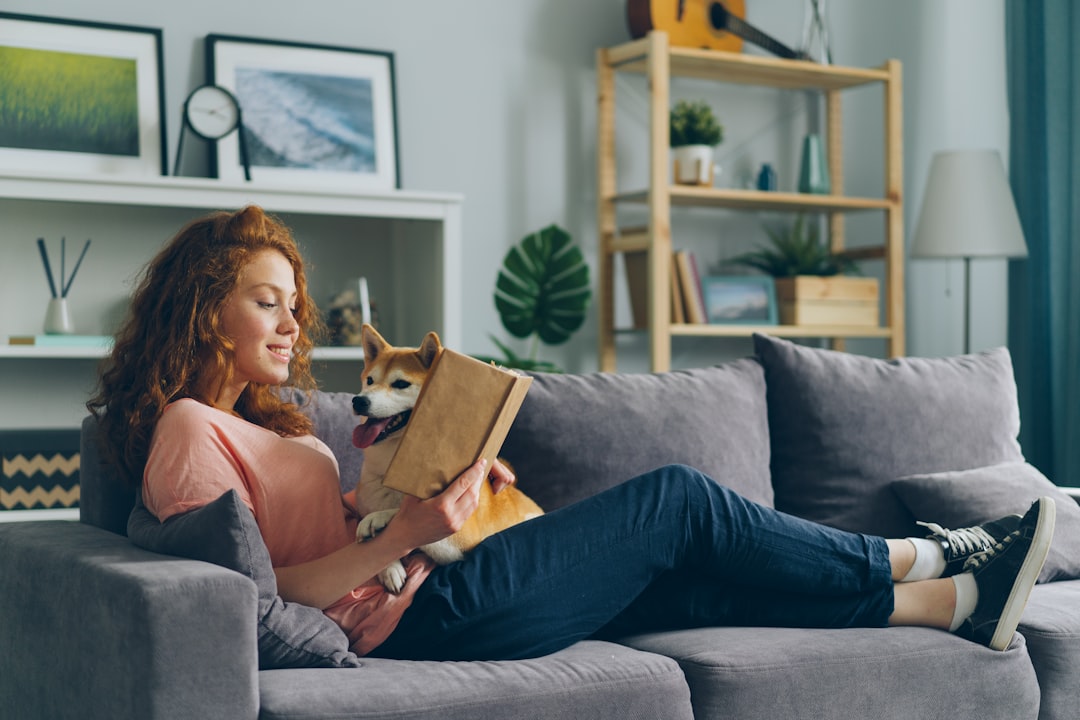
Have you ever felt like your dog just gets you in a way no one else does? Maybe you’ve noticed your pup has odd little routines with you that make your bond feel almost magical. These aren’t just random habits—these are the deeply personal, sometimes hilarious, sometimes heartwarming rituals that only truly devoted dogs share with their favorite humans. If you’ve ever wondered why your dog insists on sleeping on your feet or brings you their favorite toy at the exact same time every day, you’re in the right place. Let’s dive into the wonderfully quirky world of super-attached dogs and their beloved people.
The Morning Nose Boop Wake-Up Call
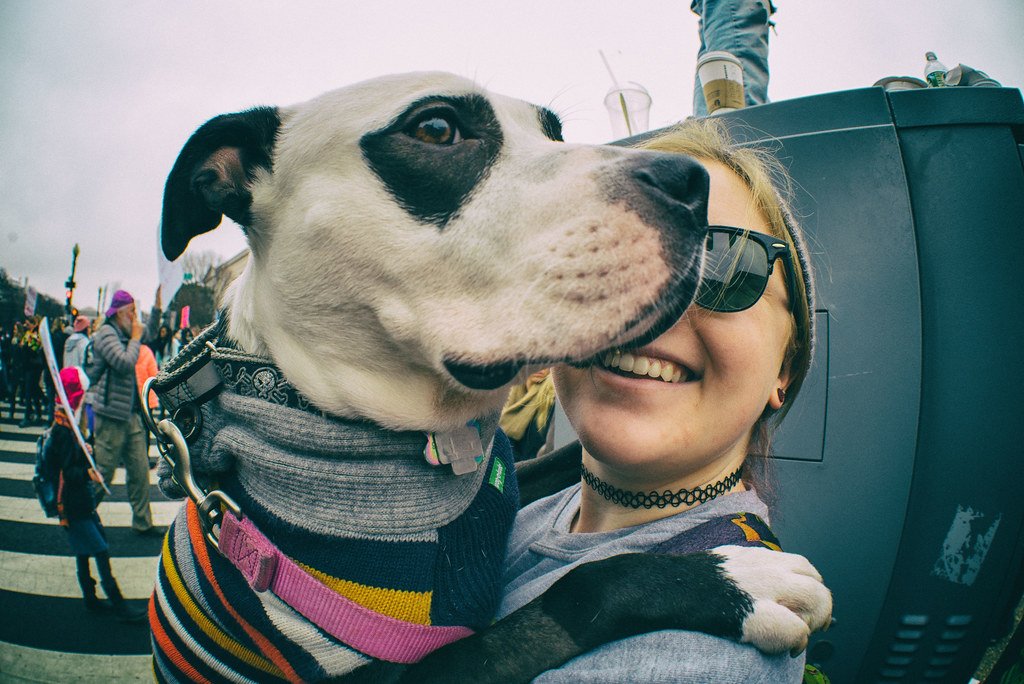
Waking up to a cold, wet nose nudging your face is a classic sign your dog is hopelessly attached. It’s not just about breakfast—many pups use this ritual as a gentle check-in, making sure their favorite person is still nearby. If your dog’s tail is wagging and their eyes are soft, it’s pure love, not just hunger.
This morning greeting builds trust and a sense of security for your dog. If you find it endearing (or even a little annoying), know that it’s your pup’s way of saying, “The day can’t start without you.” Respond with gentle pats and a cheerful greeting—your dog will feel reassured and more relaxed all day.
The Pre-Walk Happy Dance
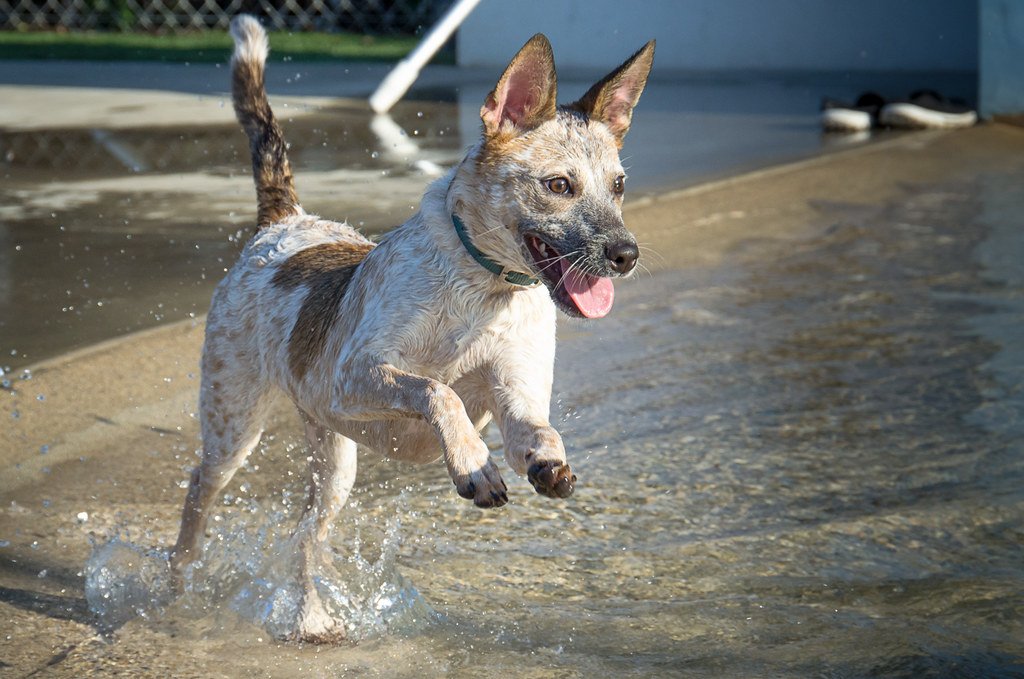
If your dog starts spinning in circles, wiggling their butt, or doing little hops every time you grab the leash, you’ve got a super-attached pup on your hands. This joyful dance is all about anticipation and shared excitement. It’s their way of celebrating the simple fact that you’re about to do something together.
Don’t rush this moment. Lean into their enthusiasm! Positive energy at walk time sets the mood for the whole outing and strengthens your bond. If your dog gets over-excited, try using calm verbal cues and slow movements to keep things safe and under control.
The “Shadow” Effect—Following You Everywhere
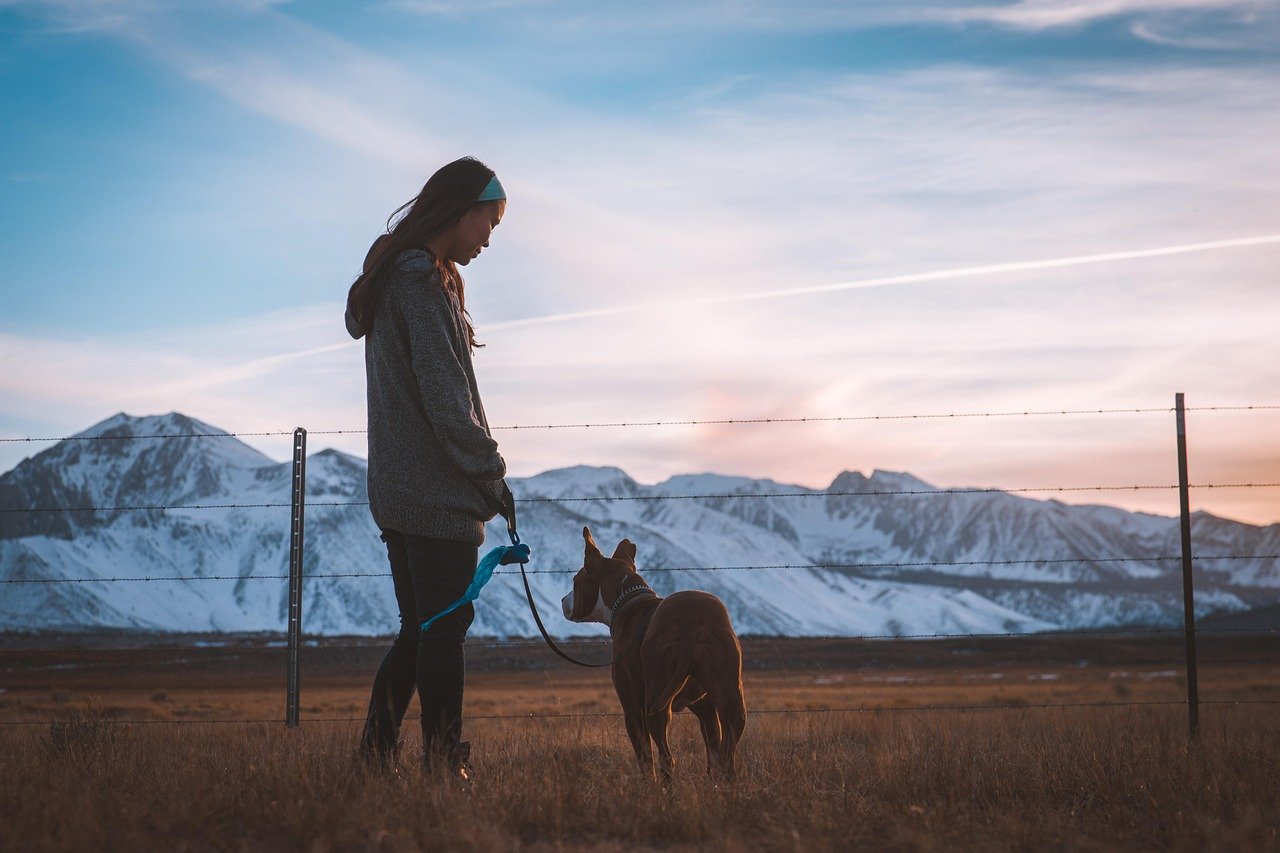
Some dogs just can’t bear to let you out of their sight. These loyal shadows will follow you from room to room—even the bathroom isn’t safe! This isn’t about separation anxiety, but rather a quirky display of devotion and curiosity about your every move.
While it can be adorable, always watch for signs of stress if you need to leave your dog alone. Practice short departures and give them a special treat or toy to help them feel secure. If your dog seems distressed, consider consulting a trainer for tips on building healthy independence.
The Shared Snack Ritual
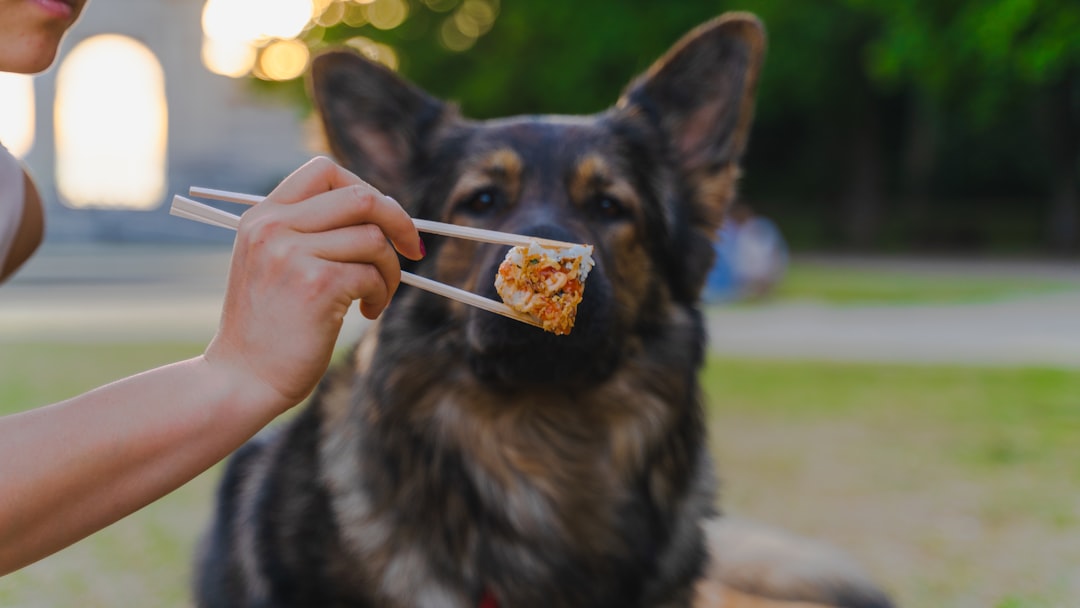
Ever noticed your dog patiently waiting for a bite of whatever you’re eating? Super-attached dogs see snack time as a bonding ritual. Whether it’s a bit of carrot or a dog-friendly treat, this is their way of sharing life’s little pleasures with you.
Just be careful about what you share—avoid grapes, onions, chocolate, and other human foods that are toxic to dogs. Keep special dog snacks on hand so you can include your pup safely in this sweet ritual. And don’t worry, a little drool on your hand just means you’re extra loved.
The Bedtime Snuggle Session
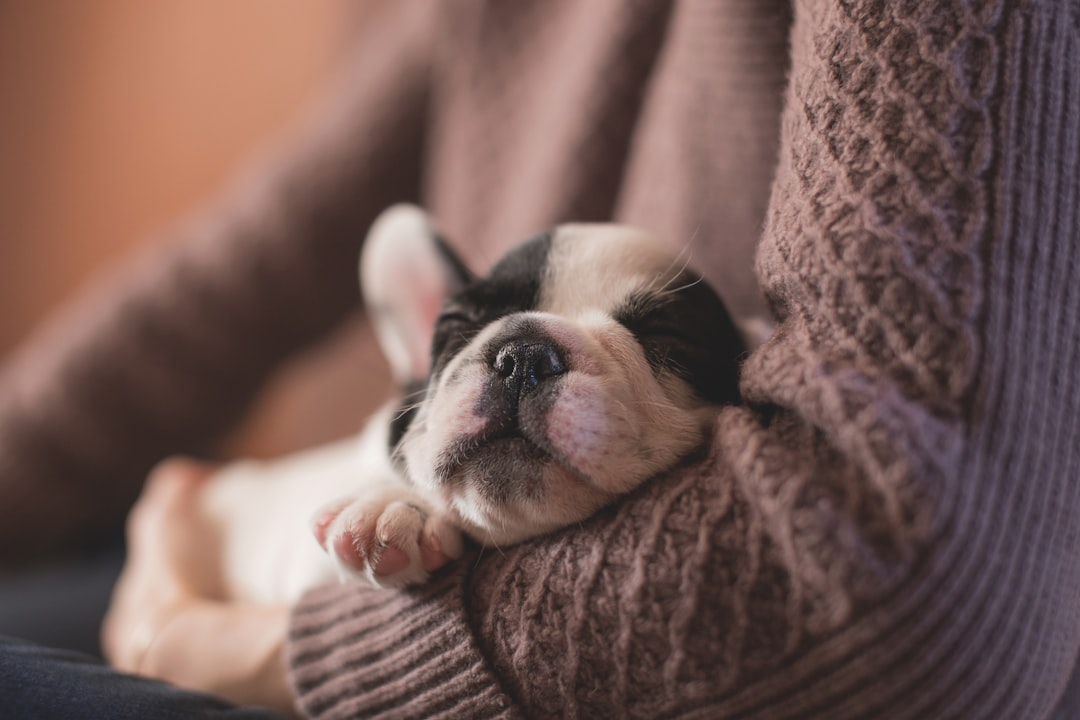
Cuddling up at night is a favorite ritual for many super-attached dogs. Whether they curl up beside you, at your feet, or even on your pillow, this nighttime closeness helps them feel safe and secure. It’s also a sign they trust you completely.
If your dog is restless or anxious at bedtime, try establishing a calm routine—gentle petting, a cozy blanket, or soothing words. For pups with joint pain or older dogs, consider orthopedic beds to make snuggling more comfortable and restful for both of you.
The “Welcome Home” Olympics
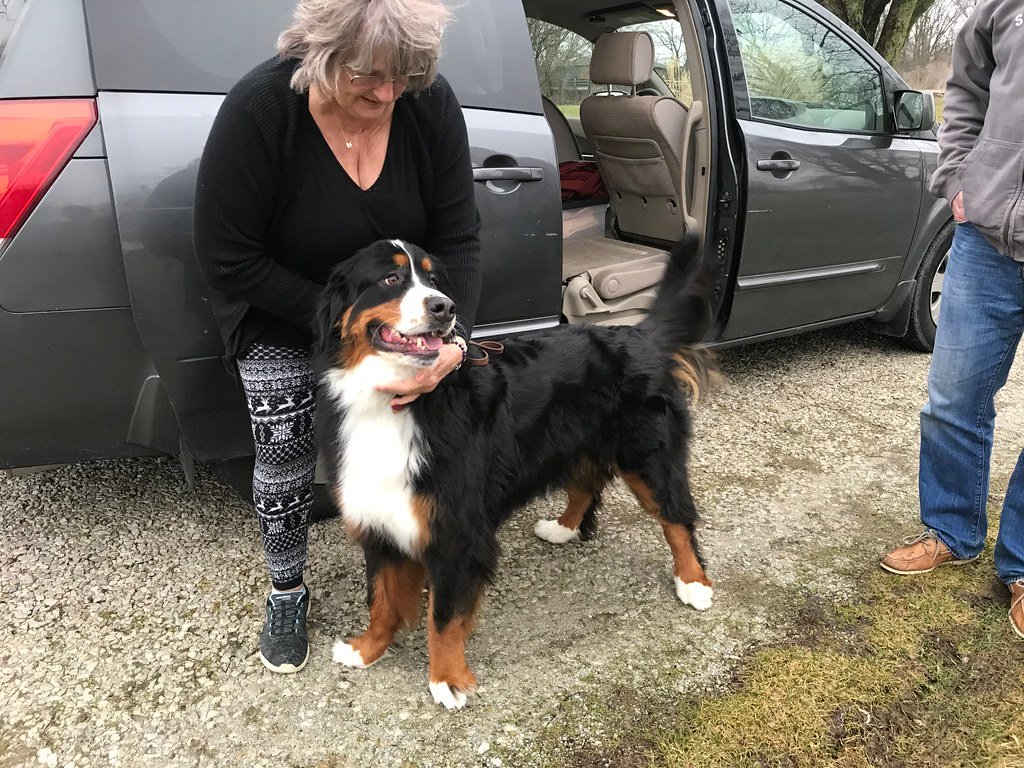
No one greets you quite like your dog. From zoomies to full-body wiggles, the welcome home ritual is a show of pure joy and relief that you’re back. Super-attached dogs may even bring you toys or bark excitedly as soon as you walk through the door.
This enthusiastic display is healthy, but if your dog gets too wild, teach them a “sit” or “quiet” command to help them calm down. Always greet your dog warmly—they’ve been waiting all day for this moment, and your positive response reinforces the bond.
The Protective Couch Cuddle
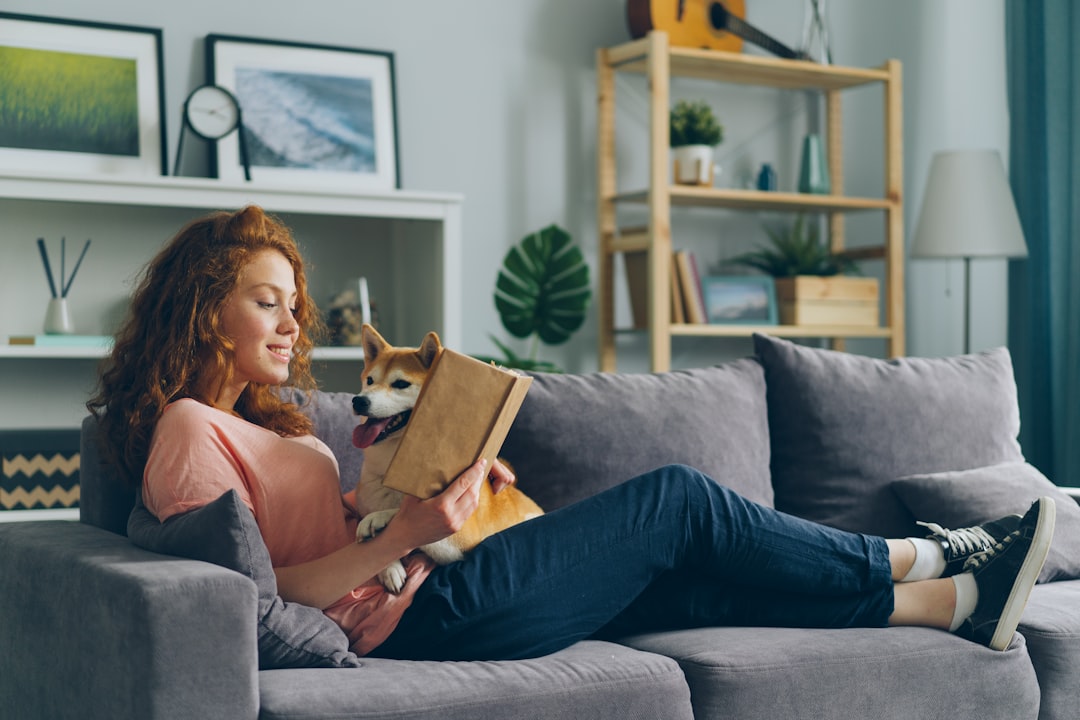
Super-attached dogs often claim a spot right next to—or even on top of—you during movie night. This isn’t just about comfort; it’s their way of guarding you and being close at the same time. Their head might rest on your lap, or they may wedge themselves into the smallest space just to be touching you.
If your dog growls or barks when others approach the couch, it’s a sign they might be a little too protective. Encourage gentle socialization and reward calm behavior when guests arrive. This keeps the ritual cozy and stress-free for everyone.
The “Checking On You” Glance
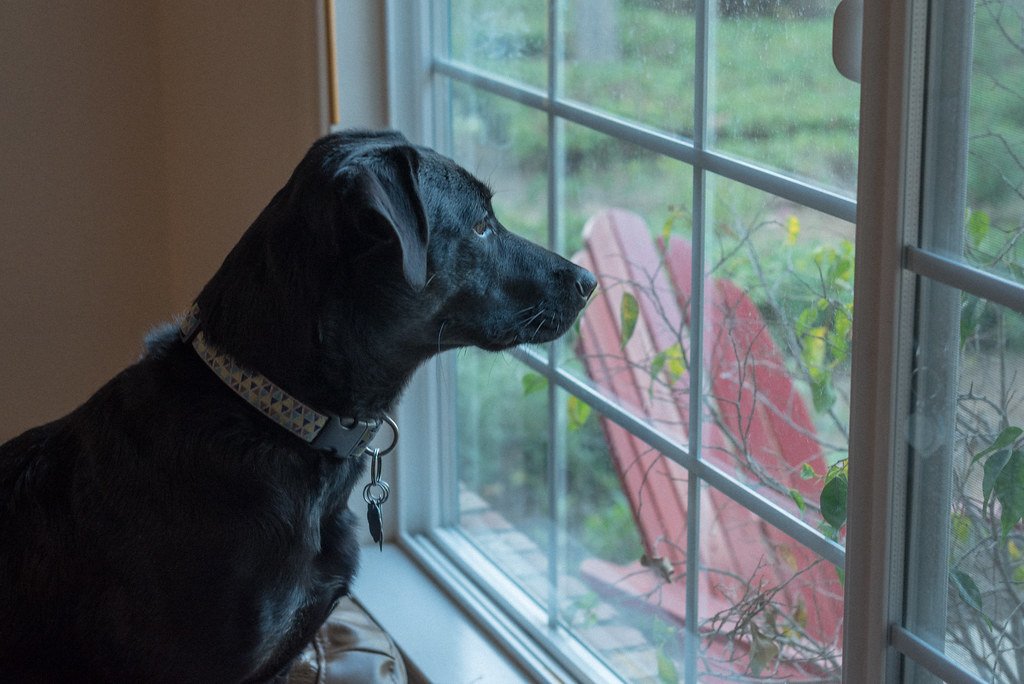
Ever catch your dog looking up at you during walks or from across the room, just to make sure you’re still there? That quick, reassuring glance is a sign of deep attachment. It’s your dog’s way of staying connected and feeling safe.
Return their gaze with a smile or a kind word. This brief moment of eye contact releases oxytocin—the bonding hormone—in both of you, deepening your relationship. If your dog seems anxious when you’re out of sight, practice positive reinforcement for independent play.
The Special Toy Presentation
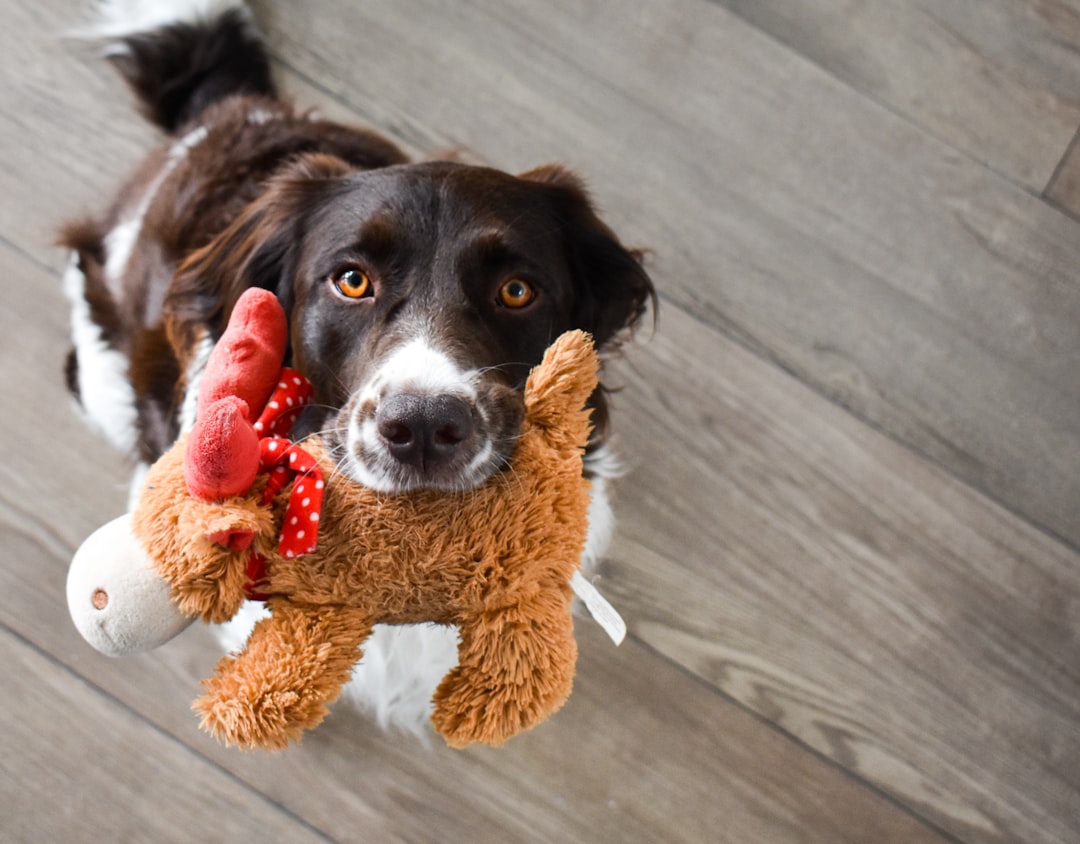
Some dogs have a favorite toy they’ll bring to you at the same time every day—after dinner, before bed, or during your evening wind-down. This isn’t just play; it’s a ritual of sharing and trust. Your dog is saying, “I want you to be part of my world.”
Make time to engage with your dog during these moments. Even a short game of tug or fetch can mean the world to them. If your dog suddenly stops this ritual, check for signs of discomfort or illness that might be affecting their mood.
The Synchronized Relaxation
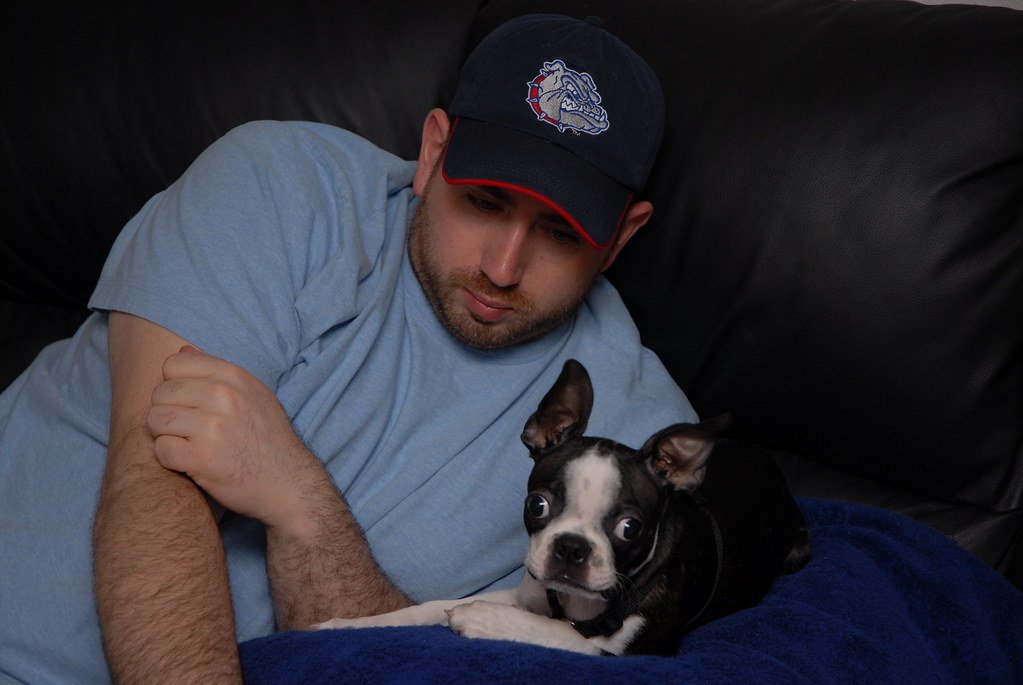
Super-attached dogs often mirror your downtime. When you flop on the couch to read or watch TV, your pup settles in beside you, matching your energy level. This “synchronized relaxation” shows your dog is attuned to your rhythms and wants to be part of your routine.
Encourage this quiet time by inviting your dog to relax with you. Soft petting or gentle words can help reinforce the ritual. For dogs with lots of energy, a calm chew toy can keep them occupied while you both unwind.
The Goodnight Ritual
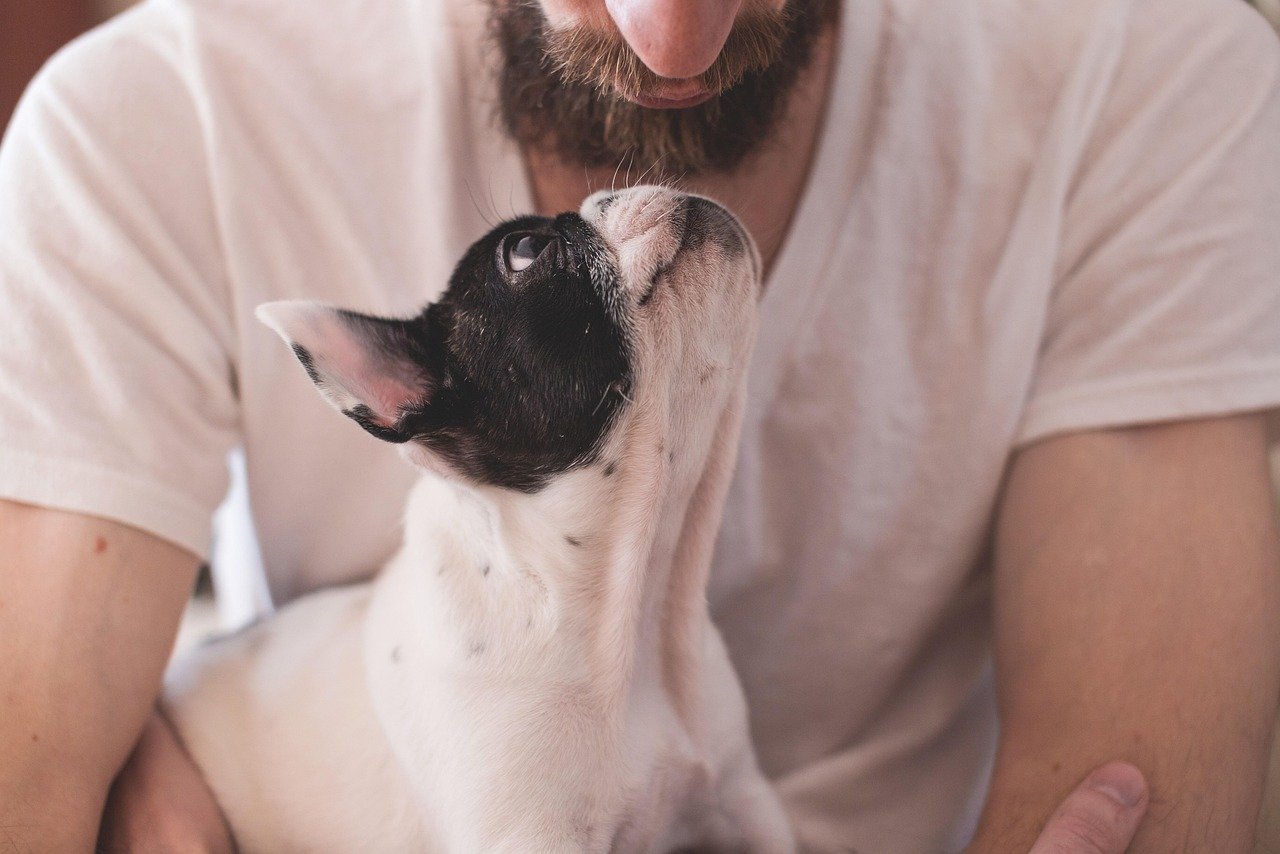
Right before bed, many super-attached dogs have a final ritual—maybe it’s a long stretch, a nose nuzzle, or a soft whine for one last belly rub. This nightly sign-off helps your dog transition into sleep, knowing their human is close by and all is well.
If your dog seems restless or has trouble settling down, try a consistent bedtime routine—same time, same place, same gentle words. This predictability is comforting and can help ease anxiety, especially in dogs who thrive on closeness and routine.


