
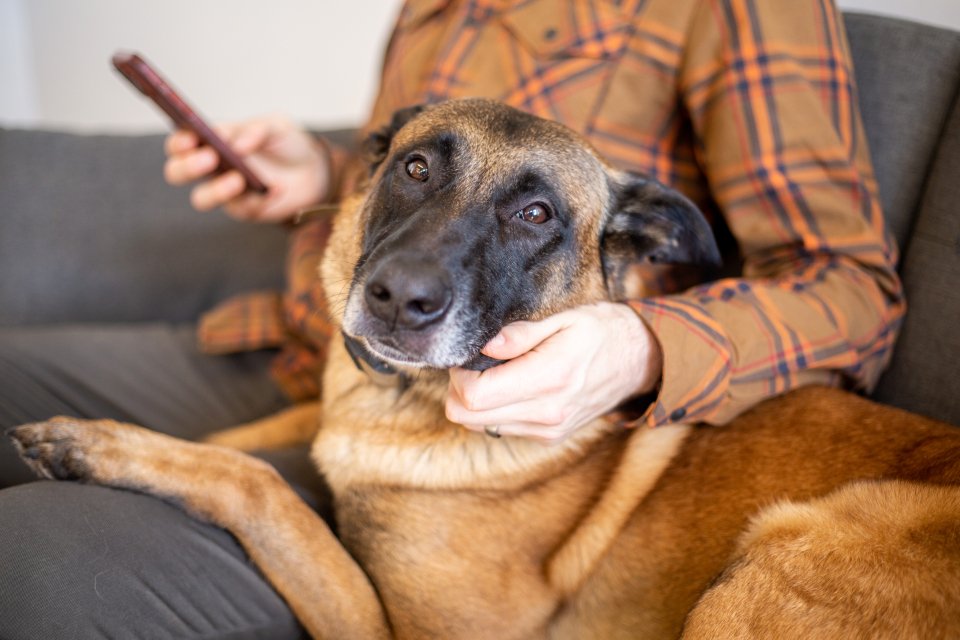
Have you ever caught your dog gazing at you with that goofy, tail-wagging grin and wondered, “Is my pup really happy?” It’s a question every loving dog owner asks at some point. Our dogs might not be able to tell us with words, but they’re experts at showing their joy if we know how to look. Happiness in dogs isn’t just about treats or belly rubs—it’s about trust, comfort, and a wagging spirit that shines through in countless little ways. Let’s uncover the ten unmistakable signs your dog is living a life full of tail wags and contentment.
The Tail Tells All
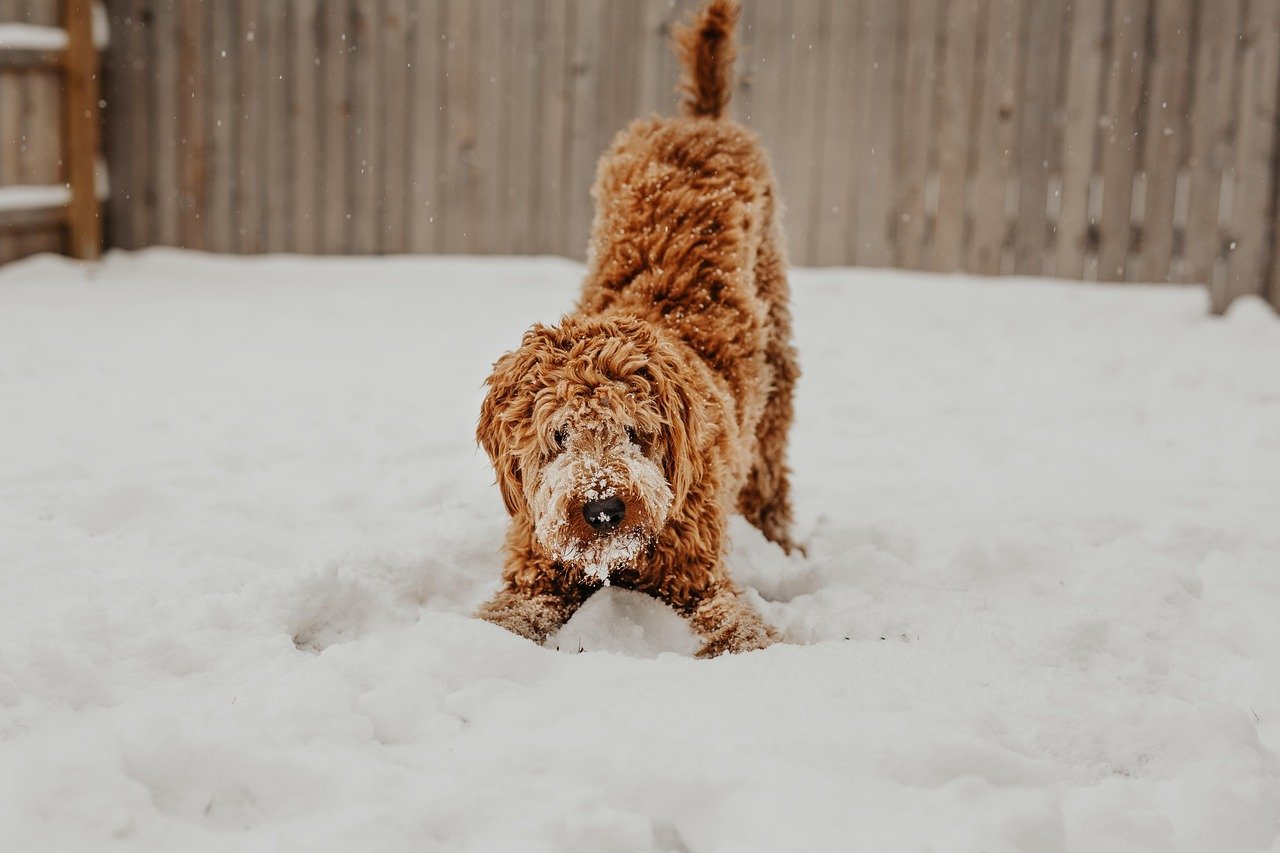
A wagging tail is often the first sign people notice, but there’s more to it than just movement. A happy dog usually wags their tail in broad, sweeping motions—sometimes so hard, their whole backside wiggles! If your dog greets you with a relaxed, side-to-side tail wag, that’s their way of saying, “I’m thrilled to see you.”
Not all tail wags mean joy, though. Nervous wags are usually lower and quicker, while a tail tucked between the legs signals stress. So, pay attention to the tail’s height and speed. The next time your dog’s tail is held high and wagging freely, you can smile knowing you’re doing something right.
Bright, Soft Eyes
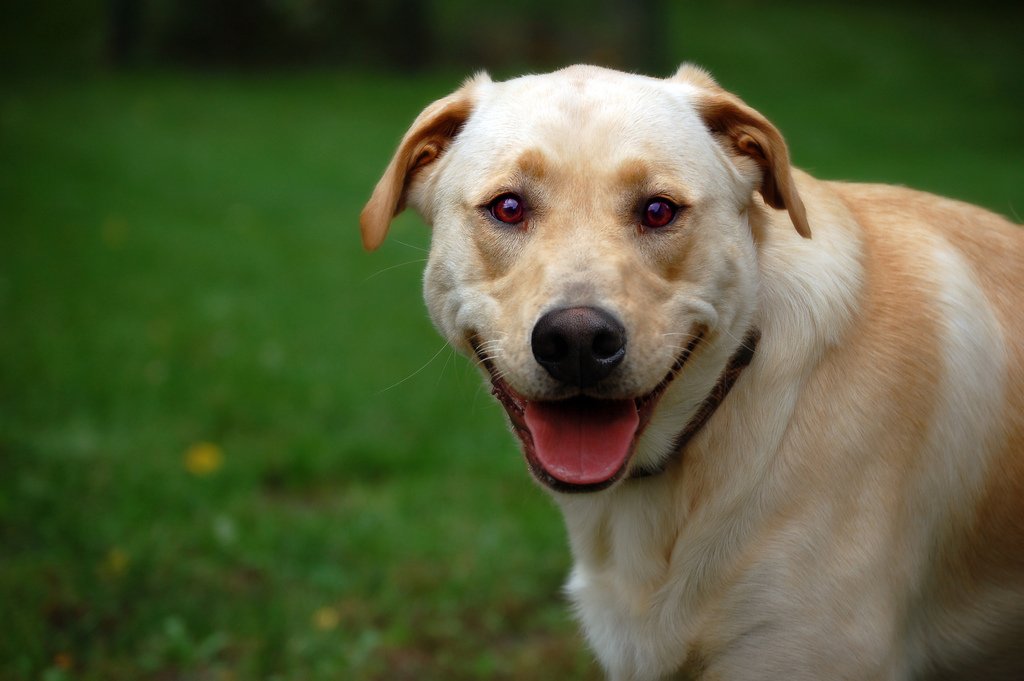
Happy dogs have a twinkle in their eyes that’s hard to miss. Their gaze is soft, their eyelids relaxed, and sometimes they’ll give you those famous “puppy dog eyes” that practically beg for a cuddle. It’s like their eyes are smiling right back at you.
On the flip side, if your dog looks away often or shows the whites of their eyes (sometimes called “whale eye”), it could mean they’re anxious or uncomfortable. Those gentle, loving looks are a sign your dog feels safe, secure, and utterly content in your company.
Playful Energy and Zoomies
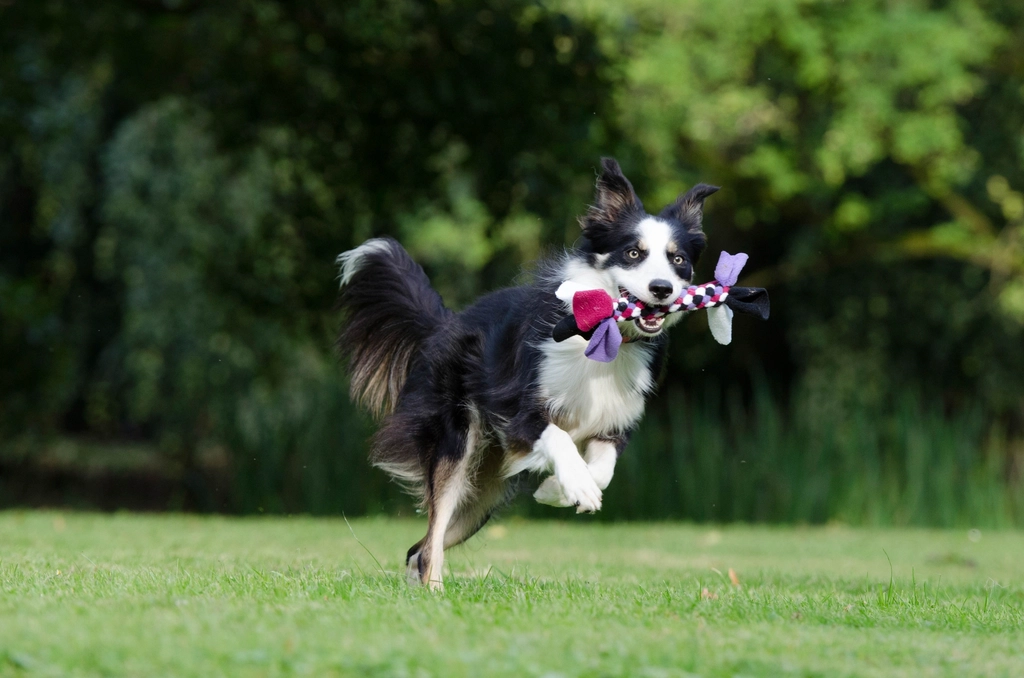
Does your dog suddenly race around the house or yard in wild, joyful circles? These “zoomies,” as we call them, are a fantastic sign of happiness. Playful bursts of energy—whether it’s chasing a ball or pouncing on a squeaky toy—show that your dog feels confident and free.
Happy dogs will often invite you to join in, dropping a toy at your feet or nudging your hand. If your dog is still playful beyond puppyhood, cherish these moments. They’re letting you know that life with you is, quite simply, a blast.
Relaxed Body Language
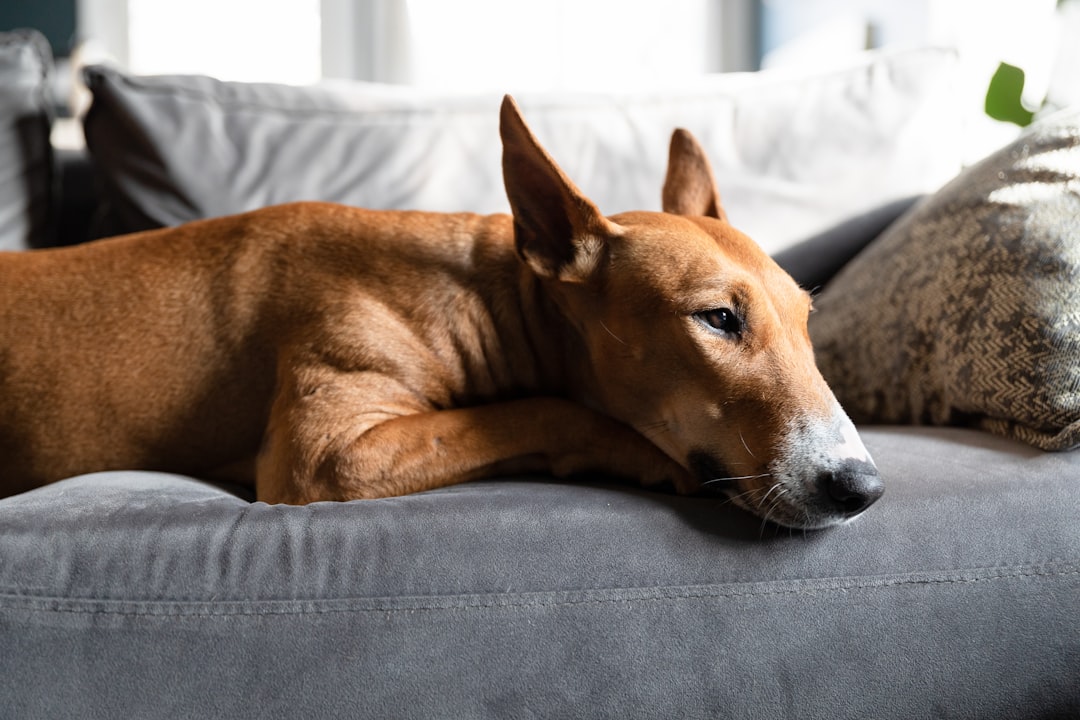
A dog at ease has loose, wiggly movements. Their body isn’t stiff or tense; instead, they stretch out, roll over for belly rubs, or flop down with a contented sigh. You might even notice your dog sleeping on their back, exposing their belly—a vulnerable position that says, “I trust you.”
If your dog’s muscles are tight or they’re hunched, it’s worth checking in. But when their body language is relaxed and open, it’s a big, warm sign of happiness and trust in their environment.
Healthy Appetite

A happy dog looks forward to mealtimes and eats with enthusiasm—sometimes too much enthusiasm! If your pup trots over as soon as you rattle their food bowl and finishes their dinner with gusto, that’s a healthy sign. It means they’re feeling good physically and emotionally.
Loss of appetite can be a red flag for stress or illness. While some dogs are picky eaters, a sudden change in eating habits shouldn’t be ignored. But a wagging tail at dinnertime? That’s joy served up with kibble.
Affectionate Behavior
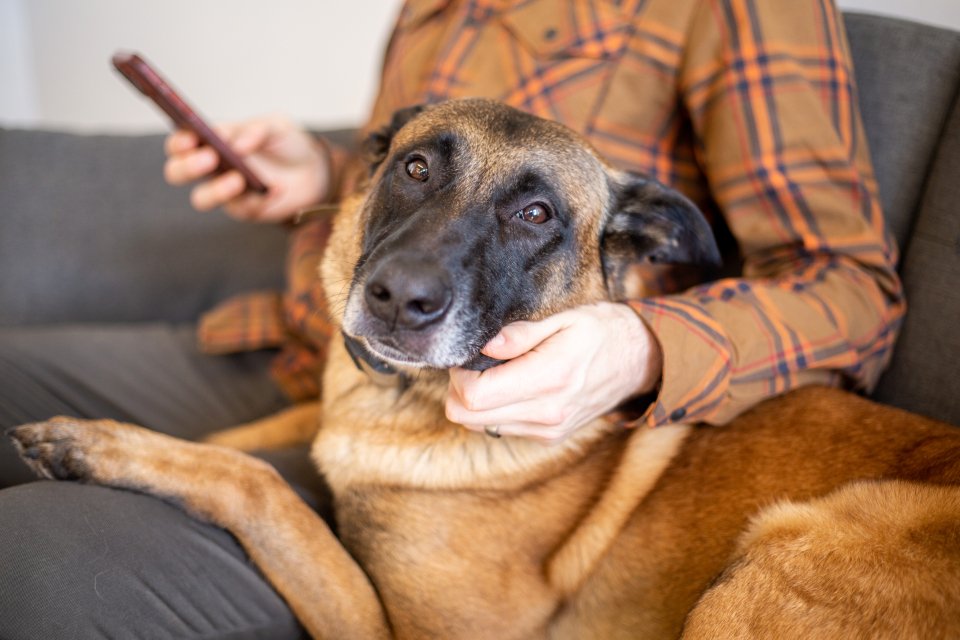
Snuggles, kisses, leaning against your leg—when your dog seeks out physical closeness, it’s their way of saying, “You’re my person.” Happy dogs show affection in big and small ways, whether it’s nudging your hand for pets or quietly resting their head on your lap.
Dogs are social animals, and a happy pup will want to stay close. If your dog follows you from room to room or curls up beside you on the couch, it’s not just habit—it’s love and happiness rolled into one furry package.
Good Social Interactions
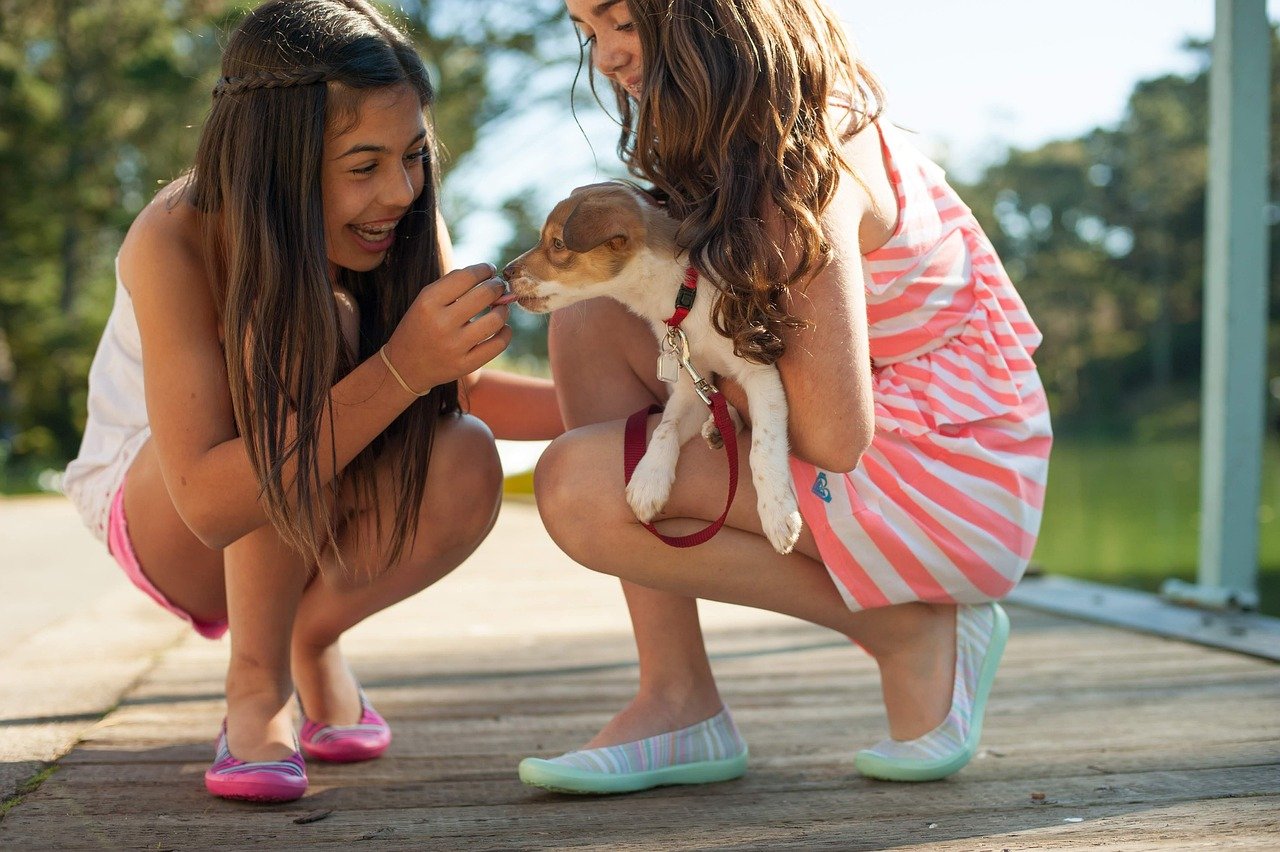
A happy dog is often friendly with people and other dogs. They approach new friends with curiosity, wagging tails, and relaxed posture. You’ll see them sniffing, playing, and sometimes even bowing in that classic “play pose”—elbows down, rump in the air.
Social dogs are usually well-adjusted and confident. If your dog enjoys meeting new pals at the park or wags their tail at visitors, it’s a clear sign they feel at ease in their world. Just remember, every dog is unique; some are more reserved, but comfort around others is always a good sign.
Healthy Sleep Habits
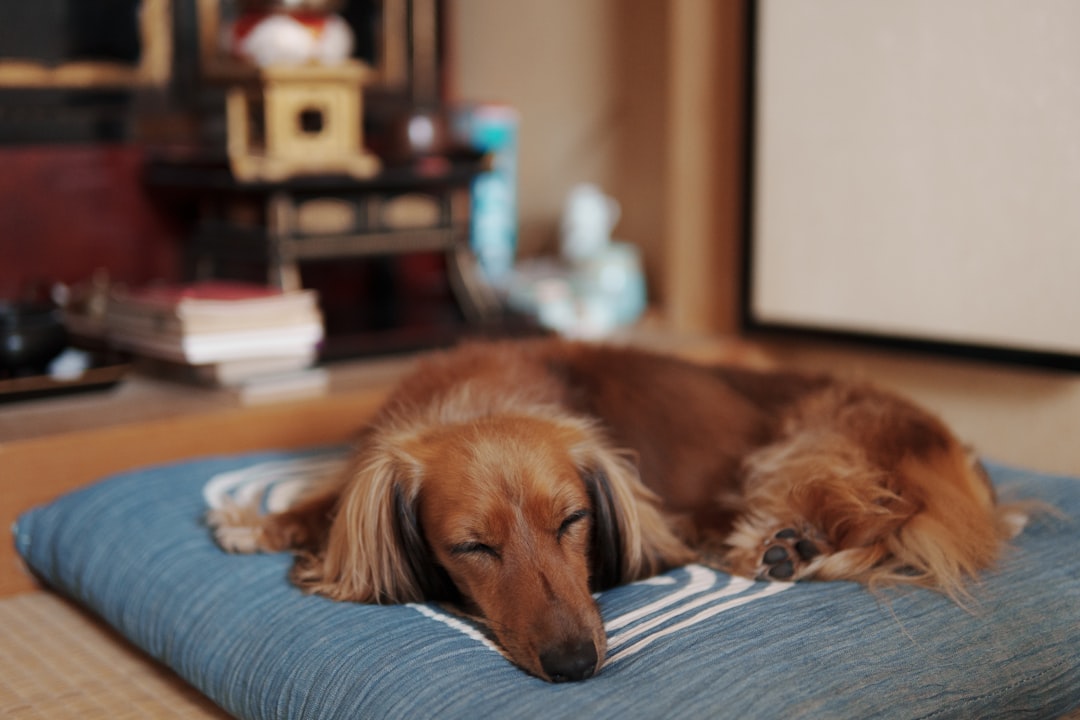
Content dogs sleep well and often. An adult dog typically needs 12-14 hours of sleep a day, and puppies need even more. If your dog finds cozy spots to nap, stretches out comfortably, and wakes up refreshed, they’re enjoying a peaceful, happy life.
Restless nights, constant pacing, or trouble settling can point to underlying issues. But when your furry friend snoozes soundly, you can rest easy too, knowing they feel safe and satisfied in their environment.
Curiosity and Engagement
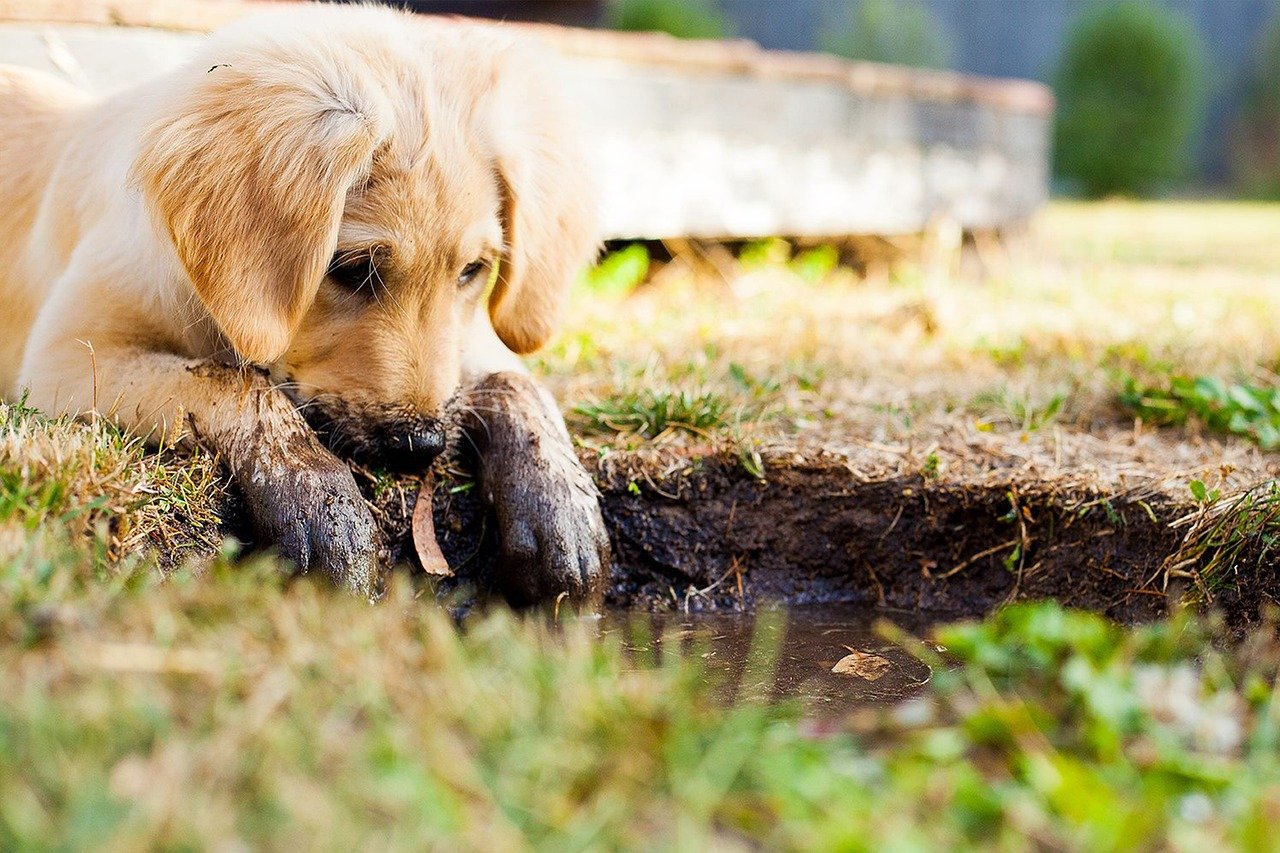
Happy dogs are curious about their surroundings. They sniff new scents, investigate noises, and watch the world go by from the window. If your dog perks up at the sound of your keys or tilts their head when you speak, it’s a sign they’re actively engaged and mentally stimulated.
A curious dog is a content dog. Providing new toys, varied walks, and gentle training keeps their world interesting—and their spirits high. Their eagerness to explore is a joyful reminder that life, especially with you, is full of wonder.
Healthy Coat and Bright Expression

A shiny coat and bright eyes are more than just good looks—they signal health and happiness. Regular grooming, a balanced diet, and low stress all contribute to your dog’s physical glow. When your dog’s fur is soft and their eyes sparkle, you’re seeing their happiness on the outside.
If you notice dull fur or a lackluster demeanor, it might be time for a wellness check. But when everything shines, it’s a signal that your dog is thriving in every sense.
Happy Vocalizations
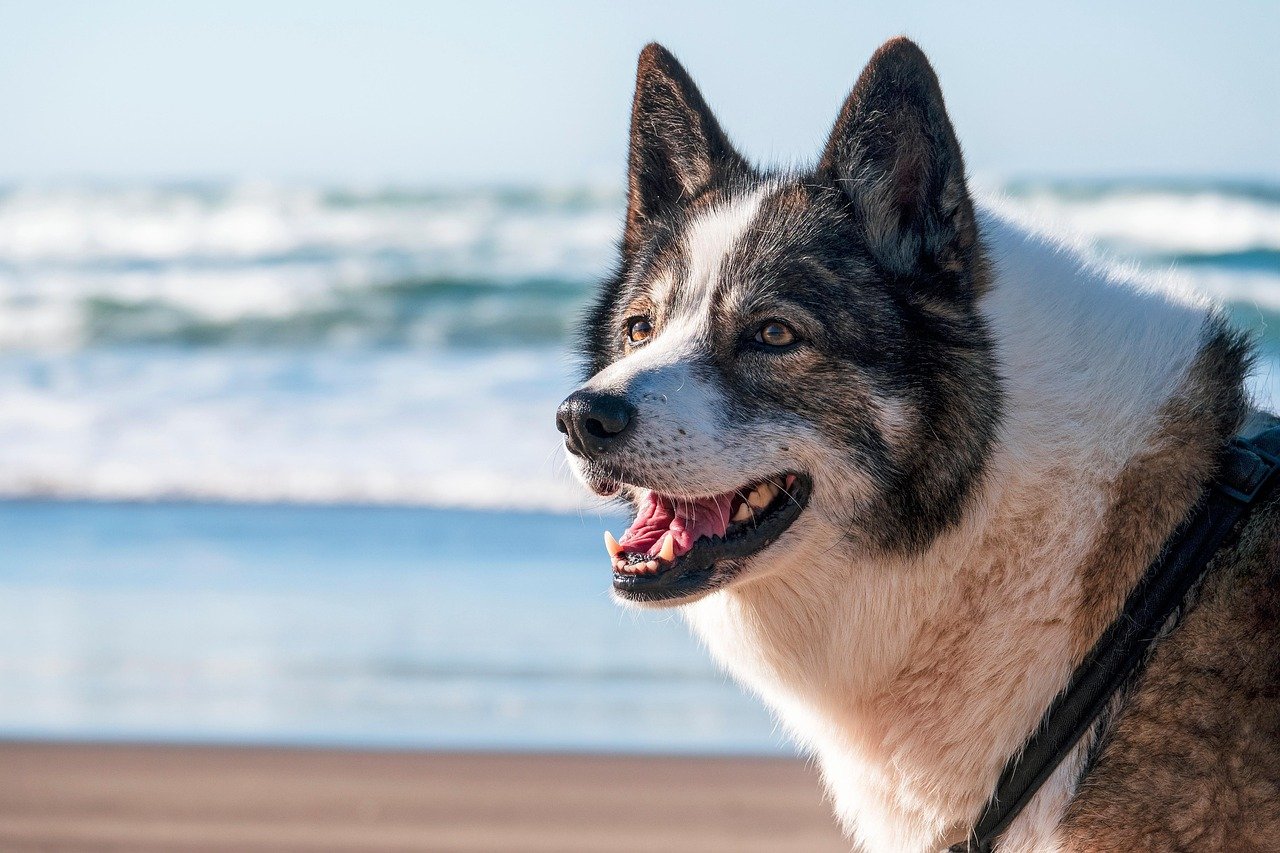
Not all barks are created equal. Happy dogs have a wide range of vocalizations—playful barks, excited yips, and contented sighs. You might even hear a gentle groan when your dog settles in for a nap or a soft whine when they’re excited to see you.
It’s important to know your dog’s normal sounds. Excessive barking or whining can signal distress, but those joyful barks during playtime? That’s just your dog’s way of saying, “Life is good!”


