
8 Mistakes To Avoid If You Own A Cat
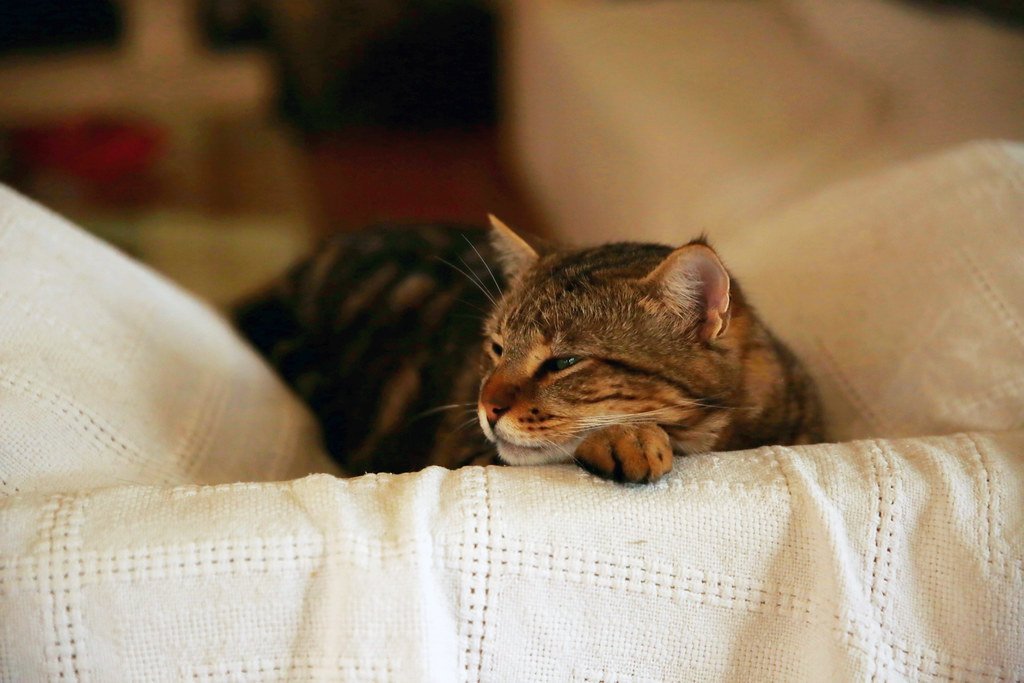
Have you ever looked into your cat’s eyes and wondered what they’re thinking? Owning a cat is both a joy and a mystery, filled with hilarious antics, heart-melting moments, and yes—plenty of “what did I do wrong this time?” moments. Even the most devoted cat parents can slip up, sometimes without even realizing it. The truth is, cats are sensitive creatures with unique needs. A single oversight can affect their happiness, health, or even your bond with them. If you’ve ever felt guilty seeing your kitty sulk in a corner or act out of sorts, you’re not alone. Let’s shine a light on the 8 most common mistakes cat owners make—so you and your feline friend can enjoy many more purr-filled years together.
Neglecting Regular Veterinary Care
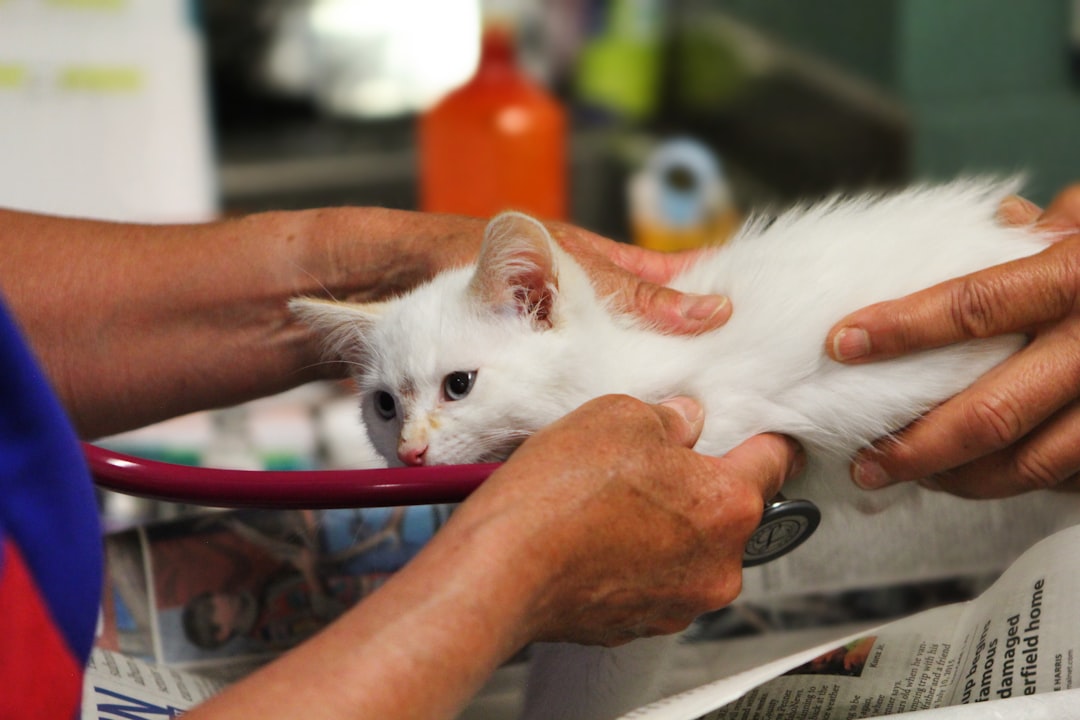
Many cat owners mistakenly believe that their indoor cats are less likely to get sick and therefore skip annual vet visits. This couldn’t be further from the truth. Cats are masters at hiding illness, and even a seemingly healthy cat might be silently suffering from dental issues, kidney problems, or even early diabetes. Regular check-ups are crucial for catching problems early, when they’re most treatable—and the fewer surprises, the better for your peace of mind.
Besides catching health issues early, regular vet visits keep your cat’s vaccinations and parasite preventatives up to date. Even indoor cats can be exposed to fleas, ticks, or viruses brought in on shoes or clothing. Skipping the vet might save you a little money now, but it could cost you much more—emotionally and financially—down the road. Never underestimate the power of prevention when it comes to your feline companion.
Feeding an Inappropriate Diet
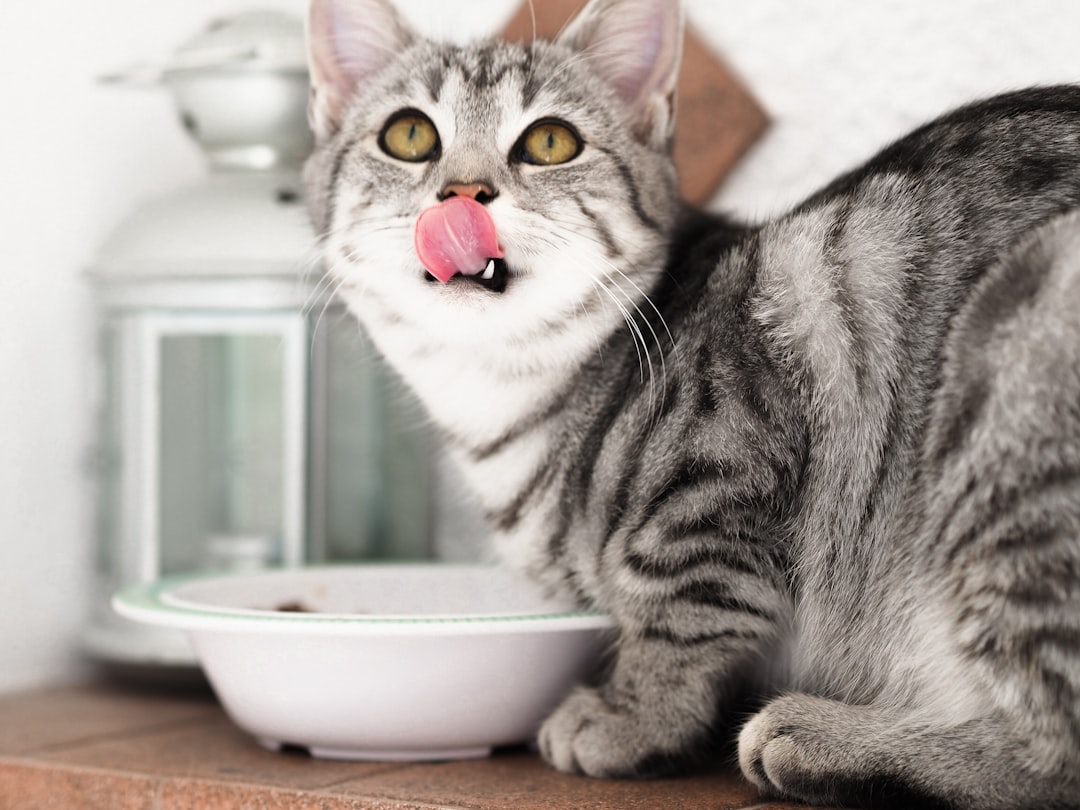
It’s easy to be tempted by those adorable commercials showing cats feasting on endless bowls of milk or human food. But the wrong diet is a recipe for trouble. Cats are obligate carnivores, which means they need high-protein, meat-based diets to thrive. Feeding them too many carbs, low-quality foods, or table scraps can lead to obesity, digestive issues, or even chronic diseases like diabetes.
Portion control is just as important as food choice. Overfeeding—even with the best food—can lead to a chubby kitty with aching joints and a shortened lifespan. Always check in with your vet about the right food and amount for your cat’s age, weight, and health needs. It’s not just about filling their bowl—it’s about fueling a long, happy life.
Ignoring Their Need for Enrichment
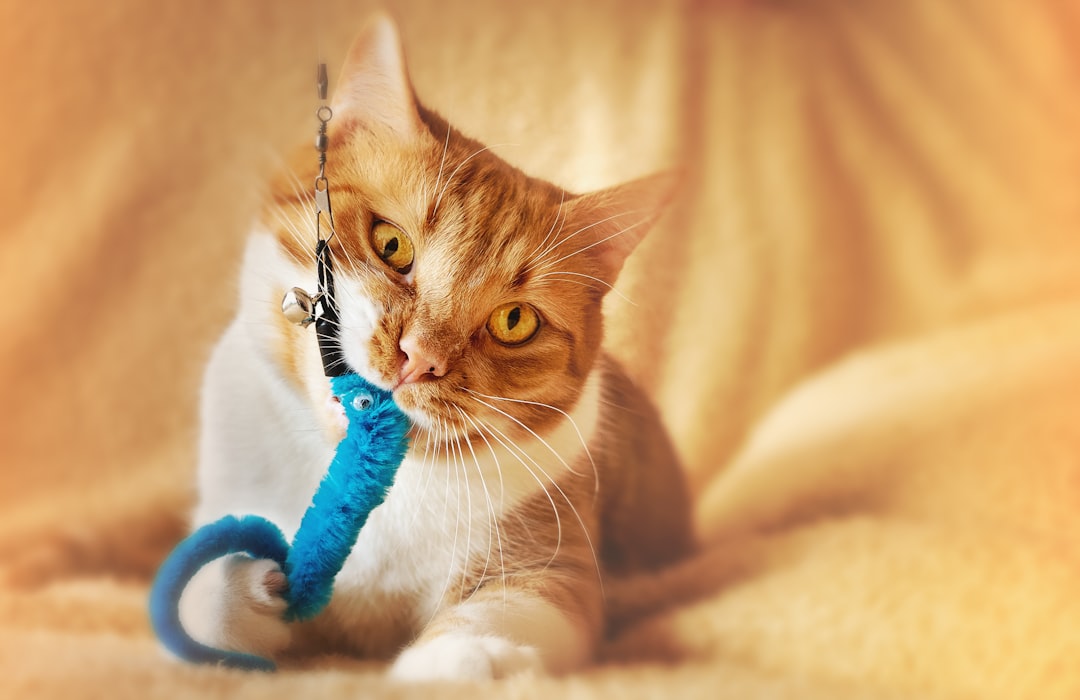
Cats may look serene lounging in a sunbeam, but boredom is a real and serious problem. Without mental and physical stimulation, cats can become lethargic, overweight, or develop destructive behaviors like scratching furniture or excessive meowing. Think of enrichment as the spice of life—it keeps your cat’s mind sharp and their spirit lively.
Toys, climbing trees, puzzle feeders, and regular playtime are essential. Try to rotate toys or introduce new challenges to keep things fresh. Even a cardboard box or a paper bag can turn into an adventure for your cat. Enrichment isn’t just for kittens—adult and senior cats need variety and excitement too. Keeping their world interesting is a simple but powerful way to show you care.
Using the Wrong Type of Litter Box or Litter
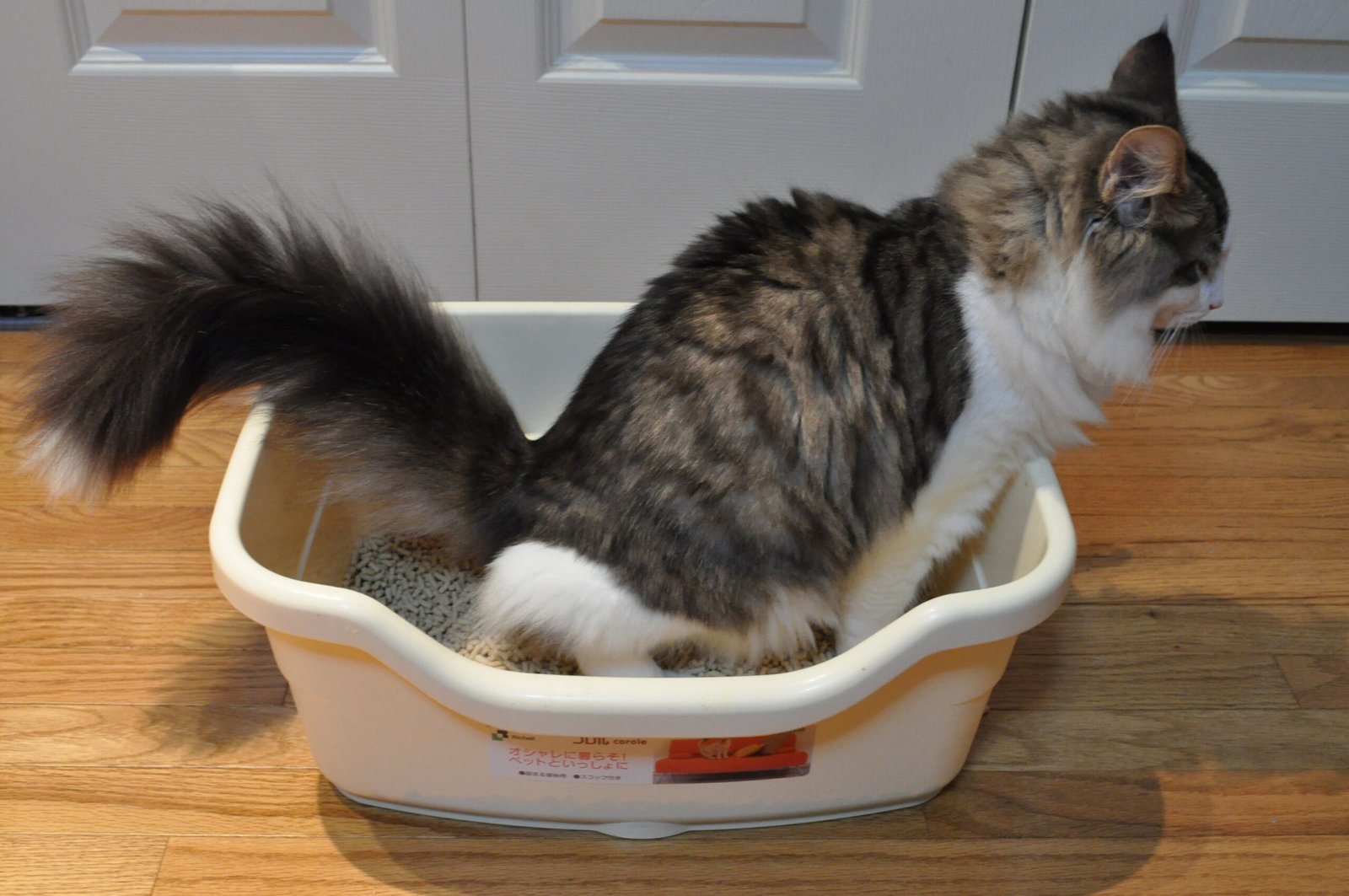
A dirty, cramped, or smelly litter box is a cat’s worst nightmare—and it can quickly become yours, too, when accidents start happening outside the box. Cats are picky about where they do their business. The wrong box size, type, or litter can cause stress, urinary issues, or unwanted messes around your home.
Choose a litter box that’s large enough for your cat to turn around comfortably. Some cats prefer uncovered boxes, while others feel safer with a lid. The type of litter matters as well; some cats dislike scented or coarse litters. Scooping daily and changing the litter regularly keeps odors at bay and your cat happy. If you notice your cat avoiding the box, it’s a sign something isn’t right—don’t ignore it.
Declawing or Punishing Unwanted Behaviors
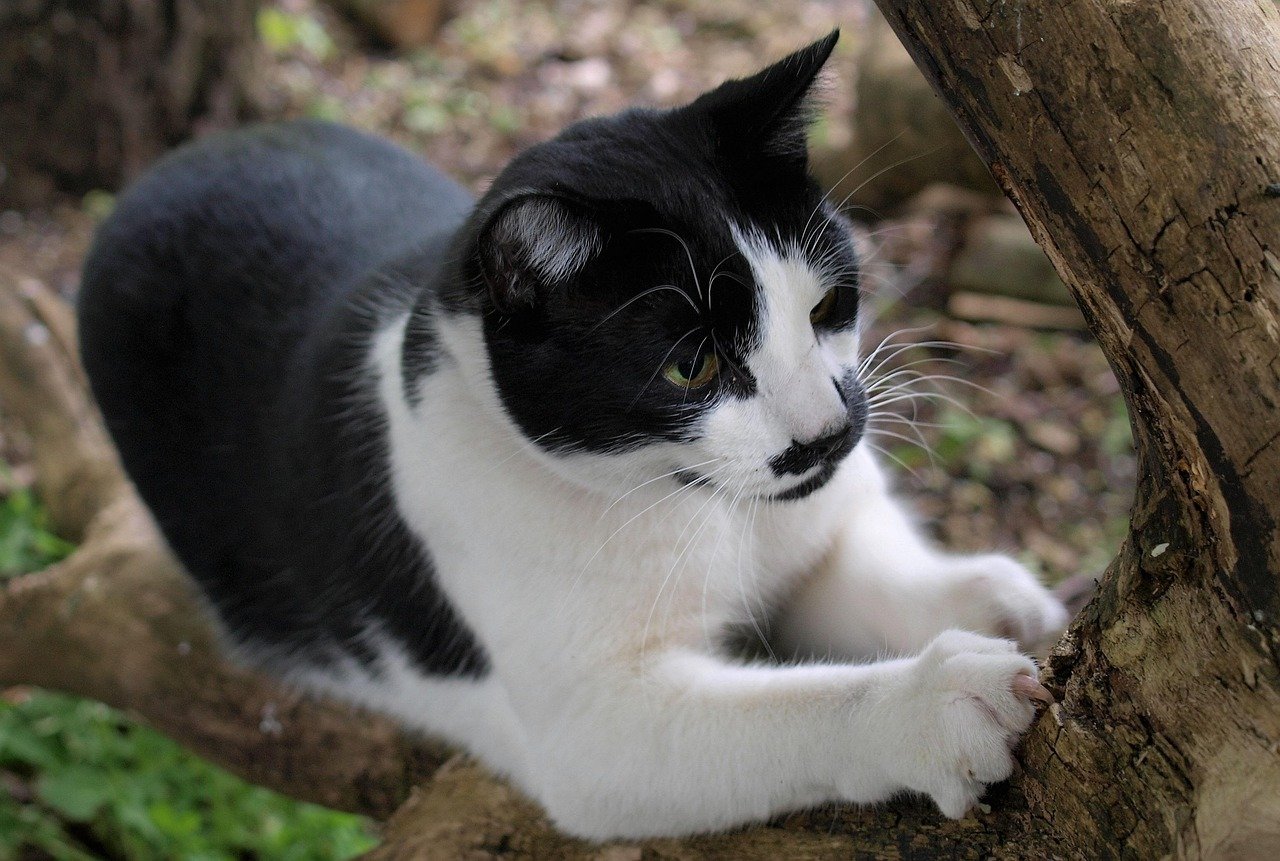
Scratching is a natural and necessary behavior for cats—it helps them stretch, mark territory, and keep their claws healthy. Declawing, often seen as a quick fix, is actually a painful and traumatic procedure that removes part of the cat’s toes. Many countries have even banned it because of the lasting physical and emotional damage it causes.
Instead of punishment or declawing, redirect your cat’s scratching to appropriate surfaces like scratching posts or pads. Use positive reinforcement—treats, praise, or catnip—to encourage good habits. Yelling, hitting, or using spray bottles only creates fear and damages your relationship. Understanding your cat’s needs and responding with patience is always the kinder—and more effective—solution.
Not Providing a Safe and Comfortable Environment
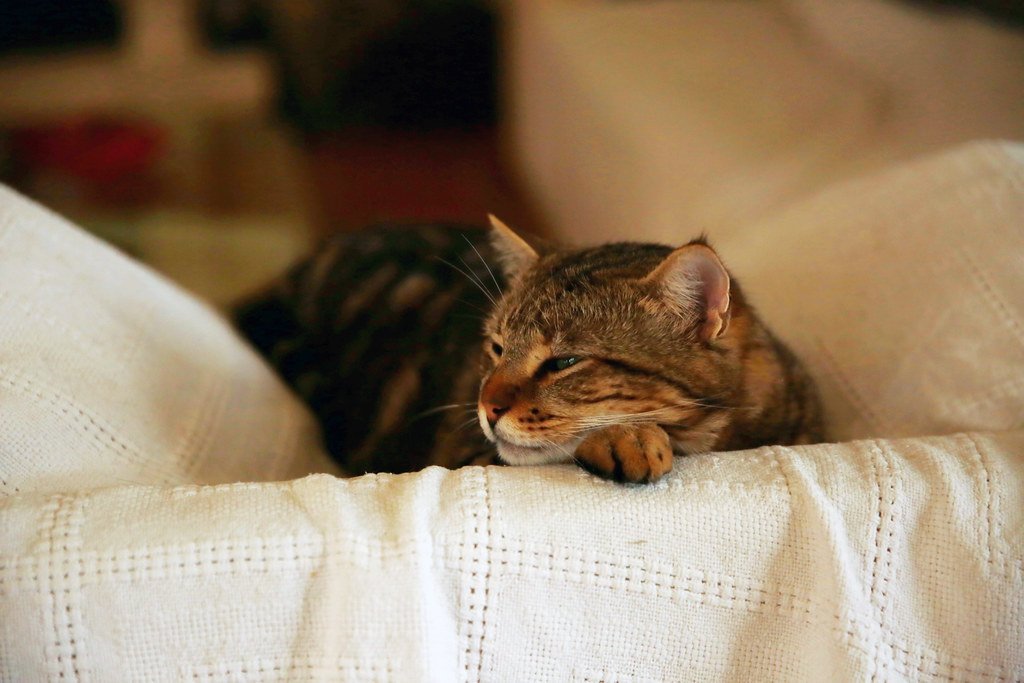
Cats crave safety and comfort, just like we do. Exposing them to loud noises, chaotic environments, or unsafe spaces can lead to anxiety, hiding, or even aggression. Sometimes, owners forget how sensitive cats are to changes—like moving furniture, bringing in new pets, or hosting loud parties.
Create cozy hiding spots, high perches, and quiet areas where your cat can retreat and relax. Make sure windows and balconies are secure, and keep toxic plants or dangerous objects out of reach. A calm, predictable environment helps your cat feel secure and confident—and a confident cat is a happy cat.
Overlooking Dental Health
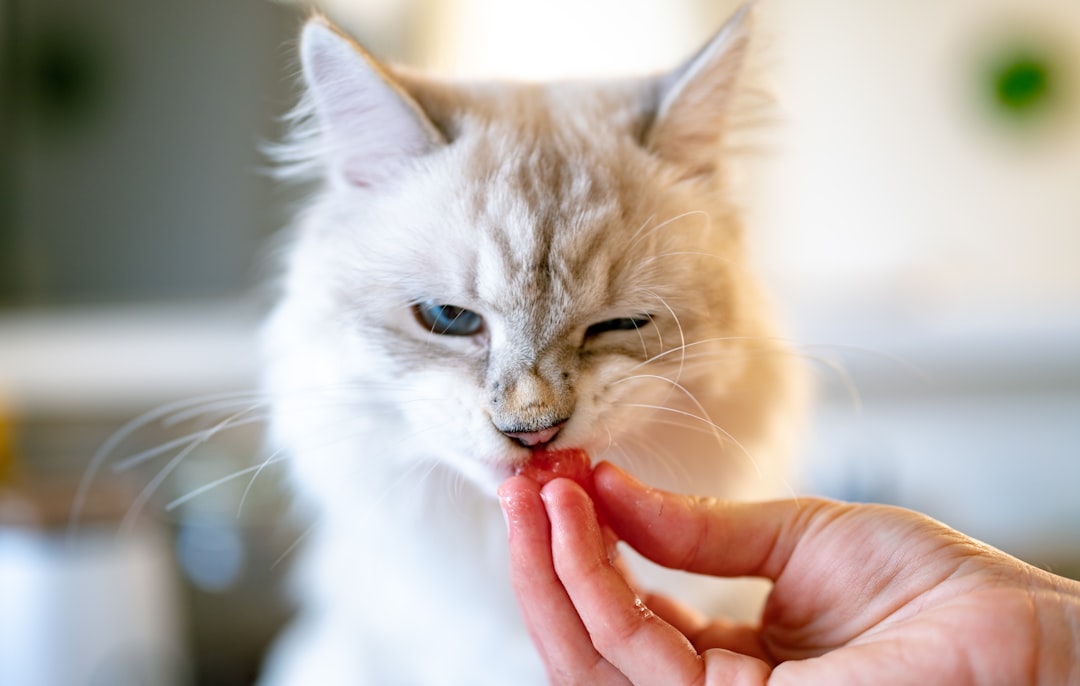
Dental health is one of the most overlooked aspects of feline care. Many cat owners don’t realize that dental disease can cause pain, infection, and even affect vital organs like the heart and kidneys. If your cat has bad breath, drools, or avoids eating, it could be a sign of serious dental trouble.
Brushing your cat’s teeth may sound impossible, but with patience and the right tools, even the fussiest cat can learn to tolerate it. Dental treats and regular vet cleanings are also helpful. Don’t wait until your cat is in pain—make dental care a regular part of your routine. A healthy mouth means a healthier, happier cat.
Failing to Recognize Signs of Stress or Illness
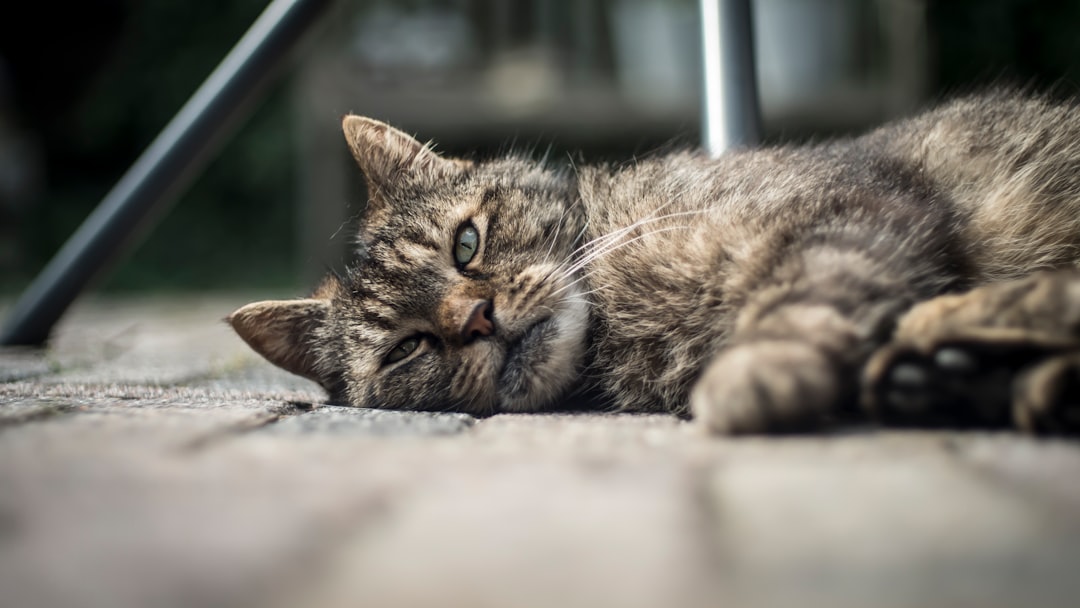
Cats are experts at hiding discomfort, which means that subtle changes in behavior are often the first—and only—clues that something’s wrong. Ignoring signs like changes in appetite, litter box habits, grooming, or social interaction can allow small problems to snowball into bigger ones.
Pay close attention to your cat’s daily patterns. Is your once-playful kitty suddenly withdrawn? Are they eating less, or eliminating outside the litter box? Trust your instincts—if something feels off, it’s always better to consult a vet. Early intervention can make all the difference, and your attentiveness could be the key to your cat’s well-being.
Owning a cat comes with its own set of responsibilities, and avoiding common mistakes can make a world of difference in your pet’s well-being. From neglecting enrichment to misreading their body language, even well-meaning owners can unintentionally cause stress. The good news? With awareness and small adjustments, you can create a happier, healthier life for your feline friend. When you respect their unique needs, your bond will only grow stronger.