
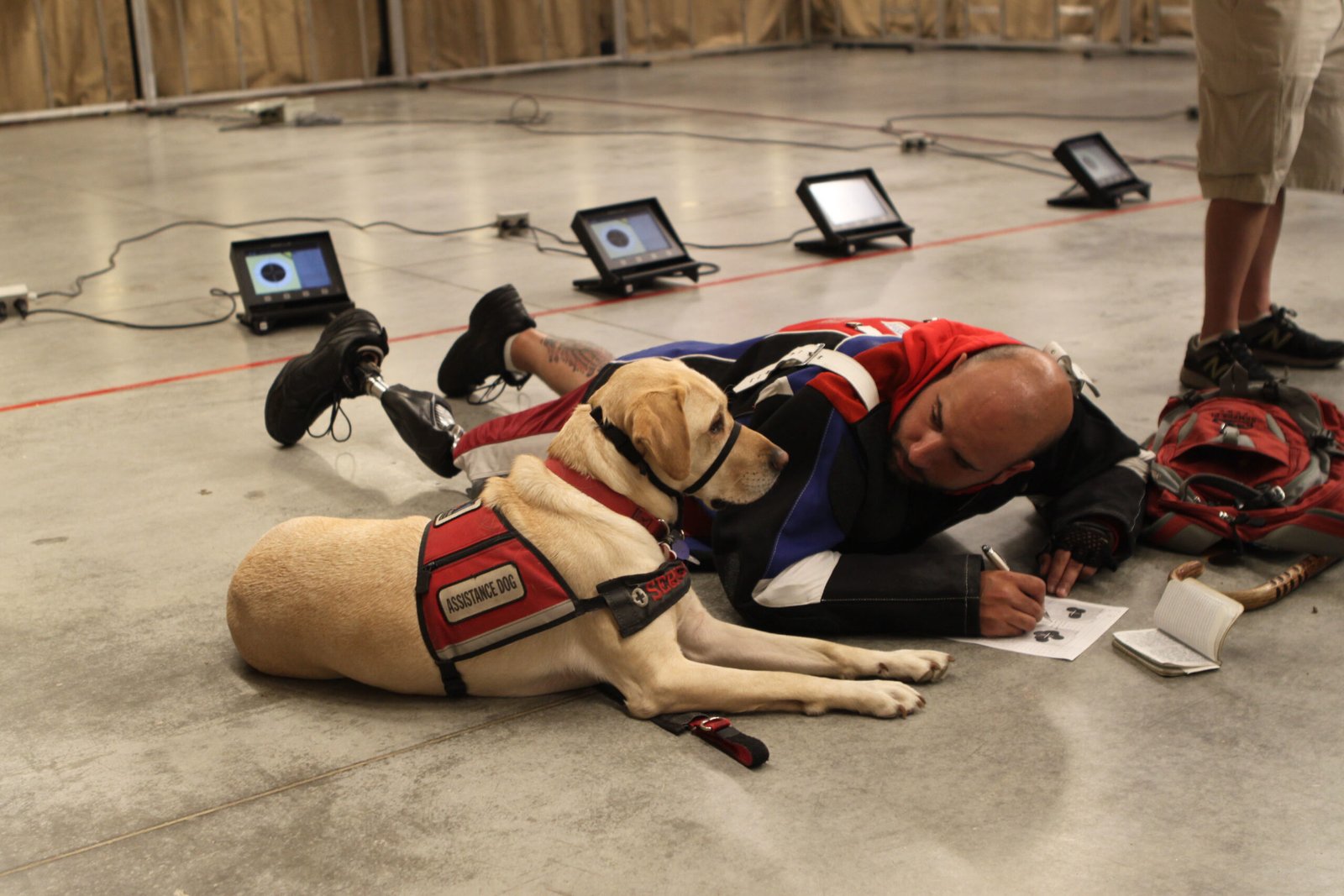
Ever looked into your dog’s eyes and wondered, “Why are you staring at me like I’m speaking Martian?” You’re not alone. Training our furry friends is a wild ride – sometimes hilarious, sometimes frustrating, and always a learning curve for both sides. The truth is, dogs are eager to please, but sometimes our well-meaning actions leave them downright puzzled. If you’ve ever caught your pup cocking their head with that “Huh?” look, you might be making one of these all-too-common training mistakes. Don’t worry, you’re in good company, and we’re about to make it all a lot clearer.
Inconsistent Commands: Mixed Signals, Mixed Results
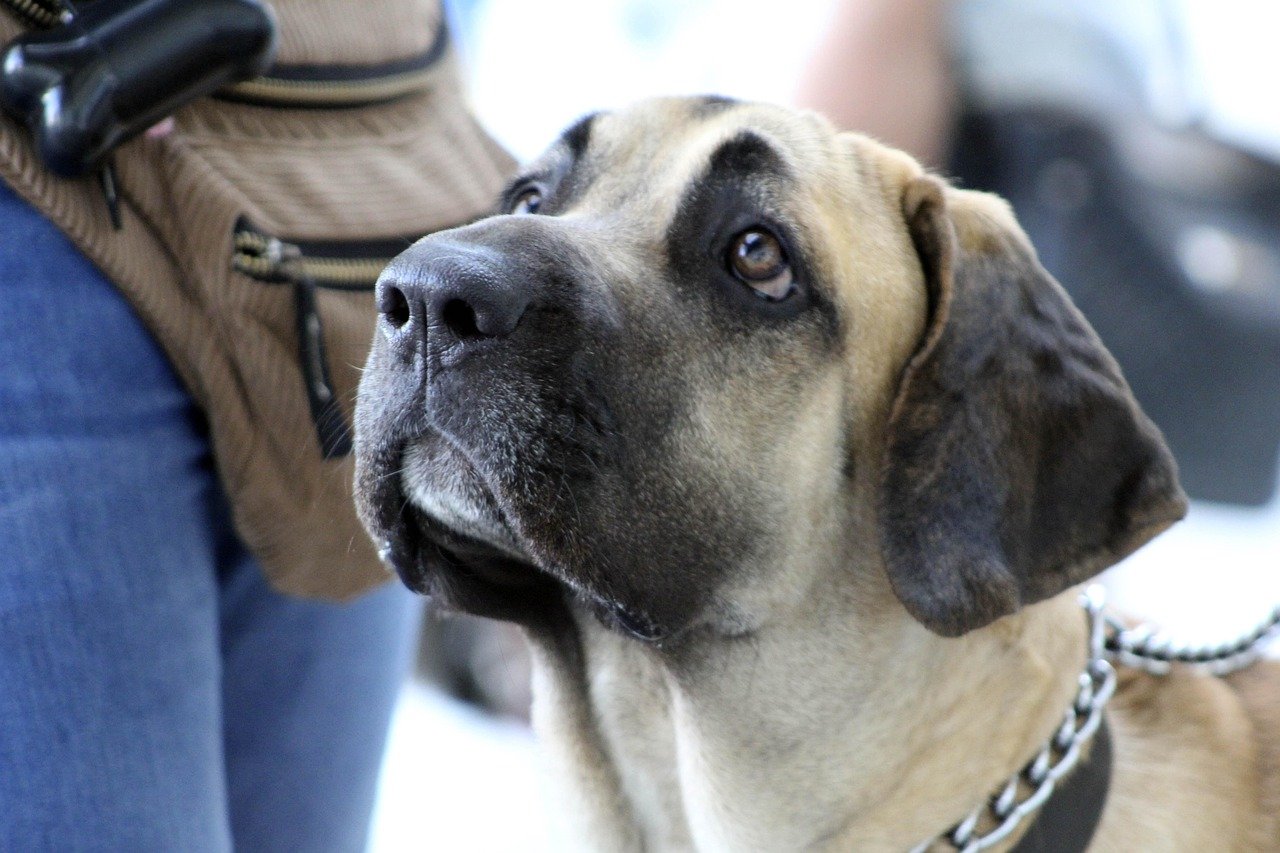
Imagine your boss giving you three different instructions for the same task—confusing, right? Dogs feel the same when we use “Down,” “Off,” and “Lay” interchangeably. This jumble of words makes it hard for them to connect a specific word to a specific action.
Consistency is everything in dog training. Stick to a single word for each command and make sure everyone in your household is on board. When your dog hears the same cue every time, learning happens faster and confusion melts away.
Punishing After the Fact: Why Timing Is Everything
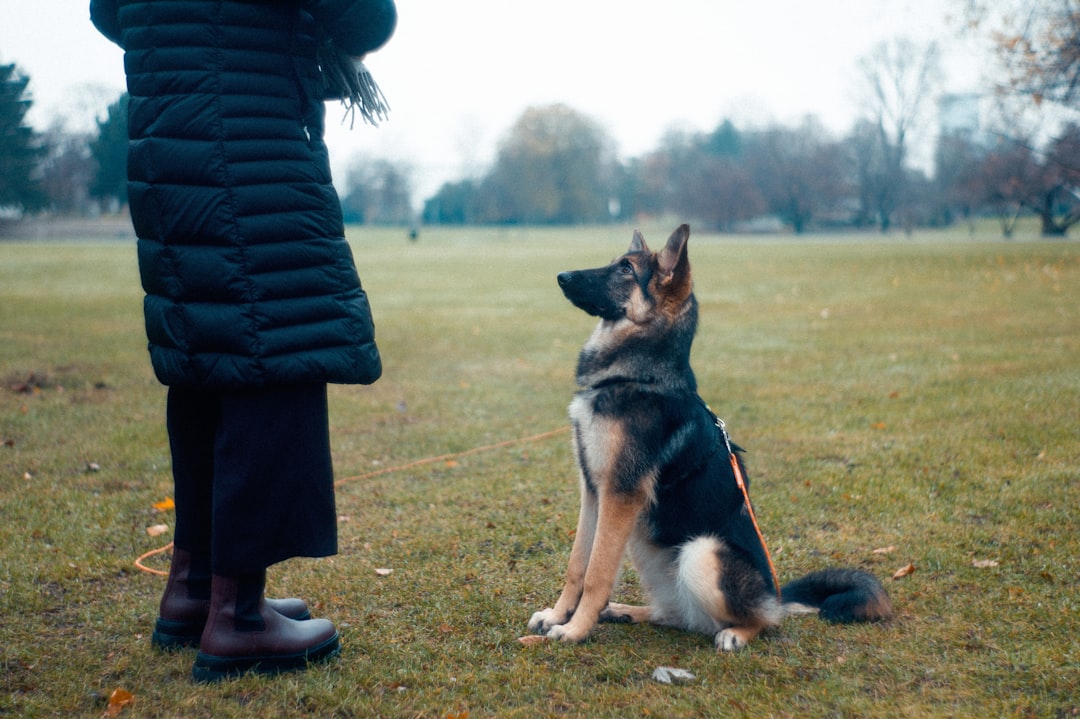
If you scold your pup for chewing a shoe hours after the deed, they won’t connect the dots. Dogs live in the now. By the time you spot the mess, your pup’s already moved on, leaving them bewildered when you suddenly sound upset.
The key is to catch the behavior in the moment. If you can’t, simply clean up and move forward. Focus on guiding your dog toward the right choices next time, rewarding them when they get it right.
Using Your Dog’s Name for Scolding
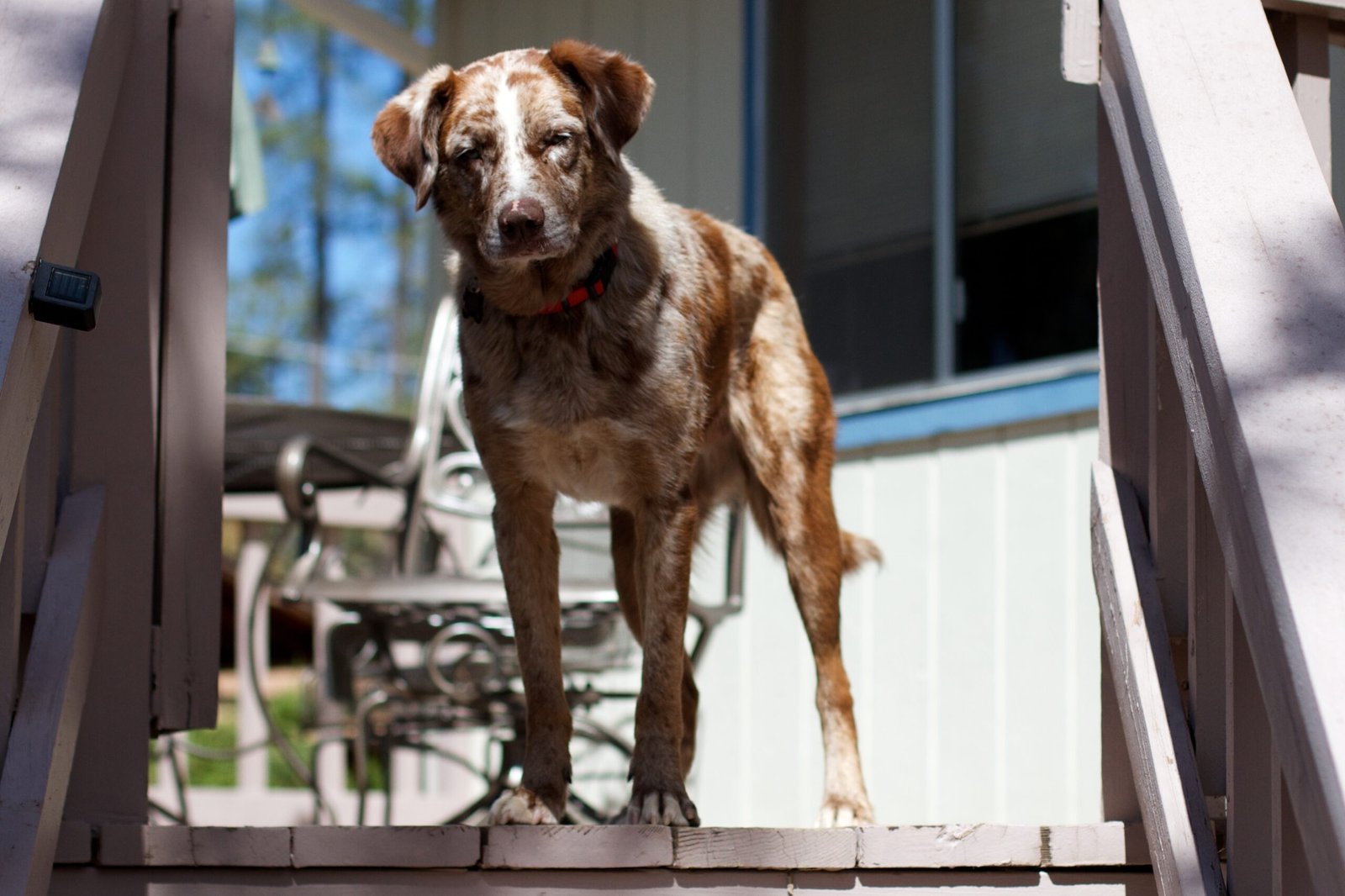
Picture your name only being called when you’re in trouble—yikes! If you use your dog’s name as a scolding tool, it becomes a warning sign rather than a happy greeting. Soon, your dog might hesitate to come when called.
Make their name a positive experience. Say it with warmth and reward them for responding. This builds trust and ensures your dog comes running, tail wagging, every time they hear it.
Unclear Body Language: Saying One Thing, Showing Another

Dogs are masters of reading our body language, sometimes more than our words. If you call your dog with a tense posture or frustrated voice, they might hesitate, sensing your mood isn’t right.
Practice relaxed, open gestures and a friendly tone when giving commands. Smile, kneel down, or open your arms—these cues show you’re inviting and safe, making your dog much more eager to listen.
Repeating Commands Without Action

When you say “Sit, sit, sit!” and your dog ignores you, repeating the cue only teaches them that listening isn’t urgent. They learn they can wait for the third or fourth command before acting.
Give a command once, then gently guide your dog into the position if needed. Reward immediately when they respond. This teaches your dog that listening the first time really pays off.
Neglecting to Reward Good Behavior
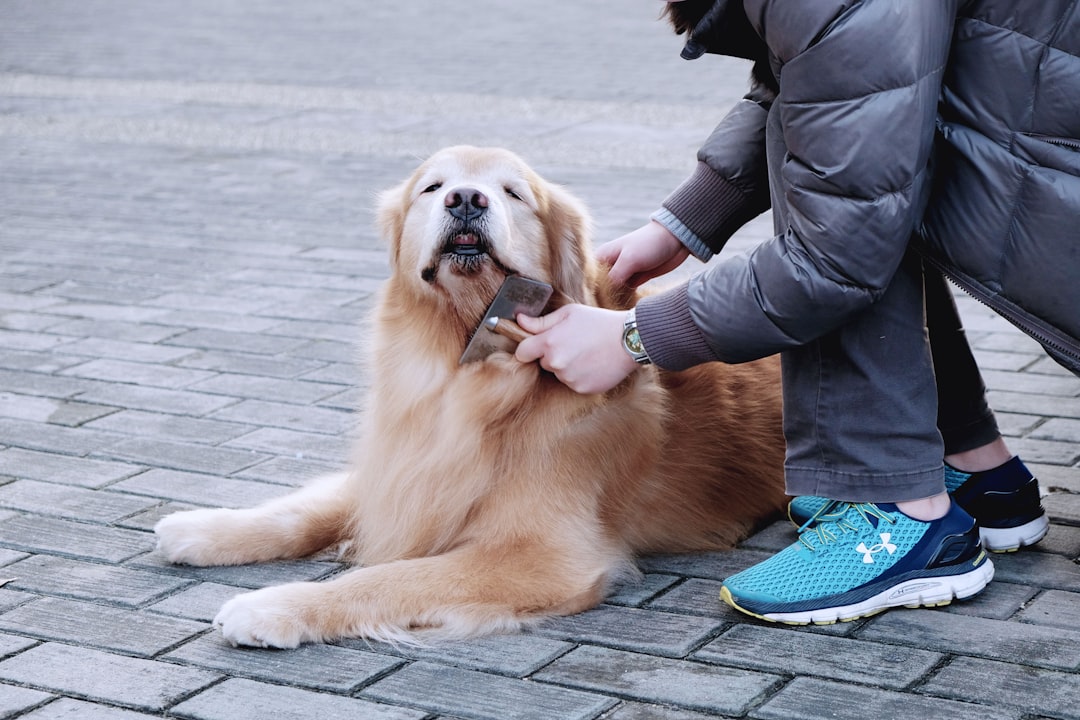
We often notice mistakes more than successes. But when our dogs do something right and we ignore it, they’re left wondering what the point was. Positive reinforcement is the heartbeat of good training.
Keep treats or praise handy and celebrate your dog’s wins—big or small. Whether it’s sitting quietly or coming when called, a little encouragement goes a long way in cementing good habits.
Expecting Too Much, Too Soon
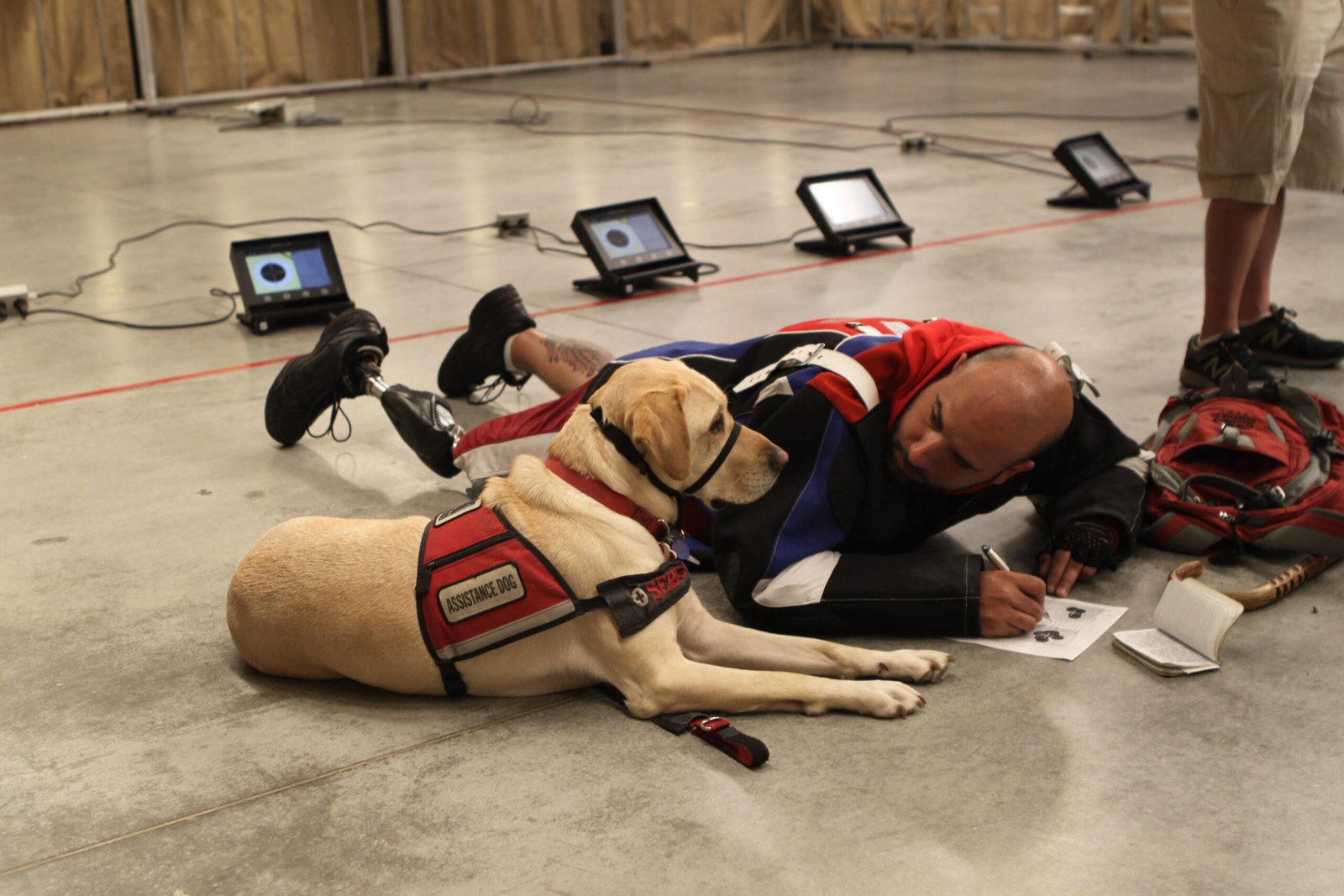
Rome wasn’t built in a day, and neither are well-trained dogs. Expecting your pup to master a new trick in an afternoon is setting both of you up for disappointment. Dogs need time, patience, and repetition.
Break training into small steps and celebrate progress. If your dog struggles, take a step back and build confidence slowly. Everyone learns at their own pace—including your furry buddy.
Training in Distracting Environments
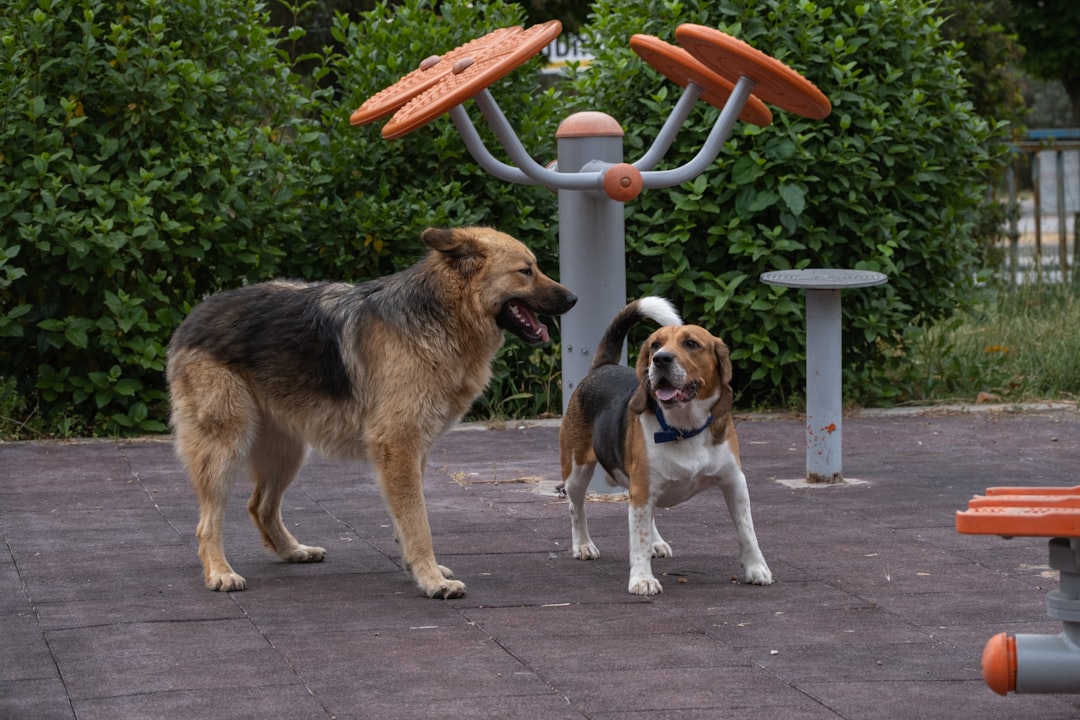
Trying to teach “Stay” at a busy park is like learning calculus at a rock concert—overwhelming! Distractions make it tough for dogs to focus, especially when they’re still learning.
Start training in quiet, familiar spaces. Gradually add distractions as your dog improves. This builds their confidence and helps them listen no matter where you are.
Ignoring Signs of Stress or Confusion

Lip licking, yawning, or turning away are your dog’s way of saying, “I’m confused or stressed.” Ignoring these signals can make training a negative experience, leaving your dog anxious and less likely to learn.
Watch your dog’s body language during sessions. If they seem frustrated, take a break or simplify the task. A few moments of understanding can turn training from stressful to successful.
Skipping Socialization and Life Skills

Training isn’t just about sit and stay. Dogs need to learn how to handle everyday life—meeting new people, hearing strange noises, or walking calmly on a leash. Skipping these skills can make your dog nervous or reactive.
Expose your dog gently to new experiences, always pairing them with treats and praise. Socialization builds a confident, well-rounded dog ready for anything the world throws their way.


