
The sunny beaches and year-round warmth make Florida an appealing destination for millions of people. But what many dog owners don’t realize until they move here is that their beloved four-legged companions might not share their enthusiasm for the perpetual summer weather. The Sunshine State’s intense heat and humidity create conditions that can be downright dangerous for certain dog breeds.
You’ve probably seen them everywhere in cooler climates – those adorable flat-faced bulldogs waddling down sidewalks, fluffy golden retrievers splashing through mountain streams, or majestic huskies pulling sleds through snow. But bring these same breeds to Florida’s sweltering environment, and you might witness something quite different. Instead of happy, energetic dogs, you could be looking at animals struggling just to breathe properly.
The Flat-Faced Breeds Fighting for Every Breath

Breeds with flat faces (brachycephalic) – such as bulldogs, French bulldogs and pugs – are at particular risk of developing heat stroke, according to the largest study of its kind. The scientific term might sound fancy, but the reality is brutal for these dogs.
Brachycephalic refers to dogs with short muzzles, and this face shape is a huge disadvantage to dogs in the hotter months since their main mechanism for cooling down is panting. Panting is a form of evaporative cooling that helps regulate dogs’ body temperatures in the heat. The shorter, “smushed” faces of brachycephalic dogs are quite cute, but they can create big problems when it comes to airflow.
Think of it like trying to run a marathon while breathing through a straw. Imagine trying to breathe while someone is pinching your nose and you have a swollen throat. That’s what it can be like for brachycephalic dogs in the summer.
English Bulldogs: When Breathing Becomes a Battle
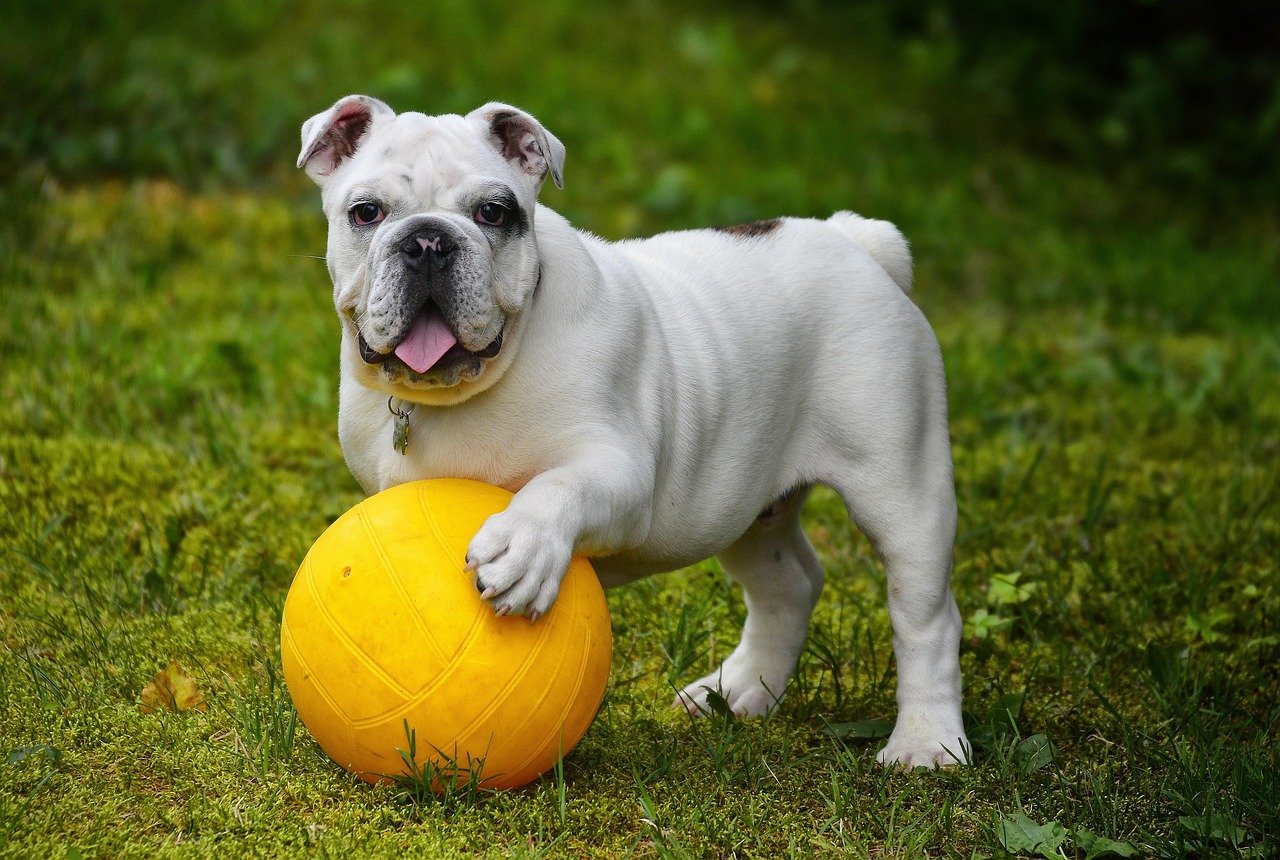
English bulldogs face some of the most severe challenges in Florida’s climate. The study identified that the following breeds were most at risk: Chow Chow (x17); Bulldog (x14); French Bulldog (x6) compared to Labrador retrievers used as the baseline.
Dogs cool themselves by panting, but brachycephalic dogs may struggle with this, especially under stress or anxiety. For bulldogs, their shortened airways and enlarged soft palates make even normal breathing a challenge, let alone the rapid panting needed to cool down in Florida’s oppressive heat.
High temperatures are extremely dangerous for brachycephalic dogs. Because they cannot pant properly, their bodies may end up overheating, leading to heat stroke and other serious medical conditions. Keep your dog indoors when the weather’s hot and limit exercise to a few minutes.
French Bulldogs: Small Dogs, Big Heat Problems
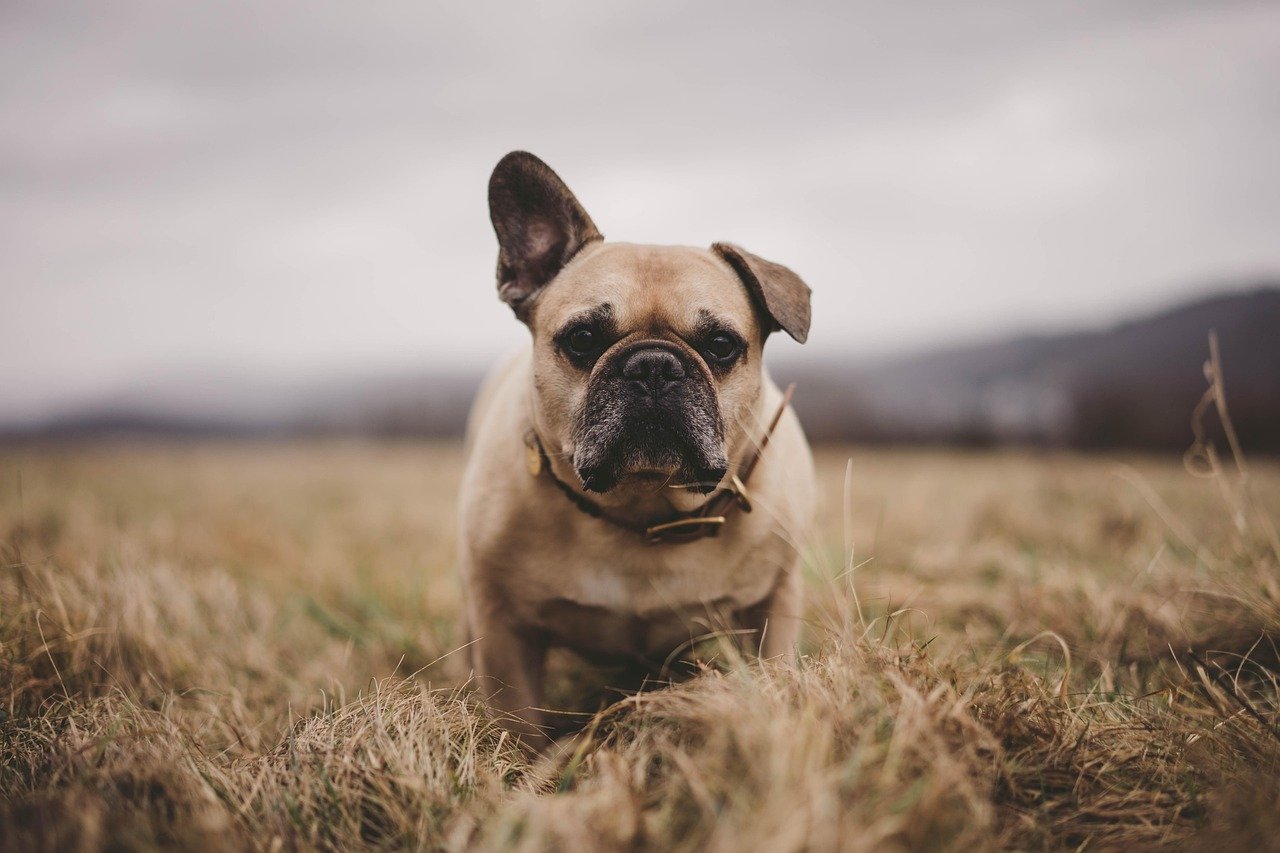
French bulldogs have skyrocketed in popularity across the United States, but Florida presents unique challenges for these compact companions. Despite their smaller size compared to English bulldogs, Frenchies face similar respiratory restrictions that make heat regulation extremely difficult.
French Bulldogs, along with other breeds like American Bulldogs, Pekingese, Pugs, and Boston Terriers are brachycephalic dogs, and that means they don’t do well in summer heat. Their popularity in urban areas makes this particularly concerning, as many owners are unprepared for the special care these dogs require.
The breed’s compact airways become even more restricted when they’re stressed or excited, which can happen quickly in hot weather. What might seem like normal panting for other dogs can quickly escalate into respiratory distress for French bulldogs in Florida’s climate.
Pugs: Cute Faces, Serious Heat Risks
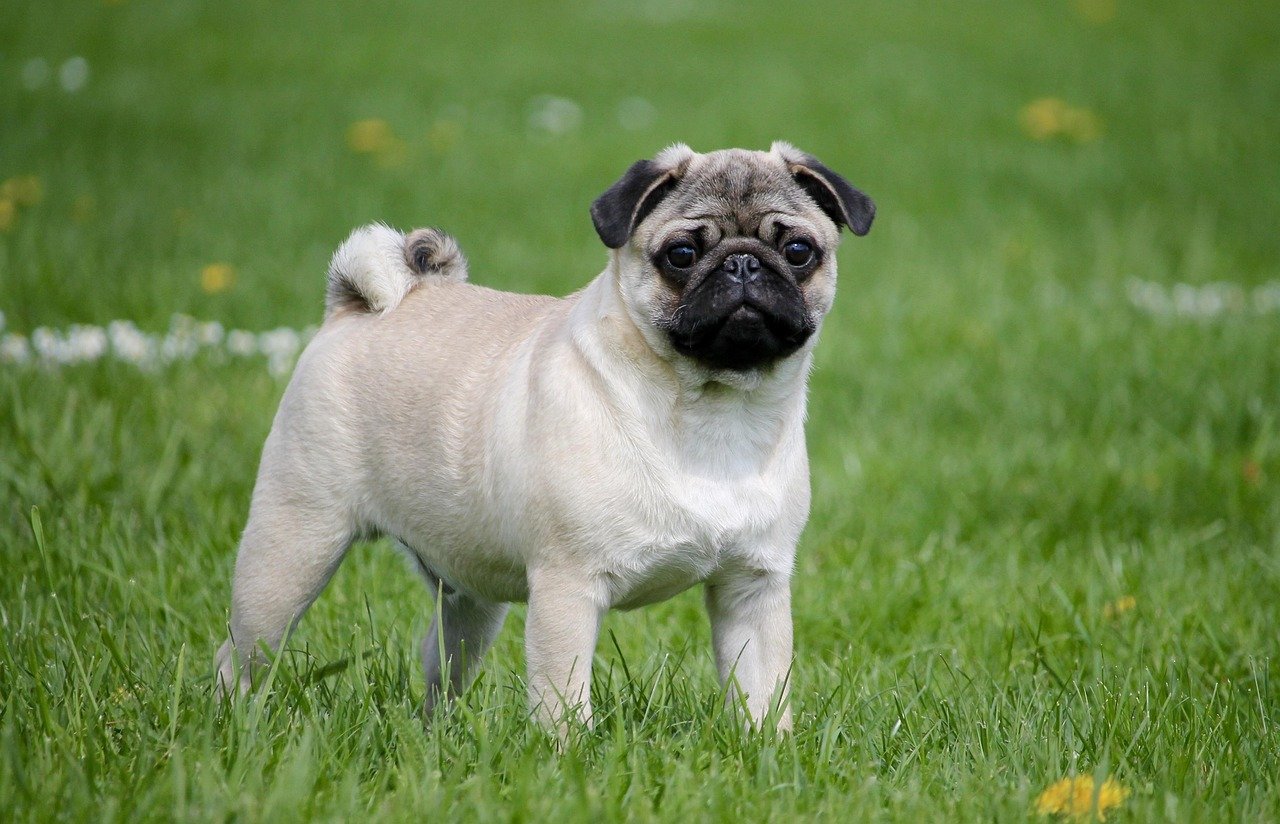
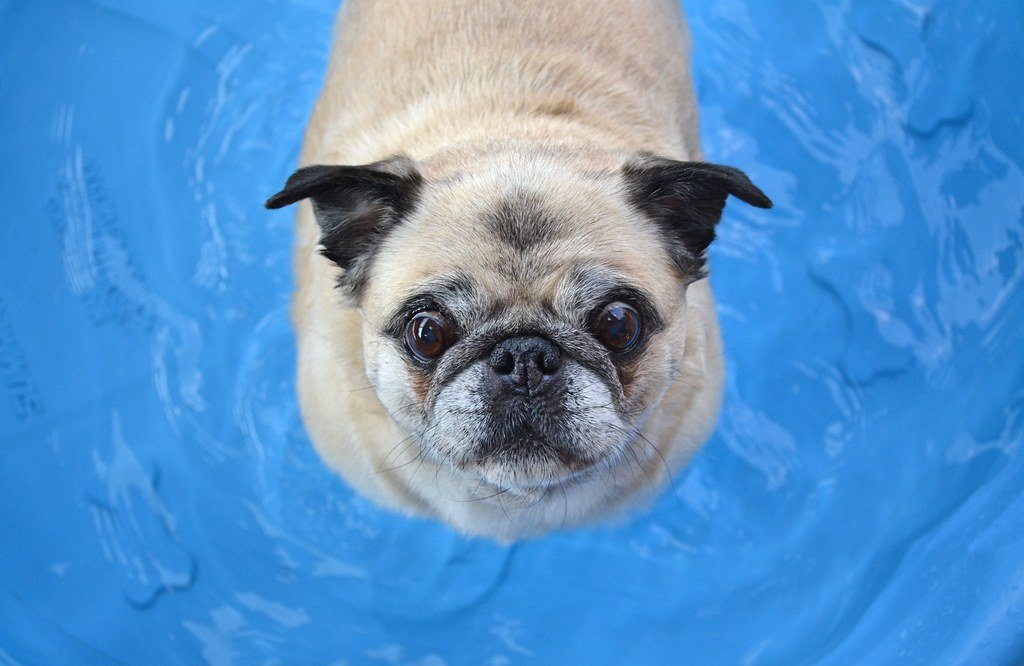
Those adorable wrinkled faces and bulging eyes that make pugs so endearing also make them particularly vulnerable to Florida’s heat. Objective measurements have determined that 50% of pugs and French bulldogs and 45% of bulldogs have clinically significant signs of brachycephalic obstructive airway syndrome (BOAS).
It’s likely that brachycephalic dogs overheat due to their intrinsically ineffective cooling mechanisms. Dogs pant to cool down – without a nose, panting is simply less effective. In fact, brachycephalic dogs may even generate more heat simply gasping to breathe than they lose by panting.
For pug owners in Florida, this means constant vigilance during warmer months. The breed’s natural tendency to be indoor companions actually works in their favor here, but even short outdoor excursions can become dangerous during peak heat hours.
Boston Terriers: The Gentleman’s Struggle with Heat
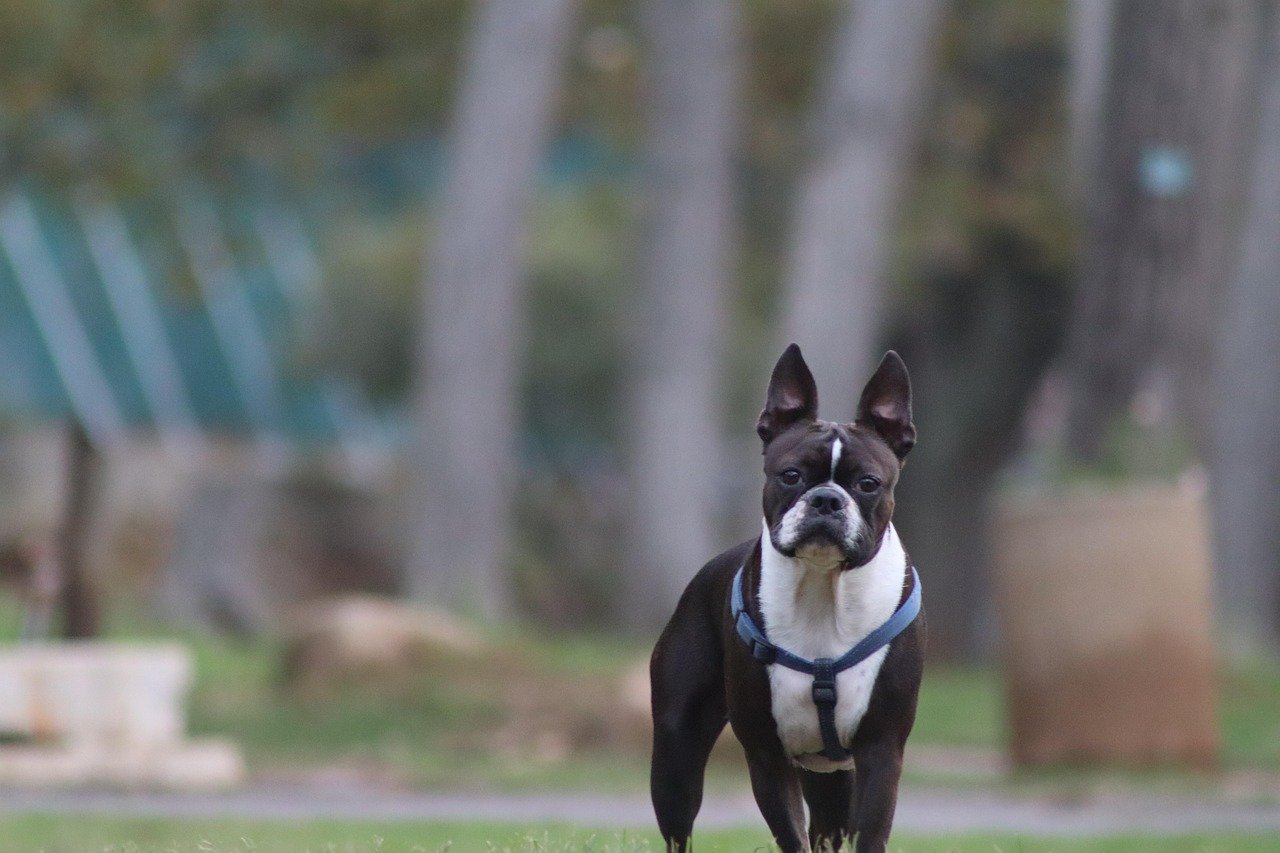
Boston terriers, often called the “American Gentleman” for their tuxedo-like markings, share the same breathing challenges as their brachycephalic cousins. Their short muzzles and compact airways make Florida’s humidity particularly challenging.
The following are the 10 breeds that are brachycephalic: Bichon Frise, Pekingese, Lhasa Apso, French Bulldog, Boxer, Pug, Boston Terrier, Shar-Pei, Bulldog, and Shih Tzu. The most common issue with this type of dog is their respiratory system. They are more likely to have problems breathing and they are also more likely to have heat stroke.
Their smaller size compared to bulldogs doesn’t necessarily provide protection from heat-related issues. In fact, their energetic nature can sometimes work against them, as they may not recognize their own limitations until it’s too late.
Golden Retrievers: When Thick Coats Become Liability
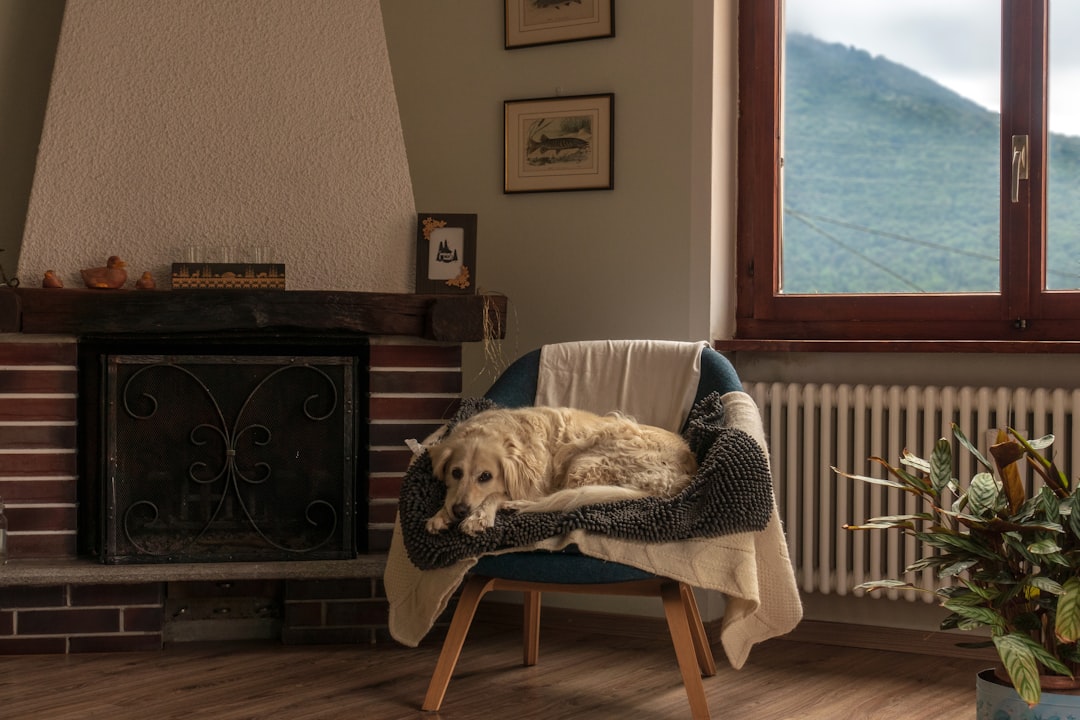
Golden retrievers represent a different category of heat vulnerability in Florida. Unlike brachycephalic breeds, their breathing apparatus works fine – it’s their luxurious double coat that creates problems in the humid subtropical climate.
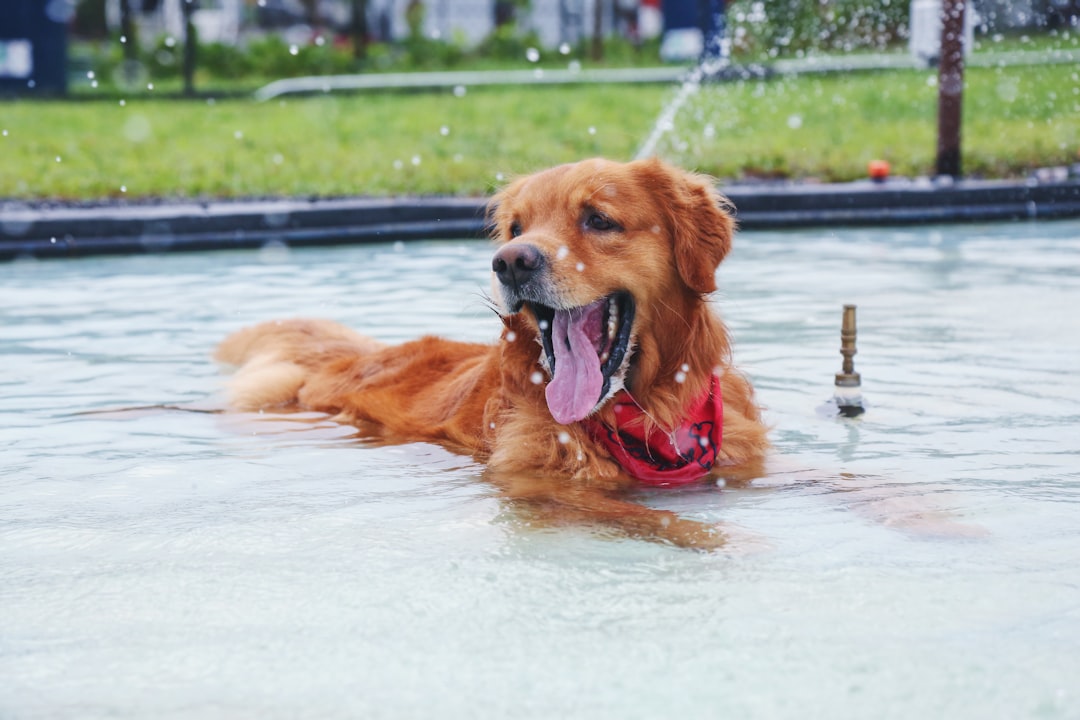
Having a thicker, more dense hair coat, which holds more heat in · Double-coated breeds (for example, Golden Retrievers) tend to overheat more than short-coated breeds (like Labradors). Goldens love to play, but their thick, double coats make it hard for active Retrievers to stay cool.
The breed’s natural enthusiasm for activity compounds the problem. These dogs were bred to work in fields and water, but Florida’s year-round heat means there’s no winter respite for their thick coats to provide relief.
Siberian Huskies: Arctic Dogs in a Tropical Paradise
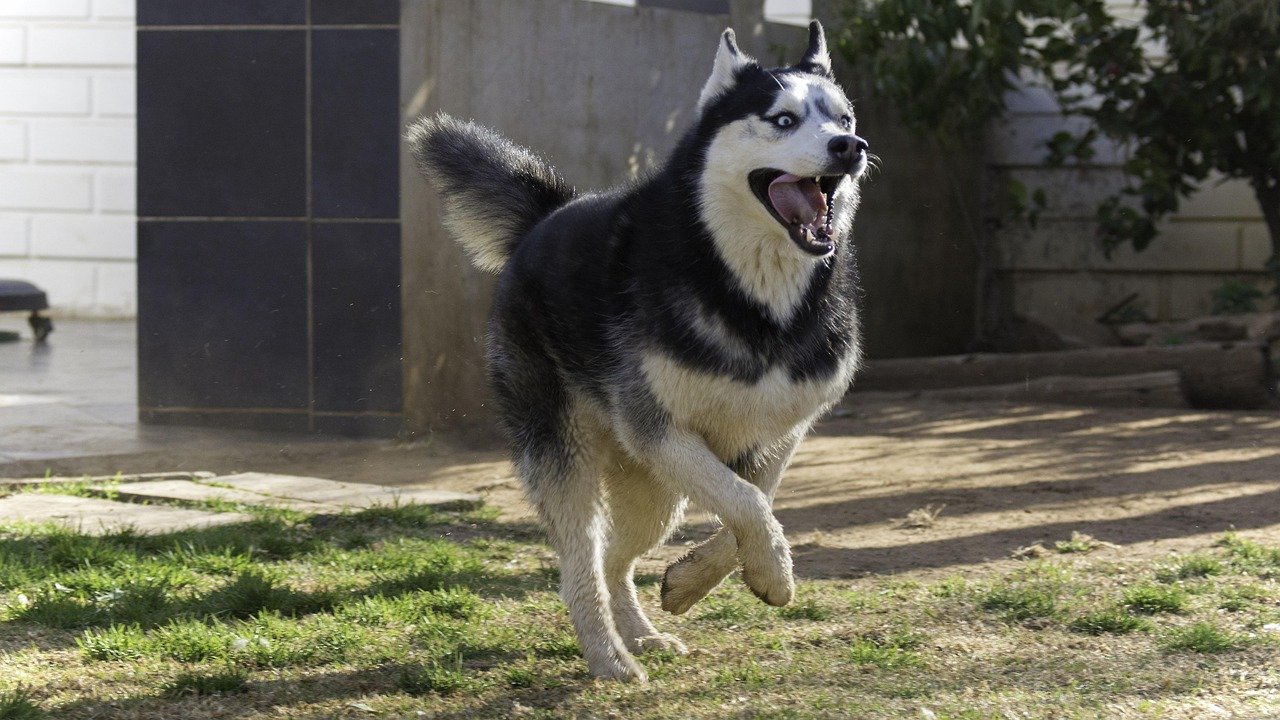
Perhaps no breed faces a more dramatic climate mismatch in Florida than the Siberian husky. Dogs with thick, double-layered coats tend to be the most cold-tolerant (think Siberian Huskies, Newfoundlands, and Samoyeds). Many of these breeds originated in northern climates and have attributes that allow them to thrive when temperatures drop.
Dog breeds such as Labradors, huskies, shepherds and golden retrievers have a double coat, which makes it thicker than most. For huskies, this presents an almost insurmountable challenge in Florida’s climate, where temperatures rarely drop below what they’d consider comfortable.
Their thick undercoat, designed to insulate against temperatures well below freezing, becomes a heat trap in Florida’s environment. Additionally, the darker the dog’s fur, the more heat it will absorb, and dogs with black fur are at a higher risk of overheating.
Chow Chows: The Breed at Highest Risk
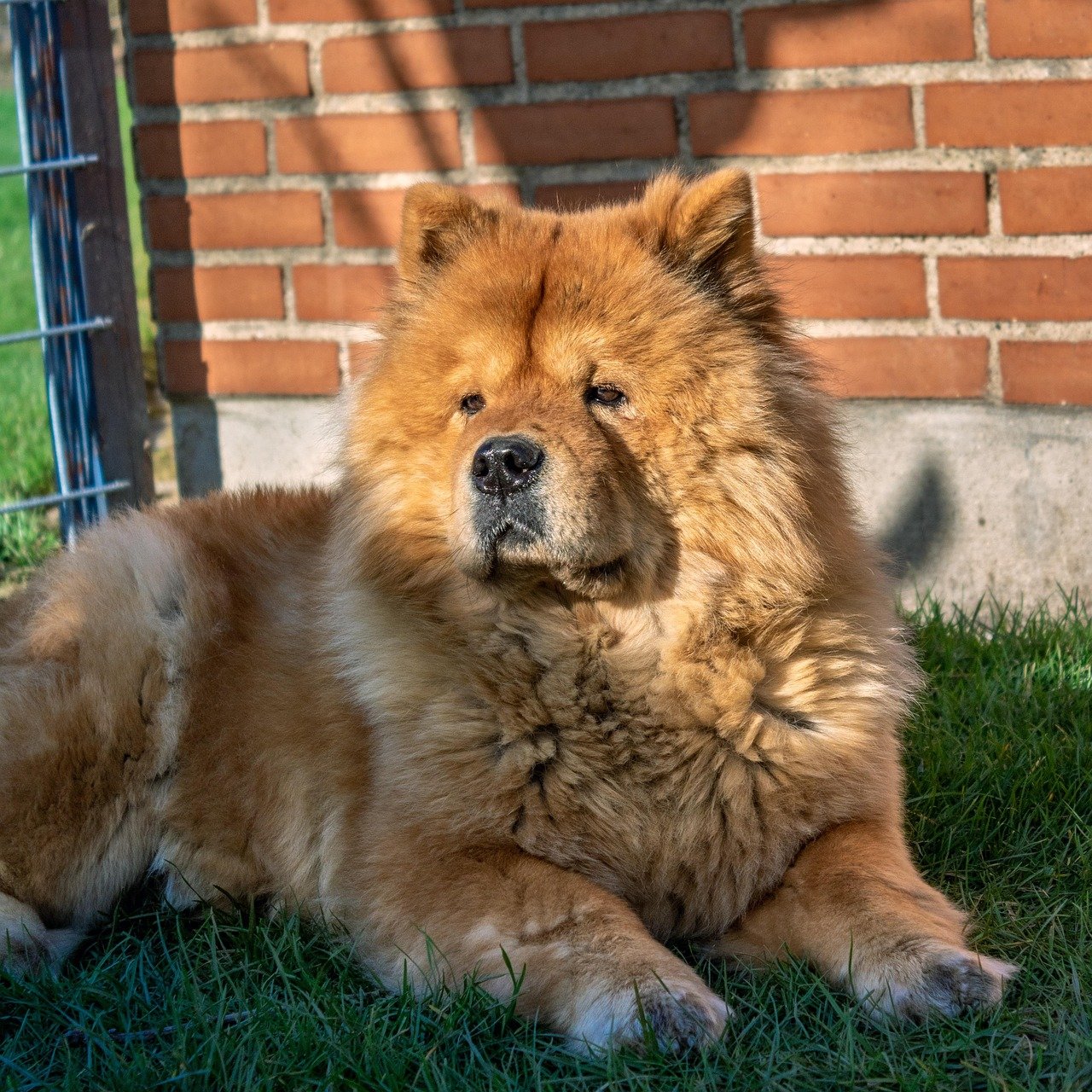
Surprisingly, Chow Chow (x17) topped the list as the breed most at risk for heat stroke – seventeen times more likely than Labrador retrievers. This might come as a shock to many, as chow chows aren’t as widely recognized for heat sensitivity as bulldogs or pugs.
The Chow Chow’s thick, double coat makes them a prime target for heatstroke. The layered coat makes it challenging to release excess heat, keeping the heat trapped in the body. Their combination of thick fur and somewhat flattened facial features creates a perfect storm for heat-related problems.
These regal dogs also tend to be less active than some other breeds, which might seem like it would help, but their coat density makes even minimal activity in Florida heat potentially dangerous.
Shih Tzus: Small Dogs with Big Heat Challenges
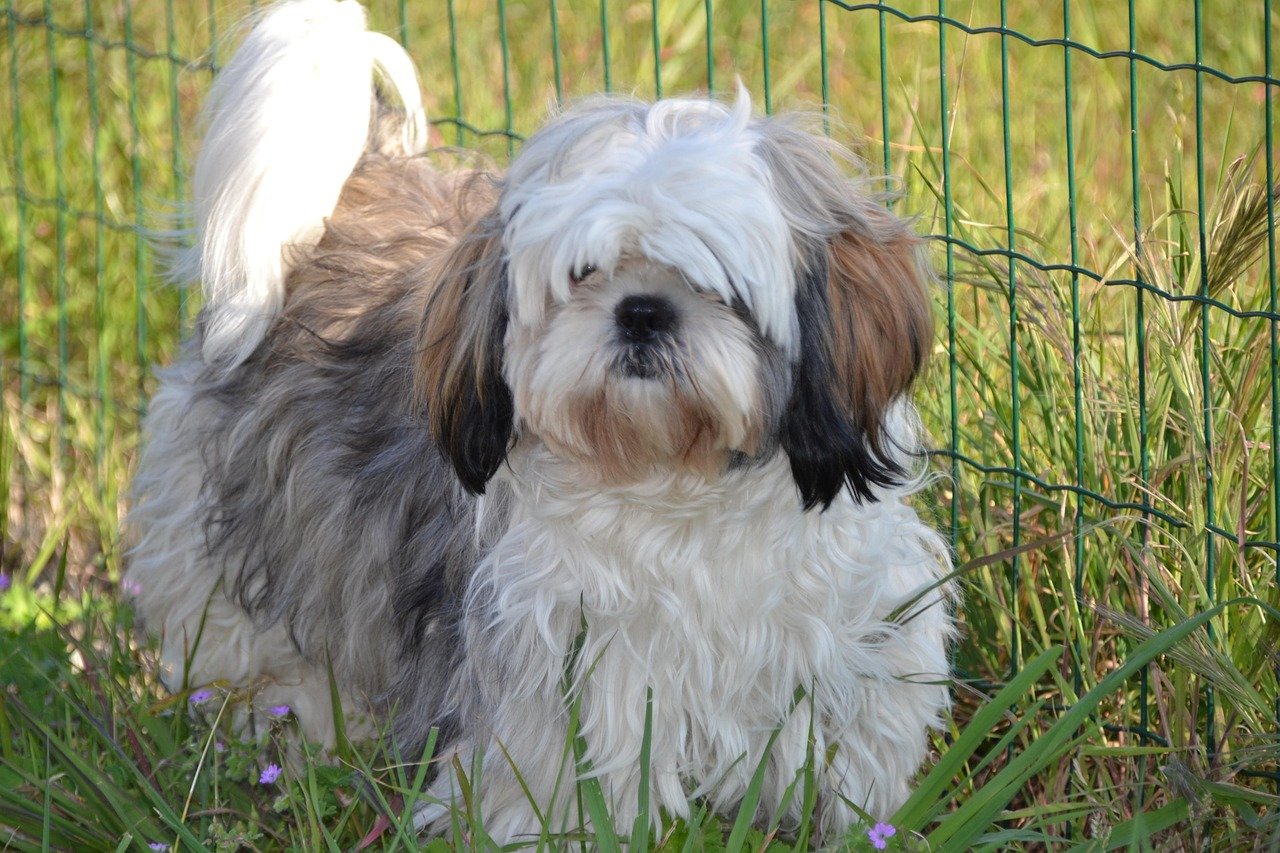
Don’t let their small size fool you – Shih Tzus face significant challenges in Florida’s climate. The Shih Tzu is one of many flat-faced breeds that struggle when it gets hot because it’s more difficult for them to cool themselves. Dogs cool down by panting, and brachycephalic breeds already work harder to breathe due to their shorter facial structure.
Their long, flowing coats might look beautiful, but they’re designed for much cooler climates than what Florida offers. The combination of breathing difficulties and coat density makes these popular lap dogs particularly vulnerable to overheating.
Flat-faced dogs such as pugs, Boston terriers, French bulldogs, English bulldogs and shih tzus are more sensitive to heat because they suffer from brachycephalic airway syndrome (BAS). These dogs have small nasal openings and long soft palates in the back of their mouths, which limit airflow.
The Science Behind the Struggle
Understanding why these breeds struggle helps explain the severity of the problem. The study, published in the journal Scientific Reports, showed that heat stroke can have very severe effects in dogs, with one in seven dogs with heat stroke dying as a result of their illness.
The bone structure of their faces makes their airways like a tight maze, so much less air reaches the lungs in a breath than it would for a non-brachycephalic dog. Soft palates in brachycephalic dogs’ mouths block a majority of the air coming into the trachea, which means your short-snouted dog needs to work even harder just to get a sufficient amount of oxygen in their system.
For double-coated breeds, the problem is different but equally serious. The coat on a double-coated breed is designed to keep the dog’s temperature regulated. This applies to hot and cold weather – each hair follicle has a muscle that lifts and drops the hairs as needed to cool and create warmth for your pet. However, this system wasn’t designed for Florida’s constant heat and humidity.
Conclusion: Love Isn’t Always Enough
Florida’s climate presents real, measurable dangers for certain dog breeds that many owners simply don’t anticipate. While we’d all love to believe that love and good intentions are enough to keep our pets healthy, science tells a different story. It’s a fact of canine physiology – some dogs are simply not able to handle the heat in Florida and are at a high risk of suffering heat exhaustion and heat stroke.
If you’re considering moving to Florida with one of these breeds, or adopting one while living here, understanding these risks isn’t meant to discourage you – it’s meant to prepare you. With proper precautions, climate control, and lifestyle adjustments, many of these dogs can live comfortable lives in Florida. But pretending the risks don’t exist serves no one, especially not the dogs who depend on us to make informed decisions about their wellbeing.
The question isn’t whether these breeds can physically survive in Florida – many do. The question is whether we’re prepared to provide the specialized care, constant vigilance, and environmental modifications they need to thrive rather than merely endure the climate.
Did you expect that some of these beloved breeds would face such serious challenges in the Sunshine State?


