

Have you ever caught your cat staring at you like they’re reading your mind? You’re not imagining things. Cats have a sneaky way of picking up on our secrets long before we do. They notice the tiniest quirks, moods, and habits—sometimes even the ones we try to hide. If you’ve ever wondered what’s going through your feline friend’s head, you’re in for a surprise. Let’s peel back the curtain on what your cat really knows about you, and how you can use this knowledge to deepen your bond.
Your Mood Swings Don’t Fool Them
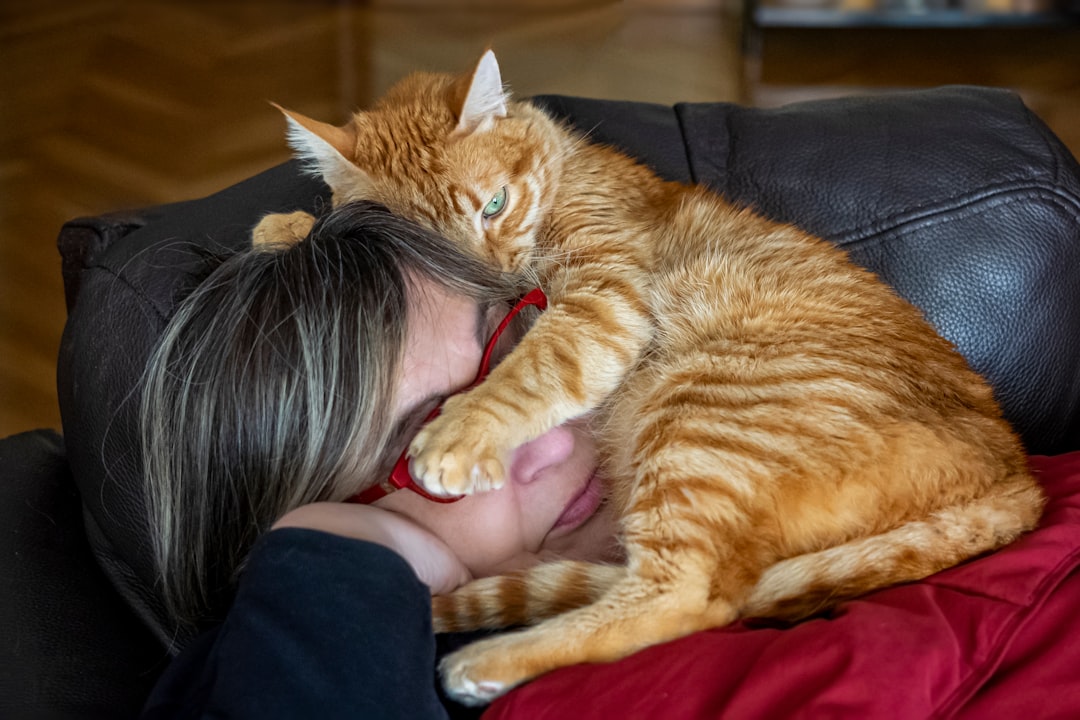
Cats are emotional detectives. When you’re sad, anxious, or overjoyed, they sense it in your energy, voice, and body language. Even if you try to mask your feelings, your cat’s sharp instincts pick up on subtle cues—like the way you sigh or the heaviness in your step.
Don’t be surprised if your cat snuggles closer on a down day or gives you space when you’re stressed. For example, some cats will quietly sit nearby when they sense you’ve had a rough day, offering silent comfort. Others might become more playful to cheer you up, almost like they’re saying, “Don’t worry, I’m here.”
They Know When You’re About to Leave

Ever notice your cat acting differently as you’re getting ready to head out? Cats watch rituals closely—putting on shoes, grabbing keys, or picking up a bag. Over time, they link these actions to your absence.
You might see your cat following you from room to room, meowing, or sitting on your bag to “stop” you from leaving. This isn’t just coincidence; it’s their way of showing attachment and maybe even a bit of separation anxiety. Some cats may even hide when you return as if punishing you for leaving them alone.
Your Voice Tells Them Everything

Your cat’s ears perk up at the sound of your voice—not just the words, but the tone and rhythm. Whether you’re singing in the shower, whispering secrets, or scolding them gently, your cat deciphers your emotional state.
If you use a high, gentle tone, your cat feels safe and loved. A sharp or loud voice might make them wary or anxious. That’s why talking softly during grooming or vet visits can help calm your kitty’s nerves. Your cat might not understand your words, but your feelings are crystal clear.
They Notice Changes in Your Routine
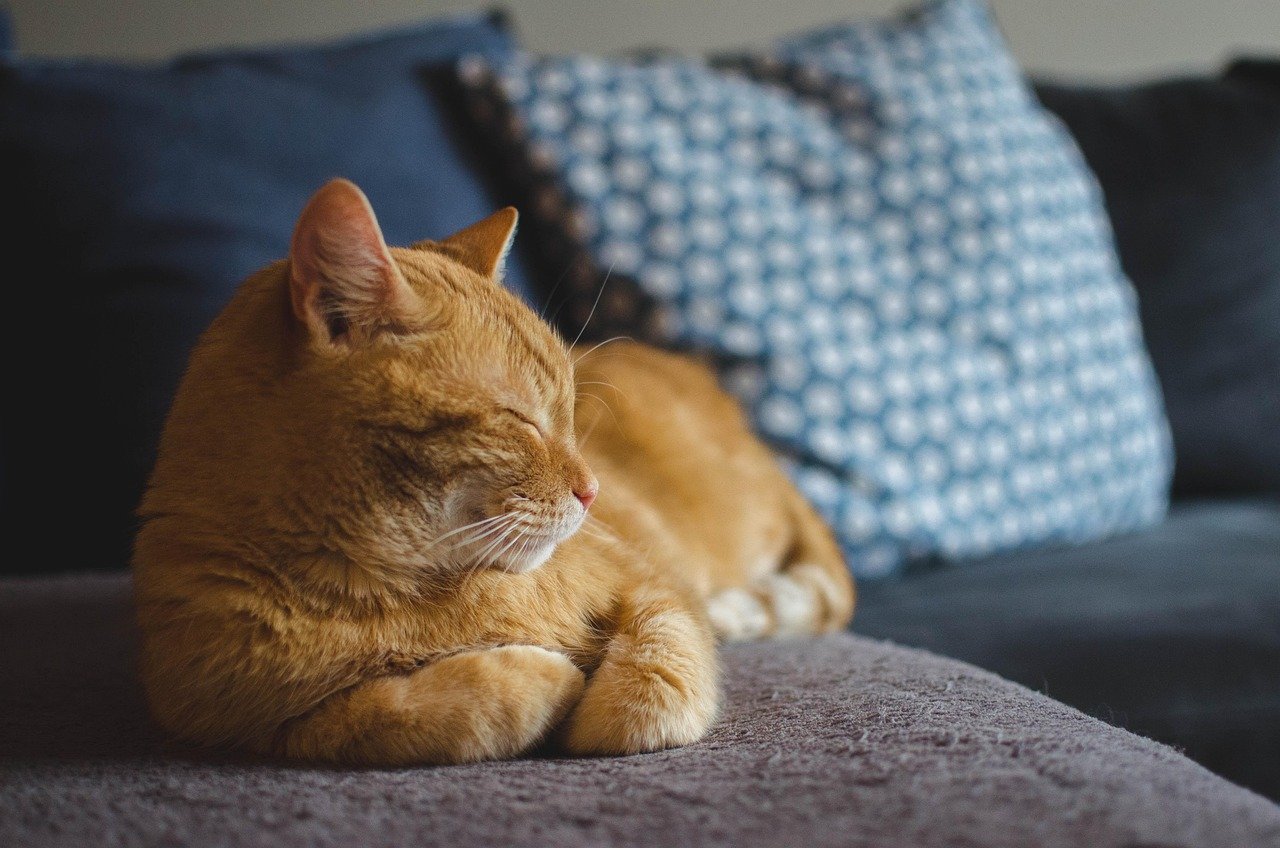
Cats thrive on predictability, and they’re quick to spot even the smallest changes in your schedule or habits. Whether you’re waking up later, working from home, or skipping their usual playtime, your cat takes note.
If your routine shifts, you may see your cat acting out—like knocking things over or vocalizing more. These behaviors aren’t just for attention; they’re signs your cat is trying to adapt or express confusion. A consistent routine helps reassure your feline friend and prevents stress-related issues.
Your Health Doesn’t Escape Their Radar
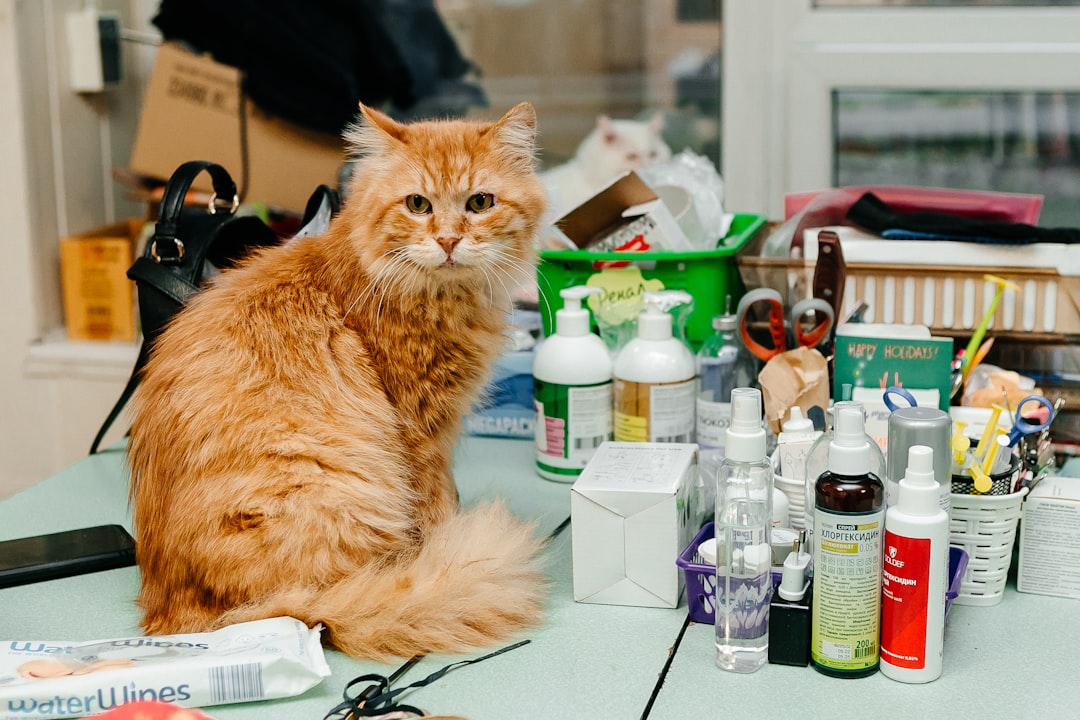
There are countless stories of cats detecting illness before their humans do. Cats are highly sensitive to changes in scent, temperature, and movement. They might cuddle closer if you’re feeling under the weather or avoid you if you’re contagious.
Sometimes, cats will paw or nuzzle areas of your body that are sore or injured. These behaviors aren’t random—they’re driven by a keen awareness of your well-being. If your cat suddenly acts differently around you, it might be a subtle sign to check in on your health.
They Sense When You Need Comfort

When you’re upset, your cat often knows before anyone else. They might curl up in your lap, press their warm body against you, or gently knead your arm. These small acts are your cat’s way of offering comfort and support.
Sometimes, a cat will bring you a favorite toy or even a “gift” (like a sock) to cheer you up. It’s their version of a hug, showing they care in their own quirky way. Recognizing and accepting this feline empathy strengthens your relationship.
Your Cat Picks Up on Your Relationships

Cats watch how you interact with other people and animals. They can sense tension, affection, or even jealousy in your relationships. If you bring home a new partner or pet, your cat may act differently—either becoming more affectionate or keeping a cautious distance.
Some cats will sit between you and a new friend, or act out if they feel ignored. Paying attention to these cues helps you reassure your cat during big changes, preventing jealousy and stress.
They Remember Your Habits (Even the Embarrassing Ones)

Cats are observant creatures. They remember where you hide their treats, how you react to their antics, and even the times you sneak a midnight snack. Over time, they learn your habits—good and bad—and might even use this knowledge to their advantage.
For example, a cat may paw at your bedroom door every morning, knowing you’ll eventually give in. Or they might anticipate your return home and wait at the door. These little rituals become part of your shared daily life.
Your Cat Understands Your Body Language
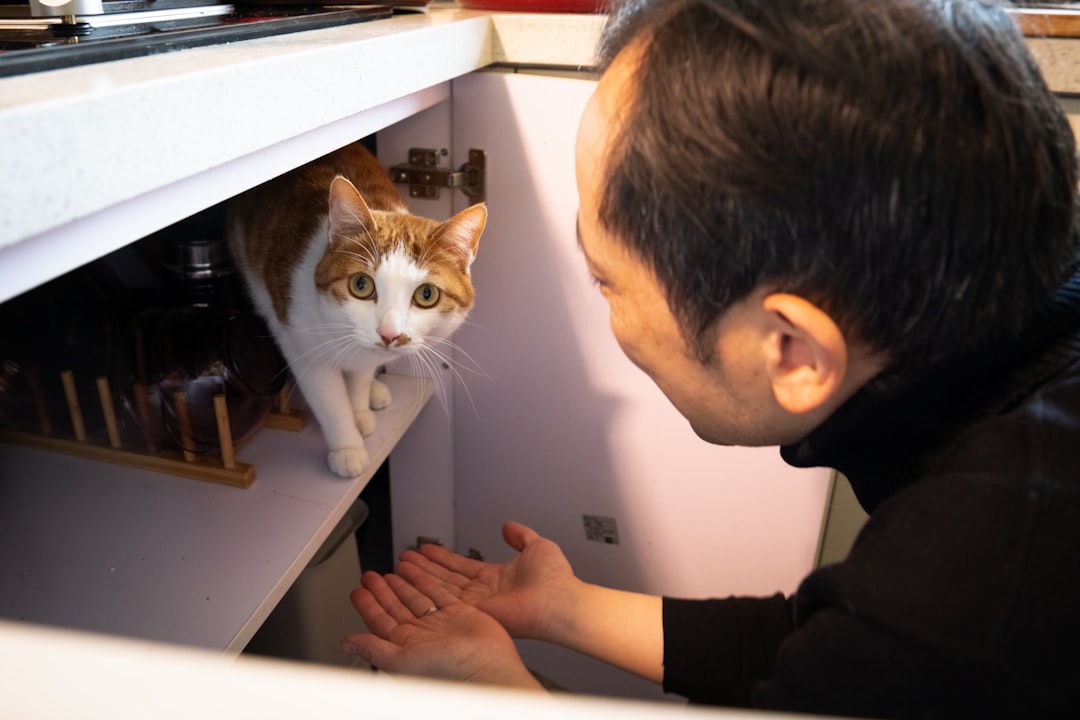
Long before you speak, your cat is reading your movements—how quickly you walk, the way you sit, or how you hold your hands. A tense posture might make your cat cautious, while relaxed, open gestures invite them closer.
If you crouch down and extend a hand, most cats see it as a friendly gesture. But sudden movements or looming over them can make them retreat. Being mindful of your own body language helps build trust and makes interactions smoother.
They Know When You’re Distracted
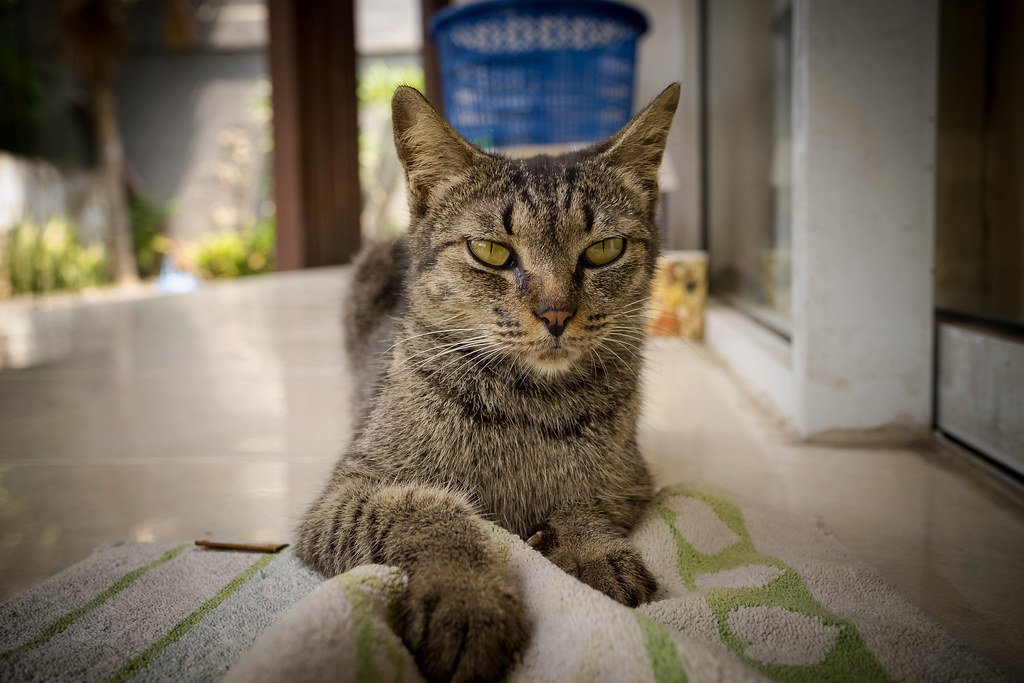
Ever noticed your cat acting up when you’re busy on your phone or computer? Cats crave your attention, and they know when you’re not fully present. They might walk across your keyboard, bat at your phone, or meow persistently—anything to break your focus.
This isn’t just mischief; it’s a reminder that your cat values time with you. Setting aside moments for play and cuddles, even during hectic days, reassures your cat and keeps your bond strong.


