
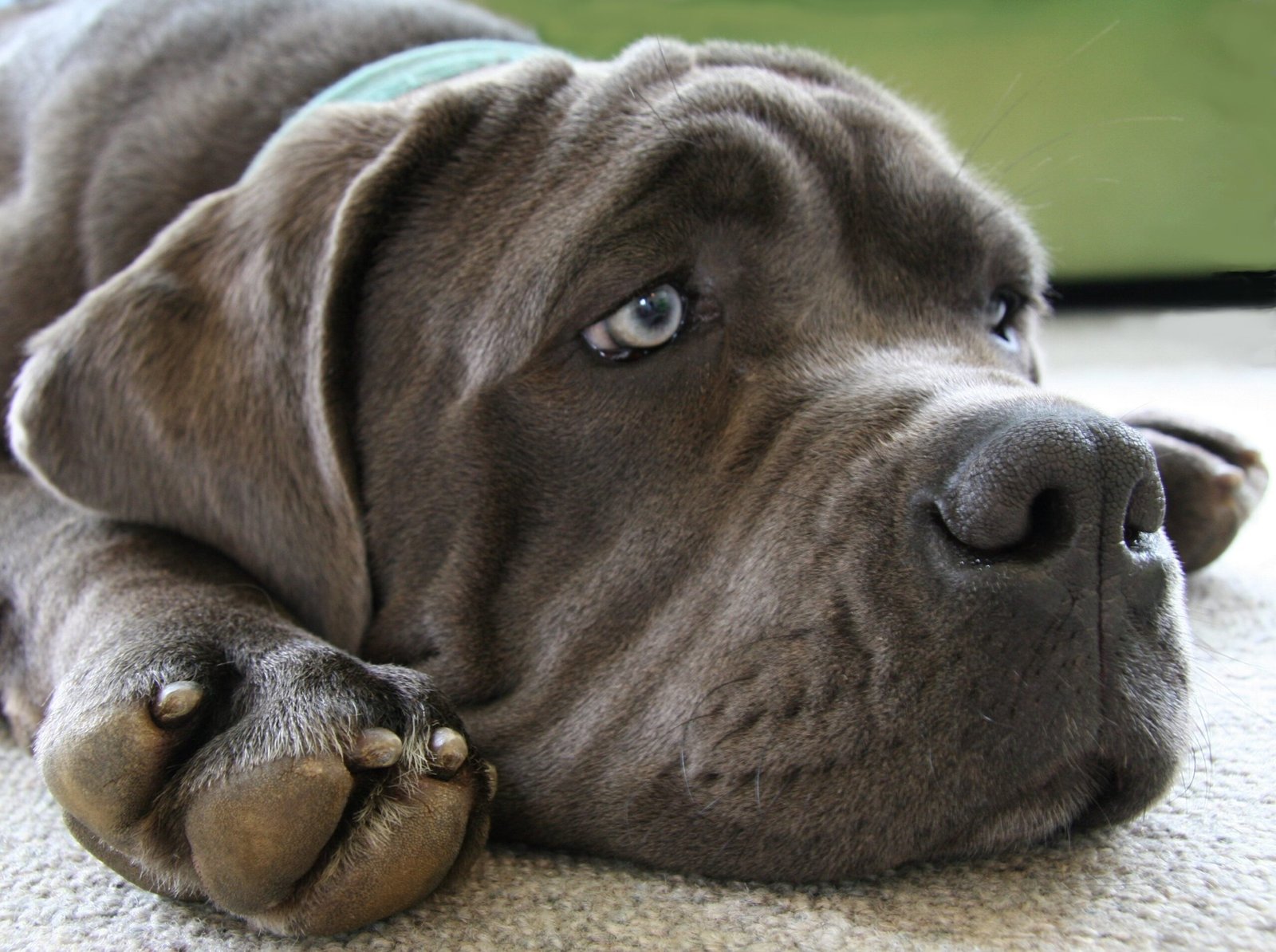
Have you ever looked into your dog’s eyes and wondered what they’re really thinking? Sometimes, it’s easy to miss the subtle ways our daily habits can chip away at our dog’s happiness. It’s not just about food or walks; it’s about respect, understanding, and the little kindnesses that make their tails wag. As someone who’s spent years living with and learning from dogs, I know how much they feel. Let’s shine a light on ten surprisingly common things many loving owners do—often without realizing—that can quietly bruise a dog’s heart.
#1 Ignoring Their Need for Attention

Your dog waits by your side, hoping for eye contact or a gentle scratch behind the ears. When you brush them off, buried in your phone or work, it’s like shutting a door in their face. Over time, dogs can start feeling invisible and disconnected from the people they love most.
You might notice your dog acting withdrawn, sighing, or nudging you more. These little signs are their way of saying, “Hey, I miss you.” Try setting aside just a few minutes each day to focus on them—no distractions, just you and your pup. It can make all the difference.
#2 Leaving Them Alone for Too Long
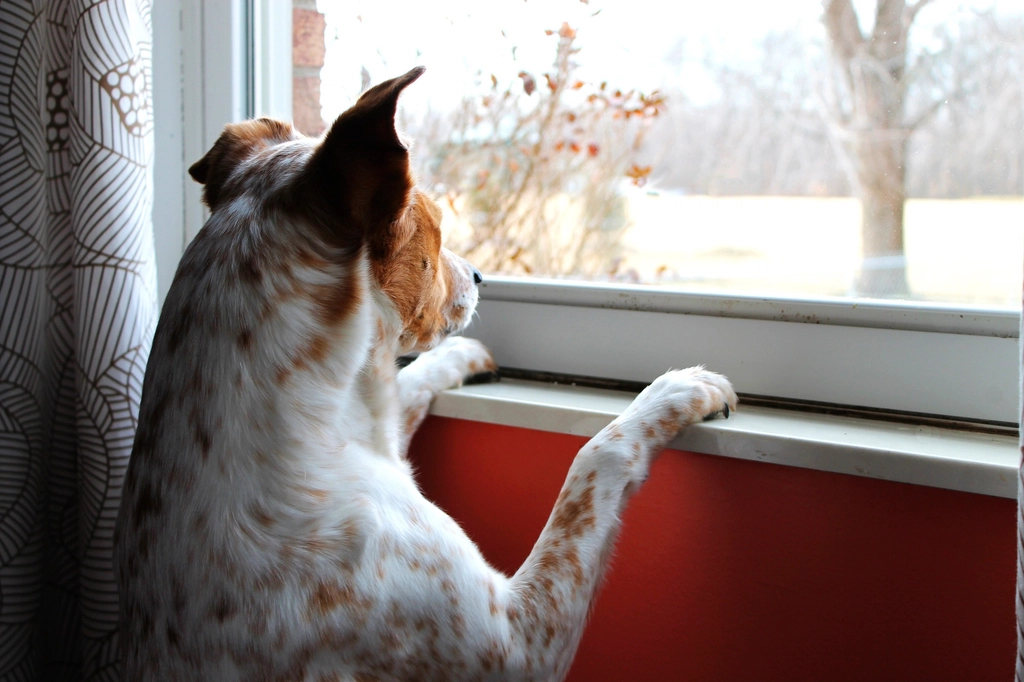
Dogs are social animals. When left alone for hours on end, they can get lonely, anxious, or even a bit depressed. It’s easy to underestimate how much dogs crave companionship, especially if they’re quietly curled up by the door waiting for you.
Chewed shoes or accidents in the house might be your dog’s way of coping with boredom and sadness. If you have to be out for long stretches, consider a dog walker or ask a friend to visit. Your dog’s mental well-being is as important as their physical health.
#3 Using Harsh Words or Tone
You might not realize it, but dogs are incredibly sensitive to the sound of your voice. Yelling, harsh corrections, or even frequent scolding can leave them feeling anxious and confused. It’s not just about the words—it’s the energy and tone you bring.
If you catch yourself getting frustrated, take a deep breath. Gentle, calm guidance is far more effective and helps your dog feel safe. Remember, they’re always listening, even when you think they aren’t.
#4 Neglecting Their Need for Play
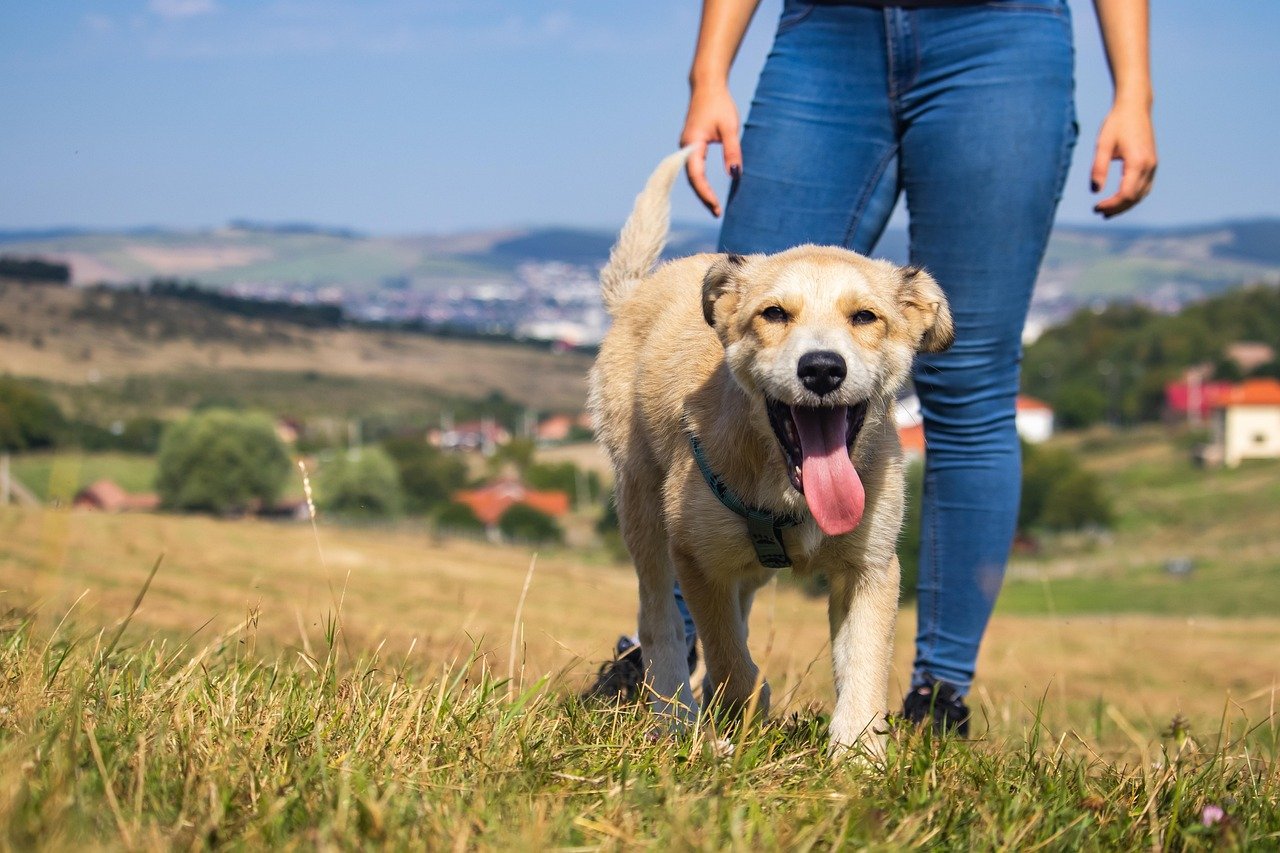
Playtime isn’t just fun—it’s vital for your dog’s happiness. Without regular games or exercise, dogs can feel bored and forgotten. A dog deprived of play can become listless or act out in search of attention.
Even short sessions of tug or fetch can brighten your dog’s day. Try switching up toys or exploring new games together. The joy you’ll see in their eyes is proof that play is the language of love for dogs.
#5 Not Respecting Their Fears

Some dogs are afraid of thunderstorms, fireworks, or unfamiliar people. Brushing off their fear or forcing them into scary situations can make them feel misunderstood and alone. Imagine being afraid and having no one in your corner.
If your dog hides or trembles, comfort them with gentle words or a safe space. Over time, building trust and gradually helping them face fears with patience can boost their confidence and deepen your bond.
#6 Overlooking Signs of Pain or Illness
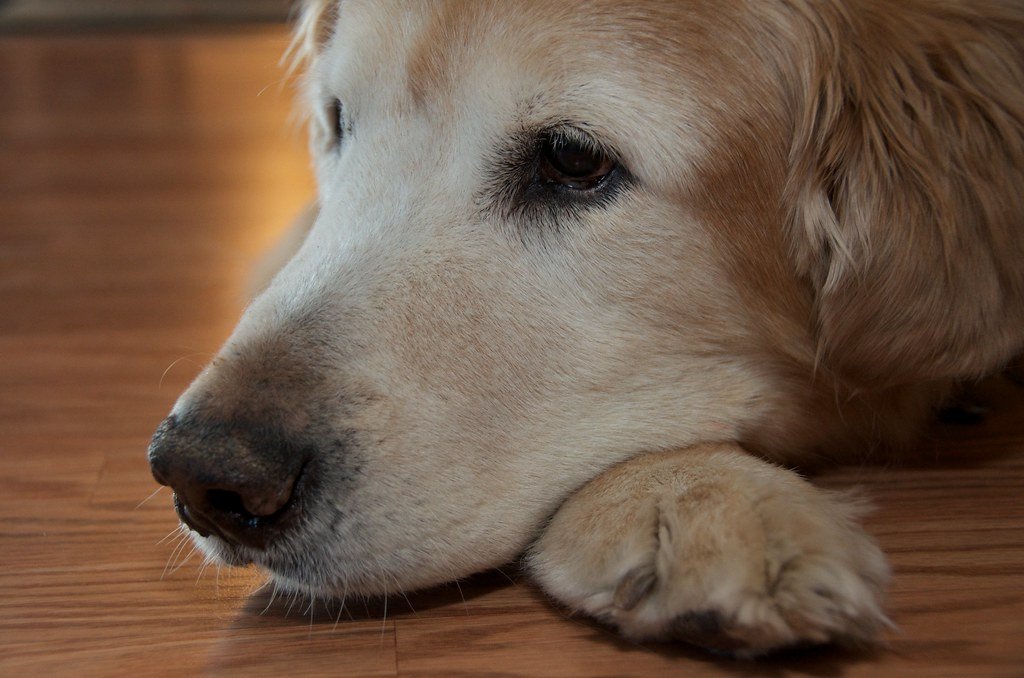
Dogs are masters at hiding discomfort. If you miss the subtle signs—like limping, licking a paw, or changes in appetite—they can start to believe no one cares about their pain. It’s heartbreaking to think your dog might be suffering in silence.
Pay close attention to any behavior that seems out of the ordinary. Regular vet visits and keeping an eye on their mood, weight, and movements can catch problems early, showing your dog you’re always there for them.
#7 Skipping Daily Walks

Walks mean much more than just exercise for your dog. They’re a chance to explore, sniff new scents, and connect with the world. When walks are skipped, dogs can feel restless and disappointed, like a child stuck inside on a sunny day.
Even on busy days, a short stroll can do wonders for your dog’s spirits. Watch how their tail wags and ears perk up—it’s their way of saying, “Thank you for remembering what matters to me.”
#8 Not Giving Them Personal Space

Sometimes, dogs need a moment to themselves. Hugging too tightly, crowding their bed, or not letting them retreat can make them feel overwhelmed. Respecting their boundaries is just as important as showing affection.
If your dog moves away or gives a little sigh, it might mean they need a break. Letting your dog choose when to come close helps build trust and makes your cuddles even sweeter.
#9 Forgetting Consistent Routines

Dogs thrive on predictability. When feeding times, walks, or bedtime routines change constantly, dogs can feel unsettled and anxious. A stable routine gives them a sense of security, like knowing the sun will rise each morning.
Try to keep daily schedules as consistent as possible. Small routines—like a bedtime belly rub or a morning walk—can anchor your dog’s day and keep their world calm and happy.
#10 Comparing Them to Other Dogs

Every dog is wonderfully unique. Comparing your pup to a neighbor’s or longing for a “perfect” dog can make them feel never good enough, even if they don’t understand the words. Dogs sense when they’re being measured or criticized.
Celebrate your dog for who they are—the quirks, the funny habits, the unconditional love. When you accept and cherish your dog’s true self, you’re giving them the greatest gift: to belong, just as they are.


