
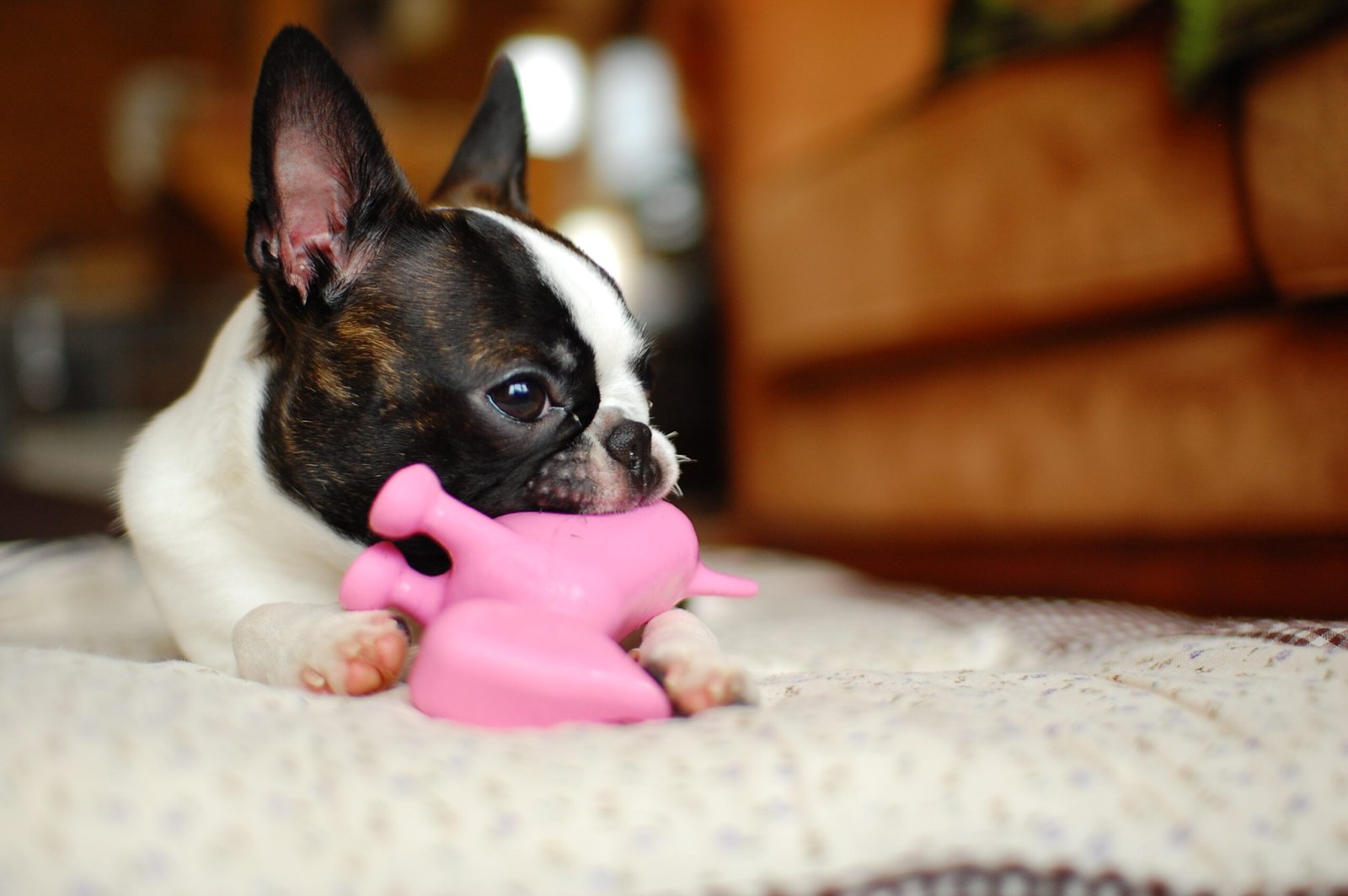
Ever walked into your living room only to find your pup’s toys piled up in one mysterious corner, like a dragon’s hoard? Maybe you’ve seen your dog carefully collecting every squeaky bone and plush duck, guarding them with a pride that’s almost comical. It’s a behavior that tugs at our curiosity and our hearts. Why do some dogs treat toys like prized possessions, stashing them away as if they’re more precious than gold? Let’s dive into the fascinating world of canine “treasure hunting” and uncover what’s really going on behind those sweet, stash-loving eyes.
The Instinct to Gather: Nature’s Blueprint
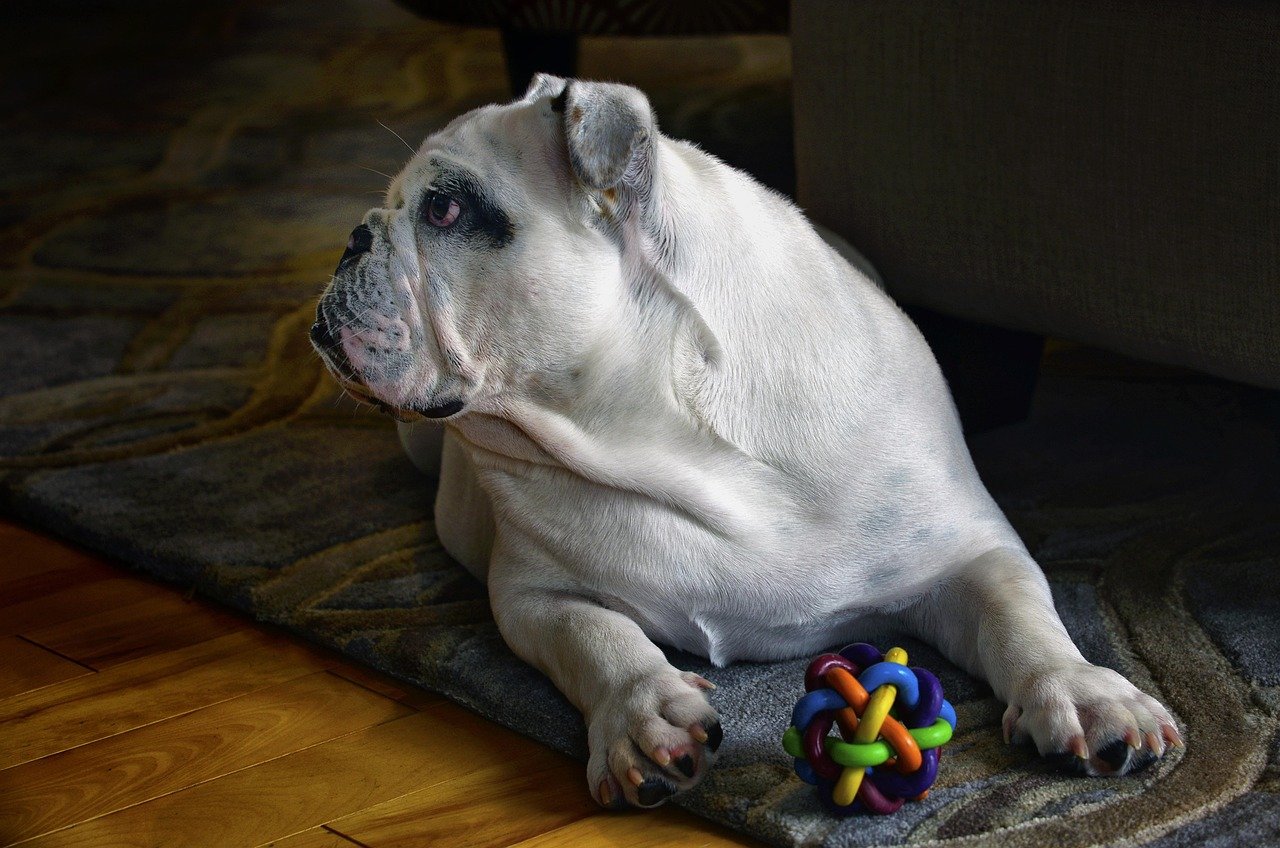
Many dogs are simply following ancient instincts when they hoard toys. In the wild, their ancestors had to collect and hide food to survive lean times, so gathering became second nature. For some breeds, especially retrievers and terriers, this urge is still strong, even if it’s plushies instead of prey.
Picture your dog trotting around with a favorite toy, looking for just the right spot to hide it. It’s not mischief—it’s a throwback to survival. Hoarding is their way of feeling secure and prepared, even if the “emergency” is just a missing tennis ball.
Personality Plays a Big Role
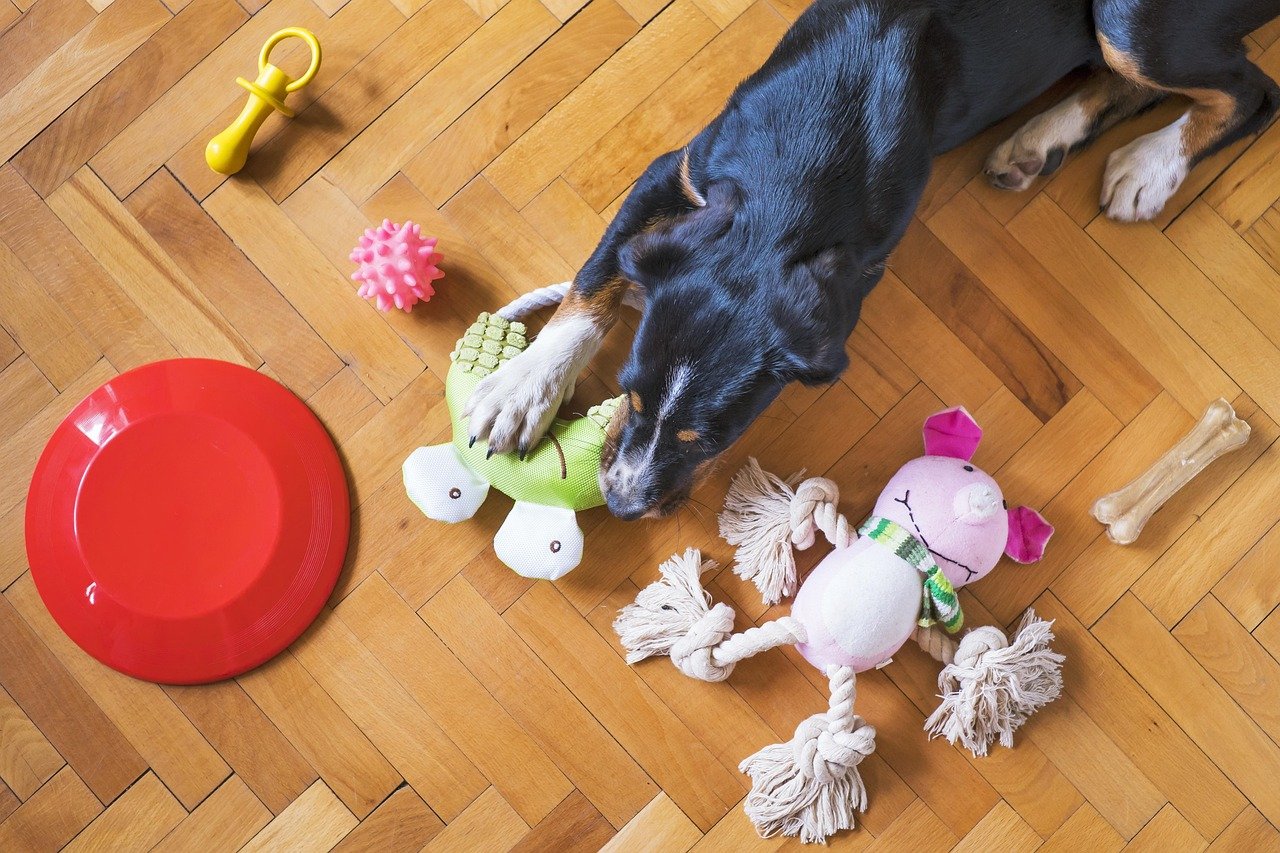
Just like people, dogs have unique personalities. Some are social butterflies, eager to share, while others are more reserved, preferring to keep their treasures close. Hoarding often shows up in dogs who are naturally cautious or independent.
If your dog is the “collector” type, you might notice they’re also particular about where they rest or what toys they choose. This selectiveness often goes hand in hand with a love for organizing their own little world—one toy at a time.
Comfort Objects: Like a Child’s Security Blanket
For many dogs, toys aren’t just playthings—they’re comfort objects. Some pups will gather their favorites when they feel anxious, bored, or even just sleepy. It’s not so different from a child clinging to a beloved teddy bear at bedtime.
If your dog hoards toys and curls up with them, they’re likely finding emotional comfort. Watch for this behavior during thunderstorms or when there are changes at home. It’s their way of self-soothing and feeling safe.
Signs of a Healthy Hoarder vs. Red Flags
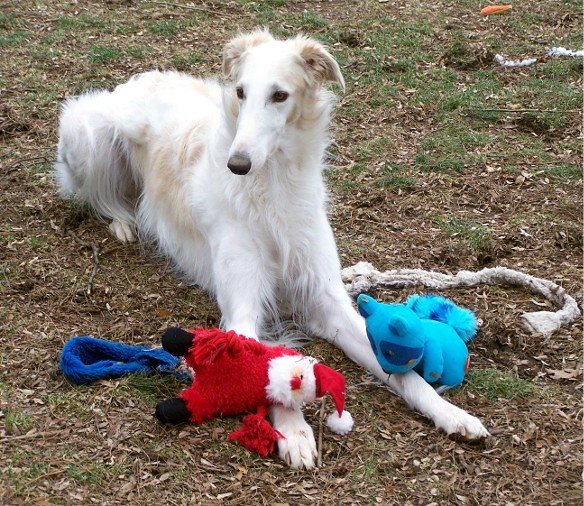
Most hoarding is harmless, but there are a few cues that might signal a deeper issue. A healthy hoarder will still play, eat, and interact normally. If your dog suddenly becomes possessive, aggressive, or anxious about their stash, it’s time to pay closer attention.
Watch for warning signs like growling when someone approaches their toys, refusing to eat, or ignoring family members. These could point to resource guarding or underlying stress, and reaching out to a professional can help.
How to Support Your Toy-Loving Pup

If your dog loves to hoard, you can embrace the behavior while setting healthy boundaries. Offer a variety of toys and rotate them to keep things fresh. Make sure your pup has a cozy, safe spot where they can “store” their treasures.
Encourage positive play by joining in—toss a ball, tug a rope, or simply sit beside them as they organize their collection. You’ll strengthen your bond and help them feel secure, all while sharing in a bit of their quirky joy.
When Hoarding Signals Something More
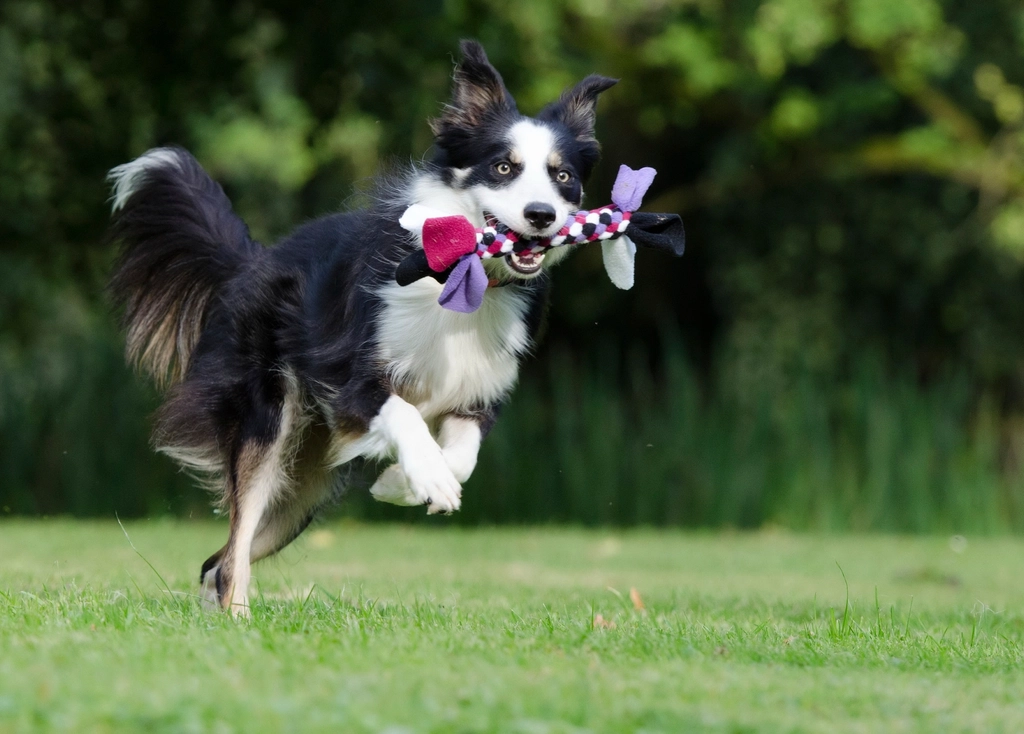
Sometimes, excessive hoarding can be a sign of anxiety, boredom, or even cognitive changes in older dogs. If your dog starts hoarding suddenly or obsessively, think about what’s changed in their environment. New pets, people, or routines can be triggers.
Try giving your pup extra attention, exercise, and enrichment. If the behavior persists or gets worse, a check-up with the vet can rule out medical causes. It’s always better to be safe and proactive when something feels off.
Preventing Problematic Hoarding
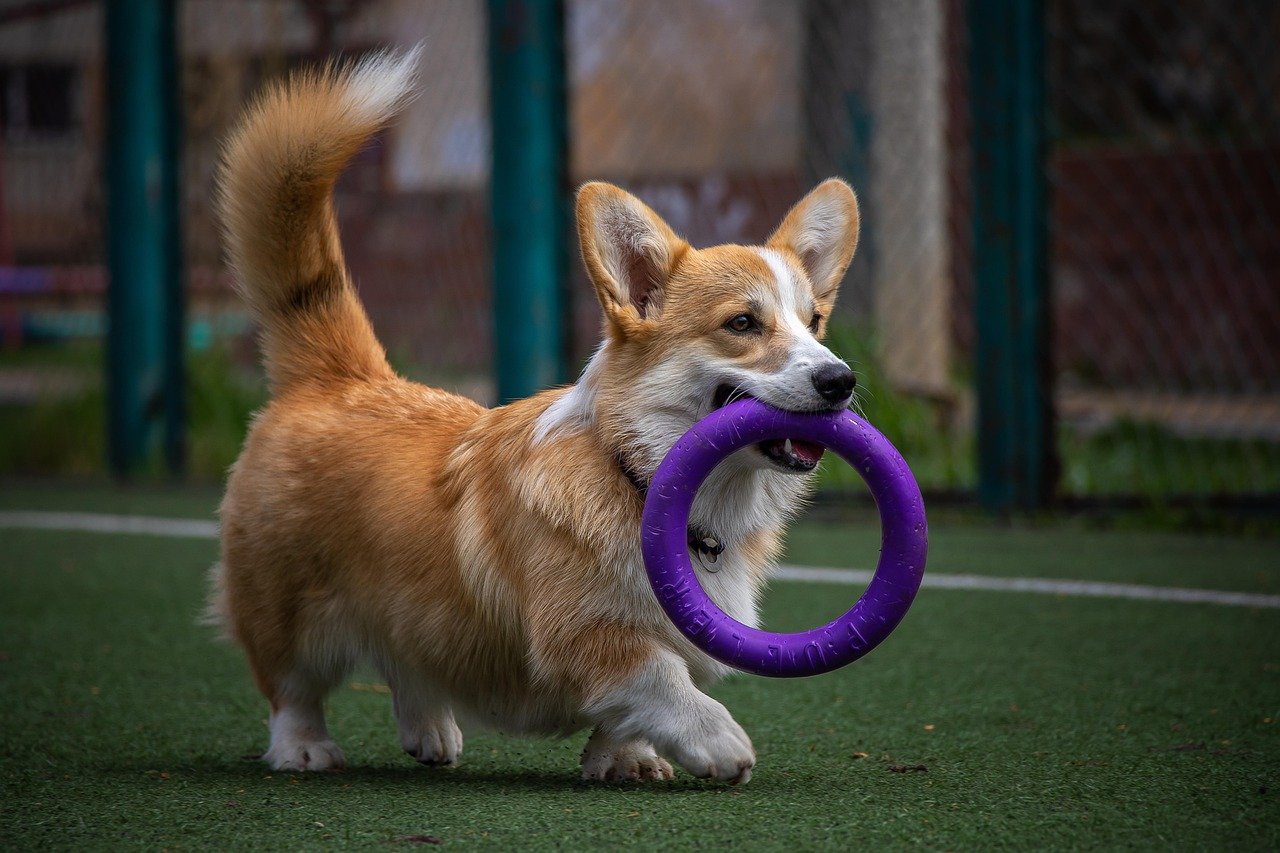
To keep hoarding from becoming stressful, teach your dog gentle “leave it” and “drop it” commands. Practice swapping toys for treats, so they learn sharing isn’t scary. This is especially important in homes with multiple pets or young children.
Keep an eye on how many toys are out at once. Too many options can overwhelm some dogs, making them frantic to “save” everything. A little management goes a long way in keeping the peace—both for your pup and your household.
Celebrating Your Dog’s Unique Quirks
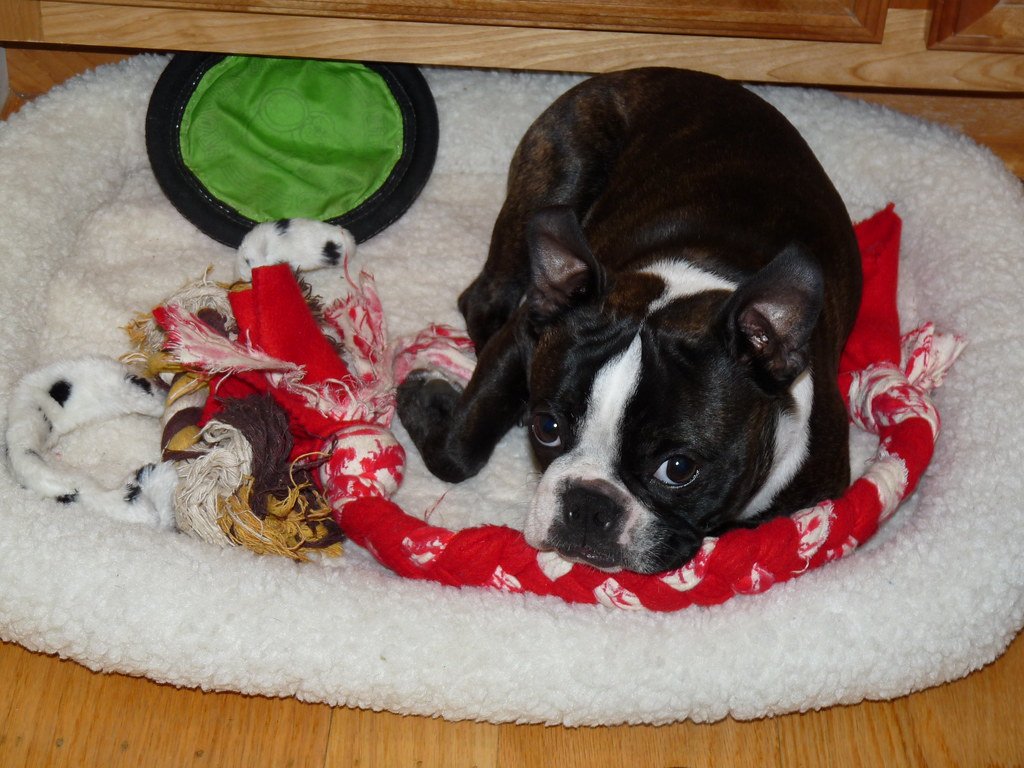
Every dog has their own way of showing personality, and hoarding toys is often just one of those charming quirks. Instead of worrying, try to see the world through your dog’s eyes. To them, their stash is a symbol of comfort, love, and a job well done.
Next time you find a mountain of toys under your bed or behind the couch, smile and remember—it’s your dog’s way of saying, “This is my safe place.” Embrace it, guide it, and celebrate the special bond you share.


