
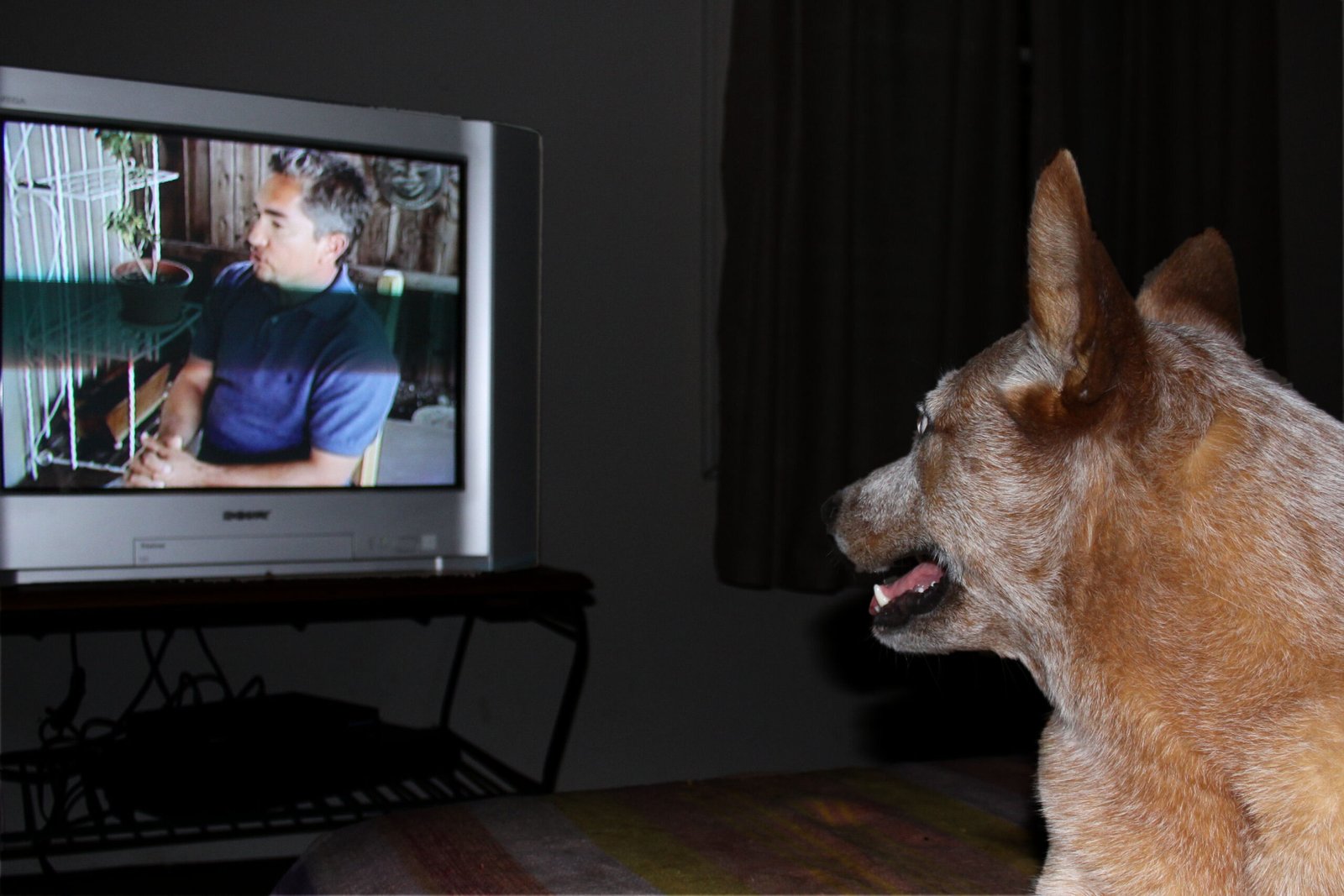
Ever caught yourself feeling guilty as you head out the door, your dog’s eyes following you with that heart-melting mix of hope and disappointment? Many of us try to ease the sting of our absence by leaving the TV on. But is this small gesture truly comforting, or could it be doing more harm than good? Let’s unravel this together—dog lover to dog lover—so you can feel confident about what’s best for your furry companion.
The Comfort Factor: Does TV Soothe Separation?

Many pet parents swear by the soothing power of background noise, believing the TV mimics the gentle hum of family life. For some dogs, especially those prone to loneliness, familiar voices and sounds can indeed provide a sense of company. It’s a bit like leaving a nightlight on for a child afraid of the dark—it doesn’t solve everything, but it can help.
However, not every dog finds comfort in TV chatter. Some pups may ignore it completely, while others might become more alert to every noise or movement on the screen. Watch for signs like relaxed body posture or calm breathing if your dog seems at ease with the TV on.
Understanding Your Dog’s Personality

Just as people have unique tastes in music or movies, dogs have individual preferences for background noise. An anxious dog might feel reassured by the steady drone of a documentary, while a high-energy pup could get riled up by action-packed scenes or loud commercials.
Notice your dog’s reactions. If your pup startles at sudden noises, barks at animals on the screen, or seems restless, the TV might be more stressful than soothing. Tailor your approach based on what makes your dog visibly relaxed and content.
TV as a Distraction: Reducing Boredom or Fueling Anxiety?
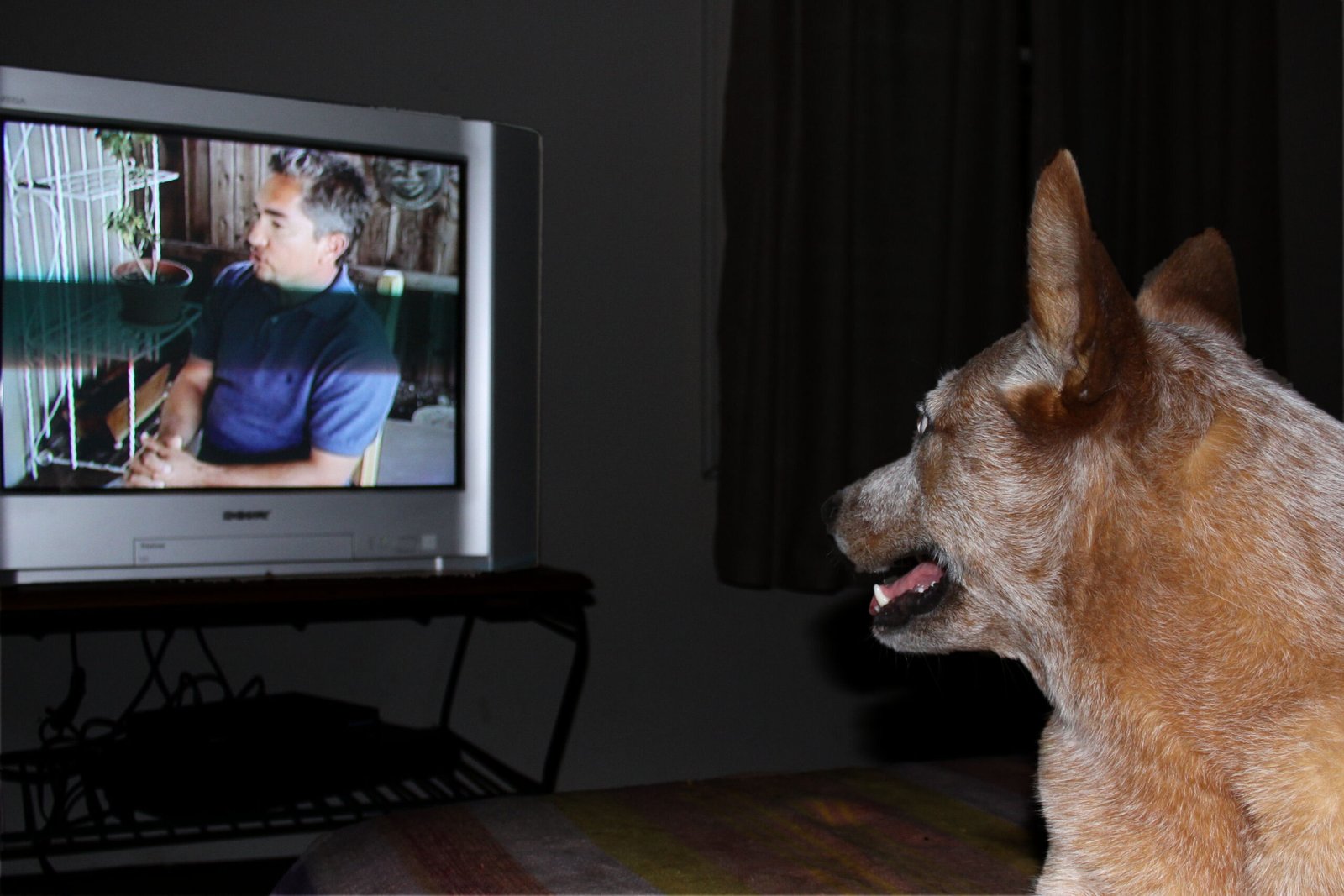
When left alone, dogs can become bored, leading to chewing, digging, or barking. Some owners hope TV distracts their dogs from these behaviors, and for a few, it works—especially with programming designed for pets. Calming music or nature scenes can hold a dog’s attention and break up the silence.
But for others, TV may actually heighten anxiety, especially if the content is unpredictable. Flashes of light, animal sounds, or doorbells on shows can confuse or overstimulate some dogs. Consider your dog’s sensitivity and test different types of content to see what feels most calming.
Behavioral Cues: What to Watch For

Your dog will tell you, in their own way, whether the TV is helping or hurting. Signs that your dog is at ease include lying down, slow tail wags, and soft facial expressions. If your dog seems tense, paces, whines, or fixates on the screen, it’s time to reconsider.
Some dogs may become fixated on certain images or noises, barking at every animal that appears. Others might become so used to the distraction that silence becomes unsettling. Keep an eye out for these patterns and adjust your routine if needed.
Health Signs: Physical Impacts of TV Exposure

Though TV seems harmless, excessive screen time can sometimes disrupt your dog’s natural rhythms. Dogs need periods of quiet and rest, and constant noise may prevent them from truly relaxing. Over time, this could contribute to increased stress or poor sleep.
Look out for changes in appetite, increased agitation, or difficulty settling down. If you spot these signs, try alternating periods of silence with brief intervals of background noise, finding a balance that supports your dog’s well-being.
Real World Examples: What Works (and What Doesn’t)

Many dog parents share stories of their pups finding comfort in gentle nature documentaries or classical music channels. One common mistake is leaving on loud, unpredictable content—think sports, reality shows, or anything with sudden noises—which often makes things worse.
For instance, a neighbor’s dog became more anxious with the TV on, barking at every commercial with a doorbell sound. Switching to soft, instrumental music made a world of difference for that family. Experiment and see what resonates with your dog’s personality.
Prevention Tips: Setting Up for Calmness

If you leave the TV on, keep the volume low and choose calm, soothing content. Consider pet-specific channels or playlists designed to relax dogs. It’s also helpful to set a routine, so your dog knows what to expect and feels more secure.
Combine background noise with other enrichment strategies—like leaving out puzzle toys, providing cozy spaces, or giving them something to chew. These simple steps help prevent boredom and anxiety more effectively than TV alone.
When TV Isn’t Enough: Seeking Better Solutions

While TV can be a helpful tool, it’s not a cure-all for separation anxiety or behavioral issues. If your dog shows serious distress when left alone, consider speaking with a veterinarian or a professional trainer. They can help you develop a more comprehensive plan.
Sometimes, what your dog truly needs is gradual desensitization to being alone, or more physical and mental exercise before you leave. Remember, no screen can replace the comfort of your presence or the benefits of a well-rounded daily routine.


