

You know that look your dog gives you when they’ve chewed up your favorite shoe or left a mess on the living room rug? It’s a mix of guilt, confusion, and pure puppy dog eyes. Our first reaction might be frustration—or even anger. But before you raise your voice or point a finger, imagine how scary and bewildering the world must feel for your furry friend. Dogs aren’t born knowing our house rules. They’re like toddlers with tails, trying to make sense of a language and a world that isn’t theirs. Let’s walk through why punishment not only doesn’t work, but can actually hurt your bond and your dog’s well-being.
Dogs Don’t Understand “Bad” Like We Do

When your dog does something “wrong,” they’re not plotting revenge or trying to be naughty. Dogs see the world in terms of needs and instincts—if they chew, dig, or bark, it’s their way of communicating or coping. They don’t grasp the concept of “bad” behavior in the human sense; they just follow their nature.
Correcting them with punishment only leaves them scared or confused. Instead, it’s essential to guide them gently toward what you want. Like kids, dogs learn best when they feel safe, understood, and supported—not when they’re frightened or shamed.
Punishment Damages Trust and Your Bond
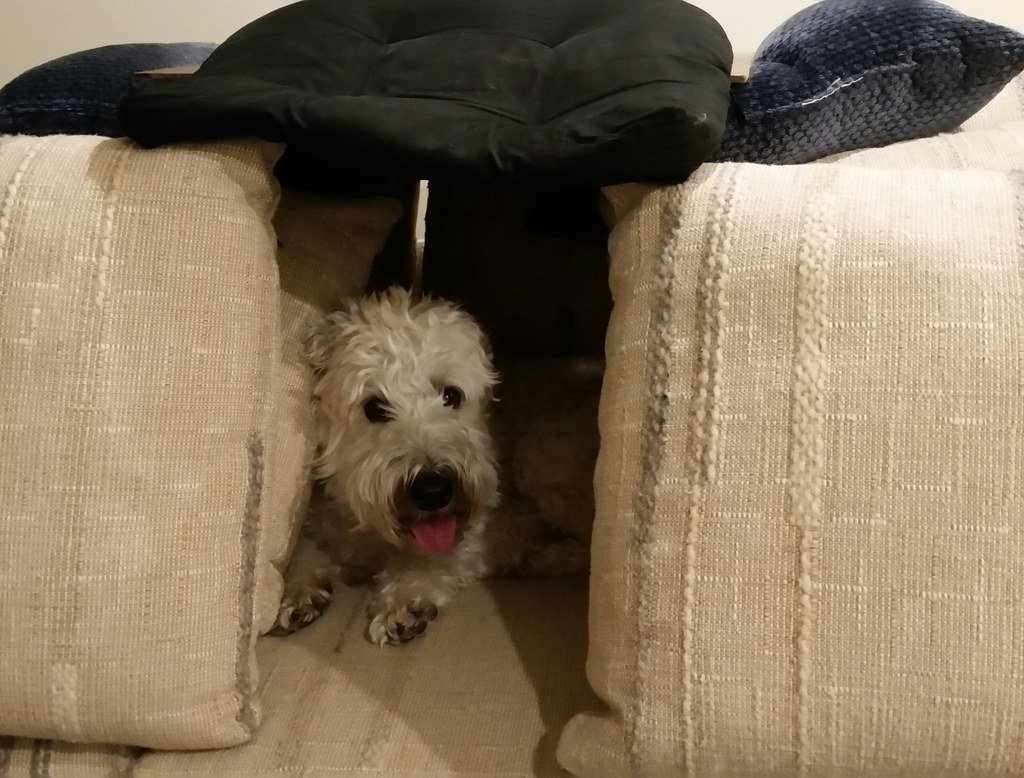
Nothing hurts more than seeing your dog shrink away from you because they’re scared. Punishment, whether it’s harsh words or physical discipline, breaks the trust you’ve built. Suddenly, the person they adore becomes unpredictable and scary.
Dogs thrive on connection and consistency. If they start to fear you, that joyful tail wag turns into anxious cowering, and your relationship suffers. Building trust takes time, but it can be lost in seconds. Kindness—every single day—keeps your bond strong.
Punishment Can Make Problem Behaviors Worse

Here’s the kicker: punishing a dog rarely fixes the issue. In fact, it often makes things worse. If your dog barks or soils the house, punishment might just teach them to hide those behaviors—maybe barking only when you’re out, or sneaking off to pee where you can’t see.
Instead of learning what’s right, they simply learn to fear your reaction. This can lead to more anxiety, aggression, or even health issues from holding in stress. Gentle redirection and patience work so much better than any harsh correction.
Dogs Learn Through Repetition, Not Fear
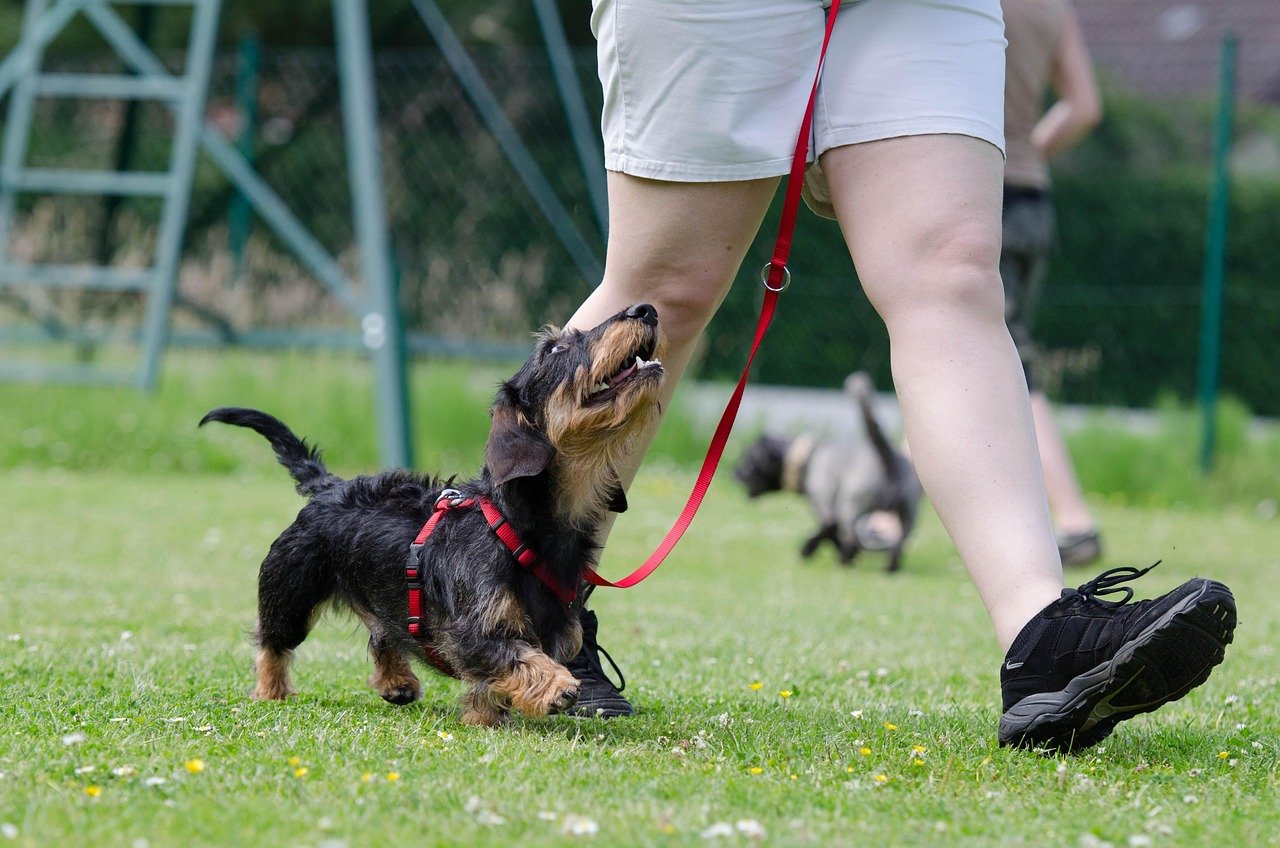
Imagine someone speaking another language scolding you for not understanding. That’s how it feels for dogs when punished for things they don’t “get.” Dogs learn by repeating behaviors that earn them rewards and praise.
If you want them to sit politely, offer treats and affection when they do. Practice makes perfect—just like with kids learning to tie their shoes. Clear cues, lots of encouragement, and patience turn confusion into confidence for your pup.
Understanding Canine Body Language and Cues
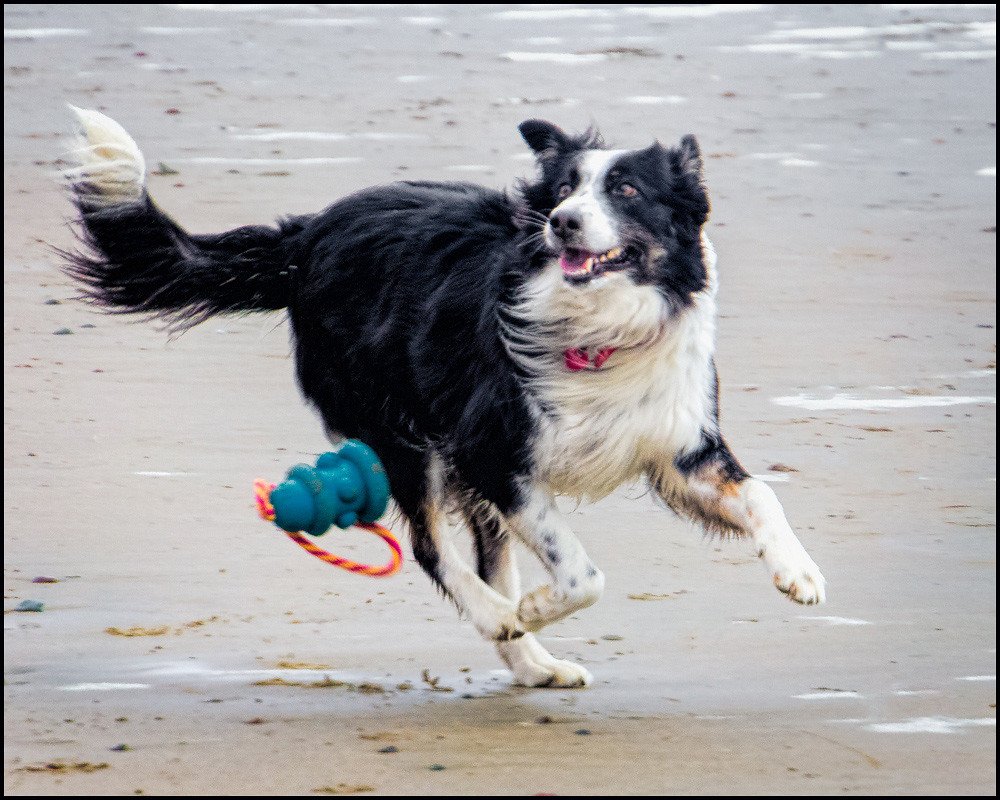
Sometimes what we see as “misbehavior” is just our dog telling us something’s wrong. Chewing, whining, or pacing can be signs of boredom, anxiety, or even pain. Watch for subtle cues: licking lips, yawning, or turning away can all mean your dog is stressed.
Learning your dog’s language opens a whole new world of understanding. Instead of snapping at the behavior, ask, “What’s my dog trying to tell me?” Meeting their needs is always the first step in preventing unwanted actions.
Health and Emotional Risks of Punishment

Punishing your dog doesn’t just hurt feelings—it can affect their health, too. Chronic stress from fear increases the risk of digestive problems, weakened immune systems, and even skin issues. You might notice more shedding or a loss of appetite.
Emotionally, a punished dog can become withdrawn, depressed, or reactive. It’s heartbreaking to see a once-happy pup lose their spark. Gentle, positive training keeps your dog’s spirit—and body—healthy and strong.
Prevention: Setting Your Dog Up for Success
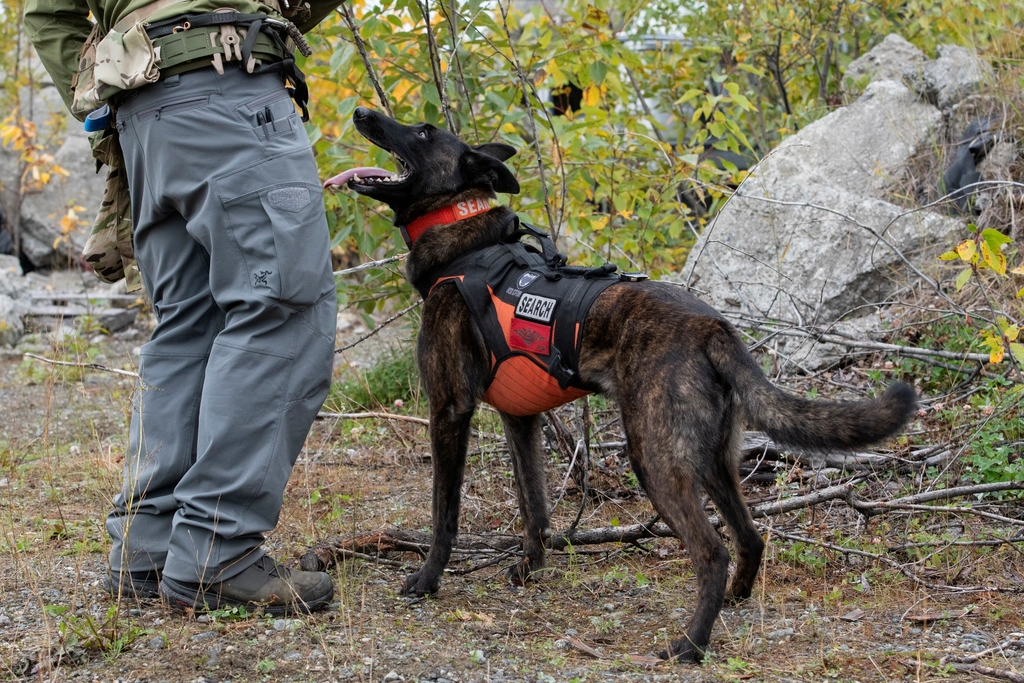
The best way to avoid misbehavior is to set your dog up to win. Provide plenty of exercise, mental stimulation, and clear routines. Baby gates, chew toys, and regular walks go a long way to prevent accidents and boredom.
Keep your expectations realistic—remember, puppies and rescue dogs need extra patience. Celebrate tiny wins, and don’t sweat the small stuff. Prevention is always easier than punishment, and way more fun for both of you.
Positive Alternatives That Really Work
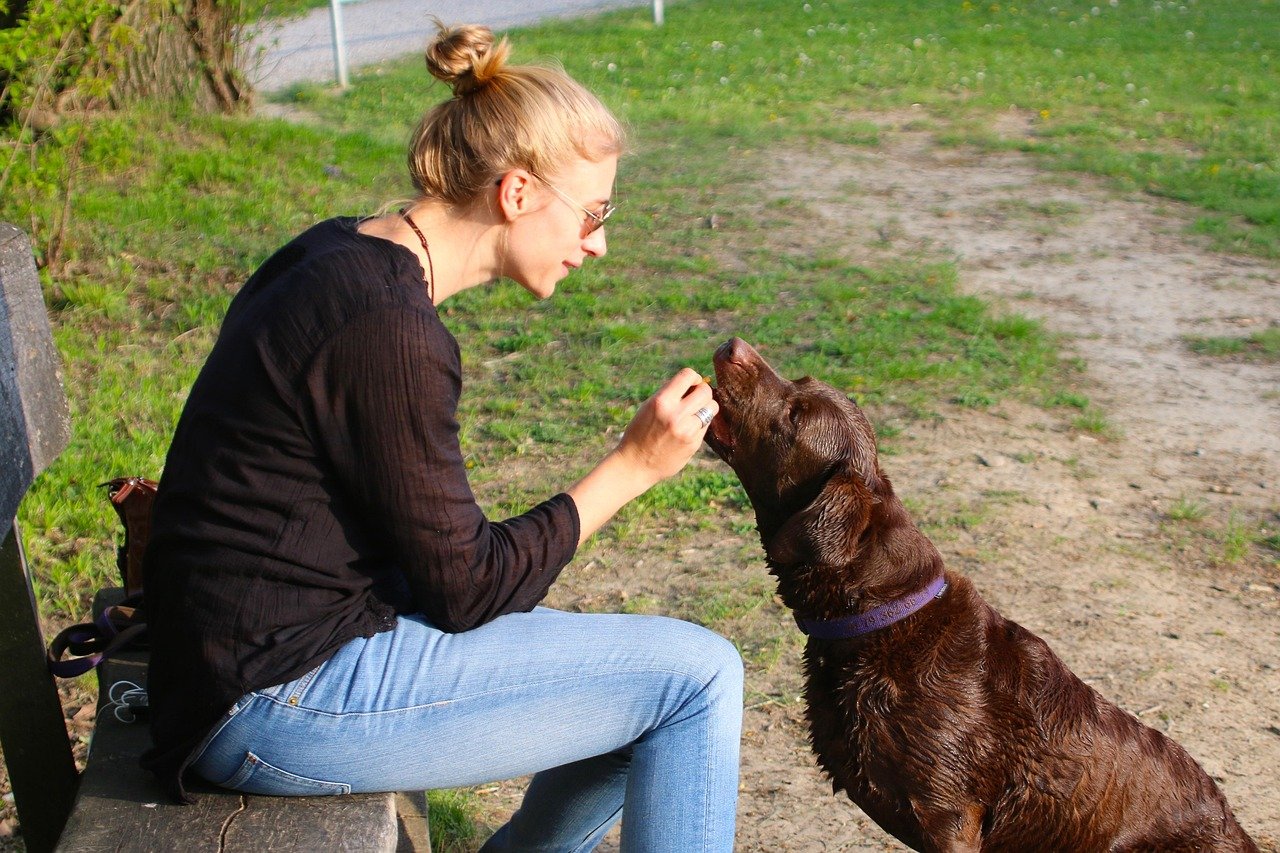
Instead of punishment, try positive reinforcement—reward the behaviors you want to see more of. Treats, praise, and playtime are powerful motivators. Redirect unwanted behavior with a cheerful “let’s do this instead,” and watch your dog blossom.
Consistency and kindness are your best tools. Over time, your dog will start to choose the good stuff all on their own. You’ll see their confidence soar—and your home will be happier and more peaceful for it.


