

Black cats have captured our imagination for centuries, swirling through folklore and superstition like shadows in the night. Whether you’ve fallen for their sleek silhouettes or you’re hesitating because of old wives’ tales, there’s so much more to these mysterious creatures than meets the eye. Before you open your heart and home to one of these midnight companions, let’s uncover some fascinating truths that might surprise you.
The world of black cats is filled with unexpected discoveries that go far beyond their stunning appearance. From genetic advantages that would make other cats jealous to personality traits that defy every stereotype, these feline friends are nothing like what popular culture has led us to believe. You’re about to learn why black cats might just be the perfect addition to your family.
They Face Shocking Adoption Challenges Despite Being Amazing Pets
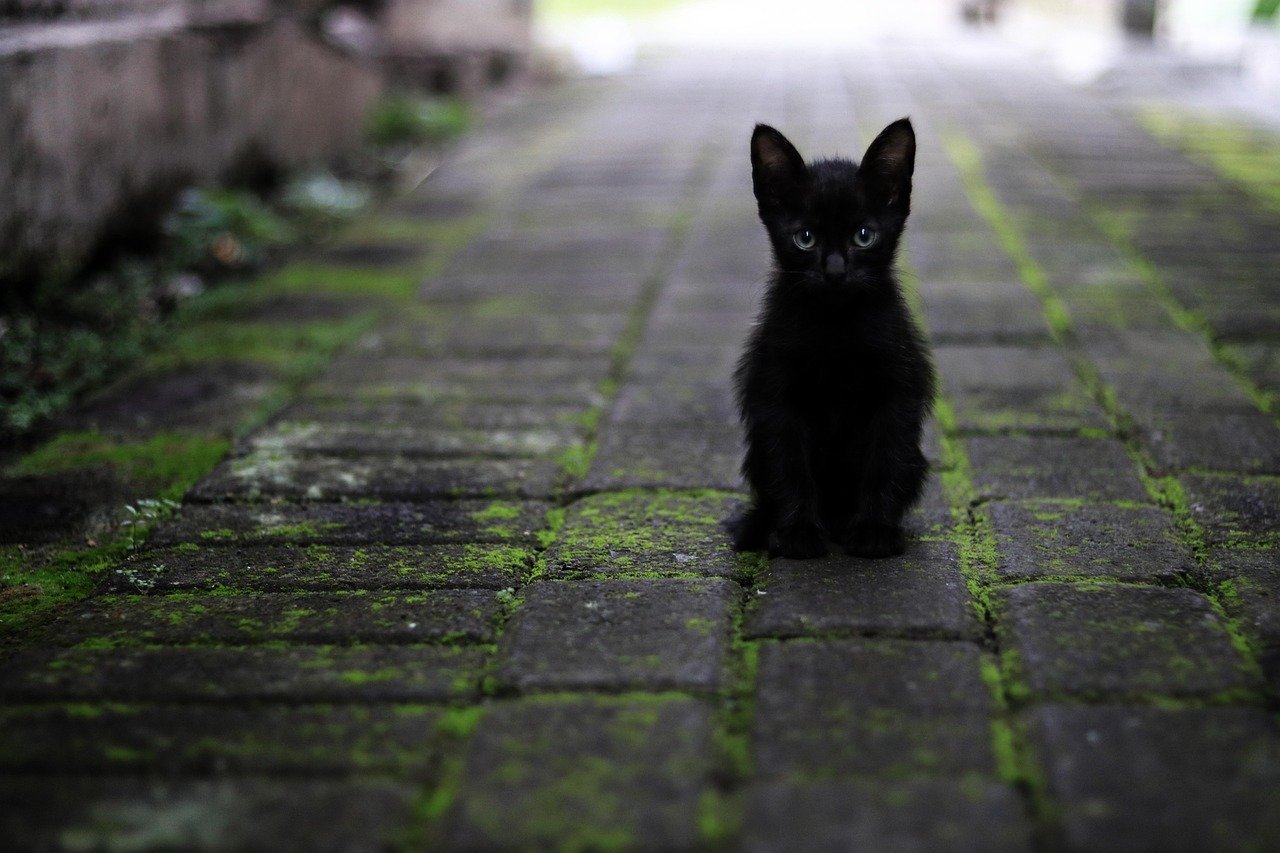
Black cats have the highest rate of euthanasia at a rate of 74.6%, and the lowest rate of adoption at 10% of any cat. This heartbreaking statistic reveals just how much superstition still affects these beautiful animals. Even as kittens, those with a black coat are the last and least likely to be adopted compared to all other kittens, which makes their situation even more desperate.
The reasons behind this adoption bias go beyond simple superstition. Black cats are harder to photograph and might blend into the shadows in already crowded shelters, where animals are often kept in dimly lit spaces. This practical challenge means they literally fade into the background when potential adopters are browsing for their next companion.
Their Genetics Give Them Remarkable Health Advantages

Here’s something that might blow your mind: research has found that the gene that codes for black fur color also possesses attributes that support the immune system, giving black cats a stronger resistance to common illnesses and serious diseases. This isn’t just wishful thinking from black cat enthusiasts—it’s backed by real science.
The genes associated with black color also make the cats’ immune systems stronger, making them more resistant to diseases like FIV than other cats. Researchers at the National Institutes of Health have been studying genetic mutations in cats since the early 2000s and discovered a possible link between coat color and resistance to feline immunodeficiency virus. This genetic lottery ticket could mean fewer vet bills and a healthier, longer life for your feline friend.
Black Cats Actually Come in Twenty-Two Different Breeds

Think all black cats are the same? Think again! The Cat Fanciers’ Association recognizes 22 cat breeds that can come with solid black coats. This diversity means you’re not just choosing a color—you’re selecting from an entire spectrum of personalities, sizes, and temperaments.
The Bombay breed is exclusively black, created specifically to look like miniature black panthers. But you’ll also find black versions of Persian cats with their luxurious long fur, sleek American Shorthairs, and even curly-coated Devon Rex cats. Each breed brings its own unique characteristics, so there’s definitely a black cat personality type that’ll match your lifestyle perfectly.
They’re Actually More Social and Outgoing Than You’d Expect
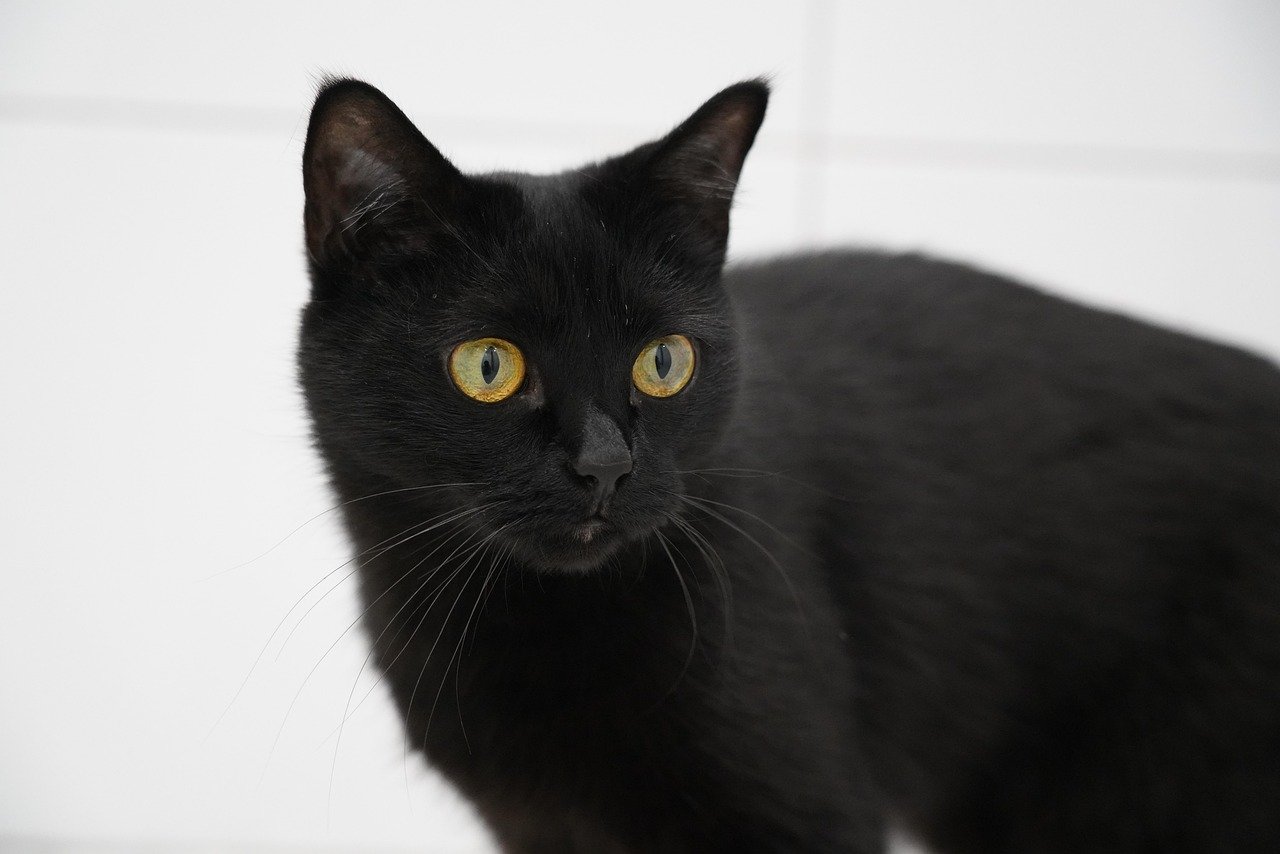
Forget everything you think you know about aloof, mysterious black cats. Many black cat owners report that these felines are highly intelligent, playful, and unusually affectionate, often described as ‘lap cats’ who love to spend time cuddling with their humans. This completely contradicts the standoffish stereotype that’s followed them for years.
Black cats make loving family members who love to cuddle and play, and they’re wonderful at being both friendly to all and dedicated to their person. They might even surprise you with their vocal nature—they might even meow to you over the phone when you are away from home. Who wouldn’t want a cat that actually misses you enough to “talk” to you long-distance?
The Halloween Danger Myth Is Completely False

Every October, well-meaning people worry about black cats being targeted for harm during Halloween. But here’s the truth: black cats don’t actually face more danger during Halloween, and there is no data to suggest they are at a higher risk of abuse during this time compared to other cats. This persistent myth has actually done more harm than good.
Research has shown that ceasing the adoption of black cats during this time actually does more harm than good, increasing their time spent in the shelter and causing them to miss out on opportunities to find homes with loving families. Many animal shelters actually use Halloween as a time to promote black cats for adoption, turning it into an opportunity to highlight these wonderful pets.
Their Coat Color Can Actually Change Over Time
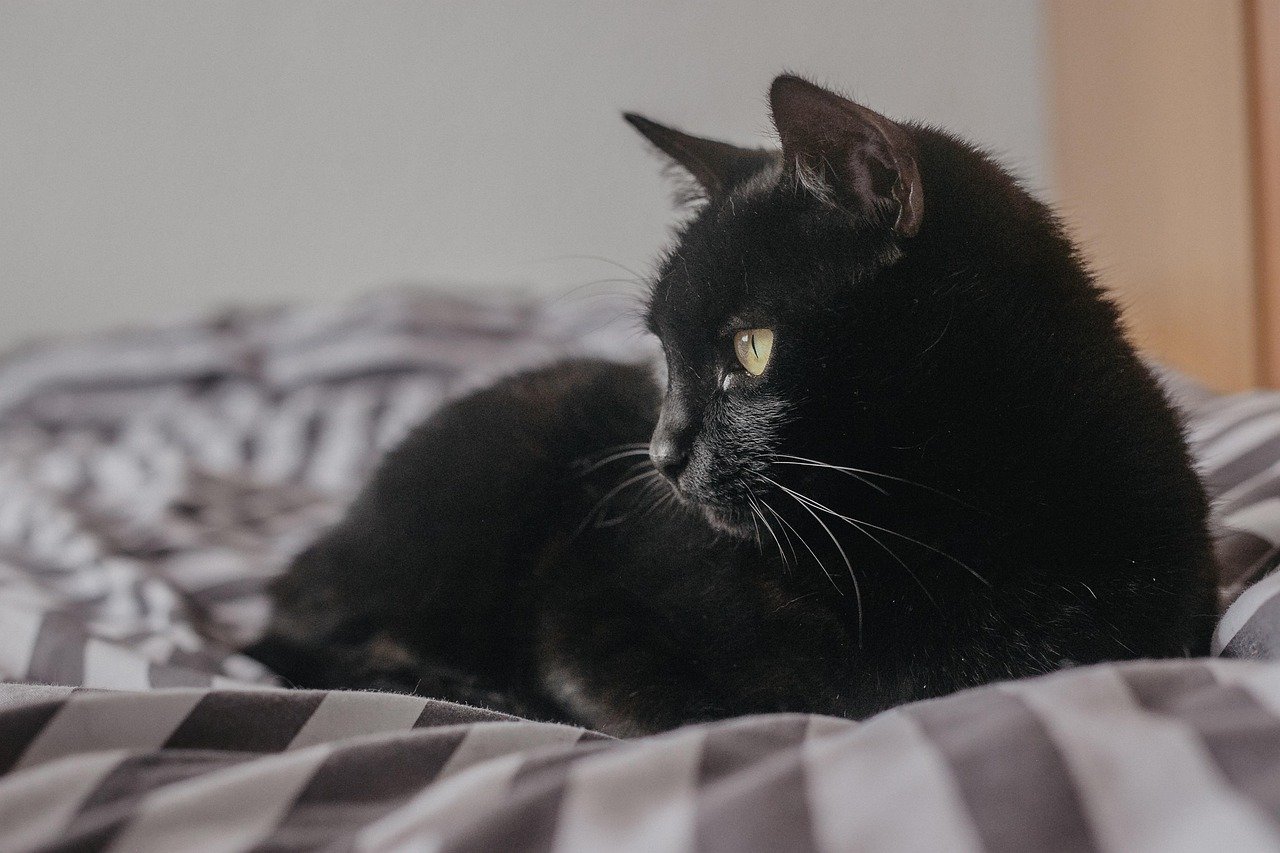
Here’s a quirky fact that’ll keep you watching your black cat closely: some black fur will “rust” with exposure to the sun, just like humans whose hair gets lighter. Black cats’ fur may have light red or orange highlights when they spend a lot of time in the sun, as the sun bleaches the pigment from the fur.
This sun-bleaching effect happens because eumelanin, the pigment required to produce the black fur, is somewhat fragile, so the rusting effect can be more pronounced in cats that frequently spend time in the sun. It’s like your cat comes with a built-in mood ring that reflects how much they love sunbathing! Don’t worry though—this color change is completely harmless and actually adds character to their appearance.
They’re Surprisingly Easy to Care For (With One Caveat)

Black cats are generally low-maintenance companions, but they do come with one amusing challenge. If you have a white or cream-colored couch or wear light-colored clothes, your black cat’s fur will noticeably coat the cloth, but if you have dark furniture and love wearing black clothes, the shed fur blends right in. It’s like having a built-in excuse to redecorate in darker tones!
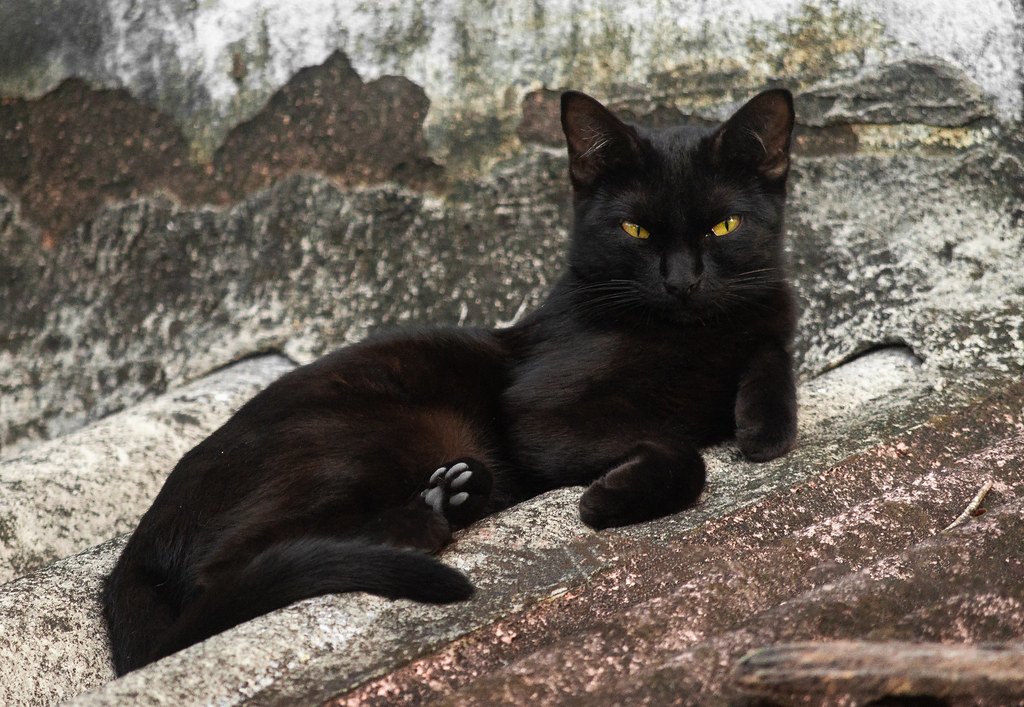
Their stunning appearance makes up for any hair-related decorating decisions you’ll need to make. Against the backdrop of their ebony fur, a black cat’s eyes—usually amber, gold, or green—really jump out at you, and in a dark room, their body seems to disappear, leaving their eyes seemingly floating like the Cheshire cat. This natural beauty creates an almost magical presence in your home.
Different Cultures Actually Consider Them Lucky
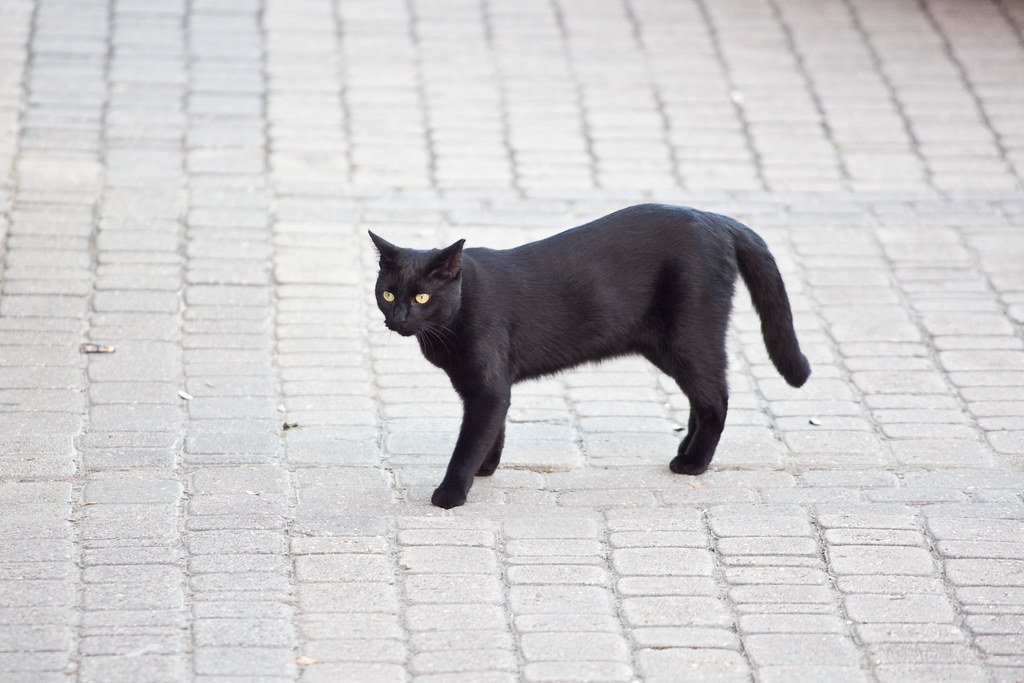
While Western superstitions paint black cats as harbingers of doom, many cultures celebrate them as symbols of good fortune. In France, they are called “Money Cats” and treating one respectfully can make one wealthy, in Scotland, one on your doorstep signals future prosperity, and in Japan, they are considered bringers of love and good fortune. Maybe it’s time to reconsider who’s really bringing the bad luck around here!
The superstitions surrounding black cats vary from culture to culture, and black cats have positive associations in the Celtic nations and England, where a black cat crossing one’s path is considered good luck, with the RSPCA stating that “in UK folklore, black cats symbolise good luck”. These positive cultural associations suggest that maybe we’ve been looking at black cats all wrong this entire time.
Conclusion
Black cats are far from the mysterious, unlucky creatures that superstition has made them out to be. They’re genetically gifted with stronger immune systems, come in an amazing variety of breeds, and are typically more affectionate and social than many people expect. The sad irony is that these incredible animals, who might actually be the healthiest and most loving companions you could choose, are the ones most likely to be overlooked at shelters.
If you’re considering adding a feline friend to your family, a black cat might just be the perfect choice. They’re not just breaking stereotypes—they’re rewriting the entire story of what makes an ideal pet. After all, in a world full of ordinary cats, wouldn’t you rather have one that comes with a little bit of magic?


