
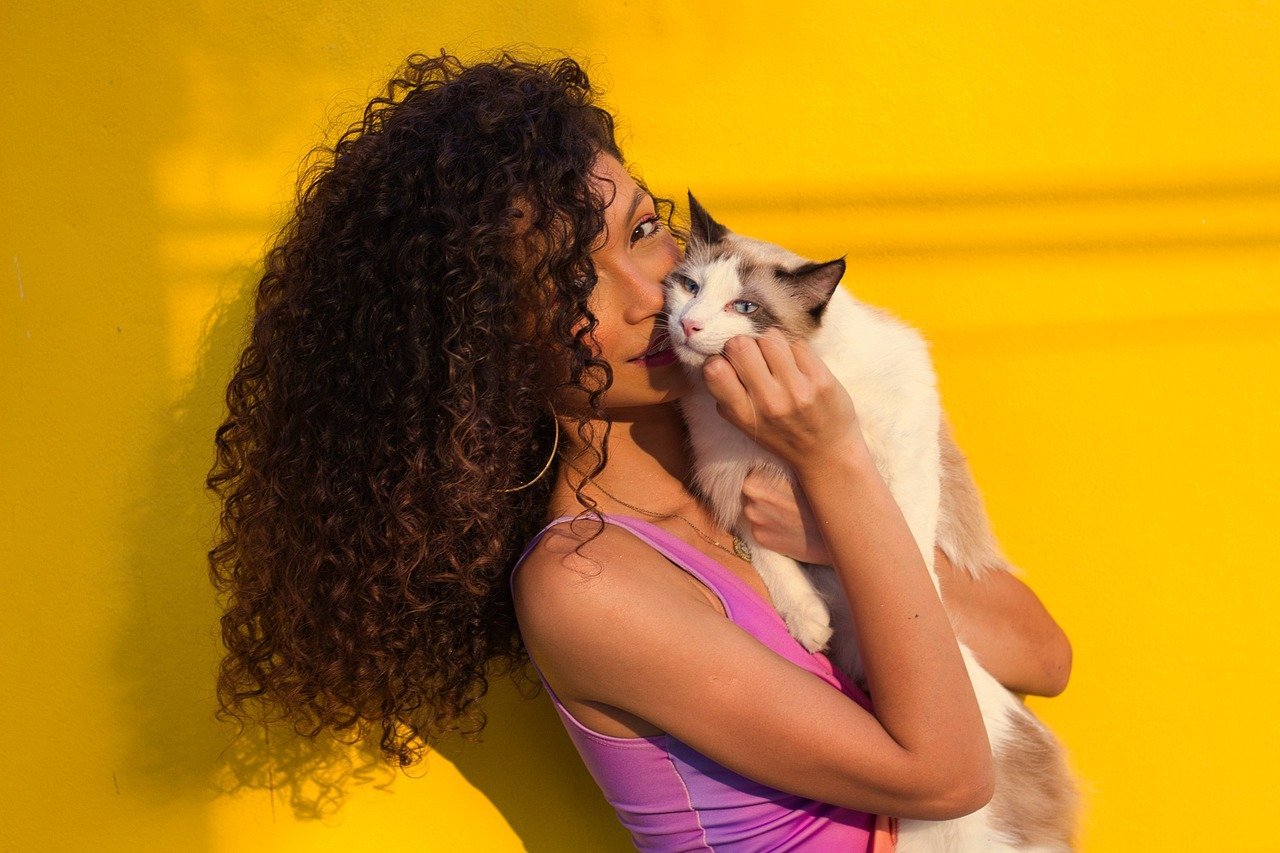
Have you ever walked through your door after a long trip and wondered if your cat’s cool stare hides a secret longing for you? Or maybe you’ve found your favorite sweater covered in fur, as if your kitty curled up with it for comfort while you were gone. So, do cats really miss their humans, or is it just the familiar rhythm of home they crave? Let’s unravel the mystery, whisker by whisker.
Understanding the Feline Heart: Do Cats Bond with Us?
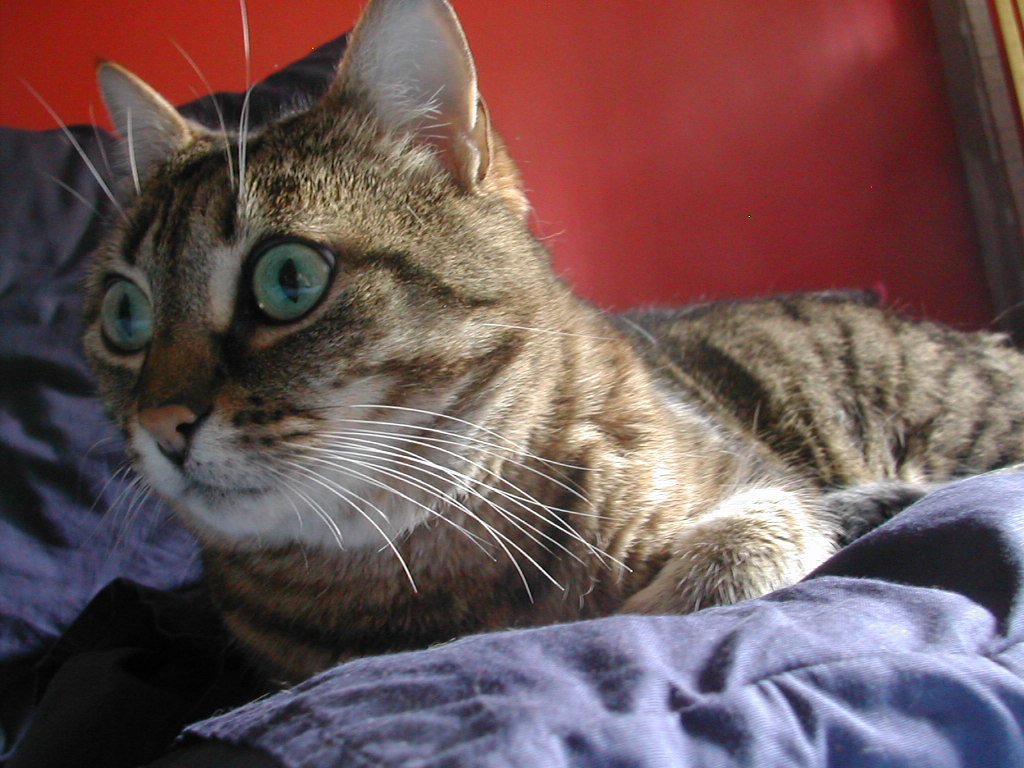
Cats are often painted as aloof, but anyone who’s shared a sofa with a purring ball of fur knows there’s more going on. Many cats form deep, lasting bonds with their humans, seeking out affection and following us from room to room. These attachments can be as strong as those seen in dogs, just shown in subtler ways.
However, not all cats wear their hearts on their fur. Some are reserved, watching quietly from a distance, but that doesn’t mean they don’t care. Their loyalty can be quieter—a gentle blink, a brush against your leg, or choosing your lap as the perfect nap spot.
Signs Your Cat Misses You—More Than Just Routine
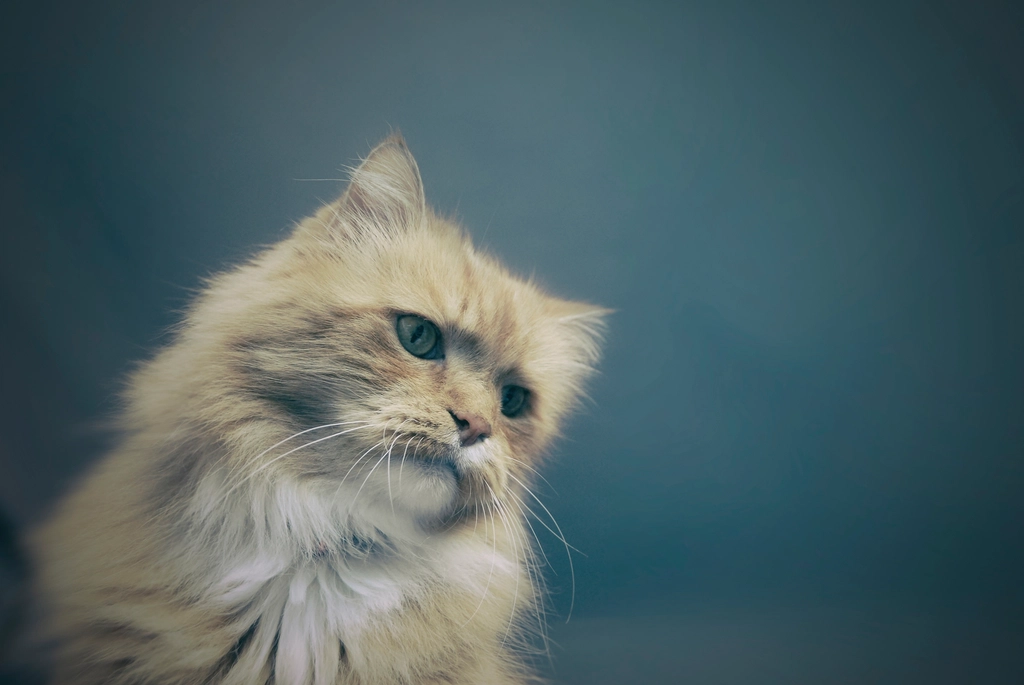
If you’ve ever come home to a cat who’s extra clingy or vocal, they might be telling you they missed you. Some cats show their longing by bringing you their favorite toy, meowing more than usual, or even following you around like a furry shadow.
On the flip side, a cat might act out when you’re gone—scratching furniture or skipping meals, for example. These changes aren’t just about routine; they’re signs your absence is felt in their little feline hearts.
Routine: The Anchor in a Cat’s World

Cats adore predictability. Meals, playtime, and even the timing of your footsteps become comforting cues in their lives. When routines shift, cats can become anxious or withdrawn, showing just how much they depend on regularity.
Still, routine doesn’t mean your cat is indifferent to you. Instead, you and your habits become intertwined—your presence is part of what makes home feel safe and stable for them.
Behavior Cues: Decoding Feline Feelings
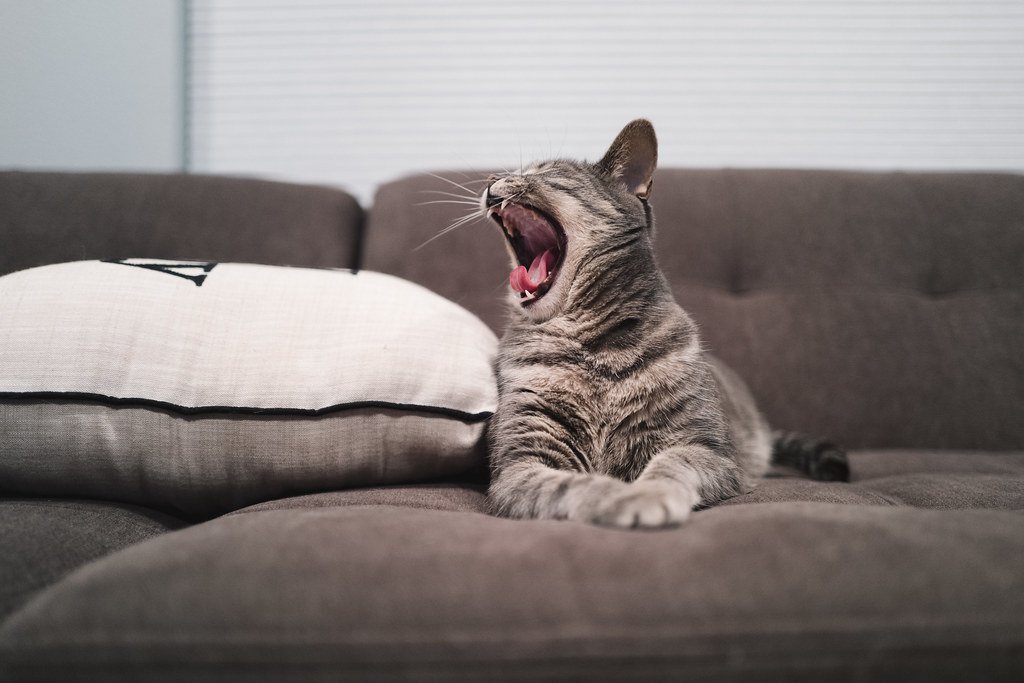
A cat’s behavior often whispers secrets about their feelings. Watch for changes: hiding, excessive grooming, or a sudden lack of interest in play can all signal stress from missing their human.
Sometimes, it’s the small things—a head bump, a slow blink, or sleeping on your belongings. These are feline ways of saying, “I missed you,” even if their meow remains silent.
Health Signs: When Missing You Becomes a Problem
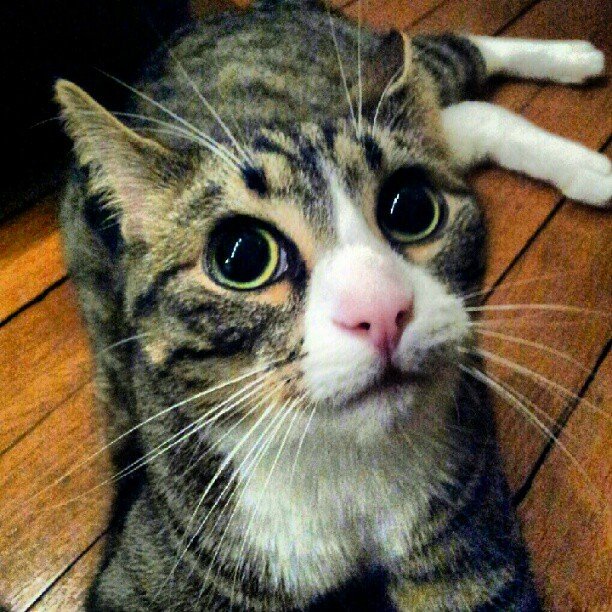
For some cats, separation can affect their health. A stressed cat might eat less, over-groom, or develop digestive issues. Frequent vomiting or bathroom accidents can sometimes be traced back to anxiety caused by your absence.
It’s important to notice these signs early. If your cat’s behavior or health shifts noticeably when you’re away, it could be time to chat with your vet or a feline behaviorist for tips.
Prevention Tips: Helping Your Cat Cope When You’re Away
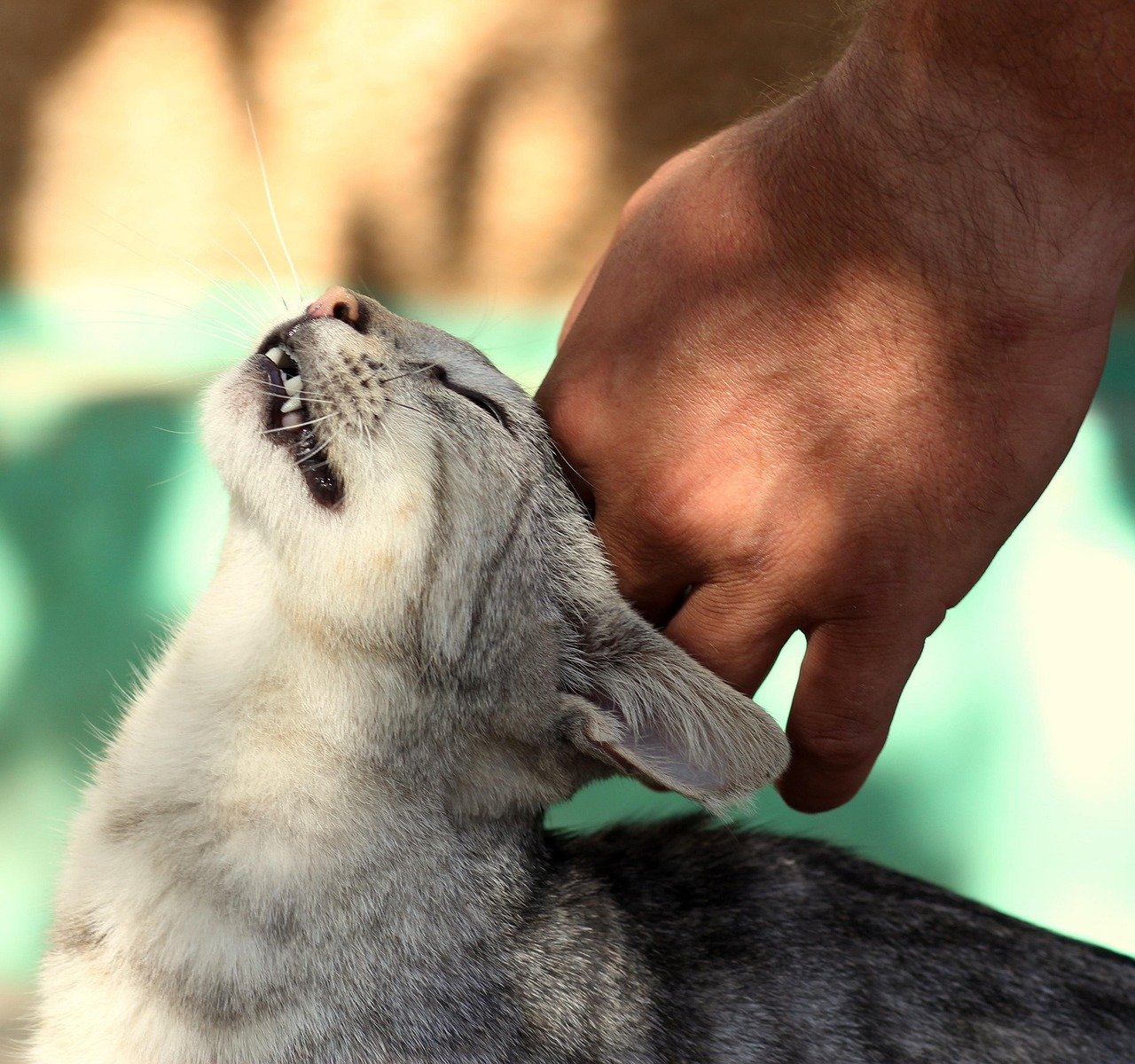
To ease your cat’s stress, gradually get them used to short separations. Leave behind a shirt carrying your scent, or set up a window perch so they can watch the world go by. Interactive toys and food puzzles keep their minds busy and spirits high.
If you’re gone for longer periods, consider a trusted pet sitter or a friend who can visit. Maintaining parts of their daily routine—like feeding times and play sessions—can help your cat feel less adrift.
Real-World Examples: Cats Who Showed They Cared
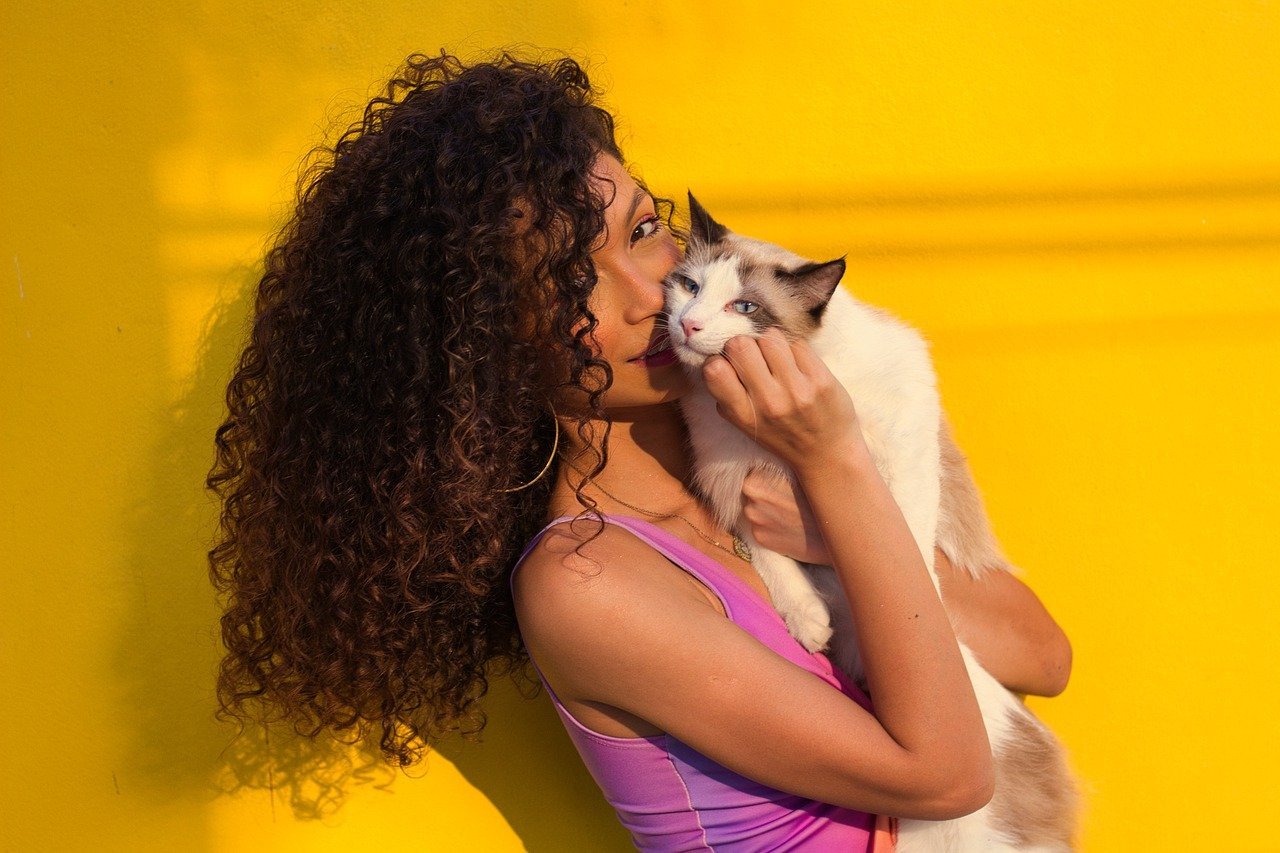
Many cat parents have tales of their cats greeting them at the door, chirping with excitement after a trip, or even sulking for a day as payback for being left behind. Some cats sleep on their human’s pillow, seeking comfort in their scent.
Others may bring a favorite toy to the front door or curl up in laundry baskets, surrounded by their human’s clothes. These real-world moments are gentle proof that cats notice our comings and goings more than they let on.
Supporting Your Cat’s Emotional Wellbeing

Nurturing your bond doesn’t require grand gestures. Simple things—regular playtime, gentle pets, or sharing a quiet moment—mean the world to your cat. Recognize their unique ways of showing love, and let them know you’re a steady, caring presence.
Be patient with your cat’s quirks. Some will leap into your arms, while others need a little time to warm up after you return. Respect their pace, and your connection will only grow stronger.


