
Picture this: you’ve just brought home a beautiful new squeaky toy for your furry friend, expecting tail wags and enthusiastic play sessions. Instead, your dog sniffs it once and walks away, leaving you wondering if you’ve adopted a broken dog. The truth is, not all dogs are naturally drawn to toys, and that’s perfectly normal.
Some dogs simply weren’t exposed to play during their crucial puppy months, while others might have different preferences altogether. Understanding your dog’s unique personality and finding alternative ways to engage them can transform your relationship and bring out their playful side in unexpected ways.
Understanding Why Some Dogs Avoid Toys
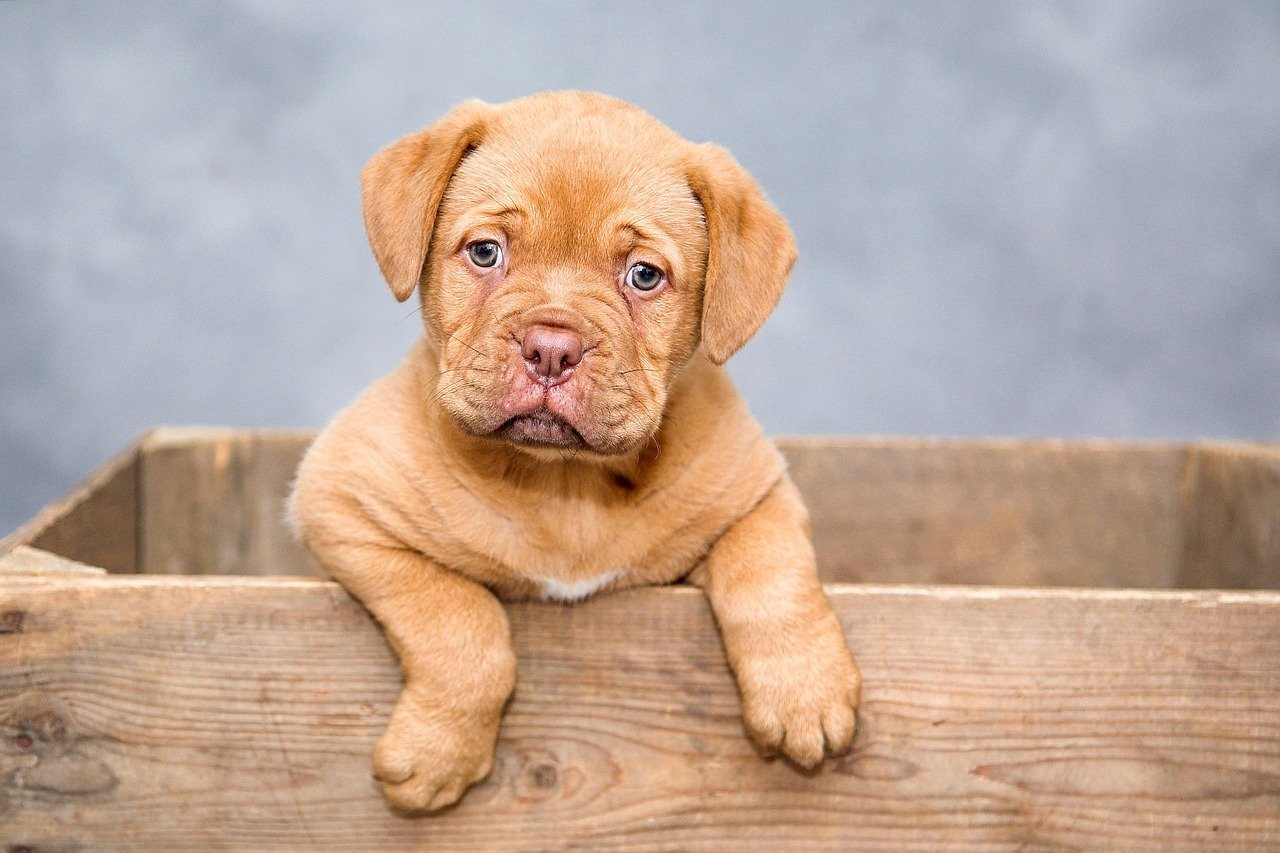
Many dogs who seem uninterested in toys actually have underlying reasons for their behavior that go far deeper than simple preference. Dogs who spent their early weeks in less-than-ideal conditions might never have learned that objects can be fun rather than threatening. Without proper socialization during the critical 3-16 week period, many dogs develop a cautious approach to unfamiliar items.
Additionally, some breeds were developed for specific working purposes that didn’t involve toy play. Livestock guardian dogs, for instance, were bred to be serious and focused on their duties rather than playful. Past negative experiences with objects can also create lasting associations that make dogs wary of anything resembling a toy in their environment.
Start With Food-Based Play Activities

The fastest way to a reluctant dog’s playful heart is often through their stomach, making food-motivated games an excellent starting point. Hide small treats around your house or yard and encourage your dog to find them, turning mealtime into an exciting treasure hunt. This taps into their natural foraging instincts while building positive associations with interactive activities.
Puzzle feeders and snuffle mats can bridge the gap between eating and playing beautifully. Even the most toy-averse dogs typically engage with these items because they serve a clear purpose. As your dog becomes comfortable with food-based activities, you can gradually introduce more traditional play elements into the mix.
Use Movement and Chase Games
Dogs who ignore stationary toys often come alive when things start moving, awakening their deeply ingrained prey drive instincts. Try dragging a rope or towel along the ground in front of your dog, moving it in unpredictable patterns that mimic small prey animals. The movement often triggers an automatic response that bypasses their usual toy hesitation completely.
Playing hide-and-seek around your house can also spark interest in dogs who prefer interactive games over solo toy play. Run to another room and call your dog’s name excitedly, then celebrate enthusiastically when they find you. This type of social play often appeals to dogs who crave connection more than object manipulation.
Try Different Textures and Materials

Your dog might not dislike play itself but rather the specific textures or materials of conventional toys you’ve offered them. Some dogs prefer soft, plush textures that remind them of littermates, while others gravitate toward harder materials they can really sink their teeth into. Experiment with rope toys, rubber balls, crinkly materials, or even simple household items like empty cardboard boxes.
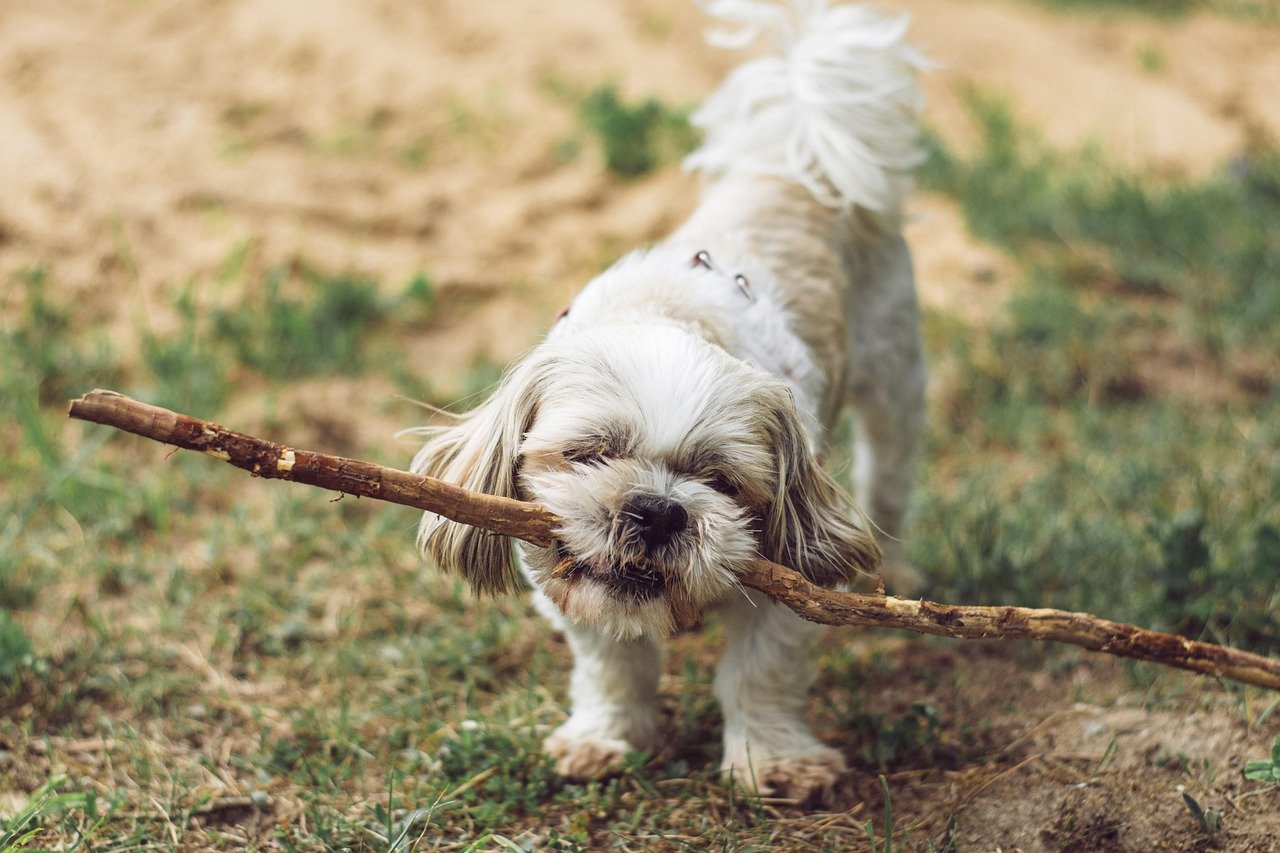
Natural materials often appeal to dogs more than synthetic ones, so consider offering sticks, pinecones, or other safe outdoor items. Many dogs who show no interest in store-bought toys will happily carry around a favorite stick for hours. The key is observing what your dog naturally gravitates toward during walks or outdoor time.
Make Yourself the Toy
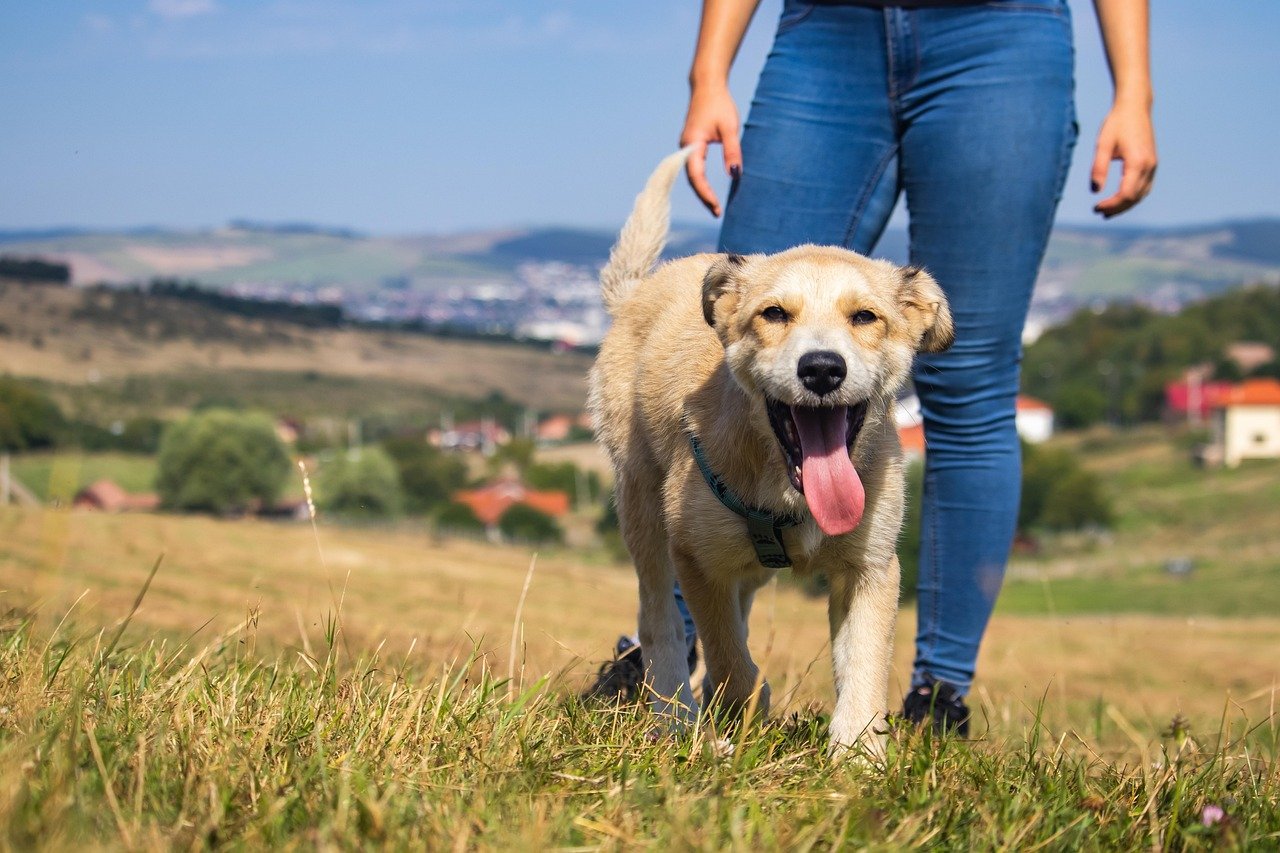
Sometimes the most effective “toy” is you, especially for dogs who are highly social and prefer interactive play over solo activities. Get down on your dog’s level and initiate gentle wrestling or chase games using your hands and body movements. Many dogs who ignore toys completely will engage enthusiastically in games where you’re the primary entertainment source.
Tug-of-war using your sleeve or pant leg can work wonders for dogs who need that physical connection to enjoy play. This approach helps build your bond while teaching your dog that play can be enjoyable and rewarding. Once they understand the concept of play through human interaction, they’re often more willing to transfer that enthusiasm to toys.
Create Positive Associations Gradually
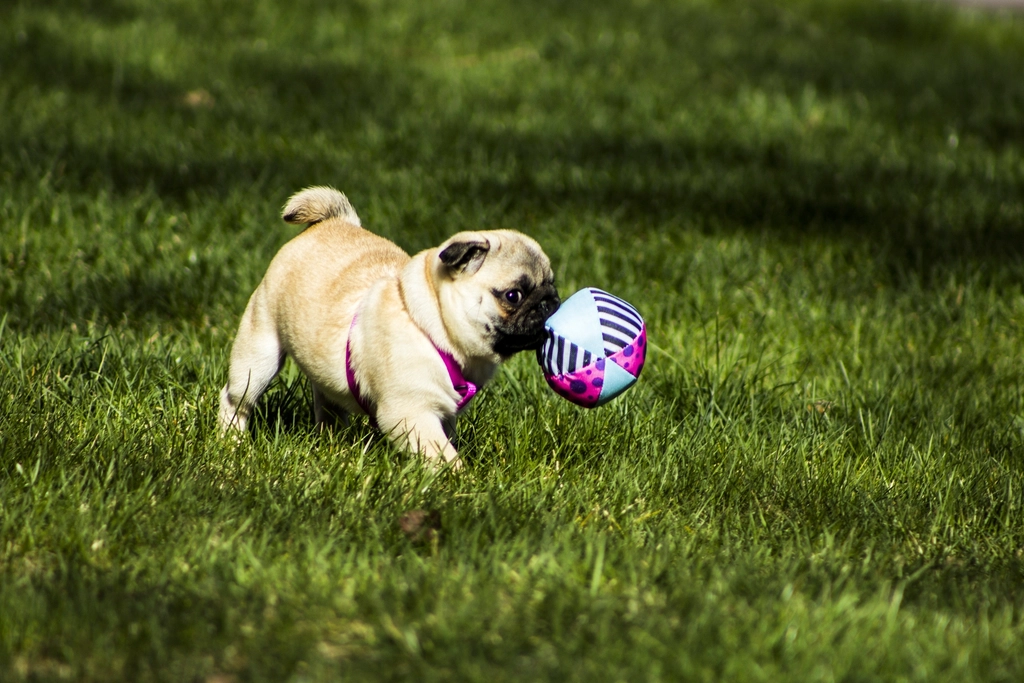
Building positive associations with toys requires patience and a systematic approach that doesn’t overwhelm your cautious dog. Start by simply placing toys near your dog’s food bowl or favorite resting spot without any pressure to interact. This helps them become accustomed to seeing toys as non-threatening objects in their environment.
Reward any positive interaction with toys, even if it’s just a brief sniff or accidental contact. Use high-value treats and enthusiastic praise to create positive memories associated with toy encounters. Gradually increase expectations only after your dog shows consistent comfort with the current level of interaction.
Use Environmental Enrichment

Transform your dog’s environment into a playground by hiding treats in various locations and creating obstacle courses using household items. Set up cardboard boxes, pillows, and blankets to create tunnels and hiding spots that encourage exploration and movement. This approach makes play feel natural rather than forced, allowing reluctant dogs to engage at their own pace.
Rotate different environmental setups regularly to maintain novelty and interest in your home space. What seems like simple environmental changes to you can feel like exciting new adventures to your dog. This method works particularly well for intelligent breeds who need mental stimulation more than physical toy manipulation.
Know When to Accept Your Dog’s Preferences

After trying various approaches, you might discover that your dog simply prefers other forms of entertainment and bonding over traditional toy play. Some dogs find their joy in long walks, training sessions, or quiet companionship rather than active play with objects. Learning to accept and work with your dog’s natural preferences rather than against them often leads to a much happier relationship.
Focus on activities your dog genuinely enjoys rather than forcing interactions with toys they clearly dislike. A dog who loves learning new tricks or going on adventures might be getting all the mental and physical stimulation they need through those preferred activities. Remember that every dog is an individual with unique needs and preferences that deserve respect.
The journey of discovering what makes your dog happy and engaged is often more rewarding than the destination itself. Whether your dog eventually learns to love toys or finds joy in completely different activities, the key is remaining patient and observant throughout the process. What matters most is building a strong, positive relationship based on understanding and mutual enjoyment rather than forcing predetermined expectations.


