
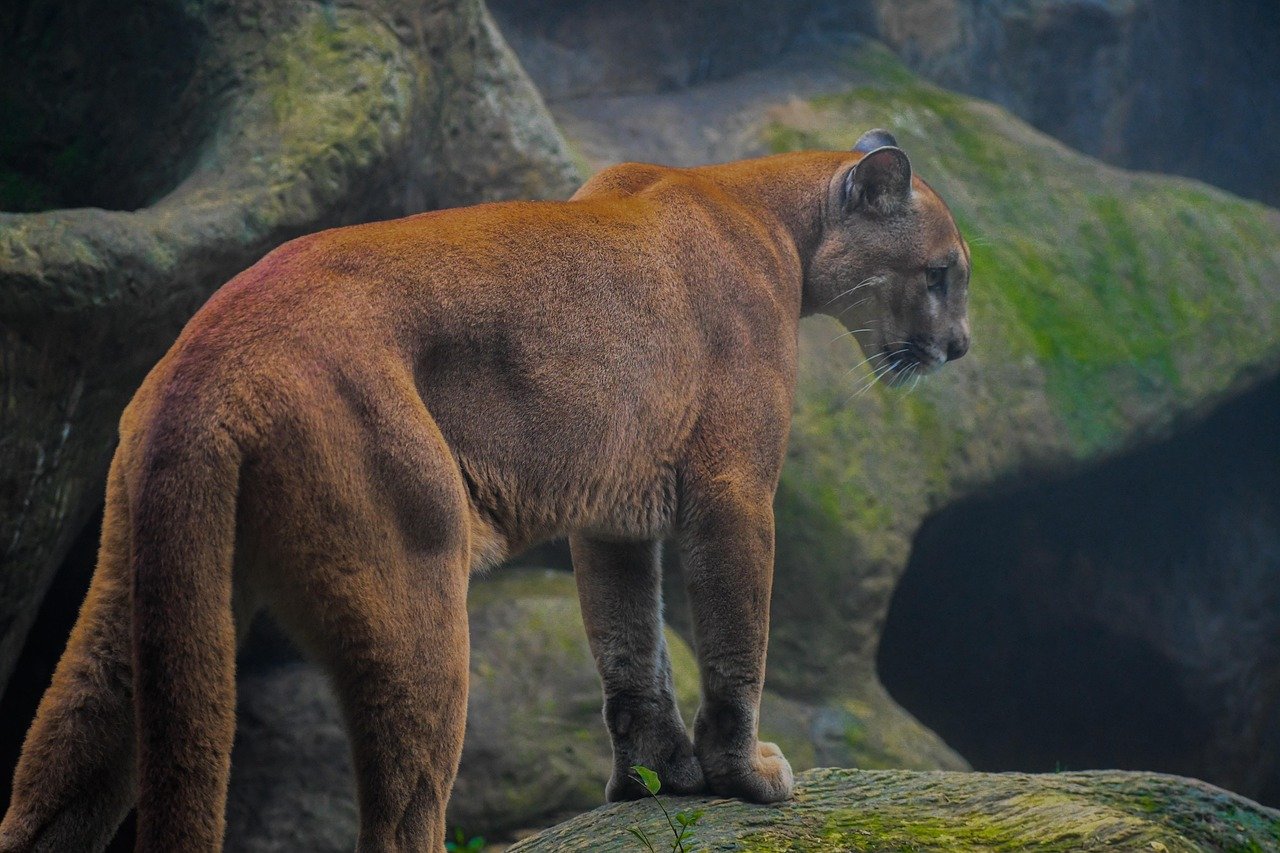
Picture this: you’re enjoying a peaceful hike through Yellowstone’s breathtaking wilderness with your faithful companion when suddenly, your dog’s ears perk up and a chill runs down your spine. There, just fifty yards ahead on the trail, stands one of nature’s most magnificent and dangerous predators – a mountain lion. Your heart pounds as you realize this isn’t just any ordinary wildlife encounter.
The reality is that puma encounters in Yellowstone, while rare, are becoming more frequent as hiking popularity increases and wildlife habitats overlap with human recreation areas. These powerful cats can weigh up to one hundred and sixty pounds and possess incredible stealth, often observing hikers long before being noticed. What happens in the next few moments could determine whether you and your dog make it home safely or become another statistic in the park’s incident reports.
Stay Calm and Assess the Situation Immediately

The moment you spot a puma, your natural instincts will scream at you to either run or freeze in terror. Fighting these impulses is crucial because your reaction in these first few seconds sets the tone for the entire encounter. Take a deep breath and quickly evaluate the cat’s behavior – is it crouched low, tail twitching, or does it appear relaxed and unaware of your presence.
Your dog’s reaction will also provide valuable information about the puma’s intentions. If your canine companion is growling, barking, or showing signs of extreme agitation, the mountain lion has likely noticed you both and is deciding its next move. Remember that panic spreads quickly between you and your pet, so maintaining your composure becomes doubly important when you’re responsible for another life.
Secure Your Dog Without Making Sudden Movements
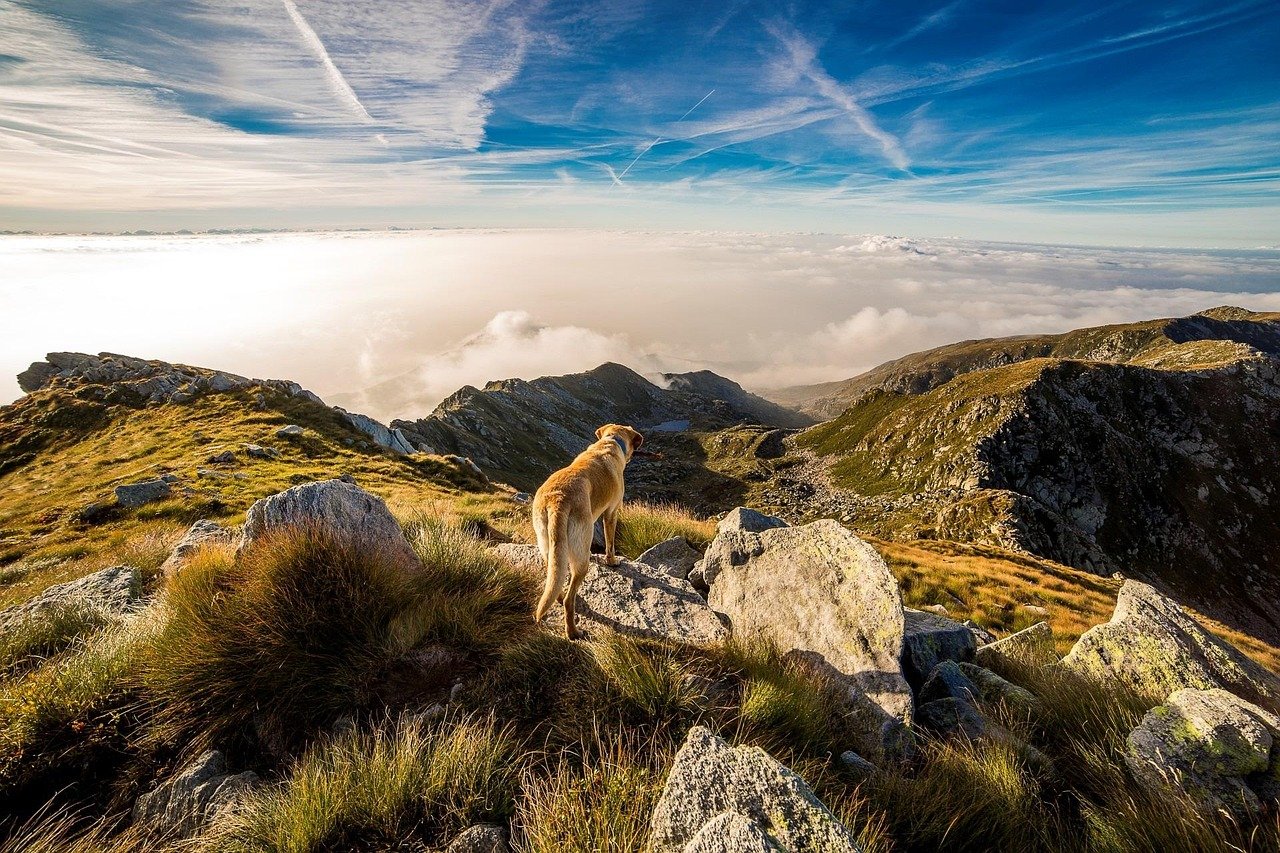
One of the biggest mistakes hikers make is allowing their dog to run free during a puma encounter. Your pet’s natural instinct might be to chase, bark aggressively, or worse yet, run away – all actions that could trigger the cat’s predatory response. Slowly and deliberately reach for your dog’s leash, speaking in low, calm tones to reassure your companion.
If your dog is already leashed, pull them close to your side but avoid yanking or creating tension that might cause barking or whimpering. Keep your pet between you and the nearest escape route, not between you and the puma. A loose or panicked dog can quickly escalate a manageable situation into a life-threatening chase scenario where the mountain lion’s hunting instincts take over completely.
Make Yourself Appear Large and Intimidating
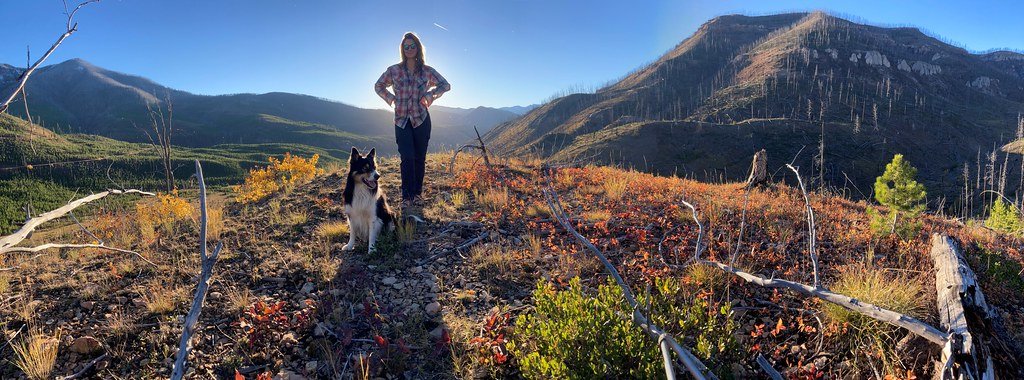
Mountain lions are ambush predators that typically avoid confrontations with creatures that appear larger or more threatening than expected. Slowly raise your arms above your head, open your jacket if you’re wearing one, or grab nearby branches to increase your apparent size. This technique works because pumas prefer easy prey and will often retreat when faced with something that looks challenging to subdue.
Avoid making yourself appear smaller by crouching down or bending over, as this mimics the posture of wounded or vulnerable prey animals. Stand tall on your tiptoes if possible, and if you’re hiking with others, group together to create an even more imposing presence. The goal is to convince the puma that you’re not worth the energy expenditure or potential injury that an attack might require.
Back Away Slowly While Maintaining Eye Contact
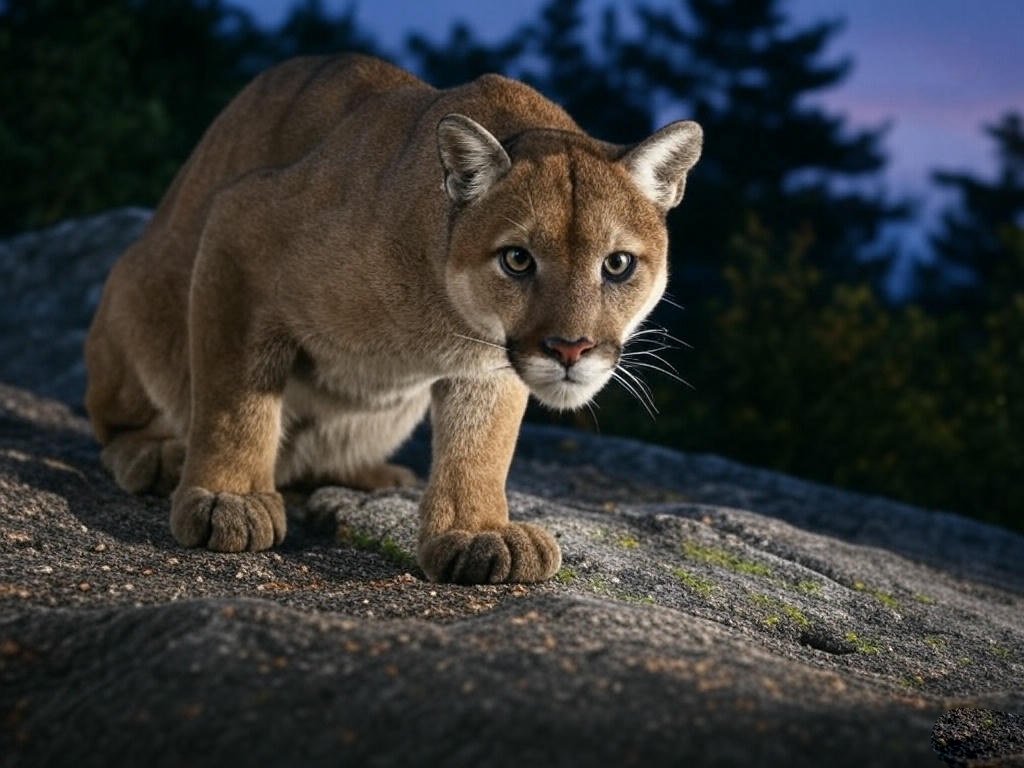
Never turn your back on a mountain lion, as this action often triggers their chase instinct and transforms you from a potential threat into fleeing prey. Instead, begin backing away slowly while keeping your eyes fixed on the cat, moving at a pace that doesn’t suggest panic or weakness. Think of this as a carefully choreographed dance where every step must be deliberate and controlled.
Create distance gradually while looking for the nearest large tree, rock formation, or other barrier that could provide protection if the situation escalates. Some experts recommend backing away at an angle rather than straight backward, as this can help you navigate terrain obstacles while maintaining visual contact. Your dog should move with you as a single unit, staying close to your legs throughout this retreat process.
Make Noise to Assert Your Presence

While you want to avoid sudden movements, making yourself heard is crucial for convincing the puma that you’re a formidable opponent rather than easy prey. Speak loudly and firmly, using a deep, authoritative voice that projects confidence even if you’re terrified inside. Avoid high-pitched sounds or screaming, which can sound like distressed prey animals and potentially attract rather than deter the mountain lion.
Clap your hands, bang hiking poles together, or shake your keys if you can do so without making sudden movements that might startle the cat into action. The key is creating steady, intimidating sounds that reinforce your large appearance and confident demeanor. Some hikers carry whistles or air horns specifically for wildlife encounters, and these tools can be incredibly effective when used properly during a puma confrontation.
Prepare for Potential Attack Scenarios
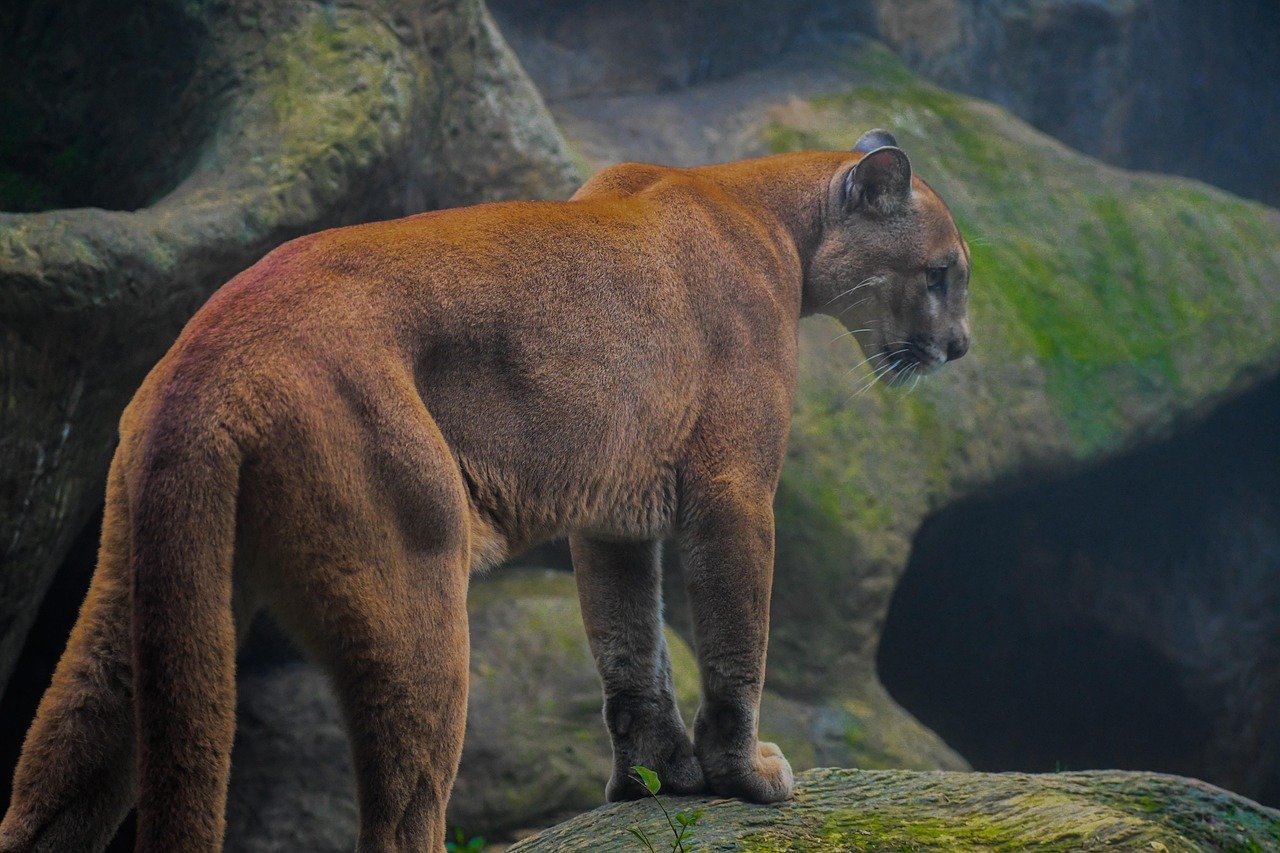
If the mountain lion begins stalking behavior – crouching low, ears back, tail twitching, or moving closer despite your deterrent efforts – you need to shift into defensive mode immediately. Pick up rocks, sticks, or any available objects that could serve as weapons while continuing to maintain your large posture and steady eye contact. Most puma attacks involve the cat leaping toward the victim’s head and neck area, so protecting these vital areas becomes your primary concern.
Never play dead with a mountain lion, as these predators are not scavengers and will continue attacking until they’re certain their prey is subdued. If an attack seems imminent, fight back with everything you have while protecting your dog as much as possible. Aim for the cat’s face and nose, which are sensitive areas that might cause it to retreat and reassess the situation.
Know When and How to Fight Back

If a mountain lion makes contact, your survival depends on fighting aggressively and never giving up, even if you’re injured or exhausted. Use rocks, hiking poles, knives, or any available weapons to strike the cat’s head and face while trying to remain standing. A puma’s strategy involves bringing prey to the ground where it can use its powerful hind legs to rake and its teeth to deliver a killing bite to the neck.
Protect your neck and head at all costs while delivering counterattacks that target the mountain lion’s eyes, nose, and throat. Your dog may try to help defend you, but don’t rely on your pet to drive off a determined puma. Focus on creating enough pain and confusion to convince the cat that you’re too dangerous to continue attacking, giving both you and your dog a chance to escape when the opportunity presents itself.
Post-Encounter Protocol and Emergency Response
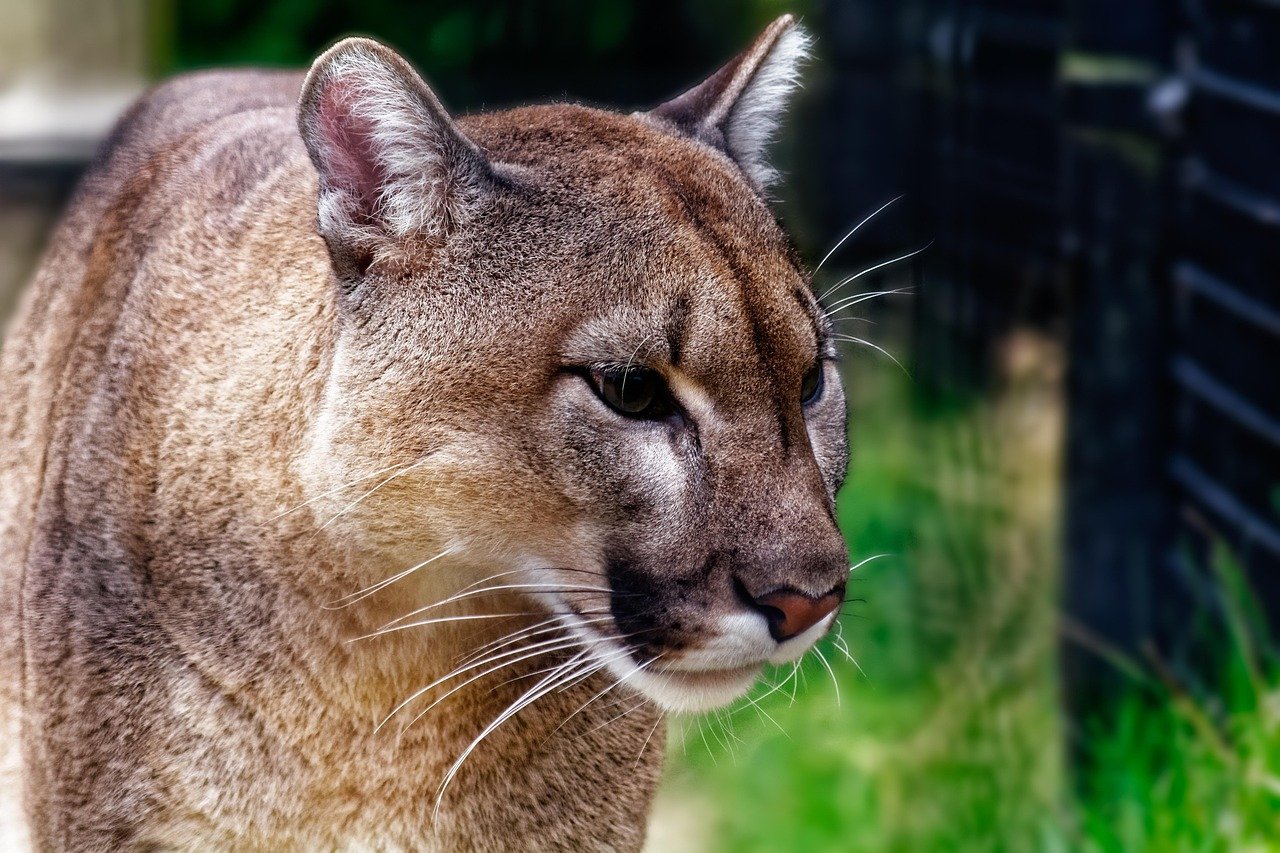
Once you’ve successfully deterred or escaped from the puma, resist the urge to immediately relax or celebrate your survival. Continue backing away from the area while remaining alert for the cat’s possible return, as mountain lions sometimes follow potential prey for considerable distances. Check yourself and your dog thoroughly for injuries, paying special attention to puncture wounds that might not be immediately obvious but could become infected.
Report the encounter to park rangers as soon as possible, providing detailed information about the location, time, and puma’s behavior patterns. This information helps wildlife managers track individual animals and assess whether additional warnings or area closures might be necessary to protect other hikers. Document any injuries with photographs and seek medical attention promptly, as mountain lion bites and scratches carry significant risk of infection and may require specialized treatment that only trained medical professionals can provide.
Conclusion

Surviving a puma encounter while hiking with your dog requires a combination of knowledge, courage, and split-second decision-making that most people hope they’ll never need to use. The strategies outlined above have saved lives in real wilderness encounters, but they only work when implemented correctly under extreme pressure. Remember that prevention through proper preparation, awareness of surroundings, and understanding puma behavior patterns remains your best defense against these powerful predators.
Every hiker who ventures into puma territory should practice these techniques mentally and carry appropriate deterrent tools, because when you’re face-to-face with one of nature’s most efficient killers, there’s no time for hesitation or second-guessing. Your dog’s life may depend on your ability to remain calm and execute these survival strategies flawlessly. Did you ever imagine that a peaceful nature walk could require such intense survival skills?


