
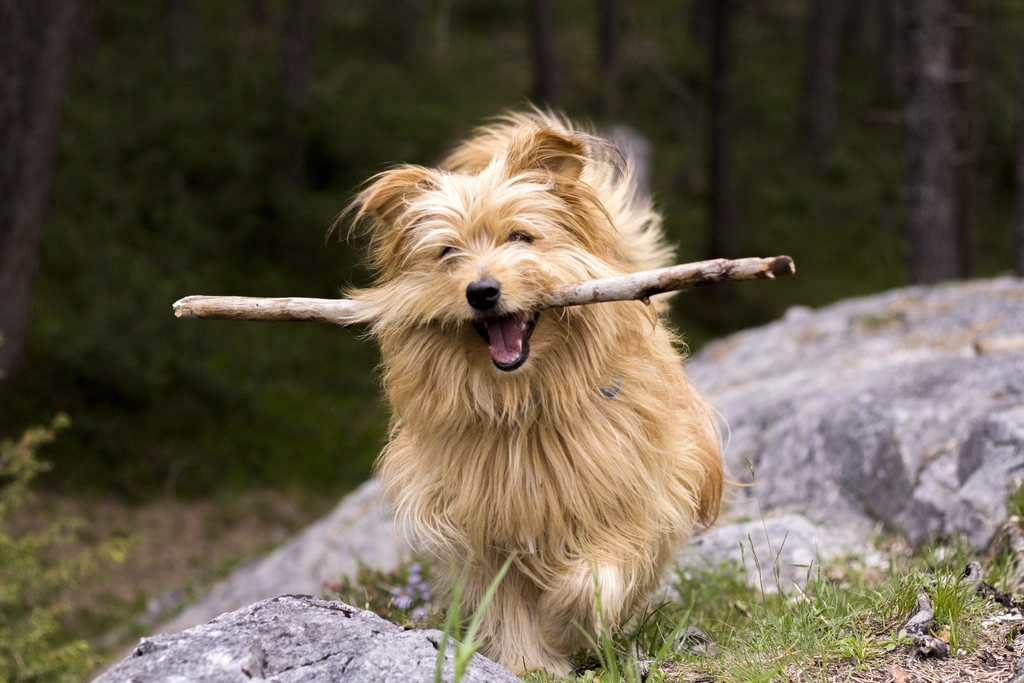
Picture this: you walk through the door after a long day, and your dog’s entire body wiggles with pure joy. His tail wags so hard it’s like a helicopter propeller, and you can’t help but smile. Yet, sometimes you might wonder – does your furry friend actually see you as their number one person? Dogs have their own special ways of showing love and trust, but they’re not always obvious to us humans. Understanding these subtle (and not-so-subtle) signals can transform your relationship with your four-legged family member.
1. They Follow You Everywhere Like a Furry Shadow
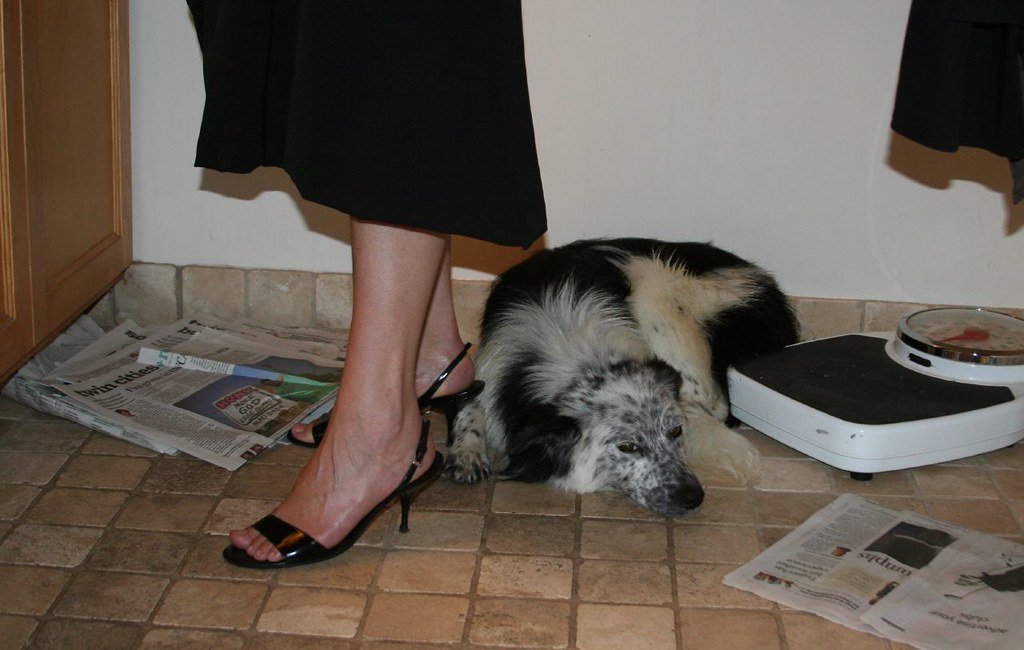
Does your dog follow you all around the house? Bathroom? Kitchen? Garden? According to PetMD, this is a sign that usually indicates that your dog adores you. When your pup becomes your personal bodyguard, trailing behind your every step, it’s their way of saying “you’re my person.” This shadowing behavior shows they want to be close to you and don’t want to miss out on anything you might be doing.
But here’s the thing – there’s good following and concerning following. If your dog sticks to you like glue with a cheerful attitude, Adams says, you can consider it “a strong affiliative behavior.” But if they’re following you around like a cartoon watchdog, closely monitoring your every move, they probably feel unsure. The difference lies in their overall demeanor and body language.
2. They Seek Out Physical Contact and Lean Into You

Ever had your dog lean their full weight against your legs or plop their head onto your lap with a dramatic sigh? That’s not just laziness – it’s trust. Dogs lean into people they feel comfortable with, using their bodies to show closeness and connection. It’s their version of a hug, only heavier and furrier. When your dog treats you like their favorite human pillow, congratulations – you’ve officially passed the trust test.
Kait Hembree, veterinary behavior nurse and head of training and behavior specialist at GoodPup, told Newsweek that when your dog loves you, they will often do anything to be touched by or be near you, including strategically leaning in or using other methods such as jumping on you to try to get your attention. This physical closeness isn’t just about warmth – it’s about emotional security.
3. They Make Soft, Loving Eye Contact With You
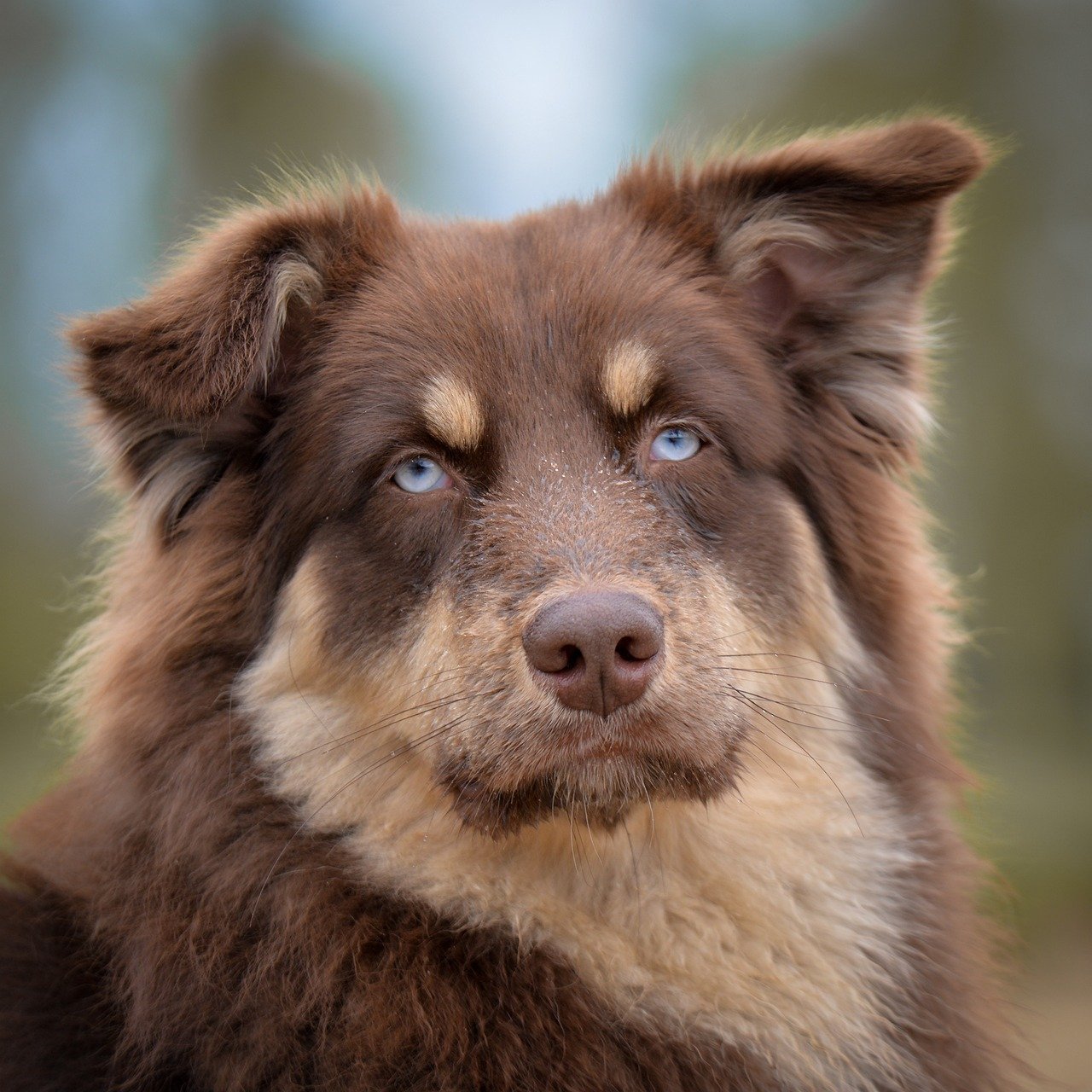
But with dogs, lingering eye contact – exceptionally soft, relaxed stares – signals trust and affection. When your dog looks into your eyes calmly, they’re not challenging you; they’re bonding with you on a deeper level. This kind of gaze even boosts oxytocin, the “love hormone,” for both of you. Basically, when your dog gives you puppy eyes, they’re not just angling for snacks – they’re saying, “I trust you with my whole fuzzy heart.”
Many scientific studies have found that one way this oxytocin (the ‘love hormone’ is released in dogs is through deep and meaningful eye contact. Without being able to speak the same language, eye contact is an important way for dogs to communicate with us, and only through regularly gazing in your eyes can a meaningful relationship be developed. It’s like having a conversation without words.
4. They Bring You Gifts (Even If They’re Weird Ones)
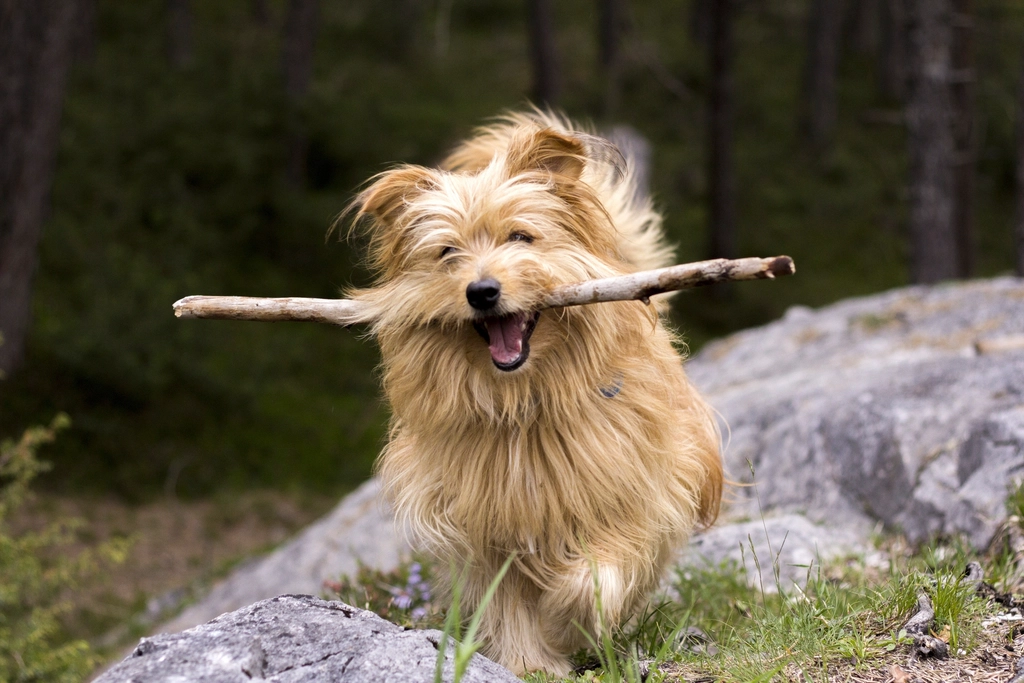
Dogs are natural gatherers, and when your pup trusts you, they may bring you presents to show their affection – whether it’s a toy, a stick from the garden, or, occasionally, something unexpected (hello, sock!). When your dog drops a slobbery tennis ball at your feet or proudly presents you with their favorite squeaky toy, they’re sharing what they value most.
This gift-giving behavior is their way of including you in their pack and showing that they want to share resources with you. Sure, you might not appreciate that dead bird they found in the yard, but to them, it’s a treasure they’re willing to share because you’re special to them.
5. They Choose to Sleep Near or With You
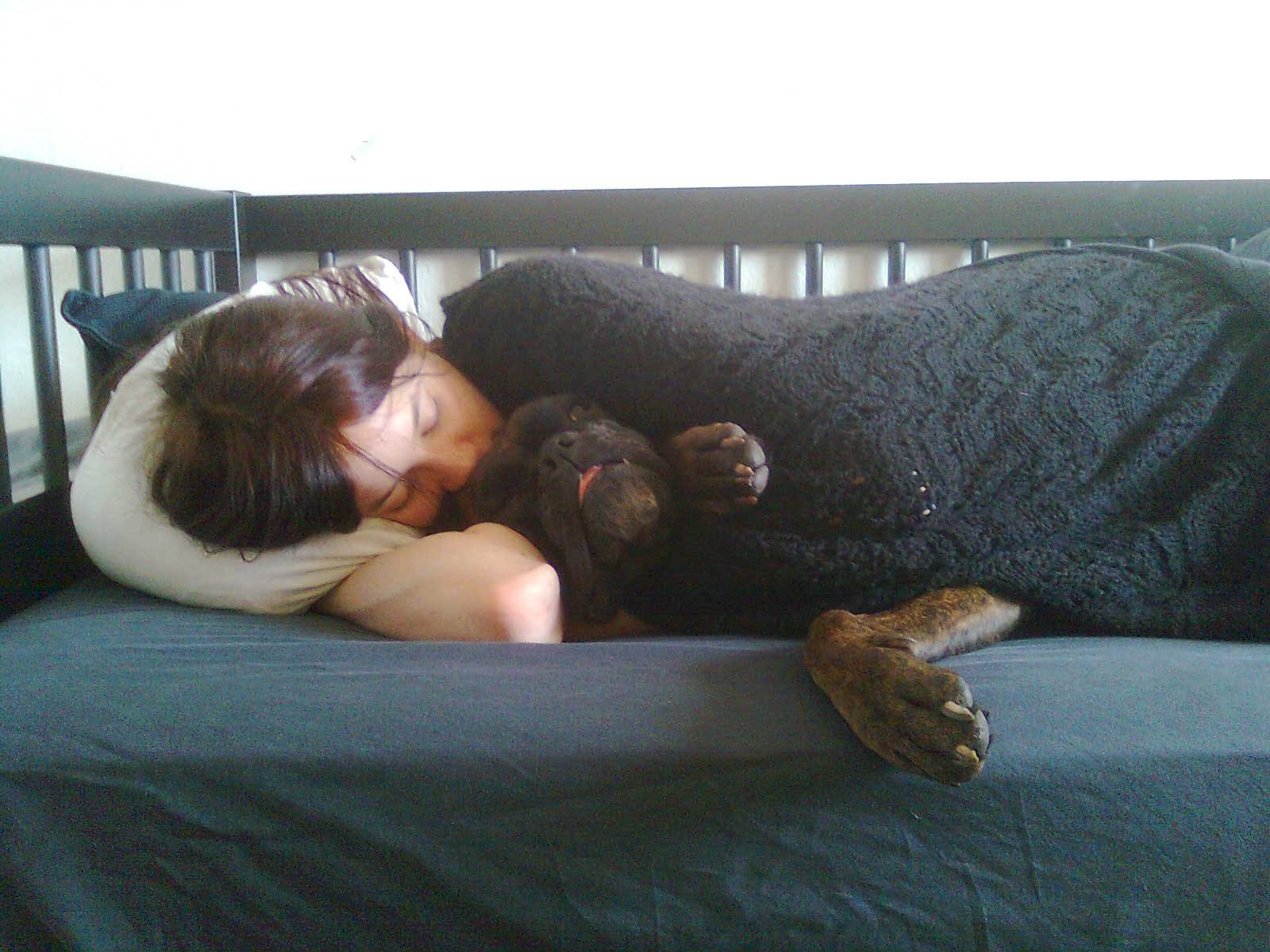
For your pampered pooch, curled up on your bed is the safest place to be. Voluntary cuddling and snuggling is one of a dog’s favorite ways to show people their love. They know you won’t hurt them while they sleep, and if an unwanted visitor comes knocking, he knows he’d rather be near you than far away.
Does your dog ask to sleep near you at night? Dogs like to sleep next to their special humans, not only to get warmth and comfort and to create a connection between the two of you, but also because they feel safe around you. Sleep is when animals are most vulnerable, so choosing to snooze nearby is a massive vote of confidence in your ability to keep them safe.
6. They Display Relaxed, Happy Body Language Around You
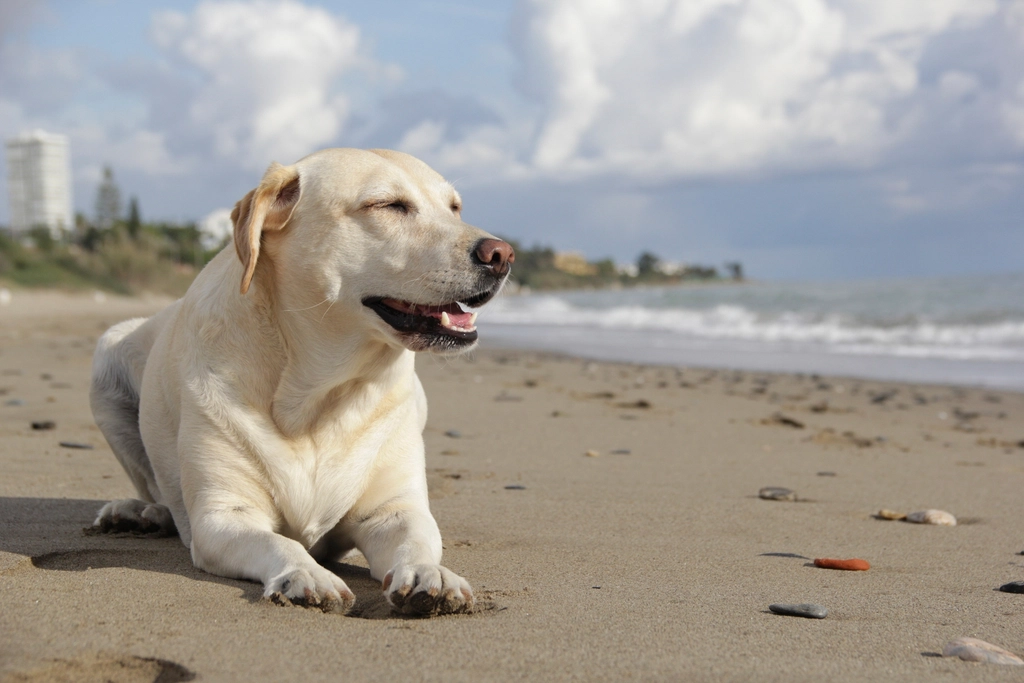
Your trusting dog will present with body language that shows their comfort level with you. You’ll likely see a relaxed face, soft eyes, and a wag that wiggles the entire hind end. When your dog is around you, their entire body tells the story of how they feel.
You can tell a lot about how a dog is feeling by how they carry their body. For instance, Kristine Adams, dog trainer and behavior consultant and owner of Woof Wisdom asks, “Is their overall body loose or tight? Do they wiggle or remain stiff?” The former is a sign of comfort; the latter is a sign your dog might be feeling tense. A happy, trusting dog moves like they’re dancing through life when you’re around.
7. They Show You Their Belly

One of the most vulnerable parts of a dog’s body is the belly. So, when a dog feels comfortable enough to roll onto their back in your presence, it’s more than likely they trust you enough to voluntarily roll into this exposing position. Often, when dogs roll onto their backs, they do so in the hope of a loving belly rub.
Seeing your dog roll over and expose its belly is a huge trust gesture. The belly is a vulnerable area for dogs, and showing it means they feel safe. This action indicates your dog trusts you completely. It’s their way of saying, “I feel secure and comfortable with you.” It’s an honest display of vulnerability and trust. It’s basically your dog saying, “I trust you with my life.”
8. They Look to You for Guidance in New Situations

When a dog finds itself in an unfamiliar situation, it’s likely that it will look up at its owner for comfort and trust that they are there to provide moral support. This is particularly evident in new environments – remember that dogs look to humans to learn about their surroundings, so if a dog sticks near and looks to you for reassurance, as well as following your lead, you can rest assured they feel trust in your presence.
For scared and timid dogs, being outside in a new environment can be especially intimidating. They find comfort in knowing a trustworthy human is there for moral support. Even if your dog isn’t usually anxious outside, you can tell he trusts you if he regularly checks in to see what you’re doing. When life gets uncertain, they want you as their compass.
9. They’re Enthusiastic During Training Sessions
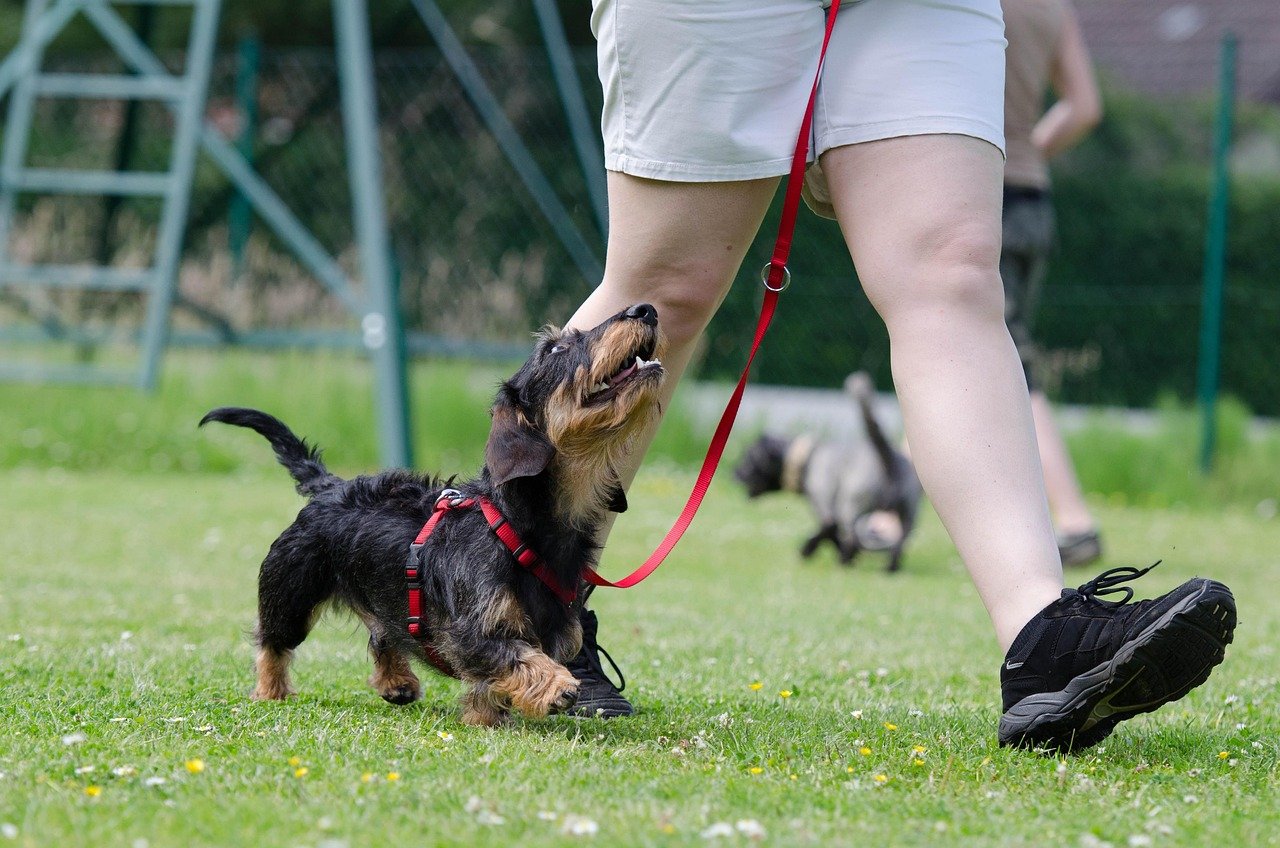
If your dog seems eager and attentive during training, it’s a sign he both respects and trusts you. However, a big part of ensuring successful training is when there is mutual trust between an owner and their dog. When dogs receive positive reinforcement, trust is enhanced, and a dog is far more likely to respect their owner’s guidance.
A dog who trusts you will engage willingly in learning new things because they believe you have their best interests at heart. They’re not just going through the motions – they’re actively participating because they want to please you and know that good things happen when they listen to you.
10. They Remain Calm During Grooming and Handling

From teeth brushing to nail trimming, our pups require quite a few grooming and care tasks, and allowing us to perform them without a fuss is a clear indicator that your pup trusts you. Most of the handling required for care is awkward if not a little uncomfortable for dogs – Have you ever tried brushing a Pug’s molars? – so a dog who goes with the flow during unpleasant procedures shows how much they trust you.
Think about it – would you let someone you didn’t trust mess around with your teeth or trim your nails? Neither would your dog. When they stay calm and cooperative during these vulnerable moments, they’re showing incredible faith in your intentions and abilities.
11. They Avoid Eye Contact and Turn Away From You
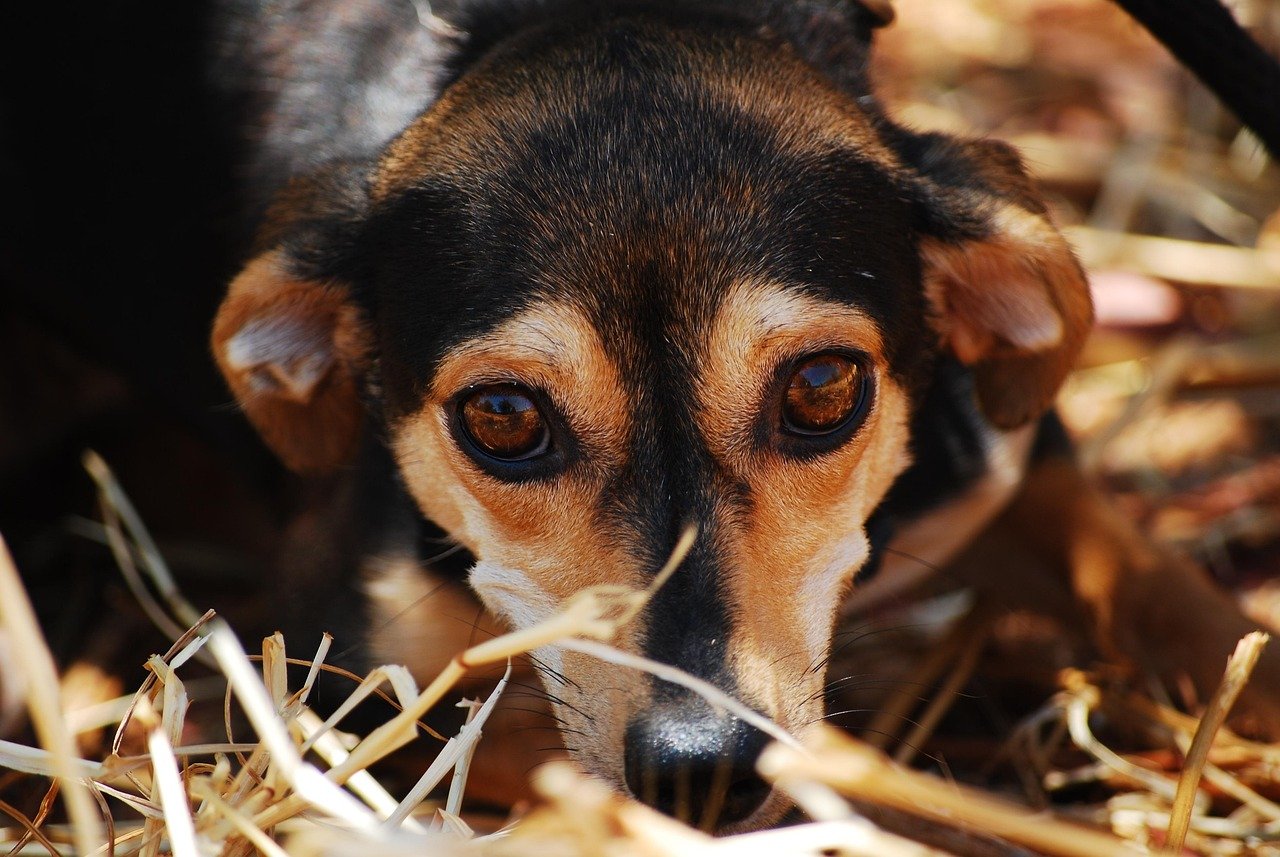
In cases where a dog awkwardly averts its gaze when its owner looks at it, possibly even retreats or turns away in this situation, it most likely signifies a lack of trust and uneasiness on the part of the animal. Sometimes, your dog might avoid looking you in the eye, especially when approached. This isn’t just a natural canine instinct. It could hint at discomfort or mistrust toward you. Eye contact is a powerful tool in the animal kingdom, and averting it can signal anxiety or fear.
When a dog consistently looks away or moves their head when you approach, they’re essentially saying they’re not comfortable with the interaction. This behavior can be particularly concerning if it’s a change from their normal behavior, suggesting something has damaged their confidence in you.
12. They Tense Up or Pull Away From Your Touch

If, during the owner’s touch, the dog’s body tenses almost like an arch or freezes with rigid muscles, it is a sure sign that there is an issue in the relationship. A more severe symptom is when the pet actively avoids the owner’s touch and affection. Imagine reaching out to your dog, only to watch them shrink away or pull back. This behavior, though subtle, can be a clear sign of mistrust. Dogs who feel uncertain about their safety may avoid physical contact to protect themselves. In contrast to affectionate nuzzles, reluctance to be touched indicates a need for space.
Physical affection should be welcomed, not endured. If your dog stiffens when you pet them or actively moves away from your touch, they’re communicating that they don’t feel safe enough to enjoy physical closeness with you.
13. They Don’t Greet You Enthusiastically When You Come Home
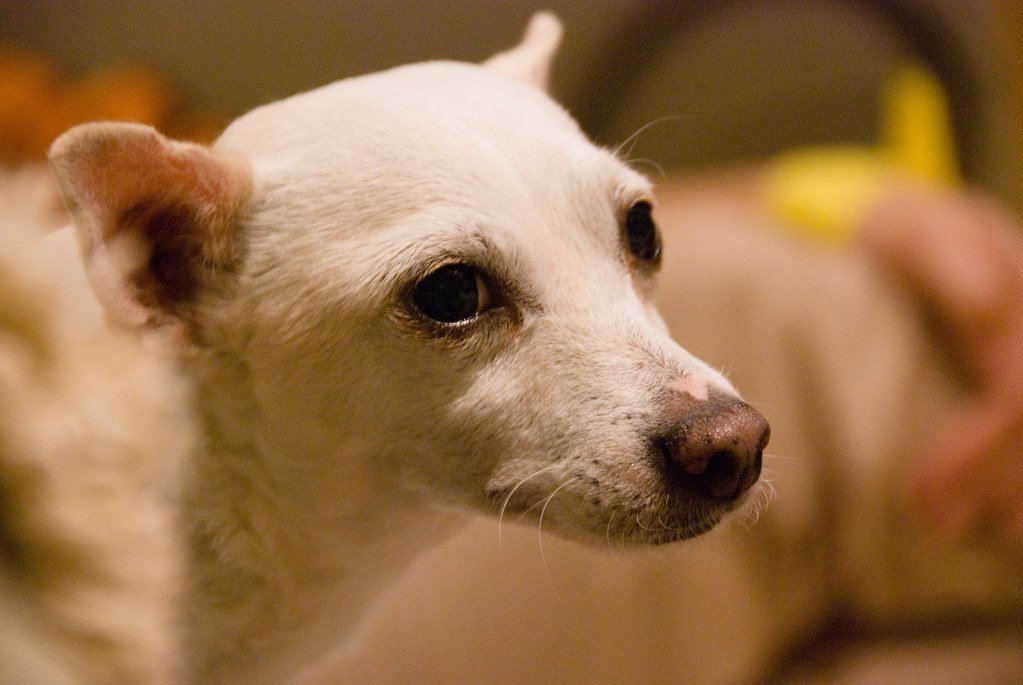
In a balanced dog-owner relationship, dogs typically greet the returning person with exuberant joy and rapid tail wagging. In the case of certain breeds, the entire hindquarters may follow the tail’s movement. If this is absent, and the dog approaches cautiously, tucking its tail between its hind legs, or, in a better scenario, cautiously and very slowly wagging its tail, it is a clear sign that the owner’s presence triggers tension, a kind of alertness in the dog. The lack of wagging and hiding are also warning signs.
Your homecoming should be like a mini celebration for your dog. If they barely acknowledge your arrival or seem hesitant about approaching you, it suggests they don’t associate your presence with positive feelings and experiences.
14. They Refuse Treats From You

Particularly fearful dogs may refuse even their favorite treats from someone they don’t trust or they directly fear. If your dog accepts treats from someone else and then not from you, it’s often a sign that they don’t trust you enough. Sometimes, this may be because you’ve fussed at them for eating stuff they shouldn’t, yelled at them, or the other person is seen more as the “fun parent.”
Food is incredibly motivating for most dogs, so when they turn down treats from you specifically, it’s a red flag. They might be worried about potential consequences or simply don’t feel comfortable taking something from your hands.
15. They Sleep in Another Room or Hide When You’re Around

A dog that chooses to sleep in a separate room might be signaling a lack of trust. They may prefer isolation over your company, indicating a distant relationship. Some dogs enjoy alone time, but consistently avoiding sleeping near you could be a sign that comfort and security are issues. The situation can be considered somewhat more severe than the previous ones if your dog avoids you or seeks refuge when you arrive home. It may move to another room, hide under or behind something. Often, this behavior is accompanied by the dog’s bulging eyes and a fixed gaze, closely following the movements of the returning person
When a dog actively chooses to be away from you, especially during vulnerable times like sleeping, they’re telling you they don’t see you as a source of safety and comfort. This physical distance often reflects emotional distance in the relationship.
Conclusion

The relationship between you and your dog is a beautiful, complex dance of communication that goes far beyond words. Trust is a cornerstone of the deep bond shared between dogs and their owners, manifesting through various behaviors that reveal a dog’s complete confidence and comfort with their human companion. This trust does not develop overnight but is cultivated through consistent, positive interactions and mutual respect. Understanding and recognizing these behaviors can significantly enhance your relationship with your dog, ensuring a harmonious and fulfilling coexistence.
Whether your dog sees you as their favorite human or still has some reservations, remember that trust can be built and rebuilt with patience, consistency, and understanding. Every dog will gain trust at their own pace. It’s important to not force things on them. You need to advance at their comfort level, otherwise you risk setbacks. The signs are all there – you just need to know how to read them.
What surprised you most about your dog’s behavior after reading this?


