
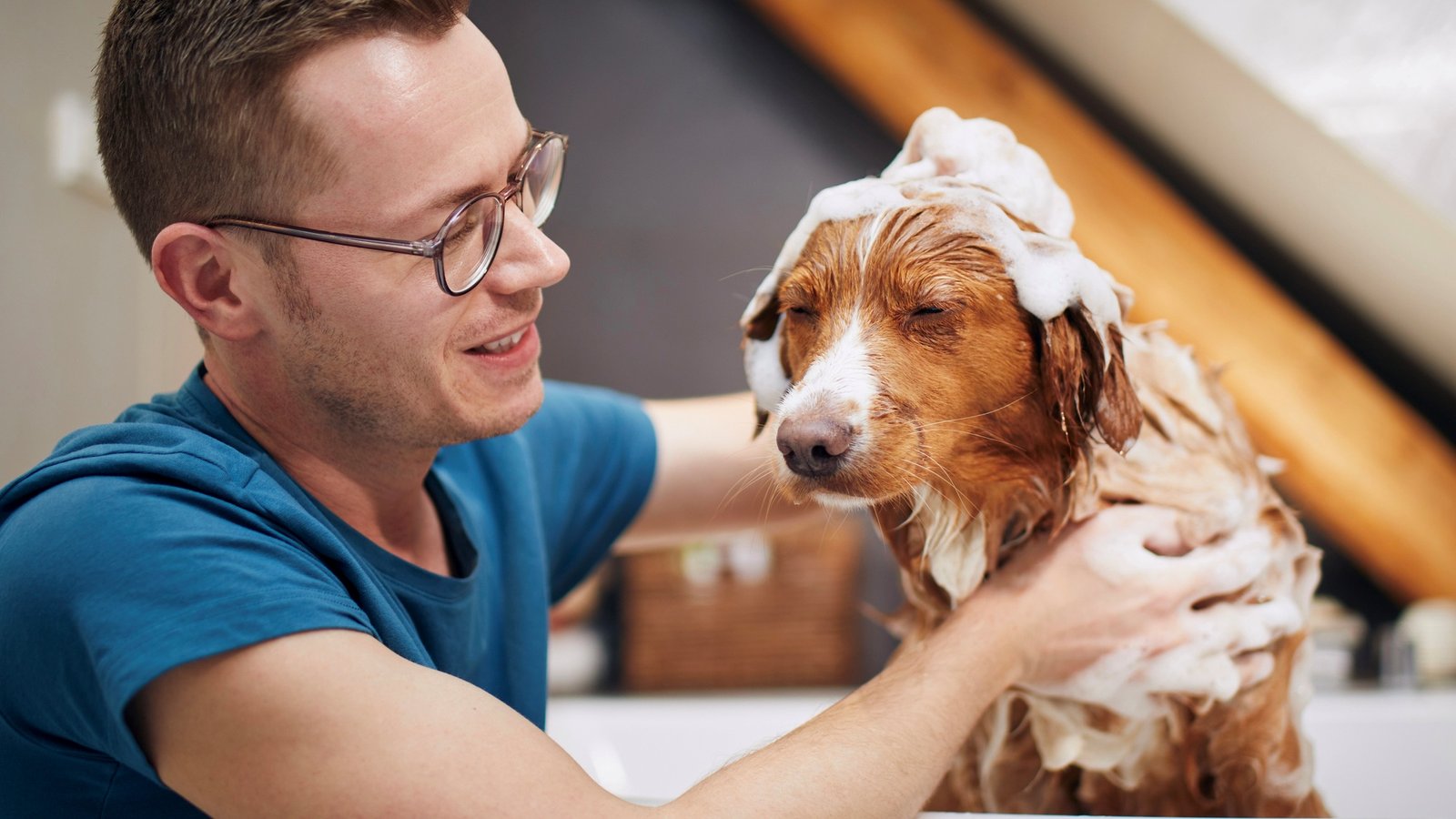
Bathing your dog during the summer can be a delightful bonding experience, but it also raises questions about the ideal frequency of baths. As the sun blazes overhead, and playful afternoons turn into sweaty escapades, knowing how often your canine buddy should hit the tub becomes crucial. Too frequent washing might not be healthy, yet an overly long break between baths might lead to an unpleasant odor and skin issues. In this guide, we’ll dive into the specifics of how often to bathe your dog during the warm months, ensuring they stay comfortable and clean while you maintain their skin and coat health optimally.
Understanding Dog’s Skin Basics
Dogs have a distinct type of skin that varies significantly from human skin. For starters, their skin is thinner and covered in a protective layer of natural oils. This layer is essential in maintaining the health of the skin and coat, offering both insulation and a barrier against external irritants. When determining how often a bath is needed, it’s important to consider the natural sebum production and avoid stripping away these oils. Bathing too frequently can lead to dry, itchy skin, which can become a discomfort for your furry friend.
Identifying Your Dog’s Breed and Bathing Needs

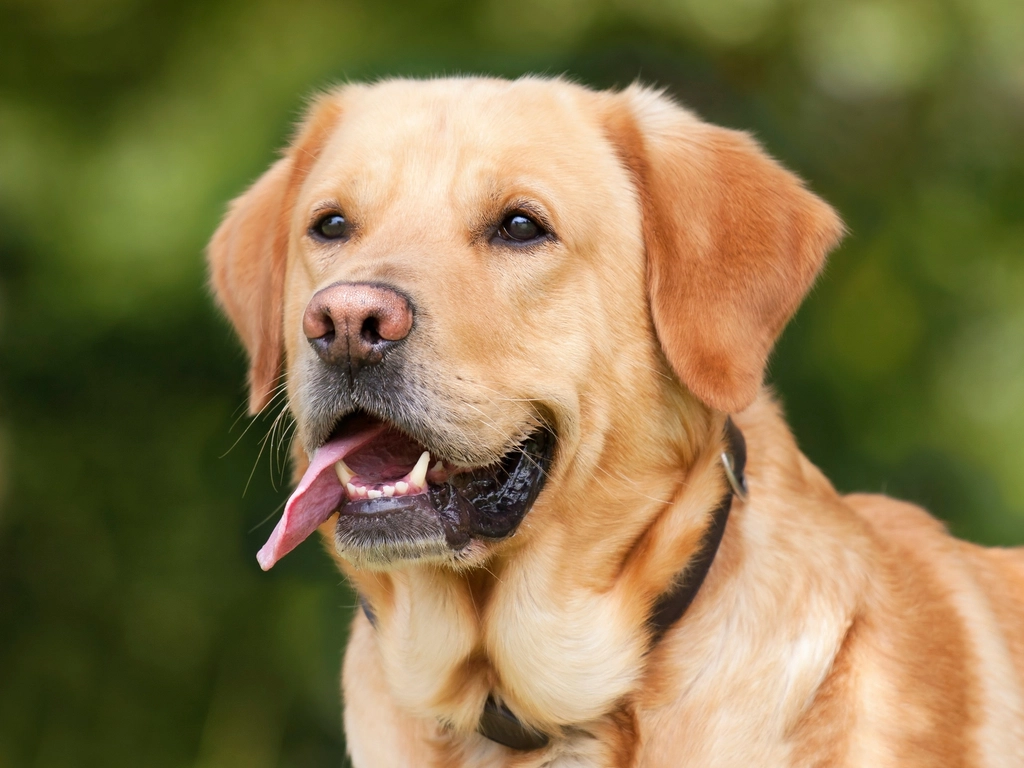
Different dog breeds have varying bathing requirements. Breeds with longer fur or dense undercoats may trap more dirt and debris, necessitating more frequent baths. On the other hand, short-haired breeds or those with water-resistant coats, like retrievers, may require less frequent washing. Understanding the specific requirements of your dog’s breed will help tailor a bathing schedule that complements their natural coat conditions. It’s also essential to take into consideration any breed-specific skin conditions that might be exacerbated by frequent bathing.
Activity Level and Exposure
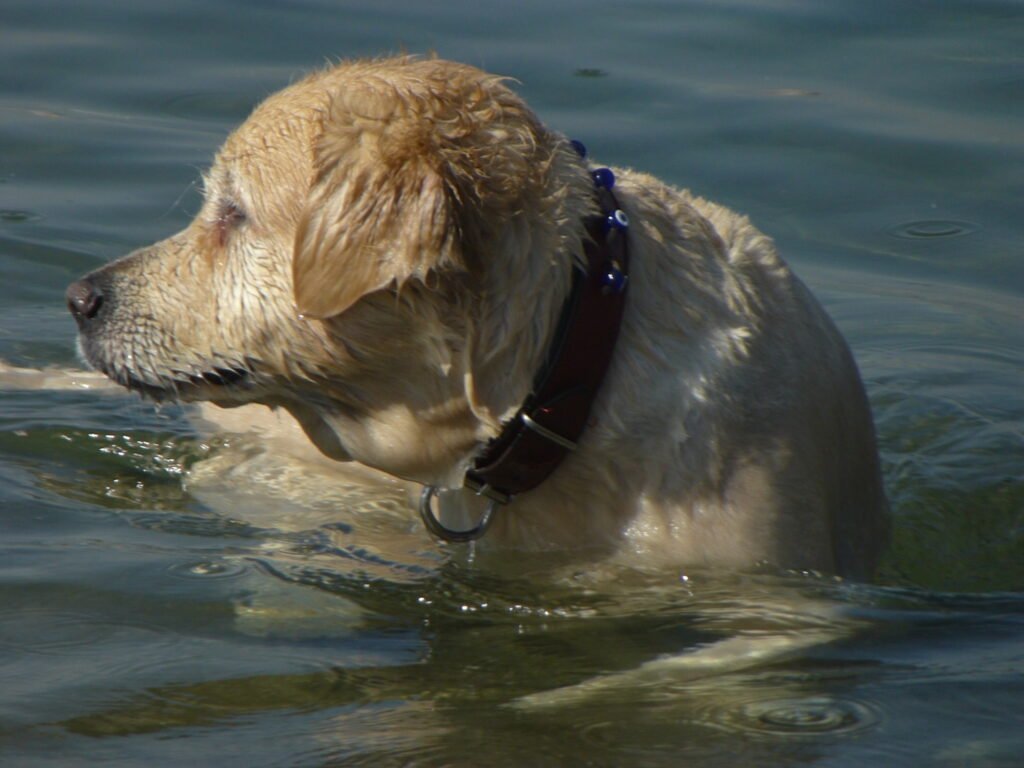
Your dog’s lifestyle plays a significant role in determining the need for more frequent baths. Dogs that love outdoor adventures, swimming in lakes, or frolicking in dirt and mud will naturally get dirtier faster. Whereas dogs who are more prone to lounging indoors may not need baths as often. It’s always key to gauge their activity level and daily exposure to elements when setting a bath routine. Outdoor dogs in particular should receive special attention to prevent soil and pests from getting trapped in the coat.
Sensitivity to Summer Allergies
Seasonal allergies can affect dogs just like humans. In summer, pollen, dust, and other allergens can irritate a dog’s skin, causing itching or rashes. If your dog has known sensitivities or allergies, more frequent baths can help remove allergens from their skin and alleviate discomfort. Using hypoallergenic shampoos specifically designed for sensitive dogs can minimize irritation while keeping them clean during high pollen months.
Balanced Bathing with Proper Skincare
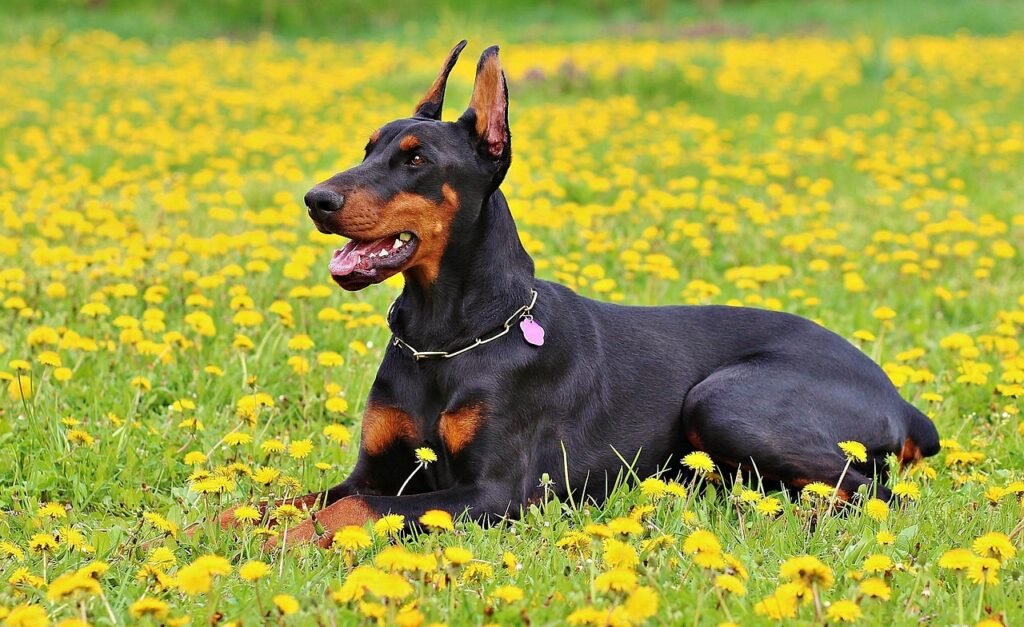
A balanced approach is necessary to keep your dog clean and healthy. Choosing the right products designed for canine skin will ensure that the protective barrier isn’t damaged. Many experts recommend using specialized dog shampoos that protect natural oils rather than human shampoos, which can be too harsh. After washing, consider a conditioner to further protect their coat, maintaining moisture balance essential for their comfort.
Adapting Bath Frequency to Climate
The local climate heavily influences how often your dog will need a bath. In particularly humid areas, where dampness can lead to more fungi and bacteria buildup, a higher bathing frequency may be required. Conversely, in dry climates, too many baths can lead to skin issues. Adapting to your local weather conditions ensures your dog remains fresh without risking skin irritation.
Recognizing Signs of Over-bathing

It’s essential to watch out for signs of over-bathing, which include dry and flaky skin, excessive scratching or licking, or a dull coat appearance. If you notice any of these symptoms, it may be time to adjust your bath schedule. Over-bathing can result in stripping the natural oils that give your dog a shiny coat and healthy skin, potentially leading to dermatitis and other forms of skin irritation.
Consulting with Your Veterinarian

When in doubt, seeking advice from a veterinarian or professional groomer can provide personalized insights into your dog’s bathing needs. These professionals consider factors like breed, health status, and any specific skin issues that might alter ideal bathing frequency. Regular consultations can aid in planning a grooming schedule that fits alongside their health care routine.
In conclusion, there is no one-size-fits-all for bathing dogs in the summer. Each dog is unique, and the optimal bathing frequency depends on several factors, including breed, lifestyle, and climate. By understanding and adapting to these specifics, pet owners can ensure their dogs remain clean, comfortable, and healthy, ready to enjoy all the summer fun to the fullest.”


