
You step into your backyard with your morning coffee, only to discover what looks like the aftermath of a mining expedition. Holes everywhere, dirt scattered across your lawn, and your prized flower beds transformed into something resembling a lunar landscape. Your dog sits nearby, tail wagging innocently, looking quite pleased with their handiwork.
If this scenario sounds familiar, you’re probably sharing your life with one of those breeds born to dig. While it’s frustrating watching your yard become an excavation site, understanding that this behavior is deeply wired into certain breeds can help you approach it with more patience and find practical solutions that work for both you and your furry demolition expert.
The Jack Russell Terrier – The Relentless Earth Mover
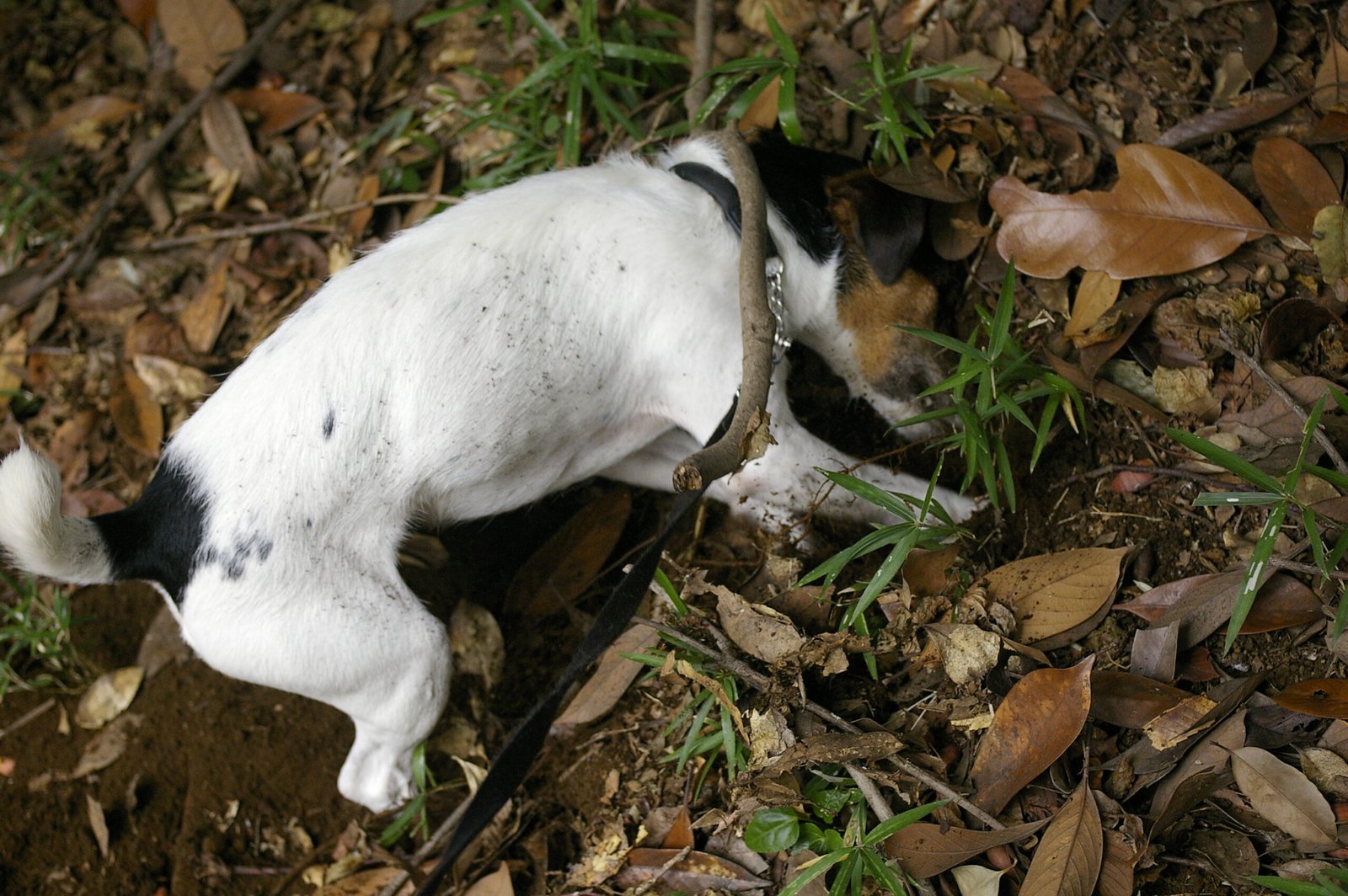
When it comes to digging prowess, digging is normal for a Jack Russell, especially if he decides it is his job to free your yard from rodents! These compact dynamos were originally bred for fox hunting, specifically to bolt foxes out of their burrows and chase them underground when they went to ground.
Jack Russell Terriers have a strong natural instinct to dig, which is a behavior that stems from their history as working dogs. Their small, agile bodies and tenacious personalities make them incredibly effective at excavation work. Their strong desire to hunt often leads this breed to dig like there’s no tomorrow, literally tunneling underground to try and capture vermin.
Jacks adore digging, and will dig their way out under fences to chase prey, putting them at risk of being hit by a car. They’re also known to disappear down rabbit holes for hours or even days. This means your yard isn’t just at risk of cosmetic damage – your Jack Russell’s safety depends on managing this behavior effectively.
The Dachshund – The Original Badger Hunter
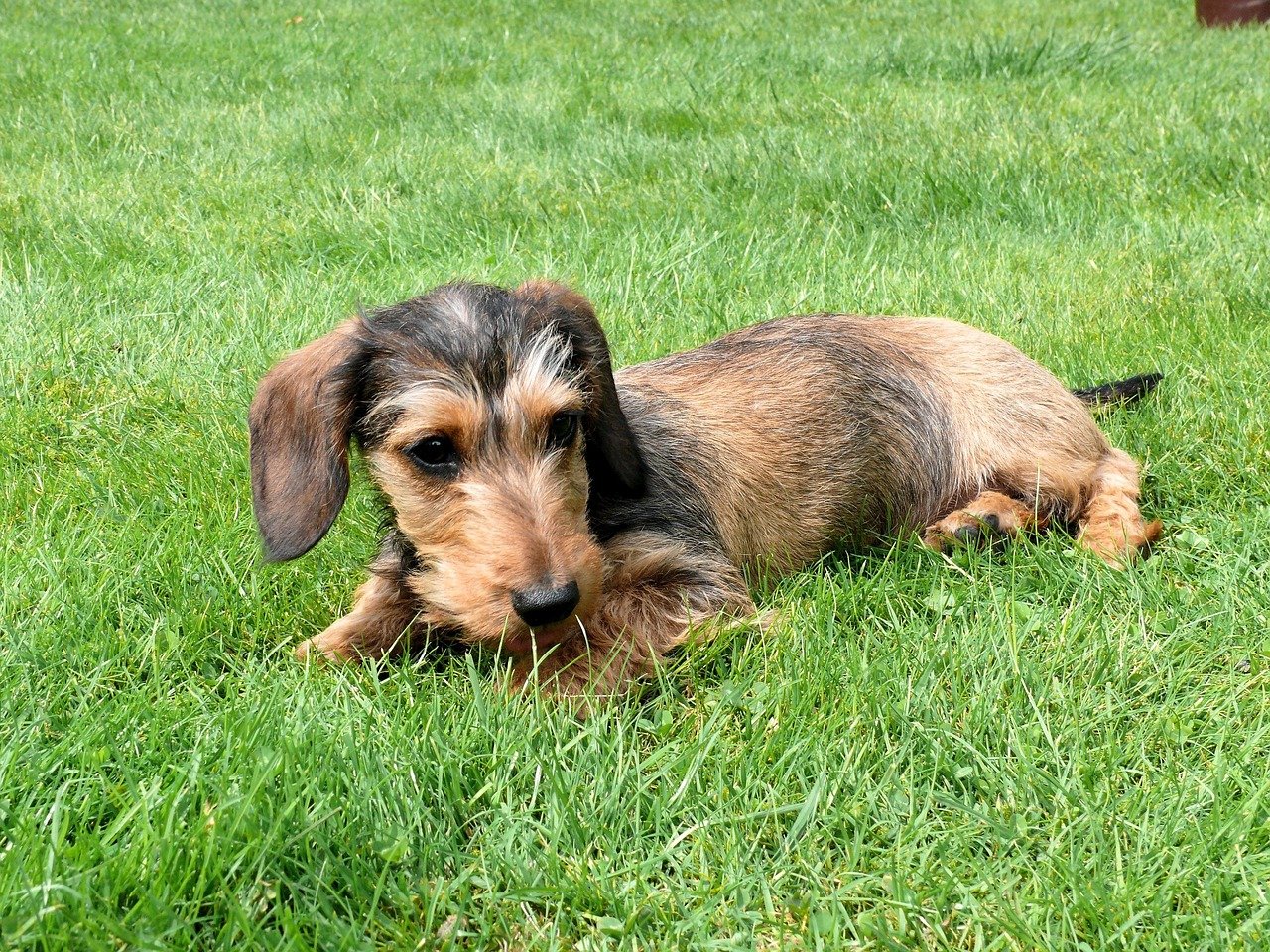
The Dachshund – The Original Badger Hunter (image credits: pixabay)
Their elongated bodies, powerful paws, and keen sense of smell were perfect for the task of flushing out badgers from underground. These physical and instinctual traits contribute to their propensity to dig. Even in a domestic setting, this historical trait manifests as a natural inclination to dig and burrow.
What makes Dachshunds particularly determined diggers is their body structure – those short legs are perfectly designed for powerful digging motions. In the absence of sufficient physical and mental stimulation, dachshunds often resort to digging as an outlet. This behavior can be seen as a way for them to burn off excess energy or alleviate boredom.
You might notice your Dachshund exhibiting digging behaviors even indoors, similar to their wild ancestors who dug burrows for safety and warmth, domesticated dachshunds may exhibit digging behaviors in their bedding. This instinct is so strong that even your couch cushions aren’t safe from their burrowing tendencies.
The Siberian Husky – The Cool-Seeking Arctic Explorer
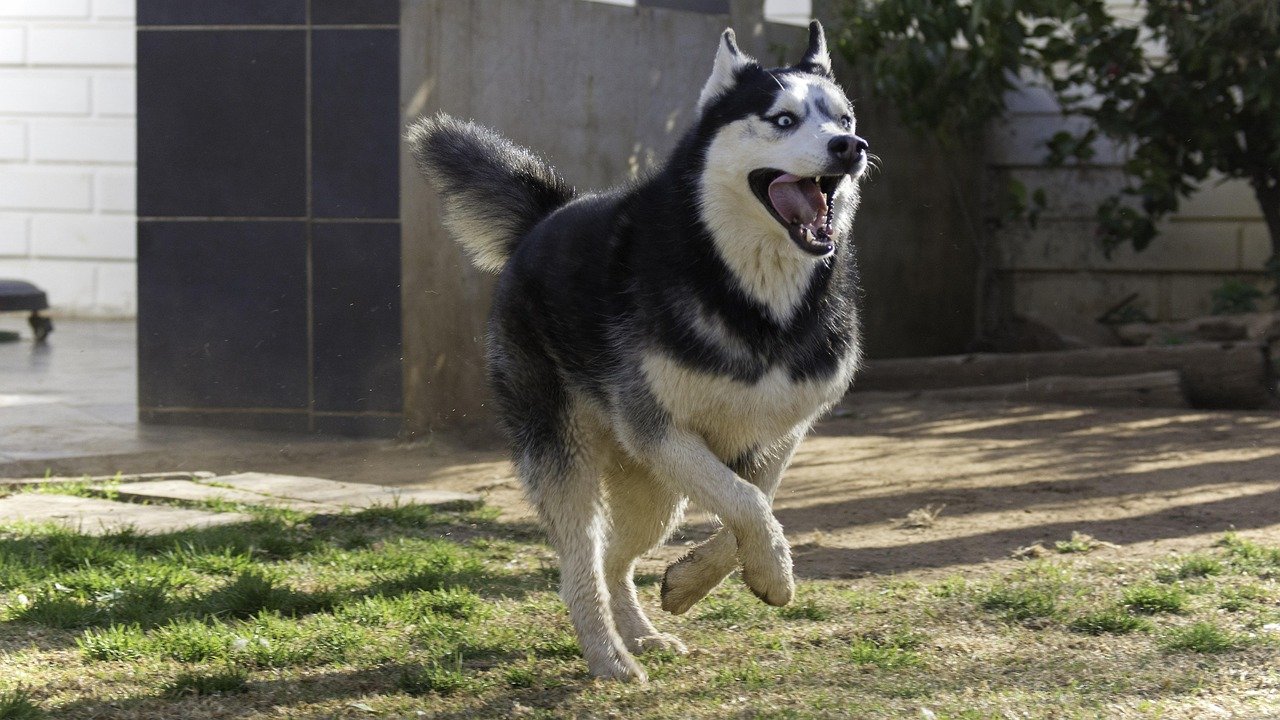
Dens are cooler in hot weather, warmer in cold weather (this is why many of the northern breeds, such as Siberian Huskies, are known for digging), and a shelter they can feel secure in. These beautiful Arctic dogs have a very practical reason for their digging habits – temperature regulation.
Siberian Huskies are known to dig a lot in warm weather because they can uncover cooler ground. They are also active dogs that get bored easily when not properly exercised and the digging can increase to all times of year. Their thick double coat makes them particularly uncomfortable in warm weather, leading to some serious excavation efforts.
Unlike terriers who dig to hunt, Huskies dig for comfort and survival instincts. Siberian Huskies are known for their digging habits, but for a different reason than terriers and hounds. These cold-weather pups may dig holes to find cool spots when in hot climates and warm spots when in the ice and snow.
The Beagle – The Scent-Driven Excavator

Whether they’re looking for rabbits or hiding a bone, Beagles love to dig. As a hound dog, they are bred to hunt, and most of their prey is underground, so of course that is what they are going to do when given the chance. Their incredible nose gets them into trouble – or rather, gets your yard into trouble.
Beagles have a keen sense of smell and a strong prey drive, so they may dig in search of small animals or interesting smells. When a Beagle catches an interesting scent trail, they’ll follow it with single-minded determination, even if that trail leads straight down into your carefully maintained lawn.
Not only is this frisky pup extremely energetic, but he also doesn’t like being alone. Therefore, a beagle left unattended in the backyard and bored is a recipe for a digging disaster. Their social nature combined with their hunting instincts makes unsupervised backyard time particularly risky for your landscaping.
The Border Terrier – The Persistent Burrow Specialist

The Border Terrier was used for fox hunting and was prized for its ability to keep up with larger foxhounds and its use for fitting into burrows. Because of its heritage, the breed has strong digging instincts and can become a nuisance.
Border Terriers were specifically selected for their ability to squeeze into tight spaces and pursue prey underground. This makes them incredibly efficient diggers who can create extensive tunnel systems in your yard. Their small size combined with their powerful front legs creates the perfect digging machine.
Unlike some breeds that dig sporadically, Border Terriers often dig with purpose and persistence. They’re problem solvers by nature, so if there’s a scent or sound underground that interests them, they’ll work tirelessly to investigate it, regardless of what’s growing above ground.
The Cairn Terrier – The Scottish Soil Destroyer
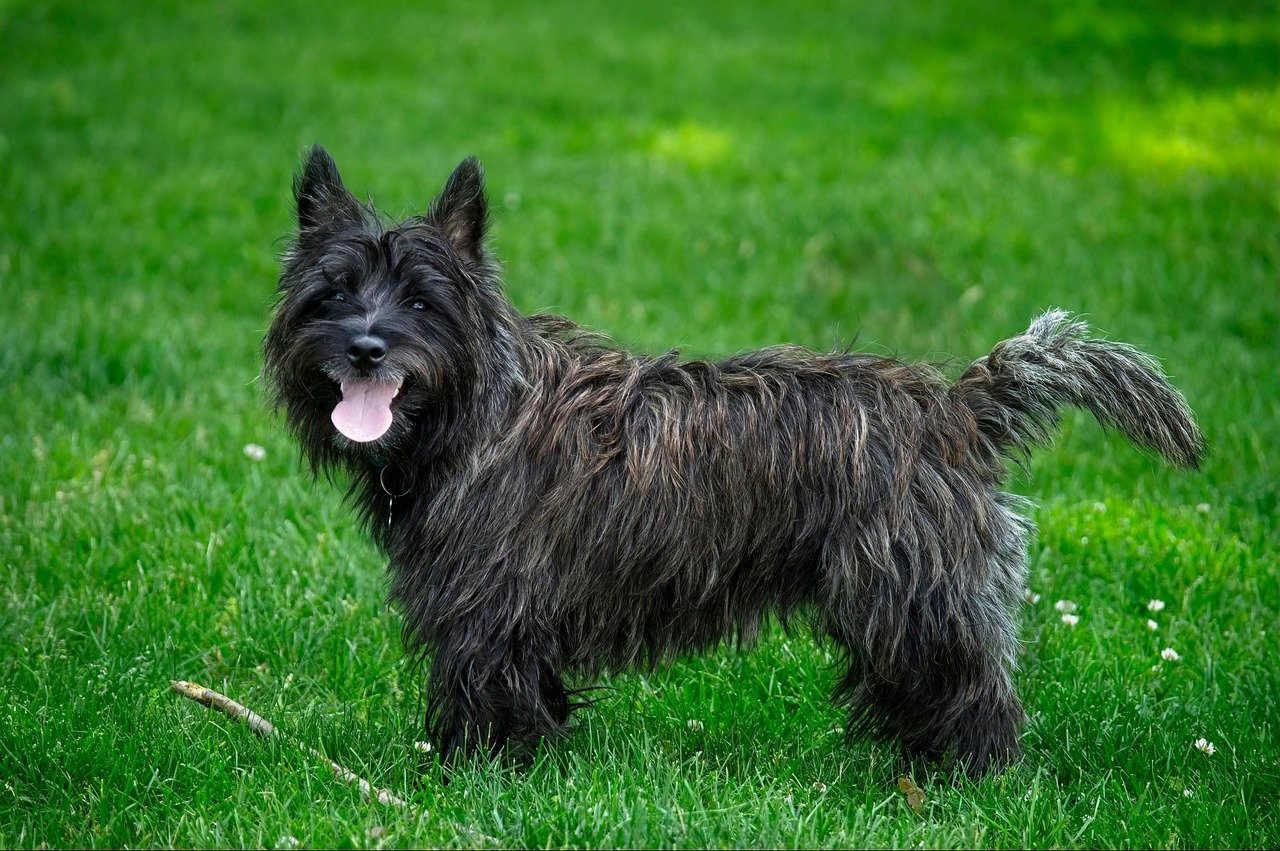
Cairn Terriers are small terriers from Scotland and true to their working heritage, they possess an incredible drive to dig and hunt. Originally bred to hunt vermin among the stone cairns of the Scottish Highlands, these dogs developed powerful digging abilities to root out prey from rocky crevices.
This active pup needs moderate exercise and is a good candidate for various dog sports like tracking, herding, and other canine sports. However, without adequate mental and physical stimulation, they’ll create their own entertainment by redecorating your yard.
Cairn Terriers are particularly notorious for their determination once they start digging. They won’t give up easily, and their small size allows them to create surprisingly large holes relative to their stature. Their weather-resistant coat also means they’re happy to dig regardless of conditions.
The Alaskan Malamute – The Arctic Architect
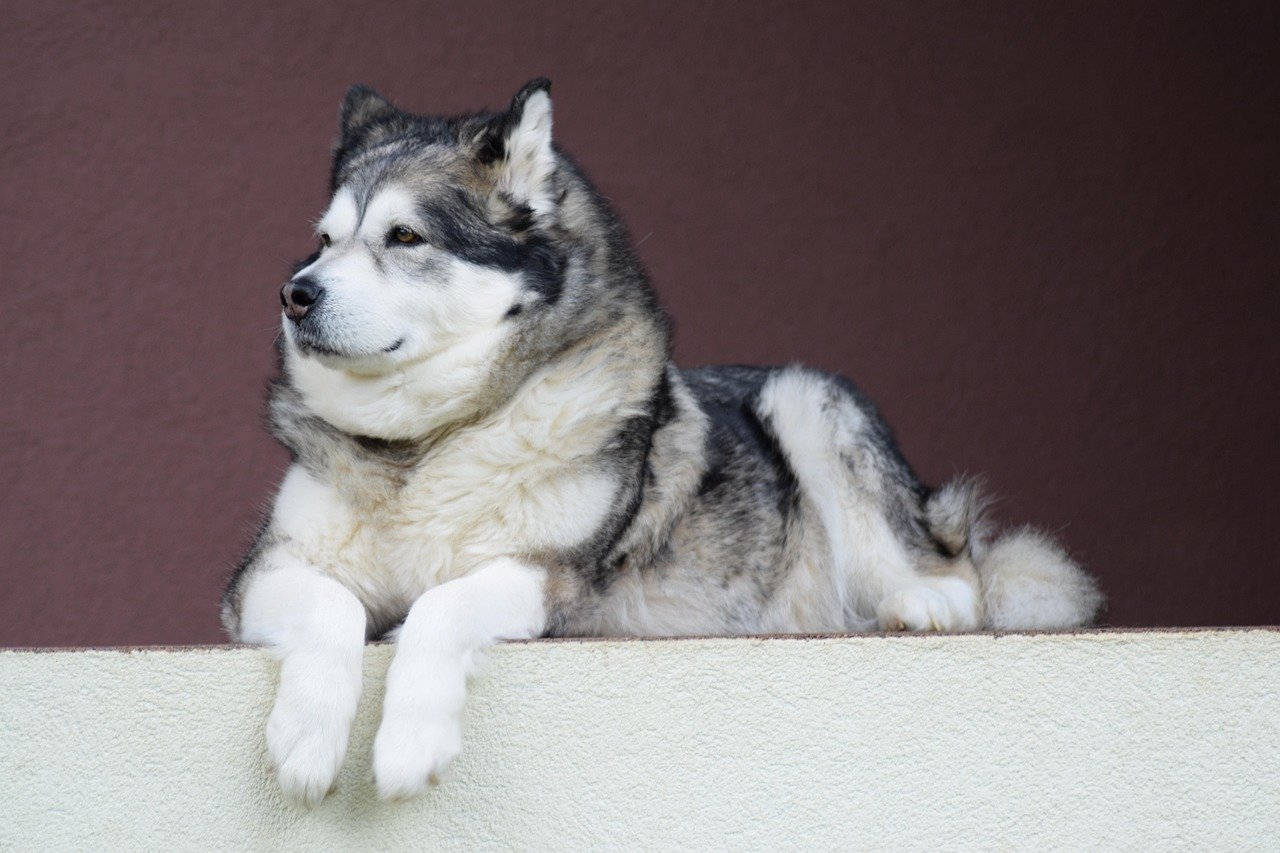
The Alaskan Malamute is another northern breed known for digging when the weather gets too hot. Because they have thick coats to protect them from the cold, burrowing into cooler dirt often keeps them much more comfortable.
These large, powerful dogs don’t just dig small holes – they create impressive craters that can accommodate their substantial size. Thick-coated Northern breeds like the Alaskan Malamute or Siberian Husky may be especially prone to this cooling behavior during warm weather.
This energetic dog enjoys lots of different activities but will also be content to run around in a fenced yard. Just ensure he has ample opportunities for regular exercise, so he stays stimulated and happy. Without proper exercise and cooling options, they’ll engineer their own climate control system in your backyard.
The Miniature Schnauzer – The Determined Little Digger
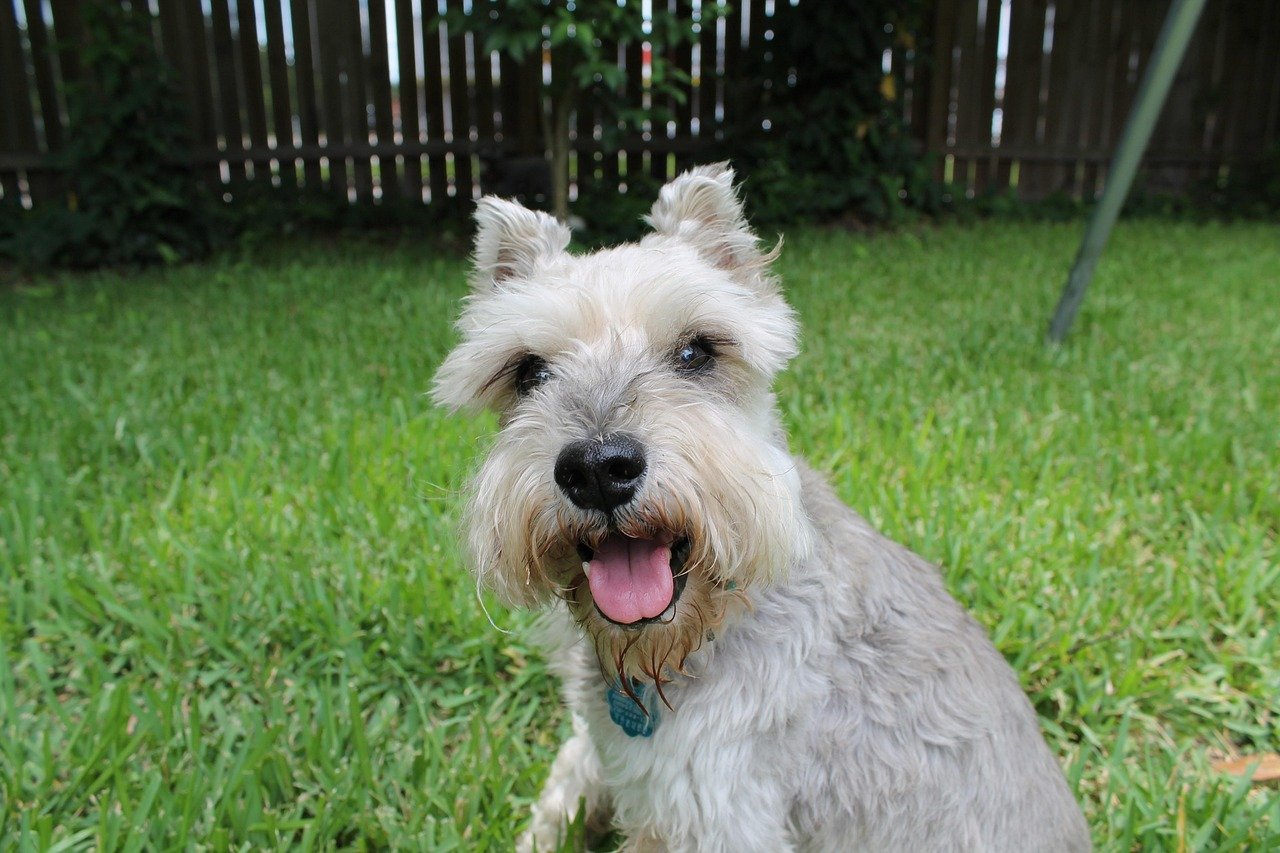
This breed’s prey drive is strong, so the urge to chase after small animals can cause him to dig like crazy. Despite their refined appearance, Miniature Schnauzers possess all the tenacity and determination of their larger working cousins.
The Miniature Schnauzer is a German terrier-type dog that was used as an all-purpose farm dog. This versatile background means they’re equipped with both the instinct and physical ability to dig for various purposes – hunting vermin, creating comfortable resting spots, or simply investigating interesting scents.
Their compact size might fool you into thinking the damage will be minimal, but Miniature Schnauzers are surprisingly efficient diggers. They’re also intelligent enough to remember where they’ve had success before, often returning to the same spots to continue their excavation projects.
The Australian Terrier – The Tenacious Ground Breaker
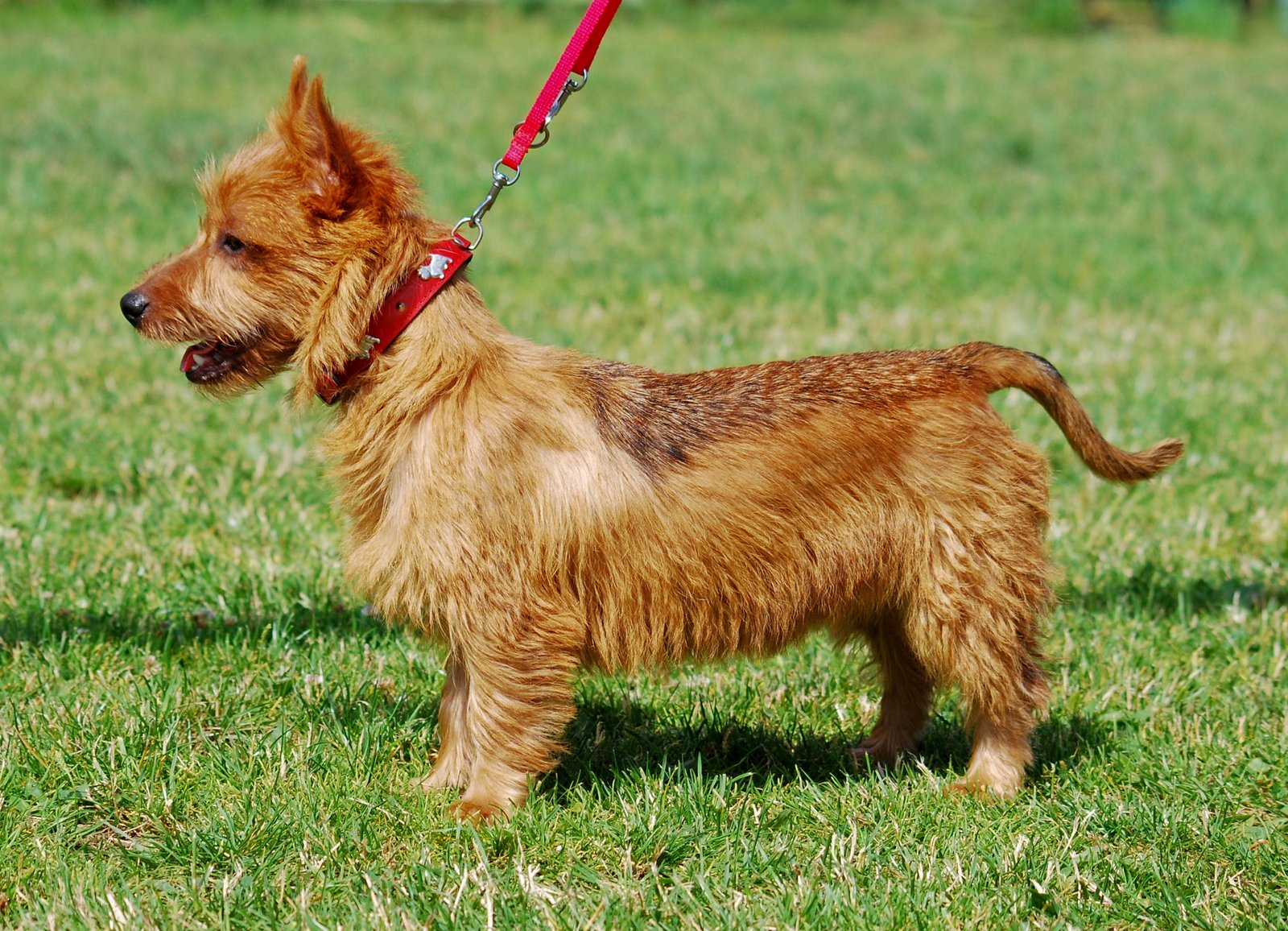
This terrier requires a fenced-in yard and lots of exercise to prevent boredom and undesirable behaviors. This pup’s hunting instinct is powerful, and it can be challenging for him to resist chasing after other animals like squirrels or cats.
Like the other terriers, the Australian Terrier has a strong digging instinct and it can become a nuisance when the breed is not properly exercised. These dogs were developed in Australia to handle the country’s unique vermin problems, making them incredibly determined and resourceful diggers.
Australian Terriers are particularly focused diggers – when they commit to a digging project, they see it through to completion. Their small stature allows them to create intricate tunnel systems, and their persistent nature means they’ll continue working on a project over multiple days until they achieve their goal.
The Chow Chow – The Surprising Comfort Seeker
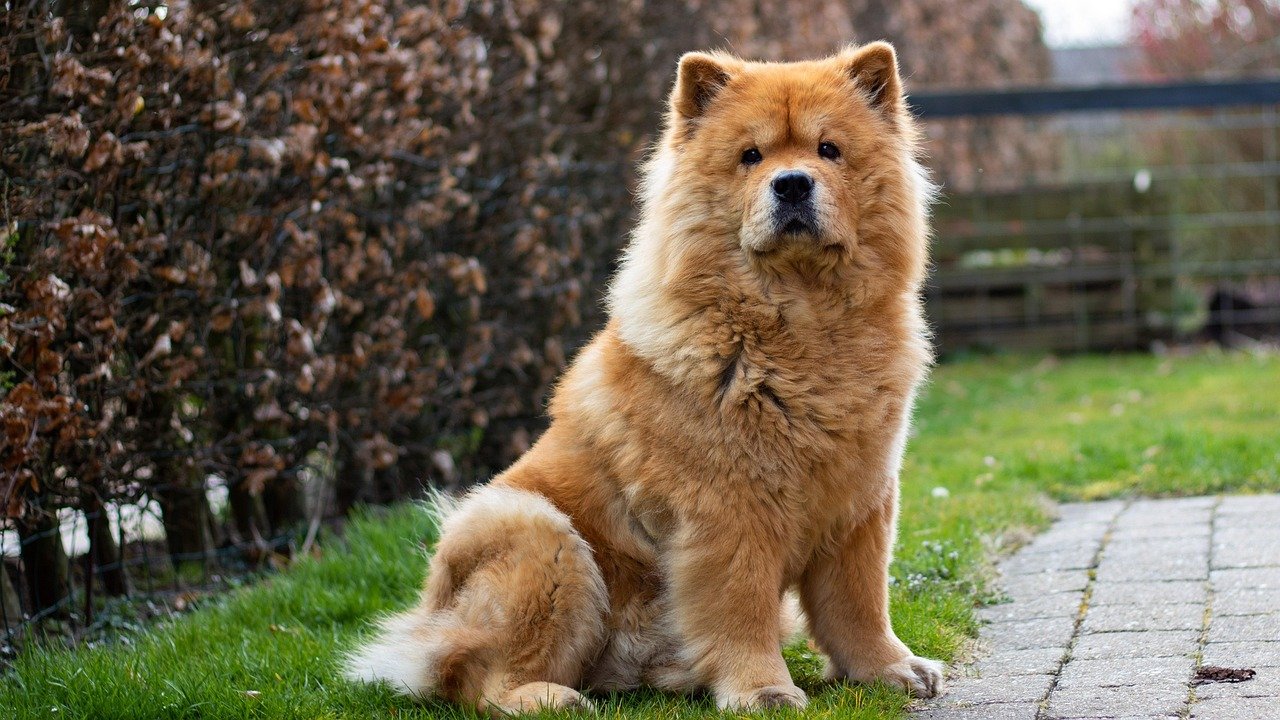
Like the Siberian Husky, the Chow Chow will dig most often in warmer weather to try and keep cool. It is a primitive breed that has kept its instinct for self-preservation, such as digging.
Many people don’t expect Chow Chows to be diggers due to their typically dignified demeanor, but dogs with heavy coats, like Chow Chows, tend to dig holes during hot weather to form pits they can lie in to keep cool. Their thick double coat makes temperature regulation a serious concern.
When a Chow Chow decides to dig, they commit fully to the project. Their powerful build allows them to create substantial depressions in the ground, and their independent nature means they’ll choose the location that works best for them – which might not align with your landscaping plans.
Conclusion: Living With Natural Born Diggers
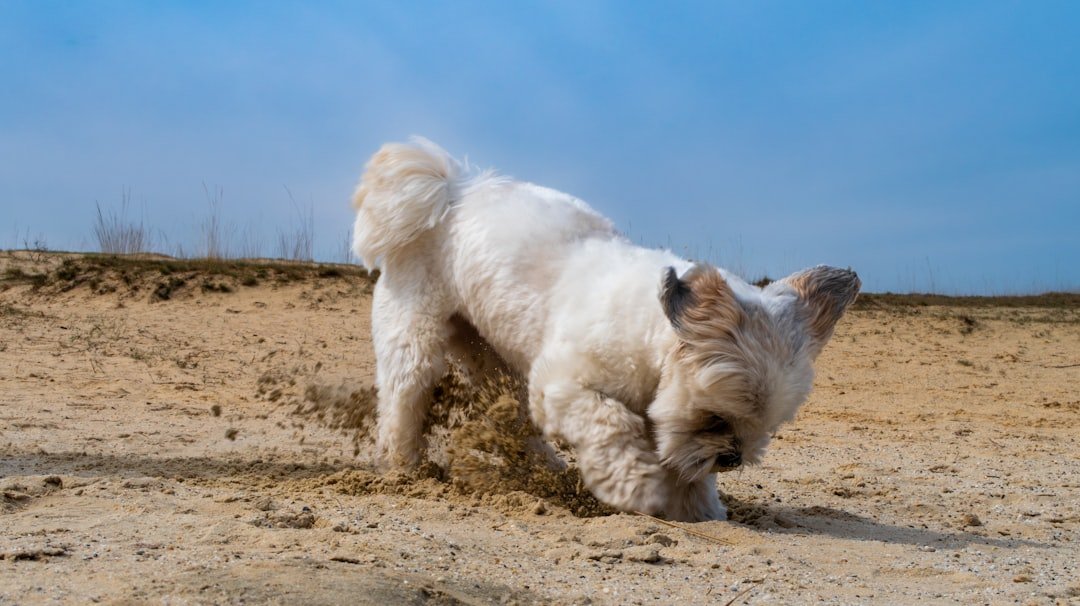
Understanding that digging is often an instinctual behavior rather than deliberate destructiveness can transform how you approach this challenge. If your dog is genuinely a digger at heart, there might be no way to stop his behavior completely. Sometimes, a dog’s just got to dig. When digging is such a natural, bred instinct in your dog, it’s almost impossible to get him to stop.
The key to maintaining both your sanity and your yard lies in redirection and management rather than complete elimination. You can redirect his digging to an appropriate place; it’s a win-win for both of you. Many people will create what’s known as a digging pit for their dirt-loving dogs. This approach honors your dog’s natural instincts while protecting your landscaping investment.
Remember that these breeds were developed over centuries to perform specific jobs, and digging was often central to their purpose. Instead of fighting against thousands of years of selective breeding, work with your dog’s nature to find solutions that satisfy both of you.
Did you recognize your furry friend among these dedicated diggers, or were you surprised by some of the breeds that made the list?


