
Picture this: you’re rushing to get your golden retriever Max to his vet appointment when suddenly he starts drooling and whining. By the time you arrive, he’s a stressed mess and you’re questioning every decision you’ve made as a dog parent. Sound familiar? You’re not alone. Car travel mishaps happen to even the most devoted dog lovers, but the good news is they’re completely preventable once you know what to watch for.
Skipping Proper Restraints – The Freedom That’s Actually Dangerous
Here’s something that’ll shock you – a 60-lb dog traveling at 35 mph can turn into a 2,700 pound projectile during an accident. That cuddly companion on your lap suddenly becomes a serious safety hazard for everyone in the car. Many dog parents think letting their furry friend roam free is a sign of love, but it’s actually putting them at tremendous risk.
The solution isn’t complicated, but it requires commitment. The safest way for your dog to travel in the car is in a crate that has been anchored to the vehicle using a seat belt or other secure means. Being confined in a carrier will also protect your dog from escaping from the vehicle if they’re startled, scared, or just curious when the car door or window is opened. Think of it like this – you wouldn’t drive without your seatbelt, so why should your dog?
Using Cheap or Untested Safety Equipment
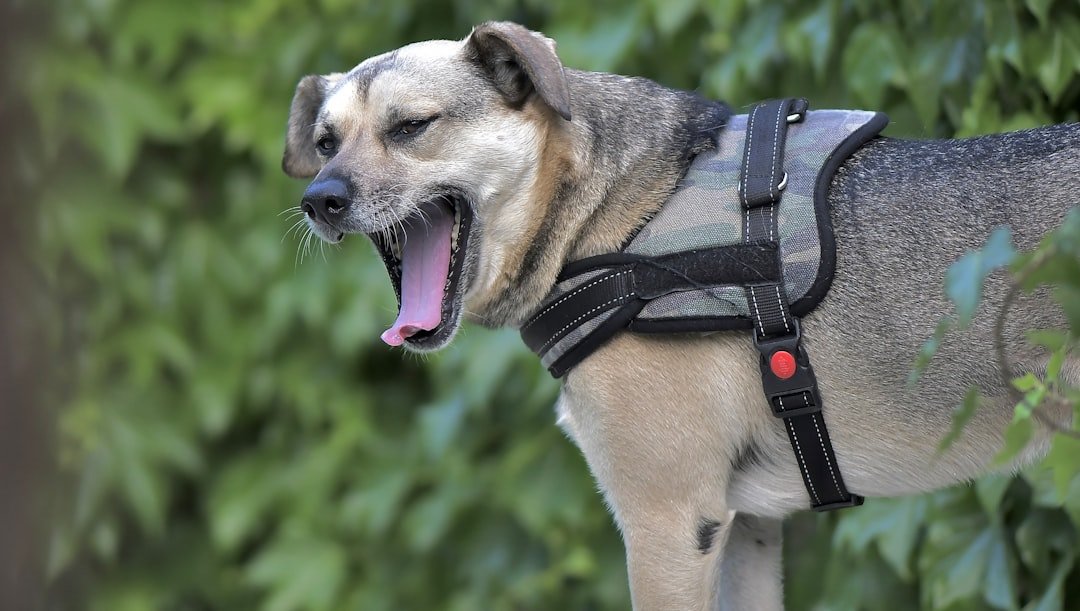
Not all dog harnesses are created equal, and this mistake can be literally life-threatening. It’s important to find dog seat belts, pet carriers for car travel, and other safety devices that are tested with pet models to perform well during a crash. The Center for Pet Safety was formed to address pet travel safety concerns. When Wolko had to slam on the breaks to avoid a wreck, the harness Maggie was wearing didn’t perform as intended.
Instead of grabbing the cheapest option at the pet store, look for crash-tested equipment. Experts recommend looking for a brand and model CPS-certified for crash safety, like the SleepyPod Clickit Sport and Terrain harnesses. Yes, quality equipment costs more upfront, but can you really put a price on your dog’s safety? The peace of mind alone is worth every penny.
Letting Dogs Hang Their Heads Out Windows
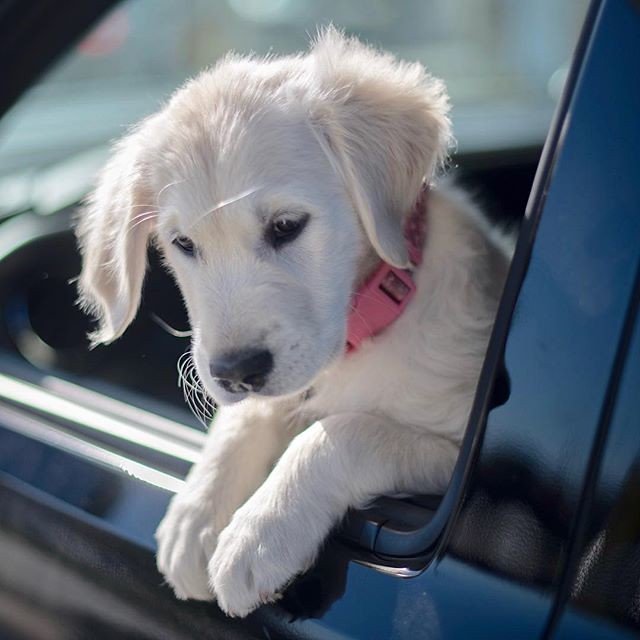
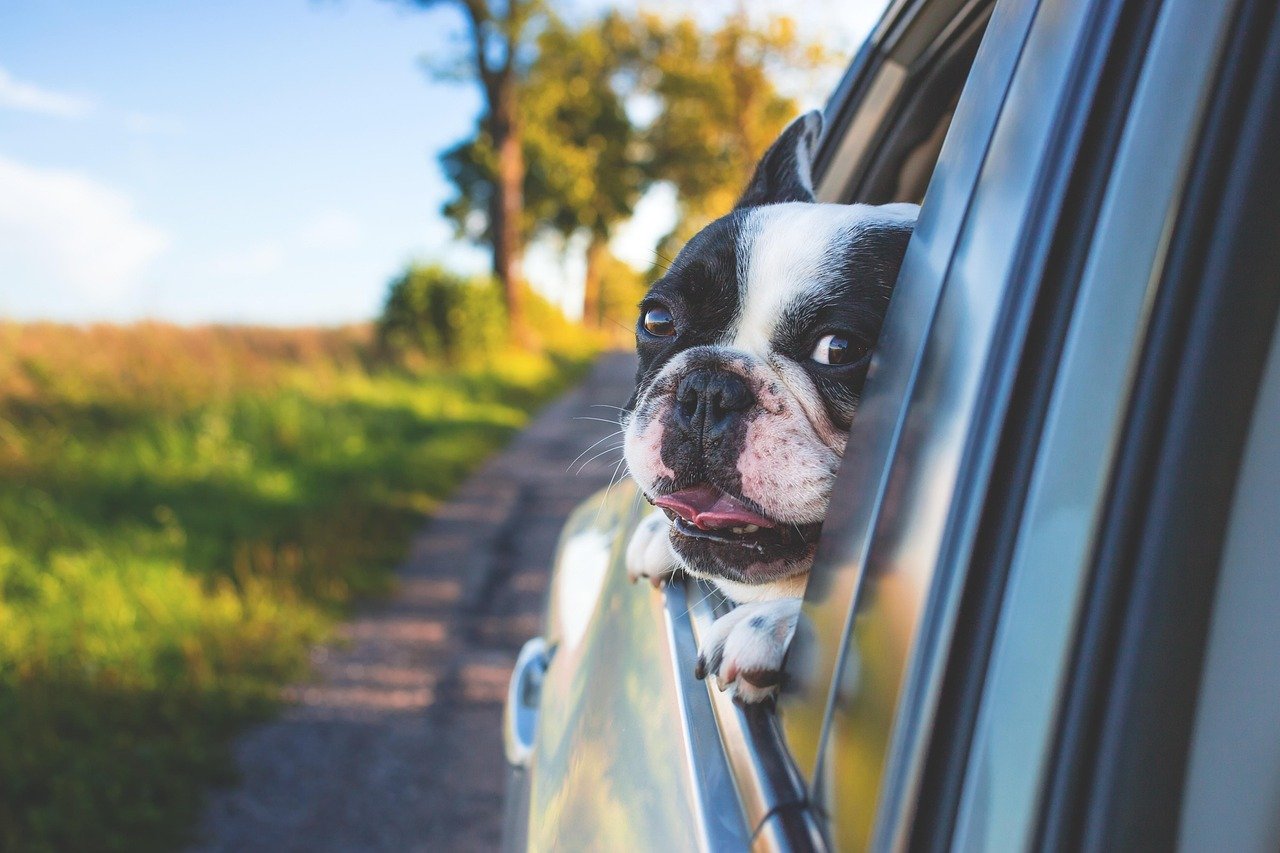
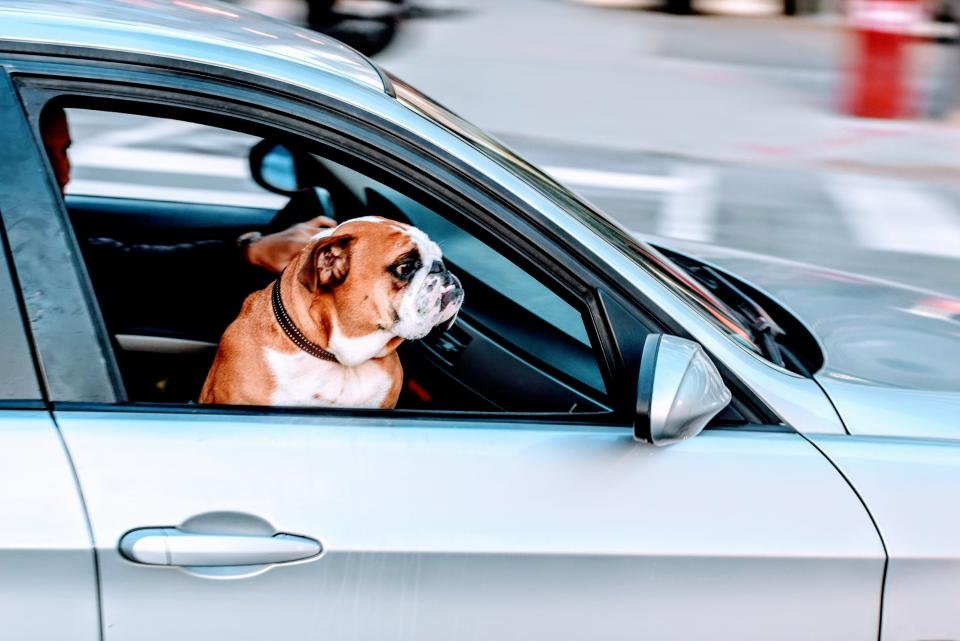
I get it – that image of a happy dog with ears flapping in the wind is pure joy. But here’s the harsh reality: Eye injuries, from dirt, rocks, dust, and other debris, are common when dogs have their heads outside of moving cars. Even a small amount of debris or a slight scratch to their cornea can cause serious damage resulting in time-consuming and expensive vet visits.
The dangers don’t stop at eye injuries either. Dogs who hang their heads out the open window are also at risk. Eye, ear, face, and mouth injuries from airborne objects or shrubs and branches can occur. Unrestrained dogs at open windows are in danger of falling out if there’s a collision or abrupt turn, and they may even decide to jump out if they see something they want to chase. Keep those windows cracked just enough for fresh air, but never enough for heads to poke through.
Leaving Dogs Unattended in Vehicles
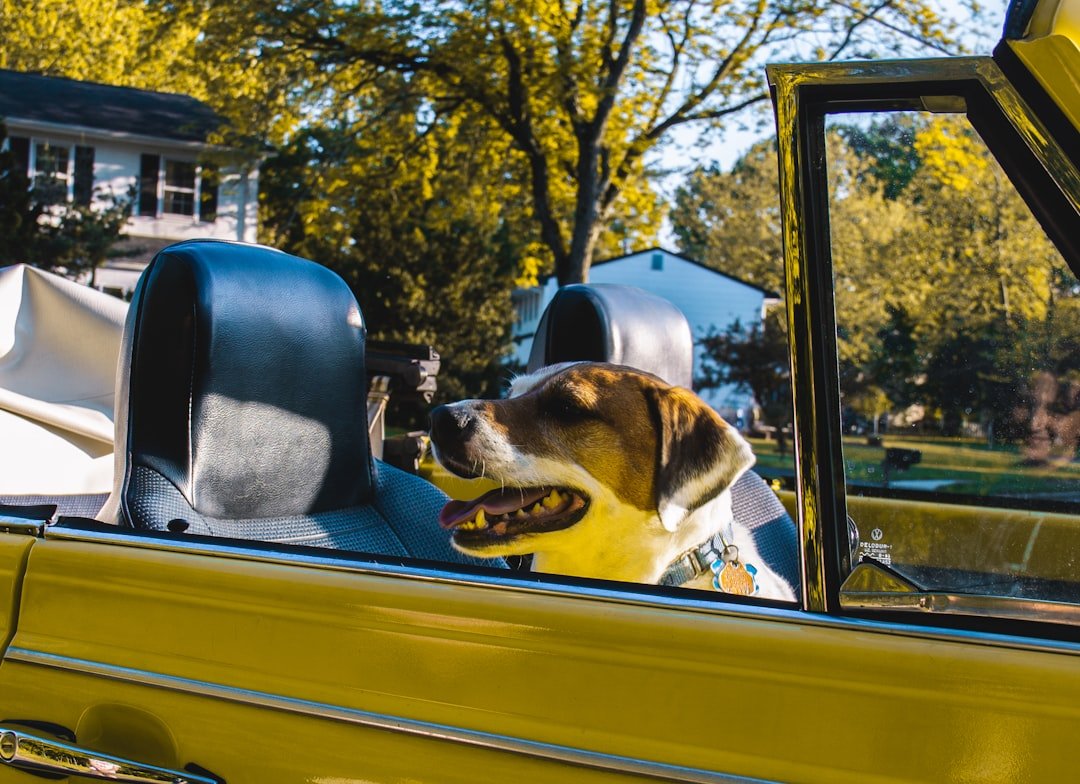
This mistake can turn deadly faster than you might imagine. Research on vehicle safety for children indicates that the temperature inside your vehicle can rise about 20 degrees Fahrenheit in just 10 minutes, and almost 30 degrees in 20 minutes. The longer you wait, the higher the temperature climbs. Even on a mild day, your car becomes a dangerous trap.
On a mild day of about 70 degrees Fahrenheit, the temperature inside your car can quickly soar to over 115 degrees, according to a study in the journal Pediatrics; most of this heat rise occurs within just 30 minutes. And dogs can experience heat exhaustion when their body temperature hits just 105 degrees. Cracking a window and parking in the shade does not make much of a difference. The simple rule? If you can’t take your dog with you, leave them safely at home.
Feeding Right Before Travel
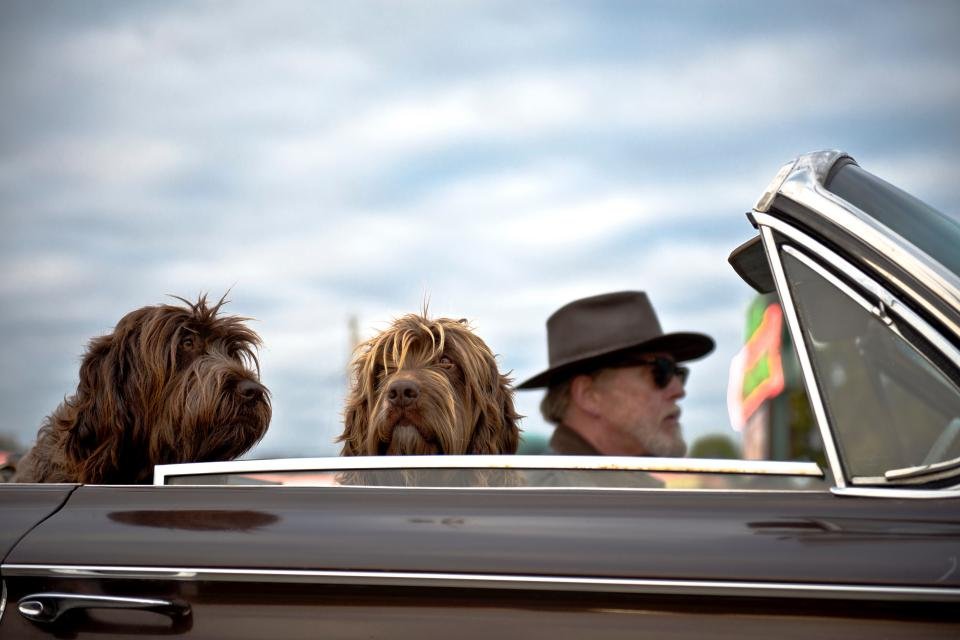
Think feeding your pup will keep them calm during the journey? Think again. Taking your dog on a car ride when they have a full stomach is a bad idea. Even a short trip in the car can cause motion sickness and lead to your dog vomiting. That’s a big mess to clean up. Plus, you can’t focus on caring for your dog and watching the road at the same time. To avoid messes and help prevent car sickness, don’t feed your dog right before you head out.
Veterinarians recommend a different approach. If it is not too stressful, withhold food for 2-4 hours before travel. An empty stomach will help reduce nausea and the need for frequent potty breaks that are often unwelcome, especially during long car rides or airplane or train travel. Schedule feeding times around your travel plans – it’s a simple switch that can save you both a lot of discomfort.
Ignoring Signs of Motion Sickness
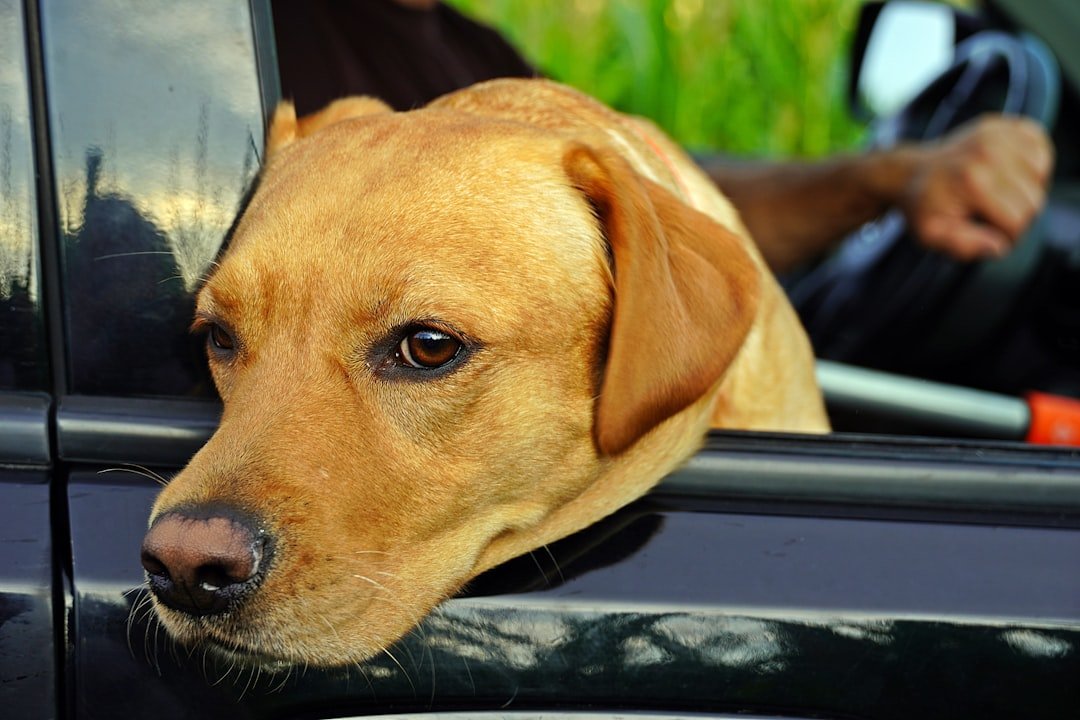
Dogs can’t tell us they’re feeling queasy, so we need to become detectives. Motion or car sickness is more common in younger dogs than in adults. The reason may be that the parts of the inner ear involved in balance are not fully developed. Puppies will often outgrow motion sickness by the time they are about 1 year old. But adult dogs can suffer too, and the signs are often subtle.
Watch for excessive drooling, panting, restlessness, whining, or lethargy. Many adult dogs become anxious or even nauseous during travel due to a lack of conditioning and the overwhelming, unusual stimuli associated with moving inside a vehicle. Dogs that travel only once or twice a year (typically when visiting the veterinarian) are not used to car rides and often associate the car ride with the stressful experience that follows. This association causes heightened anxiety and stress and may result in vomiting and diarrhea. Puppies that experience traumatic or frightening first rides may also associate future travel with that stressful event.
Placing Dogs in the Front Passenger Seat
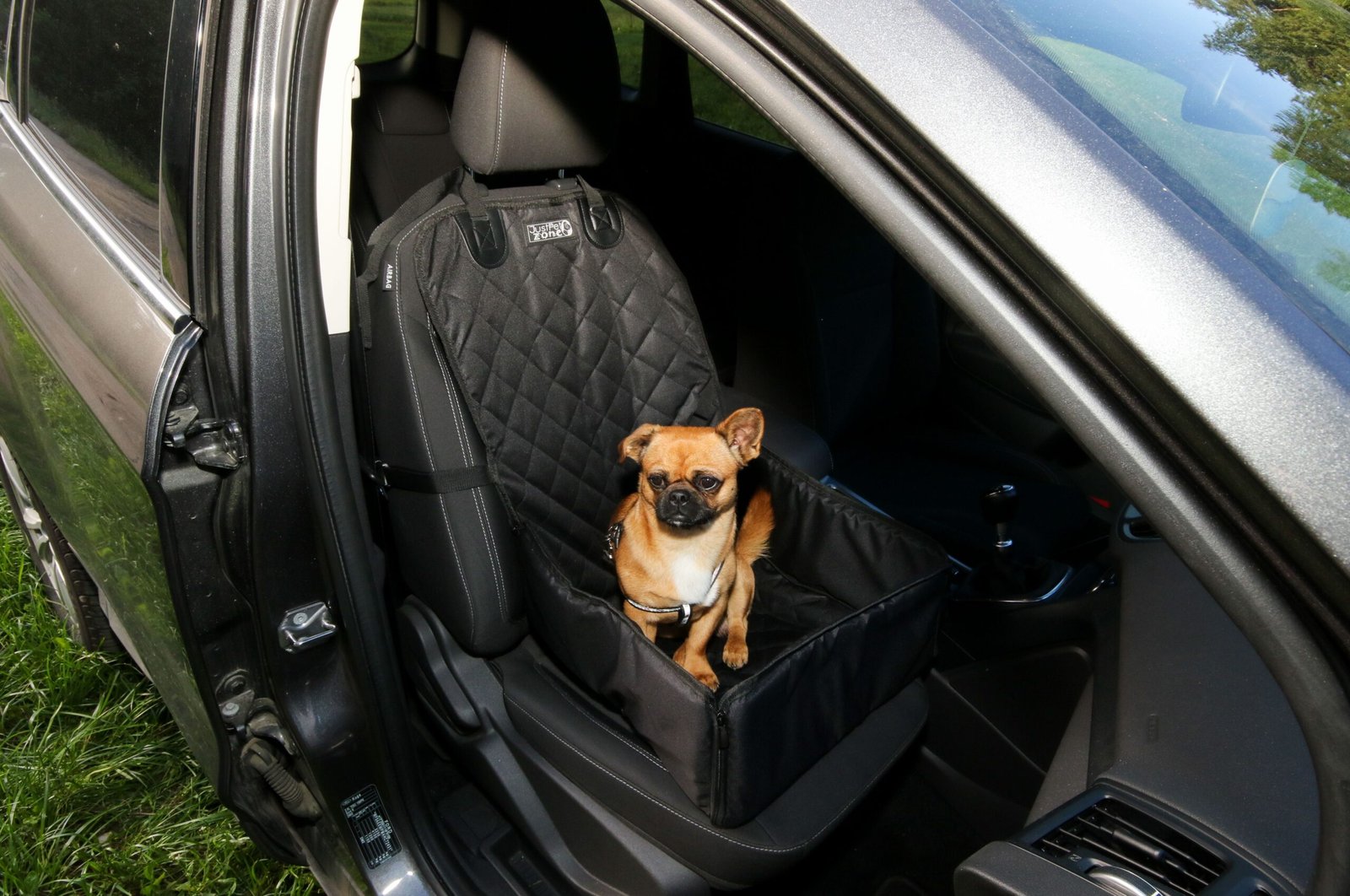
Your dog might love being your co-pilot, but the front seat is actually one of the most dangerous places for them. Keep your pet in the back seat of the car. If an airbag deploys while your pet is in the passenger seat (even in a crate), it might injure your pet. Airbags are designed for adult human bodies and can cause serious harm to pets of any size.
A small pet could crawl down in the footwell, interfering with your use of the brake or accelerator pedal · A large pet leaning across your lap can interfere with your view of the road. During a collision, unrestrained pets may be crushed by deployed airbags, or thrown out or through windows or windshields. The back seat isn’t just safer – it’s also less likely to distract you while driving.
Failing to Gradually Introduce Car Travel
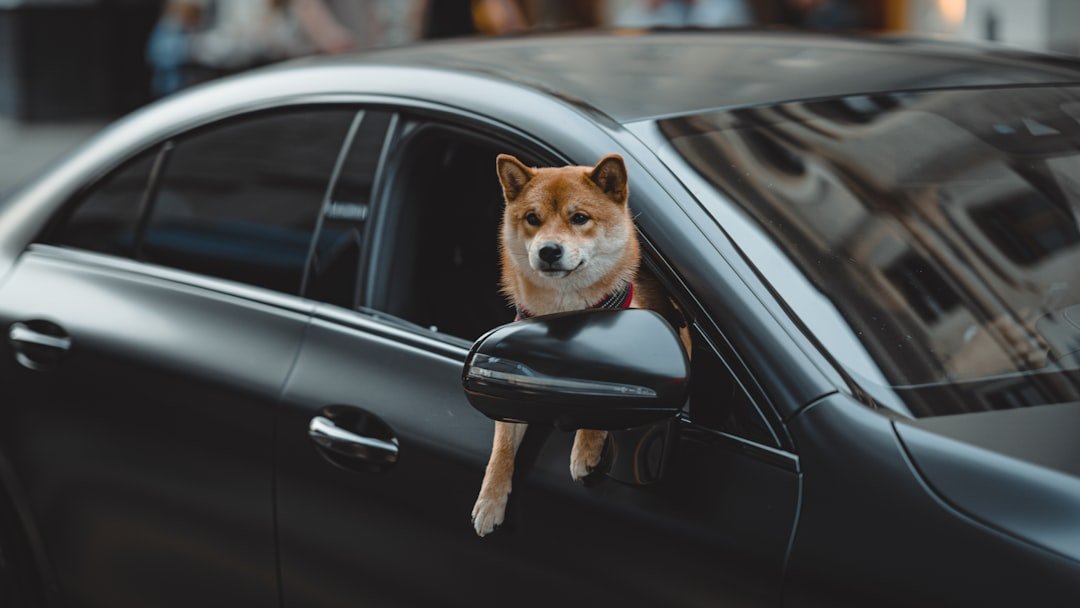
Expecting your dog to love car rides immediately is like throwing someone who’s afraid of water into the deep end of a pool. The best way to ease your dog’s travel anxiety is by taking several short trips before embarking on a long haul. Start by simply placing your dog in your car, starting the motor, and sitting there without moving for a few minutes. The next day, repeat this process, but back out of your driveway and then return.
This gradual approach works wonders because it builds positive associations. Start with putting the pup in the car with you for a few minutes a day. Don’t turn on the car or drive anywhere; just sit quietly, giving praise and gently petting. After a few days of sitting in the car, try starting the car and letting it run for a few minutes with them in it. Bring a toy and play with your dog. Make it a happy time. Then shut off the car and exit. Do this for a few days until your dog shows enthusiasm for going to the car. Patience during this process pays off with a lifetime of stress-free travel.
Conclusion
Here’s the beautiful truth about car travel with dogs – once you avoid these common pitfalls, you’ll discover a whole new world of adventures together. Every mistake on this list is completely preventable with just a little knowledge and preparation. Your dog doesn’t have to suffer through car anxiety, and you don’t have to stress about their safety every time you hit the road.
Remember, the goal isn’t perfection from day one. It’s about creating positive experiences that build over time. Start small, invest in proper equipment, and always prioritize your dog’s comfort and safety. Soon enough, those car rides will become some of your most treasured bonding moments.
Who knows? You might even catch your pup getting excited at the jingle of your keys, knowing another adventure awaits.


