
Picture this: You’re lounging in your living room, enjoying the peaceful silence, when suddenly your neighbor’s dog starts its nightly symphony of barks that could wake the dead. But what if you could have a loyal guardian who protects your home without turning your neighborhood into a 24/7 concert hall? The truth might surprise you – some of the most effective watchdogs are also the quietest companions you’ll ever meet.
Most people think the loudest dog makes the best protector, but experienced dog lovers know that’s completely backwards. The most intimidating guardians often rely on their presence rather than their voice, and these gentle giants and silent sentinels offer something truly special: peace of mind without the noise complaints.
The Basenji – The “Barkless” Wonder

The Basenji is actually known as the “barkless dog,” according to the American Kennel Club. The Basenji, hands down. They don’t bark – they yodel. When you first hear about a dog that doesn’t bark, it sounds almost impossible, right? These compact, elegant dogs from Central Africa have a completely unique way of communicating that sets them apart from every other breed on the planet.
As a calm dog that barks less than many of their counterparts, it’s no surprise that many people say the Basenji is “quiet like a cat!” On the rarer occasions you hear this pup talk, you’ll be surprised by their unique voice. Rather than barking, the Basenji will make a high-pitched noise or yodel when they decide to be vocal. They’re naturally alert and observant, making them excellent at detecting unusual activity even without traditional barking. Their keen intelligence means they’ll assess situations carefully before deciding whether something deserves attention.
Shiba Inu – The Silent Samurai

Described as an alert, fearless, and reserved dog with fantastic watchdog skills, the Shiba Inu – a hunting breed native to Japan – rarely barks without a cause. Shiba Inus becomes vocal when it’s absolutely necessary, for instance, if they’re trying to alert their owner or expressing a need. These fox-faced beauties are like having a dignified samurai guarding your home – they take their job seriously but never waste energy on unnecessary drama.
These loyal dogs look like foxes, and are about as quiet as their woodland counterparts, too. However, when they are distressed (such as during nail clipping or taking a bath), they may engage in the occasional “Shiba scream.” When they do decide to communicate, it’s for good reason, and you’ll definitely want to pay attention. Their independent nature means they’re excellent judges of when a situation truly requires intervention versus when it’s just everyday neighborhood activity.
Chow Chow – The Regal Guardian
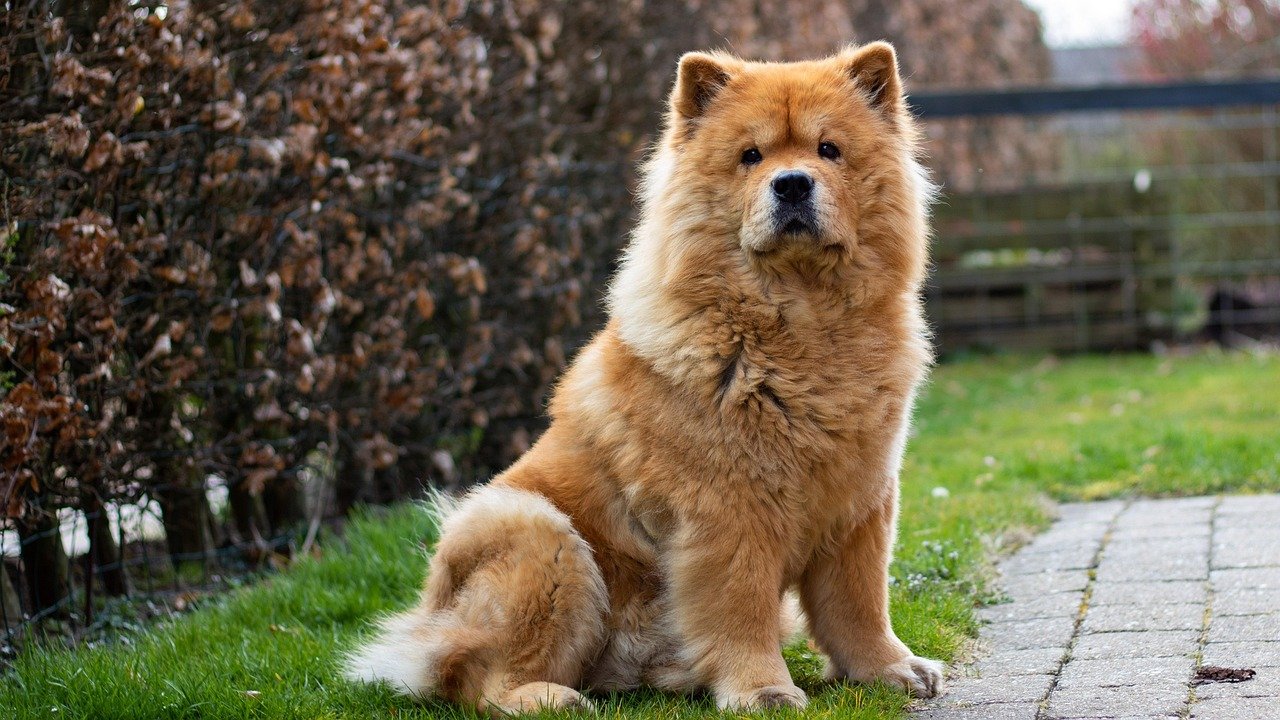
An ancient dog native to China, the Chow Chow – originally bred as an all-purpose dog for hunting, guarding, and herding – is a great addition for families that can’t stand constant barking noises. Considered chill dogs who love quiet companionship, Chows Chows mostly bark if they need to flex their guarding abilities. Think of them as the sophisticated aristocrats of the dog world – they’re far too dignified to bark at every little thing.
Their fluffy appearance might fool you into thinking they’re just cuddly teddy bears, but beneath that gorgeous coat lies a serious protector with centuries of guarding instincts. Don’t let their teddy bear-like appearance fool you: These dogs are intensely loyal to their families and will protect their loved ones when necessary. Chow Chows can also be temperamental, stubborn, and difficult to train, so hiring a dog trainer can help manage their aloof behavior. When a Chow Chow does bark, you know it’s time to pay attention because they’ve deemed something truly worth their vocal effort.
Akita – The Noble Protector

The Akita is a Japanese breed known for its strong, silent guarding abilities. They are highly loyal, intelligent, and protective without being unnecessarily vocal. They are independent thinkers who do not bark at every little noise. These powerful, bear-like dogs were originally bred to hunt wild boar and even bears in the mountains of Japan, so they know the difference between real danger and a squirrel running up a tree.
Instead of barking at every small disturbance, they will silently assess situations and only alert their owners when they sense a real threat. This makes them excellent watchdogs without the unnecessary noise. Bred to be hunters, Akitas are naturally silent. Akita Rescue says they’re so unlikely to bark, that when they do make noise you need to pay attention – there’s probably something wrong. It’s like having a wise, experienced security guard who knows exactly when to spring into action.
Bullmastiff – The Quiet Giant
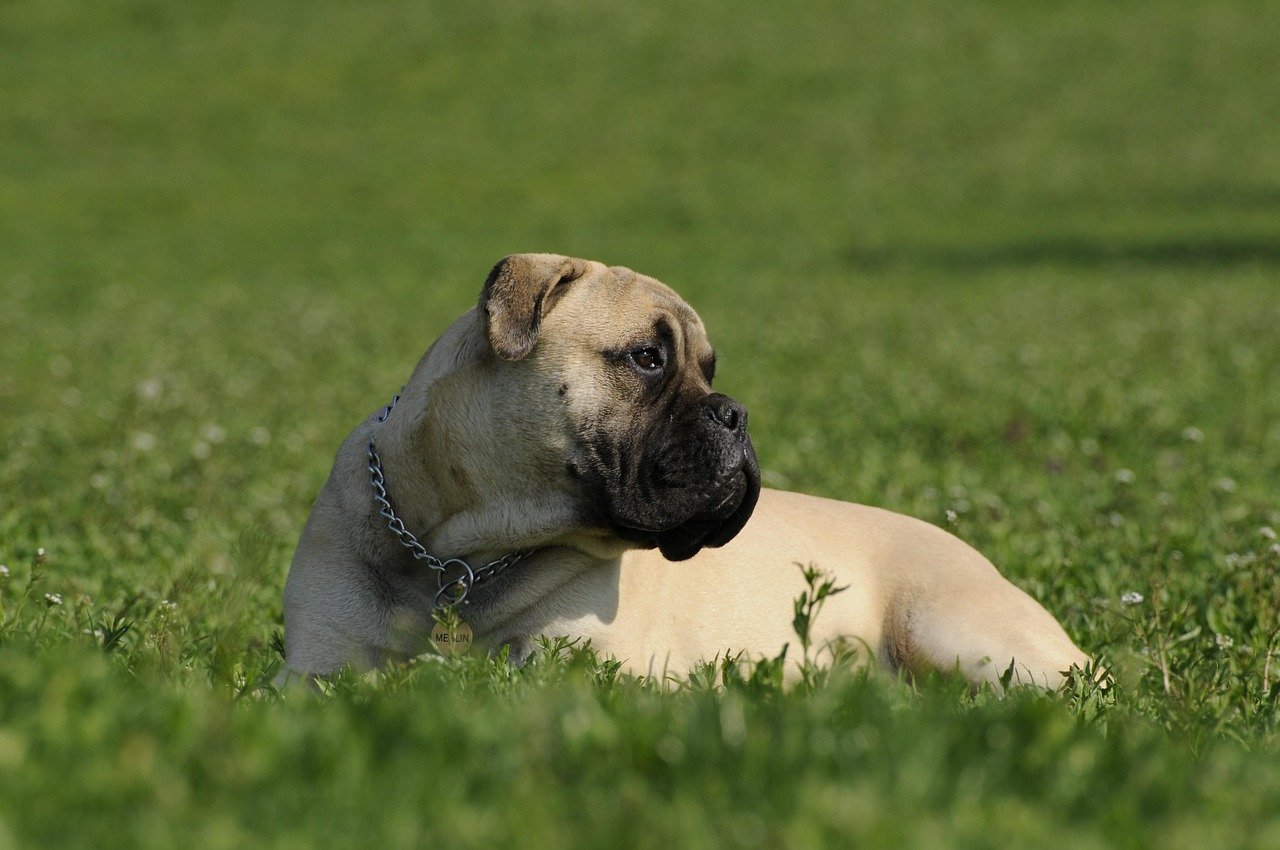
The Bullmastiff is a powerhouse protector that keeps watch over its home with quiet confidence. This breed was originally bred to guard large estates and prevent poaching, using its strength and instincts rather than excessive barking. These gentle giants were literally designed to catch poachers silently – they’d pin down intruders without making a sound that might alert other criminals in the area.
They only bark when necessary – for example, when they sense an unfamiliar person or something unusual happening in their territory. Otherwise, they prefer to stay quiet and observe. Their large, muscular build (typically 100-130 lbs for males, 100-120 lbs for females) is intimidating enough to deter threats. They are natural protectors who use their physical presence rather than barking to keep their homes safe. One look at a Bullmastiff calmly watching from the doorway is usually enough to make anyone reconsider their intentions.
Rhodesian Ridgeback – The Silent Hunter

Rhodesian Ridgebacks are silent dogs that rarely bark or howl. Ridgebacks are known as silent dogs that rarely bark or howl. Originally bred to track lions in Africa, these athletic beauties have nerves of steel and the confidence that comes from knowing they can handle whatever comes their way. Their distinctive ridge of hair along their spine isn’t just for looks – it’s a badge of courage from generations of fearless hunters.
Rhodesian Ridgebacks may be large and powerful-looking, but they rarely raise their voices for attention or intimidation. When presented with a potential threat, they are more likely to plant their prodigious bodies between it and those they care about. Their warm, expressive faces rarely emit barks, but their body language is clear: stay away! They’re the strong, silent type who prefer action over words – and their imposing presence speaks volumes.
Great Dane – The Gentle Giant Guardian
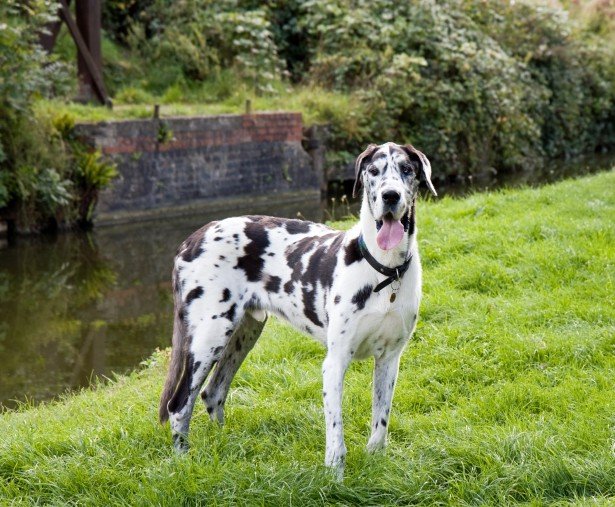
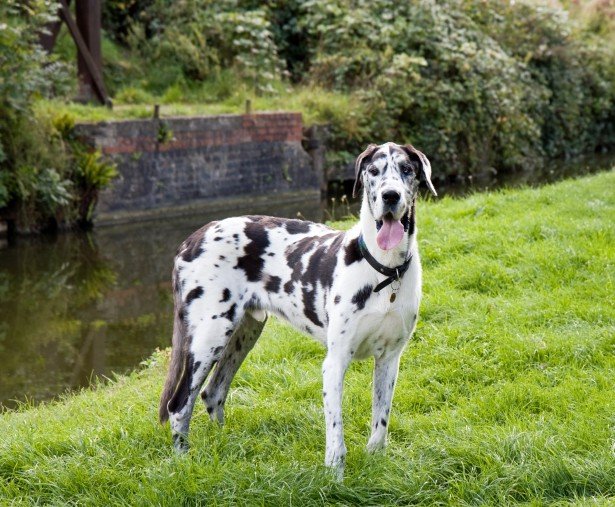
The Great Dane is an impressive dog, primarily due to its imposing size, alertness and gentle yet protective nature. Despite their friendly demeanor, Great Danes possess a natural instinct to protect their families and territory. Their towering presence often serves as a strong deterrent to potential intruders, as their mere size can instill fear. Beyond their physical appearance, Great Danes are highly observant and aware of their surroundings, quickly alerting their owners to any unusual activity.
The Great Dane’s imposing size and commanding bark may seem intimidating, but beneath their exterior most likely lies a gentle and affectionate companion, perfect for family life. What a perfect combination for a family guard dog: a pooch that looks and sounds formidable (and probably won’t actually bite or attack an intruder) but is all about cuddles! When someone’s literally the size of a small horse, they don’t need to bark constantly to command respect – their presence alone does all the talking necessary.
Shar Pei – The Wrinkled Sentinel
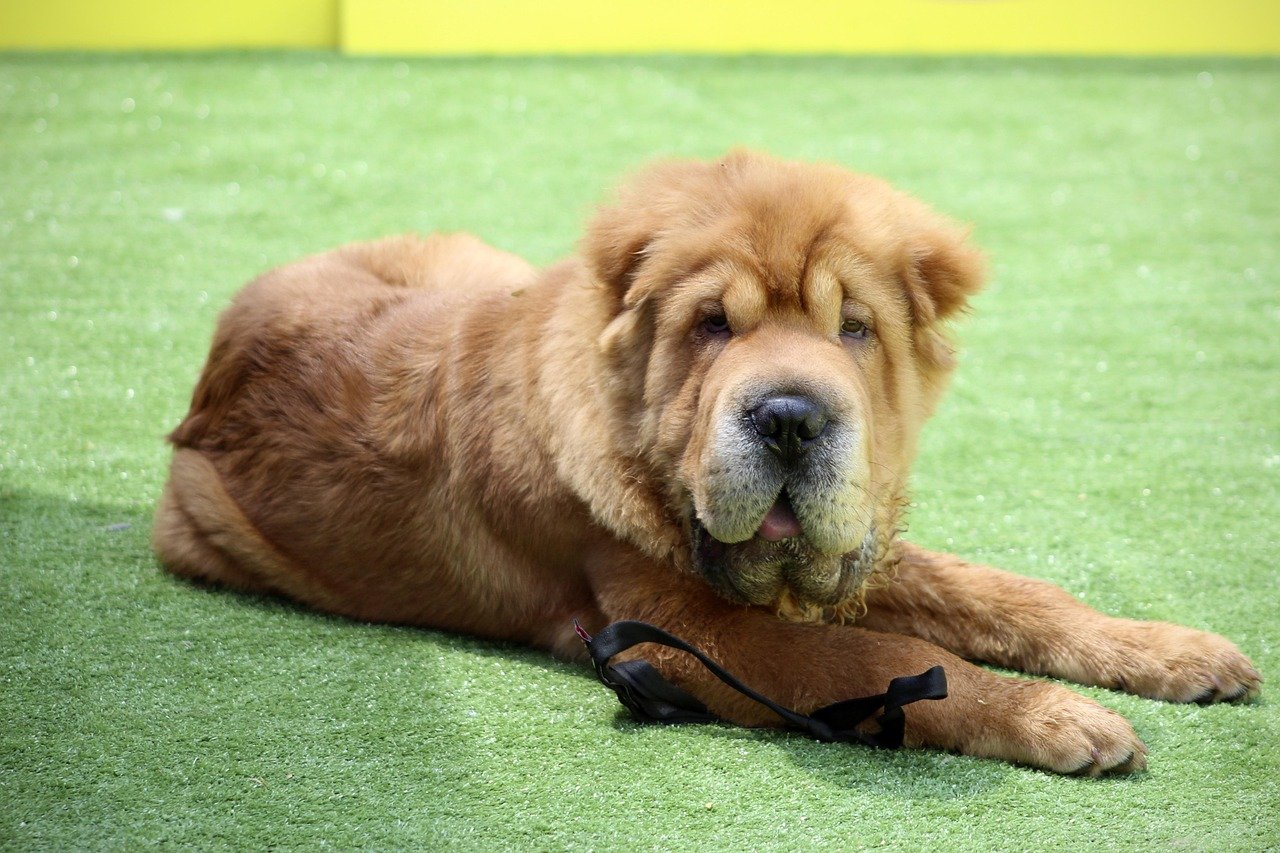
Unlike Irish Setters, Shar Peis do make good watch dogs. According to Canine Chronicle, they rarely bark unless there’s a problem nearby. When you hear a barking Shar Pei, that may mean something is wrong. These uniquely wrinkled dogs were originally bred as palace guards in ancient China, and they take that heritage seriously. Their calm, dignified demeanor masks an alert mind that’s constantly assessing their surroundings.
Shar Pei pups are generally quiet, calm and independent. Likely to raise their voices only when truly alarmed, they spend a lot of their time chilling out at home. They originated as guard dogs in China, but it’s likely their very (quiet) presence that made intruders think twice about trying to enter the palace unbidden! Think of them as the wise old guards who’ve seen it all – they won’t waste their energy on false alarms, but when they do speak up, you’d better listen.
Newfoundland – The Gentle Water Bear

The ever-sweet-natured Newfoundland – of Newfie, as they’re fondly called – has a lot to offer as a family dog. Newfoundlands are super affectionate, calm, do great with kids, and aren’t unnecessarily noisy. Generally, the Newfie isn’t a certified barker; they mostly let out a woof when there’s a good reason. These massive, fluffy teddy bears were originally bred to work alongside fishermen, so they understand the value of staying calm under pressure.
Newfies are furbulous family dogs, and while they’ll alert and defend their humans if there’s a threat, they’re not prone to barking from boredom or random sounds in the house. These are self-contained cuddle-pups whose docile, taciturn personalities make them ideal for homes where frequent barking would be disruptive. Their protective instincts are as strong as their swimming abilities – they’ll watch over your family with the same dedication they once showed rescuing sailors from stormy seas.
Australian Shepherd – The Thoughtful Herder

Active and sharp as a tack, Aussies as a breed actually developed mostly in the U.S., despite their name. The herders will alert their owners when they think something requires their attention (or someone’s getting out of line), but they’re unlikely to start barking up a storm at nothing in particular. These intelligent working dogs have an incredible ability to read situations and people – a skill that was essential when they were managing livestock on vast ranches.
This breed’s guarding instinct comes from watching over livestock where they developed a keen sense of responsibility and alertness. Their awareness of their surroundings allows them to quickly detect anything unusual, making them excellent watchdogs. Aussies are one of the smartest breeds, highly trainable and eager to please. Their playful and watchful nature means they interact well with children, providing both companionship and protection, making them one of the best guard dogs for families. They’re like having a brilliant ranch foreman who knows exactly when something’s worth worrying about.
The Art of Silent Protection
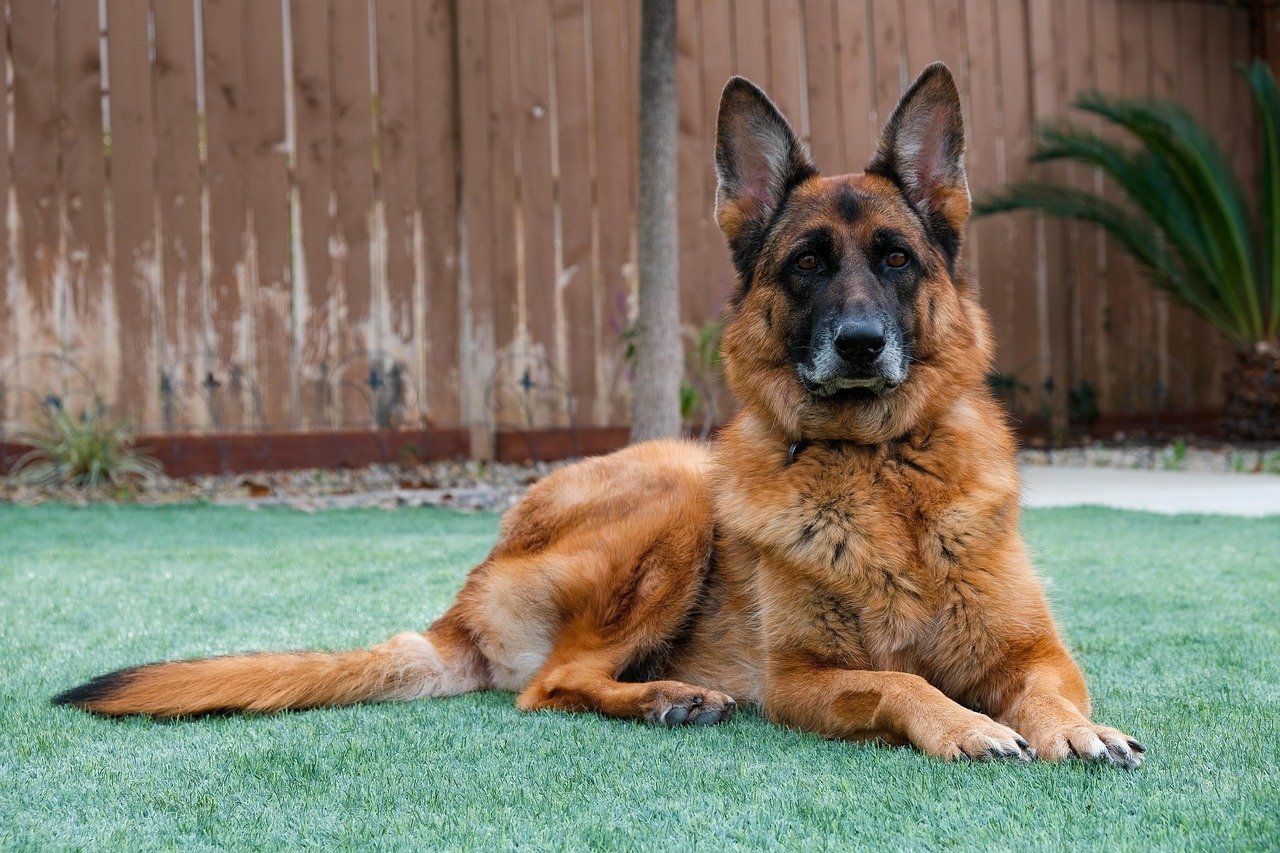
The beauty of these quiet guardians lies not in what they don’t do, but in how perfectly they balance protection with peace. A guard dog doesn’t need to be loud to be effective. While many people associate protection dogs with constant barking, some of the best guard dogs are quiet and composed. They use their presence, size, and instincts rather than excessive noise to deter threats. These breeds prove that true confidence doesn’t need to announce itself with constant noise.
In reality, the very same traits that make these breeds the best protectors also make them incredible family pets: fierce loyalty to the people they’ve adopted as their “pack,” the intelligence to make them trainable to respond to actual threats and a lovable streak a mile wide. According to the American Kennel Club, the best guard dogs are devoted, brave and know when it’s time to fight off an intruder – but that doesn’t mean they’ll be vicious animals.
Living with a quiet watchdog means enjoying the best of both worlds – you get a devoted companion who’ll keep your family safe without driving your neighbors crazy or interrupting your peaceful evenings. These remarkable breeds show us that sometimes the most powerful protection comes from those who choose their moments wisely, speak softly, and carry themselves with quiet dignity. Isn’t that exactly the kind of guardian you’d want watching over the people you love most?


