
Ever catch your dog giving you that sideways look when you think you’re being extra loving? Or notice them suddenly becoming distant when you thought you were having a perfect moment together? Here’s the thing that might surprise you: our beloved pups don’t always appreciate what we think are loving gestures, and sometimes we’re accidentally stressing them out without even knowing it. But don’t worry – understanding what makes your dog tick isn’t rocket science, and there are simple ways to turn those awkward moments into beautiful bonding opportunities.
Hugging Too Tight – Your Dog’s Silent Stress Signal
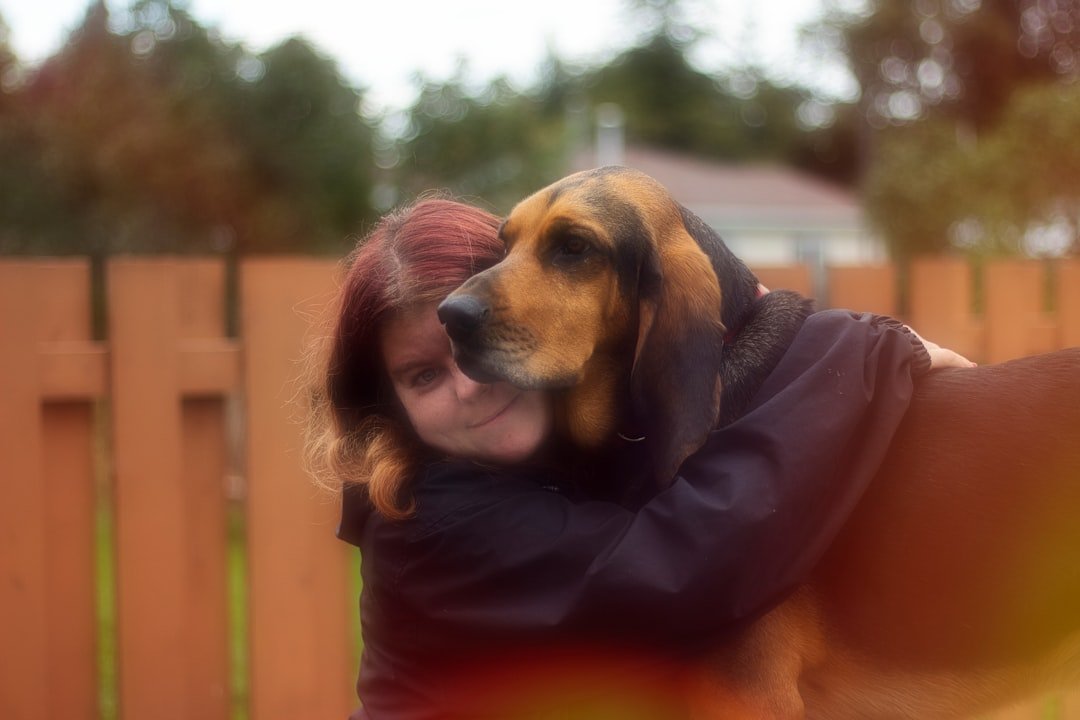
That warm, squeezy hug you love giving your furry best friend? Many dogs get annoyed at tight hugging, especially from strangers or children. Unlike primates, canines have no history of grasping each other to show affection. Think about it from their perspective – being trapped in someone’s arms triggers their flight instincts, even when it comes from you.
When a dog puts its paws or body onto another dog, it is usually an attempt at domination or control. So when we wrap our arms around them, they might interpret it as a power move rather than love. Watch for subtle signs like lip licking, yawning, or trying to wiggle away – these are your dog’s polite way of saying “thanks, but no thanks.”
The Dreaded Stare Down
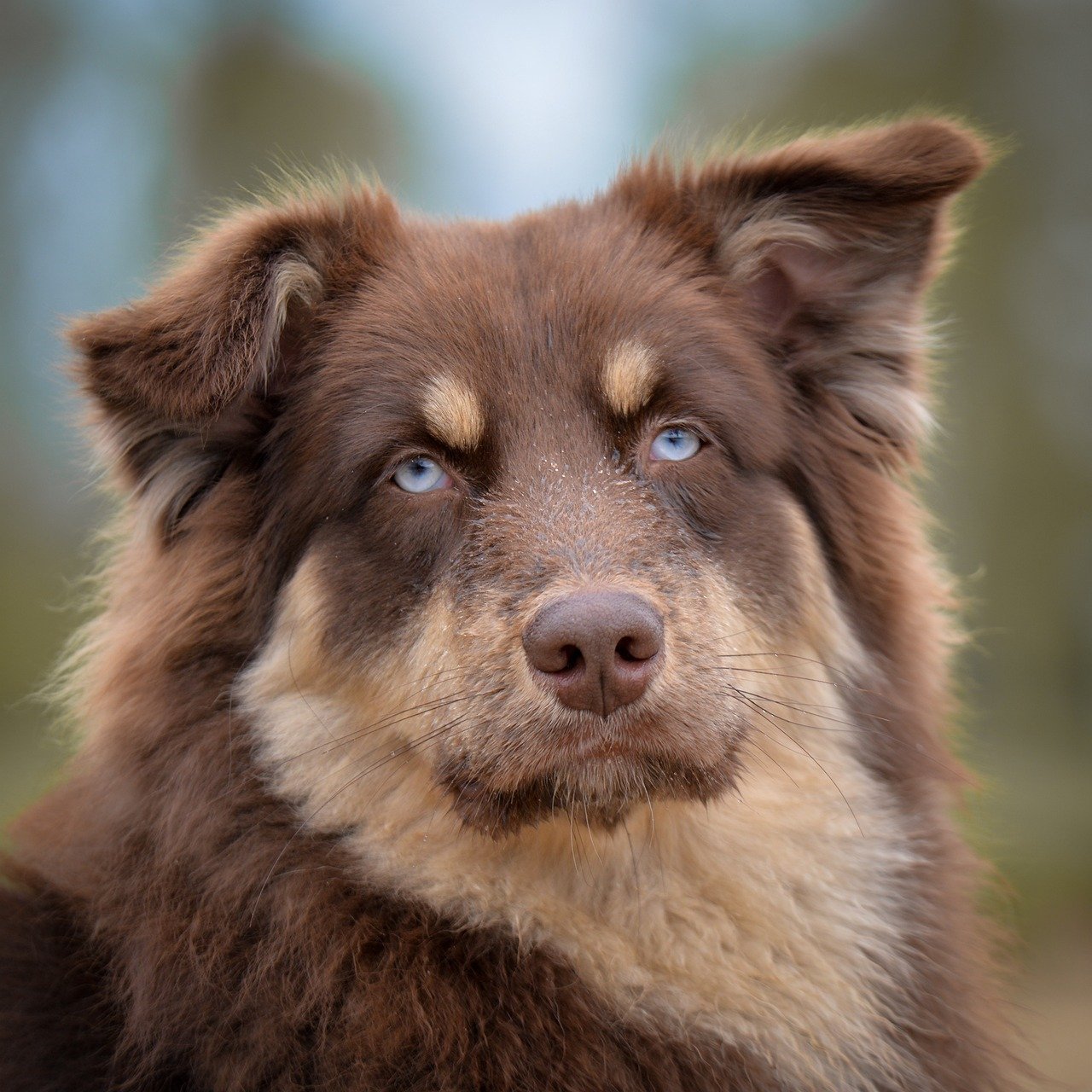
Extended eye-contact or staring is the quickest way to annoy dogs. This is because, to them, staring means you’re challenging them. While you might think you’re sharing a loving moment, your dog could be feeling threatened or uncomfortable.
This becomes especially important when meeting new dogs. The stare is the second threat, only to be topped by the outstretched hand reaching into their space, begging for a nip. Instead of direct eye contact, try soft, brief glances that show you’re paying attention without being confrontational.
Yelling When Things Go Wrong
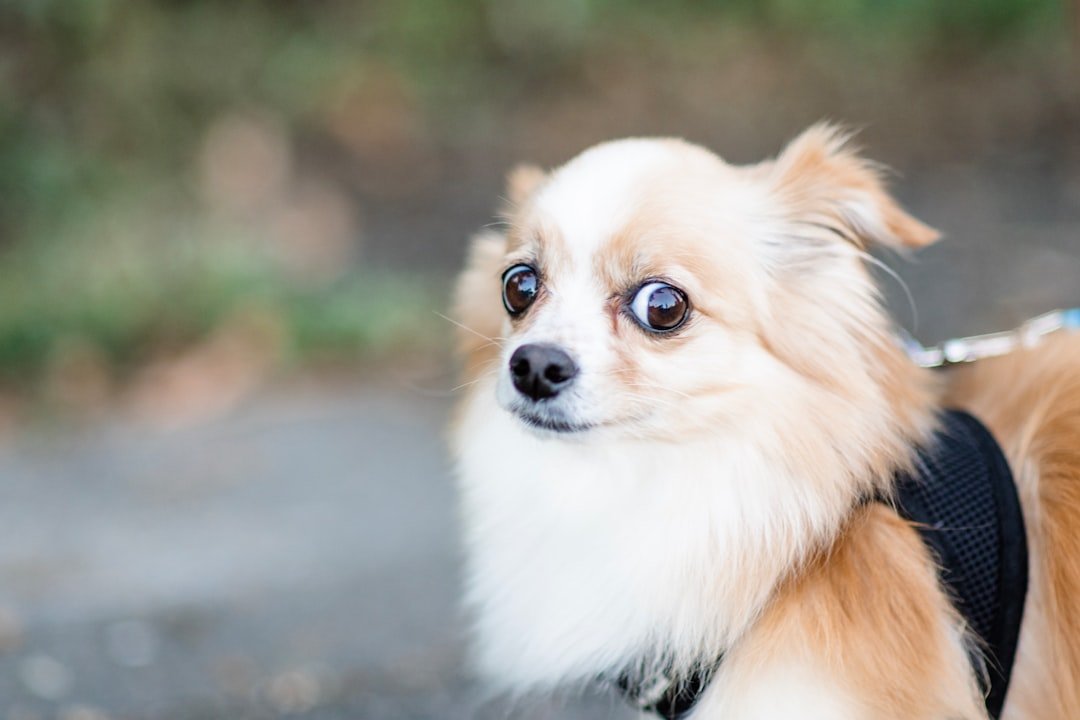
Yelling is interpreted by your dog as angry barking, which to her means trouble. As a training technique, it works poorly to shut down bad behaviours and only serves to scare, confuse or agitate. When you raise your voice, you’re essentially barking back at them in their language – but not in a good way.
Instead of volume, focus on tone. A deep tone to your voice means, “Hey, I’d like your attention,” while a lighthearted tone means “Good job!” or “Let’s play.” By adjusting vocal tone instead of volume, you’ll get your dog’s attention without annoying or scaring her.
Inconsistent Rules Drive Them Crazy

The best thing you can do for your dog is set clear rules and follow them consistently. Dogs don’t understand exceptions. Allowing them on the couch only when guests aren’t around, for instance, will just confuse and stress your dog. Imagine if your boss changed the rules every day – you’d be stressed too!
Dogs thrive on predictability because it makes them feel safe. Feeding and elimination schedules, walks, playtime – your dog engrains these into her brain and expects them to happen each day without much variation. If you randomly change her dinner time, take her out later than usual, or even leave or arrive unpredictably, it can stress your dog and result in behavioural problems.
Forcing Them into Overwhelming Situations
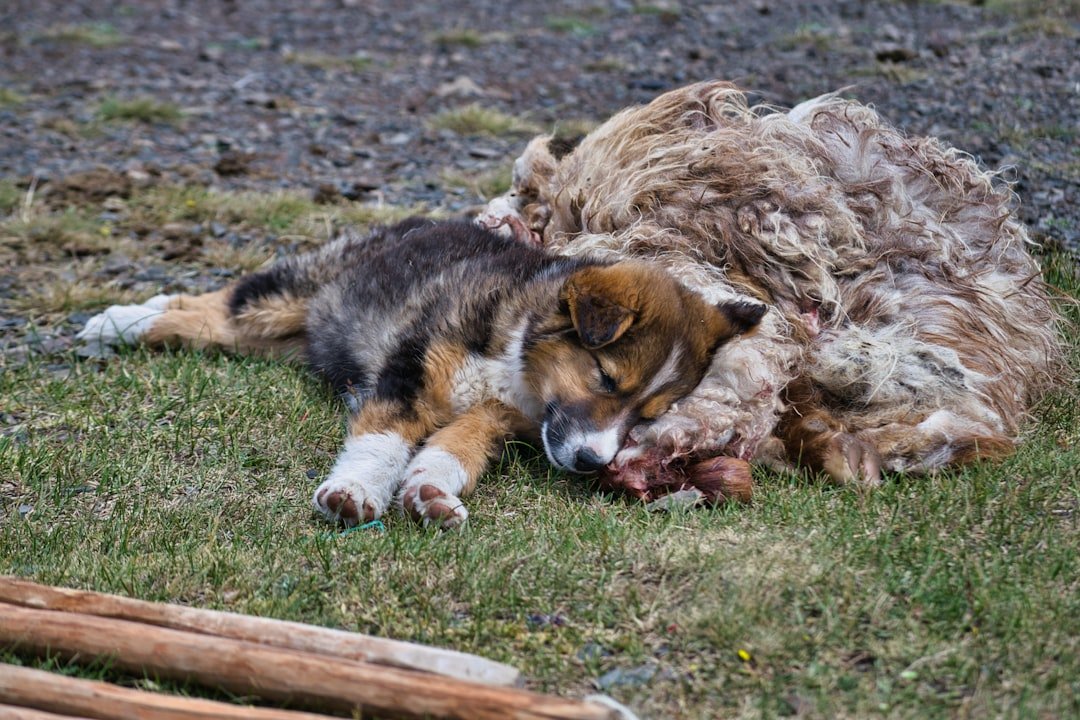
Many dogs get annoyed or defensive when thrown into a park filled with too many strange dogs. Think about suddenly being thrown into an elevator with twenty clowns and you’ll get the idea. Sometimes our enthusiasm to socialize our dogs can backfire if we push too hard, too fast.
Repeatedly exposing dogs to situations that have sparked fearful or aggressive reactions in the past is not ideal. “Often, this worsens their fear, anxiety or stress.” Instead, she recommends a more gradual and systematic approach; build up exposure gradually to avoid a fearful response.
Daily Praise for the Little Things
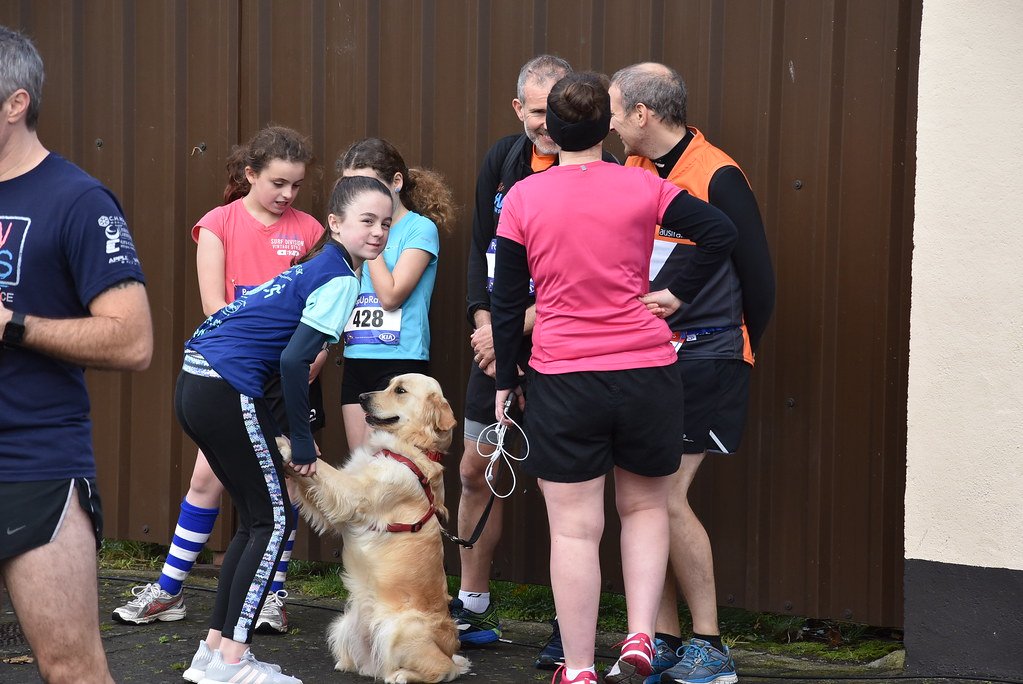
Praising your dog is a super easy way to let him know that you appreciate his good behavior, which will encourage him to continue making the right decisions. There are endless daily opportunities to give your dog positive feedback. You can praise him for pottying in the right spot, for checking in with you at the dog park, for walking politely next to you, for not barking at the neighbor dog, and for waiting calmly as you fill his food bowl.
The magic isn’t in grand gestures – it’s in noticing the everyday moments. The praise doesn’t have to be over-the-top – a simple “Nice work, good pup!” coupled with a smile is enough to mark the moment. This builds their confidence while strengthening your connection.
Playing Together Like Best Friends
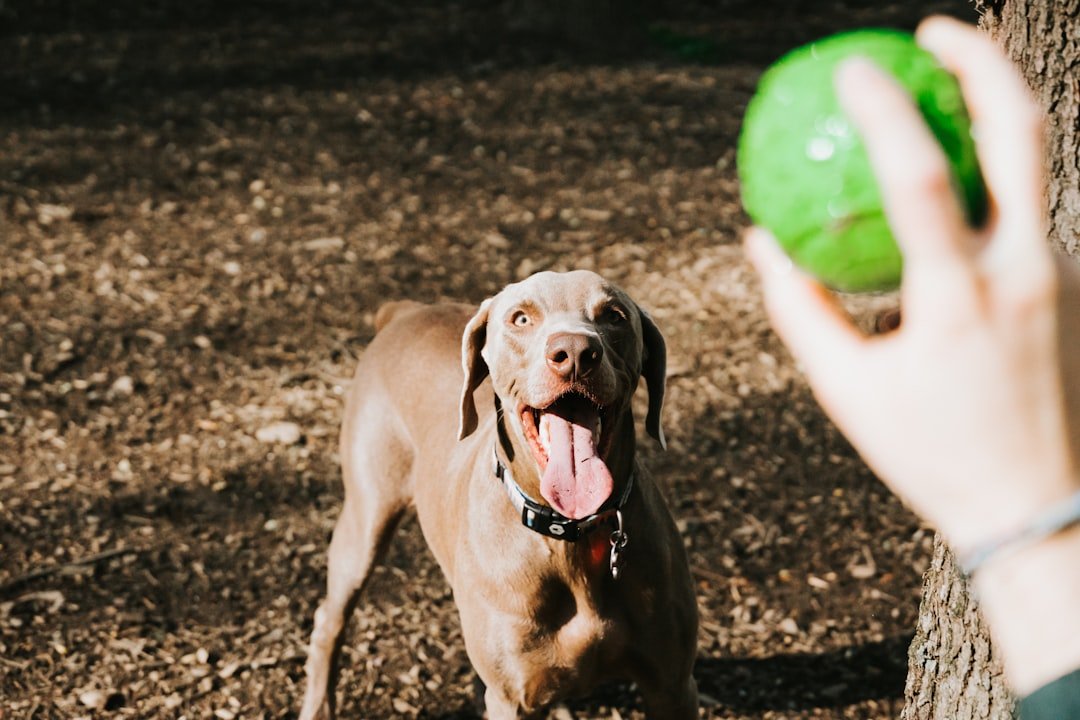
Playing with your dog is about more than just tiring him out. Surrendering to the game and playing with your dog with puppy-like enthusiasm is an excellent way to speed the bonding process and reinforce the idea that you bring the fun. When you get down on the floor and engage in genuine play, you’re speaking their language fluently.
The core of bond-building play is committing to it with joy and focus, so put your cell phone away and get into the game! Whether it’s tug-of-war, fetch, or hide-and-seek, your full attention during playtime tells your dog they’re worth your time and energy.
Gentle Touch That Builds Trust
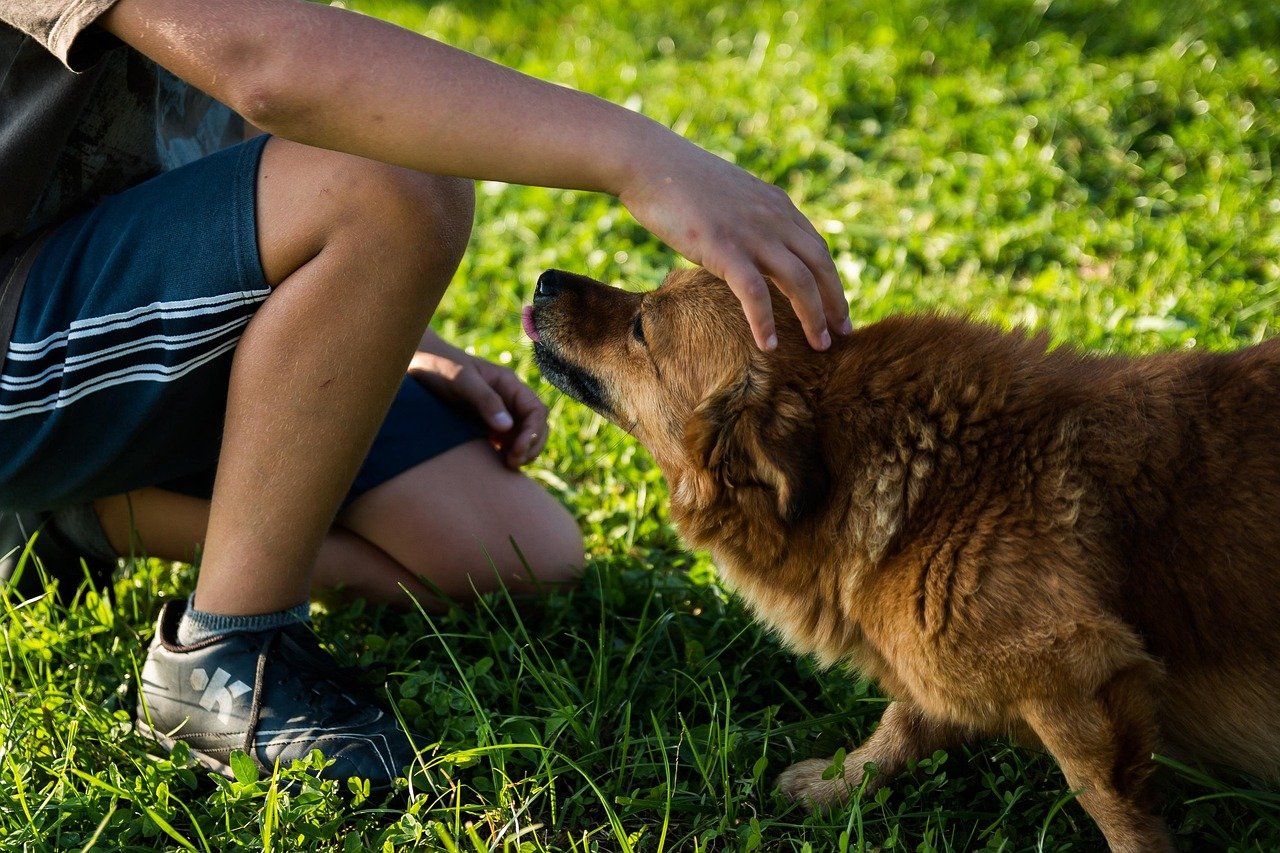
Regular brushing, gentle petting, or massage not only keeps your dog healthy, but it also reinforces your bond. Touch builds trust and comfort, especially when it’s paired with positive experiences. Unlike tight hugs, consensual physical contact creates positive associations.
Take time to learn how your dog likes to be handled. Some love belly rubs, while others prefer ear scratches or just being near you. Pay attention to their body language – a relaxed dog will lean into your touch, while a stressed one will pull away or tense up.
Reward-Based Training Sessions
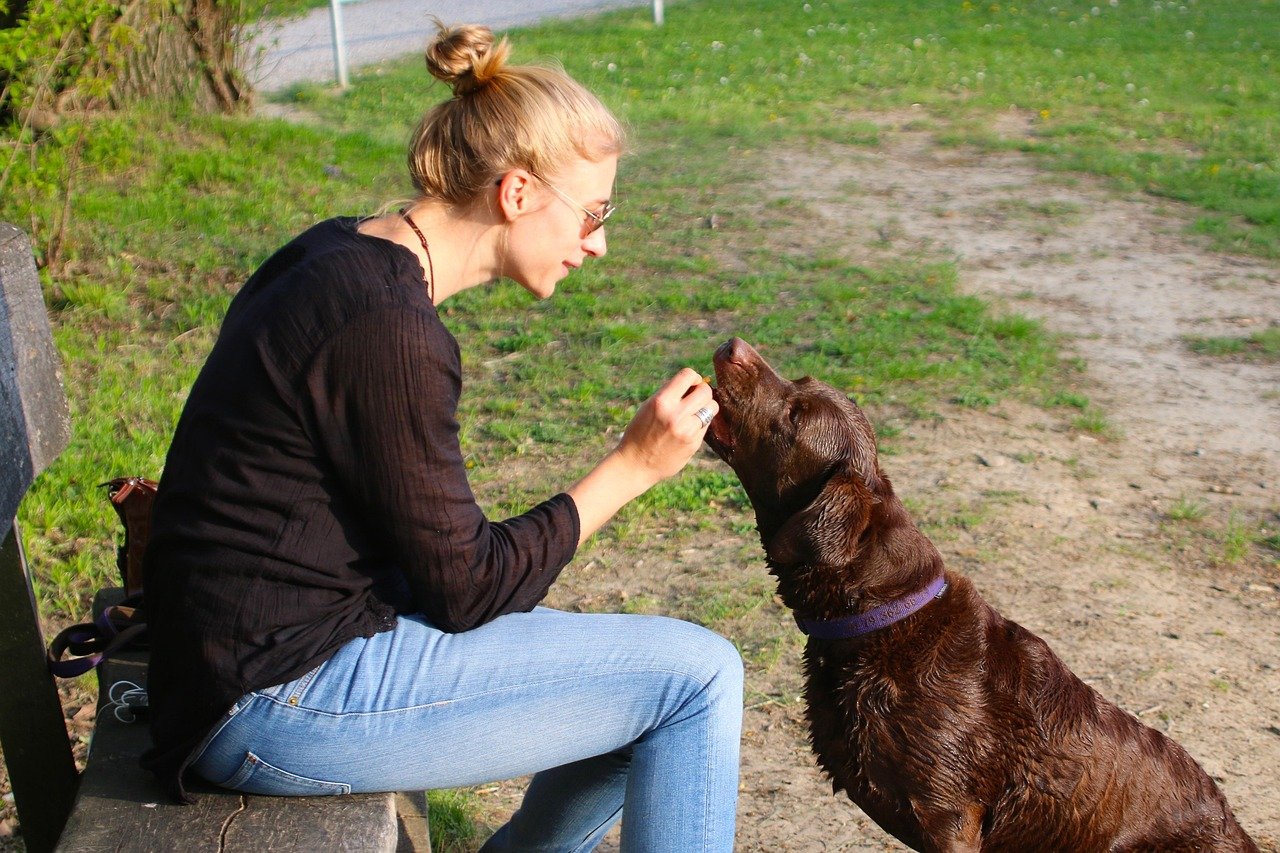
One of the most effective ways to train your dog is through positive reinforcement. Positive reinforcement means rewarding your dog for good behavior with treats, praise, and playtime. This method of training can be more effective than negative stimulus-based training, and can also help build a stronger bond between you and your dog.
Positive dog training teaches commands and strengthens the bond between you and your dog. When your dog associates learning with positive experiences and rewards, they see you as a source of joy and security. Training becomes quality time rather than a chore.
Creating Predictable Routines
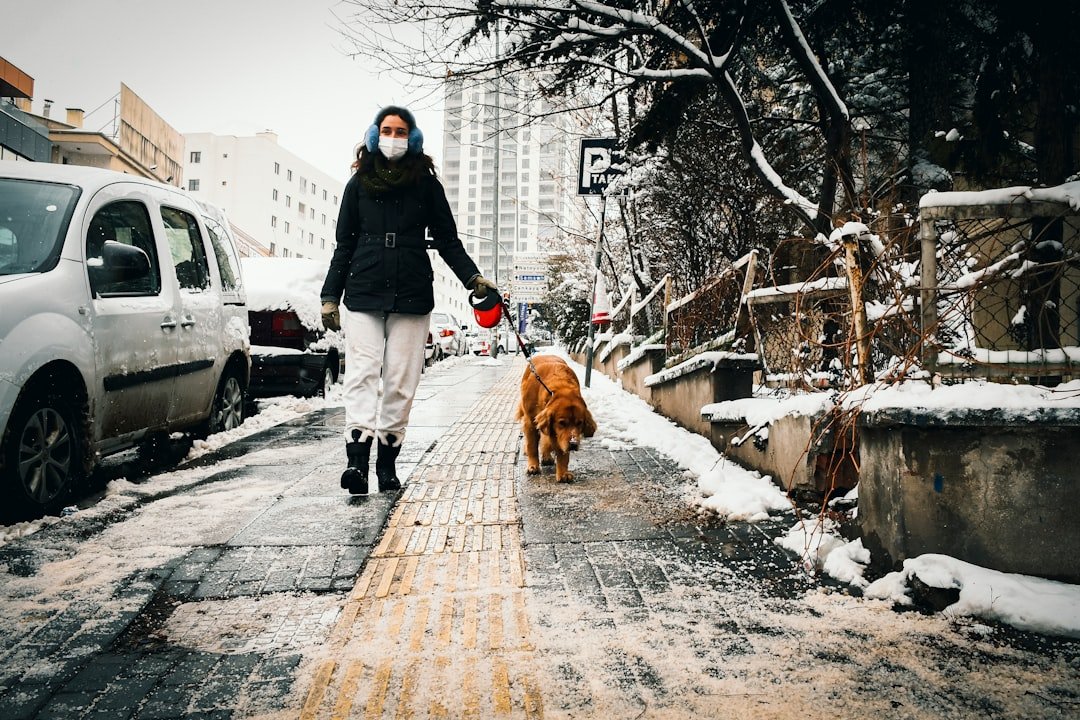
Dogs thrive on routine. Predictable mealtimes, walks, play, and rest help your dog feel safe and secure, especially if they’re new to your home. When your dog knows what to expect, they can relax and enjoy each moment instead of worrying about what comes next.
Dogs thrive on routine and predictability, so it’s important to be consistent in your training methods and expectations. For example, if you want your dog to sit before getting their food, make sure you ask them to sit every time before giving them their meal. This consistent routine helps your dog understand what is expected of them and reinforces good behavior.
Building a stronger bond with your dog isn’t about perfection – it’s about understanding their perspective and making small adjustments to how you interact. Every dog is unique, so what works for your neighbor’s Golden Retriever might not work for your anxious rescue or your independent terrier. The key is staying observant, being patient, and remembering that the strongest relationships are built on mutual respect and clear communication.
Your dog isn’t trying to be difficult when they pull away from a hug or seem stressed by your enthusiasm. They’re just being honest about their needs, and that honesty is actually a gift. When you learn to read their signals and respond accordingly, you’re not just becoming a better dog parent – you’re becoming a trusted partner. What small change will you try first with your furry friend?


