
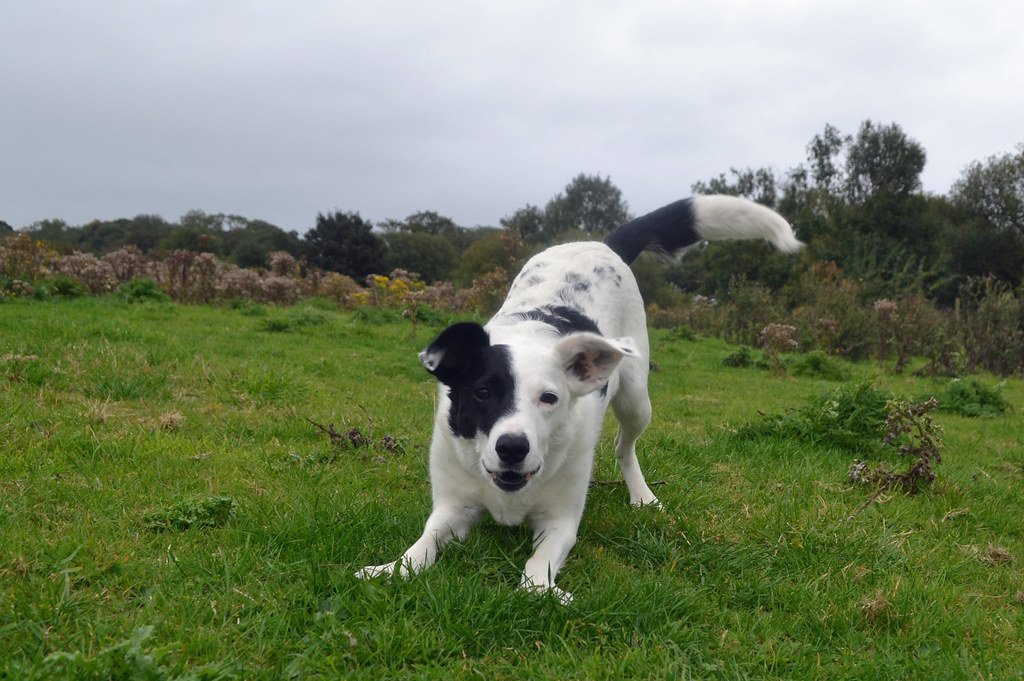
Have you ever wondered what goes through your dog’s mind when their tail starts wagging furiously as you walk through the door? That familiar sight that melts hearts around the world turns out to be far more complex than most people realize. While we’ve all grown up believing that a wagging tail simply means a happy dog, recent scientific research suggests there’s an intricate communication system happening right before our eyes.
The Myth of the Happy Tail Wag
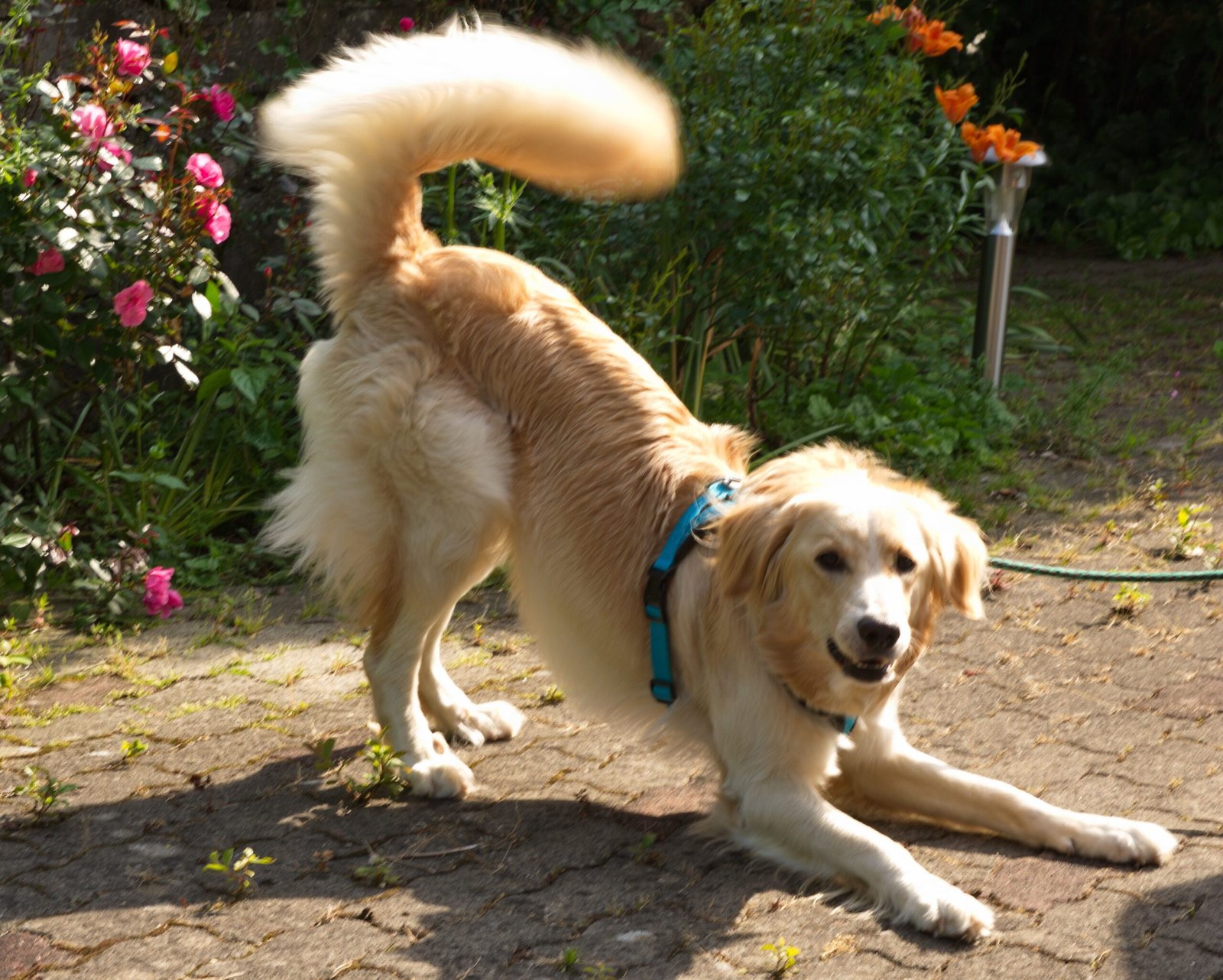
The idea that tail wagging equals happiness might be one of the biggest misconceptions about our canine companions. Scientists now understand that “people think wagging tail equals happy dog,” but “it’s actually a lot more complicated than that,” according to canine cognition expert Emily Bray at the University of Arizona.
Tail-wagging is “clearly a communication mechanism,” explains animal behaviorist Nicholas Dodman. Dogs use their tails to convey everything from excitement and curiosity to uncertainty and submission. Think of it like human facial expressions – a smile can mean joy, nervousness, or even sarcasm depending on the context.
Decoding the Different Types of Wags

When the tail wags more to the right, it typically means the dog is interested in a stimulus or wants to approach something. But when it wags more to the left, it signals uncertainty or wanting to withdraw. This fascinating discovery reveals that dogs have developed a sophisticated directional communication system.
When wagged low and near the legs, it’s a sign of submission or insecurity. Meanwhile, dogs can also have “helicopter tail,” or “circle wag,” which is when their tail goes around like a helicopter blade – a sign of extreme joy. Just like humans use different tones of voice, dogs have developed various tail positions and movements to express their emotional states.
Dogs Wag More Than Their Wild Relatives

When compared to their nearest neighbors, the wolves, dogs wag their tails significantly more often, and from a much earlier age. This difference becomes even more striking when researchers examined multiple species. Research comparing multiple species suggests that the domestic dog may be among the species that wags its tail most frequently.
This behavioral shift didn’t happen by accident. This suggests that their wagging behavior evolved in line with their domestication by humans, which lends support to the theory that tail wagging may have arisen to allow these animals to communicate with their human masters. It’s like dogs developed their own version of human-friendly body language over thousands of years of living alongside us.
The Science Behind Domestication and Tail Wagging
Scientists have proposed two fascinating theories about how dogs became such prolific tail-waggers. The authors suggest that tail wagging may have arisen as a by-product of another selected trait, like tameness or friendliness. This is called the domestication syndrome hypothesis – where selecting for one trait accidentally brings along other connected characteristics.
The second theory is even more intriguing. The “domesticated rhythmic wagging” hypothesis suggests that humans consciously or unconsciously selected for tail-wagging during domestication, because they are drawn to rhythmic stimuli. Perhaps our brains are naturally wired to respond positively to rhythmic movements, making us favor dogs who wagged their tails more frequently.
The Stress Connection Isn’t What You’d Expect
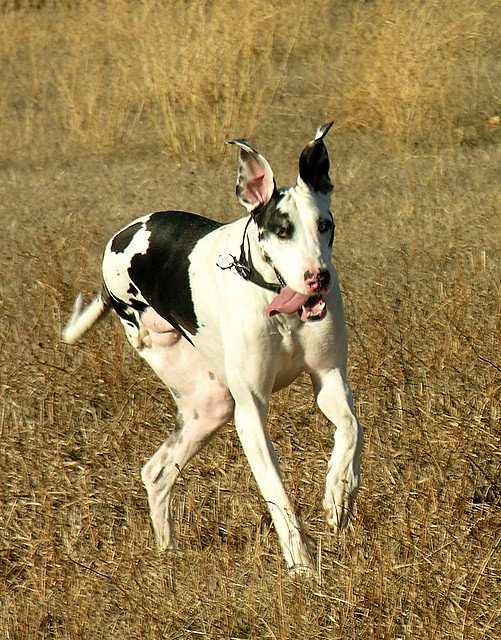
Here’s where things get really interesting – and potentially challenging to our assumptions. A lot of people have the idea that tail wagging is happy, so you’d expect that if a dog’s wagging its tail, it wouldn’t have very high levels of cortisol – the main stress hormone in mammals. But one major takeaway from reviewing the research is that the links just aren’t as clear.
They cited indirect evidence linking oxytocin, the “love” hormone, and tail wagging, especially when dogs are reunited with their owners. However, the relationship between emotions and tail wagging varies significantly based on individual dogs’ personalities and life experiences, making it much more nuanced than a simple happiness meter.
The Future of Tail-Wagging Research

Understanding why dogs wag their tails isn’t just academic curiosity – it has real-world implications for how we care for our four-legged friends. Understanding why dogs wag their tails is important partly from an animal welfare perspective, as it could help dog owners read their pups’ cues better.
The research also opens up fascinating questions about our own evolution as humans. A more systematic and thorough investigation of tail wagging will not only better map this iconic dog behavioural display, but also provide indirect evidence into the evolution of human traits, such as the perception and production of rhythmic stimuli. It’s remarkable to think that studying something as simple as a wagging tail could help us understand both canine communication and human psychology.
As we continue to unravel the mysteries behind this beloved behavior, one thing becomes clear: the relationship between humans and dogs is far more sophisticated than we ever imagined. The next time your dog greets you with that familiar tail wag, take a moment to appreciate the thousands of years of evolution and co-development that created this perfect moment of interspecies communication. Who would have thought something so simple could be so wonderfully complex?


