
Ever wonder why your petite Chihuahua might outlive your gentle Great Dane by nearly a decade? Or notice how your golden retriever seems to gray around the muzzle years before their small terrier friend shows any signs of aging? The truth is, your dog’s aging journey isn’t just about genetics or luck – it’s deeply connected to their size and even the shape of their adorable face.
Smaller dogs can live up to twice as long as their larger counterparts, yet this longevity comes with its own unique aging patterns that might surprise you. Meanwhile, a medium-sized, flat-face male dog, like an English bulldog, is nearly three times more likely to live a shorter life than a small-size, long-face female like a miniature dachshund. Your pup’s aging story is written not just in their DNA, but in their very physical form.
The Size Paradox That Changes Everything
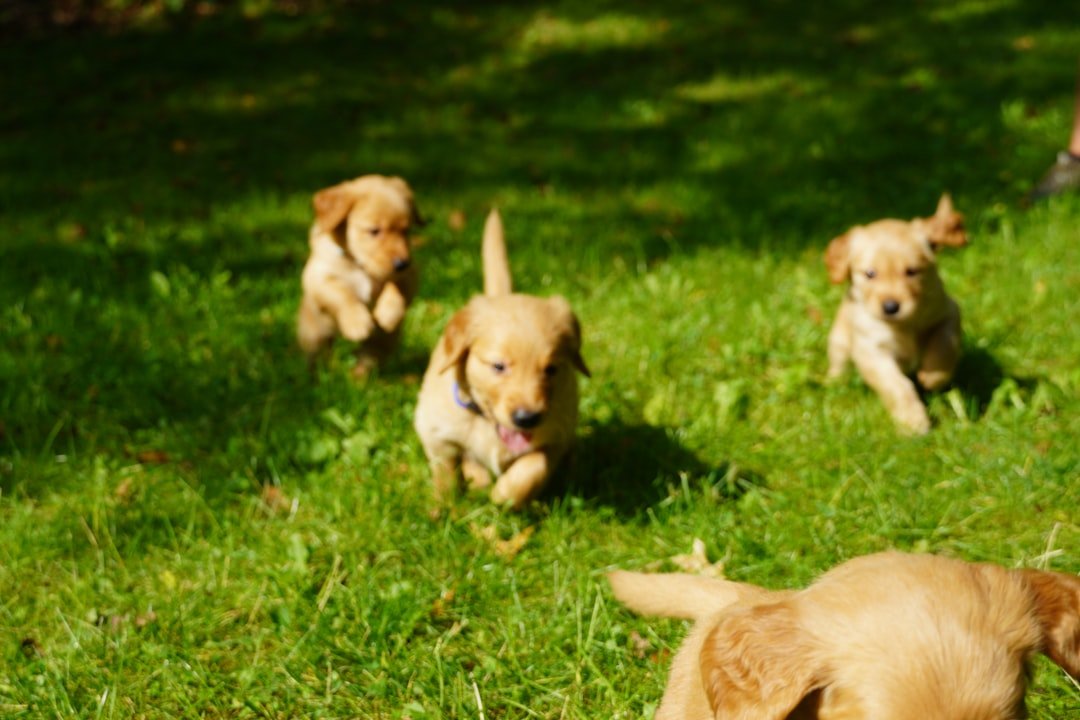
Here’s something that might blow your mind – smaller dogs may live twice as long life as their larger counterparts, with giant breeds typically living 8-10 years and small dogs 12-16 years. But there’s a catch that most dog parents don’t see coming.
While your tiny terrier might celebrate more birthdays, this longevity is accompanied by an increased rate of canine cognitive dysfunction, with the smallest size group showing higher rates of canine cognitive dysfunction than larger dogs. Think of it like this: small dogs are the marathon runners of the dog world, going the distance but potentially facing more mental challenges along the way.
When Aging Actually Begins (It’s Not What You Think)

Behavioral and cognitive aging in dogs typically begin around 7-10 years of age depending on size, but the onset of aging, as well as the aging rate depend on the body size of the dogs. Here’s where it gets really interesting – larger dogs experience an earlier onset of age-related decline (at around seven-eight years of age versus ten-eleven years in smaller dogs), but also a slower decline rate compared to smaller dogs.
Picture this: while your German Shepherd might start showing subtle signs of aging around seven, they’ll progress through those changes more gradually than your Jack Russell, who might seem perfectly youthful until ten but then age more rapidly. Owners started to consider their dogs “old” around the age of six, regardless of the size of the dog, which is four to five years earlier than would be expected from behavioral data.
The Sweet Spot Every Dog Owner Should Know

Ready for some genuinely good news? There’s actually an ideal size range that offers the best of both worlds. For owners who want a dog that avoids both severe mental health problems and early physical decline, experts recommend a dog from the 14 to 66 pounds size range, as these dogs have a longer healthspan relative to their expected lifespan than both their smaller and larger counterparts.
This means dogs like Cocker Spaniels, Border Collies, and Australian Cattle Dogs might just hit that perfect balance – living long enough to be your companion for many years while maintaining their cognitive sharpness and physical vitality longer than their tiny or giant friends.
Head Shape Tells a Surprising Story

Your dog’s skull shape isn’t just about looks – it’s a crystal ball for their aging journey. Smaller, longer-nosed dogs such as Shetland sheepdogs or whippets had the longest life expectancy, with a median of 13.3 years, while medium-sized dogs with a crumpled mug such as bulldogs had a median life expectancy of 9.6 years for females and only 9.1 years for males.
Long-nosed (dolichocephalic) dogs, such as greyhounds, and purebreds have a higher risk of developing cognitive decline in old age compared to meso- and brachycephalic dogs and mixed-breeds. Ironically, those elegant long noses that help with scent detection might come with a trade-off in cognitive aging – though scientists are still piecing together exactly why this happens.
The Large Dog Aging Reality
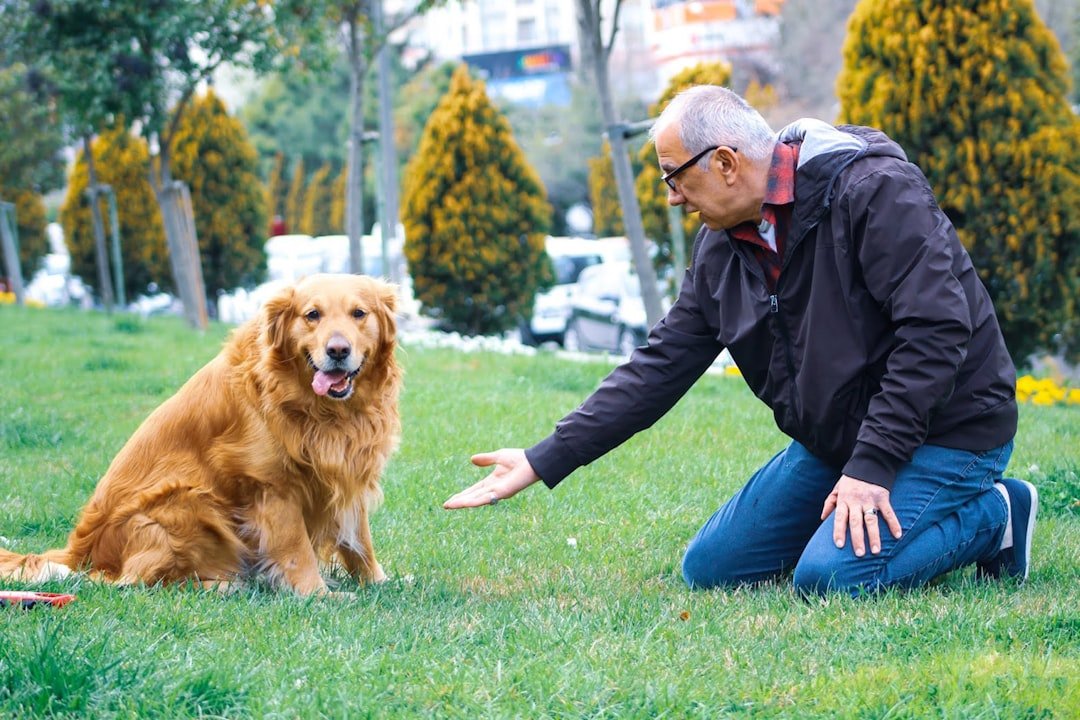
Dogs weighing over 30 kg (66 pounds) exhibited an earlier onset of decline by 2–3 years and a slower rate of decline compared to smaller dogs, probably as a byproduct of their faster age-related physical decline. It’s like watching a gentle giant slowly wind down rather than experiencing the rapid changes smaller dogs might face.
But here’s what’s heartbreaking and hopeful at the same time: large and giant breeds are more predisposed to arthritis, and very large dogs have an increased risk of bloat – a risk that increases as they age. Yet these magnificent dogs often maintain their loving, gentle personalities throughout their shorter but meaningful lives, making every moment with them precious.
Small Dog Aging Challenges Nobody Talks About

While everyone celebrates small dogs for their longevity, as these long-life dogs age, they are more prone to liver, kidney, adrenal disease, as well as degenerative heart disease and pancreatitis, and small dogs are also very prone to dental disease, which can complicate these other illnesses. Your tiny companion might seem invincible, but their small organs work overtime throughout their extended lives.
Smaller dogs are more likely to experience respiratory issues, liver or pancreas diseases, and ocular and cardiac issues. Think of it as the price of longevity – more years mean more opportunities for these systems to show wear and tear, requiring attentive care and regular vet visits to catch issues early.
What This Means for Your Daily Life
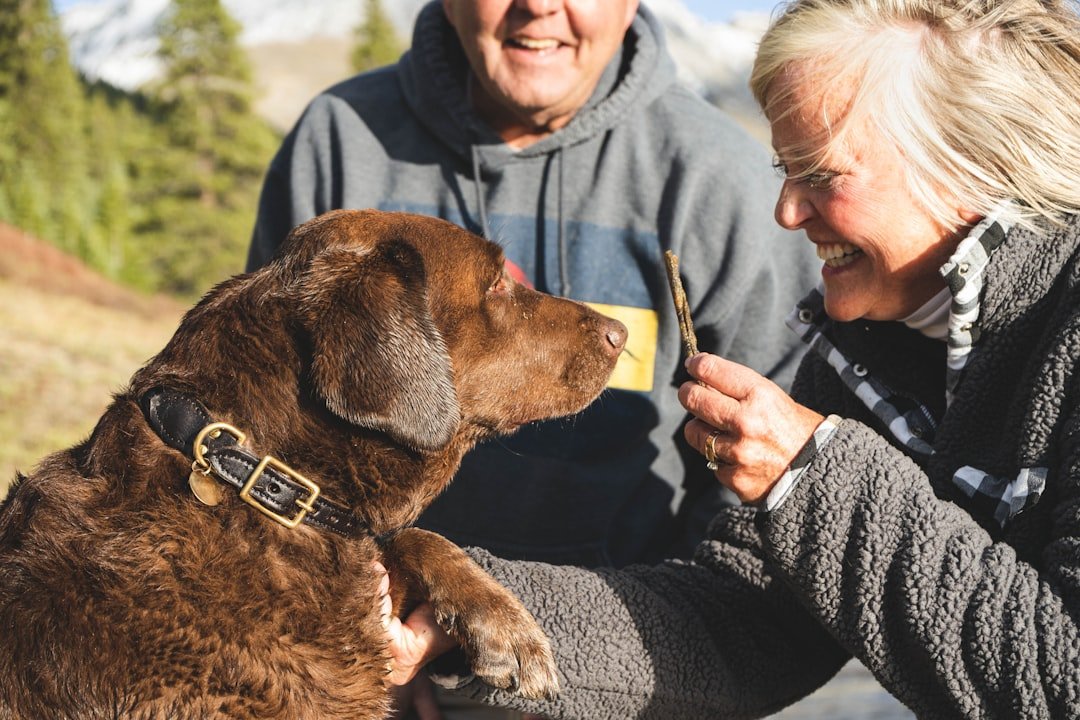
Understanding your dog’s aging trajectory changes everything about how you care for them. Watch out for physical and mental signs of aging in your small dog around age 7 or 8, and in your large dog around 5 or 6 years old. This isn’t about dreading the future – it’s about being the most informed, loving parent you can be.
Your Great Pyrenees might need joint supplements and gentler exercise by age six, while your Pomeranian might benefit from cognitive enrichment activities and regular dental care starting around eight. The key is matching your care to your dog’s unique aging pattern, not treating all dogs the same way regardless of their size and shape.
The Science Behind the Aging Differences
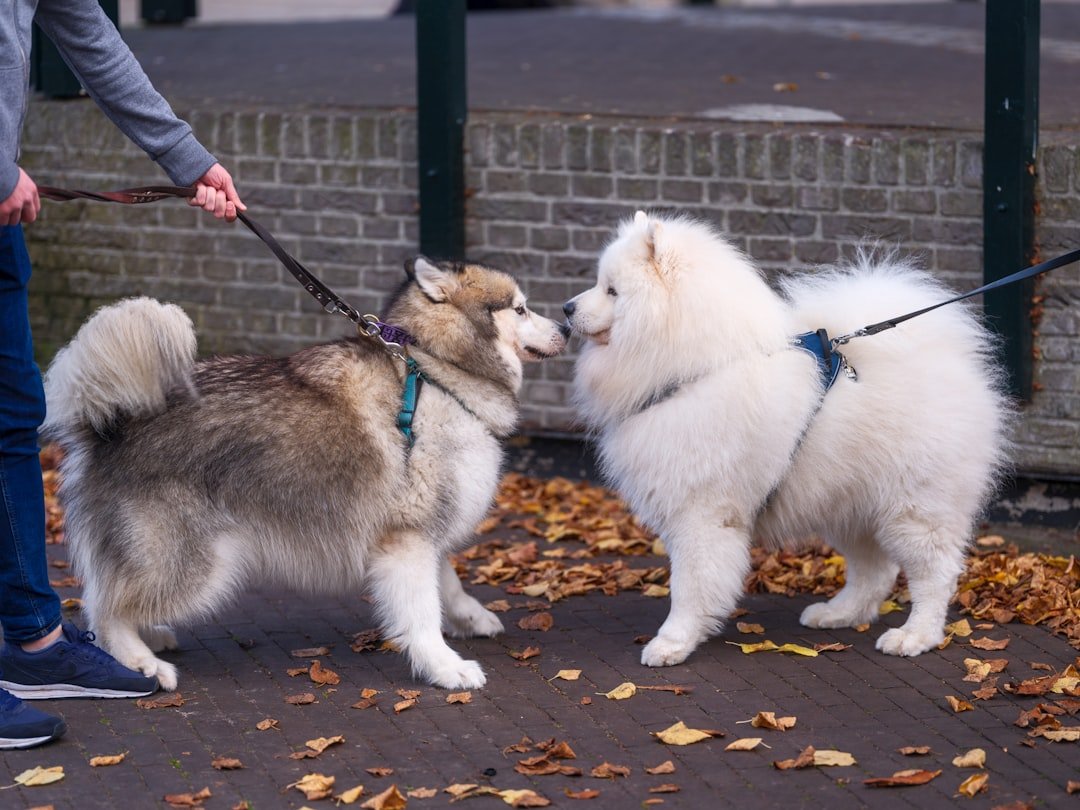
Smaller dogs have a higher mass-specific metabolic rate, which means they burn energy more efficiently and experience slower cellular growth, and thus, a slower aging process, while larger dogs have a lower metabolic rate, which can lead to faster aging and a shorter lifespan. It’s like comparing a hummingbird’s rapid heartbeat to an elephant’s slower rhythm – different metabolic strategies for different body sizes.
Oxidative DNA damage measured in puppies was found to be higher in larger dog breeds with shorter lifespans than in smaller breed dogs with longer life spans, suggesting that DNA repair mechanisms fail earlier in larger breed dogs so that more DNA damage is accumulated sooner in these breeds leading to reduced longevity. This cellular reality shapes everything from when your dog might develop gray whiskers to how their organs age over time.
Conclusion: Embracing Your Dog’s Unique Journey
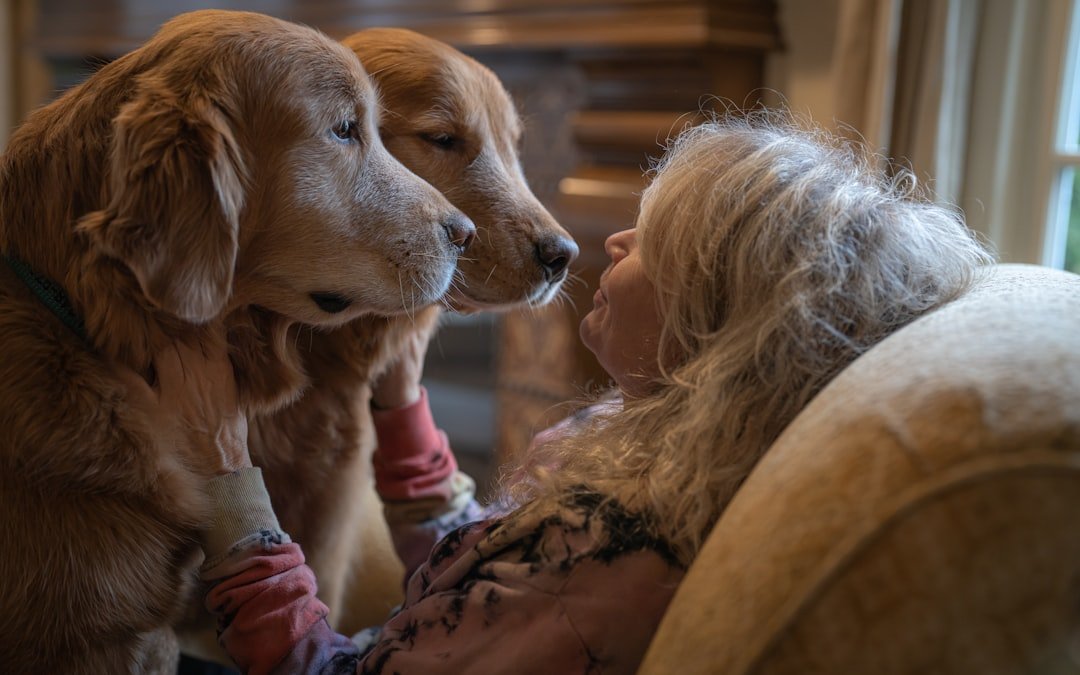
Your dog’s size and head shape aren’t just physical traits – they’re roadmaps to understanding how they’ll age, what challenges they might face, and how you can best support them through every stage of their life. Whether you’re loving a tiny Yorkie who might need extra cognitive support in their teens or cherishing a mastiff who’ll age more gently but for fewer years, knowledge is your superpower as a dog parent.
The most beautiful part? Every dog, regardless of size or shape, deserves the same thing – unconditional love, attentive care, and a human who understands their unique needs. Your dog’s aging story is still being written, and you hold the pen. What will you do with this precious knowledge to make their golden years truly shine?


