
Here’s What To Do If You See A Fox In Your Yard

Picture this: you’re enjoying your morning coffee, gazing out at your pristine garden, when suddenly a rusty-colored flash catches your eye. There it is – a fox, bold as brass, trotting across your lawn like it owns the place. Your heart might skip a beat, and a dozen questions flood your mind. Is it dangerous? Should you call someone? What if it has rabies?
Finding a fox in your yard isn’t as uncommon as you might think. These clever creatures have become increasingly common in urban and suburban areas, making their way into neighborhoods in search of food, shelter, and a safe place to raise their young. Before you panic or reach for your phone, take a deep breath. Most of the time, seeing a fox is actually a fascinating wildlife encounter rather than a genuine emergency.
Stay Calm and Observe from a Distance

Your first instinct might be to grab your phone and start recording, but hold on. It’s important to stay calm and avoid approaching the fox. Foxes are typically shy creatures and will likely keep their distance. Think of it like meeting a celebrity on the street – you want to observe, but you don’t want to invade their personal space.
Observing from a distance allows you to gauge their behavior. A fox in your yard is not usually a threat, but it’s wise to be cautious, especially if the fox is acting unusually bold, aggressive, or seems unwell. If the fox appears relaxed and is simply passing through or foraging, you’re likely witnessing completely normal behavior.
Make Some Noise to Announce Your Presence
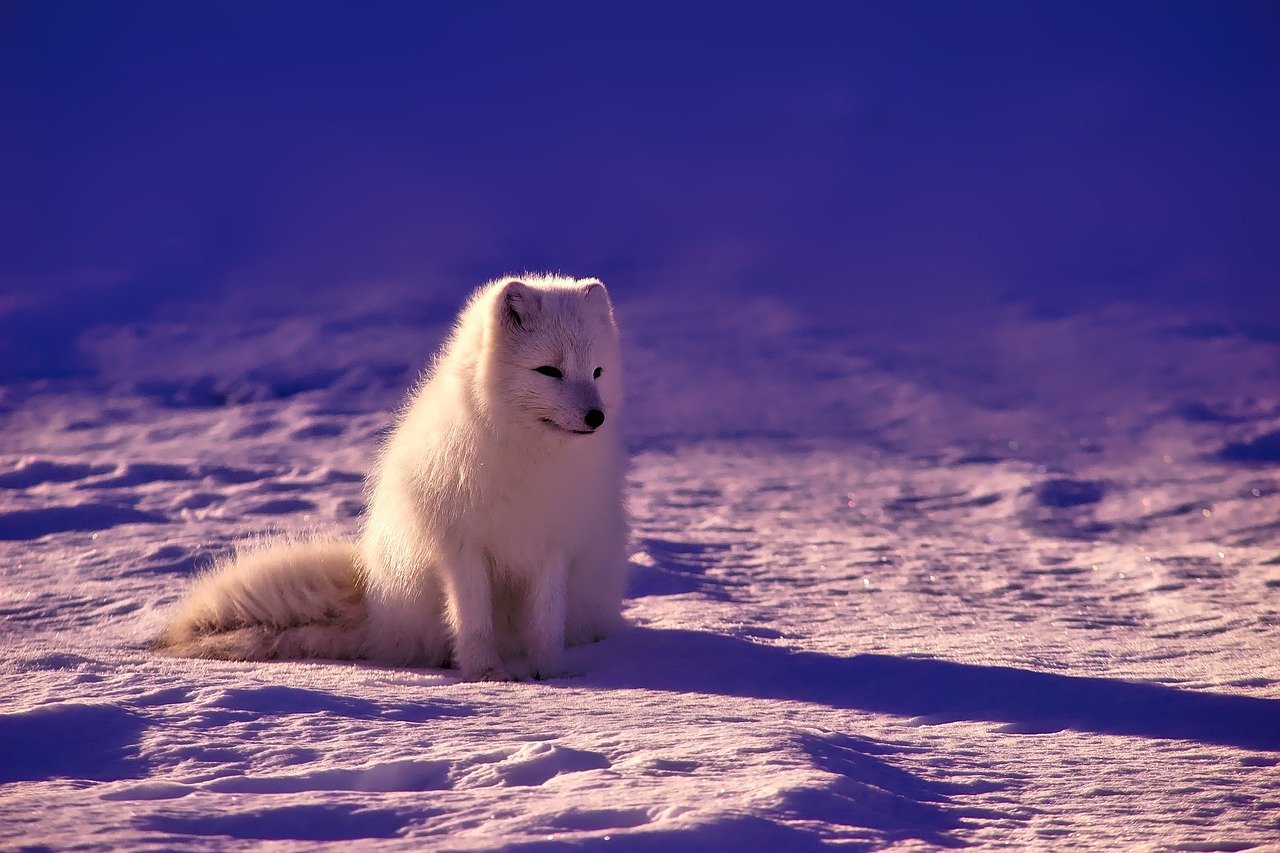
If you need to go outside while the fox is still in your yard, don’t sneak around like you’re in a spy movie. When you exit through the front door, announce yourself loudly to alert the foxes that you’re coming out. Saying something like “hello fox, here I come!” will let them know you’re there and they’ll likely dart into their den or hide in the nearby foliage.
If in their curiosity they approach you, clap and shout to scare them away. It might feel a bit silly talking to wildlife, but foxes have excellent hearing and will usually high-tail it out of there once they know humans are around. Remember, they’re probably more scared of you than you are of them.
Secure Your Pets Immediately

If you have pets, especially small dogs or cats, it’s important to keep them indoors or supervise them when they’re outside. While foxes are generally not aggressive towards pets, they may see small animals as prey, especially if they feel threatened. Your adorable Chihuahua might look like a walking Happy Meal to a hungry fox.
Most dogs are not at risk from an attack by a fox unless they have threatened their young, but they still should not be left outside unattended. Depending on where you live, very small dogs are vulnerable to harm from a plethora of predators, including foxes, so they should be monitored when outside. It’s better to be safe than sorry when it comes to your furry family members.
Remove All Food Sources

One of the most effective ways to deter foxes is to remove anything that might be attracting them. Foxes are scavengers and will seek out food, so ensure that your garbage bins are tightly sealed. Foxes are known for rummaging through trash cans for food scraps. Think of your trash can as an all-you-can-eat buffet if it’s not properly secured.
Don’t leave pet food outside overnight, as it can attract foxes and other wildlife. Pick up fallen fruit if you have fruit trees in your yard, as this is a natural food source for foxes. Foxes can be drawn to bird feeders that attract rodents, which foxes may prey on. If you’re dealing with a fox problem, consider temporarily removing your bird feeders.
Check for Signs of Illness
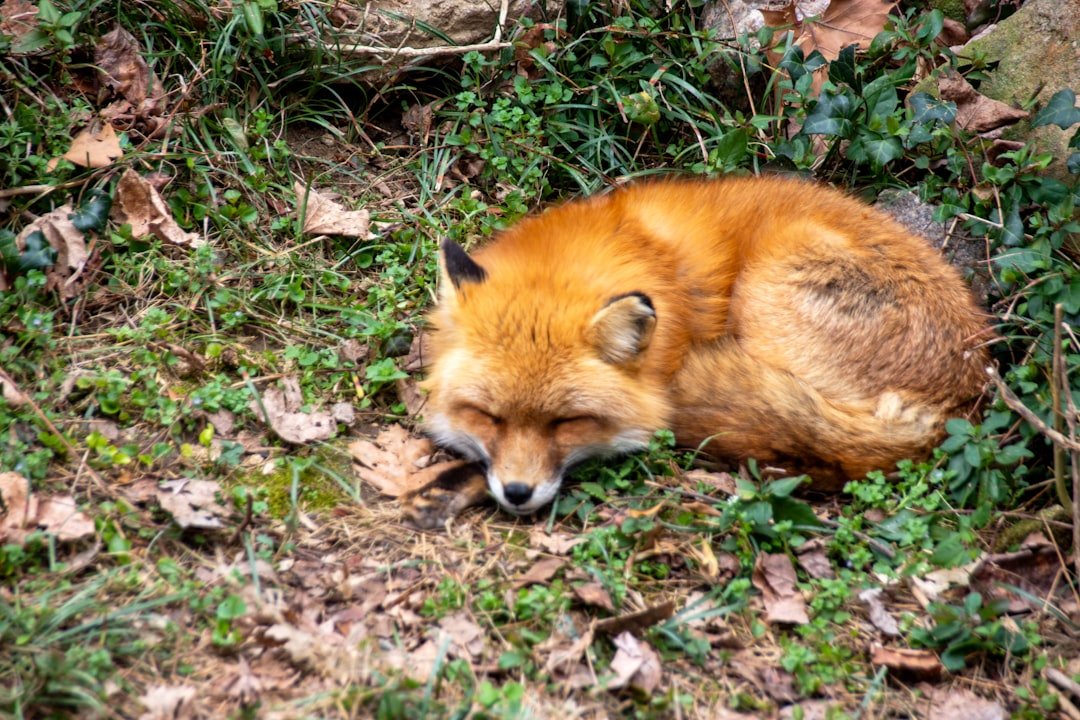
Not all fox encounters are created equal. Before calling to report a fox or to ask for assistance, take time to observe the fox’s behavior and look for these signs: Partial paralysis or the inability to use their limbs well. Circling or staggering as if drunk. Self-mutilation. Acting aggressively for no reason. These behaviors are red flags that something isn’t right.
Foxes suffering from mange will show signs of hair thinning and loss, severe itchiness, and thickened, scabbed skin. Due to scratching to relieve itchiness, secondary bacterial infections often occur. A mangy fox might look like it’s having the worst hair day of its life, but it’s actually a serious condition that requires attention.
Understand That Daytime Activity Is Normal

It’s normal for foxes to be out and about during the day, so that alone isn’t cause for concern. This might surprise you, especially if you’ve always thought of foxes as strictly nocturnal creatures. Foxes prey on squirrels, birds, chipmunks and other animals that are only active by day, so they may simply be looking for a meal. Foxes commonly live in close proximity to people and may forage more during the day in summer when they are raising their pups.
Seeing a fox out during the day doesn’t mean that it has rabies, because foxes have learned to feed during the day. There is food available at all hours when humans are around, and foxes have learned and adapted to jump at that chance. They’re essentially adapting to our 24/7 lifestyle.
Block Potential Den Sites

If you suspect a fox may be denning on your property, it’s crucial to block off any potential entry points. Foxes prefer secluded spaces and can be sealed with sturdy materials like hardware cloth or chicken wire, making sure any holes are securely covered. Think of it as fox-proofing your property, similar to child-proofing but with more digging involved.
However, avoid doing this if you suspect the fox has already had kits in the den, as it’s illegal in some areas to disturb a fox den while the animals are present. Block up areas under sheds or decking (autumn and winter is the best time) as these are ideal locations for fox dens. Always check to see if the den is being used first.
Use Natural Deterrents

You can use certain smells to deter foxes, such as that of chilli peppers or garlic. Try infusing these in boiling water and spraying around your garden as a fox repellent. Foxes have an extremely keen sense of smell and, while this helps them to sniff out food, there are some scents that they cannot bear – including garlic and chilli. It’s like creating a spicy force field around your property.
Motion sensor lights or even sprinklers can be used to deter foxes. They can be easily scared, so a sudden light or burst of water can help to get rid of foxes in your garden. However, be aware that smart foxes might eventually catch on to these tricks and become less startled by them over time.
Protect Small Livestock and Poultry

Foxes may prey on small pets like rabbits, guinea pigs or chickens, so such pets should be kept indoors or housed in sturdy structures. Poultry should be protected by a sturdy coop and run built to withstand any break-in efforts by foxes, raccoons or dogs. Your backyard chickens need Fort Knox-level security when foxes are around.
Keep any pets such as rabbits indoors or in secure enclosures during the night. These enclosures will need a solid roof and floor. Sides should be made from weld-mesh fencing (not chicken wire) and the doors should have a good lock that can’t be dislodged. It’s an investment in peace of mind and the safety of your small animals.
Know When to Call for Help

Contact your local animal control agency, police department or health department if you see a fox showing the signs of rabies. Contact your local health department if fox exhibits signs of rabies such as stumbling, foaming at the mouth or aggression. Don’t try to be a hero – leave it to the professionals who have the right equipment and training.
If you see a fox that you suspect is infected with mange, contact a local wildlife rehabilitator. Mange is a treatable condition. While you might feel sorry for a mangy fox, remember that attempting to help it yourself could put both you and the animal in danger.
Consider Professional Wildlife Control
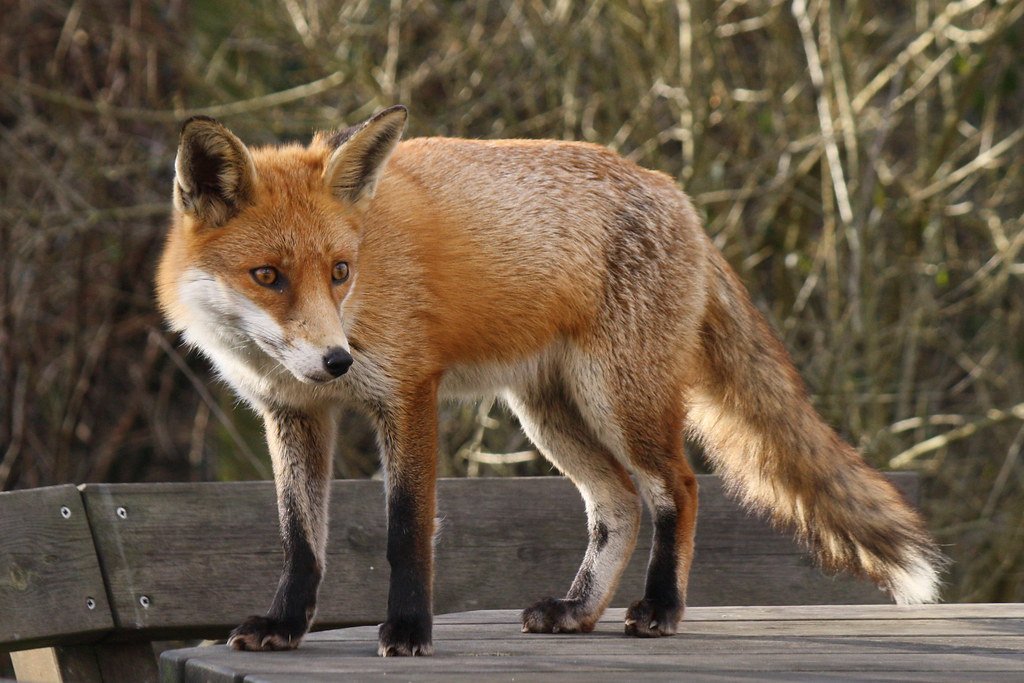
When considering how to get rid of foxes, a local wildlife control service is your best option. These pros have the expertise, equipment, and knowledge of local regulations to handle the situation promptly and humanely. Costs for wildlife removal can vary, ranging from $190 to $610 in most cases, but expect to pay about $350 to remove one fox.
Fox trapping should only be attempted by the licensed and experienced specialists. Anyone who attempts to confront or capture any wildlife puts themselves in grave danger. Professional wildlife control services have specialized training and equipment that make the process safer for everyone involved, including the fox.
Never Feed the Fox

No matter how adorable the new kits are, NEVER feed the foxes or try to approach or pet them–this is critically important for their survival. The saying goes, “a fed bear is a dead bear,” but this principle applies to all wildlife. When we put out bowls of pet food or kitchen scraps for wild mammals, it causes them to change their natural diet, which could cause nutritional problems. Even worse, they could lose their natural fear of humans and start approaching people. Wild animals that do that don’t survive long.
It might seem kind to leave out some food for a hungry-looking fox, but you’re actually signing its death warrant. Feeding, whether direct or indirect, can cause foxes to act tame and may lead to bold behavior over time. Leaving food out for foxes is dangerous for every party involved and illegal. Unnatural food sources encourage wild animals to congregate, increasing the spread of disease.
Encountering a fox in your yard doesn’t have to be a cause for panic. These intelligent, adaptable creatures are simply trying to survive in an increasingly urbanized world. By staying calm, securing your pets and food sources, and knowing when to call for professional help, you can handle the situation responsibly. Remember, most foxes are just passing through and will move on once they realize your yard doesn’t offer what they’re looking for.
Whether you end up with a brief wildlife viewing opportunity or need to take more decisive action, the key is responding appropriately rather than reactively. After all, sharing our neighborhoods with wildlife is becoming more common, and learning to coexist peacefully benefits everyone – humans and foxes alike. Did you expect that seeing a fox could teach you so much about wildlife management?