
Picture this: you’re standing on a frozen lake at minus forty degrees, watching a team of dogs race across the snow with boundless enthusiasm while their owner hangs on for dear life. These aren’t your typical neighborhood pups – they’re Alaska’s legendary huskies, and they’ve been capturing hearts and breaking land-speed records for over a century. But life in the Last Frontier isn’t all tail wags and sled rides for these magnificent creatures.
The Root of Alaskan Romance: Survival and Partnership
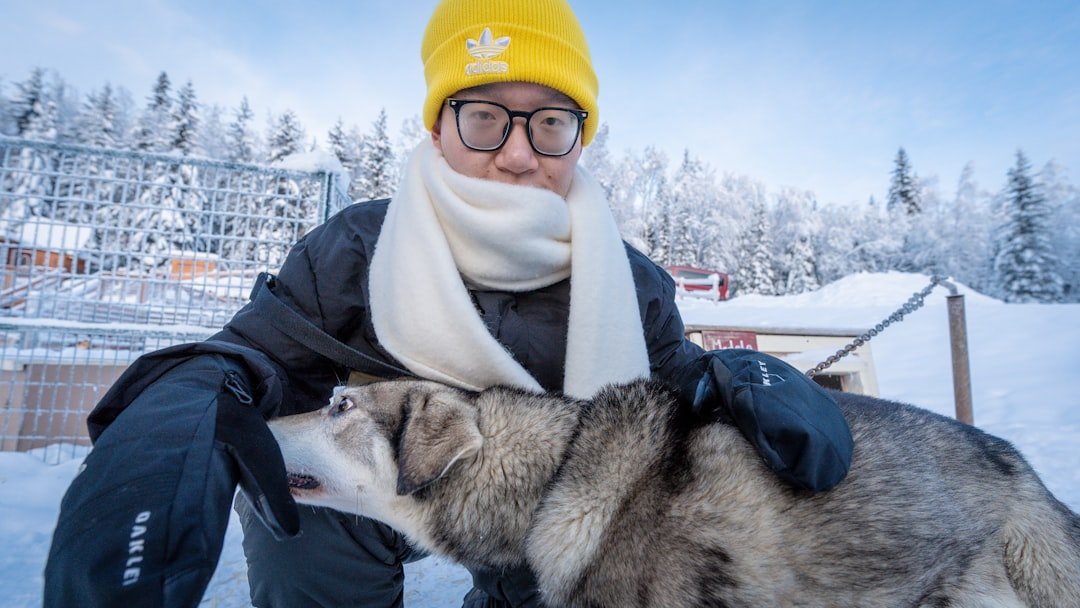
The relationship between huskies and Alaska runs deeper than most people realize. Russian fur traders and others introduced them to Nome, Alaska, during the Nome Gold Rush, initially as sled dogs to work the mining fields and for expeditions through otherwise impassable terrain. These weren’t just working dogs; they were lifelines in one of Earth’s most unforgiving environments.
The history of dog sledding in Alaska is rooted in the traditions of indigenous peoples, long before European settlers arrived. The use of sled dogs dates back thousands of years, with native groups such as the Inuit, Chukchi, and Athabaskan peoples relying on them for transportation across the vast, snowy landscapes of the Arctic and sub-Arctic regions. This partnership wasn’t born from convenience – it was forged through necessity, creating a bond that still pulses through Alaska’s veins today.
From Siberian Rats to Alaskan Heroes
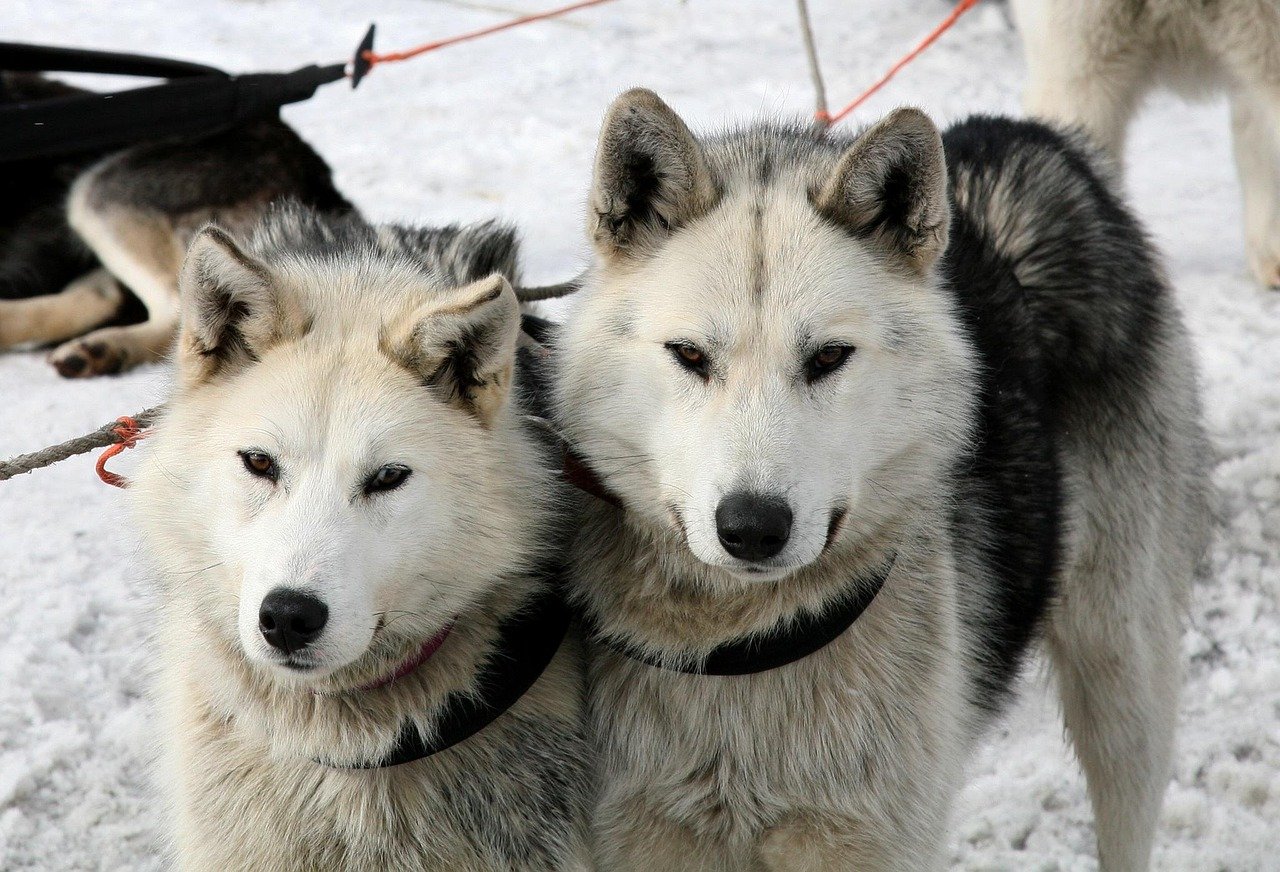
Believe it or not, huskies weren’t always the celebrated athletes we know today. The people of Nome referred to Siberian Huskies as “Siberian Rats” due to their size of 40–50 lb (18–23 kg), versus the Alaskan Malamute’s size of 75–85 lb (34–39 kg). But what they lacked in size, they made up for in heart and speed.
In 1910, this event introduced the first Siberian Huskies to Alaska, where they quickly became the favored racing dog, replacing the Alaskan Malamute and mongrels bred from imported huskies. Sometimes being underestimated is exactly what gives you the edge to prove everyone wrong. These “little” dogs were about to change Alaska forever.
The Great Race That Made History
Nothing cemented the husky’s place in Alaskan culture quite like the 1925 serum run to Nome. In 1925, two Husky heroes emerged, making headlines around the world for saving the town of Nome, Alaska during a diphtheria outbreak. Known as “The Race of Mercy,” teams of Siberian Huskies raced hundreds of miles during a blizzard to deliver lifesaving medication to the remote town.
This wasn’t just a race – it was a matter of life and death. Imagine the pressure on those mushers and their canine partners, racing against time through conditions that would challenge even modern machinery. The success of this mission didn’t just save lives; it transformed how Alaska viewed these remarkable dogs.
Built for the Brutal: Alaska’s Perfect Canine Athletes
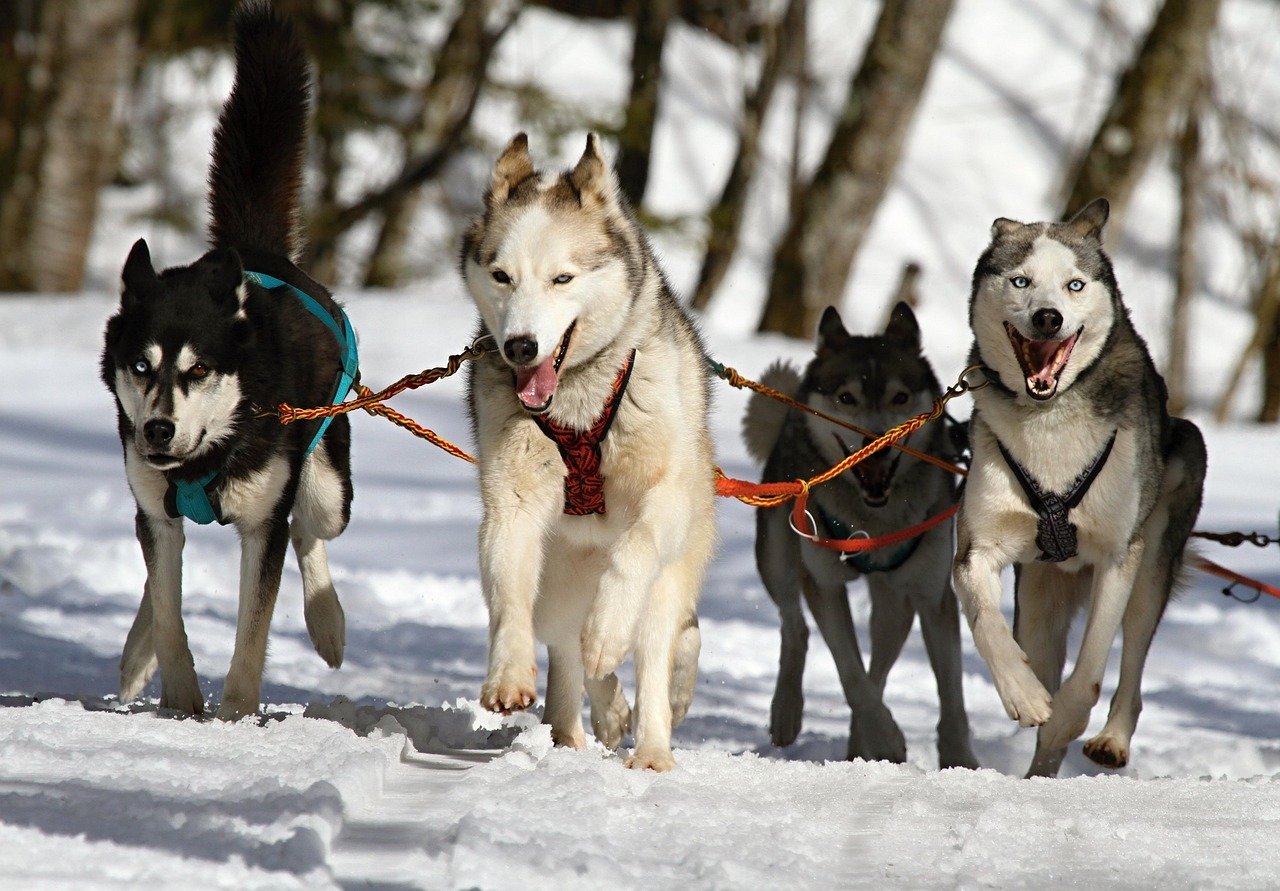
When Mother Nature designed huskies, she seemed to have Alaska specifically in mind. A Siberian Husky has a double coat that is thicker than that of most other dog breeds. It has two layers: a dense, finely wavy undercoat and a longer topcoat of thicker, straight guard hairs. It protects the dogs effectively against harsh Arctic winters, and also reflects heat in the summer. It is able to withstand temperatures as low as around −45 °C (−50 °F).
Sledding dogs can withstand temperatures as low as -40° C, run at average speeds of 18/20 km/h in long distance and 30 km/h in sprinting, and pull 35 to 70 kg for hours. These aren’t just impressive statistics – they represent evolutionary perfection for Alaska’s demanding environment. Your average pet dog would be calling for a warm blanket and room service at minus ten degrees!
The Modern Alaskan Husky: Performance Over Pretty
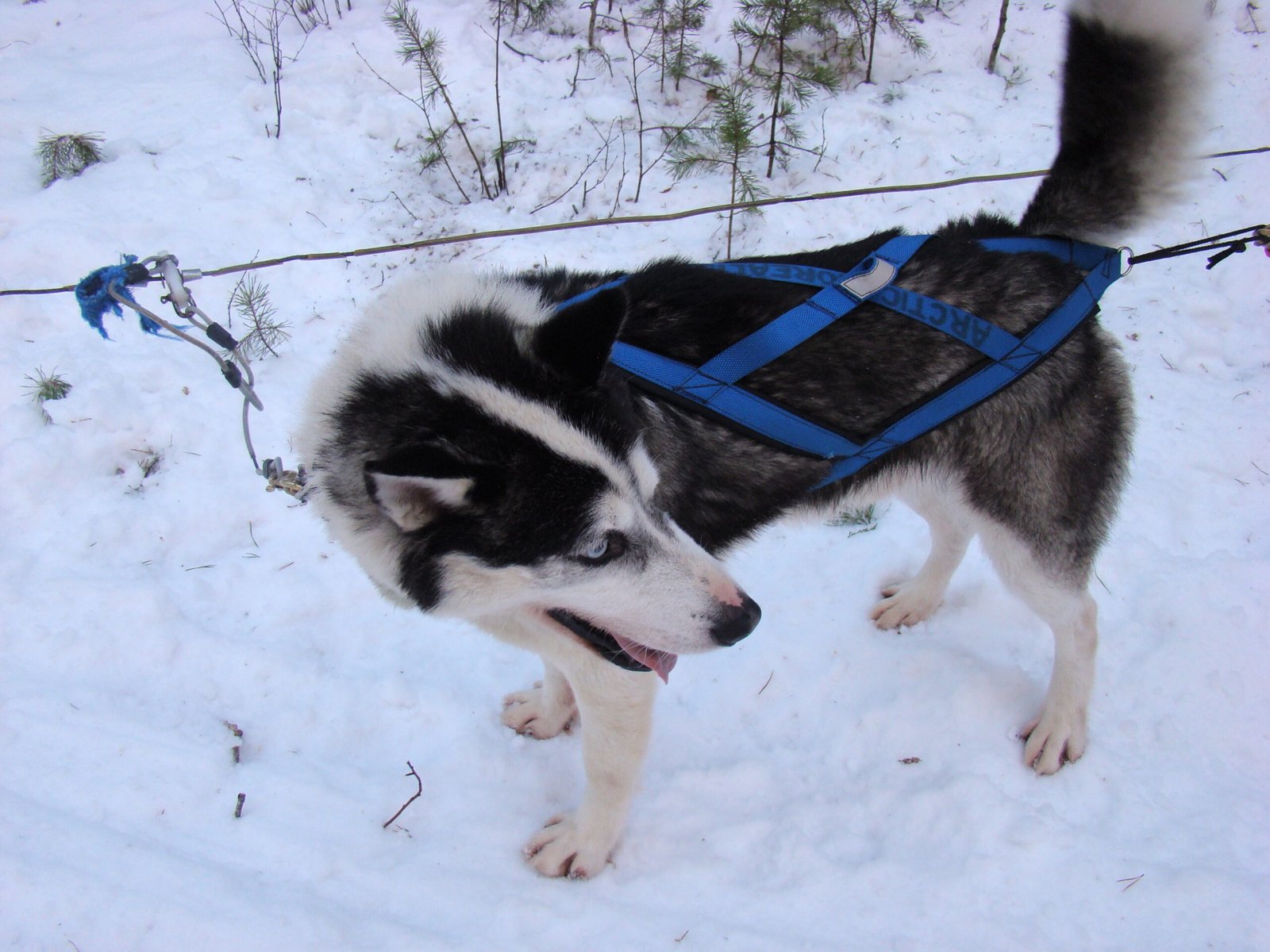
Today’s Alaskan huskies might surprise you with their appearance. The most commonly used dog in dog sled racing, the Alaskan husky is a mongrel bred specifically for its performance as a sled dog. The modern Alaskan husky reflects 100 years or more of crossbreeding with English Pointers, German Shepherd Dogs, Salukis and other breeds to improve its performance.
Unlike breeds developed for the show ring, the Alaskan husky is instead a product of careful selection for desirable sled dog traits from various other breeds, such as aptitude for pulling, endurance, speed, intelligence, appetite, and tolerance of extreme weather. Beauty contests don’t win the Iditarod – performance does. These dogs are living proof that function should always come before form.
The Dark Side of Paradise: Health Challenges in the Great White North
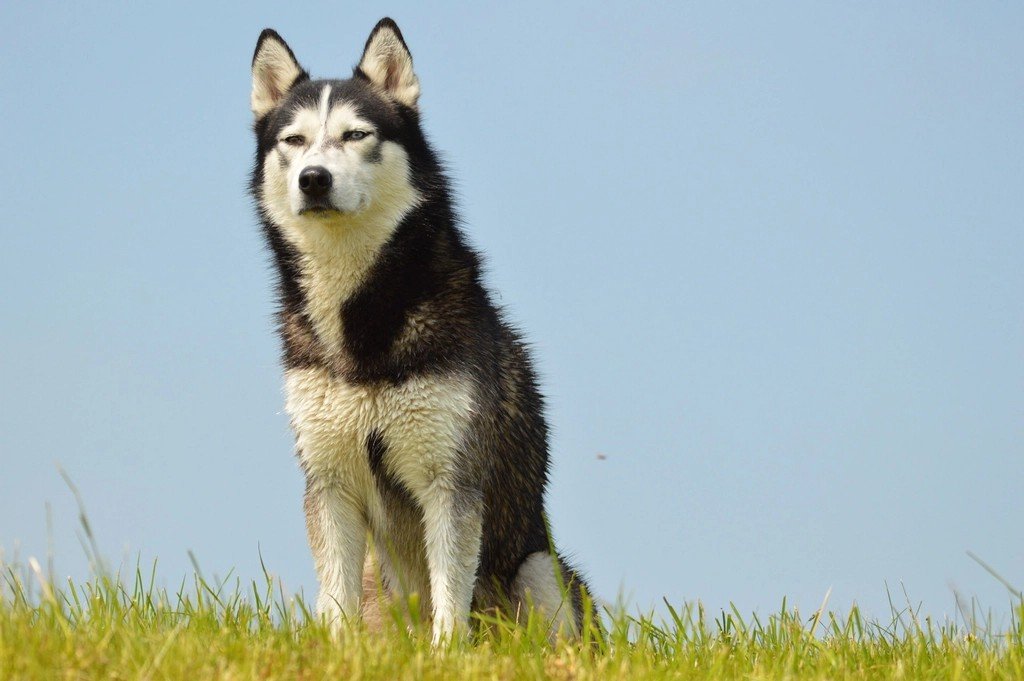
Alaska’s harsh environment that makes huskies so spectacular also presents unique health challenges. This condition affects the vocal cords and can lead to breathing difficulties, especially in hot weather. Symptoms include noisy breathing and excessive panting. Managing the environment and, in some cases, surgical intervention may be necessary. Even though Alaska isn’t known for its heat waves, climate change is creating new challenges.
Cataracts are a common condition among Siberian Huskies, often inherited genetically. This condition causes the lens of the eye to cloud, leading to blurred vision and, if untreated, potential blindness. Cataracts can develop at any age but are particularly common in young dogs. Surgical intervention can restore sight, but early detection is key. Imagine navigating Alaska’s treacherous terrain with compromised vision – it’s a serious concern for these working athletes.
Winter Warriors Face Summer Struggles
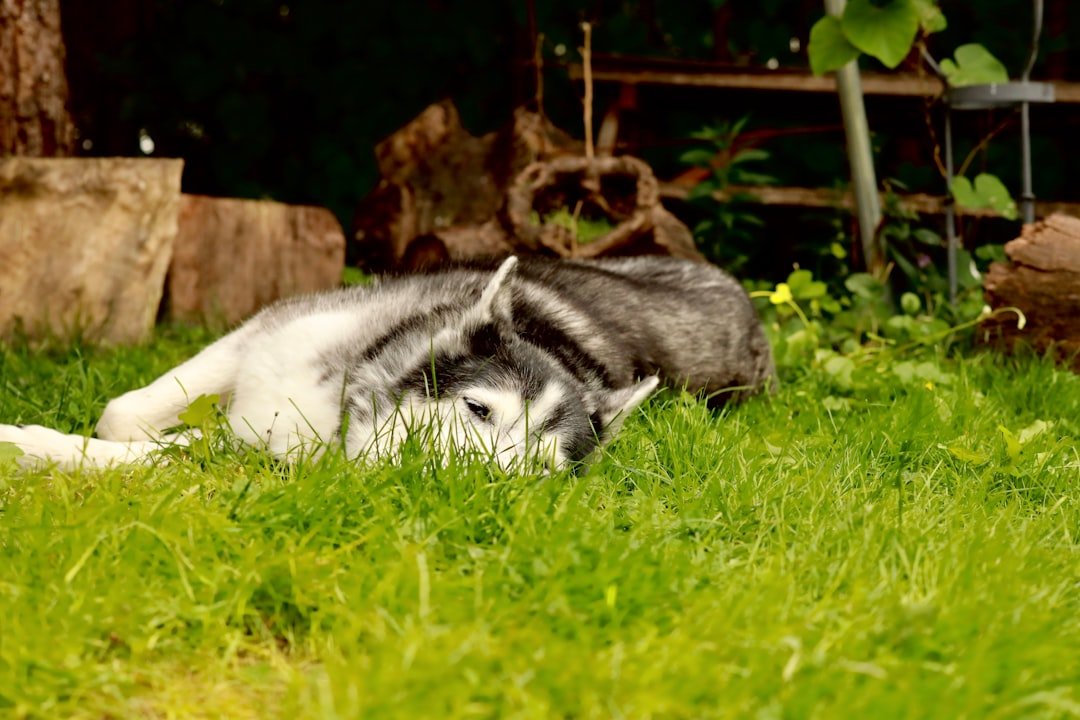
While huskies seem invincible in winter, Alaska’s brief but intense summers present unexpected challenges. Their coats were built for Arctic conditions so prolonged exposure to heat and humidity can be dangerous for Husky dogs. While all dog owners should take steps to prevent heat stroke, Husky owners need to take extra precautions.
Just be mindful of the weather, as Huskies can overheat easily in warmer climates. It seems ironic that dogs bred for the coldest place in America would struggle with Alaska’s “warm” weather, but when you’re designed for minus sixty degrees, fifty degrees above zero can feel like a furnace. Smart Alaskan husky owners adjust exercise routines and provide extra cooling during those surprisingly toasty summer months.
The Emotional Challenge: When Working Dogs Become Pets
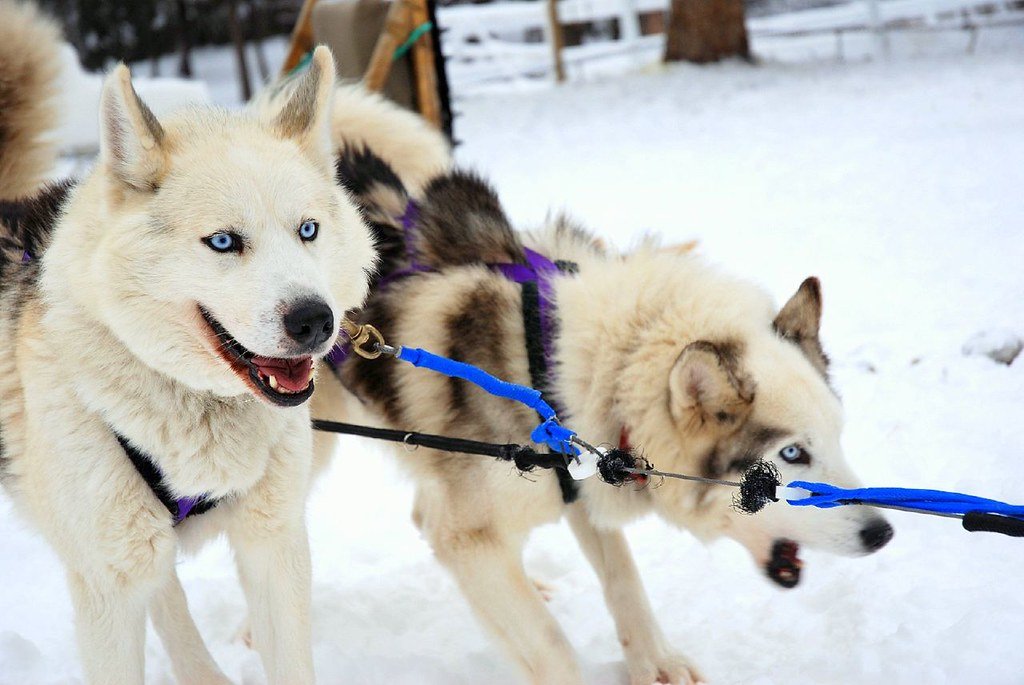
Perhaps the most overlooked challenge facing huskies in Alaska today is the transition from working dog to family pet. Many decide on the breed for their looks and mythos in pop culture, and purchase pups from backyard breeders or puppy mills who do not have breeder-return contracts that responsible breeders will, designed to keep the breed out of shelters.
Known for their friendly yet energetic nature, Alaskan Huskies thrive on companionship and play. They are incredibly social, delighting in the company of humans and other animals alike. Their intelligence makes them quick learners, but their high energy demands regular exercise and mental stimulation. Without adequate outlets, they can become restless or even destructive. A bored husky in Alaska isn’t just a household problem – it’s a recipe for escape attempts that could end tragically in the wilderness.
The Future of Alaska’s Beloved Athletes
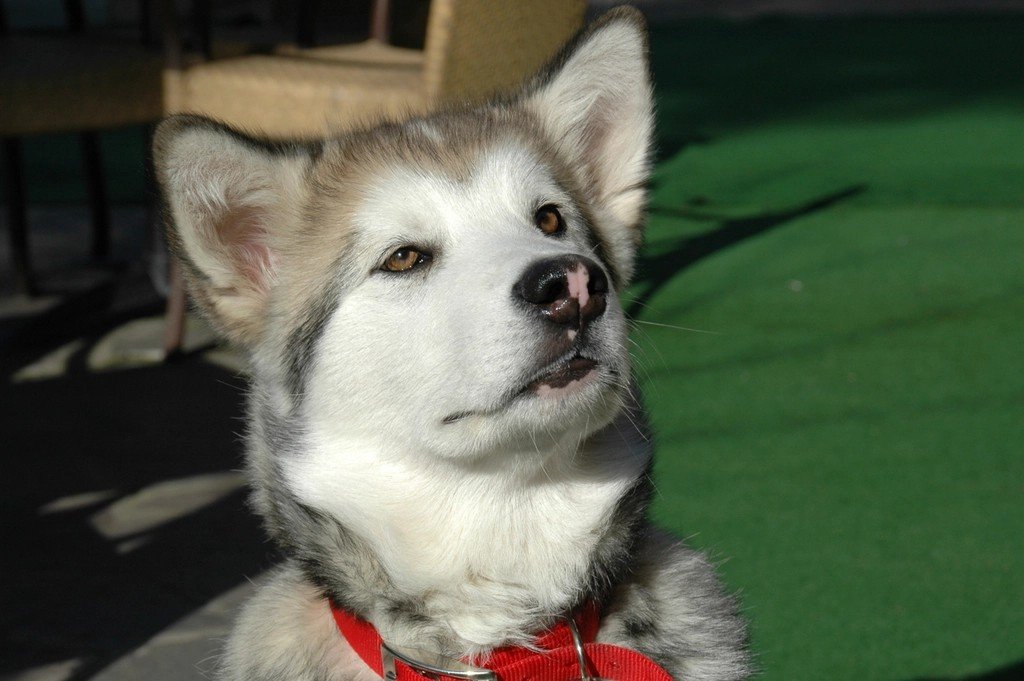
Despite the challenges, huskies continue to thrive in Alaska through adaptation and dedicated care. With Alaska’s winters still being just as harsh and the roadways consistently becoming inaccessible after heavy snowfalls, Alaskan Huskies are still used to this day for transporting people and goods. Even scientists now use these sled dog teams to travel out into the wilderness, where motored vehicles can’t reach, in order to collect various data.
The sport embodies the resilience, strength, and independence that Alaskans are known for. It is a reminder of the challenges faced by early settlers and indigenous peoples, who relied on sled dogs to survive and thrive in one of the world’s most extreme environments. In modern times, dog sledding has become a symbol of the Alaskan way of life, honoring traditions that have been passed down for generations. The husky isn’t just Alaska’s favorite dog – it’s a living symbol of everything the state represents.
Conclusion
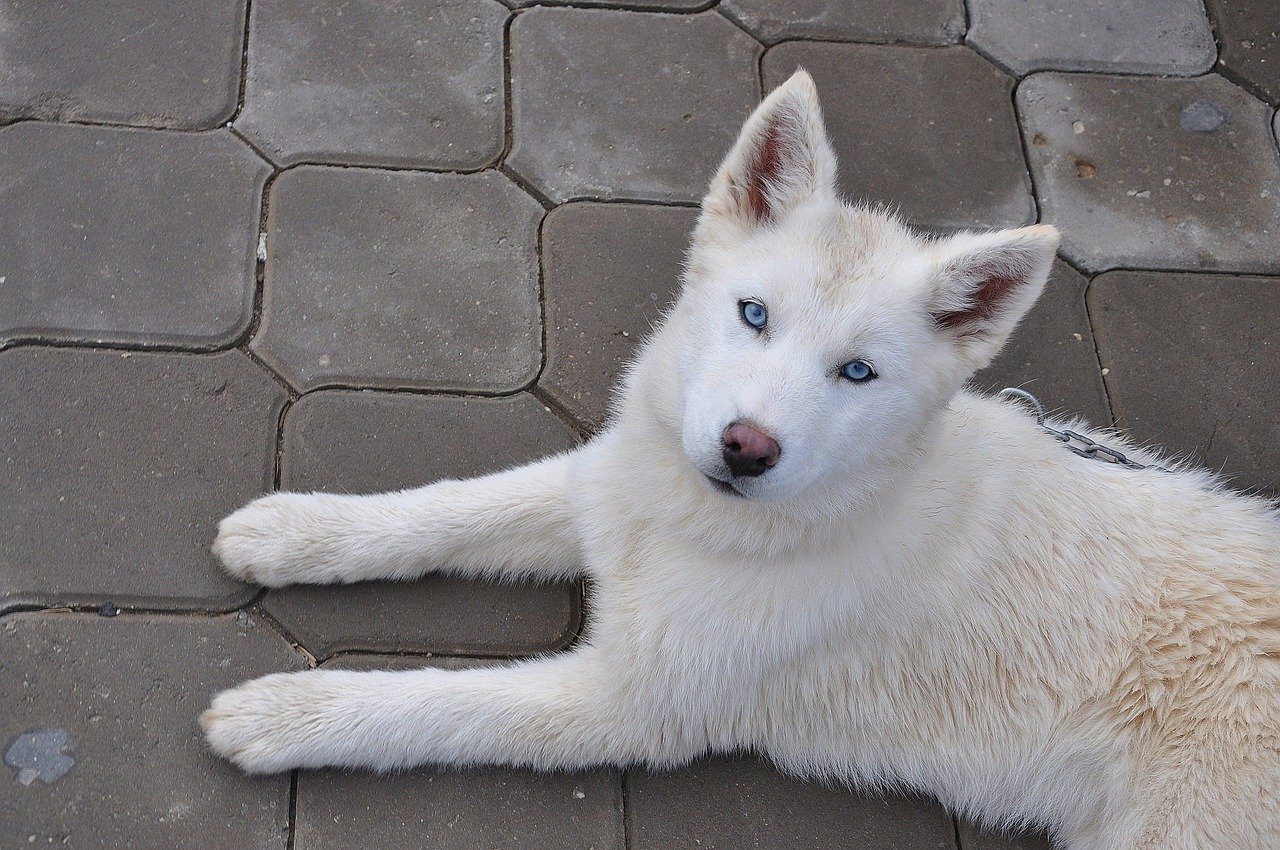
Alaska’s love affair with huskies isn’t just about having impressive working dogs or winning races – it’s about recognizing kindred spirits. These dogs embody the same qualities that define Alaskans themselves: resilience, independence, and an unshakeable determination to thrive where others might merely survive. Yet their challenges remind us that even the most perfectly adapted creatures need our understanding and care to flourish.
From the “Siberian Rats” who proved their worth during gold rush days to the modern athletes who still serve communities across the state, huskies have earned their place as Alaska’s most treasured canine companions. The next time you see a husky team racing across Alaska’s frozen landscape, remember you’re witnessing more than just dogs at work – you’re seeing a living piece of American history.
What other animal could capture the heart of an entire state quite like that?


