

Picture this: you’re watching your beloved Saint Bernard panting heavily after just stepping outside on a mild 75-degree day in New Orleans. The scene becomes even more concerning as you realize that what feels manageable to you could be potentially dangerous for your furry companion. The truth is, while Southern states like Louisiana and Mississippi offer incredible warmth and hospitality to humans, they can present serious challenges for certain dog breeds that simply weren’t built for sultry, humid climates. Understanding which breeds struggle in the heat isn’t about limiting your choices – it’s about making informed decisions that keep our four-legged family members safe and comfortable.
The Breathing Challenges of Flat-Faced Breeds
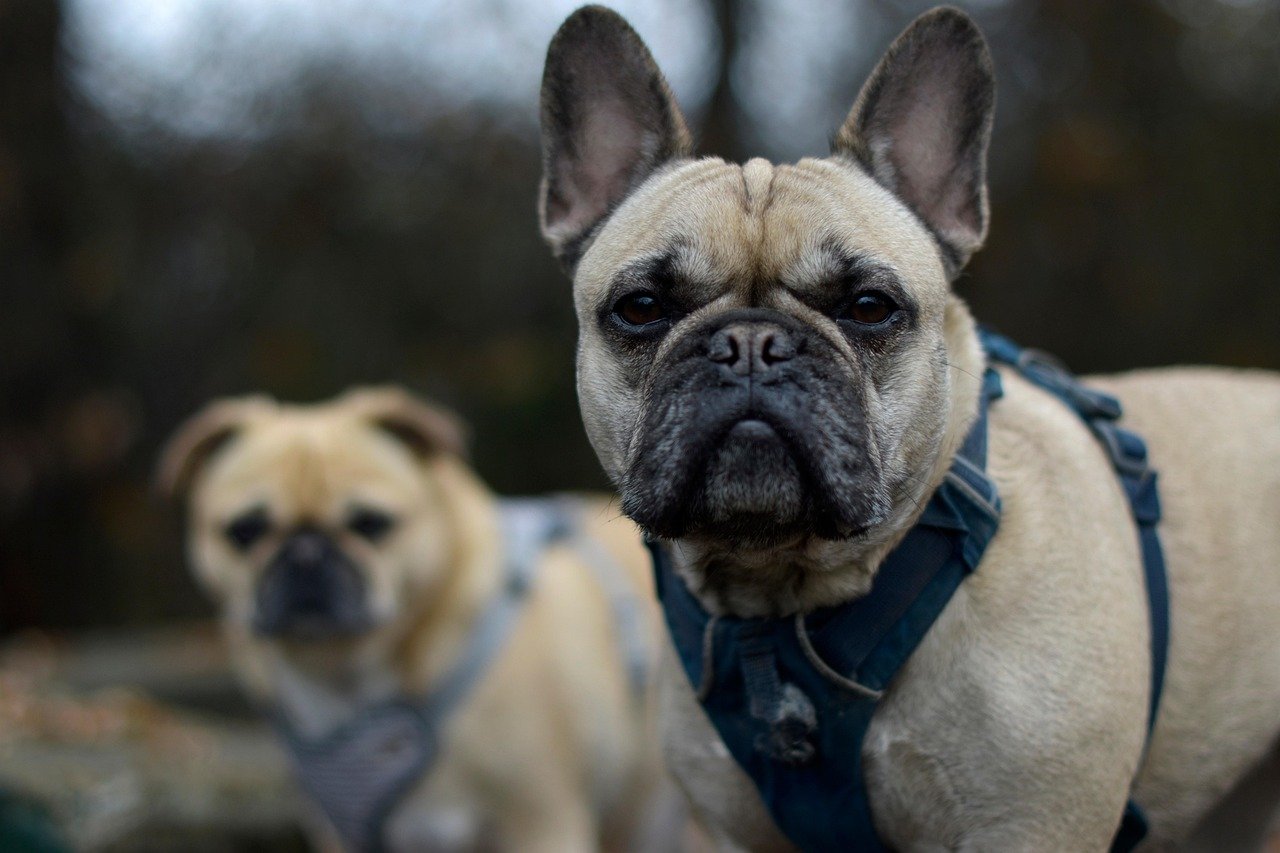
Flat-faced dogs such as pugs, Boston terriers, French bulldogs, English bulldogs and shih tzus are more sensitive to heat because they suffer from brachycephalic airway syndrome. These dogs have small nasal openings and long soft palates in the back of their mouths, which limit airflow. Think of it like trying to breathe through a straw while running – that’s what these adorable, smooshed-face pups experience every day, and it gets exponentially worse in hot, humid conditions.
These dogs are brachycephalic, meaning they have a short muzzle that makes it difficult for these dogs to cool themselves off by panting. In Louisiana’s oppressive humidity, where the air feels thick enough to cut with a knife, these breeds can quickly find themselves in respiratory distress. The short nasal passages limit their ability to cool the air they breathe, making it harder for them to control their body temperature.
Double-Coated Giants Built for Snow, Not Southern Heat
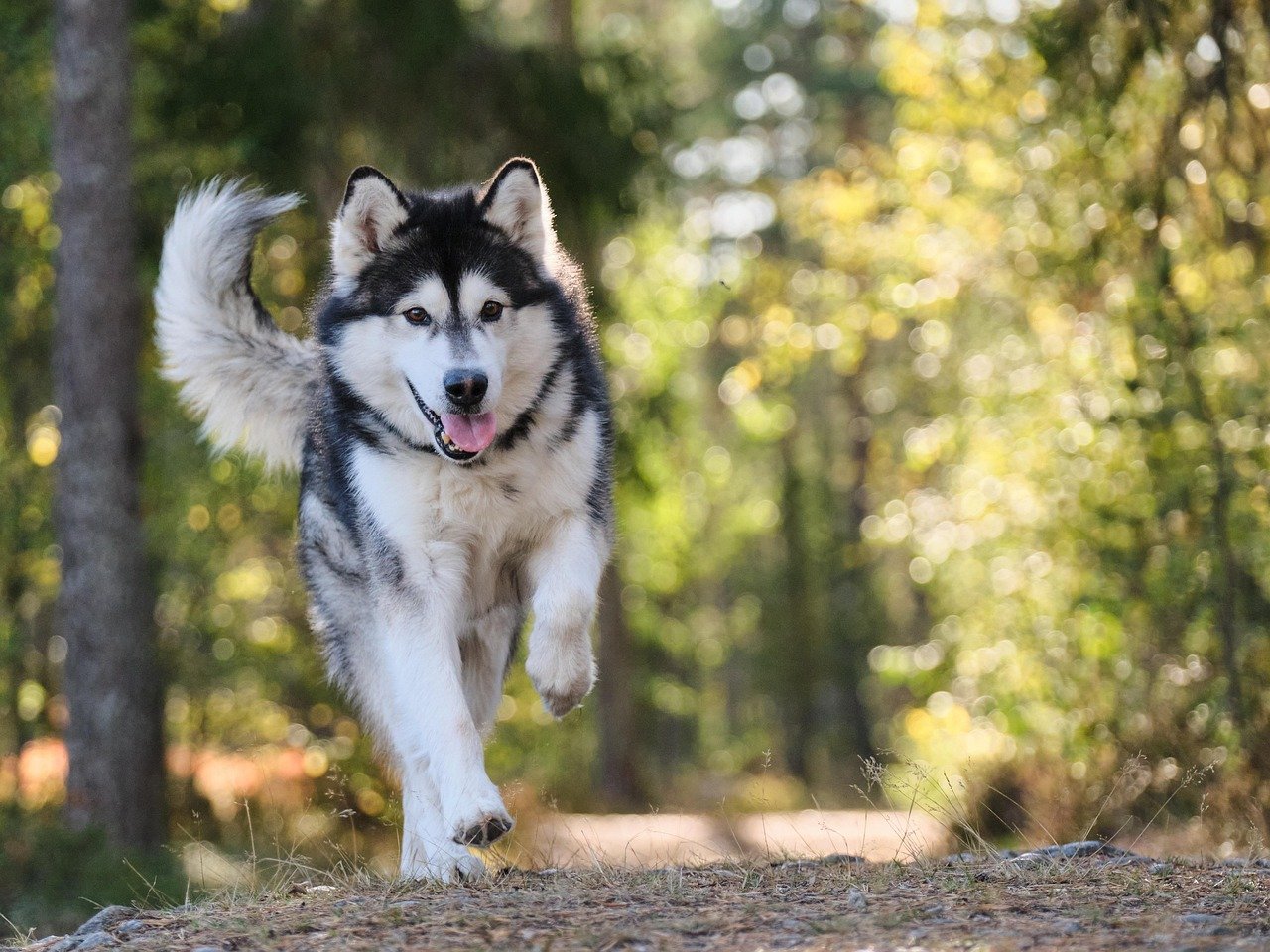
The Alaskan Malamute feels right at home in big snowdrifts; they were originally bred to pull heavy loads in Alaska. But a summer heat wave is less tolerable for this double-coated working dog. The breed’s dense coat is like a well-insulated parka that traps heat and locks out moisture. Imagine wearing a down jacket in Mississippi’s summer – that’s essentially what these magnificent dogs experience daily.
In cold weather, an Akita’s thick double coat provides insulation. But in hot weather, this coat may cause them to overheat. This, coupled with their heavy build, means Akitas have a low tolerance for heat. These breeds were literally designed by nature and selective breeding to thrive in sub-zero temperatures, making Southern summers particularly challenging for their well-being.
The Deceptive Danger for Active Breeds Like Boxers and Bulldogs
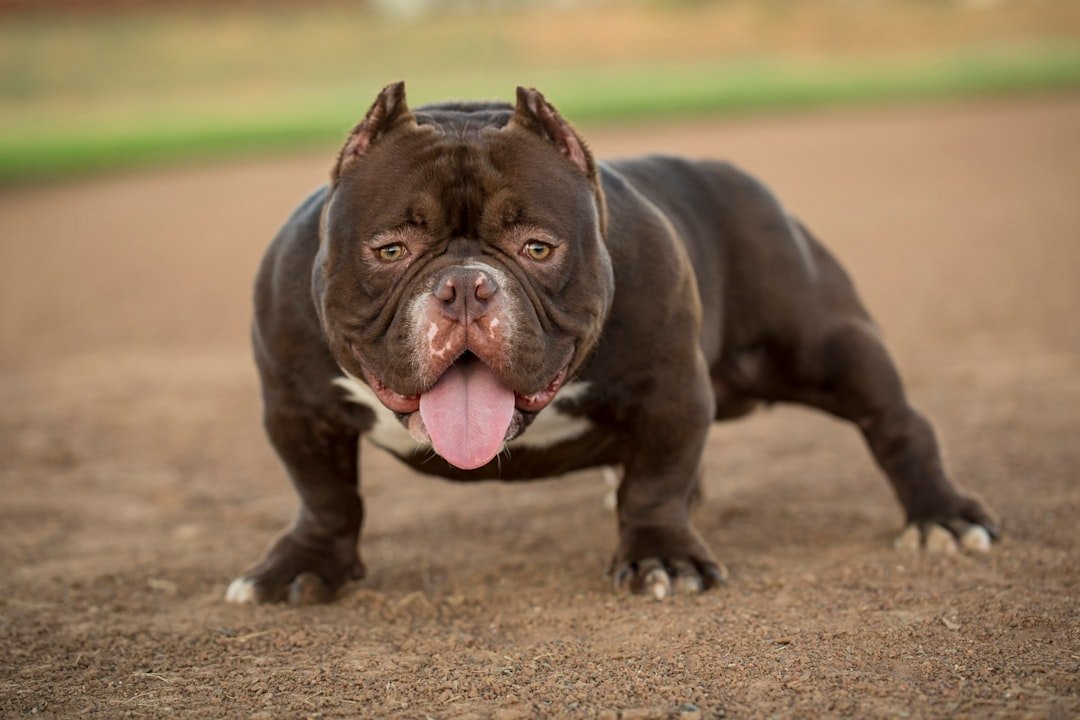
Because Boxers are brachycephalic and have high energy levels, they tend to overheat easily. This creates a perfect storm scenario – you have a dog that loves to play and exercise but has a compromised cooling system. Energetic and athletic, boxers face heat challenges due to their shortened muzzles and boundless enthusiasm. Their brachycephalic features make efficient panting difficult, limiting their natural cooling abilities. Unlike some heat-sensitive breeds, boxers rarely slow down voluntarily, often playing until they reach dangerous overheating.
The flat face of an English Bulldog makes this breed prone to overheating. It’s vital that pet parents restrict this dog’s outdoor activity during the heat of the day. This shouldn’t be too difficult, as English Bulldogs have a reputation for being lazy and calm dogs. The irony here is that while Bulldogs might seem perfectly suited for lounging around in the Southern heat, their breathing difficulties make even minimal activity potentially dangerous.
Thick-Coated Beauties That Become Heat Prisoners
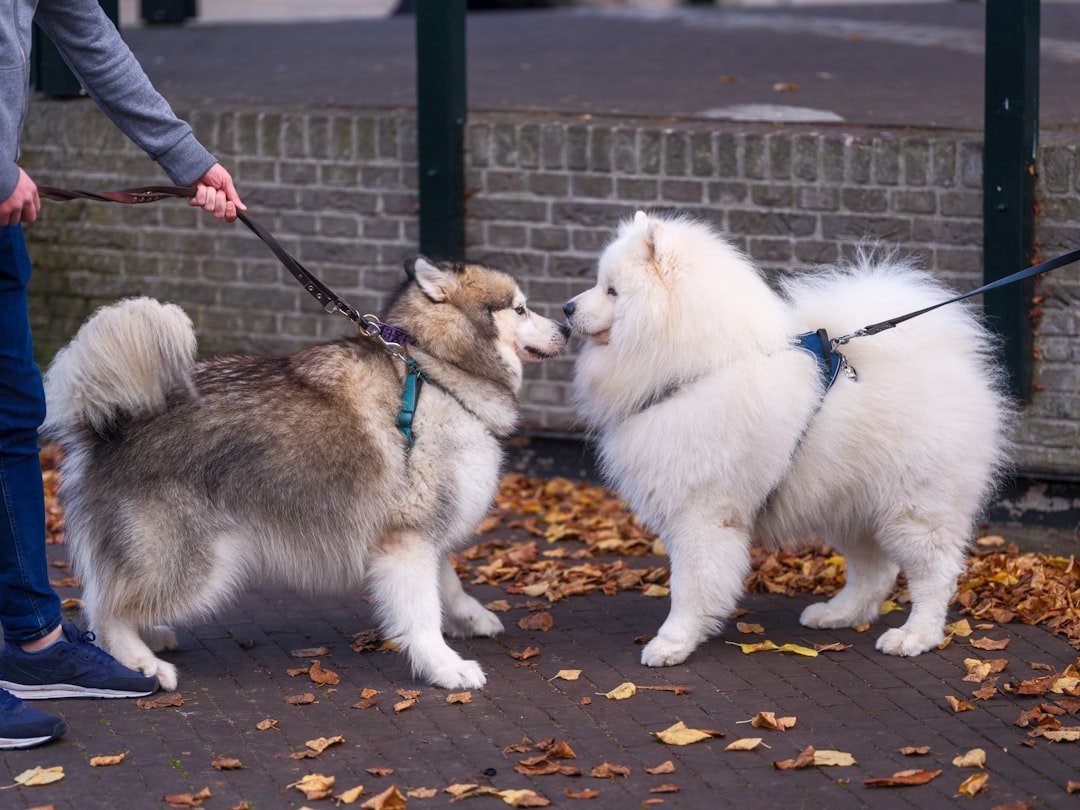
One glance at the Chow Chow’s thick, fluffy double coat and you’ll know that this dog breed doesn’t do well in the peak of summer. The good news is that these large dogs are surprisingly chill and don’t have a lot of energy to burn. Their lion-like mane might look majestic, but the chow chows had increased risk of heatstroke because of their thick “double coats”. A thick coat acts as insulation, trapping hot air and limiting heat loss if the dog overheats.
Originally from the Swiss Alps, Saint Bernards were bred for cold-weather rescue work. Thanks to the thick coat that protects them in the mountain snow, Saint Bernards can struggle in hot and humid climates. Mountain rescue heroes with massive bodies and thick coats, Saint Bernards melt faster than ice cream cones in summer heat. These gentle giants were bred for Alpine snow rescues, not beach vacations. Their enormous size means they generate tremendous body heat while having relatively less surface area to release it.
The Size Factor: Why Bigger Isn’t Better in Southern Heat
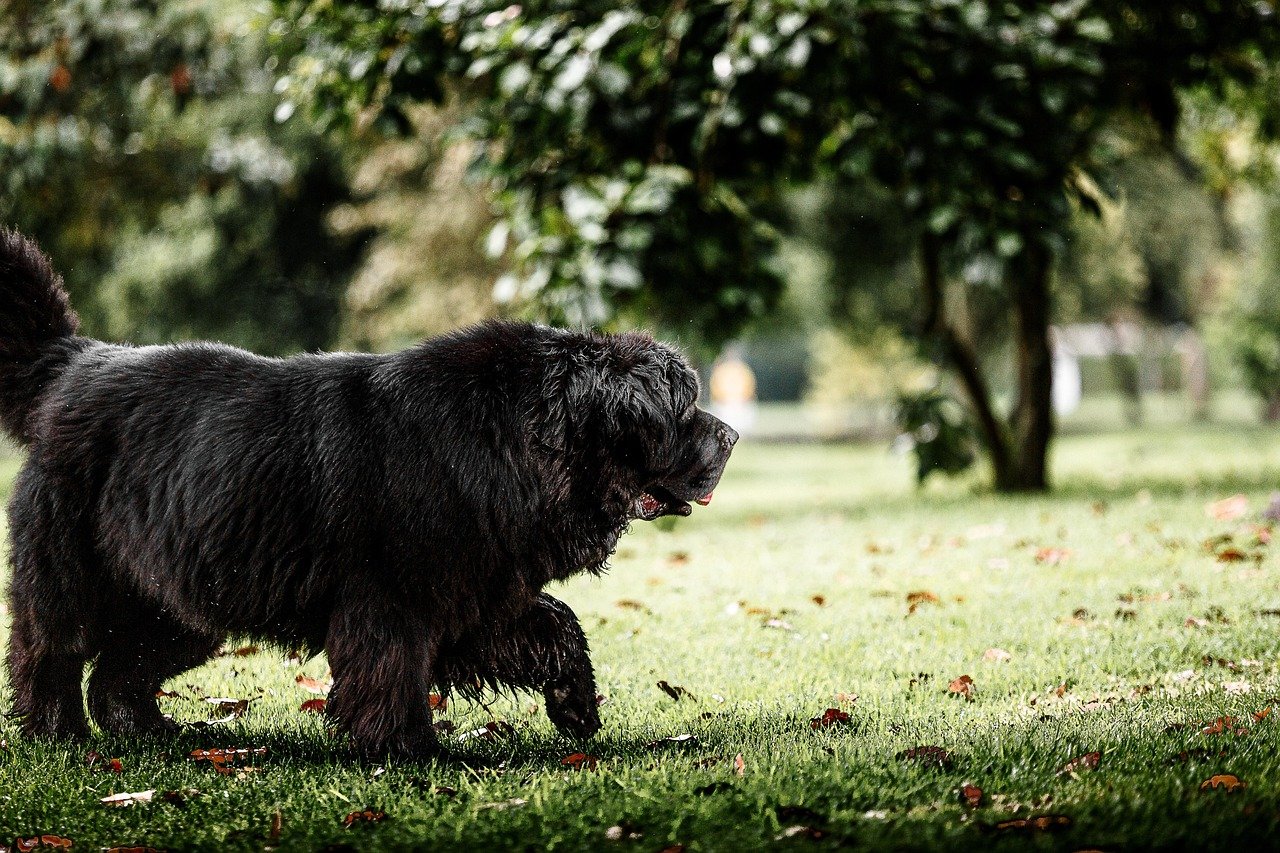
Giant breed dogs are more likely to get heatstroke than smaller dogs because larger bodies tend to lose body heat more slowly. Therefore, larger dogs can usually regulate their body temperature better in cold temperatures, not hot weather. It’s simple physics really – more mass generates more heat, and larger bodies have proportionally less surface area for cooling.
Large breeds like the Newfoundland tend to have a harder time in the heat. They have a lower surface area to volume ratio, meaning they have less skin surface for heat to escape. Newfoundland dogs were born to swim – not sunbathe. Newfies have a thick, water-repellent double coat that allows them to take a dip in brisk waters, like you’ll find in the breed’s Canadian homeland. In hot climates, keep a close eye on your gentle giant to make sure he doesn’t overheat.
Warning Signs Every Southern Dog Owner Must Know
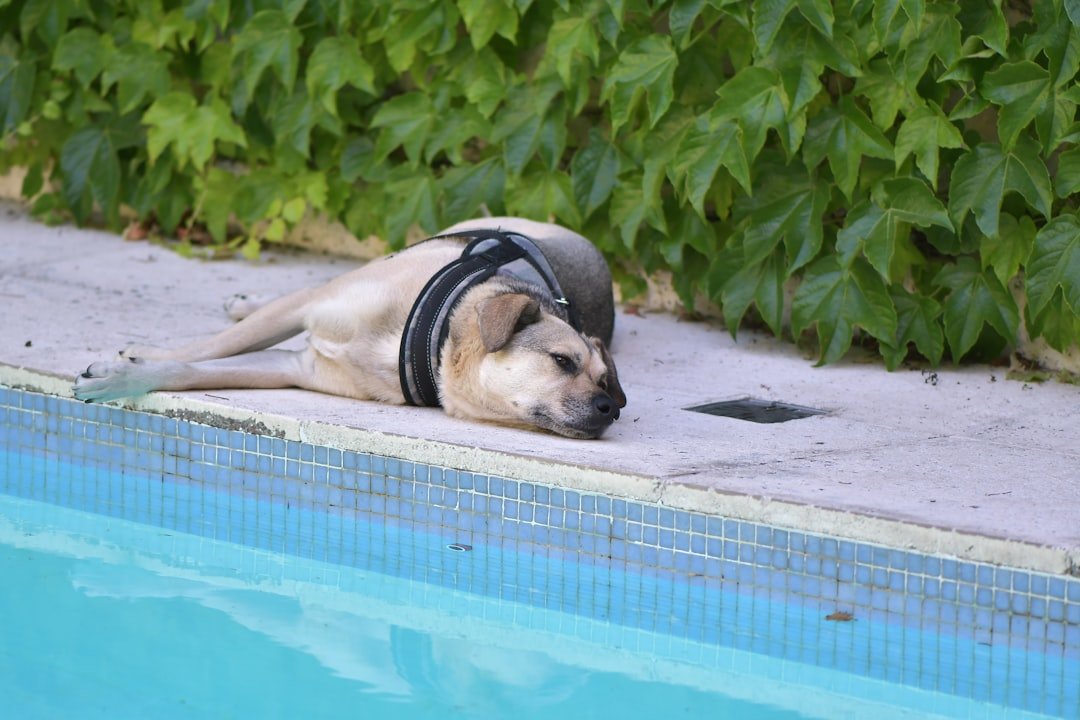
Excessive panting or difficulty breathing – if your dog is panting constantly or faster than normal, they could be overheated. Dogs with flat faces like pugs are more susceptible to heat exhaustion because they cannot pant as efficiently. Bright red, gray, purple, or bluish gums – if your dog’s gums are a different color than normal, they could be dehydrated. These color changes are your dog’s body sending you an SOS signal.
Lethargy or weakness – overheating can cause dogs to nap more than normal or having trouble standing up or walking. Vomiting or diarrhea – abnormally soft stool, or stool with blood in it, is a big warning sign for heat exhaustion. If you notice any combination of these symptoms, especially during Louisiana’s notorious summer months, it’s time to take immediate action and contact your veterinarian.
Temperature Thresholds That Could Save Your Dog’s Life
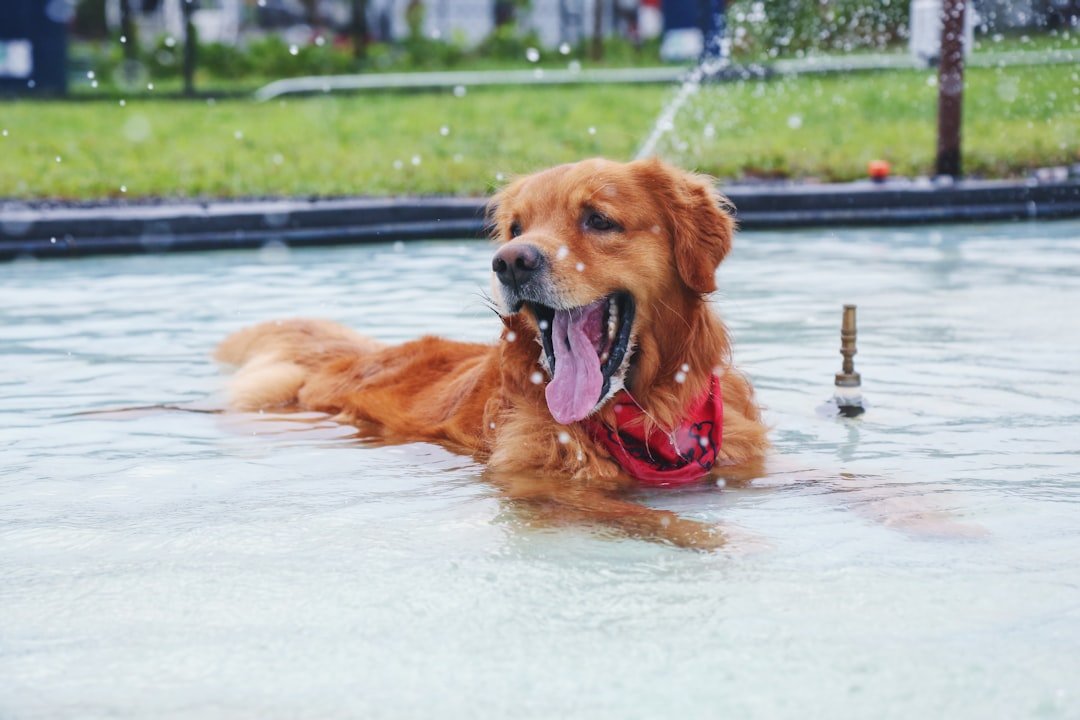
Dog heatstroke cases are more commonly seen in Southern states, and generally in areas with higher temperatures and humidity. If a pet’s body temperature exceeds 103°F, it is considered abnormal or hyperthermic. Body temperatures above 106°F, without previous signs of illness, are most commonly associated with exposure to excessive external or environmental heat.
The critical temperature where multiple organ failure and impending death occurs is around 107°F to 109°F. Dog heatstroke can occur very quickly and result in death in under an hour, especially if the pet does not have access to shade, water, and rest. Understanding these numbers isn’t meant to scare you – it’s meant to empower you to recognize when your beloved companion needs immediate help.
Practical Solutions for Heat-Sensitive Breeds in the South
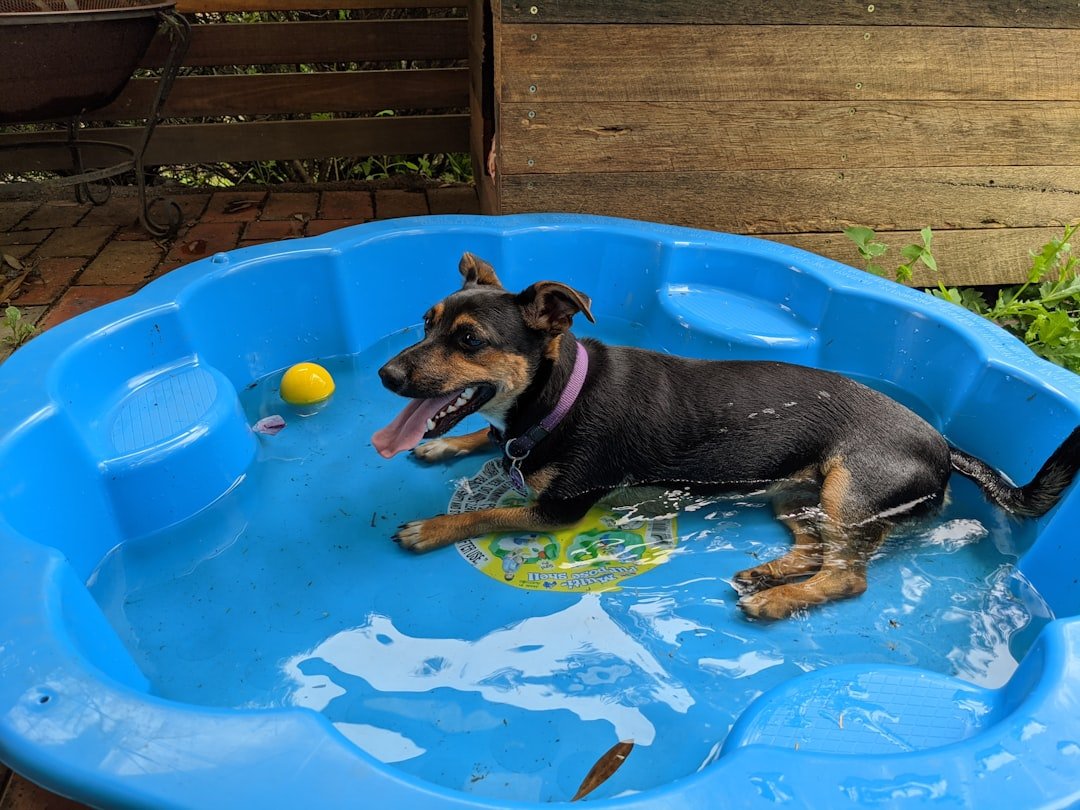
Keep your house cool – many people turn off the AC when they leave the house to save money, but just like a parked car, your house’s interior temperature can rise rapidly on a hot day. If you have to leave your dog at home, keep the AC on or set up multiple electric fans to keep certain areas cool. This might mean higher electricity bills, but it’s a small price to pay for your dog’s safety and comfort.
Use extreme caution when exercising your dog on summer days – dogs can develop heatstroke even when walking for relatively short periods of time. Consider performing outdoor activities early in the morning or late at night and be sure to provide plenty of fresh water. If you have a dog more susceptible to heatstroke, avoid spending too much time outside when the weather exceeds 80 degrees. When it’s time for a potty break, take your dog out on a leash and keep it short.
Living in Louisiana or Mississippi with a heat-sensitive breed doesn’t mean you can’t provide a wonderful life for your furry friend – it just means being extra vigilant and proactive about their care. Remember, our dogs trust us completely to keep them safe, and understanding their limitations in hot climates is one of the most loving things we can do. The next time you’re planning that afternoon walk or considering leaving your thick-coated companion outside “just for a few minutes,” ask yourself: would I want to wear a fur coat in this weather? Your dog’s life may literally depend on your answer.


